Blog - 18/11/2026
Choosing a Home Elevator for Senior Adults: 9 Things Filipino Families Should Check Before Buying
A practical guide to finding a residential lift that supports comfort, accessibility, and independent living.

A practical guide for Filipino families on choosing a safe, accessible, and comfortable home elevator for older adults.
TL;DR
A home elevator buying checklist helps Filipino families evaluate the most important factors before investing in a residential lift. From entrance accessibility and cabin dimensions to safety features, installation requirements, and after-sales support, understanding these details can help you make a more informed decision.
This guide covers nine essential things to check when choosing a home elevator, especially for households with older adults, wheelchair users, or family members with changing mobility needs.
When Do Stairs Become a Problem for Seniors?
For many senior adults, stairs can become challenging long before they are no longer able to climb them. Simple daily routines, such as going to the bedroom upstairs, using the bathroom or moving between floors several times a day, can become tiring and uncomfortable, especially for those who walk more slowly or struggle with balance.
This can be a concern for Filipino families living in two-, three- or four-storey homes. A home elevator may offer a more convenient way to move between floors, making everyday living more comfortable and accessible.
A residential lift is the best solution for every home or every family. It is important to consider the user’s mobility, available space, safety requirements and long-term needs before making a decision. In this guide, we’ll walk you through the key things to check, explore the Cibes home lift ranges, and answer common questions to help you make a more informed choice.
Using a home elevator buying checklist makes it easier to compare different residential lift options. Rather than choosing based on appearance or price alone, Filipino families should evaluate accessibility, safety, technical specifications, installation conditions, and long-term maintenance before making a purchase.
9 Things to Check When Choosing a Home Elevator for Seniors
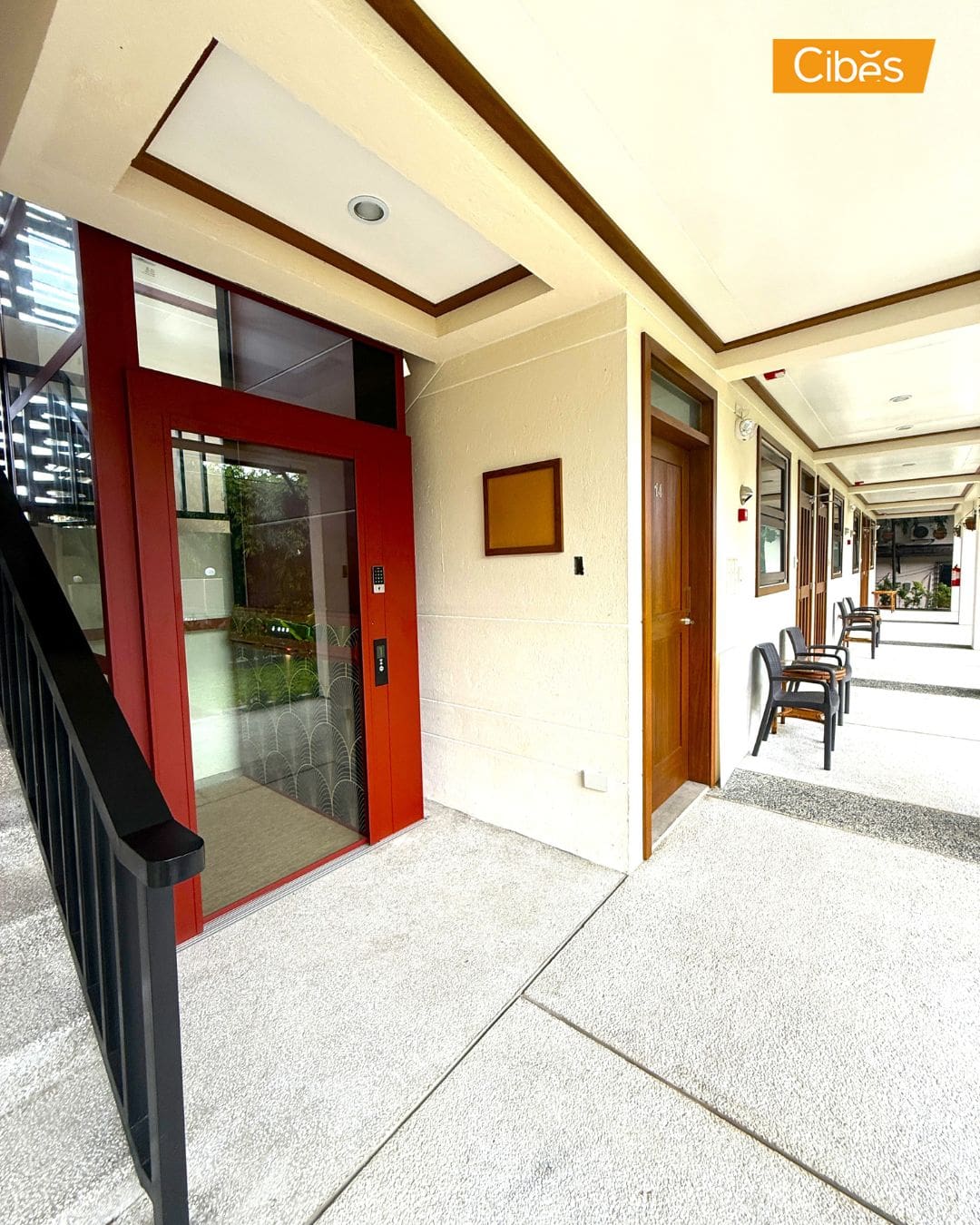
Check that the user can enter and exit without help
A lift only helps if the person can step in, turn around and step out without assistance. Check the threshold height, the door width and how the door opens, the clear space on the landing, and where the call button sits.
Look for a home elevator with:
- An accessible entrance configuration.
- A suitable door opening for the intended user.
- A comfortable and level entry arrangement.
- Controls that are easy to locate and operate.
- Sufficient clearance around the entrance.
Then match those details to how the person moves: unaided, with a cane or walker, or by wheelchair. The landing and approach count as much as the cabin.
Expert tip: Ask your elevator provider to assess the actual entry and exit arrangement using the intended user’s mobility requirements rather than relying on product photographs.
Check cabin size and rated load against the user’s mobility aid
Size the cabin from the wheelchair, not from the passenger count. Measure the chair’s overall width and length and the space it needs to turn or reverse, and add standing room if a caregiver rides along. Compare those figures with the usable internal dimensions and door opening width on the manufacturer’s drawing for the exact model, because rated load, cabin depth and door width each limit the answer. A lift rated for several standing passengers can still be too tight for one wheelchair.
Before selecting a model, consider:
- Internal elevator width and depth.
- Door elevator opening dimensions.
- Maximum of the elevator rated load.
- Number of passengers in the elevator.
- Space of the elevator required for a wheelchair or mobility aid.
- Whether a companion or caregiver needs to accompany the passenger inside the elevator.
It is also important to distinguish between passenger capacity and wheelchair accessibility. A home lift that accommodates several standing passengers is not automatically suitable for every wheelchair.
For wheelchair users, assess the turning space, entrance clearance, and dimensions of the actual mobility device.
Remember: Never select a home elevator based on its exterior dimensions alone. Request the manufacturer’s technical drawings and verify the usable internal dimensions.
Ask about safety features and what happens in a power cut
Ask which of these the specific model includes: emergency stop, door interlocks, obstruction detection, overload protection, emergency lowering and a way to call for help.
Then ask what the lift does when the electricity goes out. Some lifts lower the cabin to a landing on back-up battery mode.
Request a live demonstration of the emergency procedure, and make sure everyone in the household knows who to call.
Important features to discuss include:
- Emergency stop controls.
- Door safety mechanisms of the home elevator.
- Obstruction detection.
- Overload protection.
- Emergency lowering or rescue arrangements.
- Appropriate safety interlocks.
- Communication or assistance procedures, where applicable.
It is equally important to understand what happens when the electricity goes out.
Some residential lifts like Cibes Home Lift have a back-up battery that helps passengers reach the lower nearest floor.
For a more detailed explanation, read our guide:
Internal link: Home Elevator Safety: 7 Essential Safety Features for Families
Choose a Lift That Is Comfortable to Operate
An elevator should be simple to use, especially for someone who may not be familiar with modern technology.
Look beyond the appearance of the control panel.
Consider whether:
- Home Elevator buttons are easy to identify.
- Controls of the elevator are in a positioned within comfortable to reach.
- Floor selections are clearly indicated.
- Instructions are easy to understand.
- The operating process is straightforward and specific.
- The user can comfortably operate the lift without unnecessary assistance.
For households with people in the family who have visual, hearing, or physical limitations, ask whether additional accessibility features are available.
A practical approach is to visit an actual Experience Center and let the intended user experience the controls personally.
This provides a much better understanding of usability than simply looking at product specifications.
Consider the Type of Drive System
Not all home elevators operate using the same technology.
Understanding the drive system helps families compare installation requirements, operating characteristics, and long-term maintenance.
Common residential elevator technologies include:
- Screw-driven home elevators
These systems use a screw-and-nut mechanism to move the lift platform. They are available in residential configurations and can offer a best compact installation options.
Cibes uses screw-driven technology in its home lift solutions.
- Hydraulic home elevators
Hydraulic systems use pressurized fluid to move the elevator. Their installation requirements typically include provisions for hydraulic equipment and associated components.
- Traction home elevators
Traction systems use ropes or belts and a motor-driven traction mechanism. Their space, shaft, and installation requirements depend on the system design.
- Vacuum home elevators
These elevators use differences in air pressure to move the cabin through a specially designed vertical structure.
Each technology has different advantages and limitations. The most appropriate option depends on the property, required accessibility, installation conditions, and homeowner preferences.
For a more detailed comparison, see our Types of Home Lifts in the Philippines Guide.
Evaluate Installation Requirements Before Renovating Your Home
One of the biggest mistakes homeowners make is choosing an elevator before checking whether their property can accommodate it.
Installation requirements can vary significantly between elevator systems.
Before making a decision, ask your supplier to assess:
- Available floor space.
- Floor-to-floor height.
- Structural support requirements.
- Pit and overhead requirements.
- Electrical supply.
- Door and landing configurations.
- Possible modifications to existing walls or floors.
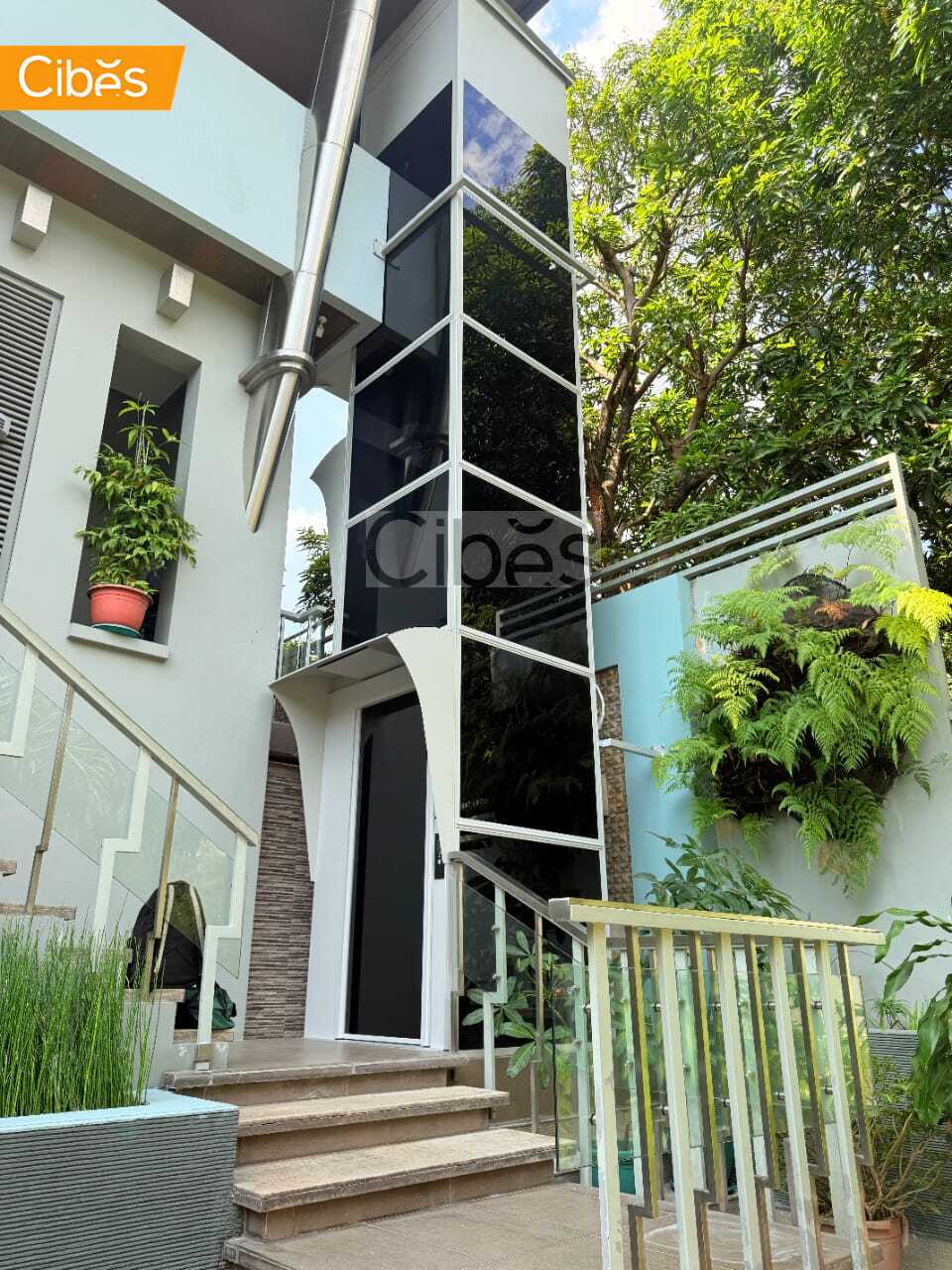
For existing homes, compact residential lifts may provide more flexible installation possibilities than conventional commercial elevator systems.
For example, the Cibes Home Lift is the best home lifts that designed with integrated configurations that can eliminate the need for a conventional pit and separate machine room.
This can make them worth considering for homeowners who want to improve accessibility without undertaking extensive structural renovations.
Important: A site assessment is necessary to determine whether a particular model can be installed in your home.
Learn more: Home Elevator Installation in the Philippines: Size, Cost and Requirements
Think About Long-Term Comfort, Not Just Current Mobility
A home elevator should be evaluated based on how it will serve the household over time.
Someone who currently walks independently may eventually use a walking aid. Another family member may develop different accessibility requirements.
This is why choosing a lift to you home based not only on today’s needs but be the best long-term approach for the long term use.
Consider the following questions:
- Will the elevator still be practical if mobility changes?
- Can a caregiver accompany the user?
- Is there enough space for future mobility requirements?
- Can the elevator serve all the necessary floors?
- Are the controls easy for different household members to operate?
- Can the family access technical support when needed?
Planning ahead does not mean assuming that every person will experience the same mobility changes. It simply means selecting a solution with the household’s long-term requirements in mind.
A well-planned home elevator can become a useful part of everyday living for multiple generations.
Look at Maintenance and After-Sales Support
Buying a home elevator is a long-term investment. The relationship with the supplier should not end after installation.
Preventive maintenance helps identify potential issues, maintain reliable operation, and ensure that safety systems receive appropriate attention.
Before purchasing, ask your provider:
- What is the recommended maintenance frequency?
- What is included in the maintenance agreement?
- How long is the product warranty?
- Are replacement parts and technical support available locally?
- Who handles emergency service requests?
- What happens when a component needs repair?
For Filipino homeowners, local after-sales support is particularly important.
The country’s climate, including humidity and coastal conditions in some locations, should also be considered when discussing maintenance requirements.
Cibes Lift Philippines Inc. provides local installation and after-sales support for its home lift solutions.
Read more: Home Lift Maintenance: Essential Tips for Reliable Performance
Visit an Experience Center Before Making Your Decision
Product photographs and brochures are useful, but experiencing an elevator in person can make the decision much easier.
A Experience Center visit allows families to understand the actual home elevator space, entrance arrangement, controls, finishes, and overall user experience.
If possible, bring the person who will use the elevator most frequently.
During your visit:
- Enter and exit the lift several times.
- Try the operating controls.
- Observe how the doors open and close.
- Evaluate the available cabin space.
- Ask about emergency procedures.
- Compare different models and configurations.
- Discuss your home’s floor plan with an elevator specialist.
For wheelchair users or people with specific mobility requirements, request an assessment of the actual model’s dimensions and accessibility limitations.
At Cibes Lift Philippines, homeowners can explore different home lift designs and discuss suitable configurations with the team.
Explore Cibes Experience Centers:
Cibes Lift Experience Center Address
Which Cibes Home Elevator Is Suitable for Seniors?
Cibes Lift offers different residential lift designs and configurations. The right choice depends on the available space, intended users, mobility requirements, and architectural preferences.
Here are some Cibes product ranges worth exploring:
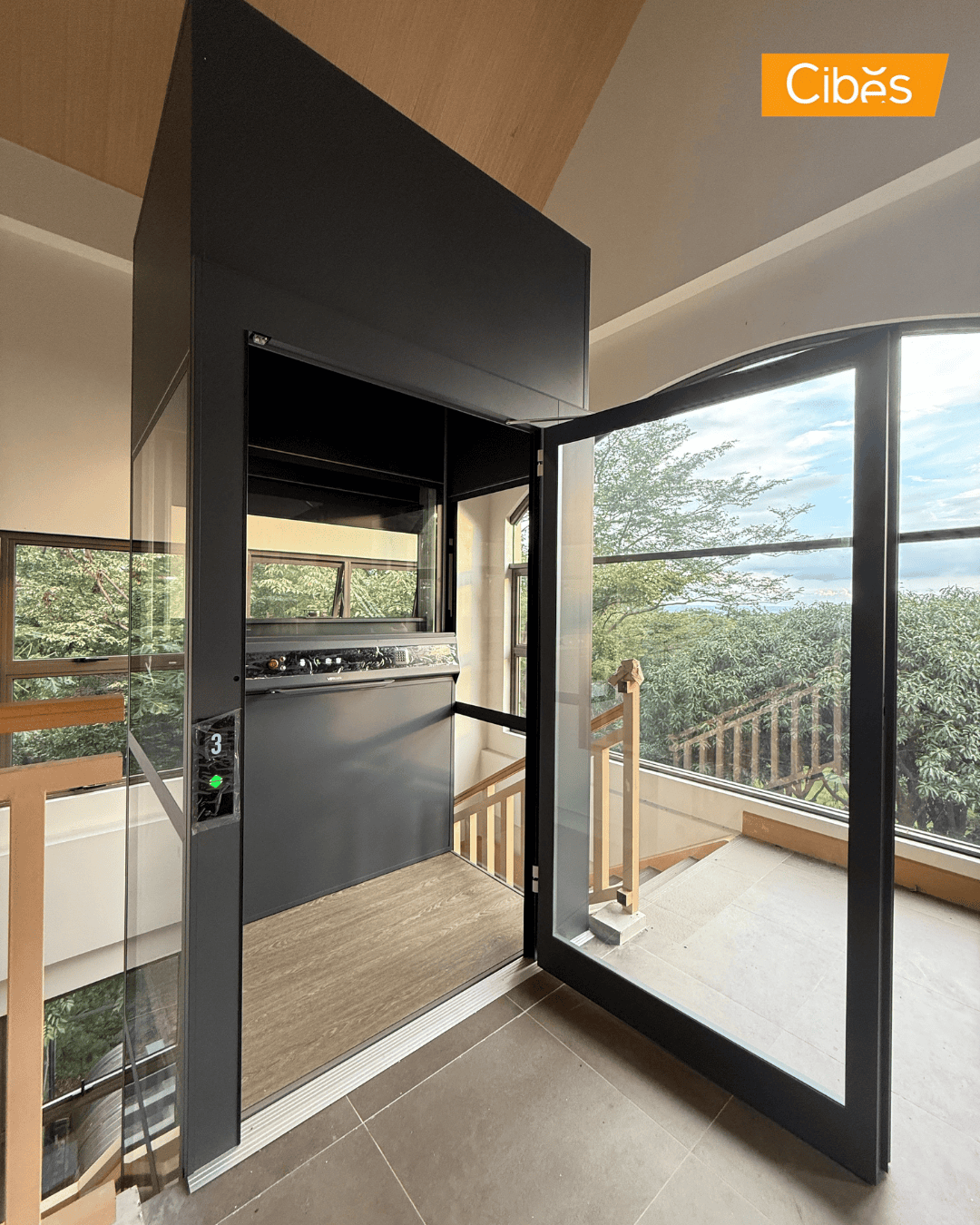
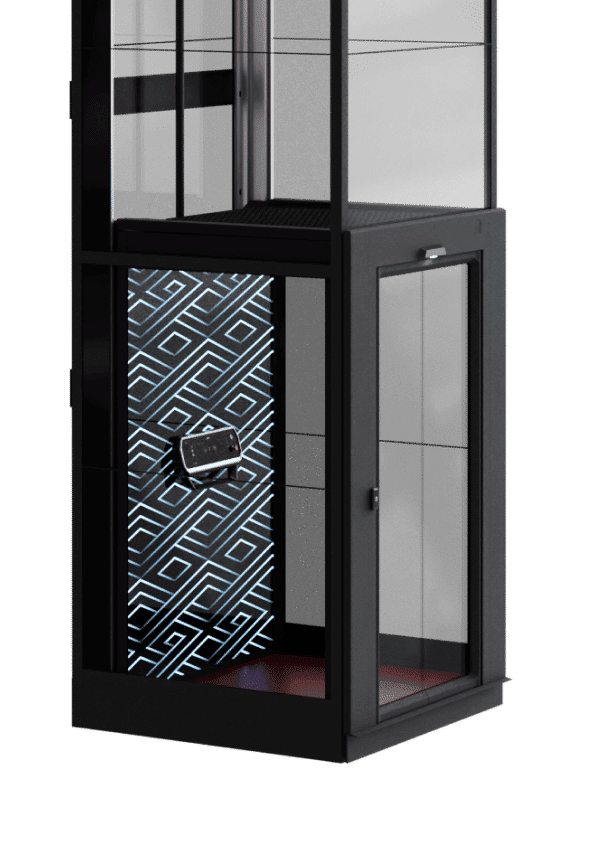
Cibes Air 2

Introducing Cibes Air 2, our newest home elevator model, designed to complement modern interiors with elegant glass and black finishes.
The Cibes Air 2 combines contemporary Scandinavian-inspired design with a panoramic glass aesthetic.
It is worth exploring for homeowners who want a residential lift that complements their interior architecture while providing convenient access between floors.
Cibes V-Series

A Cibes home elevator featuring elegant pink Cinnabar Rose Design Pattern, a sleek glass enclosure and a contemporary design that complements modern interiors.
The V-Series includes different configurations, such as the V70 shaftless lift, V80 platform lift, and V90 glass cabin lift.
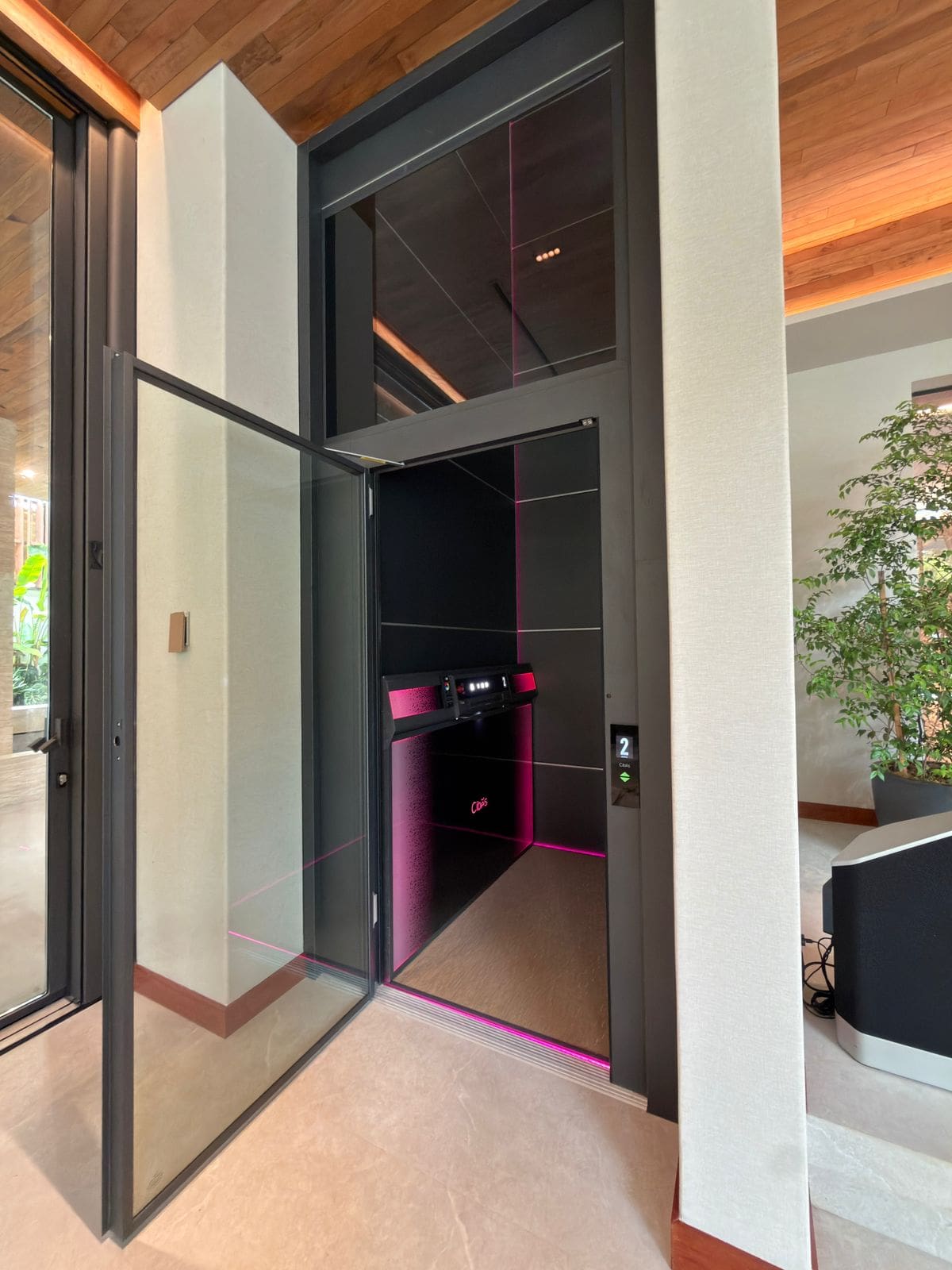
Cibes Antera – The High-End Choice for Luxury Residences

Experience the beauty of luxury home lifts with ANTERA, where elegant design meets modern residential living.
For homeowners who consider the elevator an important part of their home’s architectural design, Cibes Antera deserves special consideration.
Antera represents Cibes’ high-end residential lift offering, bringing together sophisticated interior finishes, personalized design possibilities, and modern lift technology.
Available in three configurations, Antera offers different design approaches:
Antera Z70:
Designed for installation within an existing or planned elevator shaft, making it an option for homes with a dedicated shaft structure.
Antera Z85:
A highback platform lift configuration that combines residential accessibility with a distinctive interior design.
Antera Z90:
A panoramic glass cabin configuration designed for homeowners who want a more visually striking elevator feature.
Homeowners can explore premium finishes, decorative panels, glass options, lighting, touchscreen controls, and additional interior features.
Antera is particularly worth considering for luxury residences, penthouses, architect-designed homes, and homeowners who want their elevator to complement the character of their property.
Ideal for: High-end residential projects, luxury homeowners, premium architectural interiors, and properties where personalized elevator design is a priority.
Explore the collection: Cibes Antera Home Elevator Philippines
These options allow homeowners to explore different approaches to residential vertical mobility.
Choosing the right model: Product suitability should always be based on the actual technical specifications, accessibility requirements, and installation assessment. Not every model is suitable for every wheelchair or mobility requirement.
Home Elevator for Seniors: Buying Checklist for Filipino Families
Before requesting a quotation, use this checklist to organize your requirements.
| What to evaluate | Questions to ask |
| Accessibility | Can the intended user enter and exit comfortably? |
| Cabin dimensions | Is there enough room for the user and any mobility aid? |
| Passenger capacity | Does the rated load suit the household? |
| Safety | What safety systems are included? |
| Emergency operation | What happens during a power interruption? |
| Drive technology | Which system suits the property? |
| Installation | What structural modifications are required? |
| Maintenance | What servicing schedule is recommended? |
| Warranty | What components and services are covered? |
| After-sales | Is local technical assistance available? |
Having these answers before comparing quotations makes it easier to evaluate different suppliers fairly.
Frequently Asked Questions About Home Elevators for Older Adults
- What is the best home elevator for seniors?
The best home elevator depends on the user’s mobility requirements, available space, accessibility needs, and household preferences. Families should compare Home Lift like the elevator of Cibes by its dimensions, entry arrangements, safety systems, operating controls, and maintenance support before choosing a model.
- Are home elevators safe for older adults?
Modern residential elevators like Cibes can include multiple safety systems, such as door interlocks, obstruction detection, emergency stop controls, and emergency lowering features, depending on the model. Proper installation, regular maintenance, and familiarity with emergency procedures are essential.
- Can a home elevator accommodate a wheelchair?
Some residential elevators can accommodate wheelchair users, but this depends on the cabin dimensions, door clearance, rated capacity, and wheelchair size. Always verify the technical specifications before purchasing.
- Is a home elevator better than a stairlift?
Neither solution is automatically better for every household. A stairlift may suit someone who can safely transfer to a seated position and needs assistance on an existing staircase. A home elevator may be more appropriate for households requiring floor-to-floor access, wheelchair accommodation, or transportation for multiple passengers.
- Can I install a home elevator in an existing house?
Yes, selected residential elevators are designed for installation in existing homes. However, feasibility depends on available space, structural conditions, floor openings, electrical requirements, and the chosen lift configuration.
- How much does a home elevator cost in the Philippines?
The cost depends on the manufacturer, model, number of floors, cabin configuration, customization, installation requirements, and site conditions. Request an actual quotation based on your home’s layout rather than relying on a generic price estimate.
- Does a home elevator require regular maintenance?
Yes. Residential elevators require professional preventive maintenance according to the manufacturer’s recommendations and the applicable maintenance agreement. The servicing schedule should be confirmed before purchasing.
- When should families consider installing a home elevator?
Families can consider a home elevator during new construction, major renovations, or when planning for long-term accessibility. Installing a lift before mobility becomes significantly limited may provide more flexibility in planning the home.
- Can a home elevator be customized to match the interior?
Many residential lift models like Cibes offer choices of finishes, colors, and design configurations. The available customization depends on the specific model and manufacturer.
Make Your Home More Accessible with the Right Home Elevator
Choosing a home elevator is about more than adding convenience to a multi-storey property. It is about making sure that the home remains practical, comfortable, and accessible for the people who live in it.
For Filipino families, the right solution should balance accessibility, safety, installation requirements, design, and long-term support.
Cibes Lift Philippines offers Swedish-engineered home lift solutions designed for residential applications, with different configurations to suit various architectural requirements.
Whether you are planning a new home, renovating an existing property, or exploring accessibility improvements for your family, taking the time to evaluate your options is an important first step.
Experience Center’s and Technical Station Address
Makati City | Balintawak – Quezon City | Mandaluyong City | Cebu City | Ilo-Ilo City | Davao City | Cagayan De Oro City



CIBES AUTHOR
Ms. Rosalie Adobas-Ruda serves as the Country Manager of Cibes Lift Philippines, Inc., where she leads the company’s overall operations, business development, and strategic direction.
With her leadership and commitment, she helps drive the company’s growth and strengthen its position in the Philippine home lift industry. She plays an important role in guiding the team, building strong business relationships, and ensuring that Cibes continues to deliver quality lifting solutions that enhance accessibility, comfort, and convenience for Filipino homeowners.


A practical guide to finding a residential lift that supports comfort, accessibility, and independent living. TL;DR A home elevator buying checklist helps Filipino families evaluate the most important factors before investing in a residential lift. From entrance accessibility and cabin dimensions to safety features, installation requirements, and after-sales support, understanding these details can help […]

TL;DR Cibes Lift Group won Best Supplier – Accessibility at the Ellies Europe 2026 Awards, presented live by Elevator World in October 29, 2026. Cibes Lift Philippines, Inc. sells and installs the group’s home lifts in the Philippines. This international recognition celebrates companies in the vertical transportation industry that demonstrate excellence and make meaningful contributions […]

TL;DR Outdoor home elevators can improve accessibility while preserving valuable indoor space. In the Philippines, proper weather protection, structural engineering, drainage, and installation planning are essential. This guide explores installation considerations, safety requirements, potential costs, and what homeowners should know before choosing an outdoor home lift. Outdoor elevator installations can help homeowners in the Philippines […]
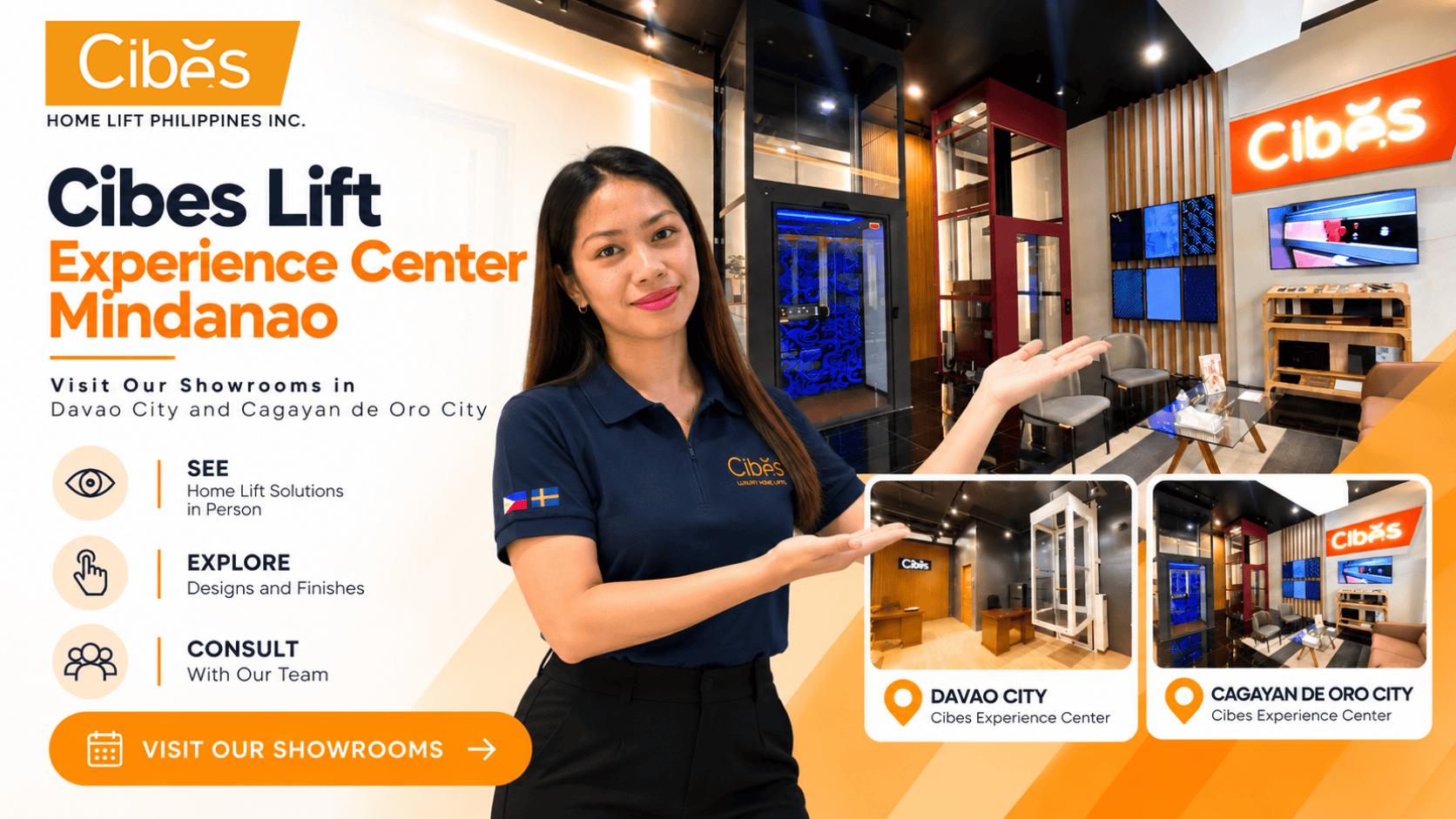
TL;DR The Cibes Experience Center Mindanao locations in Davao City and Cagayan de Oro City let homeowners, architects, contractors, and property developers explore home lift solutions in person. Compare available designs, check finishes, and discuss your property requirements with the Cibes team. Contact your preferred showroom before visiting to confirm operating hours and available demo […]
TL;DR The Cibes Experience Center Visayas in Cebu City lets homeowners, architects, designers, contractors, and developers see Cibes home lifts in person. Visitors can experience the lift cabin, review available designs and features, and discuss installation requirements with the Cibes team. The Cebu Experience Center currently lists V90 Elegance, Z85 Antera, and Ascenda among its […]