Blog - 29/08/2026
Is today the Best Time to Install a Home Lift in the Philippines?
TL;DR
Yes. today is the best time to install a home lift in the Philippines if you want reliable technology, faster installation, and long-term peace of mind. Today’s home lifts are space-saving, quiet, and proven. Most can be installed in just 1–3 weeks. With growing demand for accessible homes and no real benefit in waiting, installing now lets you enjoy safety, comfort, and independence sooner.
As we move closer to another year, many homeowners are asking the same thing:
Is today the best time to install a home lift in the Philippines, or should I wait?
If you’ve been thinking about a residential lift for months or even years, you’re not alone. For many families, the hesitation isn’t about wanting a home lift. It’s about timing. Is it too early? Too late? Too big of a change?
Let’s be honest and look at what’s actually happening in the Philippine market right now.
Why more Filipino homes are installing lifts

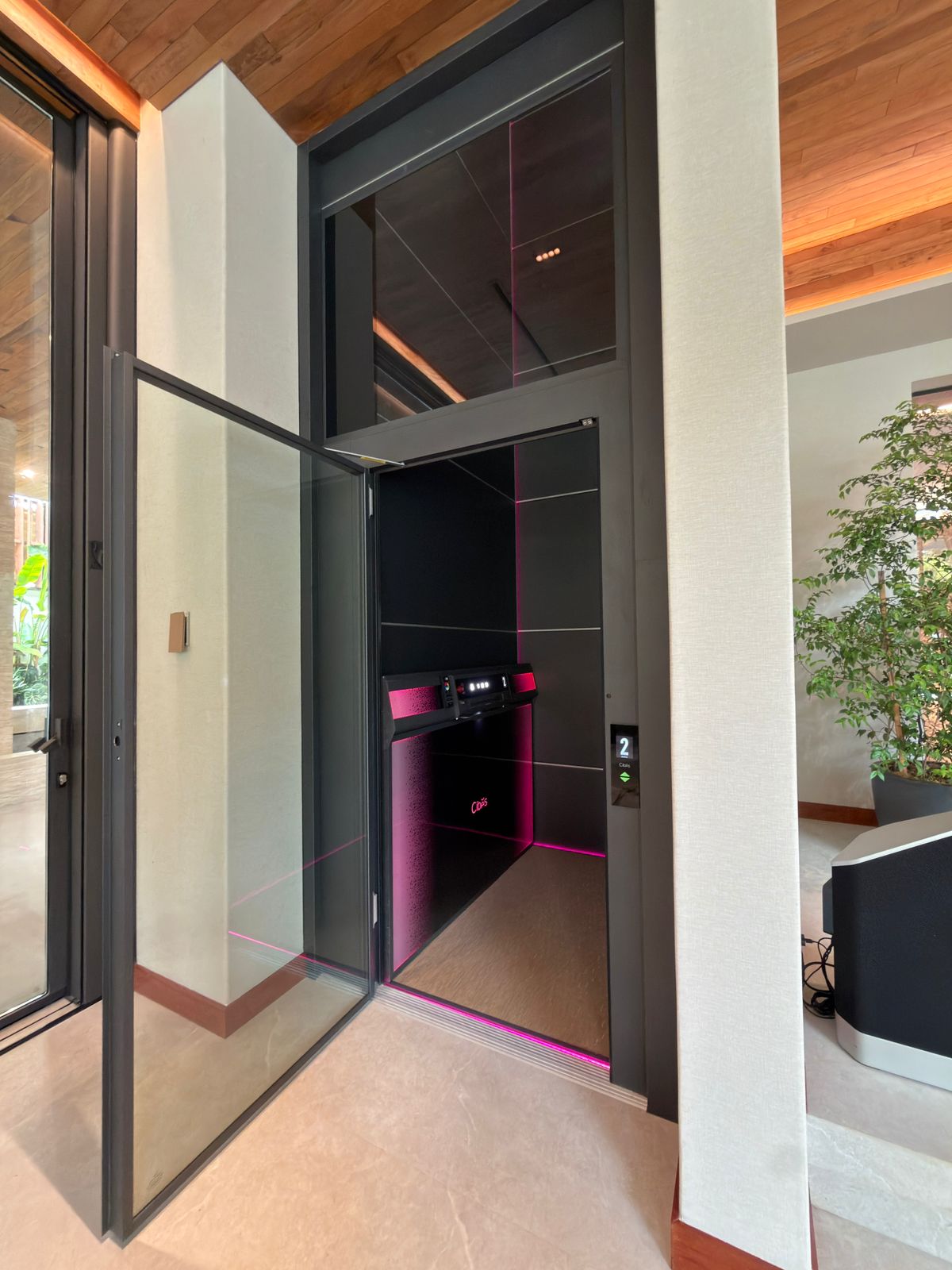
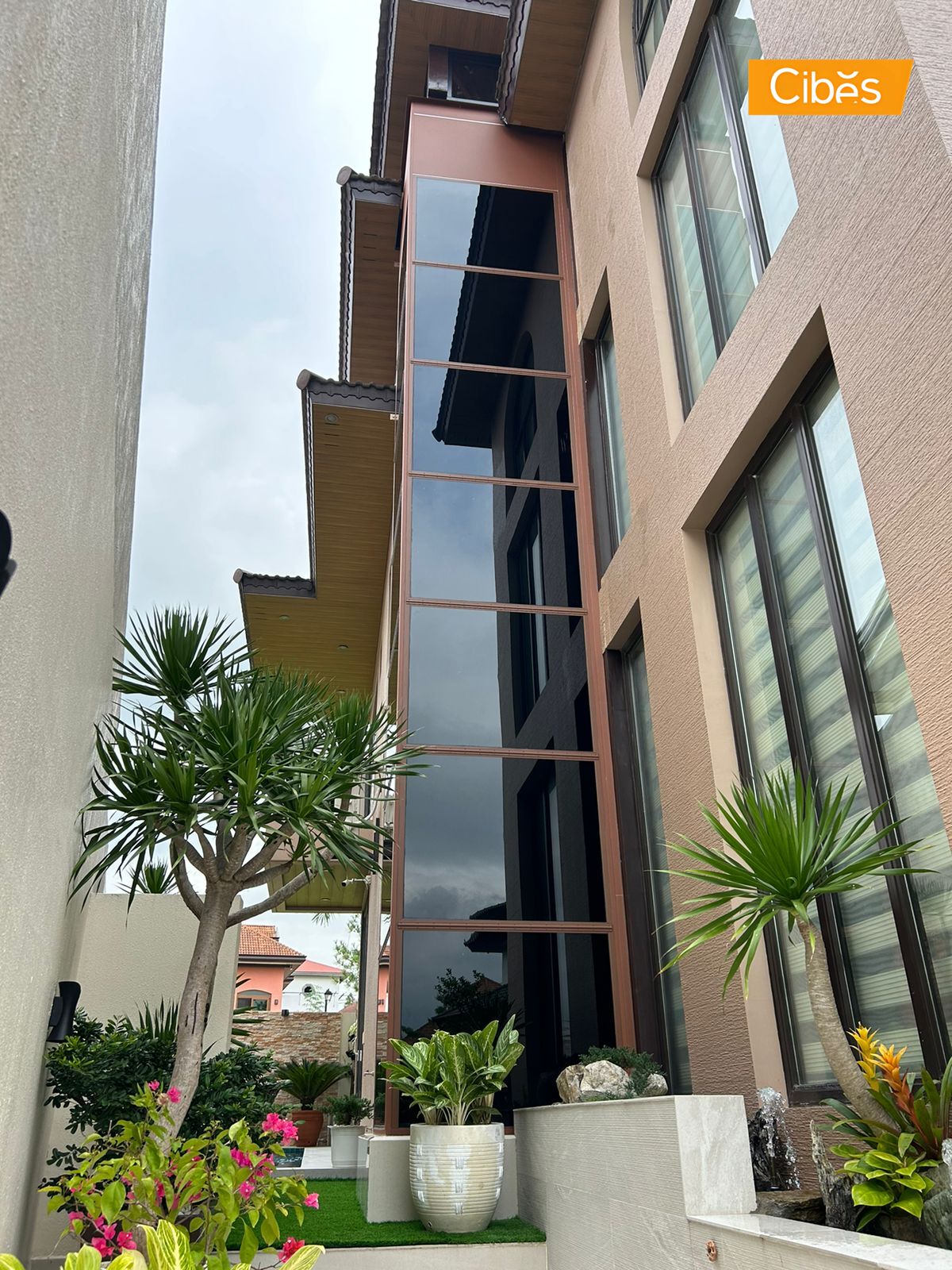
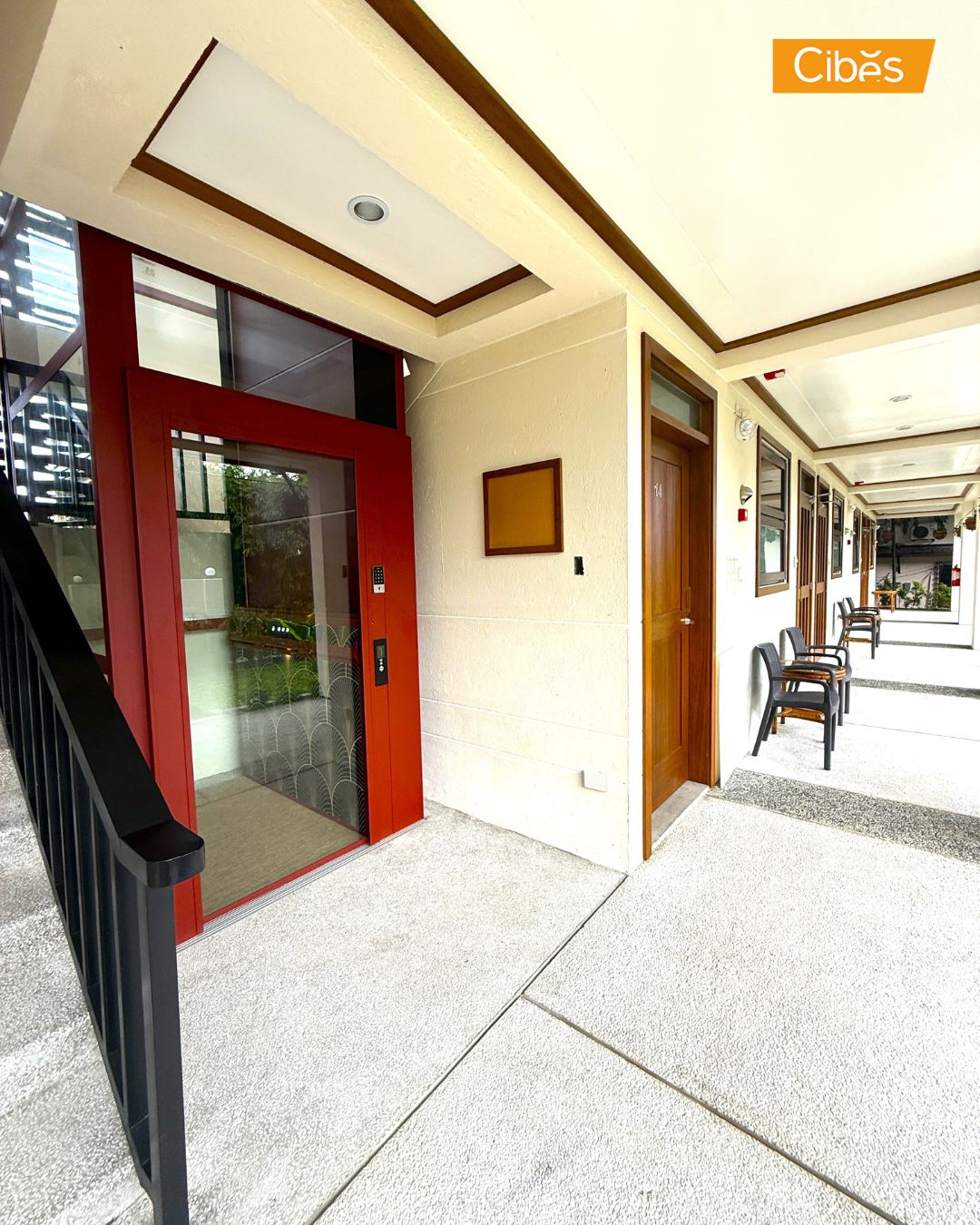
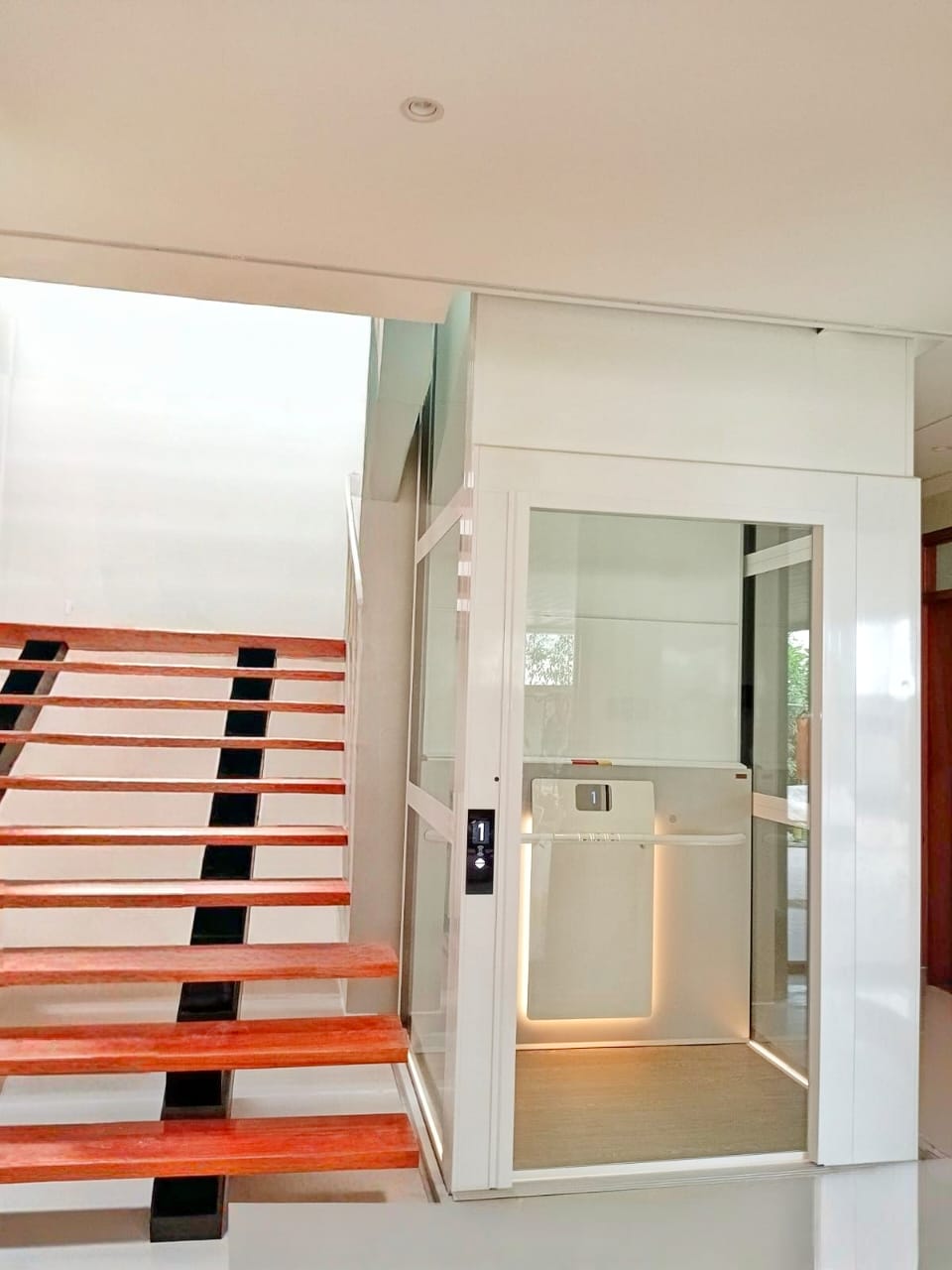
A modern home lift provides convenient and accessible movement between floors in a Philippine home.
Across Metro Manila, Cebu, and Davao, multi-story homes are becoming the norm. Families are also thinking long term. Parents want to stay in their own homes as they age. Households want safer access between floors. And stairs are no longer something people want to struggle with every day.
That’s why more homeowners now believe today is the best time to install a home lift in the Philippines, not later.
Brands like Cibes Lift Group provide solutions designed for local building rules, humid weather, and power interruptions. These systems are already built for real Philippine conditions, not future guesses.
Home lift technology is no longer new or risky
Ten years ago, home lifts still felt uncertain. They were bulky, noisy, and limited in design. Many homeowners waited because the technology didn’t feel ready.
That’s no longer the case.
Today’s home lifts are:
-
Compact and space-saving
-
Quiet and smooth during travel
-
Energy-efficient, often using less power than common appliances
-
Designed without a machine room
-
Equipped with battery backup for brownouts
This isn’t experimental technology anymore. These are mature systems that have been refined through years of real use. That’s a big reason why today is the best time to install a home lift in the Philippines, not five years from now.
Installation is faster and easier than most people expect
One major reason people delay is fear of long construction work. That concern used to be valid. It isn’t anymore.
In this year, most home lift installations are:
-
Modular
-
Prefabricated
-
Planned with minimal civil works
For many homes, installation takes only 1 to 3 weeks, with the main on-site work finished even faster. Families often stay at home while installation is ongoing, with very little disruption to daily routines.
If construction time was your biggest concern, this alone answers the question:
Yes, today is the best time to install a home lift in the Philippines.
Waiting doesn’t reduce the need. It increases it.
Here’s the part most people don’t like hearing, but it matters.
If stairs are already becoming harder, waiting won’t make them easier. If aging in place is the goal, delaying only turns planning into urgency later.
Installing a home lift earlier means:
-
Less stress during installation
-
No rushed decisions
-
Years of added comfort and safety
Install in today, and you could enjoy the benefits for 20 to 30 years. Wait another five years, and those years are simply gone.
That’s why many homeowners realize that today is the best time to install a home lift in the Philippines, based on real life, not perfect timing.
There is no “perfect” year to wait for
Some people keep waiting for:
-
Lower prices
-
New technology
-
A better moment
But accessibility needs don’t pause. Family needs don’t wait. And current home lift technology is already proven, safe, and reliable.
The truth is simple. The best time is when the solution already works, and your need is clear. That’s exactly where we are now.
So, is today the best time to install a home lift in the Philippines?
For most homeowners, yes.
In this year:
-
The technology is ready
-
Installation is manageable
-
Local expertise is available
-
Demand is growing, not slowing
If you’re still asking yourself whether to wait, ask one honest question instead:
What will actually be better next year than it is now?
If there’s no clear answer, then you already have your answer.
today is the best time to install a home lift in the Philippines for homeowners who value comfort, safety, and long-term independence.
Frequently Asked Questions
Q: Is today a good time to have a home lift in the Philippines?
A: Yes. today is an excellent time. Home lifts today are compact, quiet, and energy efficient. Installation is faster than before, often completed in one to three weeks. With more families planning for long-term accessibility, installing now means you enjoy the benefits sooner.
Q: Why install a home lift now instead of waiting?
A: Waiting often means missing years of comfort and safety. If mobility could become a concern in the future, installing in today allows you to benefit for decades using systems already proven and suited to Philippine conditions.
Q: How long does installation usually take?
A: Most modern home lifts are installed within one to three weeks. Because many systems are modular, on-site work is limited and far less disruptive than traditional renovations.
Q: Do home lifts need a machine room or deep pit?
A: No. Many modern home lifts require no machine room and little to no pit. Some models can be installed directly on a finished floor, which works well for homes with limited space.
Q: Are home lifts safe and compliant in the Philippines?
A: Yes, when sourced from reputable manufacturers. Quality home lifts follow European safety standards and meet local accessibility requirements. Typical features include battery backup, emergency stop systems, and multiple safety sensors.
Q: Can a home lift fit in an existing house?
A: Yes. Many home lifts are designed specifically for retrofit installations and can fit into compact spaces with minimal structural work, making them suitable for existing urban homes.
Q: Will a home lift increase property value?
A: Yes. A home lift improves accessibility, comfort, and long-term appeal. It is especially attractive to multi-generational families and homeowners planning to stay long term.
Learn More:
Home Elevator Planning Guide 2025 | Cibes Lift PH
Experience Center and Technical Station Address
Makati City | Balintawak – Quezon City | Mandaluyong City | Cebu City | Ilo-Ilo City | Davao City | Cagayan De Oro City






CIBES AUTHOR
Mylen Posas is the Aftersales Manager at Cibes Lift Philippines. She oversees aftersales operations, ensuring every customer receives reliable support from installation through long-term maintenance. With a strong focus on service quality and customer satisfaction, she works closely with the technical team to deliver prompt assistance and help maintain the long-term performance and safety of every Cibes home lift.



TL;DR Outdoor home elevators can improve accessibility while preserving valuable indoor space. In the Philippines, proper weather protection, structural engineering, drainage, and installation planning are essential. This guide explores installation considerations, safety requirements, potential costs, and what homeowners should know before choosing an outdoor home lift. Outdoor elevator installations can help homeowners in the Philippines […]

TL;DR The Cibes Experience Center Mindanao locations in Davao City and Cagayan de Oro City let homeowners, architects, contractors, and property developers explore home lift solutions in person. Compare available designs, check finishes, and discuss your property requirements with the Cibes team. Contact your preferred showroom before visiting to confirm operating hours and available demo […]

TL;DR The Cibes Experience Center Visayas in Cebu City lets homeowners, architects, designers, contractors, and developers see Cibes home lifts in person. Visitors can experience the lift cabin, review available designs and features, and discuss installation requirements with the Cibes team. The Cebu Experience Center currently lists V90 Elegance, Z85 Antera, and Ascenda among its […]

TL;DR Cibes Experience Center Luzon lets homeowners and property professionals experience Cibes home lifts in person before making a decision. Cibes Lift Philippines has 13 demo lifts across three Luzon Experience Centers: Makati (8), Mandaluyong (2), and Balintawak, Quezon City (3). Visitors can ride the lifts, check cabin space, test the controls, explore designs, and […]

TL;DR Sustainable home elevators in the Philippines are becoming an important consideration for homeowners who want to improve accessibility without overlooking environmental responsibility. Modern home elevators can support energy-efficient living through efficient drive systems, durable materials, renewable energy integration, and reduced structural changes compared with major home renovations. The Environmental Case for Sustainable Home Elevators […]