Blog - 29/09/2026
Sustainability becomes more of a priority in modern home design.
TL;DR
Sustainable home elevators in the Philippines are becoming an important consideration for homeowners who want to improve accessibility without overlooking environmental responsibility. Modern home elevators can support energy-efficient living through efficient drive systems, durable materials, renewable energy integration, and reduced structural changes compared with major home renovations.
The Environmental Case for Sustainable Home Elevators in the Philippines
Home lifts today are a universe away from energy-sucking transport to energy-efficient vertical solutions. Compared to their overall life, the elevator technologies of the time will be cleaner than traditional options, as well as even some of the most popular “green” home options today.
Lifecycle Carbon Assessment determines that new elevator installations, particularly with enhanced drive technology, have significantly lower emissions than predicted. Carbon associated with manufacture is quickly offset by use efficiency in service, and the longer life of more highly engineered systems stretches environmental cost over decades of in-service life. In contrast to the significant carbon costs of large-scale retrofitting in single-family dwellings or complete reconstruction into single-story homes, elevators present a more environmentally efficient solution.
Resource Efficiency Optimization new elevator systems realize maximum output from a minimum of material inputs. High-performance technologies consume much less steel, concrete, and rare earth material than traditional systems and perform more efficiently and last longer. Operating resources are optimized as well, with some systems consuming less electricity in one year than typical household appliances.

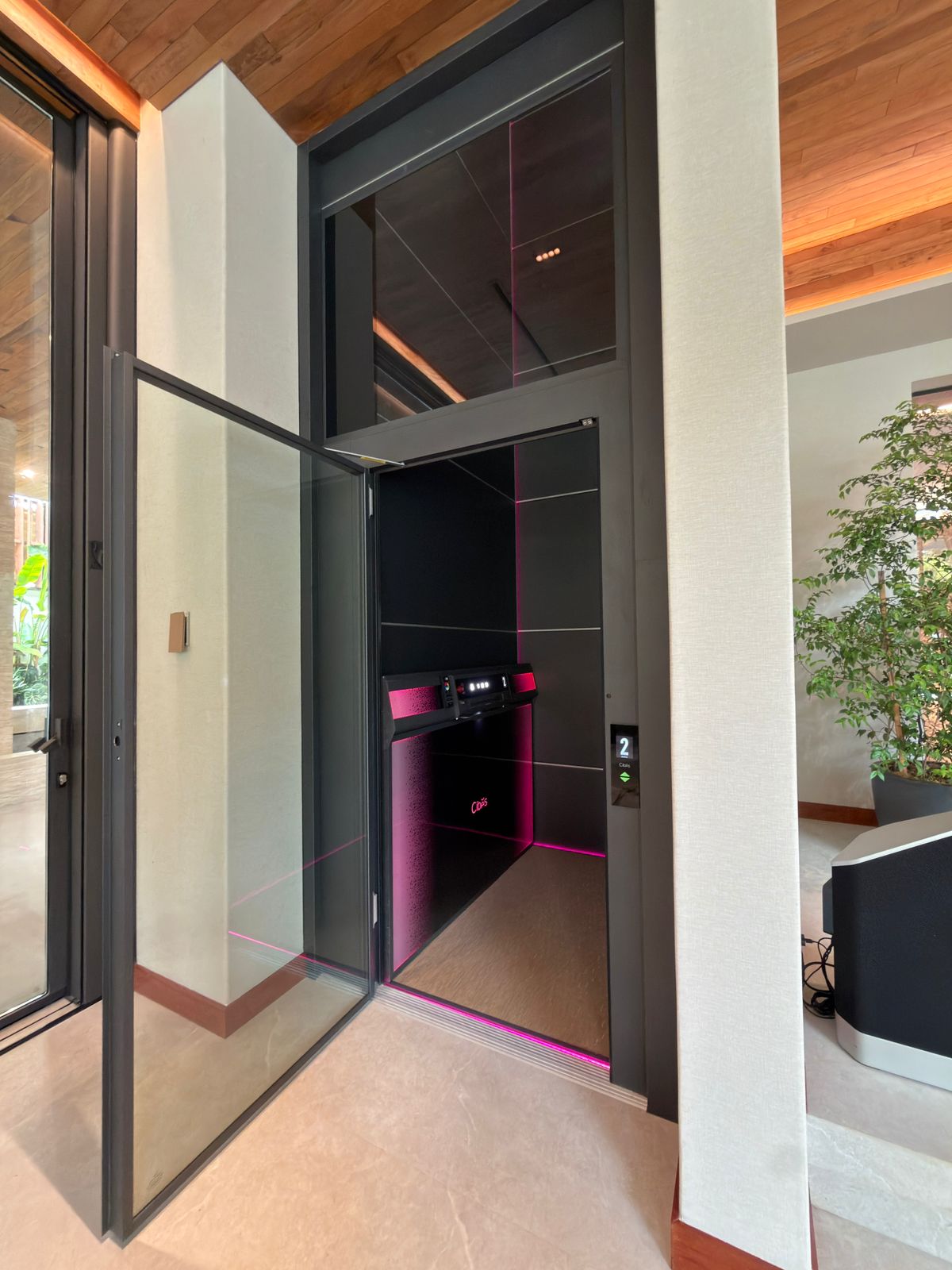
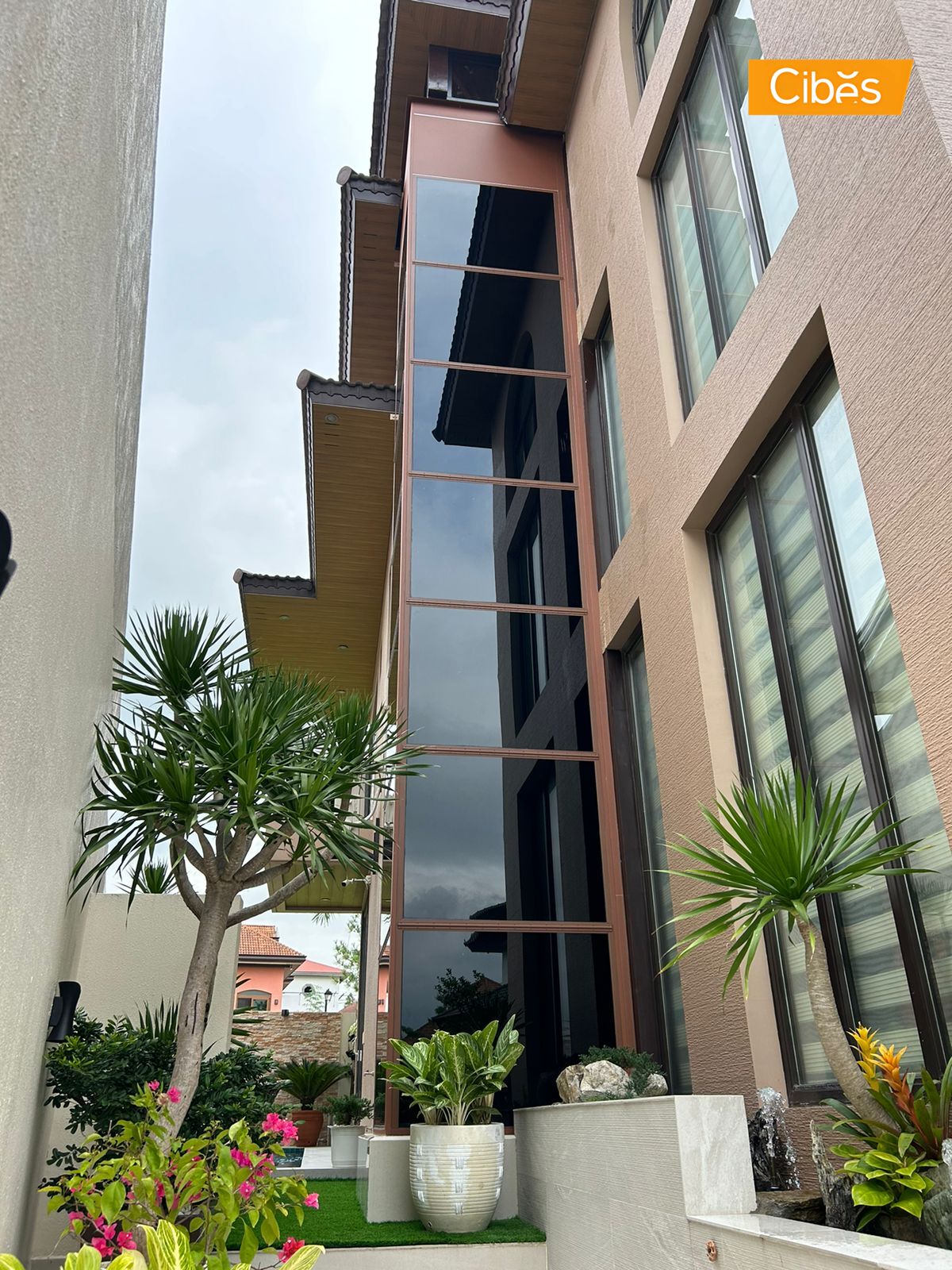
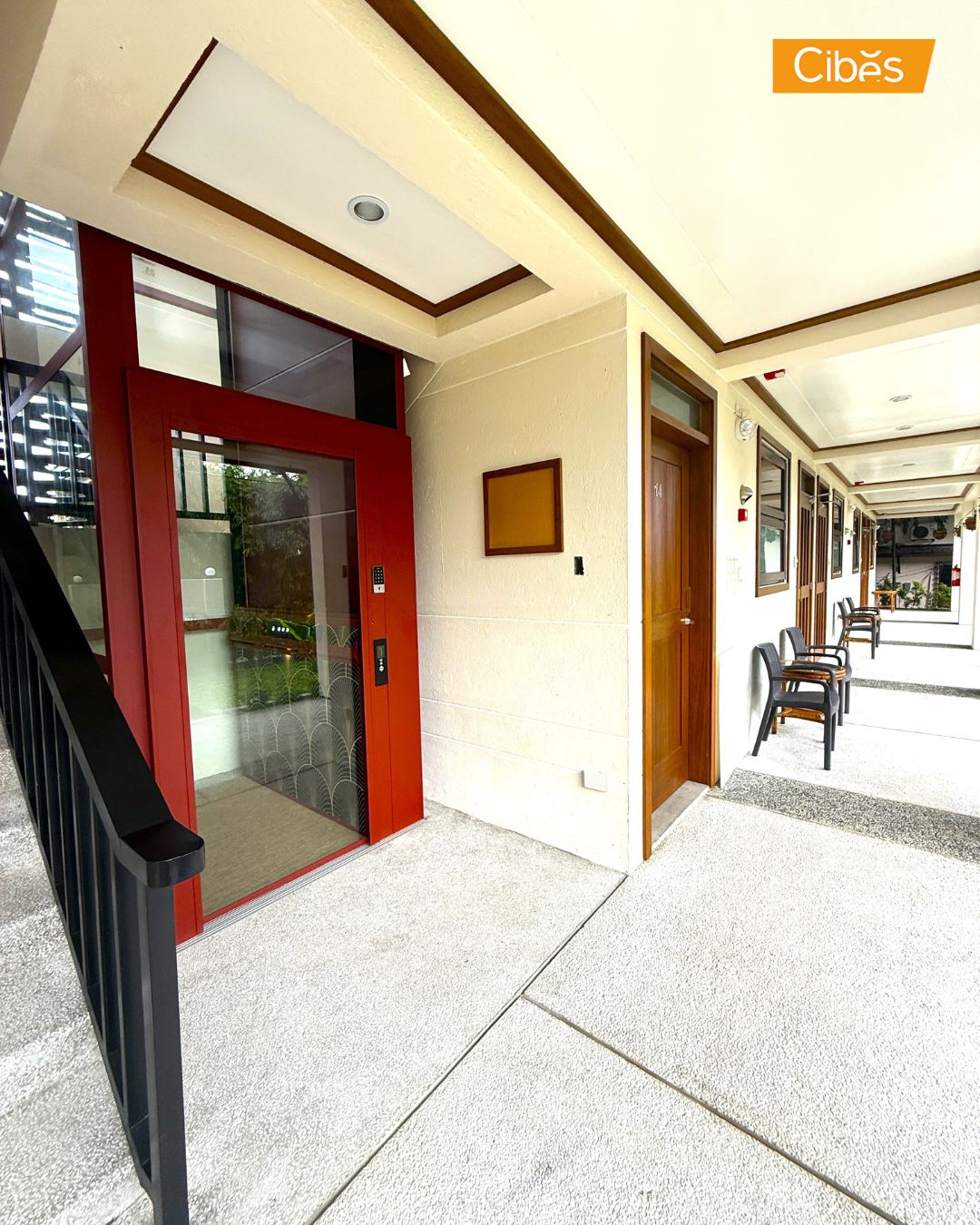
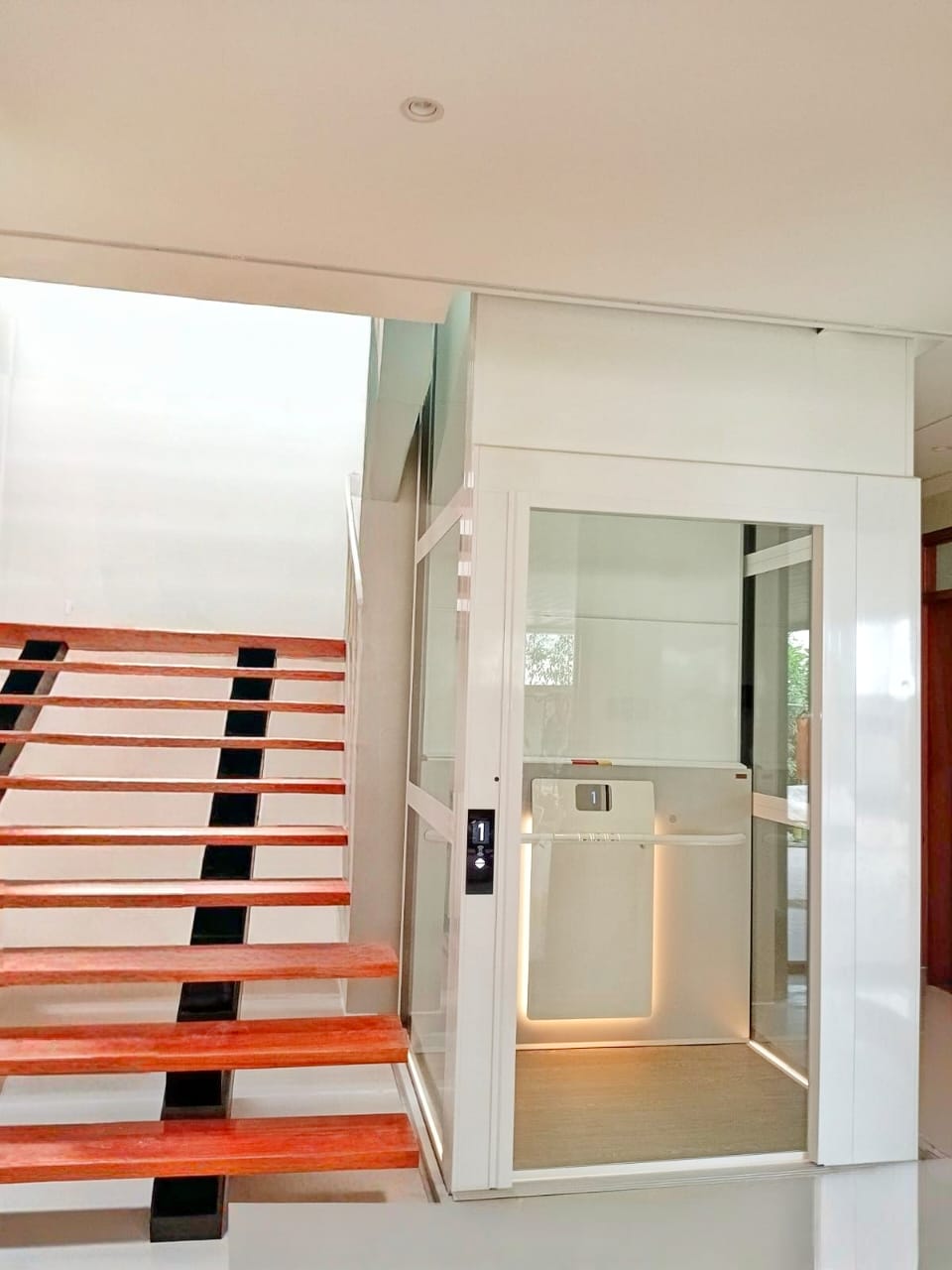
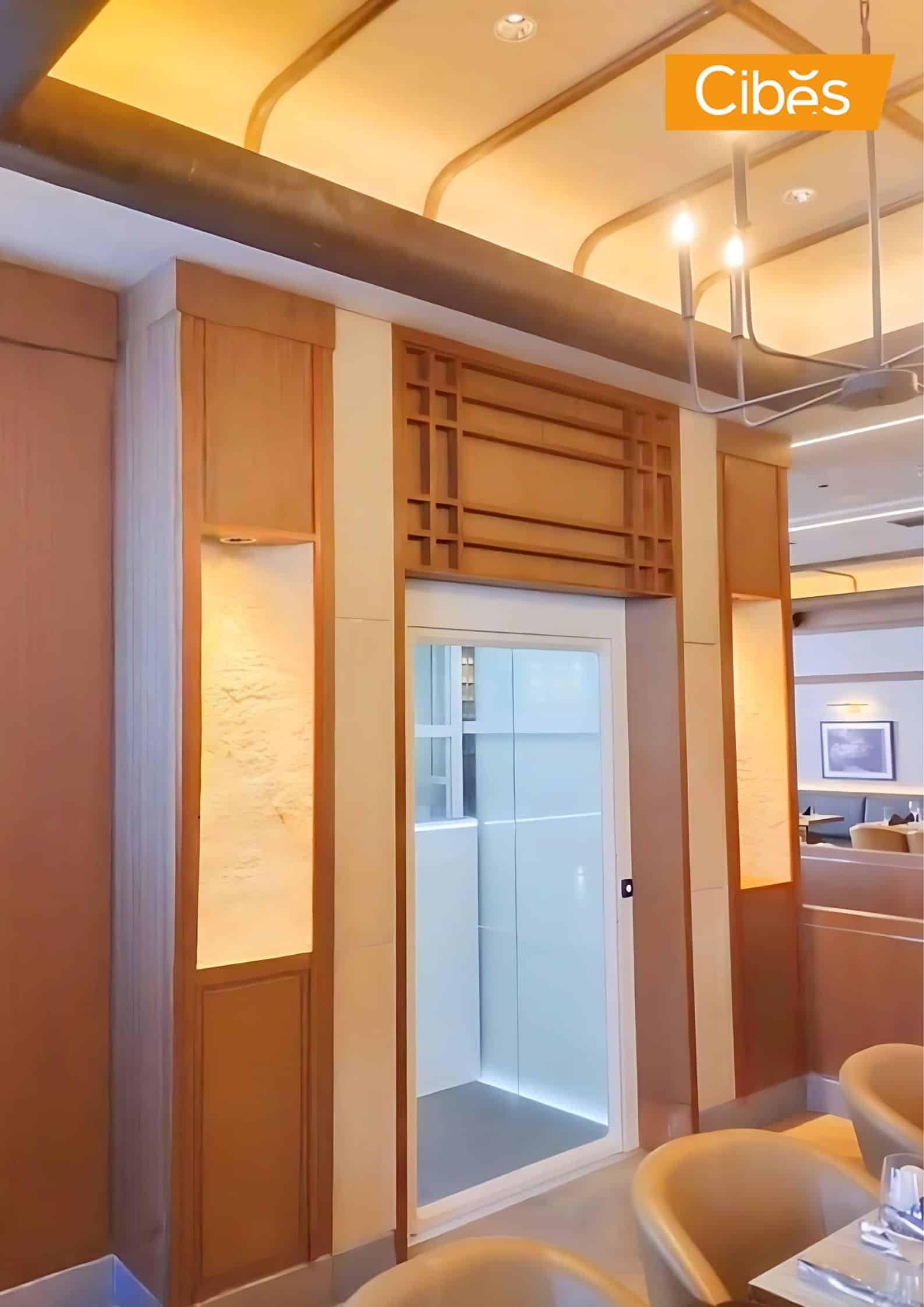
A sustainable home elevator can support energy-efficient and environmentally responsible home design.
Advanced Materials and Manufacturing Sustainability
The environmental impact of home elevators begins long before they are installed, in the selection of materials and production methods that increasingly emphasize sustainability along the supply chain.
Integration of Recycled Content is standard in high-end elevator manufacturing, where all components employ high rates of recycled steel, aluminum, and composite material. Structural members, counterweights, and guide rails that are 70-90% recycled content compromise neither performance nor safety. It reduces mining demands and prevents waste from ending up in landfills without compromising structural integrity necessary for safe use.
Manufacturing Efficiency Process Among leading elevator manufacturers, energy efficiency, waste reduction, and closed-loop manufacturing are the priorities. Solar farms, zero waste production goals, and local procurement initiatives minimize the environmental footprint of elevator manufacturing. Others incorporate carbon-neutral manufacturing through the use of renewable energy and carbon offset validation programs.
End-of-Life Planning is increasingly influencing design decisions; wherein modular building enables reuse and efficient recycling of parts as systems inevitably become outdated. Advanced elevator systems are designed for disassembly, with separable recognizable material streams and separation strategies maximizing recovery rates of steel, electronics, and other recyclable materials.
Integration with Home Energy Systems
New house lifts are increasingly designed to be incorporated as part of comprehensive home power management systems rather than independent power consumers.
Smart Grid Compatibility enables modern elevator systems to be incorporated into demand response initiatives, which switch the mode of operation automatically to use renewable power when available and reduce grid demand during peak demand periods. Sophisticated systems can delay non-essential travel during high-cost periods and optimize operation when solar output or off-peak is available.
Battery Storage Integration transforms some elevator systems into home energy storage systems. High-capacity battery systems can be applied to elevator emergency operation that can power critical home systems in the event of a loss of power and also participate in grid stabilizing programs that pay homeowners.
Solar Optimization Strategies work particularly well with low-energy elevator systems because solar installations at residential levels tend to generate excess capacity easily able to power elevators. Elevator systems can pre-move cars, charge batteries, and run maintenance cycles during hours of peak sun generating capacity.
Water Conservation and Indoor Environmental Quality
Alternatives to Hydraulic Systems eliminate environmental risks associated with spills of hydraulic fluid and conserve water usage in cooling systems. The latest screw-drive and traction drive systems use no hydraulic fluids, eliminating the risk of soil and groundwater contamination and allowing no special hydraulic system part disposal.
Air Quality Enhancement possesses some characteristics such as futuristic filtering, antimicrobial coatings, and high-performance ventilation that adds to indoor environmental quality overall. There are systems with photocatalytic oxidation technology that actively cleanses air as it operates offering advantages throughout the house.
Humidity Control features help maintain the indoor environment in its optimal condition and reduce the HVAC load. Elevator shafts will create natural ventilation effects that can be used to help move air and reduce the need for mechanical cooling when integrated into house design appropriately.
Noise Pollution Control and Neighborhood Impact
Eco-friendliness extends from resource utilization to noise pollution and neighborhood impact matters on quality of life for neighbors and residents.
Vibration Isolation systems prevent building structure transmission of elevator operating vibration and noise, bringing building integrity with serene living harmony with surrounding properties. This feature is particularly relevant in the highly populated urban space where noise control may throttle traditional elevator installation.
Community Benefits Adoption of residential elevators is not only experienced at the individual household level but also at a community level encompassing decreased pressure on accessible public transit, decreased parking needs for mobility-impaired residents, and assistance for aging-in-place programs enhancing neighborhood stability.
Economic Viability and Long-Term Value Sustainability is not just environmentally focused but also economically viable, and contemporary elevator systems have robust long-term value propositions that complement environmental objectives.
Total Cost of Ownership analyses of green elevator systems often show lower life cycle cost than the traditional competitors when energy savings, maintenance saving, and increased property value are considered. High-end systems with enhanced levels of sustainability typically recoup greater initial cost in the form of longer service life and operating benefits.
Insurance and Incentive Rewards may be provided for sustainable elevator installation, like reduced insurance charges on safer and more environmentally friendly houses, utility rebate incentives on energy-efficient appliances, and tax credits for Person with mobility challenges upgrades.
Selecting Sustainably
Elevator system selection as a green choice is more than simply glancing at the raw energy use ratings. Consider the total environmental life cycle from production through installation requirements, operating efficiency, maintenance requirements, and end-of-life disposal.
Look into the companies’ dedication to sustainability, sourcing of raw materials, and environmental certifications. Opt for products designed to last, be refurbished, and finally recycled. Buy locally made whenever possible to reduce transport emissions.
Most of all, think of your home elevator installation as only one part of an extensive home sustainability strategy involving energy efficiency, water conservation, and long-term environmental responsibility. Properly designed and thoughtfully selected modern home elevators can indeed enhance accessibility and environmental responsibility and last decades with ongoing, consistent service.
FAQs
Q1: How does a home lift contribute to sustainable home design?
A: Modern home lifts are designed to be energy-efficient and built to last for many years. This can reduce the need for major renovations or relocating to another home, helping lower the overall carbon footprint.
Q2: Are modern home lifts more environmentally friendly than traditional elevators?
A: Yes. Newer home lifts use advanced drive systems that consume less electricity and do not require hydraulic fluids, making them a more environmentally responsible option.
Q3: Can a home lift help reduce long-term environmental impact?
A: Yes. Because modern home lifts have a long service life and require fewer structural changes to the home, they can have a lower overall environmental impact throughout their lifecycle.
Q4: What materials are used in sustainable home lifts?
A: Many high-quality home lifts use recycled steel and aluminum, as well as modular components that can potentially be recycled or reused in the future.
Q5: Can installing a home lift be part of green living?
A: Yes. When combined with energy-efficient home design, solar power, and smart energy systems, a home lift can become part of a more responsible and sustainable lifestyle.
Q6: Are modern home elevators energy-efficient?
A: Yes. Modern home elevators are designed to consume minimal electricity, with some systems using less energy annually than common household appliances.
Q7: How do home elevators reduce environmental impact compared to home renovations?
A: Installing a home elevator can help avoid large-scale renovations or rebuilding a home into a single-story property, reducing material use, construction waste, and associated carbon emissions.
Q8: Can home elevators integrate with renewable energy systems?
A: Yes. Many modern home elevators can work alongside solar panels, battery storage systems, and smart home energy management systems to optimize energy use.
Q9: Are hydraulic elevators less sustainable than newer systems?
A: Generally, yes. Newer screw-driven and traction systems do not use hydraulic fluids, eliminating the risk of hydraulic leaks and reducing the potential for environmental contamination.
Q10: Do sustainable home elevators provide long-term value for homeowners?
A: Yes. Sustainable home elevators can offer lower lifetime energy costs, a longer service life, and potential added property value while supporting more environmentally responsible living.
Experience Center and Technical Station Address
Makati City | Balintawak – Quezon City | Mandaluyong City | Cebu City | Ilo-Ilo City | Davao City | Cagayan De Oro City






CIBES AUTHOR
Mylen Posas is the Aftersales Manager at Cibes Lift Philippines. She oversees aftersales operations, ensuring every customer receives reliable support from installation through long-term maintenance. With a strong focus on service quality and customer satisfaction, she works closely with the technical team to deliver prompt assistance and help maintain the long-term performance and safety of every Cibes home lift.



TL;DR Outdoor home elevators can improve accessibility while preserving valuable indoor space. In the Philippines, proper weather protection, structural engineering, drainage, and installation planning are essential. This guide explores installation considerations, safety requirements, potential costs, and what homeowners should know before choosing an outdoor home lift. Outdoor elevator installations can help homeowners in the Philippines […]

TL;DR The Cibes Experience Center Mindanao locations in Davao City and Cagayan de Oro City let homeowners, architects, contractors, and property developers explore home lift solutions in person. Compare available designs, check finishes, and discuss your property requirements with the Cibes team. Contact your preferred showroom before visiting to confirm operating hours and available demo […]
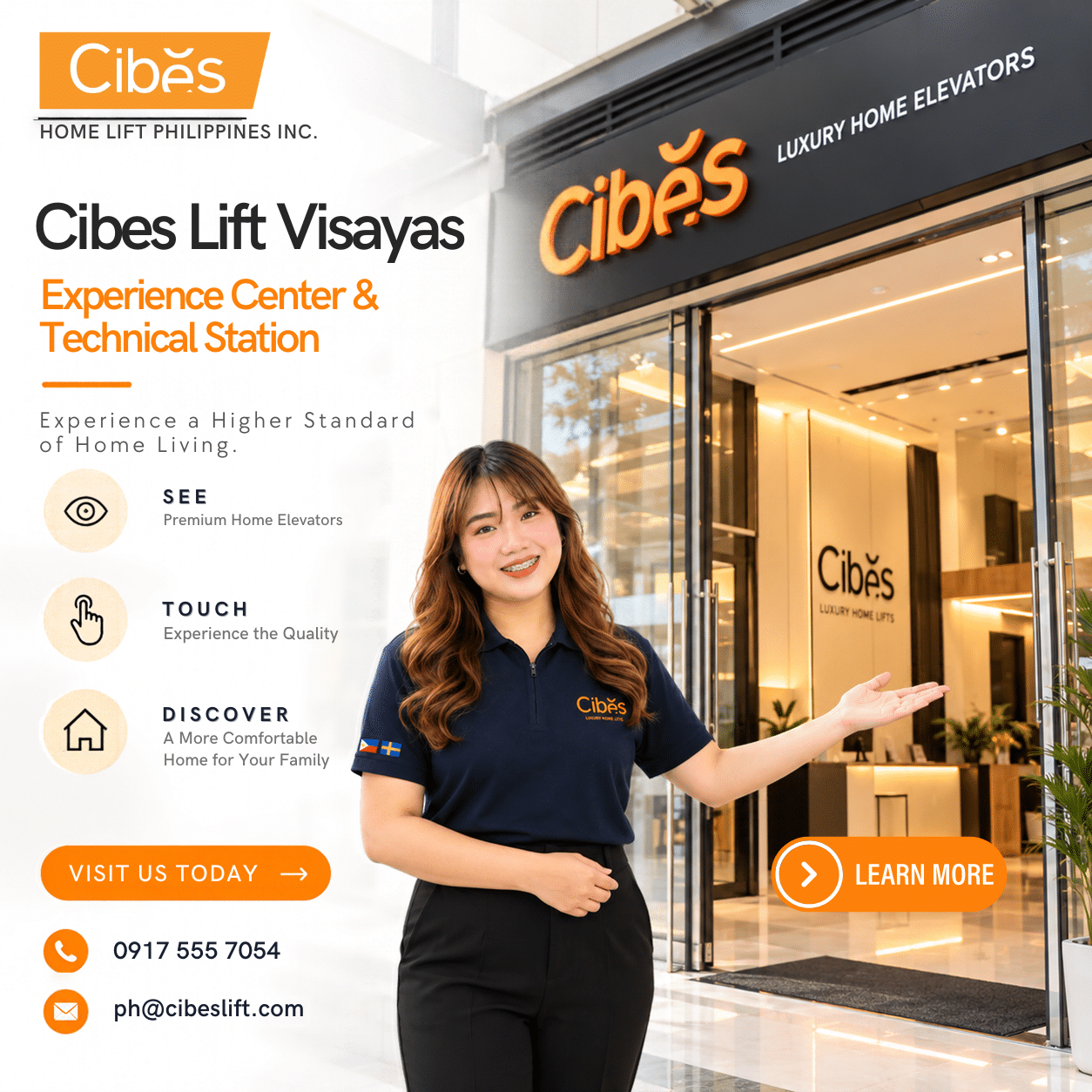
TL;DR The Cibes Experience Center Visayas in Cebu City lets homeowners, architects, designers, contractors, and developers see Cibes home lifts in person. Visitors can experience the lift cabin, review available designs and features, and discuss installation requirements with the Cibes team. The Cebu Experience Center currently lists V90 Elegance, Z85 Antera, and Ascenda among its […]
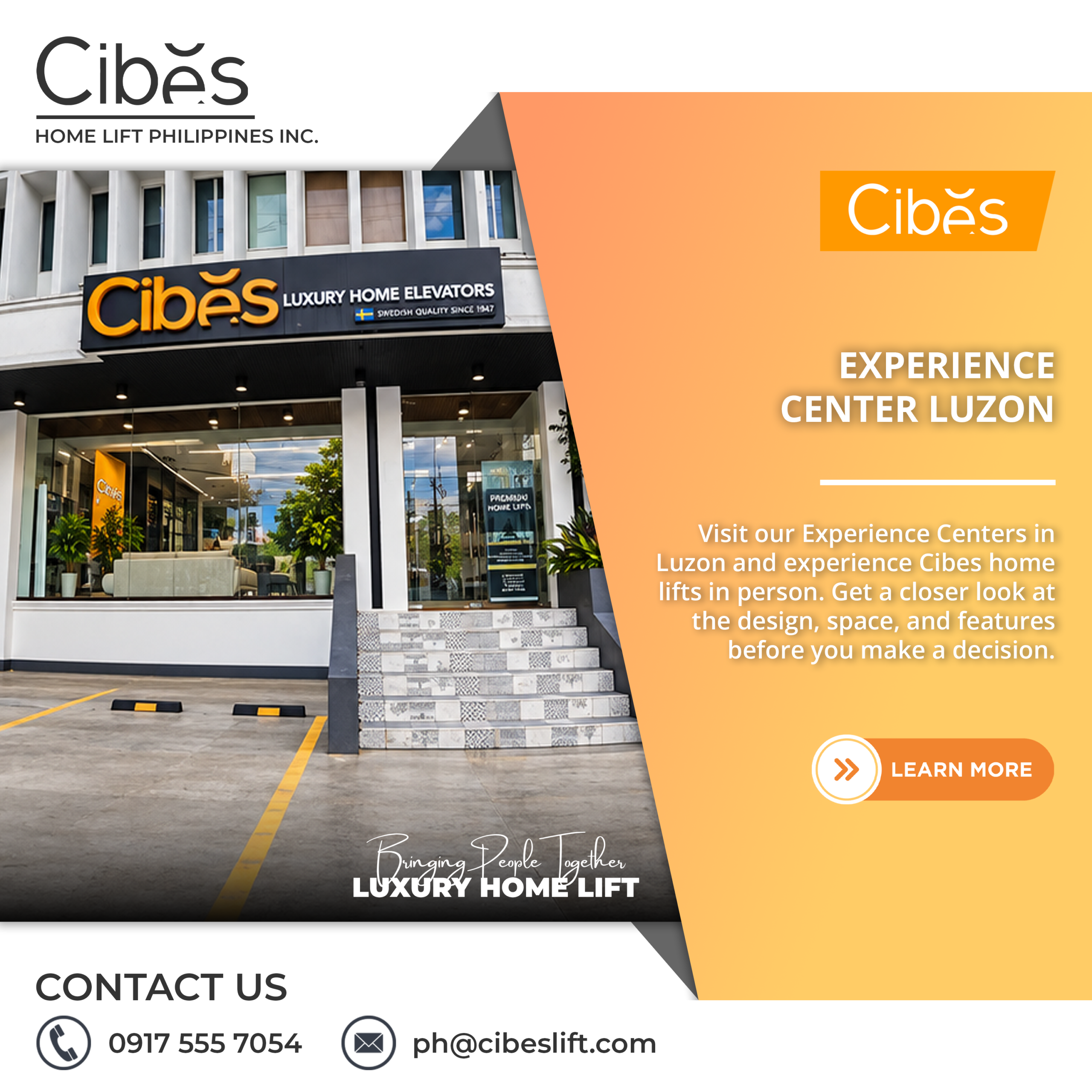
TL;DR Cibes Experience Center Luzon lets homeowners and property professionals experience Cibes home lifts in person before making a decision. Cibes Lift Philippines has 13 demo lifts across three Luzon Experience Centers: Makati (8), Mandaluyong (2), and Balintawak, Quezon City (3). Visitors can ride the lifts, check cabin space, test the controls, explore designs, and […]

TL;DR Sustainable home elevators in the Philippines are becoming an important consideration for homeowners who want to improve accessibility without overlooking environmental responsibility. Modern home elevators can support energy-efficient living through efficient drive systems, durable materials, renewable energy integration, and reduced structural changes compared with major home renovations. The Environmental Case for Sustainable Home Elevators […]