Blog - 28/01/2026
Complete Guide to Home Elevator Installation in the Philippines (Size, Cost & Requirements)
A home elevator installation does not need to break the bank. With the appropriate elevator solution, you can manage costs and time while introducing value and convenience to your house. Cibes Lift offers cost-effective home elevator in the Philippines solutions tailored for seamless integration. This guide also covers home elevator Philippines price and key factors affecting residential installation costs.
The price varies with your selection of elevator because every kind of elevator needs a different amount of building work. Cibes platform lifts are cost-effective because their compact gear precisely fits within the shaft and you don’t need extra space or extra building work. This integrated feature includes fewer changes to your house and less total installation cost compared to conventional elevator systems. Our home lift installation and home elevator installation process minimizes disruption, ensuring affordability and efficiency.
If you’re still comparing residential lift options, our Home Elevators Philippines Complete Guide explains the different lift types, pricing considerations, accessibility benefits, and design options available to Filipino homeowners before starting an installation project.
Home Elevator Installation Methods
Home elevators make use of one of three installation systems, each having specific requirements and considerations. These installation methods affect elevator installation, residential elevator cost, and long-term performance.
Hole in the Floor Installation
This is a universal practice where the shaft passes through holes in your floors. For maximum stability, mount the control panel side to the wall. In open-plan homes, you can place the elevator on the floor and turn it into a design feature. Drilling holes between floors is the difficulty in this job, and it allows for seamless integration with your home design. Cibes’ elevator installation simplifies this process with minimal structural changes.
For this type of installation, contractors must supply properly sized and supported openings in the floor. Structurally complex in a way, Cibes elevators reduces such complexity as it only requires relatively small openings compared to standard elevator systems. Measure and cut the openings accurately to ensure proper alignment between floors. This helps meet the standard size of elevator in meter in the Philippines and ensures compliance with safety guidelines.
Built or Existing Shaft
If you already have an elevator that needs refitting, Cibes offers products that fit seamlessly into your existing shaft. Or you can put in a new shaft of a size to fit your elevator of choice. Having an existing shaft will reduce the cost and time of installation since the most important structural elements are already there. Our solutions for elevator installation in existing buildings ensure quick retrofitting with minimal modifications.
If shafts already exist, their sizes must be precise to be used in accommodating the new elevator. In certain situations, some work will have to be done to make it meet the requirements of the new system. Having a new shaft built allows you greater control over location and size but will necessitate more extensive construction.
In a Stairwell
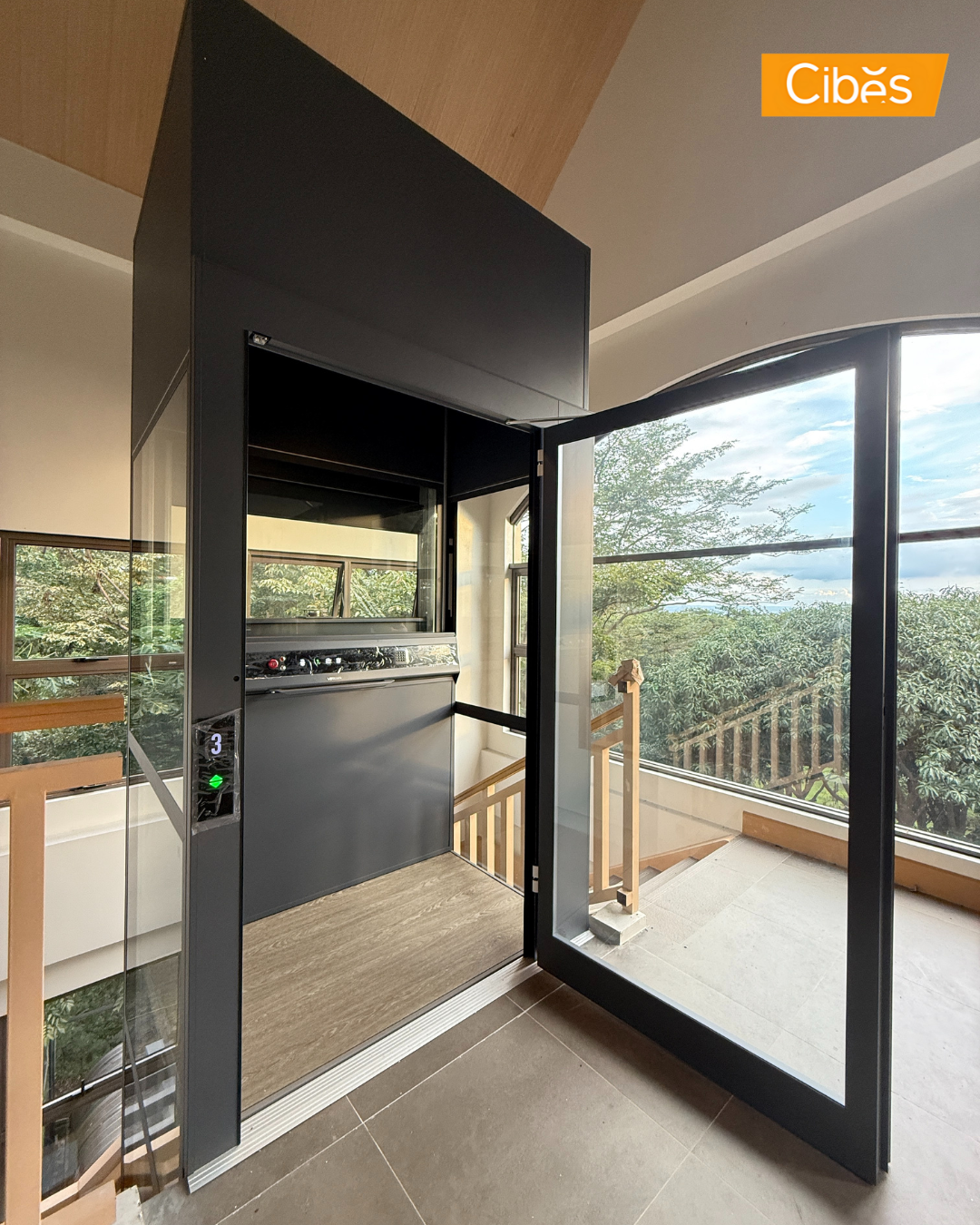
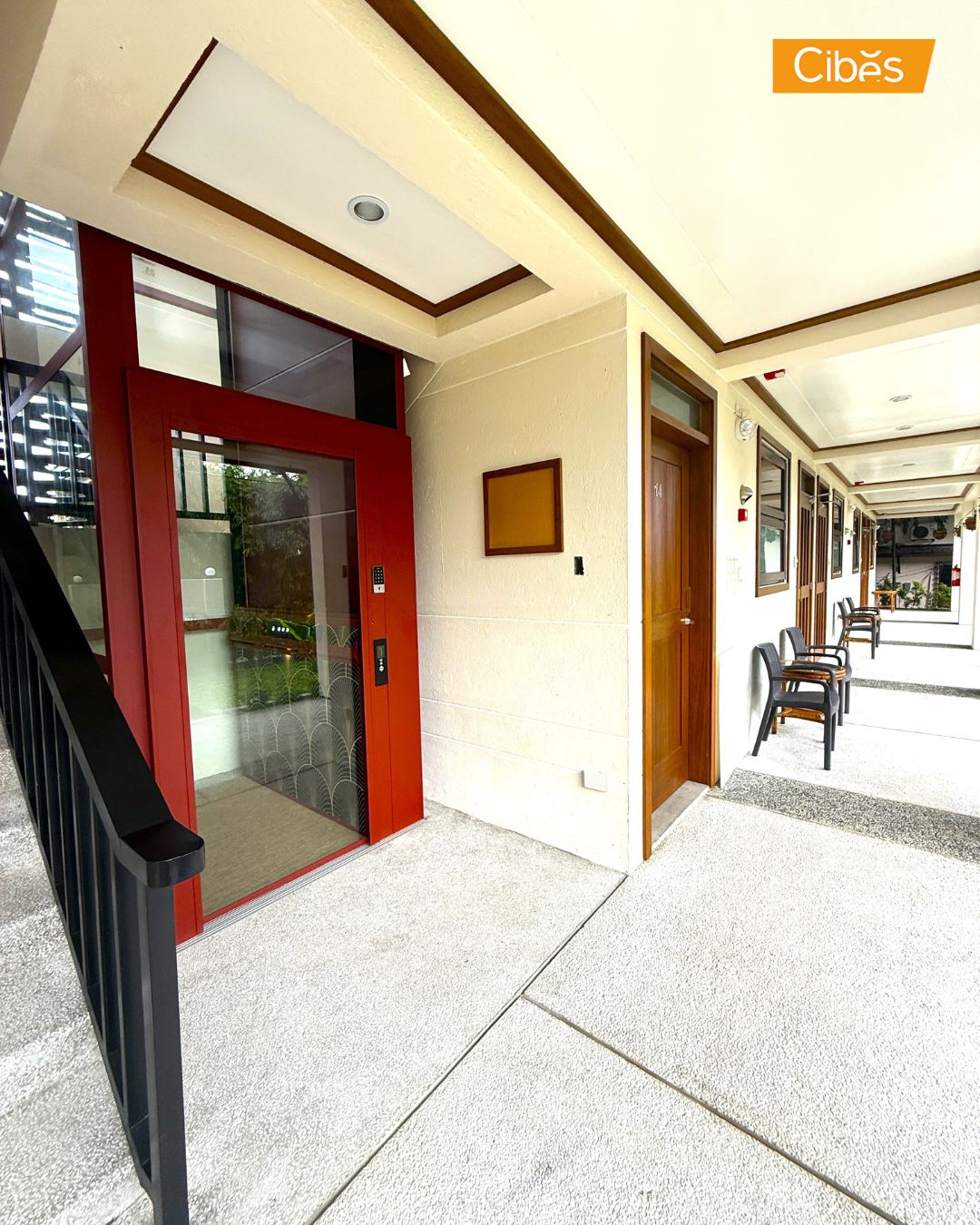
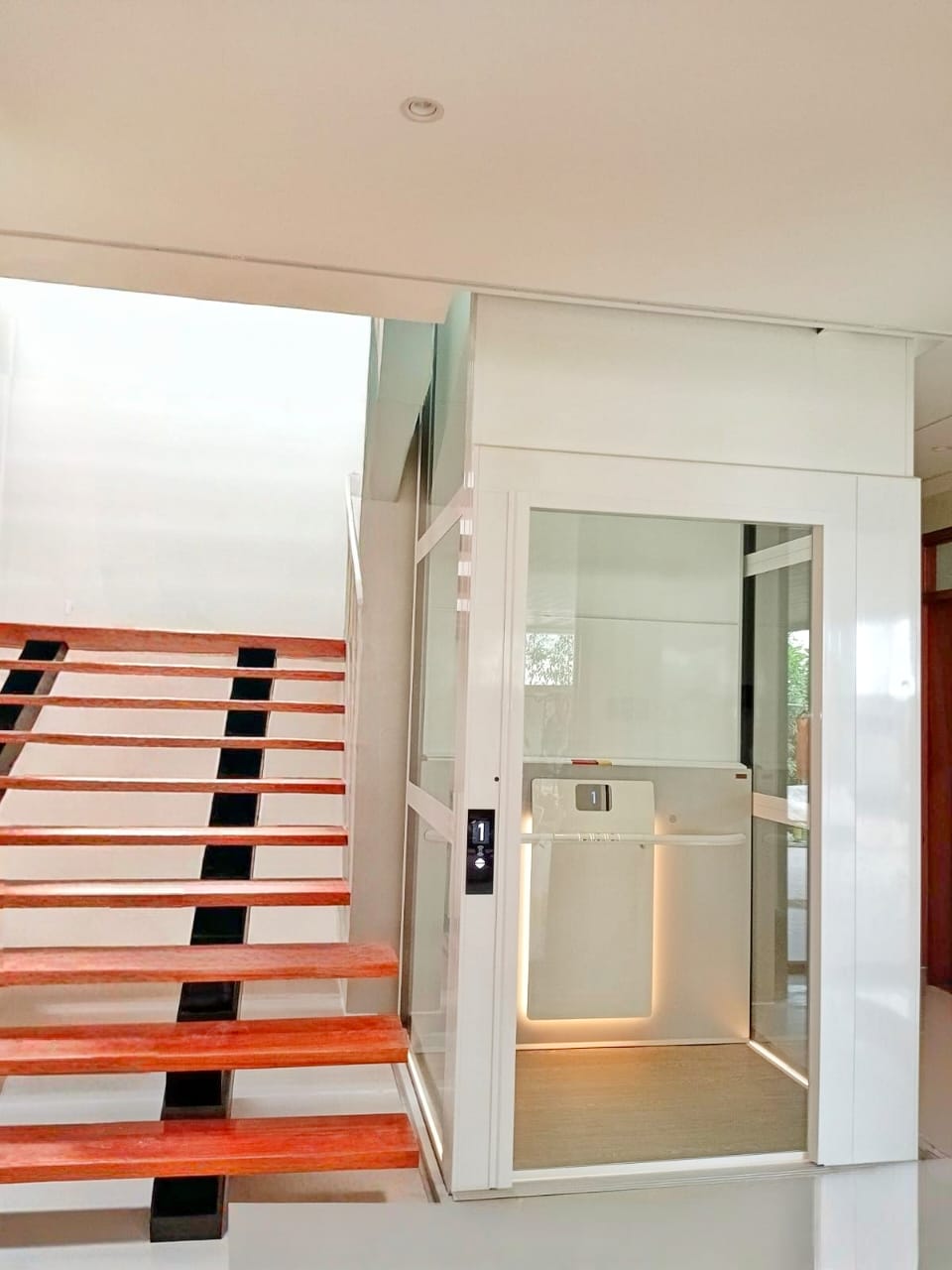
It is space-saving to have your elevator installed in a stairwell and less home remodeling is needed since floor openings are not necessary. Elevators like the Cibes V Series, Cibes Air, and Cibes Uno can be installed in a thin stairwell. This kind of installation is perfect for houses with limited square footage. It is especially suitable for small house elevators and compact residential elevator installations. Cibes’ elevator for home designs maximize space efficiency in compact stairwells.
Stairwell installations utilize vacant vertical space and are therefore ideal for small dwellings or for existing buildings where extensive structural adjustments are not feasible. The elevator may be installed along the side of the stairs, both forms of entry methods maintained with the advantage of saving space.
Alternative Locations for Home Lifts
Besides the three generic types, you have alternatives that may be better suited to your specific house architecture:
Against a Mezzanine
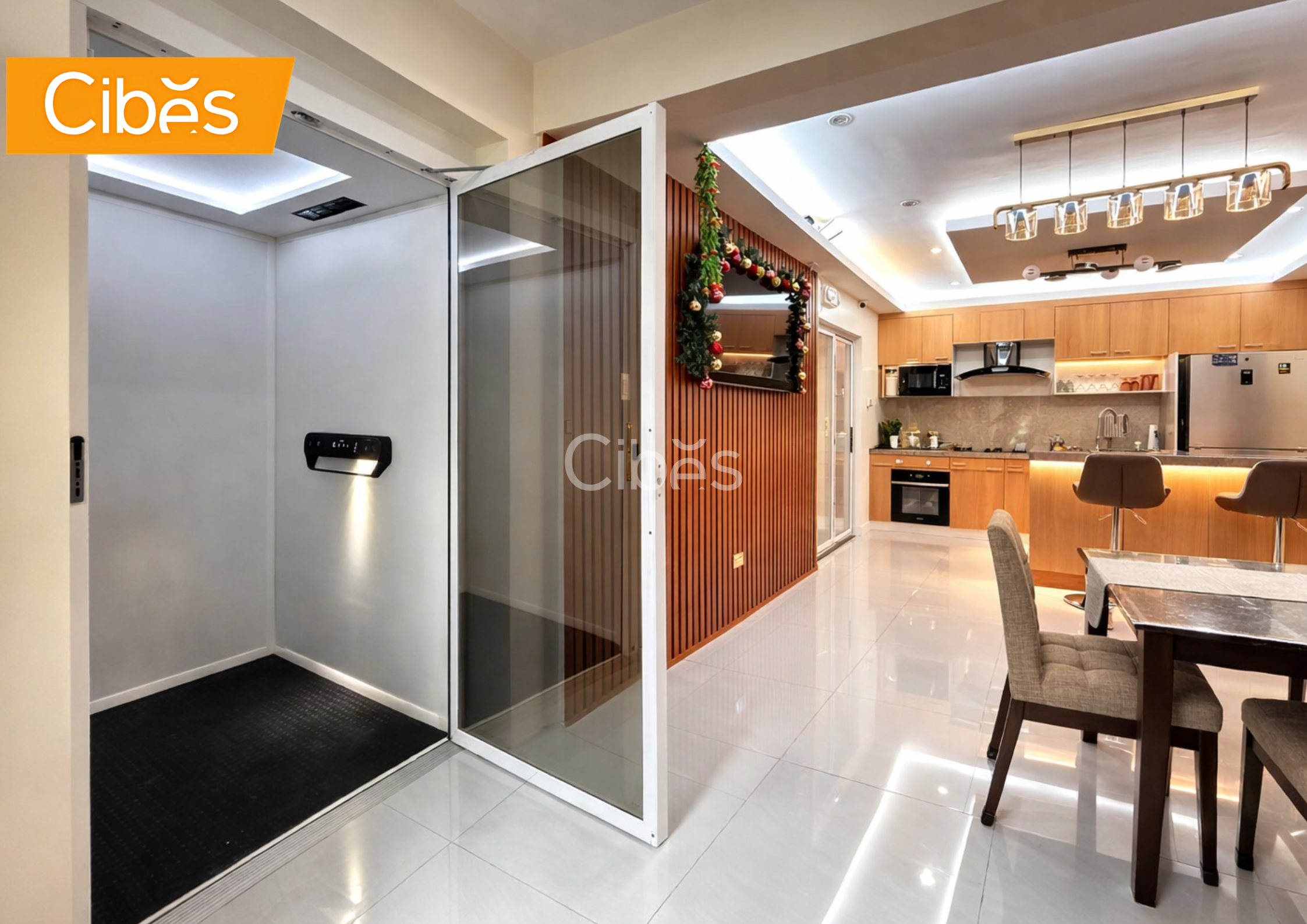
A mezzanine installation of the elevator is an easy and efficient solution but is subject to careful design since now the elevator itself is the central feature. Glass components such as the see-through shaft and panorama doors can provide optimum natural light transmission and create unobstructed views all through your house. This is the ideal answer for open floor plan homes in today’s houses.
Outdoor Installation
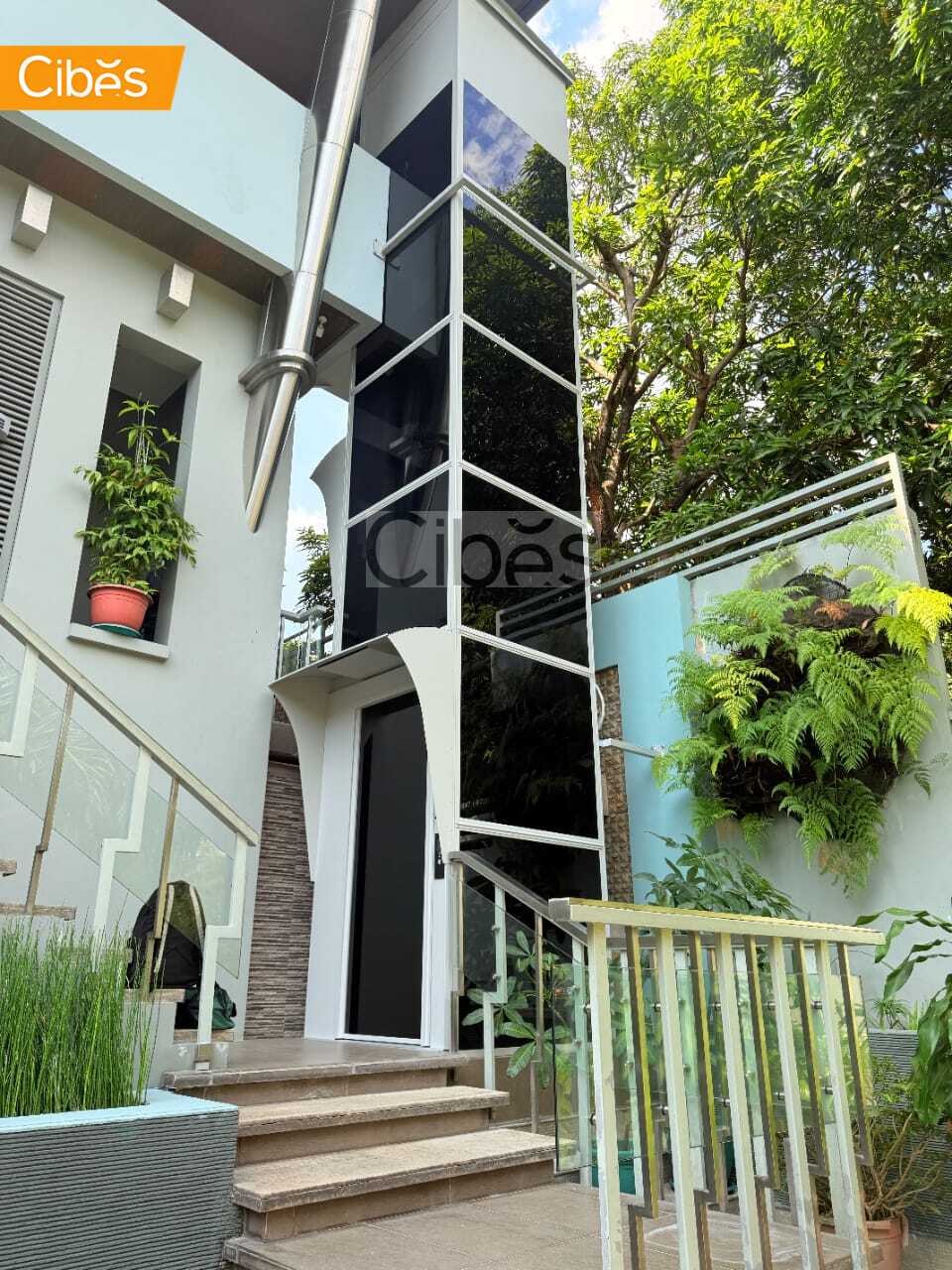
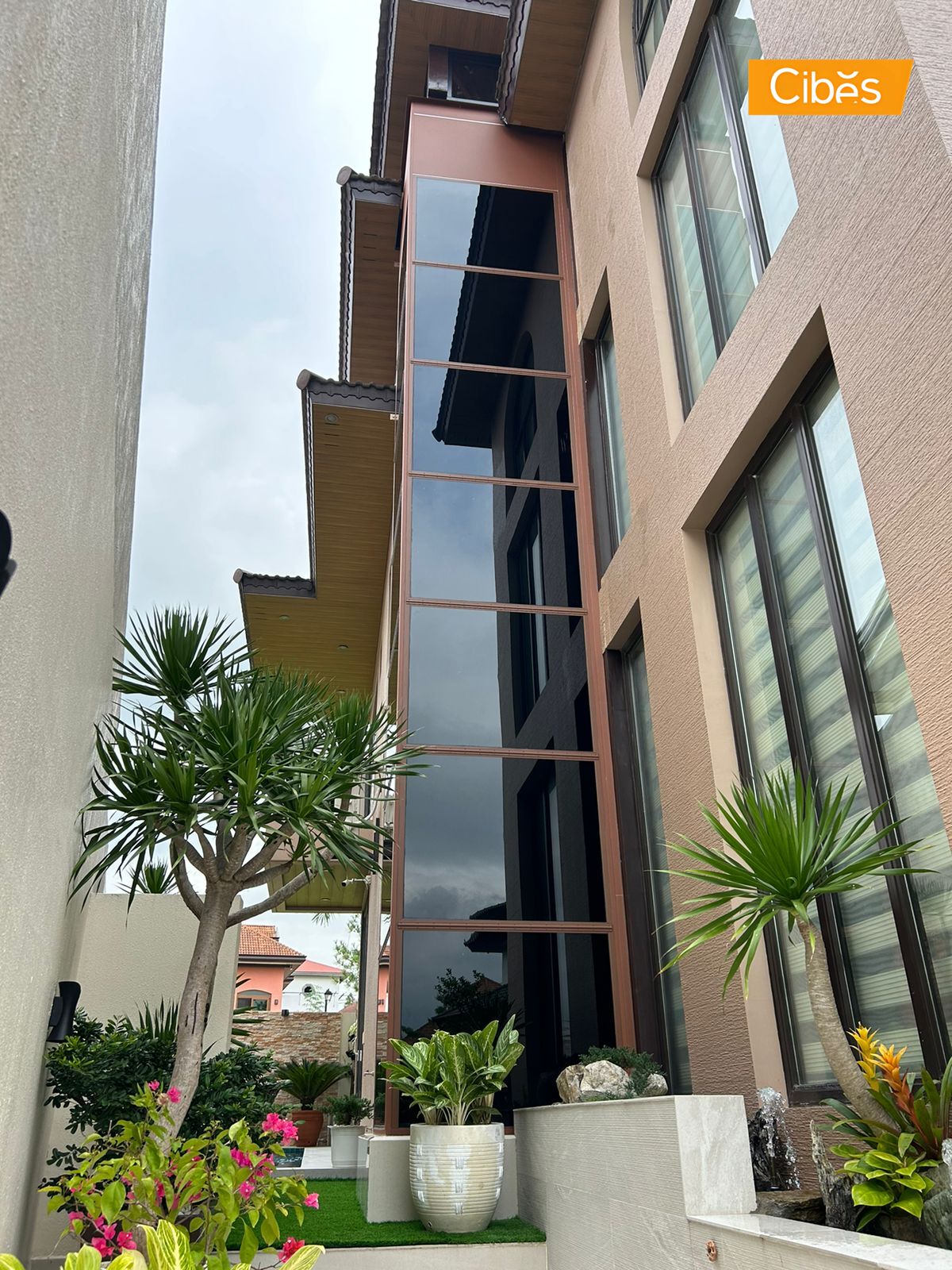
A roof-top or outside elevator installation is an ideal option for small-sized houses. An installation is carried out following a good site preparation, i.e., efficient drainage systems and solid holding points to fight against bad weather. Weather-resistant structures and building integration into your building’s outside are features that can be constructed into an outside elevator.
Residential Elevator Design and Integration in Homes
Modern elevator design plays a key role in ensuring that lifts blend naturally with residential interiors. Proper residential elevator design considers layout, lighting, materials, and traffic flow to ensure the system complements the home’s architecture.
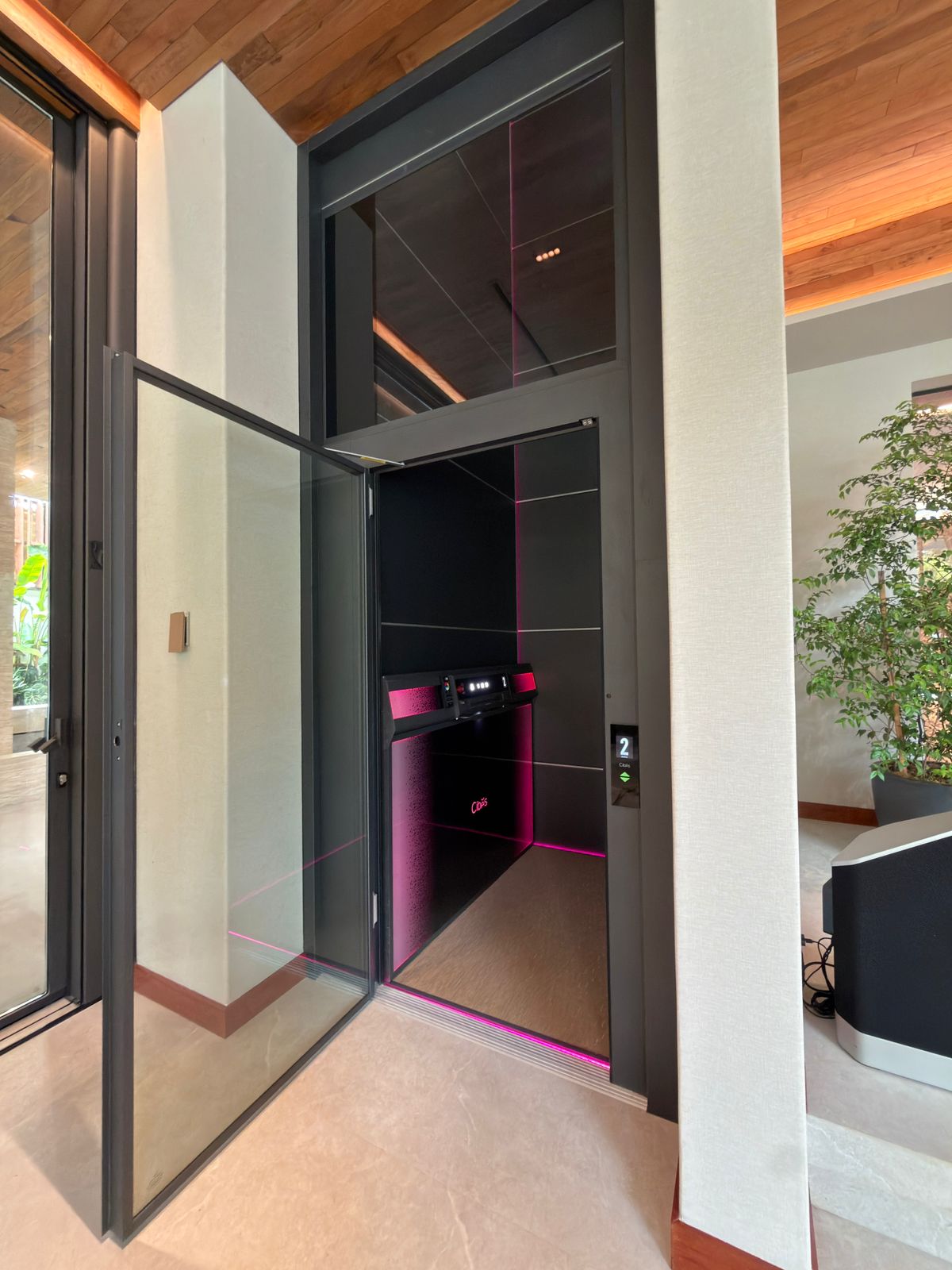
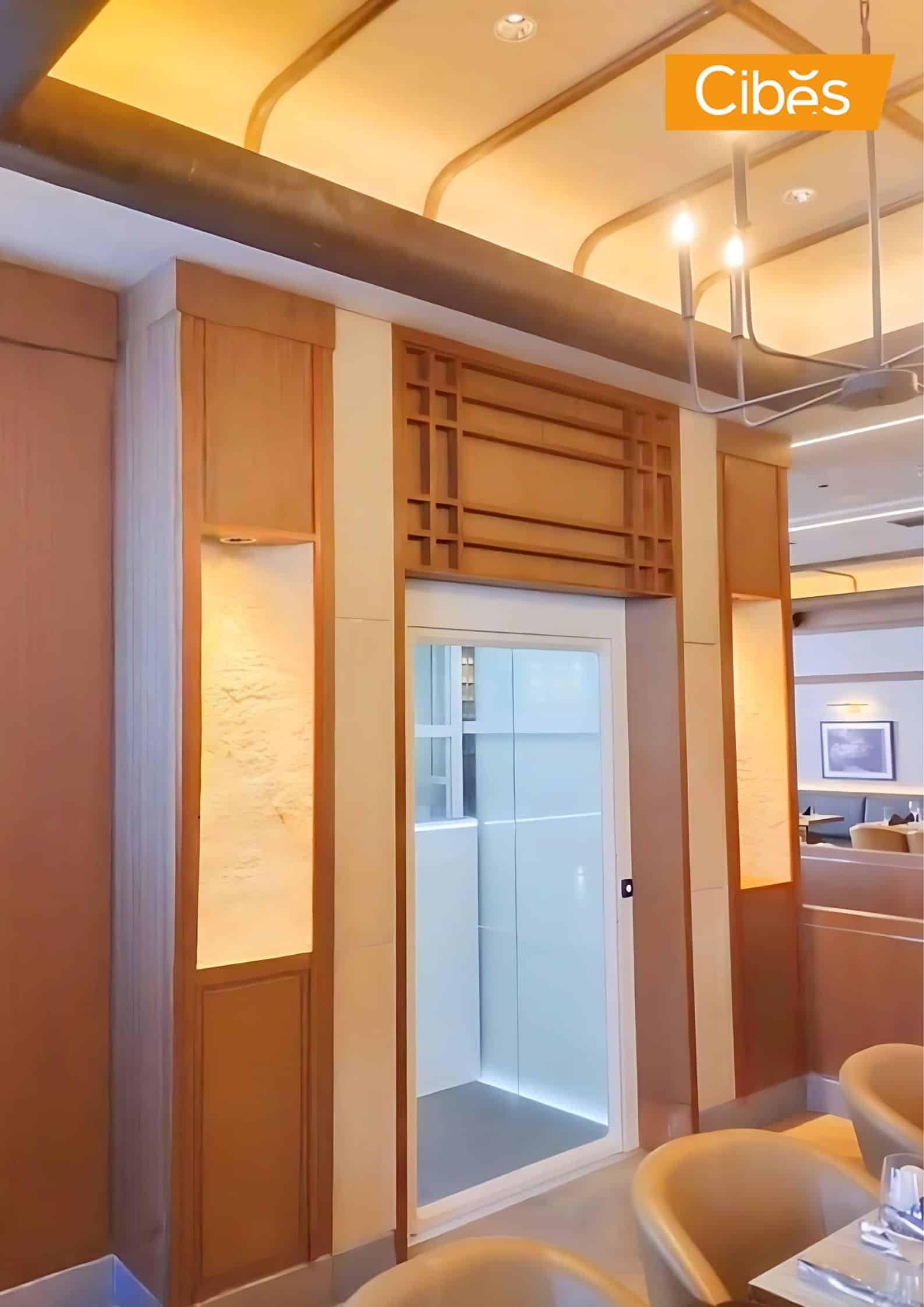
Many homeowners today prioritize home elevator designs that match their interior style, whether minimalist, contemporary, or traditional. Glass cabins, panoramic panels, custom flooring, and tailored finishes allow elevators to become an integral part of the living space rather than a purely functional feature.
Effective elevator integration also improves long-term usability. Well-planned home elevator designs support easy access, smooth movement between floors, and future adaptability as family needs evolve. By combining thoughtful elevator design with professional installation, homeowners can achieve both aesthetic appeal and practical performance.
Site Preparation for Home Elevator Installation in the Philippines
Before preparation for installation, Cibes elevators offer a list of advantages that make the process trouble-free:
Foundation Requirements
Unlike traditional elevators with deep pit requirements (approximately 1200 mm), Cibes elevators operate on low pit depths—50 mm for platform elevators and 100 mm for cabin elevators. You can even dispense with a pit in most cases, provided that your floor is level and sufficiently strong structurally to bear the weight of the lift. Cibes meets elevator requirements for buildings in the Philippines with minimal foundation needs.
Structural Impact
Cibes lifts put minimal structural stress on your home, with minimal holding points rather than high degrees of reinforcement. The pre-fabricated shafts into which they fit require only one supporting wall as they are built to be used with a building type that has minimal building.
Space Efficiency
Top floor headroom space is just 2.3 meters for regular doors, and even smaller for shorter gate designs. Cibes elevators thus fit well into low-ceilinged houses where regular elevators won’t fit. Our elevator standard size in the Philippines follows the standard size of elevator in meter Philippines for compact homes.
Construction Needs and Cost for Home Elevator Installation in the Philippines
While floor installations do require hatch openings, it is less expensive than with any other elevator due to low space requirements and low structural needs. The shaft components are pre-assembled and arrive in and ready to install, which saves time on-site construction and money. Cibes’ home elevator cost in Philippines and home elevator Philippines price typically start at PHP 850,000, offering affordable installation.
Finishing Touches for Home Elevators
The final look of your elevator installation can even be styled to complement your home interior design. Your options can range from a variety of floor thresholds, and aluminum trims, to decorative finishes that can be shaped based on your preference. All these finishing details will not only make your elevator work accordingly, but it will also make your home interior more beautiful as well. These customizations may influence final home elevator prices and residential elevator cost.
To avoid unexpected costs at the installation stage, make sure to discuss every detail with your Cibes Lift expert when requesting a quotation. Proper survey of your location and frank discussion about design intention will render the installation simple and cost-effective. Visit our Makati showroom to check our home lifts price in the Philippines, discuss installation, and explore Cibes systems in person.
We needed a Home elevator for my Lola because she’s getting old and she cant use the stairs. And about the installations it was good and very fast process the people is very efficient and knowledgeable on what they are doing.” – Ms. Ambida, Marikina City
With proper planning and with proper elevator choice, this luxury feature can be simply added in your home with cost-effective ease and with decades of maintenance-free floor-to-floor commuting without massive building cost or disruption of your lifestyle. This ensures long-term value through efficient home elevator installation, regulatory compliance, and predictable operating costs.
FAQ : Home Elevator Installation in the Philippines
How much does home elevator installation cost in the Philippines?
Home elevator installation cost in the Philippines typically starts from around PHP 850,000 and may increase depending on elevator type, building structure, customization, and installation requirements. Premium residential elevators with advanced features may cost more.
What is the standard size of a home elevator in the Philippines?
The standard size of elevator in meter in the Philippines for residential use usually ranges from 1.0 m × 1.2 m to 1.5 m × 1.5 m. The exact dimensions depend on wheelchair access, building layout, and compliance with accessibility regulations.
What are the elevator requirements for buildings in the Philippines?
Elevator requirements for buildings in the Philippines are governed by RA 7277 (Accessibility Law), fire safety regulations, and structural standards. These include minimum cabin size, door width, safety systems, and proper electrical and structural support.
How long does home elevator installation take?
Most home elevator installation projects take between 2 to 6 weeks, depending on site preparation, shaft construction, customization, and permit processing. Retrofitting in existing buildings may require additional time.
Can I install a home elevator in an existing house?
Yes. Home elevators can be installed in existing houses using built-in shafts, stairwell spaces, or compact lift systems. Professional assessment is required to determine the best installation method and minimize structural modifications.
Do home elevators increase property value?
Yes. Installing a residential elevator can increase property value by improving accessibility, convenience, and long-term usability. It is especially attractive for multi-story homes and aging-in-place buyers.
What is the difference between a residential elevator and a platform lift?
A residential elevator is a fully enclosed lift designed for regular home use, while a platform lift is usually smaller and intended mainly for wheelchair access. Residential elevators offer higher comfort and better integration into home design.
Do I need a machine room or pit for home elevator installation?
Not always. Many modern home elevators, including screw-driven systems, do not require a machine room or deep pit. This makes them suitable for homes with limited space.
How much maintenance does a home elevator require?
Home elevators require regular inspection and preventive maintenance, usually once or twice a year. Proper maintenance ensures safety, reliability, and long-term performance.
Where can I see home elevators before installation?
Homeowners may visit the Cibes showroom in Makati to view installed residential elevator systems, discuss design options, and receive professional installation advice.
Learn more



TL;DR Choosing the right elevator size is one of the most important decisions in any home lift project. The size of the cabin affects comfort, accessibility, capacity, and even whether the elevator can be installed in your home without major structural changes. In the Philippines, where many homes are built on compact urban lots, understanding […]
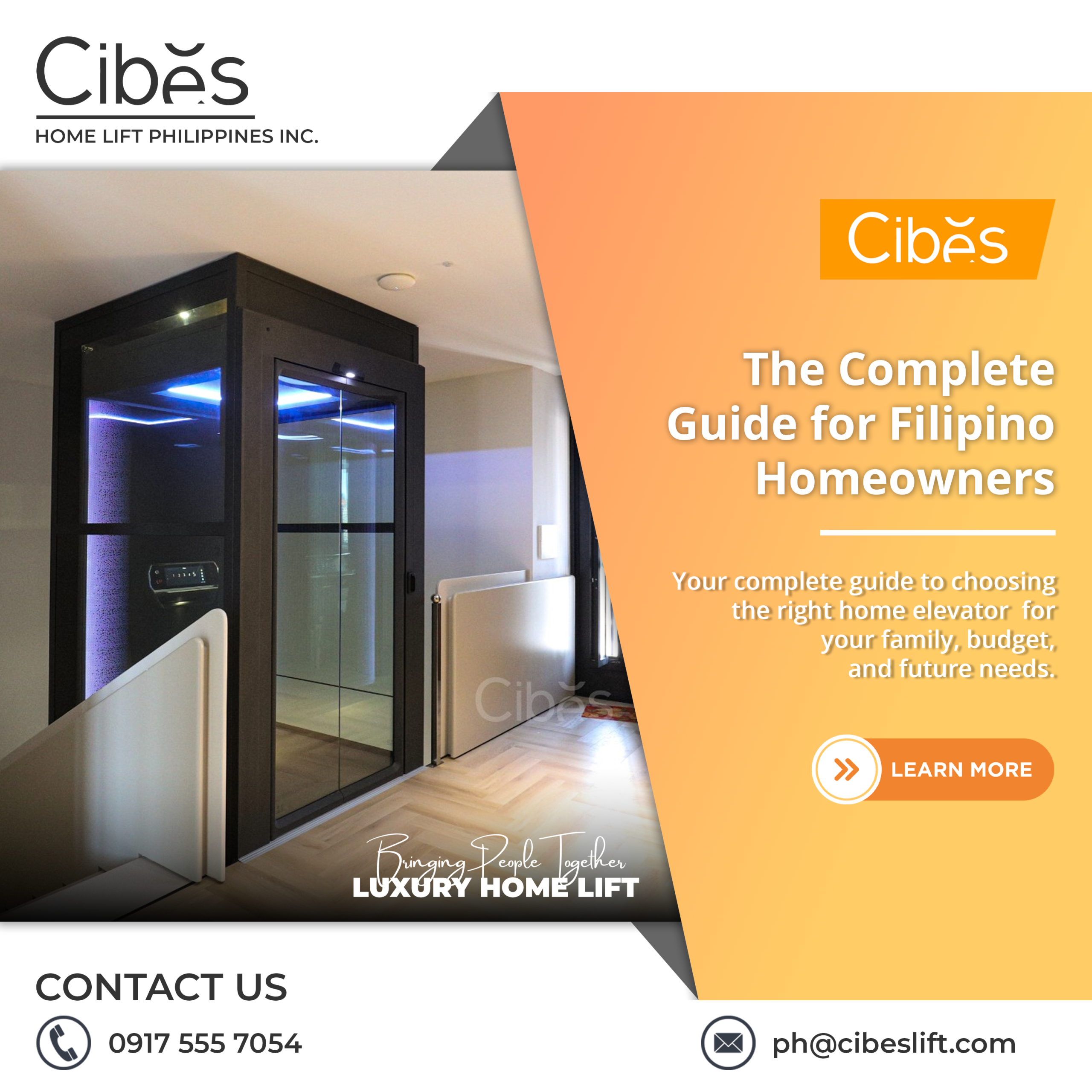
TL;DR Home Elevator Philippines can be a practical choice for a multi-storey home in the Philippines. It can make everyday movement between floors easier, improve accessibility, and add long-term convenience to the home. The right home elevator in the Philippines depends on your available space, budget, number of floors, accessibility needs, and the type of […]

TL;DR Home elevator price Philippines can range from ₱1.5M to ₱6M+, depending on the lift system, number of floors, brand, customization, and installation requirements. Most homeowners spend around ₱2.5M to ₱3.5M for a reliable mid-range system in a two- to three-storey home. Understanding the home elevator price Philippines homeowners can expect means looking beyond the […]

TL;DR Cibes Home Lift Antera is a premium residential lift range designed for homes where safety, comfort, accessibility, and interior design all matter. Available in Z70, Z85, and Z90 configurations, the range uses Generation 5 screw-drive technology and a machine-room-free design. What Is the Cibes Antera Home Elevator? The Cibes Antera is a premium residential […]
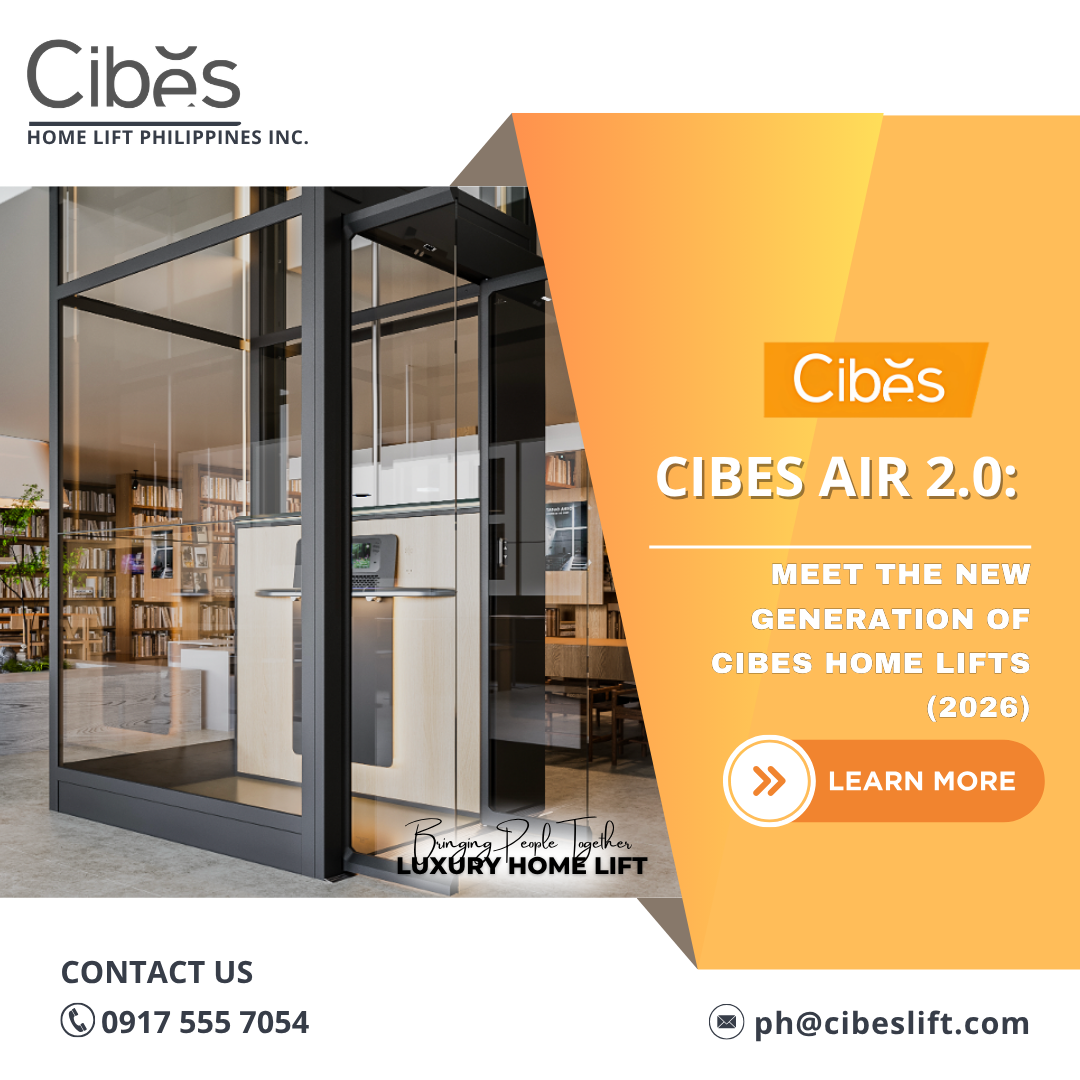
TL;DR The Cibes Air 2.0 is a new-generation home lift that brings modern Scandinavian design into the home. With its frameless panoramic glass shaft, refined cabin, elegant lighting, quiet performance, and flexible installation, it combines everyday comfort with a beautifully designed lift that feels naturally part of your living space. What Makes the New Cibes […]