Blog - 09/04/2025
Home Elevators Philippines: Complete Guide, Costs & Best Options
Home Elevators in the Philippines: A New Standard for Modern Living
The dialogue about home lifts in the Philippines has transformed considerably in the past few years. While it has traditionally been the domain of luxurious mansions, it has become one of the most practical, accessible, and sought-after solutions in the everyday Filipino home.
Multi-story living is the “new norm” in Metro Manila, Cebu, Iloilo, Davao, and other cities in the country. Townhouses, duplexes, and homes with three or four levels are just part of the everyday experience.
But still, these floors often hide an untold burden: the physical toll on aging parents, the worry of a toddler slipping down the steep staircase, the hassle of carrying groceries or sports gear up and down the stairs several times a day.
For many Filipino families, having a home lift is now the answer, not as a luxury, but as a smart and practical investment in comfort, safety, and home value.
But before taking the next step towards becoming a proud home lift owner, many are also asking:
What type of home lift is suitable for my home?
What is the cost of home lifts?
Where can I see home lifts in action?
And even getting the basics straight: What is the difference between a ‘Lift’ and an ‘Elevator’?
The question is no longer if a home lift is the right choice, but which home lift is the right choice.
If you’re looking for a broader overview before exploring specific home lift solutions, our Home Elevators & Home Lifts in the Philippines: The Complete Guide for Filipino Homeowners brings together everything you need to know, from pricing and lift technologies to accessibility, installation planning, and expert buying advice. It serves as the central hub of our Philippine home lift knowledge base.
This guide focuses specifically on home elevators and home lifts, helping you compare the main residential lift options available in the Philippines and choose the solution that best fits your home, lifestyle, and long-term needs.
In This Guide:
- Types of Home Elevators
- Small & Space-Saving Solutions
- Elevators for Seniors
- Luxury & Glass Elevators
- Installation & Design
- Pricing Overview
What Are Home Elevators and How Do They Work?
Home elevators are residential lifting systems designed to move people and goods between floors safely and efficiently. Unlike traditional commercial elevators, modern home lifts are compact, energy-efficient, and often require minimal structural changes.
Today’s systems, especially screw-driven and shaftless designs, are built specifically for private homes in the Philippines, making installation possible even in tight spaces or existing houses.
Beyond convenience, home elevators improve accessibility, enhance safety for all age groups, and can significantly increase long-term property value.
Home Elevator Philippines: Ultimate Guide to Residential Lifts 2026
Not all vertical mobility solutions are made equal.
This ultimate guide will help you navigate the most important decision every Filipino homeowner inevitably has to make: between a home lift and a stairlift.
The article will help you understand what sets the two options apart, especially in terms of cost, accessibility, installation requirements, long-term value, and aesthetics.
While stairlifts are a cost-effective option for a one-person household living in a two-story house, a home lift promises much more: a 30-year lifespan, serving the entire household, including wheelchair users, and increasing resale value by 8-12% in prime locations like Alabang and Forbes.
If you don’t know where to begin, this is the guide to begin with.
Read the Ultimate Guide to Residential Lifts →
Small Home Elevators Philippines: Compact Solutions for Limited Spaces
One of the most common reasons Filipino homeowners hesitate to explore home lifts is the assumption that their home simply isn’t big enough.
The truth is quite the opposite.
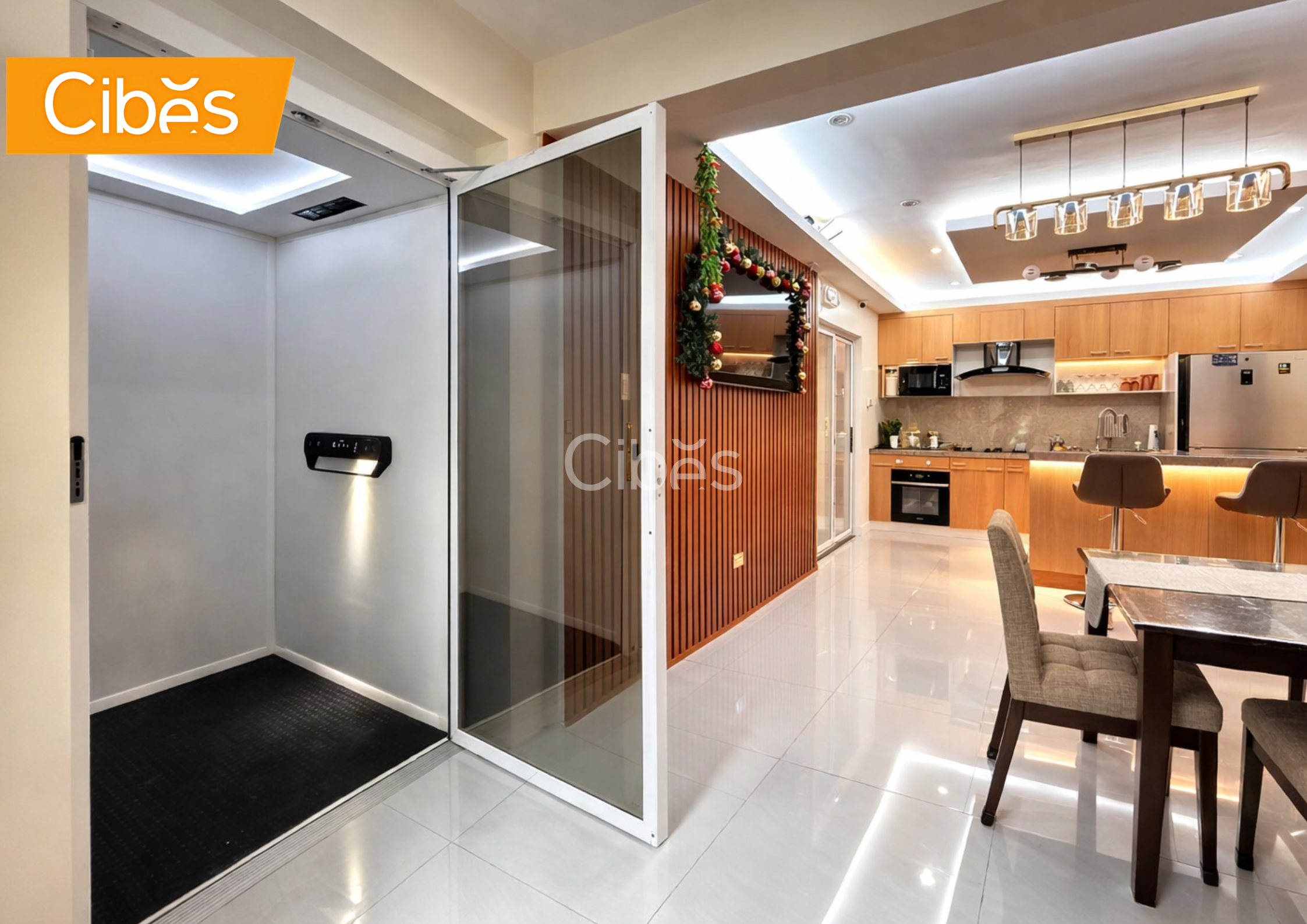
Modern compact elevator technology has redefined what’s possible in tight spaces. For example, Cibes screw-driven lifts can fit in as little as one square meter of floor area, require no deep pit, and need no separate machine room, making them ideal for the narrow townhouses and compact urban homes found throughout Metro Manila, Cebu, and Davao.
The article covers which technologies work best in small spaces, how to identify hidden installation spots in your home, and why smaller doesn’t have to mean less.
Explore compact home elevator solutions →
Home Elevators for Seniors and Elderly in the Philippines
There is a quiet moment in every Filipino household when you see elderly family members hold on to the stair railing a little more tightly, or when they prefer to sleep downstairs because it’s just too difficult to go up.
This article is for that moment. It’s for when you want to learn more about how a home lift can help with aging in place, keeping your elderly loved ones independent and dignified without having to leave the home they love.
From battery backup systems to protect your home from brownouts to infrared safety detection and emergency lowering systems, Cibes home lifts have been designed with your needs in mind. It’s not just about the home lift, though.
Everything comes down to looking at it all within a wider context.
Read about home elevators for seniors →
Luxury Home Elevators Philippines
A home elevator is more than just an instrument for moving vertically between floors.
In a luxury home elevator, home elevators are one of the more prominent features within a residential building.
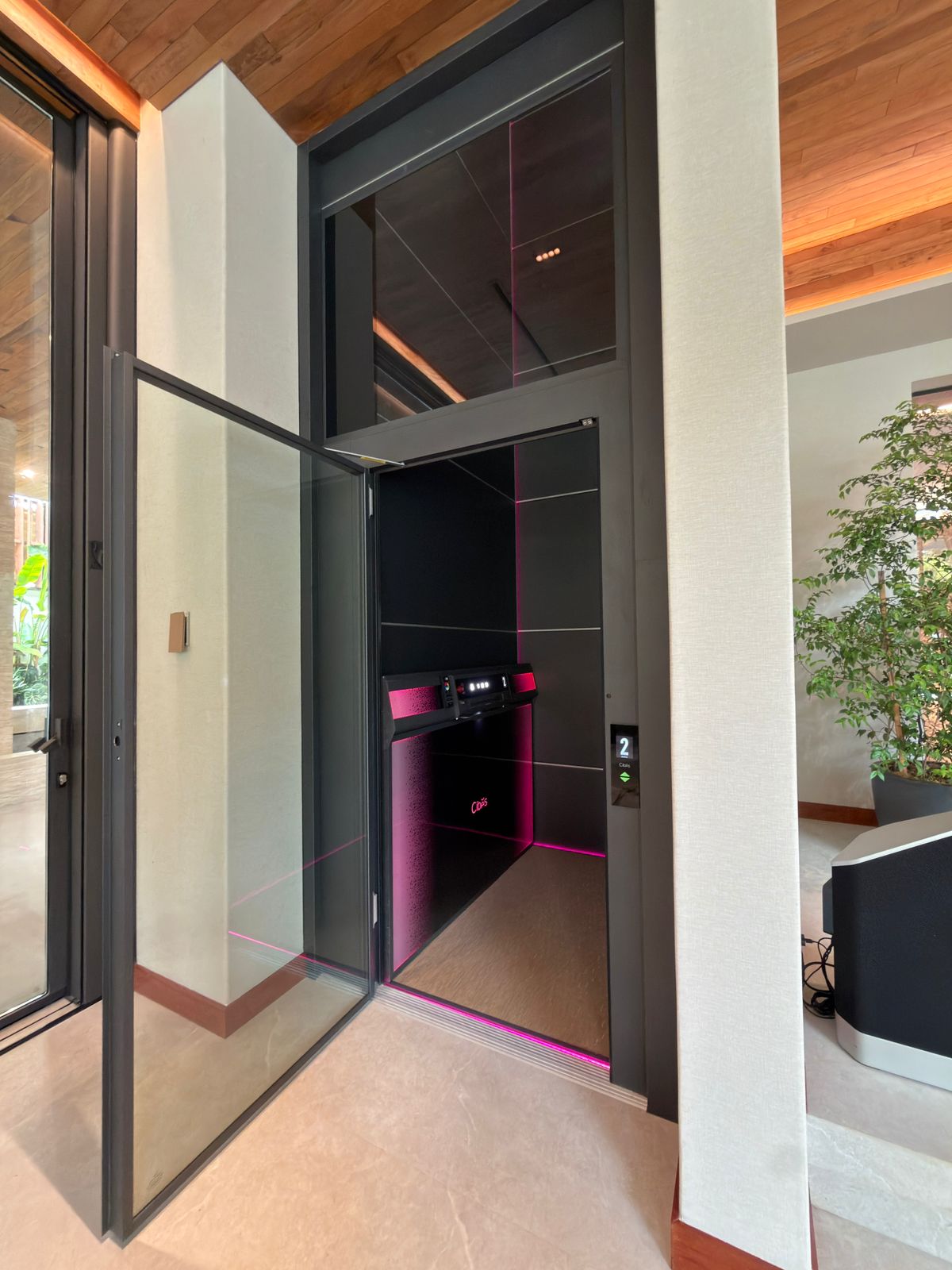
A luxury home elevator in the Philippines can be designed with Scandinavian engineering and fully customizable looks, including over 250 RAL colors, laser-etched lighting, carbonized back walls, and marble light-up surfaces.
In terms of overall value, home elevators not only have aesthetic appeal but can also be a tool for differentiating a home within the Philippine market.
All that luxury, inside your home.
Discover luxury home elevator designs →
Glass and Panoramic Home Elevators Philippines
There is a certain appeal to a glass elevator, the familiar hotel or corporate lobby experience of being in an elevator with expansive views on all sides as the doors close and you travel upwards.
Now imagine this experience in the comfort of your own home, but not as a luxury, but as a thoughtful marriage of functionality and aesthetic appeal.
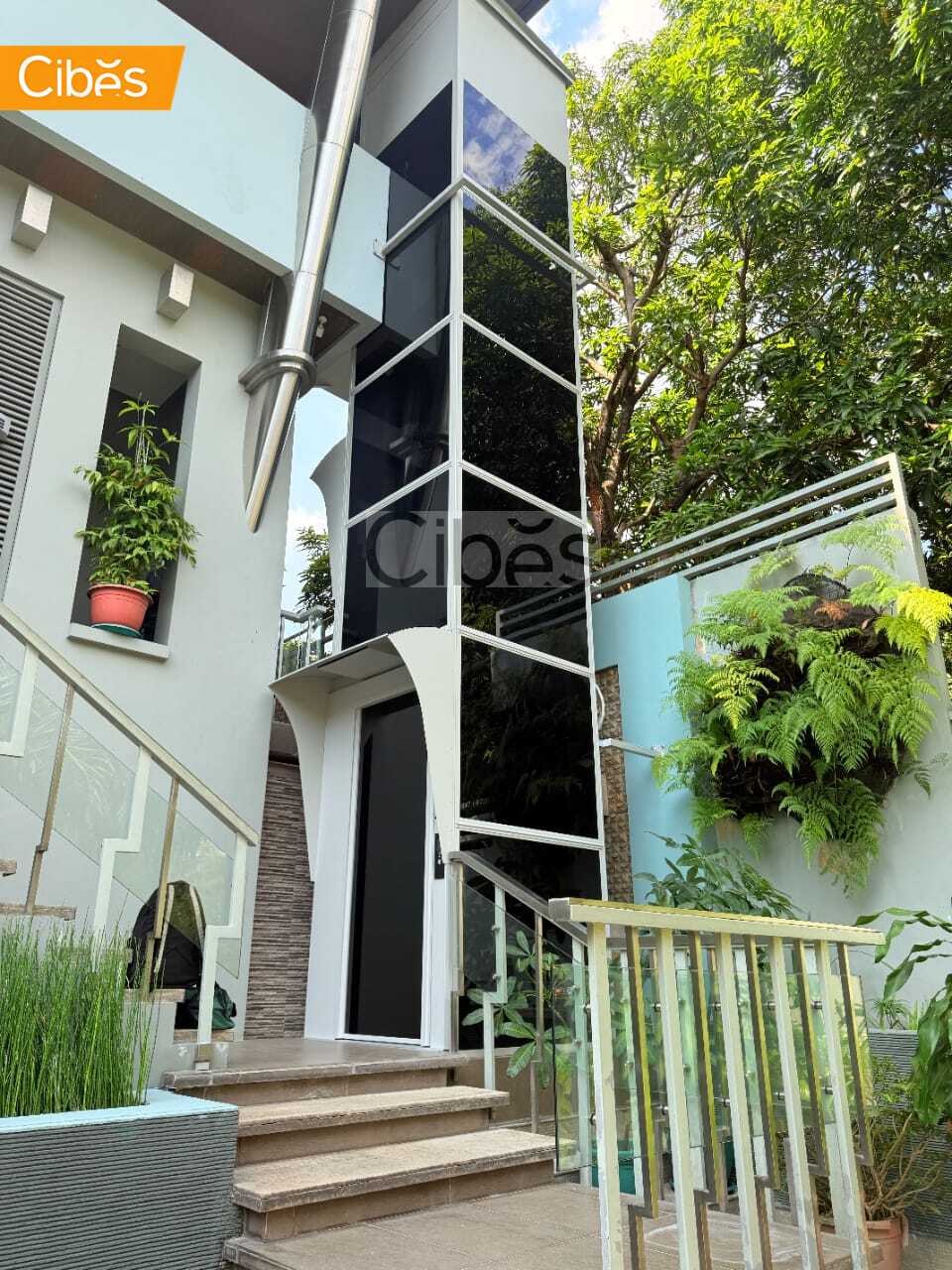
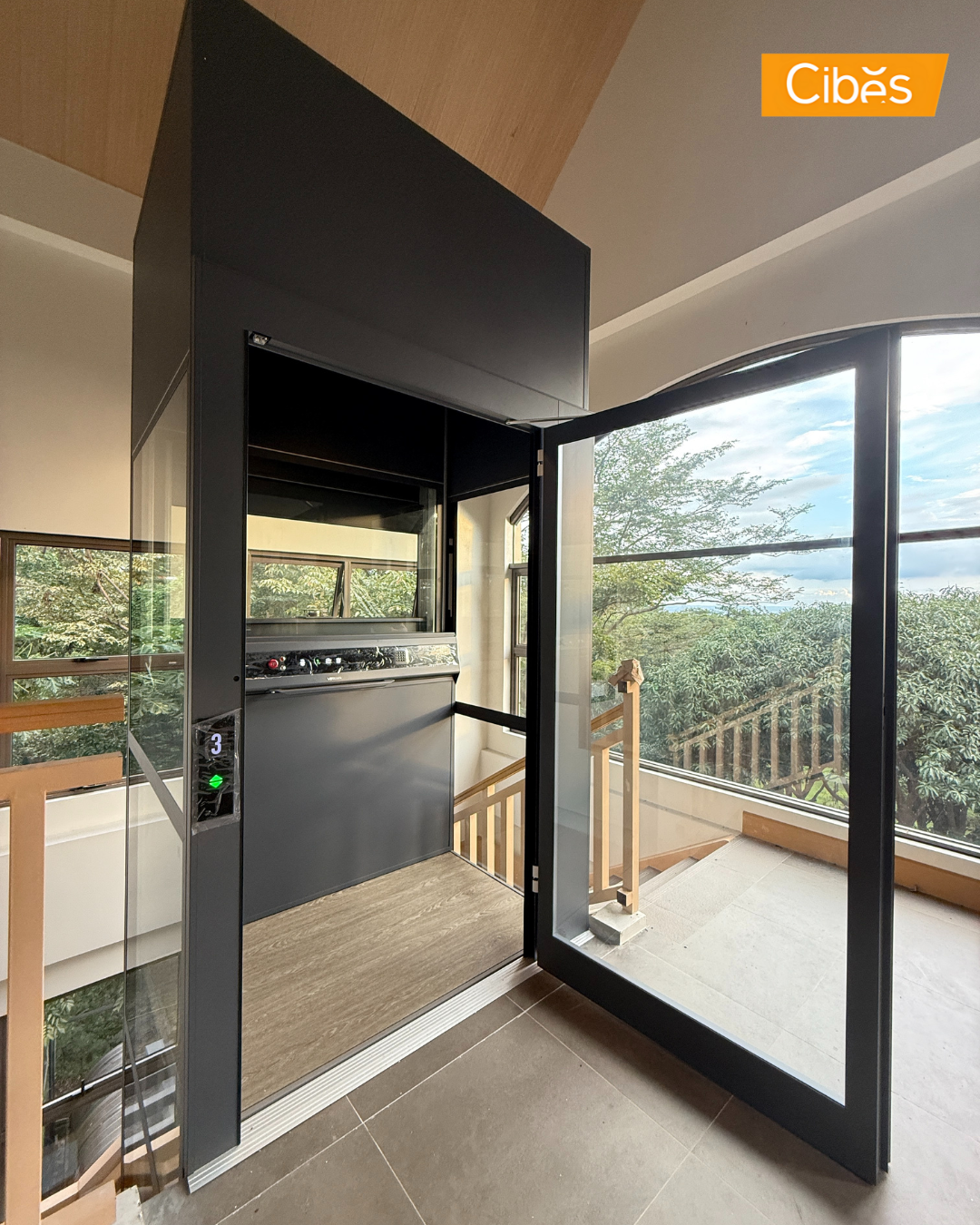
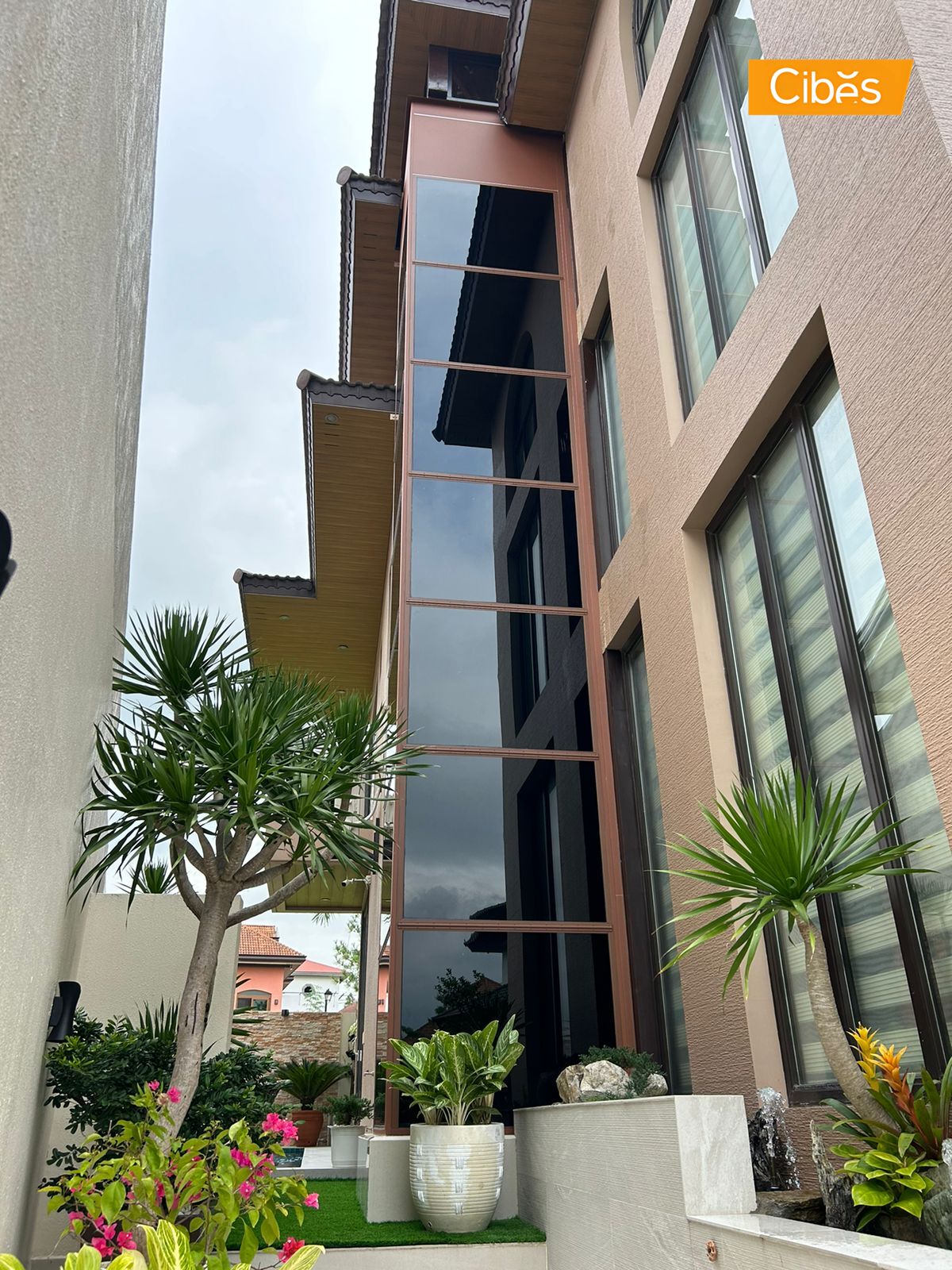
From a design standpoint, the use of glass eliminates the wasted space of a traditional enclosed elevator shaft, allowing natural light to flow freely between floors, a big plus in tropical Philippine architecture, where natural light and airflow are always a priority.
From a panoramic standpoint, the use of a 360-degree glass elevator goes a step further and turns the simple action of moving between floors into a genuine experience.
From a safety standpoint, the glass of a panoramic elevator uses the same laminated safety glass as a car windshield or a skyscraper’s windows.
In terms of maintenance, the glass surfaces are easy to maintain and simply require a quick wipe-down once a week, taking just five to ten minutes a week.
Learn more about glass and panoramic elevators →
Integrating Home Elevators into Philippine House Designs
Installing a home elevator is as much an architectural decision as it is a practical one.
This article serves as the complete installation guide for Filipino homeowners, covering everything from the three main installation methods to pit depth requirements, and most importantly, how to work with Cibes’ pre-fabricated shaft systems to minimize on-site construction time.
With installation typically taking just five to ten working days in most Philippine townhouses, and prices starting at PHP 850,000, this guide shows how thoughtfully integrating a lift into your home’s design can be both cost-effective and architecturally seamless.
Read the complete installation guide →
Modern Glass Elevator Designs for Philippine Homes
Here you will learn why glass home lifts are becoming popular in modern homes in the Philippines, particularly in condos.
Unlike other home lifts made of metals, which tend to reduce the space, glass home lifts are very suitable as they provide a flow of natural lighting, allowing the home to be designed in an open plan concept.
Understanding the benefits of installing a home lift is a must, particularly in homes with children, as they can see what is inside the lift cabin, and how it is a wise investment to install a home lift in one’s home.
Explore modern glass elevator designs →
Pricing Overview
Home elevator prices in the Philippines vary depending on size, technology, and customization. Entry-level compact home lifts can start from around PHP 850,000, while high-end custom elevators can go significantly higher. This wide range reflects differences in technology, number of floors, and customization level. Understanding where your project fits is key to making the right investment.
What to Consider Before Installing
Before installing a home lift, consider:
- Available space in your home
- Structural feasibility
- Budget and long-term value
- Accessibility needs
- Design integration
Planning ahead ensures smoother installation and better results.
FAQ
How much does a home elevator cost in the Philippines?
Most systems start from around PHP 850,000 depending on specifications.
Can I install a home elevator in an existing house?
Yes, modern elevators are designed for retrofitting with minimal construction.
What is the smallest elevator size?
Some compact lifts require only about 1 square meter.
Are home elevators safe?
Yes, they include multiple safety systems like backup power and sensors.
Elevating Everyday Living in Philippine Homes
A home lift is more than just moving vertically upwards, but actually about elevating the very quality of life within your home.
It’s about security for an aging parent, convenience in a small townhouse, a stunning aesthetic statement, or a very smart investment in your home’s future.
Whatever your need, there is a Cibes solution designed specifically to address your unique circumstances.
In the Philippines, homes are designed to last, to stand the test of time as the family grows, floors are added, and memories are made over the years.
A home lift is the crowning glory of your home’s heritage, making every floor accessible, beautiful, and ready for whatever the future holds.
Related Guides
To better understand your options, you may also explore:
- Elevator Pricing in the Philippines: Everything You Need to Know Before You Buy
- Types of Home Lifts in the Philippines: Features, Pros & Best Uses
- Home Accessibility Solutions in the Philippines: A Complete Guide to Mobility Options
- Home Elevator Installation & Dimensions in the Philippines: Complete Planning Guide
- Cibes Home Elevators Philippines: Products, Technology & Expert Guide



TL;DR Outdoor home elevators can improve accessibility while preserving valuable indoor space. In the Philippines, proper weather protection, structural engineering, drainage, and installation planning are essential. This guide explores installation considerations, safety requirements, potential costs, and what homeowners should know before choosing an outdoor home lift. Outdoor elevator installations can help homeowners in the Philippines […]

TL;DR The Cibes Experience Center Mindanao locations in Davao City and Cagayan de Oro City let homeowners, architects, contractors, and property developers explore home lift solutions in person. Compare available designs, check finishes, and discuss your property requirements with the Cibes team. Contact your preferred showroom before visiting to confirm operating hours and available demo […]
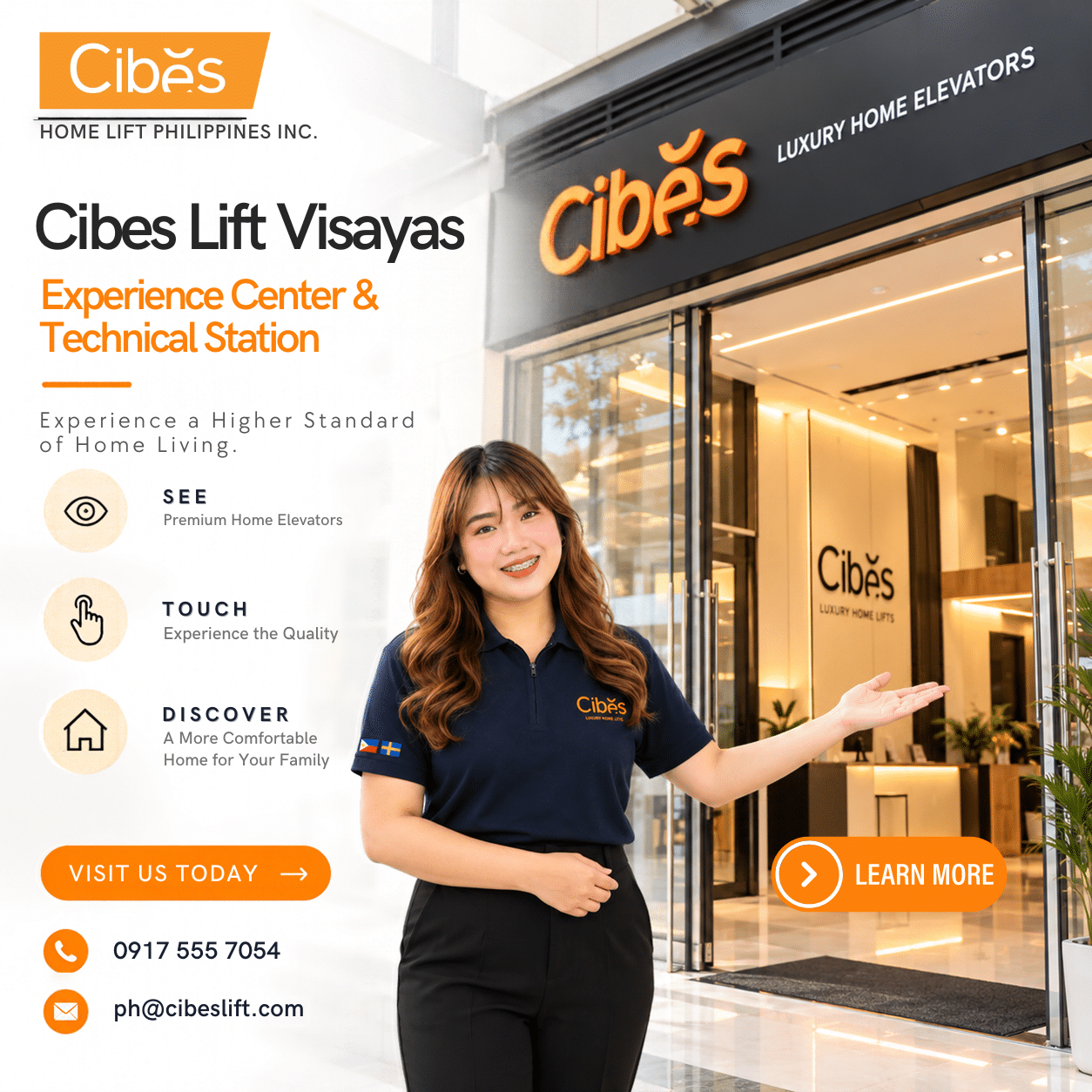
TL;DR The Cibes Experience Center Visayas in Cebu City lets homeowners, architects, designers, contractors, and developers see Cibes home lifts in person. Visitors can experience the lift cabin, review available designs and features, and discuss installation requirements with the Cibes team. The Cebu Experience Center currently lists V90 Elegance, Z85 Antera, and Ascenda among its […]
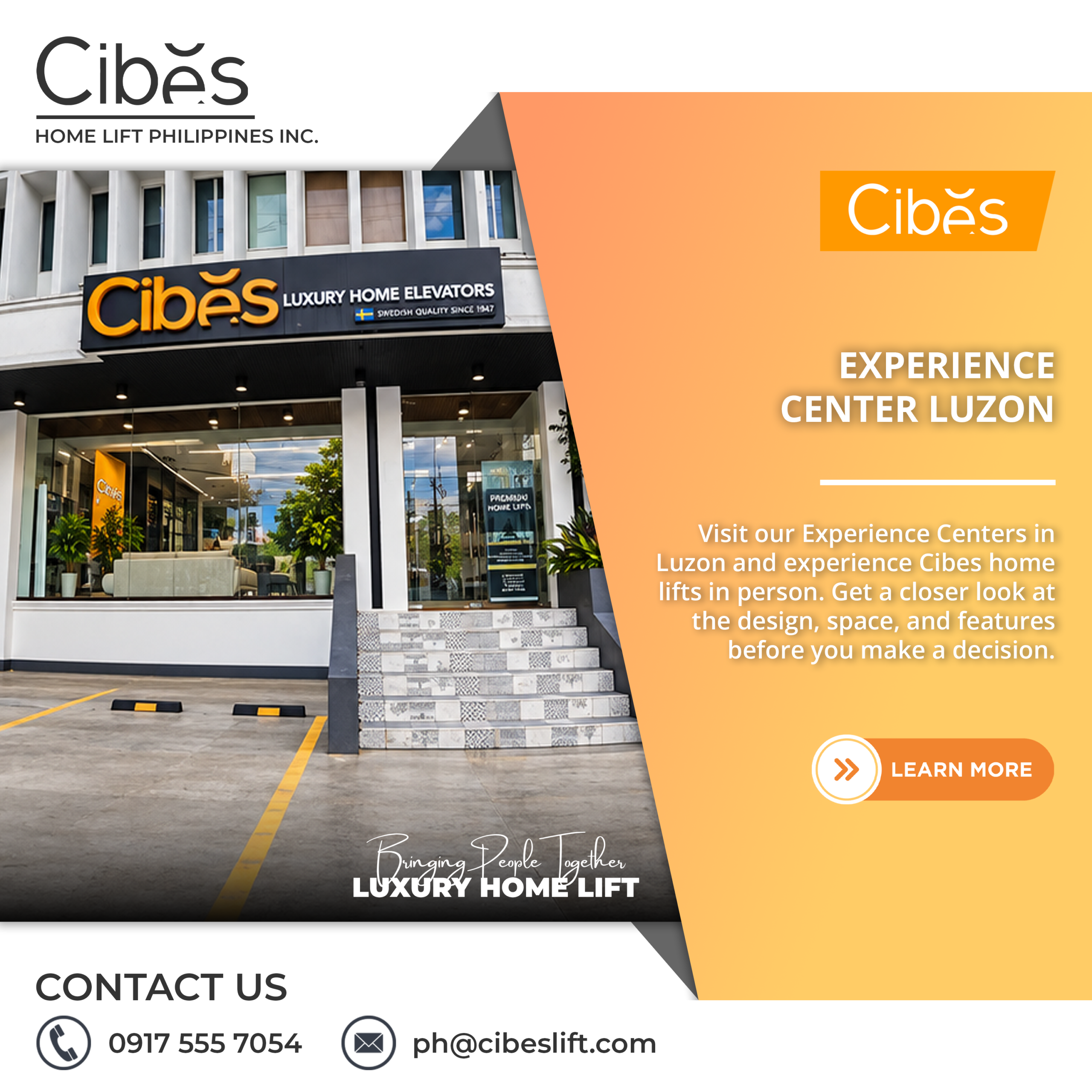
TL;DR Cibes Experience Center Luzon lets homeowners and property professionals experience Cibes home lifts in person before making a decision. Cibes Lift Philippines has 13 demo lifts across three Luzon Experience Centers: Makati (8), Mandaluyong (2), and Balintawak, Quezon City (3). Visitors can ride the lifts, check cabin space, test the controls, explore designs, and […]

TL;DR Sustainable home elevators in the Philippines are becoming an important consideration for homeowners who want to improve accessibility without overlooking environmental responsibility. Modern home elevators can support energy-efficient living through efficient drive systems, durable materials, renewable energy integration, and reduced structural changes compared with major home renovations. The Environmental Case for Sustainable Home Elevators […]