Blog - 15/01/2026
Why a Home Lift Is the Smartest Upgrade for Aging Parents
Home Lift for Aging in Place in the Philippines: A Smart, Safe, and Future-Ready Solution

Adapting Your Home for Safe Aging in Place
Discover how a Cibes home lift helps Filipino families age safely in place. Stay independent, protect loved ones, and future-proof your home.
There’s a quiet moment that happens in almost every family the moment you notice your parent or grandparent taking longer to climb the stairs. They pause at the landing, grip the railing tighter, or choose to sleep downstairs because the stairs feel like too much effort.
The truth is, most of us want to stay in our own homes as we grow older. We don’t want to leave behind the memories, routines, and spaces that shaped our lives.
In the Philippines, where multi-generational living is deeply valued, lolo and lola often remain in the family home they helped build, keeping everyone together under one roof, even if that roof sits on the second or third floor.
Vertical Access Is the Biggest Challenge of Aging in Place
Let’s be honest: stairs are the number one obstacle to aging in place safely.
They’re tiring. They’re risky. And once they become difficult, your multi-level home suddenly becomes a one-floor home. Bedrooms, bathrooms, and family areas upstairs slowly become unreachable.
Many Filipino families in Quezon City, Alabang, BGC, Cebu, and in the other provinces live in multi-story homes with steep staircases, stairs that once felt effortless but later feel like climbing a mountain.
This is usually the point when families are forced to choose between:
-
Adapting their home, or
-
Leaving the home, they love behind
This is where a home lift becomes a true game changer.
Why Home Lifts Are Better Than Other Mobility Solutions
You may have seen stairlifts, the chair systems attached to stair railings. While they offer short-term support, they come with clear limitations:
-
They permanently block part of the staircase
-
They transport only one person
-
They cannot carry groceries, laundry, or heavy items
-
They are not wheelchair accessible long-term
A home lift provides a complete, future-proof solution for the entire household.
Home Lifts Move People and Everything They Carry
A modern Cibes home lift can safely carry:
-
elders and caregivers
-
Wheelchairs and walkers
-
Groceries and laundry
-
Heavy household items
-
Even pets who can no longer climb stairs
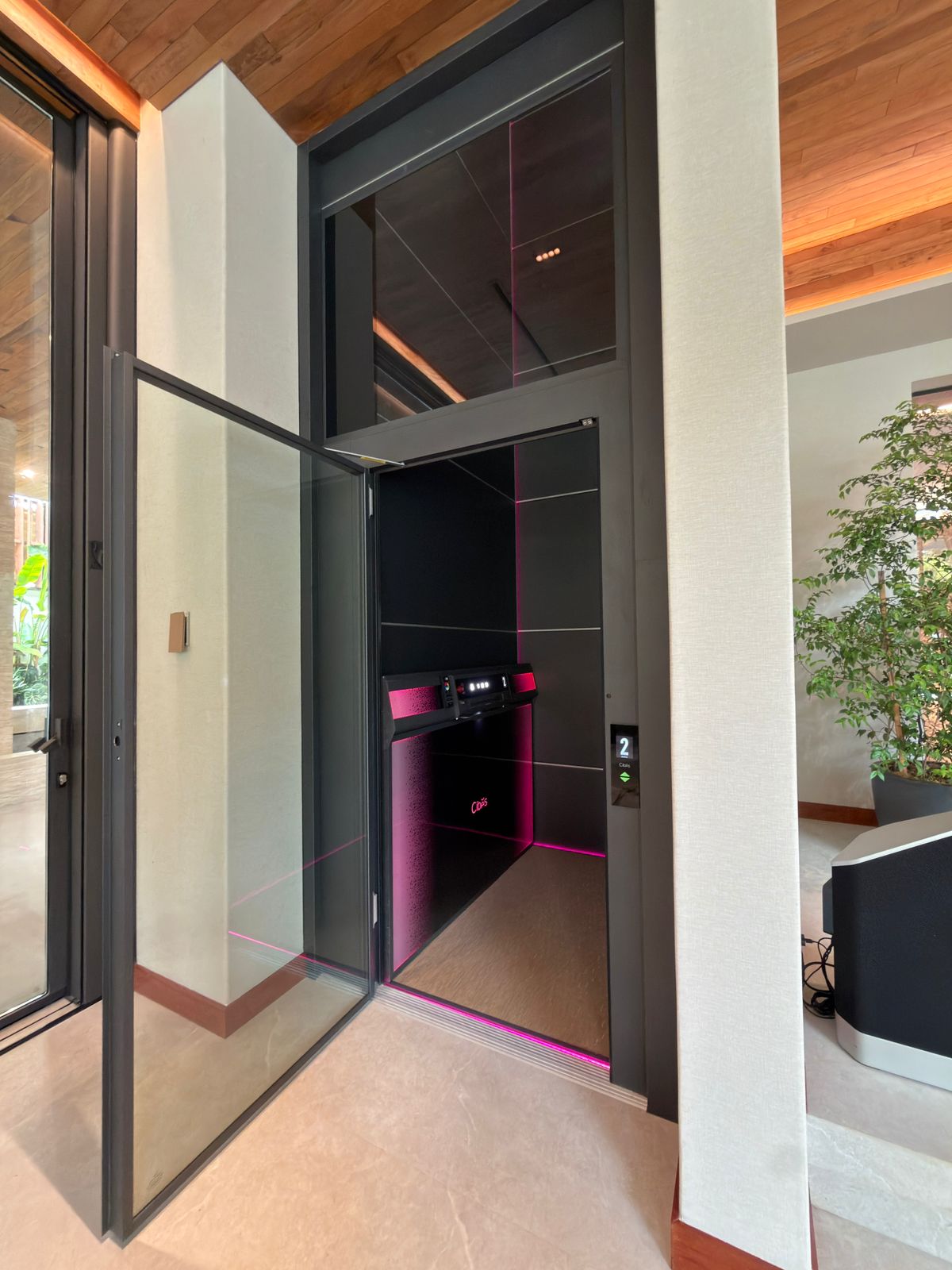
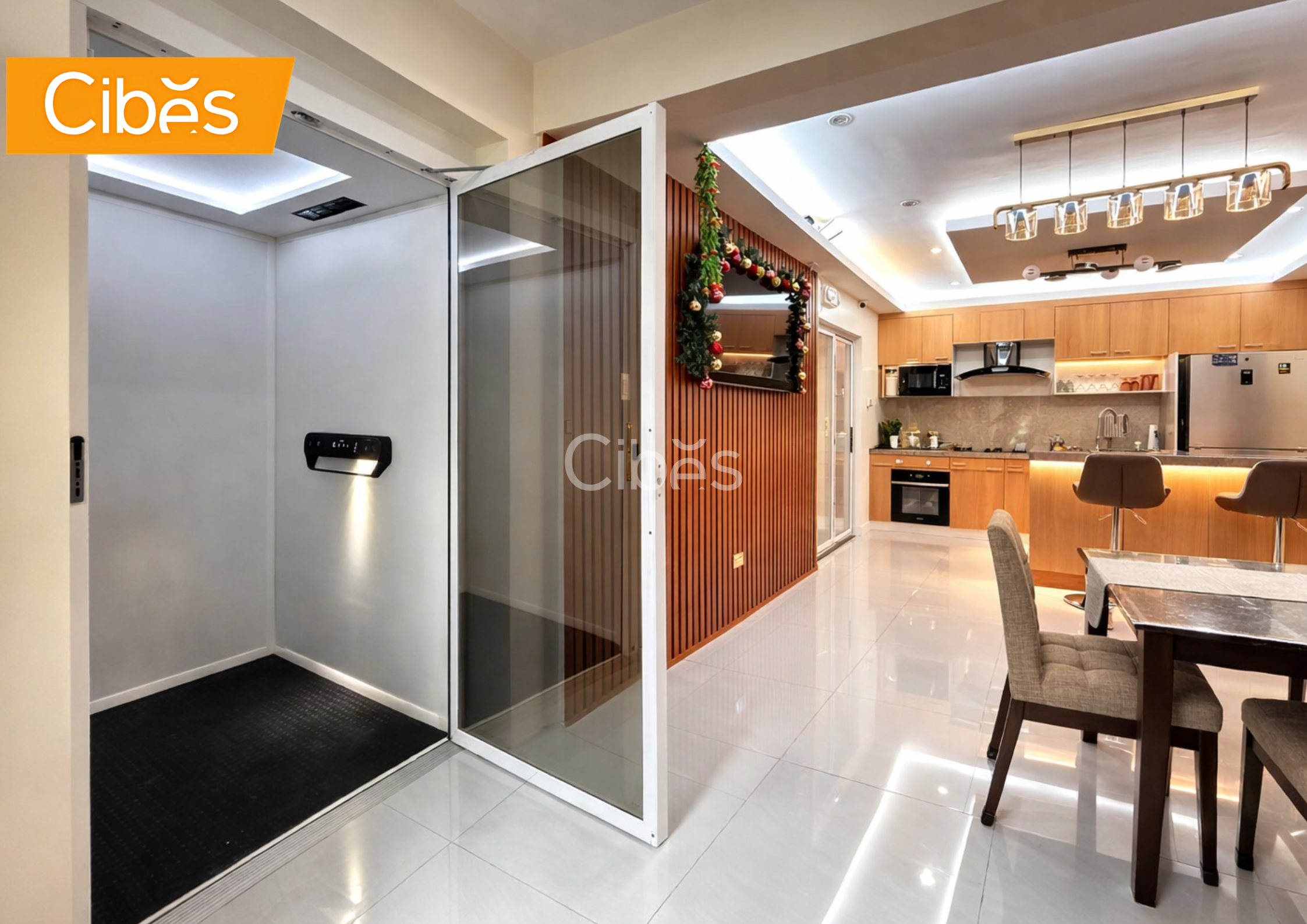
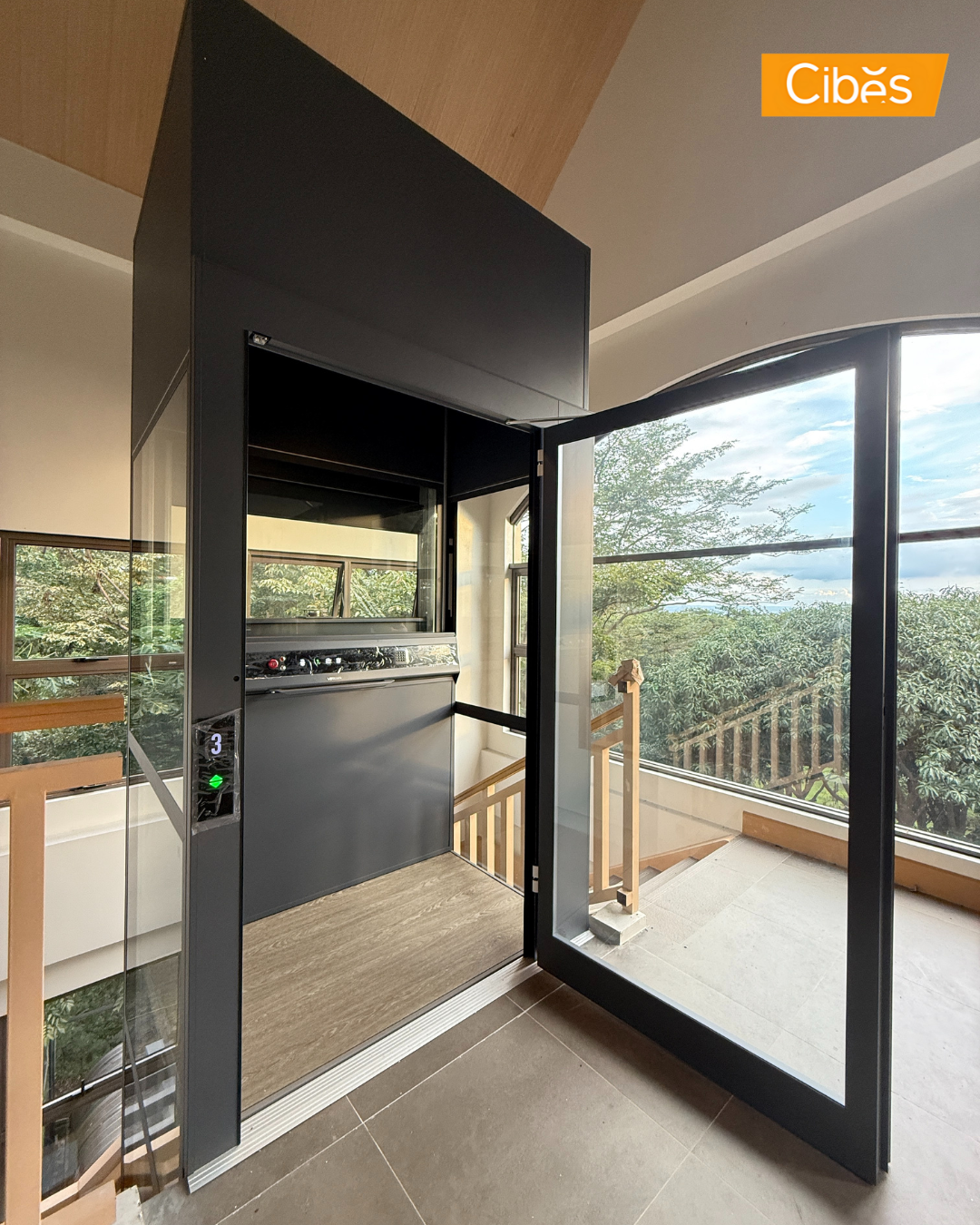
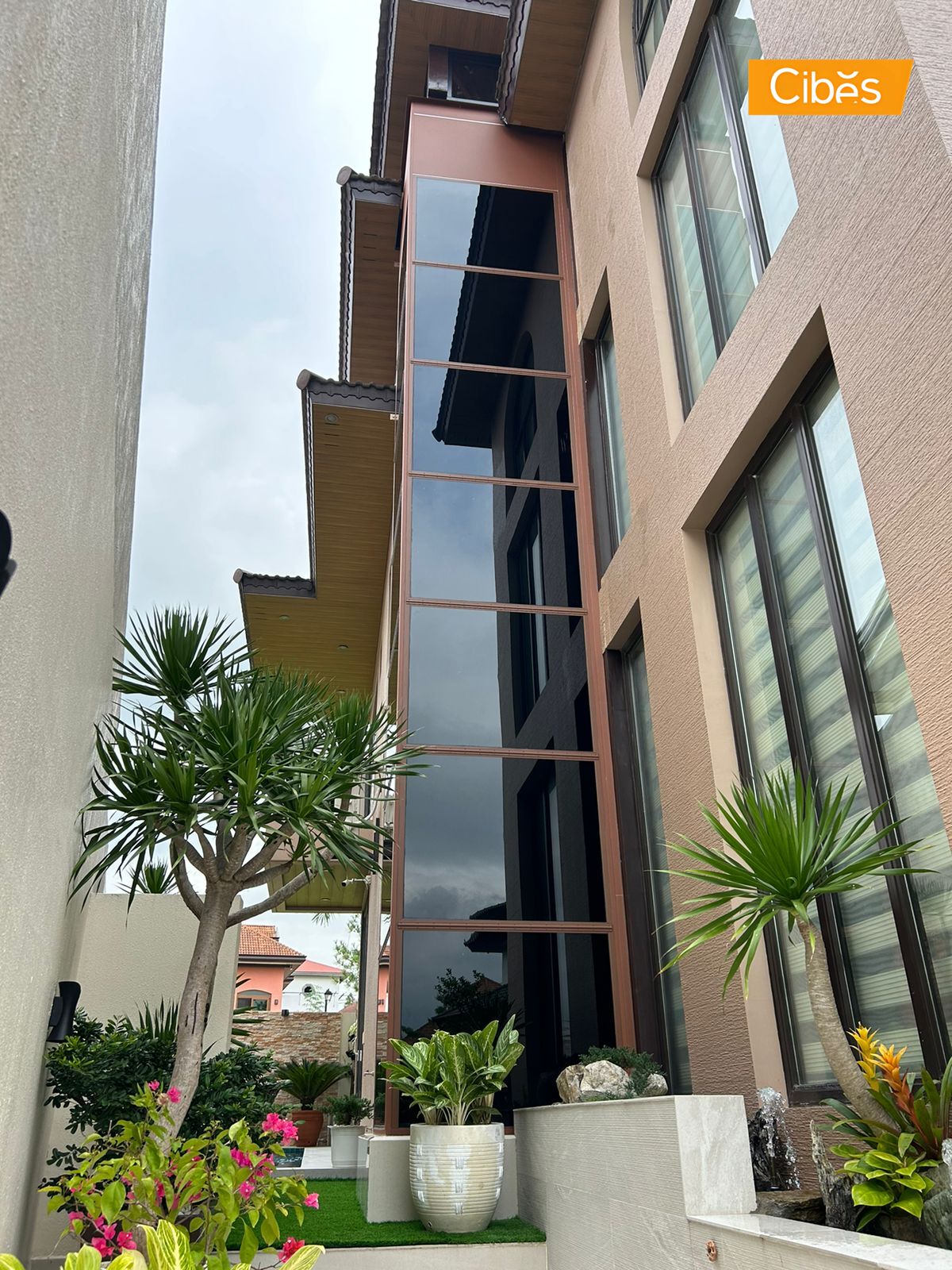
Unlike traditional elevators, Cibes home lifts are designed to look beautiful inside real homes. With glass panels, elegant finishes, and compact designs, they blend perfectly with modern or classic Filipino interiors.
This isn’t a medical device it’s a luxury home upgrade that protects your independence.
And the best part?
It’s much easier to install a home lift while you are still mobile, rather than waiting until stairs become truly dangerous.
“Isn’t a Home Lift Expensive?” Let’s Put It in Perspective
Yes, a home lift requires investment, but let’s compare it to the alternative.
Moving to a single-story home means:
-
Selling your current home
-
Buying a new one
-
Paying moving and renovation costs
-
Adjusting to a new environment
-
Leaving behind a lifetime of memories
With traffic in Metro Manila, Cebu, and Davao, relocating often means being farther from family, not closer.
A Cibes home lift allows you to stay where you are safely and comfortably.
Even better, a home lift:
– Increases your property value
– Attracts multi-generational buyers
– Improves long-term resale potential
– Makes your home future-ready
Home Lifts and Other Aging-in-Place Home Modifications
A home lift solves your vertical mobility, but aging in place also works best when combined with:
-
Grab bars
-
Walk-in showers
-
Non-slip flooring
-
Improved lighting
With a home lift installed, you are never restricted to just the ground floor. You continue to enjoy your upstairs bedrooms, bathrooms, and family spaces safely and freely.
When Is the Best Time to Install a Home Lift?
The best time to install a home lift is before stairs become a serious problem.
If you’ve ever thought:
“These stairs feel harder than before.”
That’s your signal.
Early installation allows you to:
-
Participate in planning
-
Supervise installation
-
Enjoy the lift immediately
-
Avoid years of physical strain
You Stay in Control with a Cibes Home Lift
At its heart, installing a home lift is about staying independent.
A home lift removes the biggest reason elders are forced to leave their homes, unsafe stairs. It keeps you in control of your daily life and preserves dignity, freedom, and mobility.
With Cibes Home Lifts in the Philippines, you benefit from:
- Swedish engineering
- Tropical climate compatibility
- Battery back-up during brownouts
- Compact designs for Filipino homes
- Fast, clean installation
Your home holds your life’s greatest memories.
A Cibes home lift ensures it holds your future too
Looking for inspiration? Explore our Cibes home lift videos on YouTube.
FAQ’s:
Q1: What is aging in place?
A: Aging in place means staying in your own home as you grow older instead of moving to a retirement facility or condominium. In Filipino families, this allows lolo and lola to remain part of daily family life with their children and grandchildren.
Q2: Will a home lift fit in a typical Filipino home?
A: Yes. Modern Cibes home lifts need only a little over 1 square meter of space and can be installed in townhouses, duplexes, and ancestral homes. Many models do not require a deep pit or a separate machine room.
Q3: How much does a home lift cost in the Philippines?
A: Pricing depends on cabin size, number of floors, and finishes. Entry-level models are comparable to the cost of a mid-range car and are far more affordable than relocating to a new home.
Q4: Is a stairlift cheaper than a home lift?
A: A stairlift may cost less upfront, but it has several limitations:
-
It carries only one person
-
It blocks stairways
-
It is not wheelchair accessible
-
It has limited long-term use
A Cibes home lift is a complete, long-term family solution.
Q5: Should I wait until stairs become very difficult before installing a home lift?
A: No. Installing early is safer, easier, and allows you to enjoy the benefits immediately while you are still active and independent.
Q6: Does a home lift increase property value?
A: Yes. Homes with lifts are in high demand among multi-generational families and returning overseas Filipinos. They often sell faster and at a higher market value.
Q7: What about power outages and typhoons?
A: Cibes home lifts include battery backup that automatically lowers the lift during power outages and are designed to withstand high humidity and strong wind conditions.
Q8: How long does home lift installation take?
A: Installation typically takes 5–10 working days, and many families remain in the house during the process.



TL;DR Vacuum elevators use air pressure instead of cables or hydraulic systems to move a cabin inside a transparent tube. Most residential models require only 75 to 100 cm of space, serve 2 to 4 floors, carry 205 to 238 kg, and can often be installed in 2 to 3 days with minimal structural work. […]

TL;DR For most Filipino homeowners, a home lift costs approximately ₱2.2 million to ₱3.2 million and can typically be installed within 6 to 10 weeks, while a second-floor addition often costs ₱3.5 million to ₱8 million or more and may require 4 to 8 months of construction. A home lift is generally the better investment […]

TL;DR Cibes Lift Philippines Inc. provides home lifts, platform lifts, and accessibility solutions for residential and selected commercial spaces in the Philippines. Cibes lifts combine Swedish engineering, space-saving installation options, modern designs, and accessibility features. Cibes home lift doesn’t require a pit or a machine room and this can be installed with minimal civil works. […]

TL;DR Choosing the right elevator size is one of the most important decisions in any home lift project. The size of the cabin affects comfort, accessibility, capacity, and even whether the elevator can be installed in your home without major structural changes. In the Philippines, where many homes are built on compact urban lots, understanding […]

TL;DR Home Elevator Philippines can be a practical choice for a multi-storey home in the Philippines. It can make everyday movement between floors easier, improve accessibility, and add long-term convenience to the home. The right home elevator in the Philippines depends on your available space, budget, number of floors, accessibility needs, and the type of […]