Blog - 02/08/2026
PWD Lift & Wheelchair Elevator Cost Philippines
TL;DR
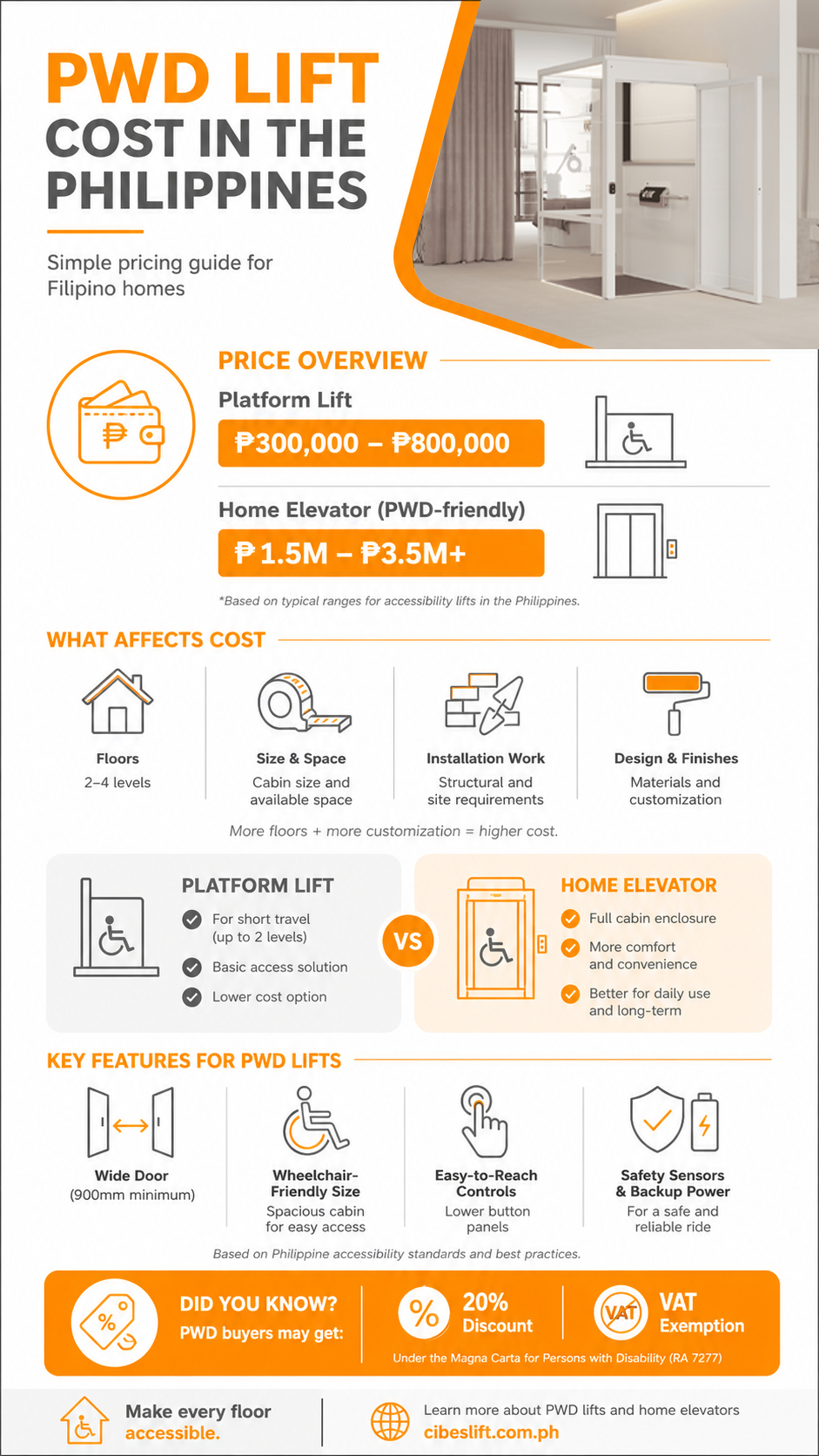
PWD lifts in the Philippines typically cost ₱300,000 to ₱800,000 for platform lifts and ₱1.5M to ₱3.5M for enclosed wheelchair elevators.
The final price depends on the number of floors, lift size, weight capacity, and installation complexity. Government benefits like VAT exemption can reduce the total cost.
Why are PWD lifts becoming more common in Filipino homes?
In many homes across Metro Manila, Cebu, and Davao, living spaces are spread across two or more floors. That setup can be difficult for older adults and persons with disabilities, especially those with limited mobility.
A home elevator or wheelchair lift helps make every part of the house accessible again. It supports independence, improves safety, and makes daily life easier for both users and caregivers.
If you’re comparing accessibility solutions and want a broader understanding of residential elevator budgets, installation expenses, and cost factors across different lift types, our Elevator Pricing in the Philippines Guide provides a complete overview for Filipino homeowners.
Wheelchair Lift Prices in the Philippines: Platform Lifts vs Elevators
1. Vertical Platform Lifts (VPL)
These are the most affordable option for basic accessibility.
Price range: ₱300,000 – ₱800,000
| Tier | Configuration | Floors | Price Range (₱) |
| Basic | Standard finish, compact setup | 1 – 2 floors | ₱300,000 – ₱400,000 |
| Mid-range | Higher capacity, improved finish | 2 floors | ₱500,000 – ₱650,000 |
| Premium | Enclosed platform, added safety | Up to 3 floors | ₱750,000 – ₱800,000 |
VPLs are ideal for:
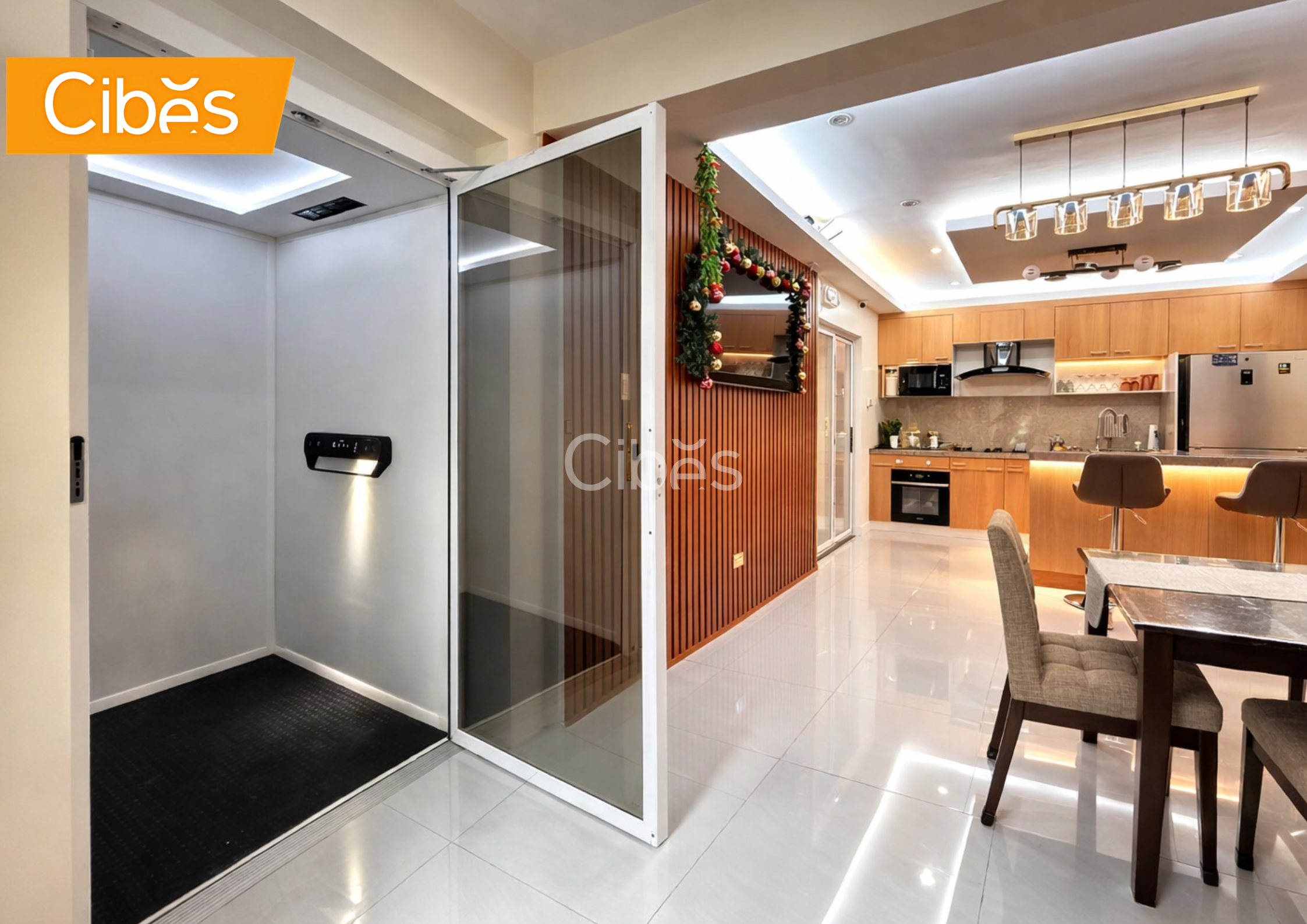
- Small homes or townhouses
- Tight spaces
- Budget-conscious projects
They are simple, practical, and widely used in areas like Cavite and Quezon City.
2. Enclosed Wheelchair Elevators
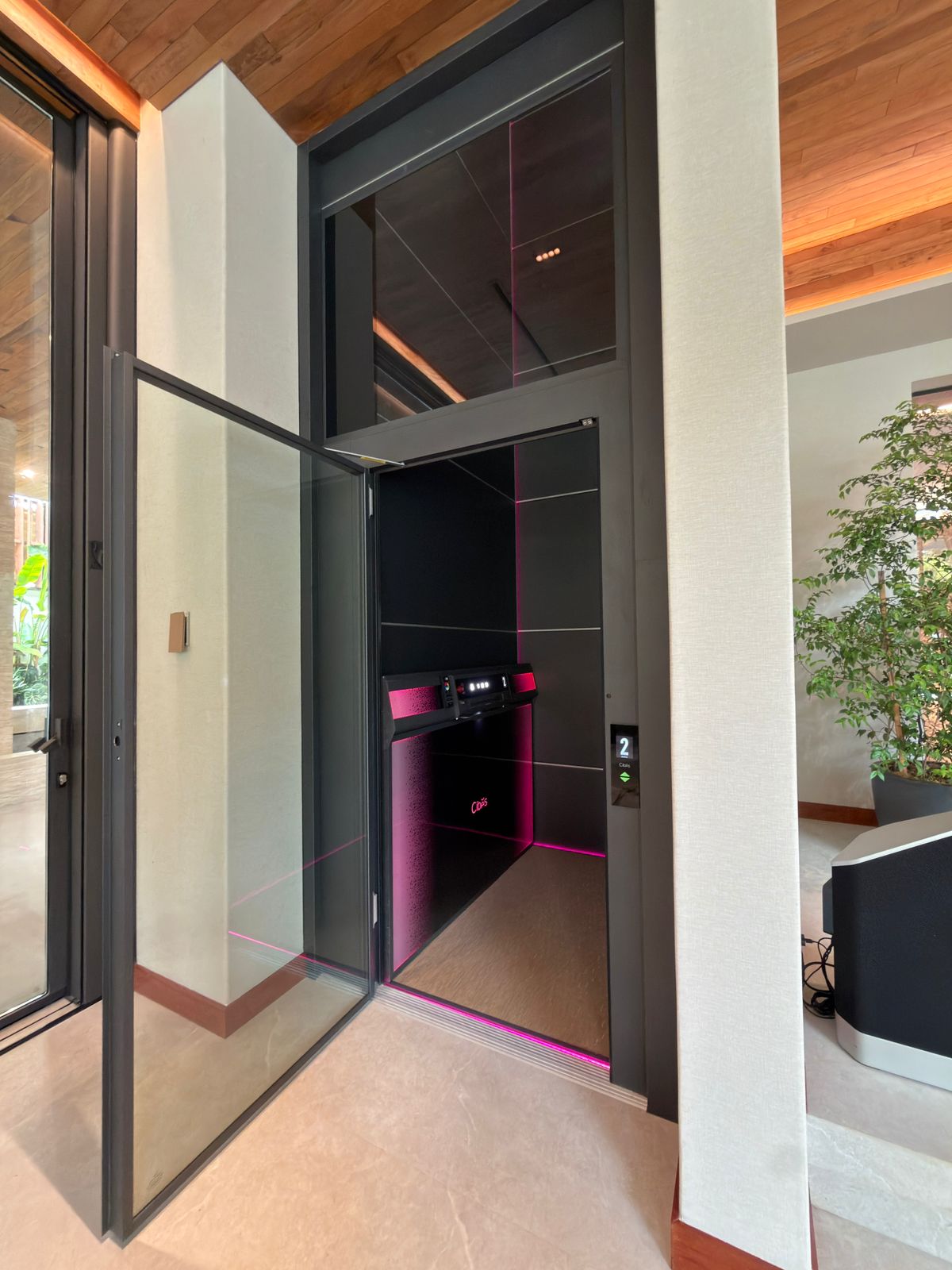
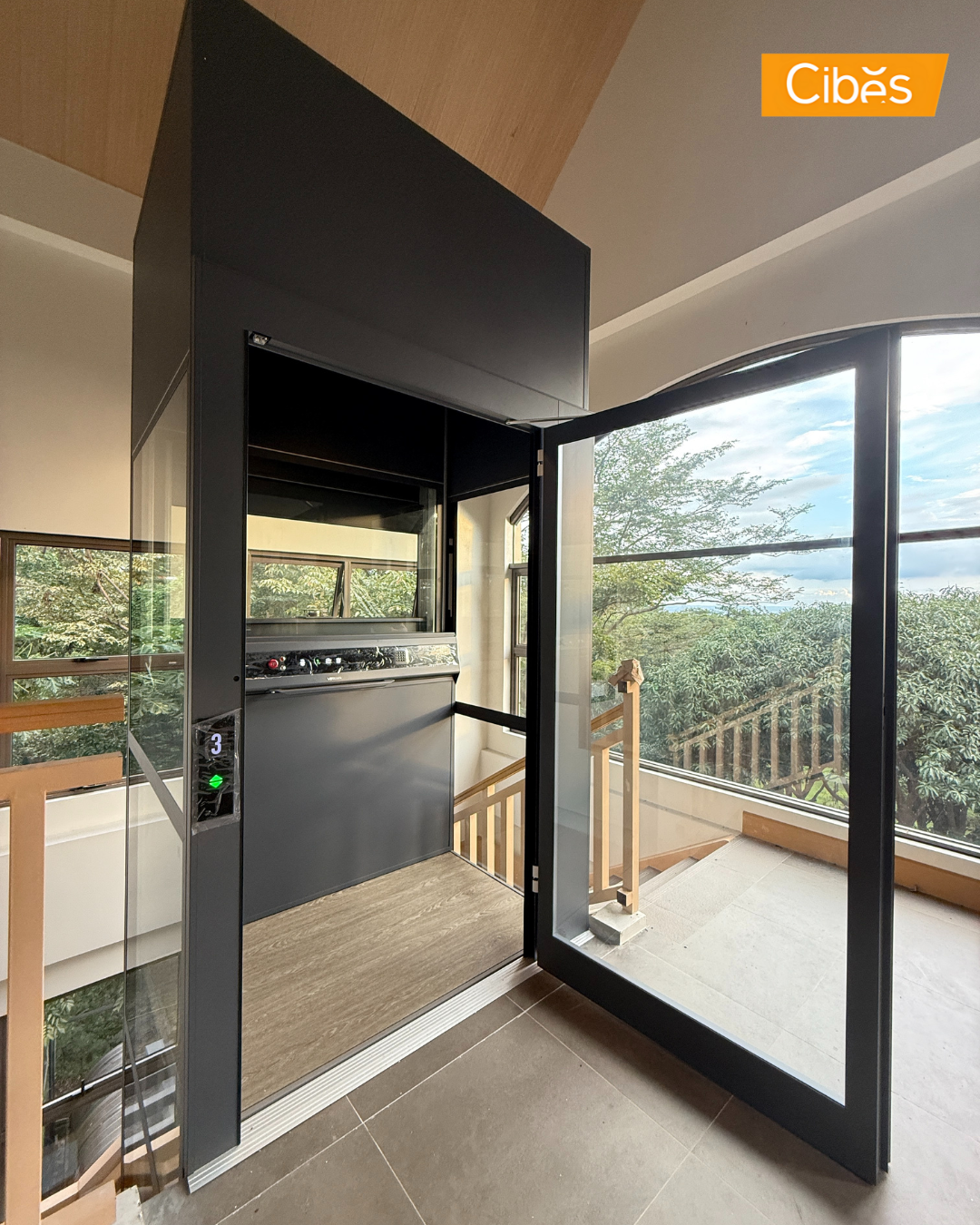
These work like a standard home elevator, but designed for accessibility.
Price range: ₱1.5M – ₱3.5M
| Tier | Configuration | Floors | Price Range (₱) |
| Basic | Standard enclosed cab (1.1m x 1.4m) | 2 floors | ₱1.5M – ₱1.8M |
| Mid-range | Premium brands like Cibes | 2 floors | ₱2M – ₱2.8M |
| Mid-range | Premium brands like Cibes | 3 floors | ₱2.5M – ₱3.5M |
They offer:
- Full enclosure for safety and privacy
- Smooth and quiet operation
- Better design integration with modern homes
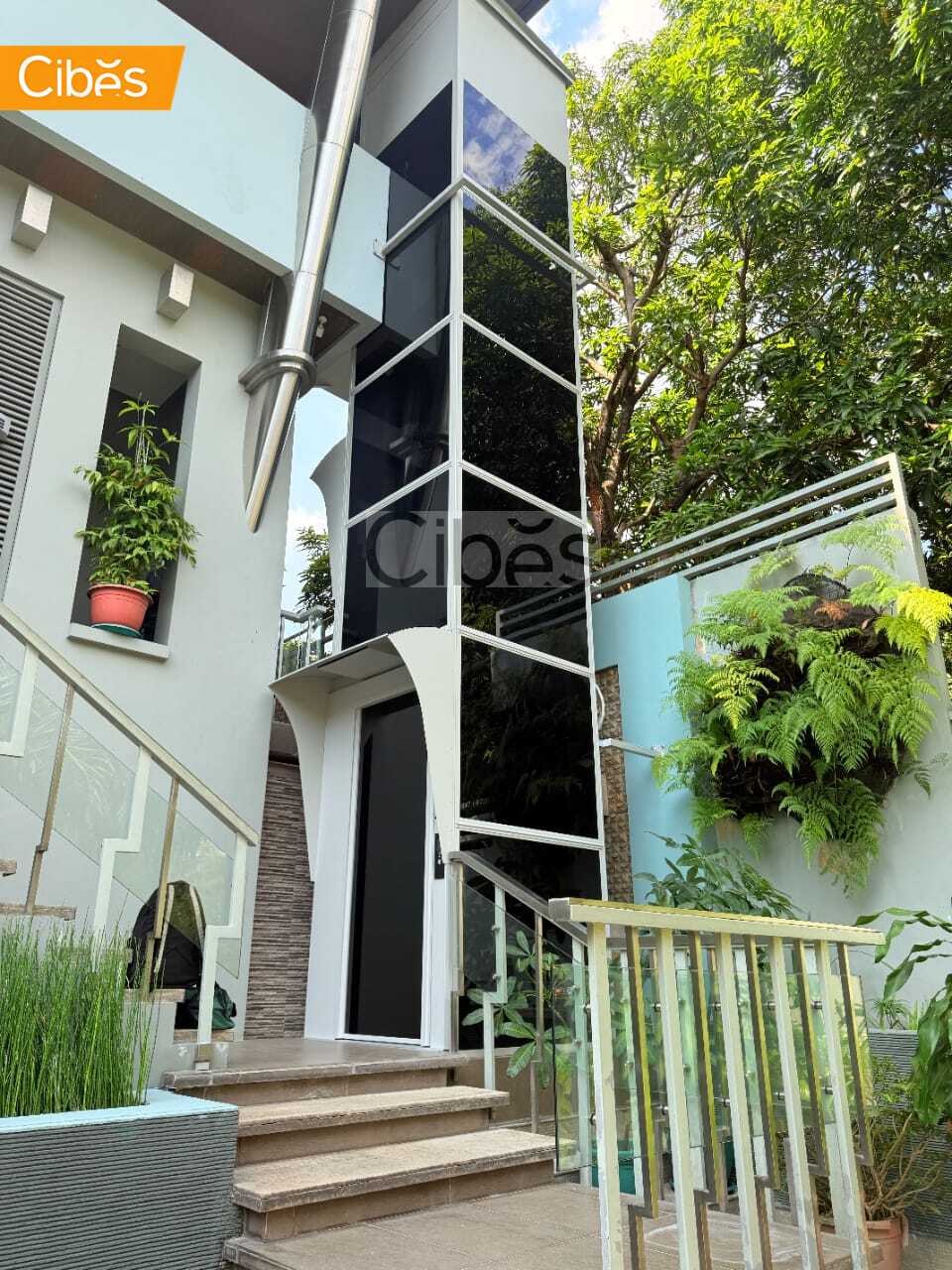
This type is common in higher-end homes in Makati, Taguig, and Cebu.
What is the difference between a wheelchair lift and a wheelchair elevator?
| Feature | Platform Lift (VPL) | Enclosed Wheelchair Elevator |
| Price | ₱300K – ₱800K | ₱1.5M – ₱3.5M |
| Enclosure | Open platform | Fully enclosed |
| Floors served | 1- 3 floors | 2- 4+ floors |
| Space required | Minimal | Moderate |
| Comfort | Basic | High |
| Installation | Simple | More complex |
| Best for | Budget homes | Long-term living |
A wheelchair lift (VPL) is an open platform for short vertical travel, while a wheelchair elevator is fully enclosed and works like a residential lift.
What government discounts apply to PWD lifts in the Philippines?
There are a few ways to reduce the total cost.
VAT Exemption (12% savings)
PWDs may purchase accessibility equipment without VAT.
For example, a ₱2M elevator can save around ₱240,000.
Requirements:
- Valid PWD ID
- Medical certificate
- Purchase under the PWD’s name
- Proper BIR documentation
20% Discount (RA 7277)
Under the Magna Carta for Persons with Disability, some purchases may qualify for a discount.
However, not all suppliers apply this to home elevators, so it’s best to confirm directly.
Local Government Support
Some LGUs offer financial assistance for home accessibility upgrades.
Programs vary by location.
What size and capacity does a wheelchair elevator need?
| Specification | Minimum Requirement | Recommended | Cost Impact |
| Cabin size | 1.1m x 1.4m | 1.4m x 1.4m+ | +₱300K – ₱600K |
| Weight capacity | 300 – 400 kg | 400 – 500 kg | +₱150K – ₱300K |
| Usage | 1 wheelchair | Wheelchair + caregiver | — |
Minimum size follows BP 344 accessibility guidelines. Larger sizes provide more comfort, especially for powered wheelchairs.
How much does PWD lift installation cost in the Philippines?
| Type | Scope | Estimated Cost (₱) | Timeline |
| Platform Lift | Floor opening + support structure | ₱80K – ₱200K | 1 – 2 weeks |
| Enclosed Elevator | Full system installation | Varies | 3 – 6 weeks |
Installation depends on your home layout and structural requirements.
What is the total cost of a wheelchair elevator in the Philippines?
| Cost Component | Estimated Range |
| Platform Lift | ₱300K – ₱800K |
| Enclosed Elevator | ₱1.5M – ₱3.5M |
| Installation | ₱80K – ₱200K+ |
| Upgrades (size, capacity, finish) | Additional cost |
Most families investing in a home elevator Philippines setup spend around ₱2M to ₱3M for a complete system.
Is a wheelchair elevator worth the cost?
For many families, yes.
A wheelchair elevator:
- Reduces fall risk
- Improves daily mobility
- Supports aging in place
- Adds long-term value to the home
It helps make the home fully usable again.
FAQ
Q: How much does a wheelchair lift cost in the Philippines?
A: Platform lifts cost ₱300,000 to ₱800,000, while enclosed elevators range from ₱1.5M to ₱3.5M.
Q: What is the cheapest option?
A: Vertical platform lifts are the most affordable, especially for 1 – 2 floors.
Q: What size should a wheelchair elevator be?
A: Minimum is 1.1m x 1.4m, but larger sizes are recommended for comfort.
Q: Are there government discounts?
A: Yes, including VAT exemption and possible LGU support.
Q: How long does installation take?
A: 1 – 2 weeks for platform lifts and 3 – 6 weeks for enclosed elevators.
Final Thoughts
The cost of a PWD lift or home elevator in the Philippines can seem high at first. But with the right setup, it becomes a long-term solution for safety, comfort, and independence.
With proper planning and available support, it’s more achievable than most families expect.
Learn more
Experience Center and Technical Station Address
Makati City | Balintawak – Quezon City | Mandaluyong City | Cebu City | Ilo-Ilo City | Davao City | Cagayan De Oro City






CIBES AUTHOR
Mylen Posas is the Aftersales Manager at Cibes Lift Philippines. She oversees aftersales operations, ensuring every customer receives reliable support from installation through long-term maintenance. With a strong focus on service quality and customer satisfaction, she works closely with the technical team to deliver prompt assistance and help maintain the long-term performance and safety of every Cibes home lift.


TL;DR The Cibes Experience Center Visayas in Cebu City lets homeowners, architects, designers, contractors, and developers see Cibes home lifts in person. Visitors can experience the lift cabin, review available designs and features, and discuss installation requirements with the Cibes team. The Cebu Experience Center currently lists V90 Elegance, Z85 Antera, and Ascenda among its […]
TL;DR Cibes Experience Center Luzon lets homeowners and property professionals experience Cibes home lifts in person before making a decision. Cibes Lift Philippines has 13 demo lifts across three Luzon Experience Centers: Makati (8), Mandaluyong (2), and Balintawak, Quezon City (3). Visitors can ride the lifts, check cabin space, test the controls, explore designs, and […]

TL;DR Sustainable home elevators in the Philippines are becoming an important consideration for homeowners who want to improve accessibility without overlooking environmental responsibility. Modern home elevators can support energy-efficient living through efficient drive systems, durable materials, renewable energy integration, and reduced structural changes compared with major home renovations. The Environmental Case for Sustainable Home Elevators […]

TL;DR Home Elevator Performance plays an important role in the safety, comfort, efficiency, and long-term reliability of a residential lift. While regular maintenance keeps your elevator operating reliably, proper usage, environmental control, component monitoring, electrical optimization, and timely upgrades can further improve its performance. In this guide, discover 8 expert tips to help maximize home […]
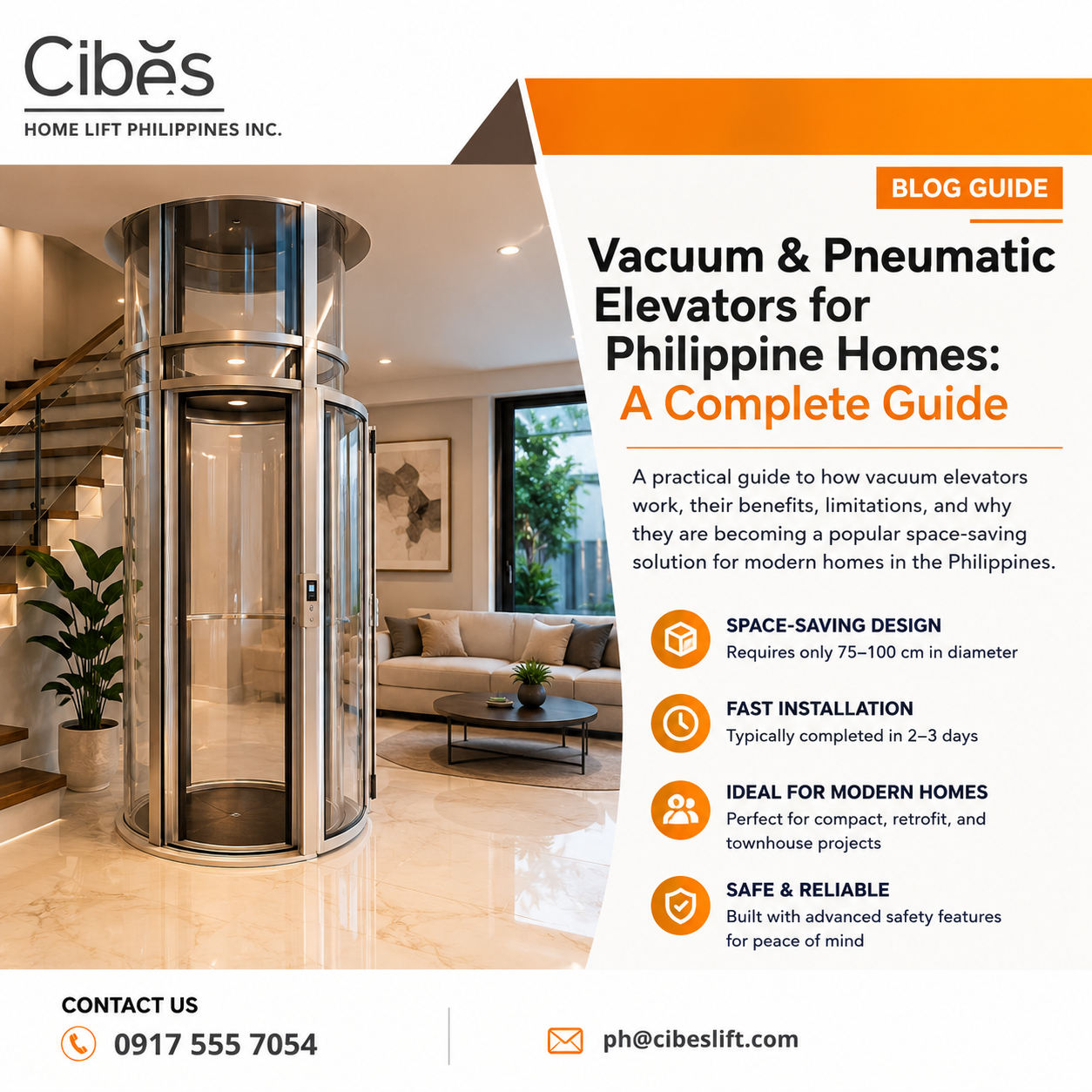
TL;DR Vacuum elevators use air pressure instead of cables or hydraulic systems to move a cabin inside a transparent tube. Most residential models require only 75 to 100 cm of space, serve 2 to 4 floors, carry 205 to 238 kg, and can often be installed in 2 to 3 days with minimal structural work. […]