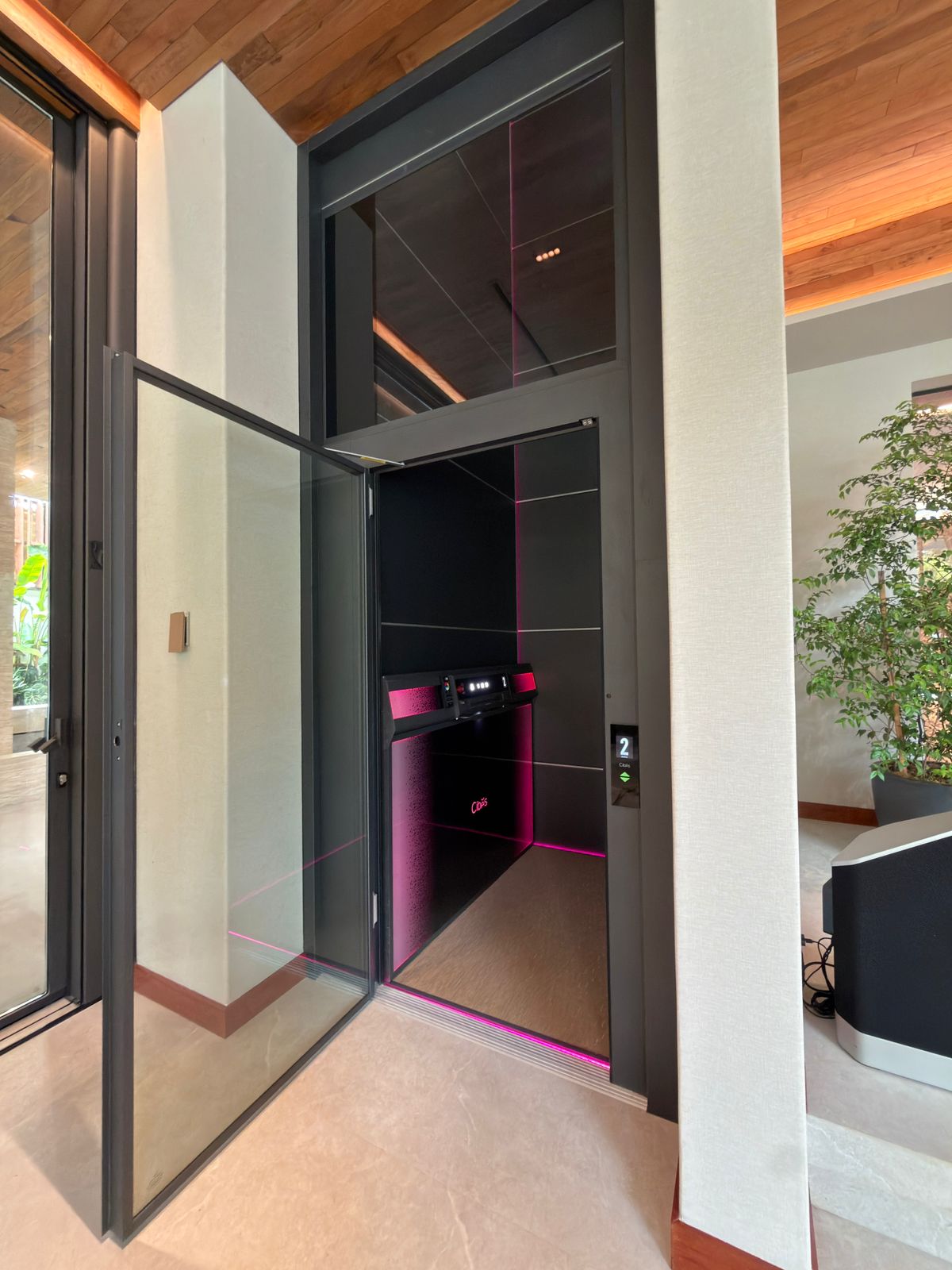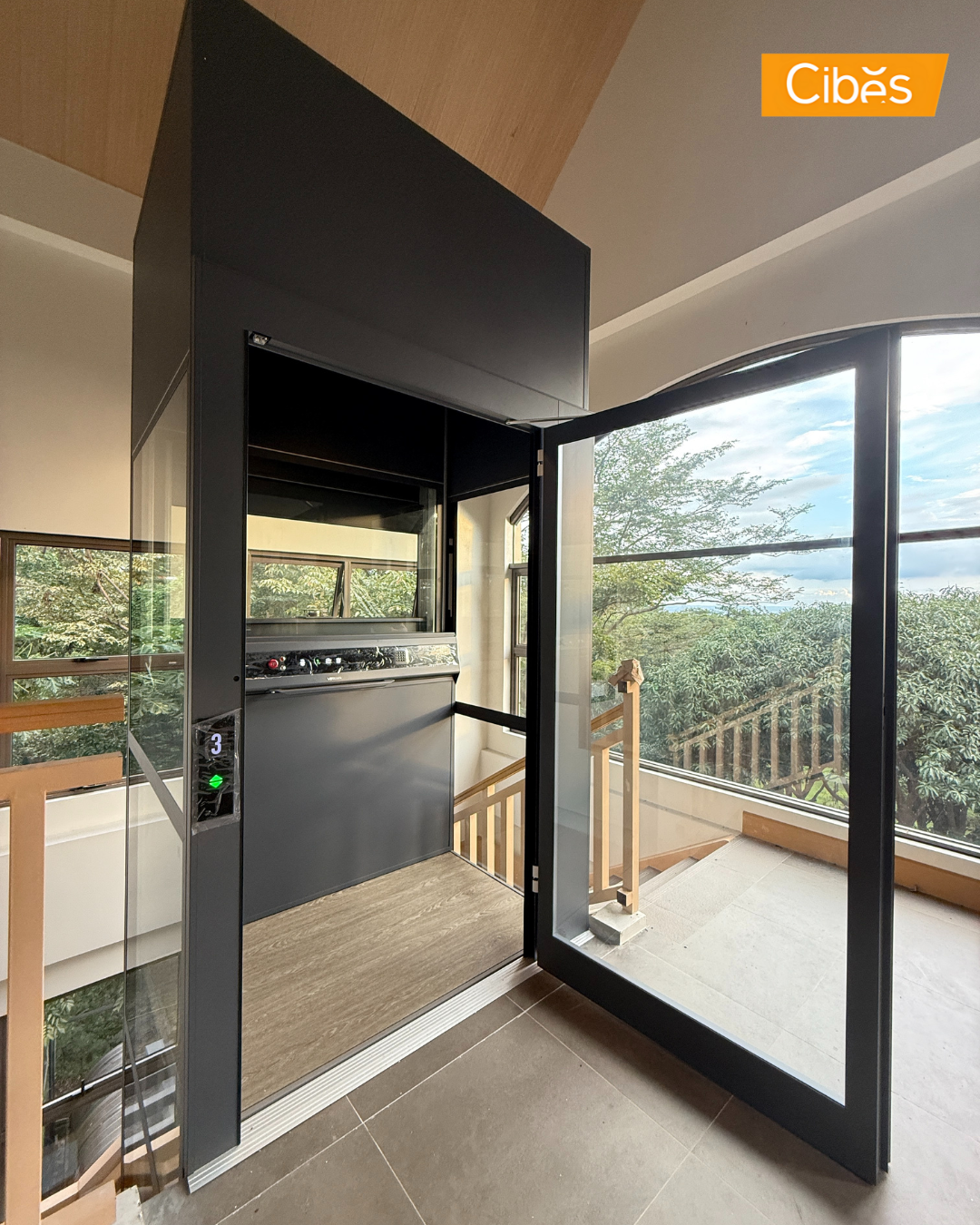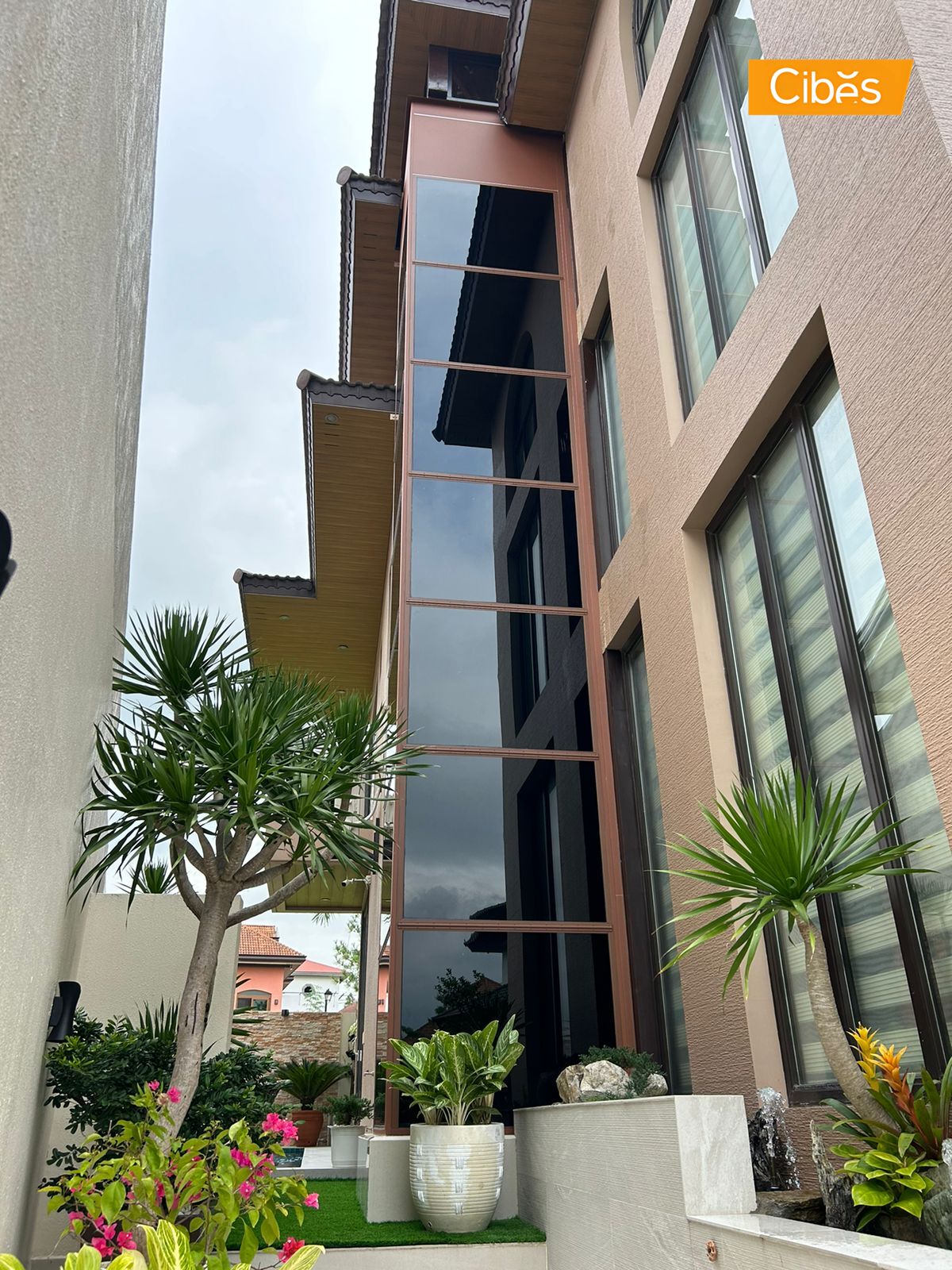
TL;DR Three-story homes are becoming more common across the Philippines, especially in Metro Manila, Cebu, Davao, Iloilo, and Cagayan de Oro, where homeowners want to maximize limited lot sizes. Adding a home lift makes every floor easier to access for elderly parents, children, and future generations. When choosing a residential home elevator, consider the available […]

TL;DR Permits to Install a Home Lift are usually required in the Philippines before a residential lift can be legally installed. Home lifts are legal in the Philippines, but they must comply with local building regulations. Most residential installations require a building permit from your local government and must follow the National Building Code of […]

TL;DR Delaying a home lift can increase long-term costs beyond the initial purchase price. Waiting until mobility declines may lead to higher medical expenses after stair-related falls, emergency home modifications, or reduced independence. Installing a home lift earlier gives homeowners more time to compare models, plan installation, and create a safer, more accessible home that […]

TL;DR Home Lifts for OFW Families are a smart long-term investment because they improve accessibility, support aging parents, and help future-proof homes for retirement and multi-generational living. Installing a home lift during construction is usually easier and more cost-effective than retrofitting later. Many OFW families choose home lifts to create a safer, more convenient, and […]

Home Elevators & Home Lifts in the Philippines: The Complete Guide for Filipino Homeowners Updated: 2026 Reading time: 12 minutes Includes: 6 complete buying guides & 40+ expert resources TL;DR Multi-storey living has become increasingly common across the Philippines. Starting from the three-level townhouse in BGC, to the Cebu duplex, up to the family compound […]