Blog - 06/09/2026
Home Elevator Philippines: 7 Essential Things to Know
TL;DR
Home Elevator Philippines can be a practical choice for a multi-storey home in the Philippines. It can make everyday movement between floors easier, improve accessibility, and add long-term convenience to the home.
The right home elevator in the Philippines depends on your available space, budget, number of floors, accessibility needs, and the type of lift technology that suits your property. Modern home lifts can also be designed for existing homes, with some systems requiring minimal structural work.
This guide covers the essentials you need before making a decision, including home lift prices in the Philippines, lift types, installation requirements, space and accessibility considerations, and Cibes home lift solutions.
Whether you’re building a new house or adding a lift to an existing one, this guide will help you understand your options and choose a solution that works for your home and your family.
Start with the guide that matches your project:
| If you want to… | Read |
| Compare prices | Pricing Guide |
| Understand technologies | Lift Types |
| Plan construction | Installation Guide |
| Improve accessibility | Accessibility Guide |
| Learn about Cibes | Cibes Guide |
Your Complete Guide to Buying a Home Elevator in the Philippines
Buying a home elevator in the Philippines involves much more than choosing a model. Homeowners need to compare technologies, understand installation requirements, evaluate accessibility needs, estimate costs, and select a solution that fits both their home and long-term lifestyle.
This guide brings together six in-depth resources covering every stage of the decision-making process. Whether you’re researching prices, comparing lift technologies, planning an installation, or exploring accessibility options, you’ll find a dedicated guide below.
Understanding Home Elevators in the Philippines
Inside this guide:
✓ How modern home elevators work
✓ The main lift technologies available
✓ Design, safety, and accessibility considerations
✓ Installation and planning essentials
✓ How to choose the right home lift for your needs
Home elevators and home lifts in the Philippines have become far more accessible than they were a decade ago. Once associated mainly with luxury homes, they are now installed in townhouses, duplexes, and multi-generational residences across the Philippines. Modern home elevators in the Philippines are more compact, energy-efficient, and easier to integrate into both new and existing homes.
Many modern home elevators can be installed in both new and existing homes with minimal structural modifications, depending on the property layout.

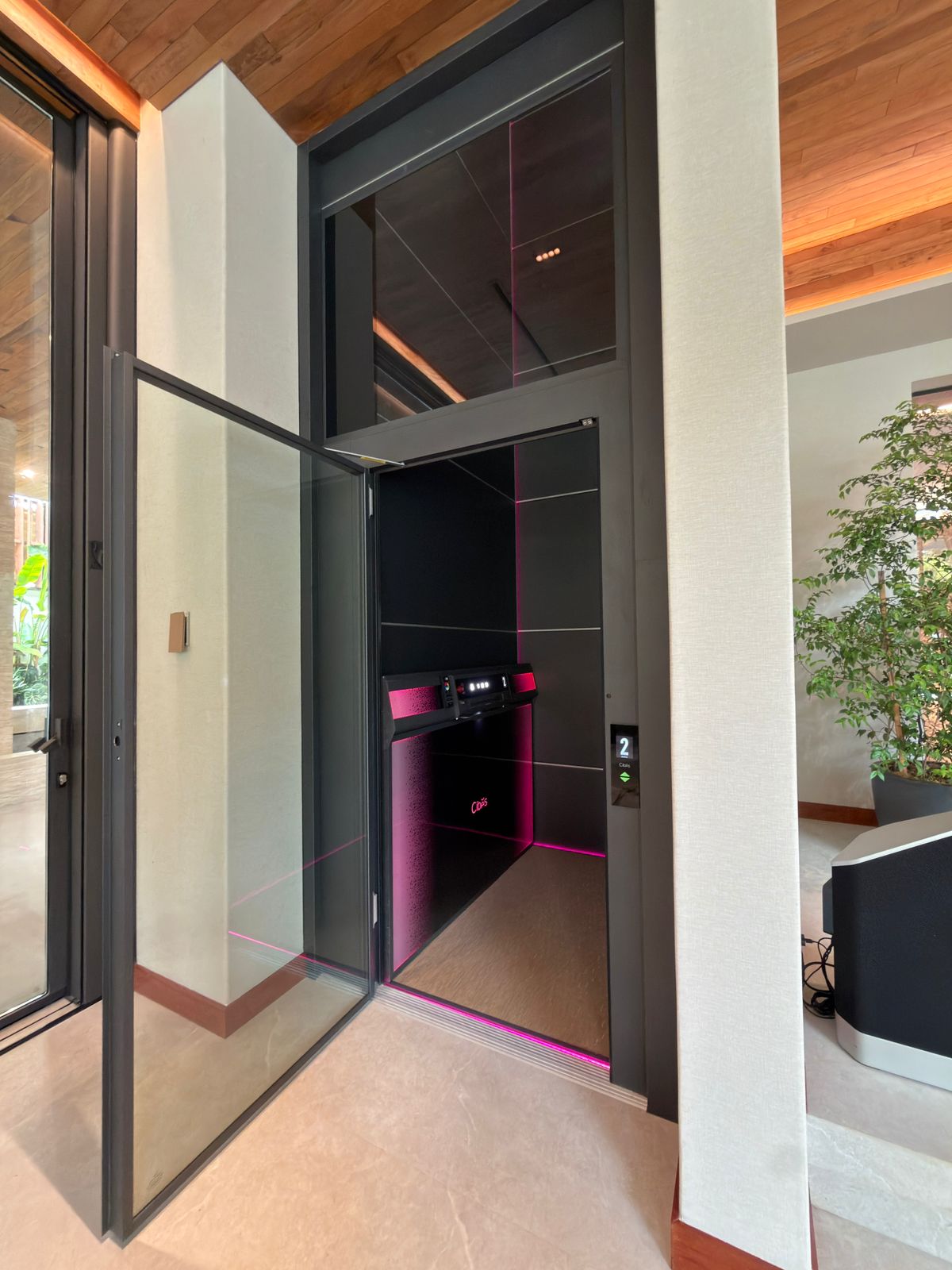
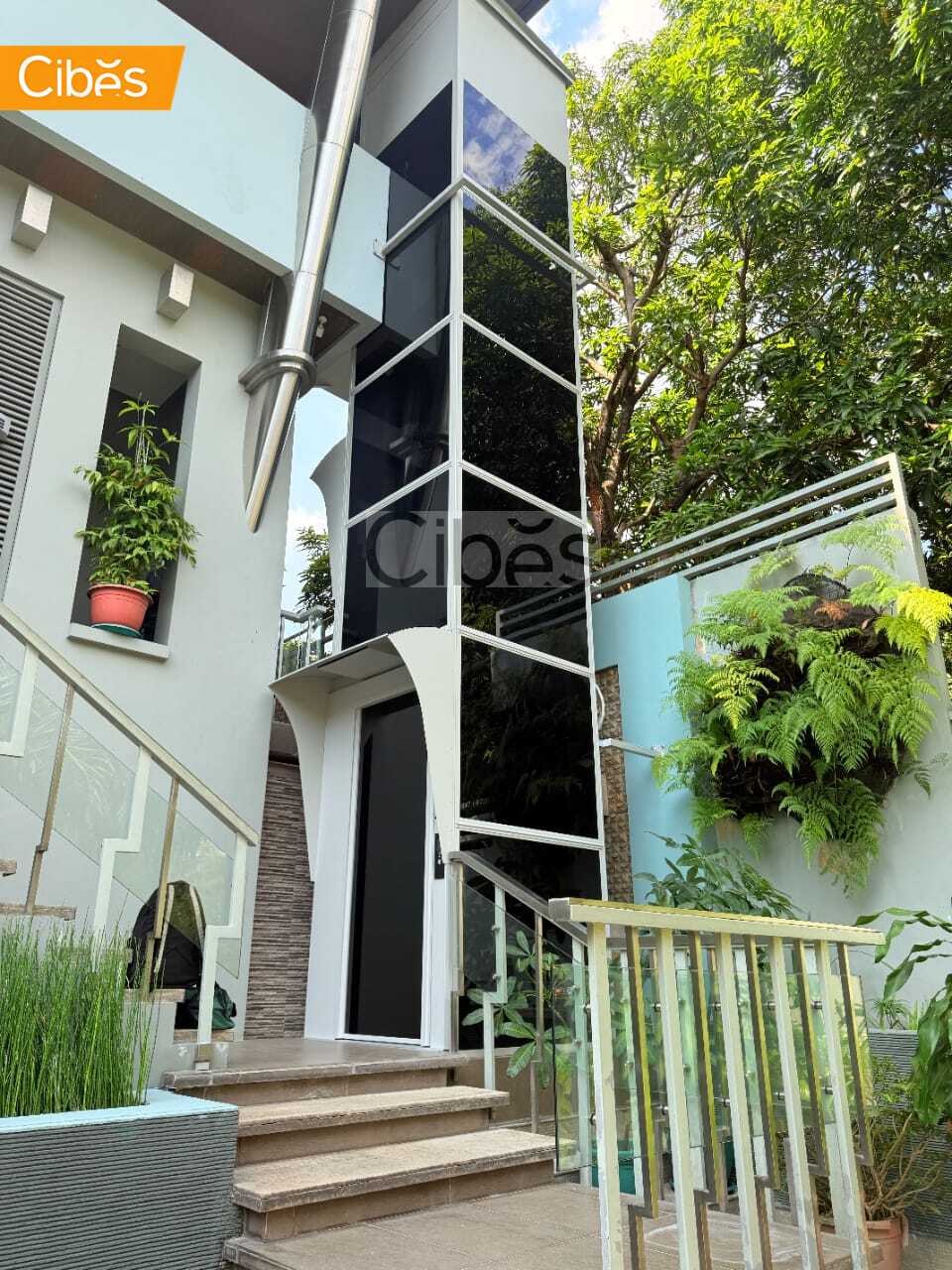
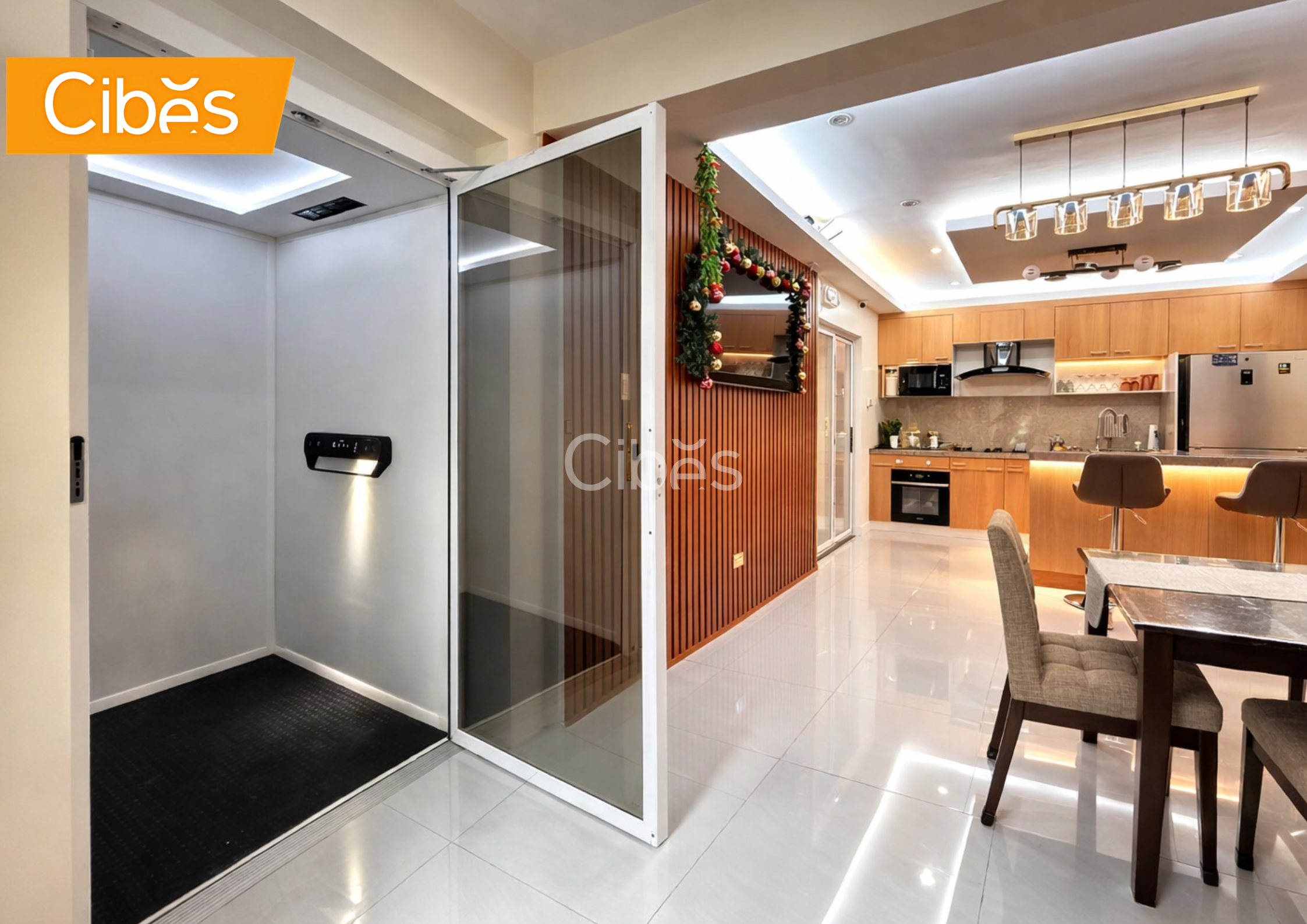
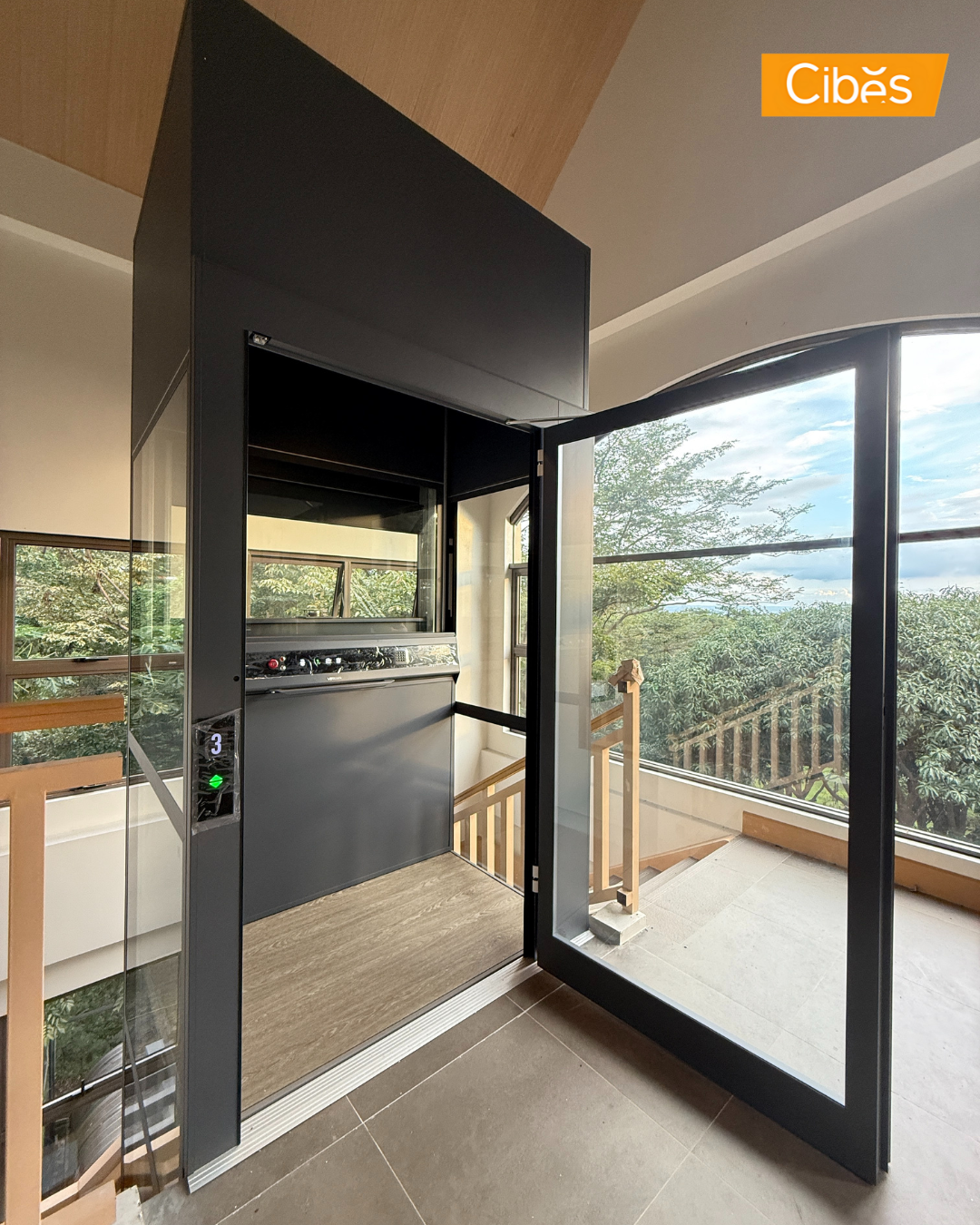
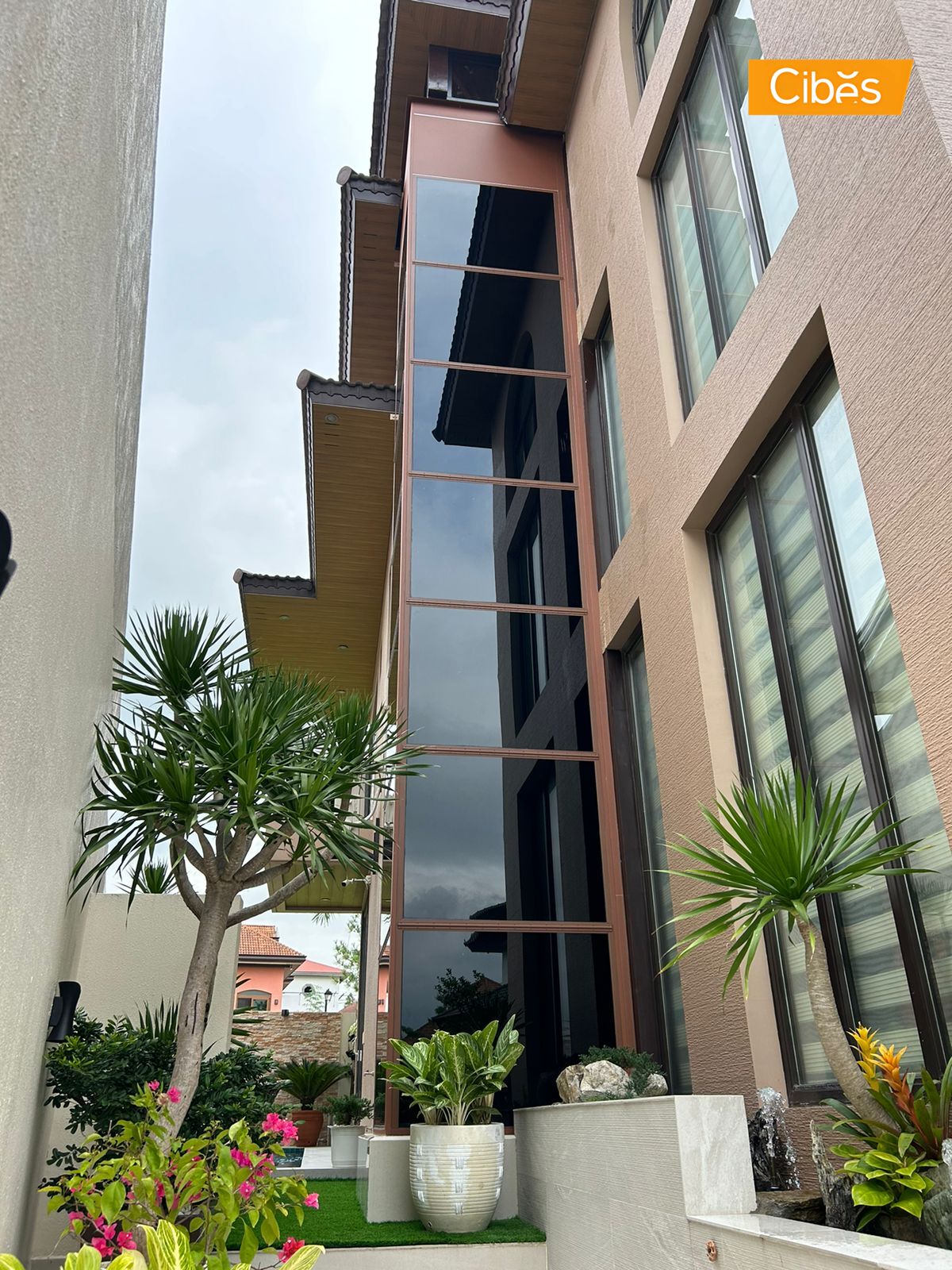
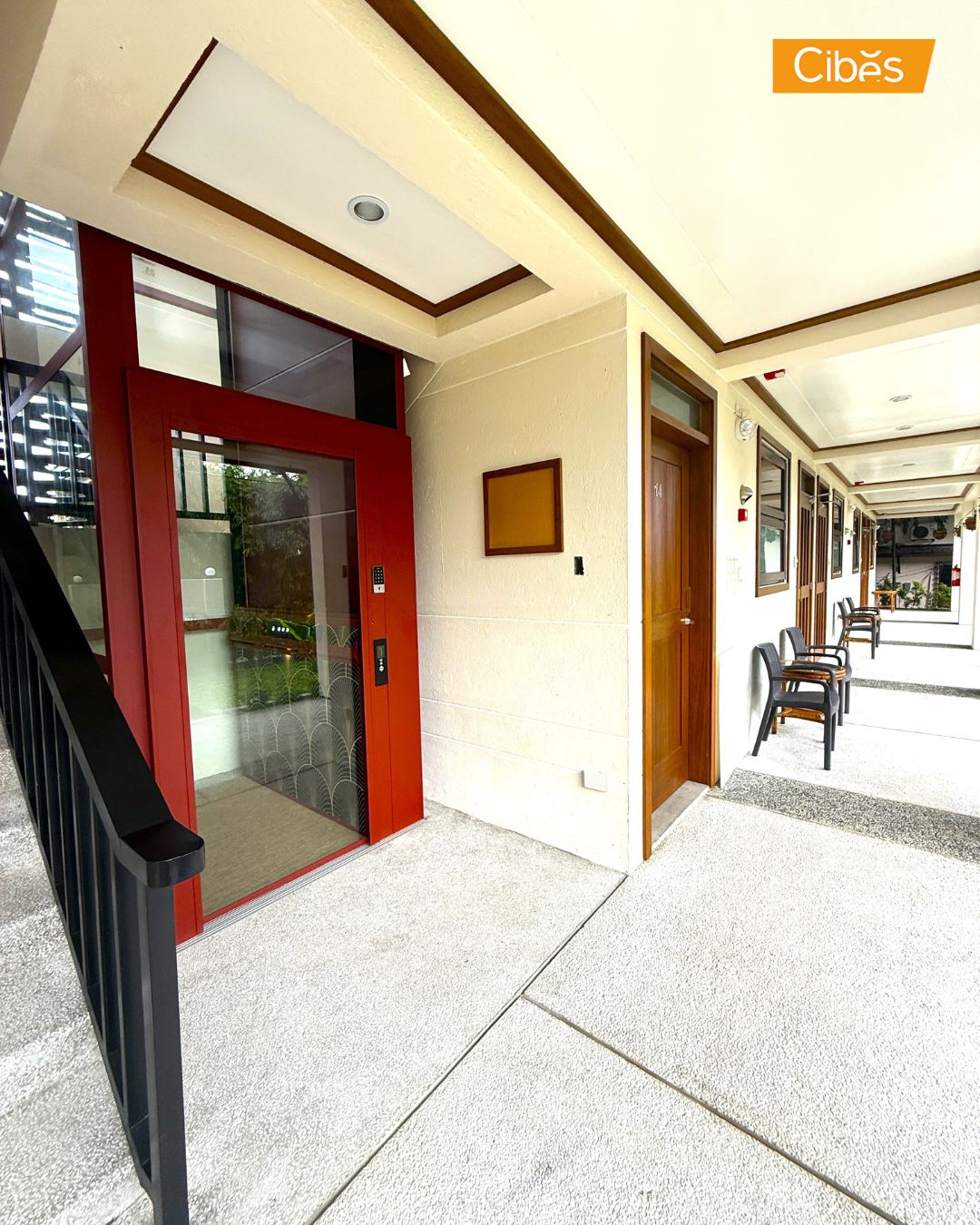
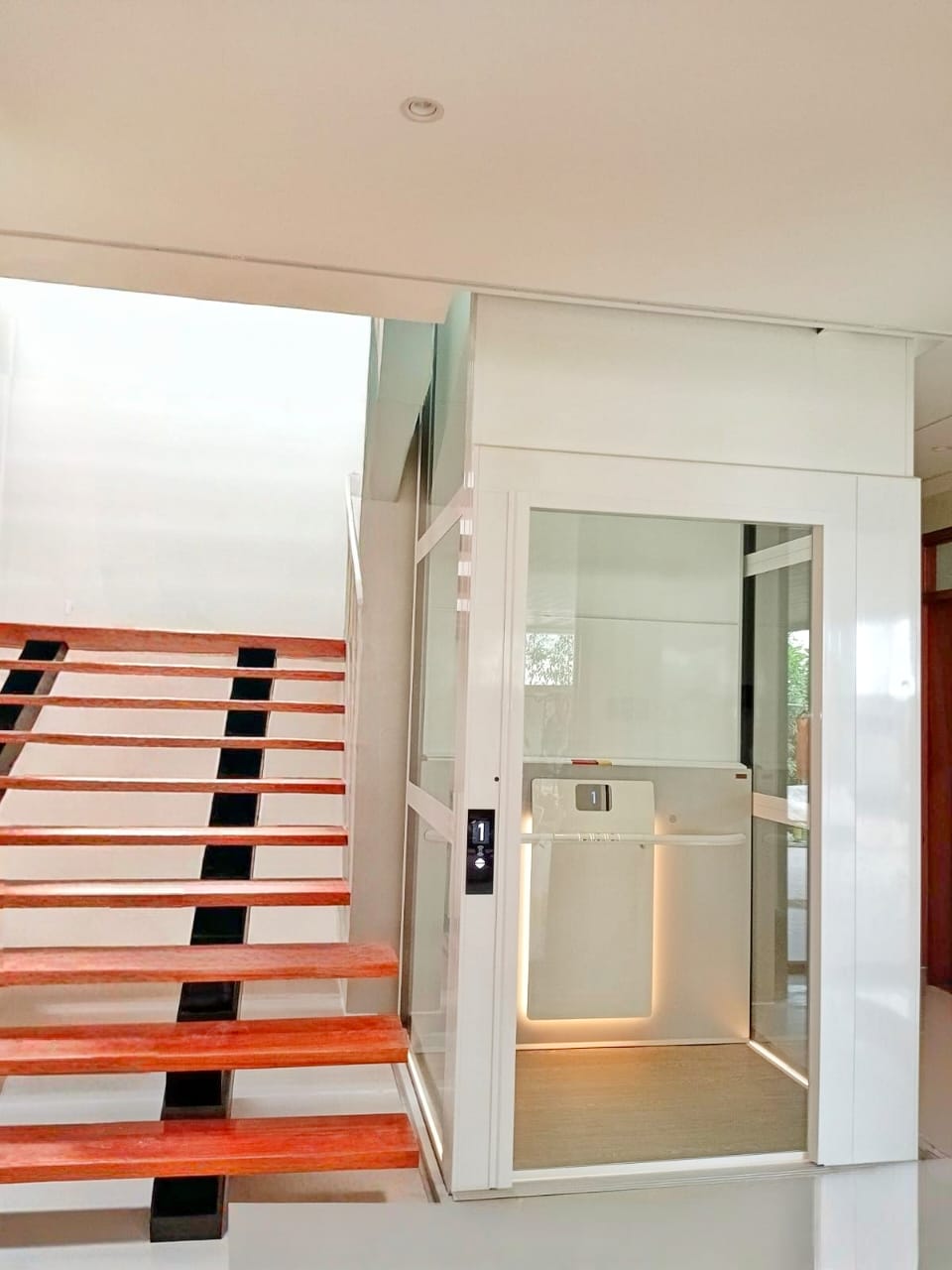
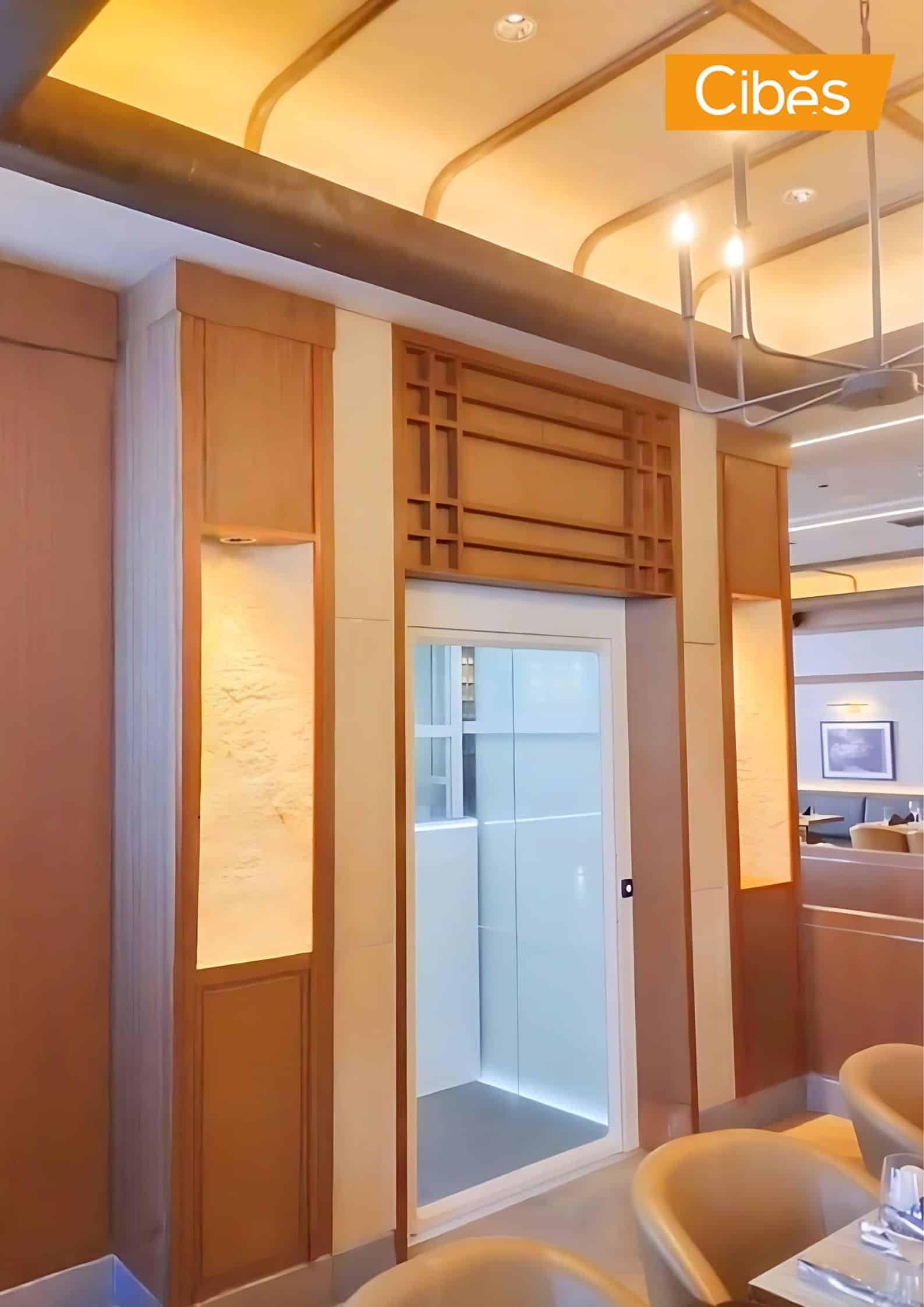
Modern home elevator for Filipino homeowners. Learn everything you need to know about choosing the right home lift in the Philippines.
Beyond convenience, home elevators improve everyday living for every generation.
They help older adults remain independent, reduce the risk of falls, simplify moving groceries or heavy items between floors, and make multi-storey homes more accessible for wheelchair users and people with limited mobility.
Today’s home elevators are also designed to complement modern interiors, with panoramic glass, premium finishes, and Scandinavian-inspired aesthetics that blend naturally into contemporary Philippine homes.
This guide explains how residential elevators and home lifts in the Philippines work, the different lift technologies available, installation requirements, design options, and the key factors to consider before choosing a system.
Explore the Complete Home Elevator Philippines Guide →
Home Elevator Prices in the Philippines: What It Actually Costs
You’ll learn:
✓ Typical home elevator price ranges in the Philippines
✓ What affects the final installation cost
✓ Hidden expenses and long-term maintenance costs
✓ Price differences between lift technologies
✓ How to budget your project realistically
When it comes to the pricing of home elevators among Filipinos, price is the first point of discussion, which makes perfect sense.
The final cost depends on several factors, including the lift technology, number of stops, structural work, and level of customization.
Starting with entry-level compact platform lifts costing about PHP 850,000, there are standard residential cabin elevators that cost anywhere between PHP 1.2 million and PHP 2.5 million.
Premium screw-driven elevator systems that come with customization can be priced beyond PHP 3.8 million based on the finishings, glasswork, and civil works.
In addition to the cost of the elevator itself, you have to take into account additional costs such as installation and maintenance charges.
Understanding what drives pricing differences between hydraulic, traction, and screw-driven systems, and knowing what is truly included versus what is hidden, is the difference between a budget that holds and one that blows out midway through a project.
If budgeting is one of your biggest questions, this guide will help you estimate costs more accurately before requesting quotations.
Explore the Full Home Elevator Pricing Guide →
Types of Home Lifts in the Philippines: Which Technology Is Right for Your Home?
This guide explains:
✓ The main types of home lifts available in the Philippines
✓ Hydraulic vs screw-driven vs traction systems
✓ Pros and cons of each technology
✓ Space and installation requirements
✓ Which lift best fits different homes and budgets
Not all residential elevators have the same design.
When it comes to choosing the best for your house in the Philippines, you should consider the unique requirements of your home.
A system that works great in a BGC townhouse will most likely be inefficient in a hillside property in Cebu, for example.
The main technologies that can be found in the Philippines include hydraulic, geared/traction (with and without gears), vacuum/shaftless, and screw-driven platform elevators.
Each system has its own strengths and installation requirements, power consumption, and maintenance needs.
Outdoor, single-person compact and cargo elevators also have important functions.
Understanding the strengths and limitations of each technology makes it much easier to compare quotations and choose the right solution for your home.
The guide below compares each technology, explains how it works, and highlights where each system performs best.
Once you understand how each lift works, comparing suppliers becomes much easier.
Explore the Full Types of Home Lifts Guide →
Home Accessibility Solutions in the Philippines: Making Every Floor Reachable for Everyone
You’ll discover:
✓ PWD elevators and wheelchair lifts
✓ Stair lifts and aging-in-place solutions
✓ Philippine accessibility regulations
✓ Home mobility options for different needs
✓ Choosing the right accessibility solution
For millions of Filipino households, however, the problem is not the decision to choose between moving from one floor to another, but rather the possibility of doing so at all.
With aging parents suffering from failing knee joints, members with wheelchairs, and senior citizens who lack self-confidence when descending and ascending steep stairs, a common fact faces them all: a house that used to accommodate an active family can now be an impediment.
Home accessibility options in the Philippines can be classified as either stair lifts, platform lifts, or home elevators.
Each provides its own mobility accommodation, space and budget limitations.
The guide explains Philippine accessibility regulations (BP 344 and RA 7277), recommended cabin dimensions, door widths, control heights, and compares stair lifts, platform lifts, and residential elevators to help homeowners choose the most suitable solution for both current and future mobility needs.
The goal of accessibility is independence and dignity within one’s own home, and the right solution makes that possible for every member of the family, at every stage of life.
Explore the Full Home Accessibility Solutions Guide →
Home Elevator Installation in the Philippines: Planning Dimensions, Permits, and Getting It Right
Topics covered:
✓ Home elevator planning requirements
✓ Shaft and hoistway dimensions
✓ Installation process and timeline
✓ Space requirements and permits
✓ Common planning mistakes to avoid
The decision to install a home elevator and the actual installation of the home elevator are two separate processes.
Most Filipino homeowners tend to start out by focusing on just the unit price but discover later on that there are structural issues that come into play and permit issues, shaft construction and civil works that were not included in their original estimate.
In the Philippines, home elevator installation involves conducting a site survey followed by permitting applications.
Depending on the supplier, permit coordination and installation support may be included as part of the project.
Processing of applications takes about four to six weeks on average in Metro Manila. The installation process takes five to ten workdays for a basic two to three stop project without jackhammers and with minimum disturbances within the house.
Planning these requirements early helps avoid expensive redesigns and unnecessary construction costs later in the project.
Explore the Full Installation & Dimensions Planning Guide →
Cibes Lift Philippines: Products, Technology, and Everything You Need to Know
Inside you’ll find:
✓ Cibes home lift technologies
✓ Product comparisons and key features
✓ Showrooms and nationwide support
✓ Installation advantages
✓ Why Cibes differs from traditional elevators
Cibes Lift Philippines has been supplying Swedish-designed residential lifts to Filipino homeowners since 2016.
Currently, showrooms can be found in Makati, Mandaluyong, Cebu, Iloilo, and Davao, and in the future plans of the company lie openings of new showrooms in Quezon City and Cagayan de Oro.
Every showroom contains operational cabins that can be shown, a variety of finish samples, and local experts from Cibes that have experience with Philippine housing construction conditions.
The guide below explores Cibes’ technologies, product range, showroom network, and what differentiates the brand from other residential elevator manufacturers.
For anyone who wants to understand Cibes as a company, explore the product range, or simply make a more confident decision before visiting a showroom, this is the place to start.
Explore the Full Cibes Lift Philippines Guide →
Which Home Elevator Guide Should You Read First?
Whether you’re just starting your research or already planning an installation, the guides below will help you navigate each stage of your project.
| If you’re looking for… | Start here |
| Home elevator prices, budgeting, and hidden costs | Home Elevator Prices in the Philippines |
| Comparing hydraulic, screw-driven, traction, vacuum, and other lift technologies | Types of Home Lifts in the Philippines |
| Wheelchair lifts, PWD elevators, stair lifts, and accessibility solutions | Home Accessibility Solutions in the Philippines |
| Installation requirements, shaft dimensions, permits, and planning | Home Elevator Installation & Dimensions in the Philippines |
| Cibes products, Swedish technology, showrooms, and company information | Cibes Lift Philippines: Products, Technology & Expert Guide |
| Design inspiration, home planning, luxury lifts, and lifestyle ideas | Home Design & Inspiration for Philippine Homes |
Choosing a home elevator involves much more than comparing prices. The right solution depends on your home’s layout, your family’s long-term needs, available space, accessibility requirements, and the technology that best fits your project. By exploring the six guides above, you’ll have a complete understanding of every major decision before requesting quotations or planning an installation.
Frequently Asked Questions
Q: Are home elevators in the Philippines worth the investment?
A: A home elevator adds lasting value to your property, improves daily comfort, reduces the risk of stair-related accidents, and ensures your home remains accessible as your family’s needs change over time.
Q: How much does a home elevator cost in the Philippines?
A: The prices start at PHP 850,000 for basic models of the platform lift and go up to PHP 3.8 million and higher for premium models with custom options. The total cost will be determined by the elevator model, the number of storeys covered, the construction features, and the finishes applied.
Q: How long does installation take?
A: It usually takes five to ten working days for the installation of a two to three-stop home elevator system in the Philippines. The application process is normally four to six weeks in Metro Manila and varies according to other locations.
Q: Do home lifts in the Philippines require a lot of space?
A: Modern screw-driven home lifts like those from Cibes can be installed in as little as one square metre of floor space and require no pit or machine room.
Q: Can a home elevator accommodate a wheelchair user?
A: Yes. Platform lifts as well as full elevator cabins designed to accommodate people with disabilities conform to the legal requirements of cabin sizes, door sizes, and control panel height of the Philippines. Cabin with dimensions of 1.1 x 1.4 meters would suffice for a wheelchair user, whereas a 1.4 x 1.4 meters cabin could fit in both a wheelchair user and an attendant.
Q: Where can I see a Cibes home elevator in person?
A: Cibes showrooms with working, testable lift cabins are available in Makati, Mandaluyong, Cebu, Iloilo, and Davao. The Cibes Philippines complete guide includes full details on showroom locations and what to expect from a visit.
Q: Which type of home lift is best for a Philippine home?
A: There is no single answer. The best home lift in the Philippines depends on your available space, budget, accessibility requirements, number of floors, and long-term plans. Compact screw-driven lifts are often chosen for residential homes because they require less structural work than traditional hydraulic systems.
Q: Ready to Find the Right Home Lift for Your Home?
A: If you’ve explored the guides above and would like advice specific to your home, our team can help you compare technologies, estimate costs, and plan the most suitable solution for your property.
Experience Centers and Technical Station Address
Makati City | Balintawak – Quezon City | Mandaluyong City | Cebu City | Ilo-Ilo City | Davao City | Cagayan De Oro City






CIBES AUTHOR
Jovelyn Guidaven has been a Sales Manager at Cibes Lift Philippines since 2021, helping homeowners, architects, designers, and developers find the right home lift solutions for their projects. She works closely with clients throughout the sales process, providing expert guidance and personalized recommendations based on their accessibility and mobility needs.


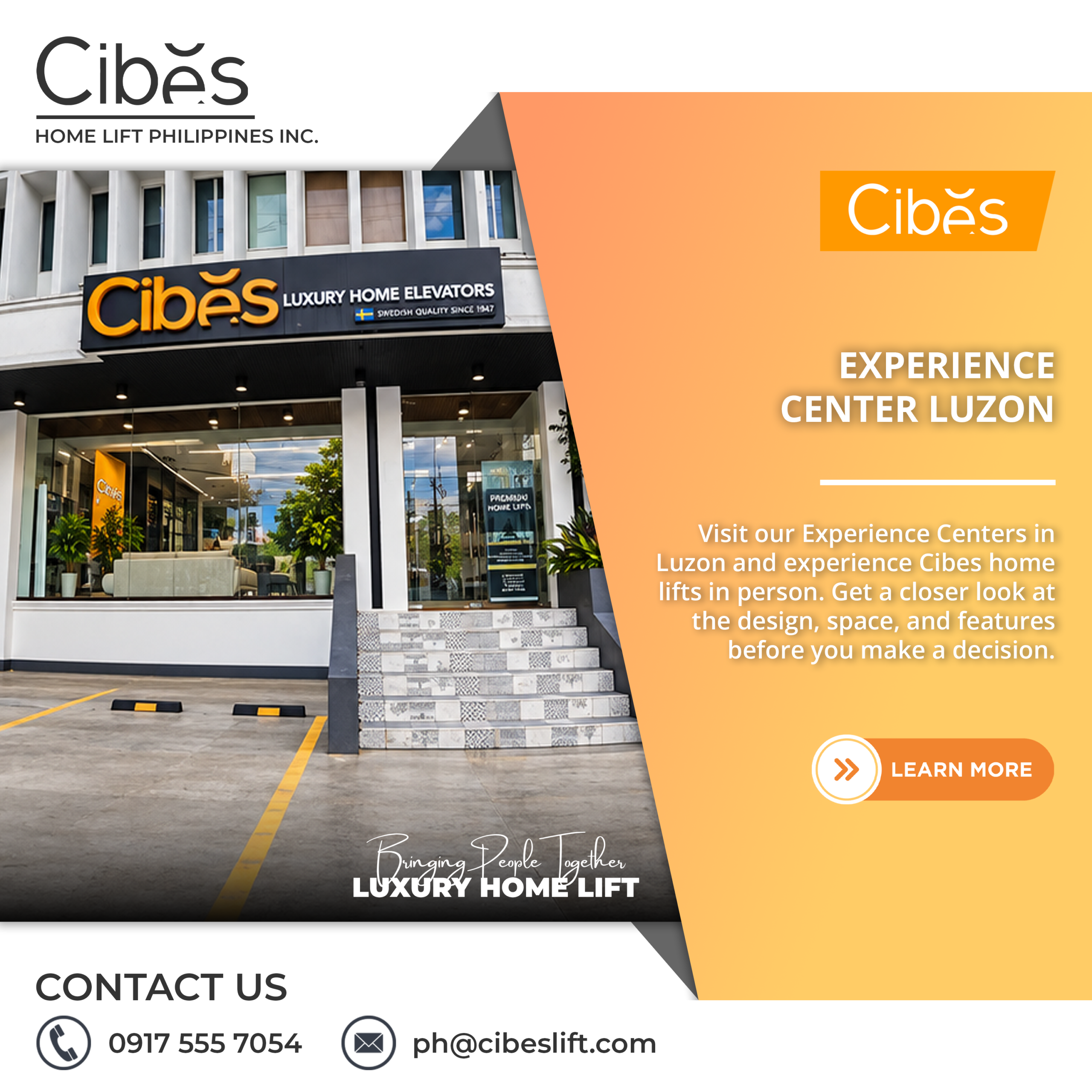
TL;DR Cibes Experience Center Luzon lets homeowners and property professionals experience Cibes home lifts in person before making a decision. Cibes Lift Philippines has 13 demo lifts across three Luzon Experience Centers: Makati (8), Mandaluyong (2), and Balintawak, Quezon City (3). Visitors can ride the lifts, check cabin space, test the controls, explore designs, and […]

TL;DR Vacuum elevators use air pressure instead of cables or hydraulic systems to move a cabin inside a transparent tube. Most residential models require only 75 to 100 cm of space, serve 2 to 4 floors, carry 205 to 238 kg, and can often be installed in 2 to 3 days with minimal structural work. […]
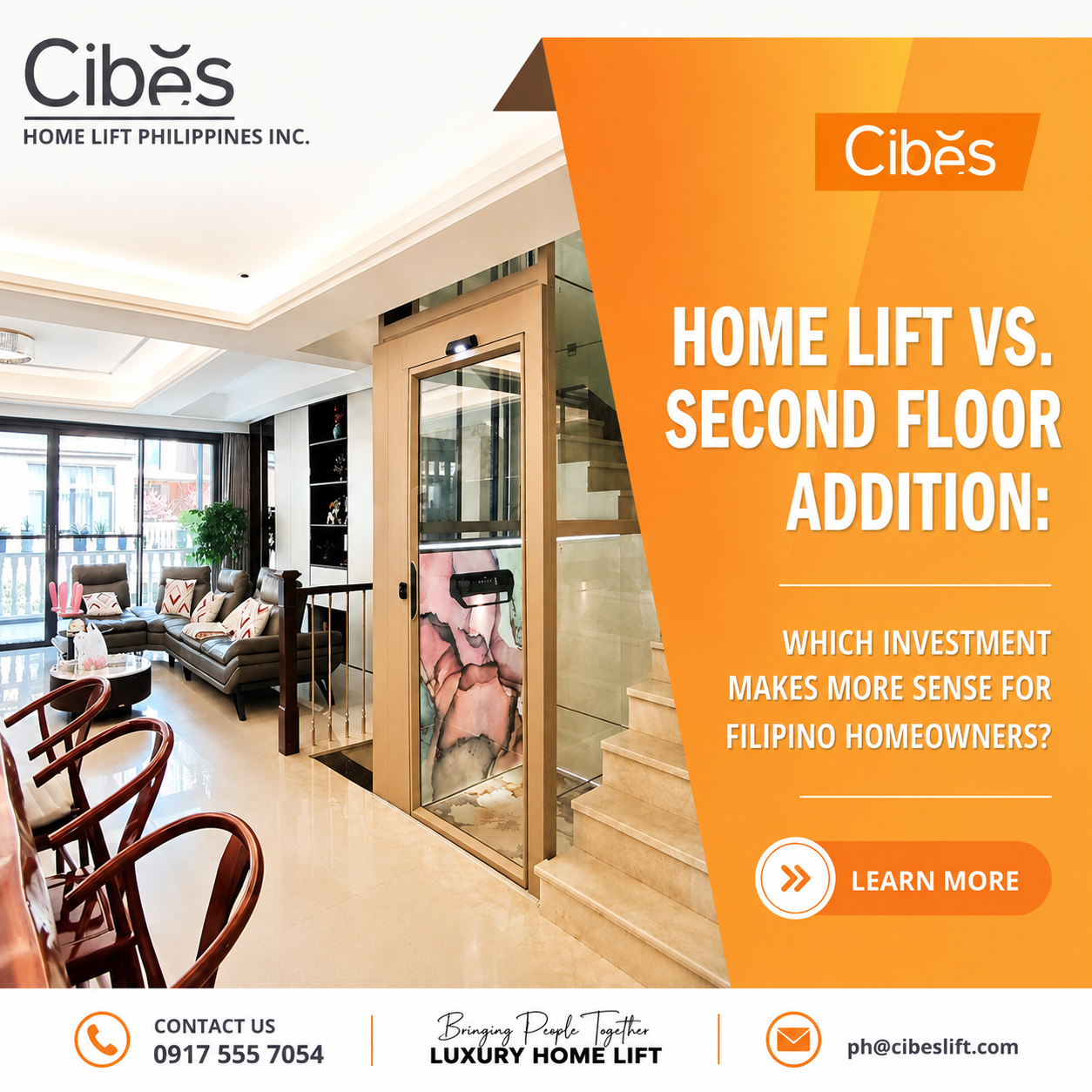
TL;DR For most Filipino homeowners, a home lift costs approximately ₱2.2 million to ₱3.2 million and can typically be installed within 6 to 10 weeks, while a second-floor addition often costs ₱3.5 million to ₱8 million or more and may require 4 to 8 months of construction. A home lift is generally the better investment […]

TL;DR Cibes Lift Philippines Inc. provides home lifts, platform lifts, and accessibility solutions for residential and selected commercial spaces in the Philippines. Cibes lifts combine Swedish engineering, space-saving installation options, modern designs, and accessibility features. Cibes home lift doesn’t require a pit or a machine room and this can be installed with minimal civil works. […]

TL;DR Choosing the right elevator size is one of the most important decisions in any home lift project. The size of the cabin affects comfort, accessibility, capacity, and even whether the elevator can be installed in your home without major structural changes. In the Philippines, where many homes are built on compact urban lots, understanding […]