Blog - 07/08/2026
Home Lift Philippines: Essential Features for Tropical Climate
TL;DR
A home lift for tropical climate conditions should be designed to withstand high humidity, year-round heat, monsoon rains, and occasional power interruptions. Key features include corrosion-resistant materials, proper ventilation, heat-resistant components, battery backup systems, and regular maintenance support. Choosing a lift engineered for tropical conditions helps ensure reliable performance, safety, and long-term durability in Philippine homes.
These features make a home lift for tropical climate conditions better suited to the heat, humidity, and moisture commonly experienced in the Philippines.
Home elevator installation in the Philippines comes with unique challenges due to tropical conditions such as Metro Manila’s high humidity, heavy monsoon rains, typhoon season, and coastal salt exposure in areas like Cebu, Batangas, and Davao.
Not all home elevators can operate well under Philippine weather conditions. Choosing a home lift for tropical climate conditions can help address the effects of humidity, heat, heavy rain, and typhoons. An elevator designed for cooler climates may struggle to perform reliably in conditions such as Metro Manila’s high humidity and the year-round heat experienced across much of the Philippines.
Features that may be optional in other countries often become essential in the Philippines.
Here are some considerations you need to take into account when installing a home elevator on your property in the Philippines.
Why Is a Home Lift for Tropical Climate Important in the Philippines?
Home elevators in the Philippines must operate reliably through humid summers, heavy Habagat rains, and frequent typhoon-related weather disruptions.
- High humidity levels, often reaching 80% to 90%, can contribute to corrosion, mold growth, and damage to electrical components that are not properly protected against moisture.
- Year-round temperatures averaging 25°C to 32°C can affect motors, electronics, and materials differently compared to cooler climates. High temperatures may also accelerate wear on plastics, rubber seals, and protective coatings.
- Monsoon rains create long periods of elevated moisture and humidity, even inside well-insulated homes.
- Strong winds, heavy rain, and power disruptions caused by typhoons place additional demands on elevator performance and reliability.

Essential Home Lift Features for Tropical Philippine Homes
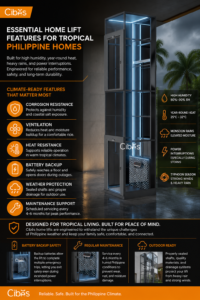
Humidity, heat, heavy rainfall, and occasional power interruptions can affect home lift performance over time. This infographic highlights the key features Philippine homeowners should prioritize, including corrosion-resistant materials, proper ventilation, heat-resistant components, battery backup systems, weather protection, and regular maintenance support. Designed for tropical conditions, these features help improve safety, reliability, and long-term durability.
What Home Lift for Tropical Climate Features Matter Most?
In the Philippines, some home lift features are not just optional but essential for long-term reliability.
Corrosion-resistant materials help protect elevator components from tropical moisture and humidity. Corrosion-resistant components such as stainless steel, powder coating with proper surface preparation, marine-grade aluminum for coastal areas, and rust-resistant metals perform better than regular materials in preventing corrosion.
Proper ventilation helps reduce heat and humidity buildup inside the elevator while helping prevent excessive moisture from entering the cabin. Well-designed ventilation systems help maintain cabin comfort without reducing weather protection.
Heat-resistant components include durable motors designed for continuous operation at high temperatures, properly rated electrical components, and materials that do not deteriorate under tropical conditions.
Climate-Ready Home Lift Features at a Glance
| Feature | Why It Matters in the Philippines | Recommended Solution |
|---|---|---|
| Corrosion Resistance | Protects against humidity and coastal salt exposure | Stainless steel or marine-grade aluminum |
| Ventilation | Reduces heat and moisture buildup | Integrated cabin ventilation |
| Heat Resistance | Supports reliable operation in warm climates | Heat-rated motors and electronics |
| Battery Backup | Maintains safety during power interruptions | Automatic emergency battery system |
| Weather Protection | Essential for outdoor installations | Sealed shafts and proper drainage |
| Maintenance Support | Helps prevent humidity-related wear | Scheduled servicing every 4–6 months |
Why Is Battery Backup Essential for Home Lifts in the Philippines?
Power reliability can vary across the Philippines. While Metro Manila generally offers stable supply, some provincial areas and island locations may experience more frequent interruptions, especially during storms.
Backup batteries are essential. For a home lift for tropical climate conditions, battery backup provides an important safety feature when storms cause unexpected power interruptions.
They allow the elevator to safely reach a floor and open the doors during a power outage.
High-quality home lift systems can typically complete multiple emergency trips using battery backup power, allowing passengers to exit safely even during extended power interruptions.
For homeowners, this provides an additional layer of safety and peace of mind during severe weather conditions.
How Often Should a Home Lift Be Serviced in the Philippine Climate?
The frequency of maintenance is particularly important in the Philippines compared to temperate regions.
In Philippine conditions, especially in humid cities like Manila, Cebu, and Davao, servicing every 4 to 6 months is often recommended instead of annual maintenance.
Heat and humidity can accelerate wear on seals, lubricants, and metal components, making regular inspections especially important.
Moisture can also affect lubricant performance, which is why moving parts require routine maintenance and lubrication. Regular servicing is especially important for a home lift for tropical climate conditions because heat and humidity can accelerate wear on certain components.
Regular inspections help identify signs of rust and wear before they become larger issues, helping to extend the life of the lift system.
Can Outdoor Home Lifts Withstand Philippine Weather Conditions?
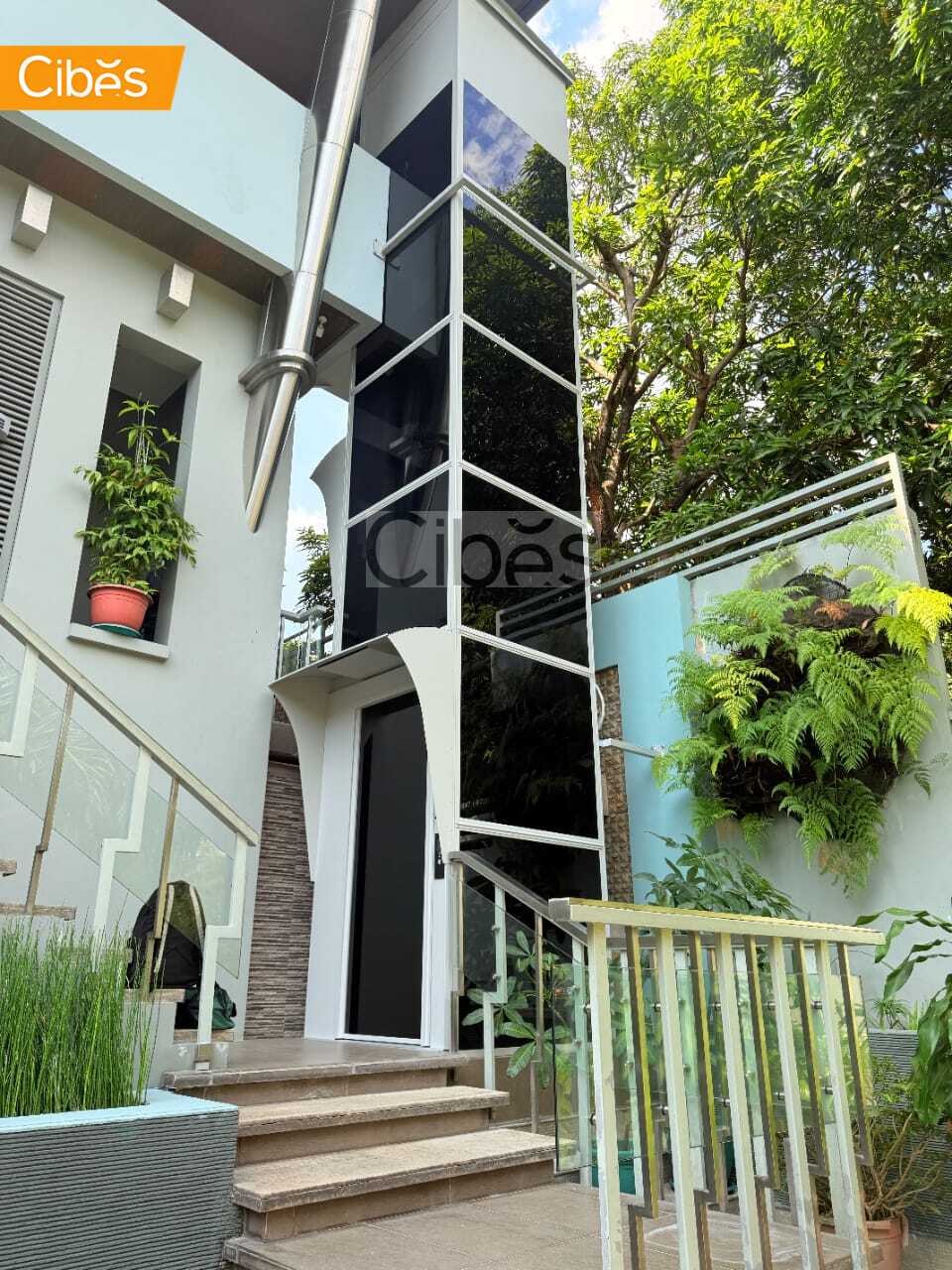
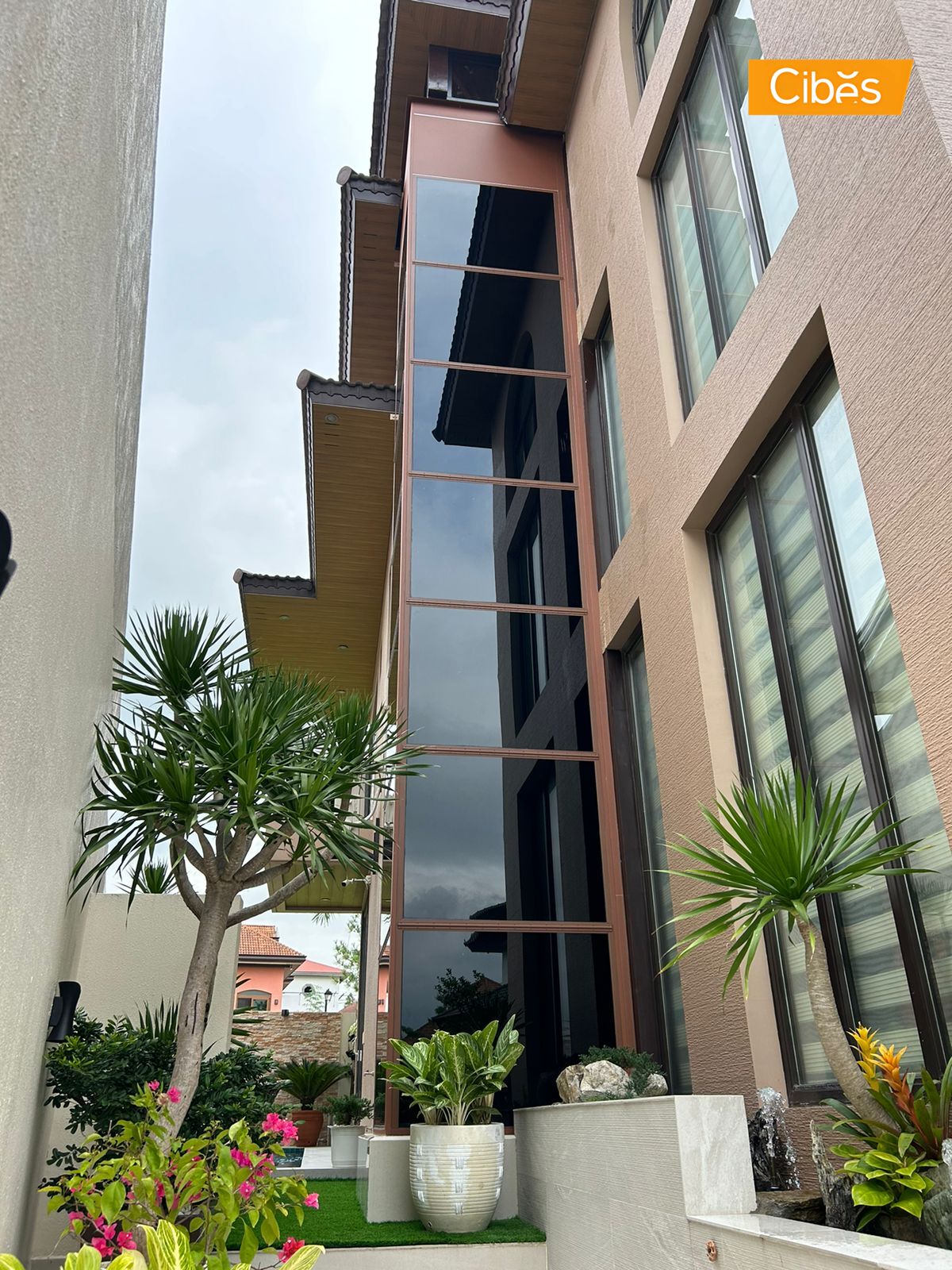
Some Philippine homes use exterior elevator installations to save interior space. A home lift for tropical climate conditions needs additional protection against rain, strong winds, humidity, and salt-laden air.
Exterior installations require additional protection against monsoon rains, strong winds, and year-round humidity.
Elevator shafts should be properly sealed and designed with adequate drainage to help prevent water intrusion during the rainy season.
Structural design should also account for typhoon exposure, particularly in coastal and storm-prone regions of the Philippines.
Corrosion-resistant materials become even more important for outdoor installations, especially in locations exposed to salt-laden air.
Cibes’ nearly 80 years of global experience includes tropical and coastal installations that face conditions similar to those found across the Philippines.
How Do These Features Benefit Philippine Homeowners?
Consider a family home in Metro Manila during the rainy season. High humidity can affect mechanical components, while sudden power interruptions may occur during severe weather.
A home lift equipped with corrosion-resistant materials, battery backup, and proper ventilation is better prepared to operate reliably under these conditions.
Similarly, coastal homes in Cebu or Batangas may experience additional exposure to salt-laden air. Choosing materials designed to resist corrosion can help extend equipment life and reduce maintenance requirements over time.
These climate-ready features help homeowners protect their investment while ensuring comfortable and dependable day-to-day operation.
Home Lift Philippines: Choosing a Lift for Philippine Conditions
Don’t assume every elevator performs equally well in every environment. The best home lift for the Philippines is a home lift for tropical climate conditions, designed to handle the environment in which it will operate.
Humidity, heat, heavy rainfall, and occasional power interruptions should all be considered during the decision-making process.
A home lift for tropical climate conditions can provide greater reliability, improved safety, and longer service life. Whether installed in a Metro Manila townhouse, a Cebu coastal residence, or a multi-level family home in Davao, selecting a climate-ready solution helps protect your investment for years to come.
With nearly 80 years of global experience, Cibes combines proven European engineering with solutions designed to perform reliably in demanding tropical conditions.
FAQ
Q: Why does tropical climate matter when choosing a home lift?
A: Tropical conditions such as high humidity, heat, heavy rainfall, and typhoons can affect elevator performance over time. Choosing a lift designed for these conditions helps ensure long-term reliability and durability.
Q: Are all home lifts suitable for the Philippine climate?
A: No. Some home lifts are designed for cooler climates and may not perform as well in the Philippines without climate-resistant materials, proper ventilation, and moisture protection.
Q: What materials are best for home lifts in tropical climates?
A: Corrosion-resistant materials such as stainless steel, marine-grade aluminum, and high-quality protective coatings are ideal for handling humidity and coastal salt exposure.
Q: Is battery backup necessary for home lifts in the Philippines?
A: Yes. Battery backup is especially important because it allows the lift to safely reach a floor and open the doors during power interruptions, which can occur during storms or outages.
Q: How often should a home lift be serviced in tropical climates?
A: In the Philippines, servicing every 4 to 6 months is often recommended due to humidity, heat, and moisture exposure.
Q: Are outdoor home lifts suitable for Philippine weather?
A: Yes, provided they are designed with proper weather protection, drainage systems, corrosion-resistant materials, and structural reinforcement for typhoon conditions.
Q: How does humidity affect home lift performance?
A: High humidity can contribute to corrosion, affect lubricants, and increase wear on electrical and mechanical components if the system is not properly protected.
Q: Can high humidity damage a home lift?
A: Yes. Over time, excessive humidity can contribute to corrosion, affect mechanical performance, and shorten the lifespan of components that are not designed for tropical conditions.
Q: What is the best home lift material for coastal homes in the Philippines?
A: Corrosion-resistant materials such as stainless steel and marine-grade aluminum are often preferred because they offer better protection against salt exposure and humidity.
Q: Can a home lift operate during a power outage?
A: Home lifts equipped with battery backup systems can safely travel to a floor and allow passengers to exit during a power interruption.
Q: What should homeowners look for when choosing a home lift for tropical conditions?
A: Look for corrosion resistance, battery backup, proper ventilation, weather protection, regular maintenance support, and proven performance in tropical environments like the Philippines.
Learn more:
- Outdoor Home Elevators & External Lifts Philippines
- Budget Ideas and Flood Safety for Elevated Homes in the PH
- Cibes Home Lift in Iloilo Rust-Proof, Typhoon-Safe & Locally Supported
Experience Center’s and Technical Station Address
Makati City | Balintawak – Quezon City | Mandaluyong City | Cebu City | Ilo-Ilo City | Davao City | Cagayan De Oro City






CIBES AUTHOR
Jovelyn Guidaven has been a Sales Manager at Cibes Lift Philippines since 2021, helping homeowners, architects, designers, and developers find the right home lift solutions for their projects. She works closely with clients throughout the sales process, providing expert guidance and personalized recommendations based on their accessibility and mobility needs.


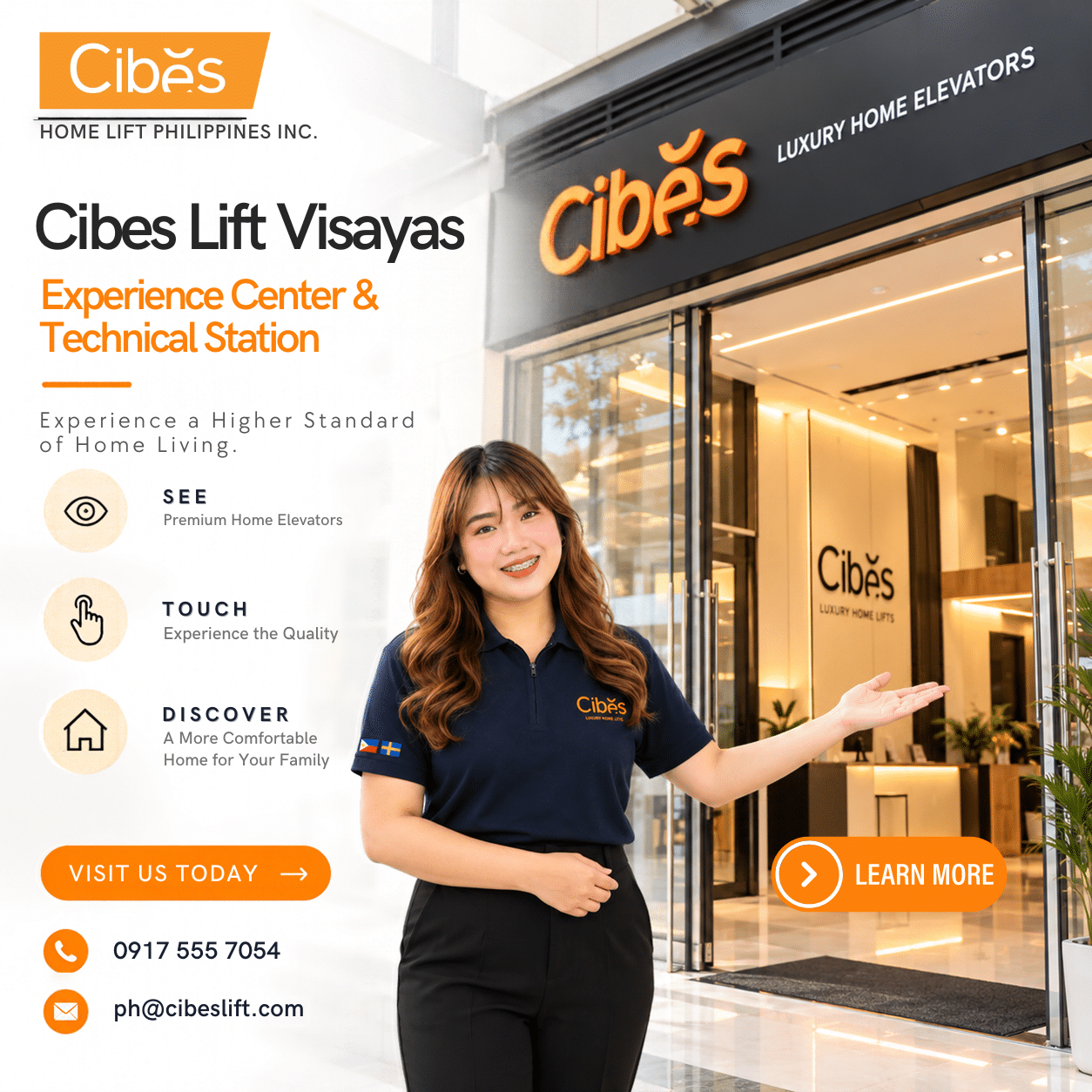
TL;DR The Cibes Experience Center Visayas in Cebu City lets homeowners, architects, designers, contractors, and developers see Cibes home lifts in person. Visitors can experience the lift cabin, review available designs and features, and discuss installation requirements with the Cibes team. The Cebu Experience Center currently lists V90 Elegance, Z85 Antera, and Ascenda among its […]
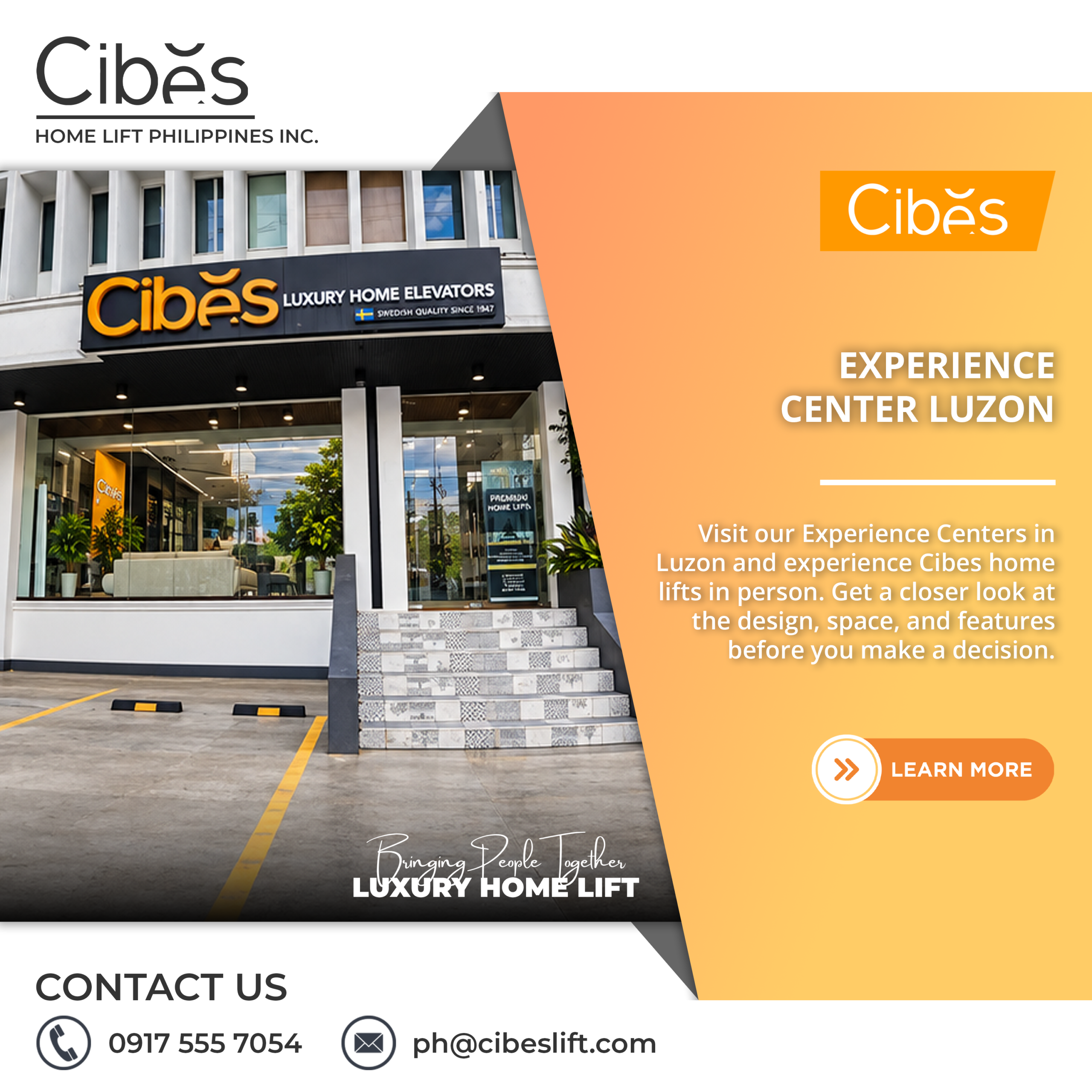
TL;DR Cibes Experience Center Luzon lets homeowners and property professionals experience Cibes home lifts in person before making a decision. Cibes Lift Philippines has 13 demo lifts across three Luzon Experience Centers: Makati (8), Mandaluyong (2), and Balintawak, Quezon City (3). Visitors can ride the lifts, check cabin space, test the controls, explore designs, and […]

TL;DR Sustainable home elevators in the Philippines are becoming an important consideration for homeowners who want to improve accessibility without overlooking environmental responsibility. Modern home elevators can support energy-efficient living through efficient drive systems, durable materials, renewable energy integration, and reduced structural changes compared with major home renovations. The Environmental Case for Sustainable Home Elevators […]

TL;DR Home Elevator Performance plays an important role in the safety, comfort, efficiency, and long-term reliability of a residential lift. While regular maintenance keeps your elevator operating reliably, proper usage, environmental control, component monitoring, electrical optimization, and timely upgrades can further improve its performance. In this guide, discover 8 expert tips to help maximize home […]
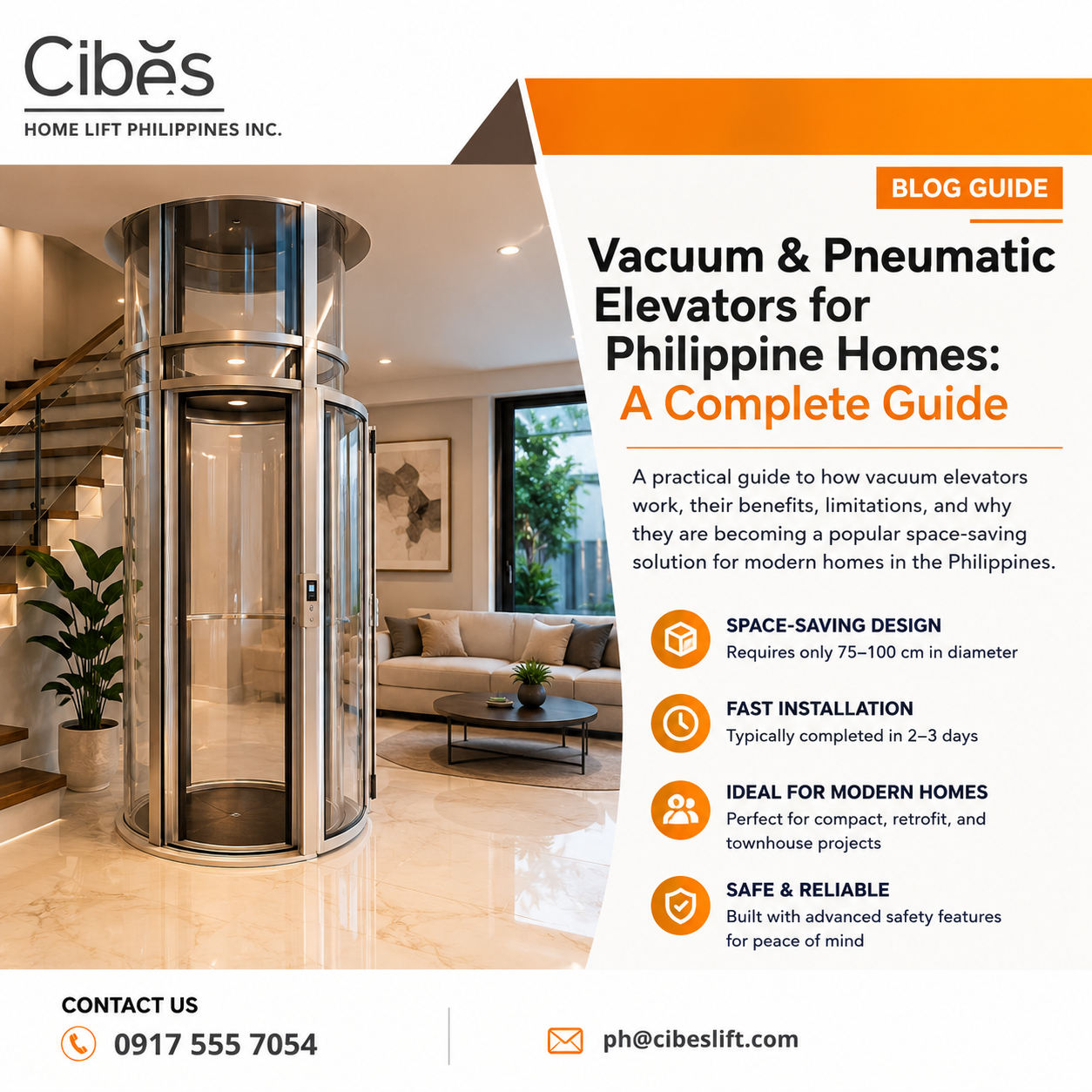
TL;DR Vacuum elevators use air pressure instead of cables or hydraulic systems to move a cabin inside a transparent tube. Most residential models require only 75 to 100 cm of space, serve 2 to 4 floors, carry 205 to 238 kg, and can often be installed in 2 to 3 days with minimal structural work. […]