Blog - 26/08/2026
Elevated House Design for Flood-Prone Homes in the Philippines
TL;DR
Elevated house design is a practical approach for Filipino homeowners looking to reduce flood risks, improve natural ventilation, and maximize available living space. A simple elevated house is built on a raised foundation, stilts, or a platform to adapt to tropical weather conditions common across the Philippines. Our complete guide to Cibes home elevators in the Philippines explains the main lift types, installation requirements, and design considerations for modern homes.
Beyond safety, elevated homes can be practical and budget-friendly when planned carefully.
Why are elevated homes practical for flood-prone areas?
Elevated homes reduce exposure to floodwater and make recovery after storms faster and less costly.
Key advantages include:
- Lower risk of water entering living spaces
- Improved natural ventilation in humid climates
- Protection of wiring and structural components
- Reduced long-term repair costs
- Stronger resale appeal in flood-risk locations
The space underneath can also be used for parking, storage, or outdoor seating, which is especially useful in dense communities.
Important note: The recommended elevation height should always follow local flood history and barangay or city requirements.
How can you keep elevated house construction affordable?
Keeping the structure simple is one of the most effective ways to manage costs.
A rectangular layout is commonly used because it reduces material waste and simplifies construction. Using standard door and window sizes avoids custom fabrication expenses. Open layouts reduce the number of interior walls while making the home feel more spacious.
Budget-friendly materials commonly used in the Philippines
Material | Typical Use | Why It’s Practical |
Reinforced concrete | Foundation and columns | Strong and widely available |
Steel framing | Structural support | Durable and efficient |
Concrete hollow blocks | Walls | Cost-effective and familiar to local builders |
Locally sourced roofing | Roof structure | Reduces transport costs |
Planning carefully early on helps avoid redesign costs later.
How do elevated designs work on small lots?
Elevated homes are well suited for narrow or inherited lots, which are common across many Filipino neighborhoods.
Typical compact footprints like 6×8 meters or 7×7 meters can accommodate bedrooms, a bathroom, and an open living area. Building upward preserves ground space while maintaining flood protection.
The lower level can serve as a flexible zone for parking, storage, or a shaded outdoor area.
Consideration: Always check setback rules and height limits before finalizing plans.
Can you build an elevated home in phases?
Yes. Phased construction is widely practiced across the Philippines.
Many homeowners start with the elevated structure and weather-tight shell, then complete interior finishes gradually as funds allow. This approach reduces financial pressure while keeping the home usable.
Some families also lower costs by sourcing materials directly or handling non-technical work such as painting or landscaping, while leaving structural and electrical tasks to licensed professionals.
Condition to keep in mind: The structure should be properly sealed to prevent weather damage between phases.
How do you prepare an elevated house for a future home elevator?
Planning for a lift early makes future installation simpler and more cost-efficient.
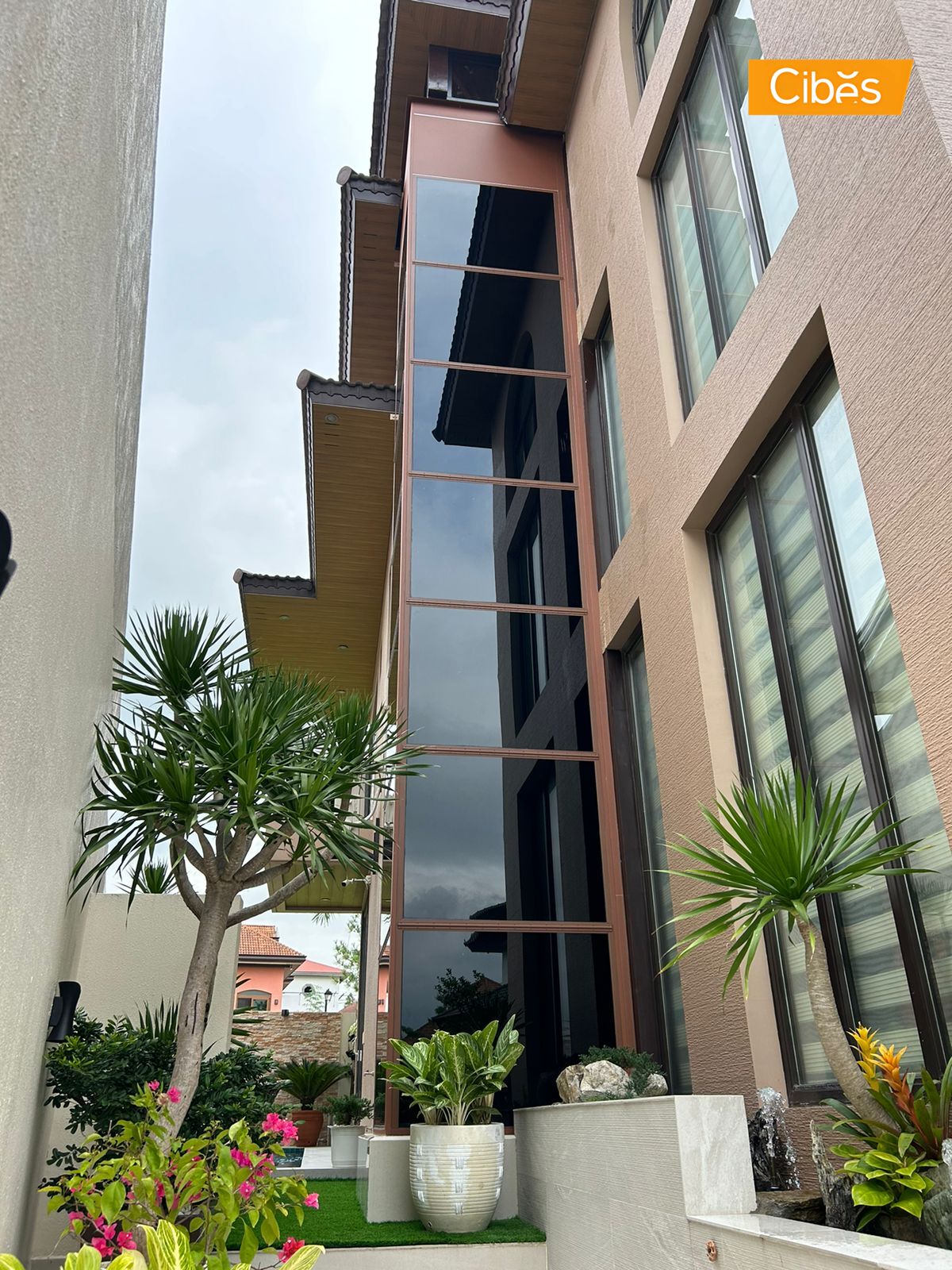
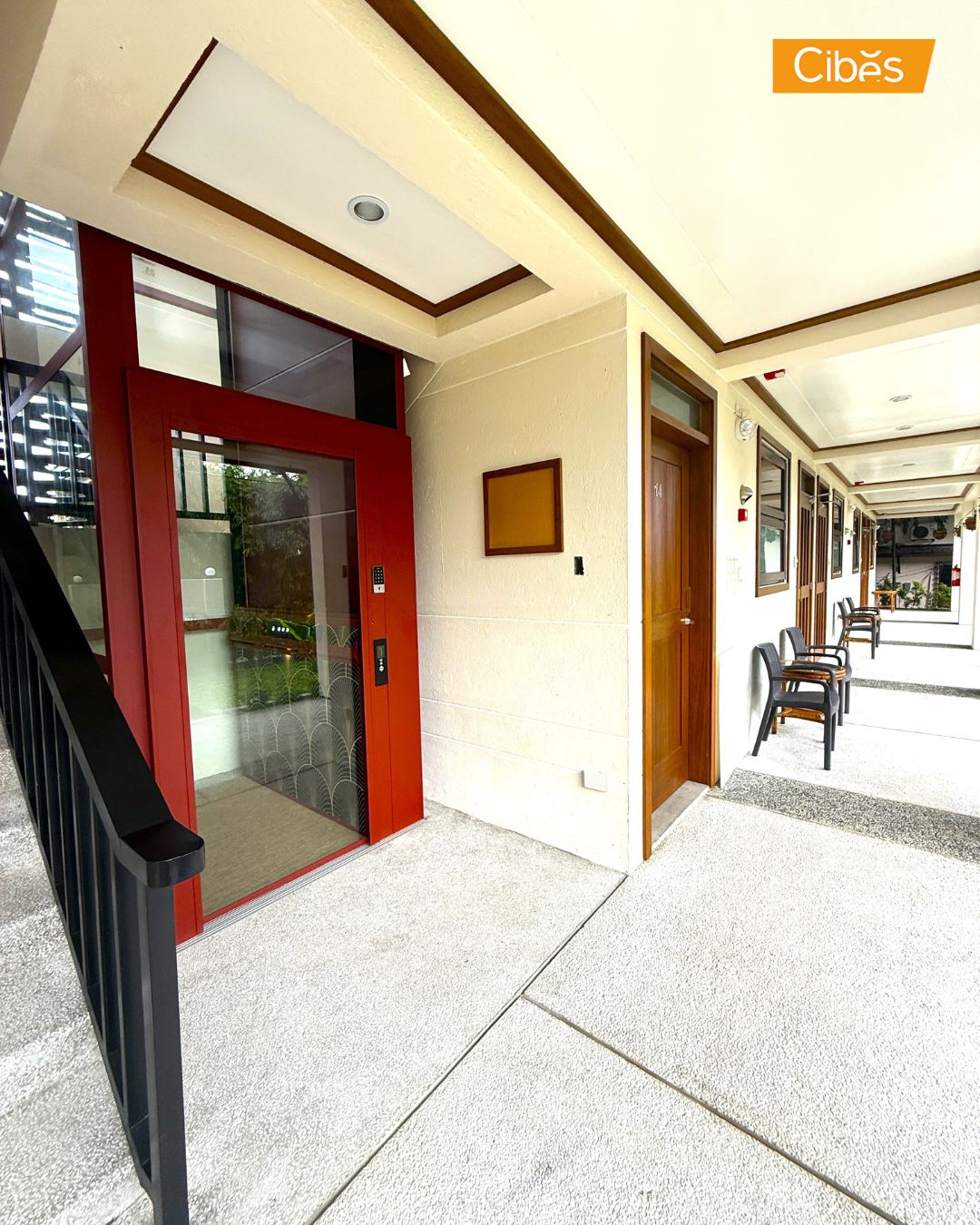
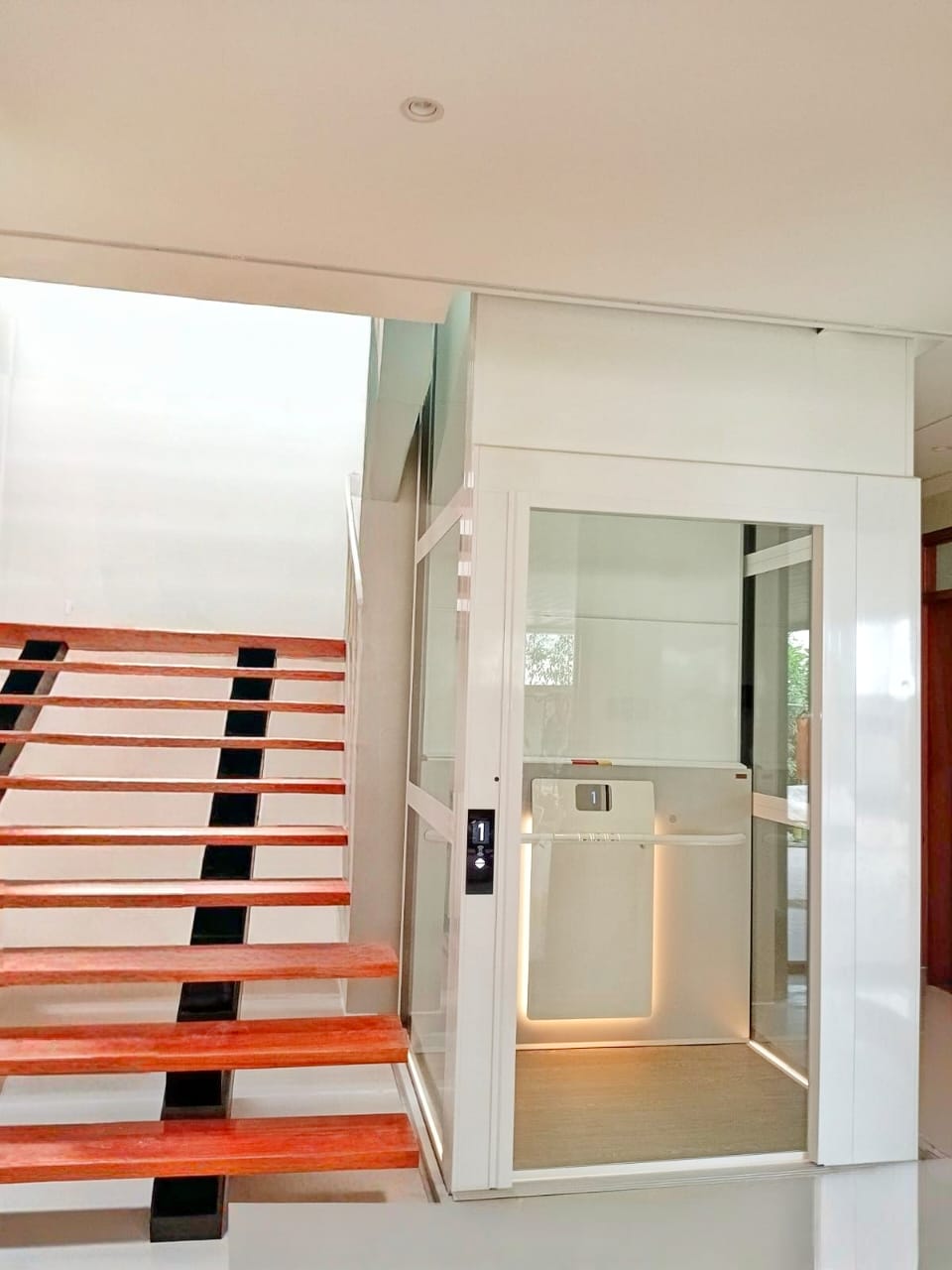
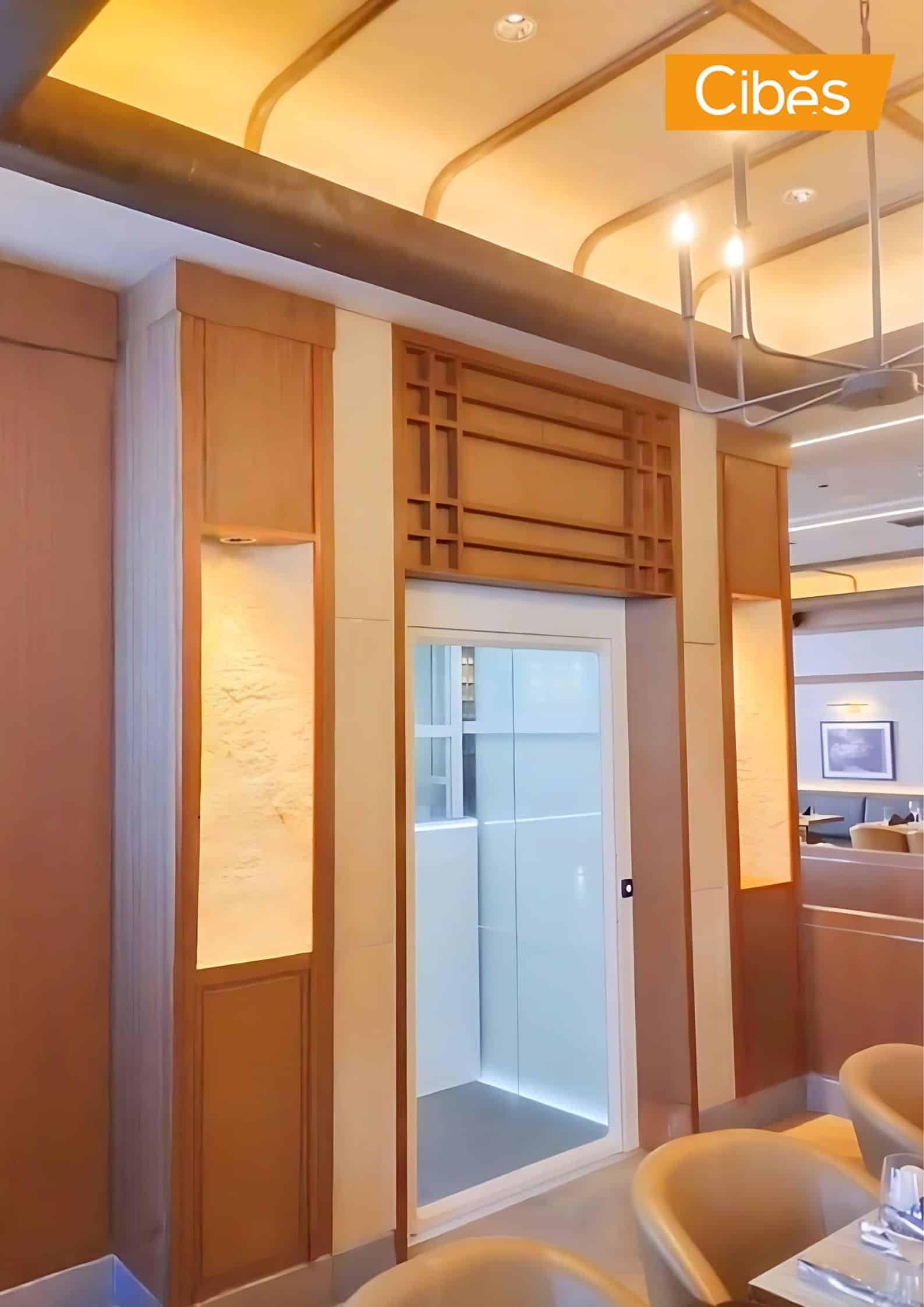
Even if a lift is not installed right away, reserving a vertical space during design helps avoid major structural changes later. Many modern residential lifts can fit within a compact footprint suitable for townhouses and small homes.
Preparing early supports long-term accessibility for aging homeowners, family members with mobility needs, and future buyers.
What should you consider when choosing a home lift for an elevated house?
Not all lift systems are equally suitable for residential environments. Key factors include space requirements, structural impact, noise, and maintenance needs.
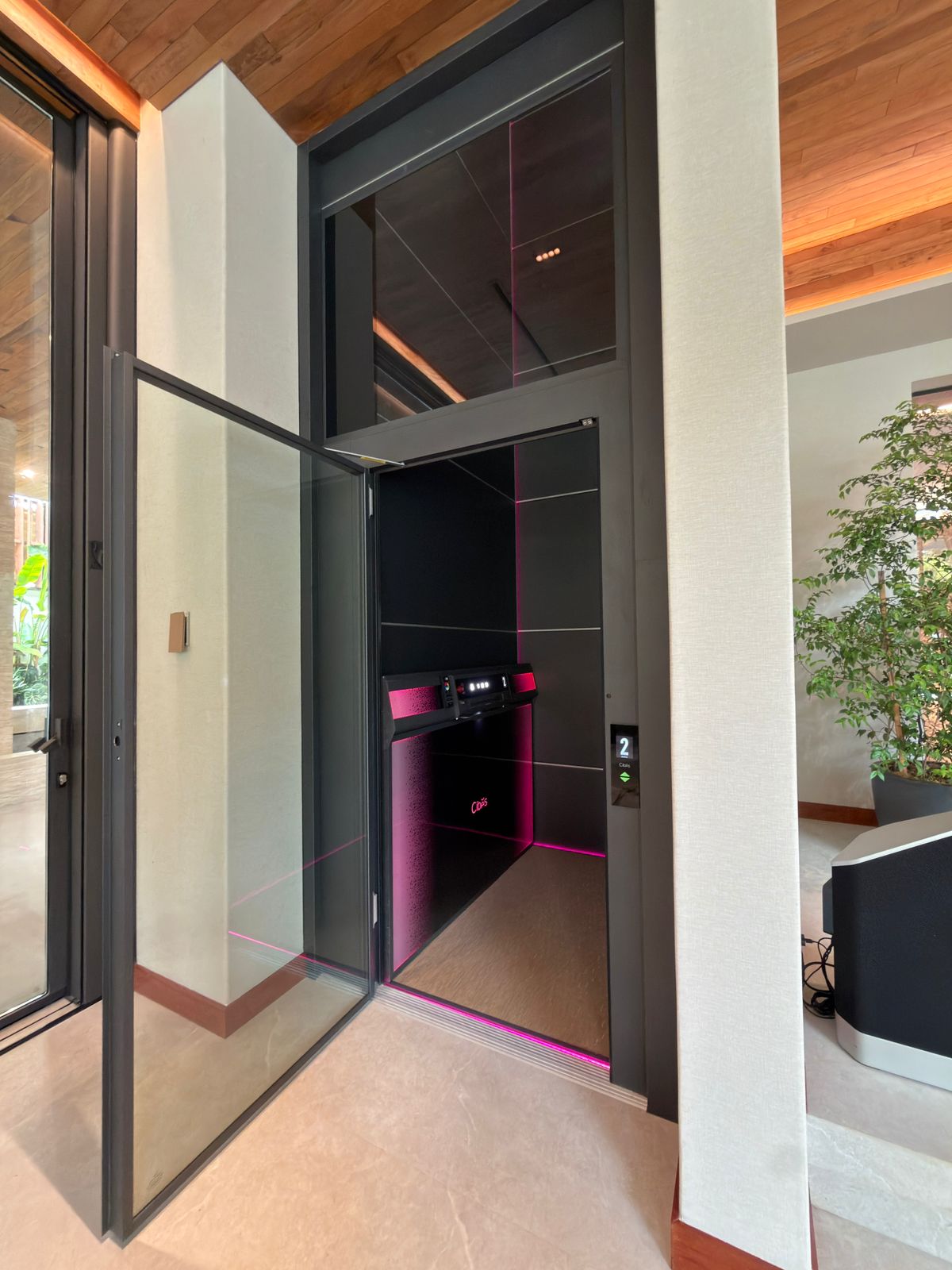
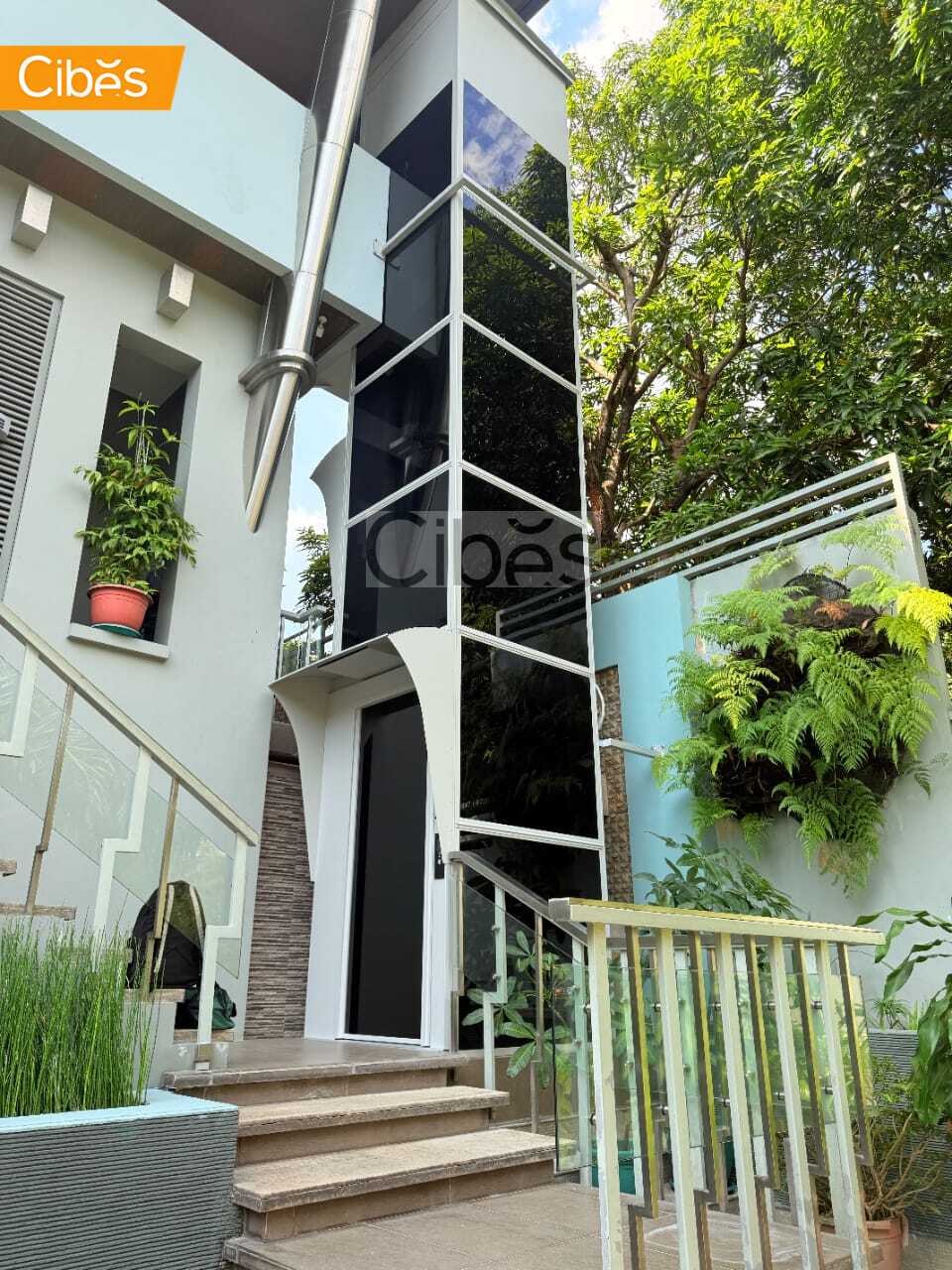
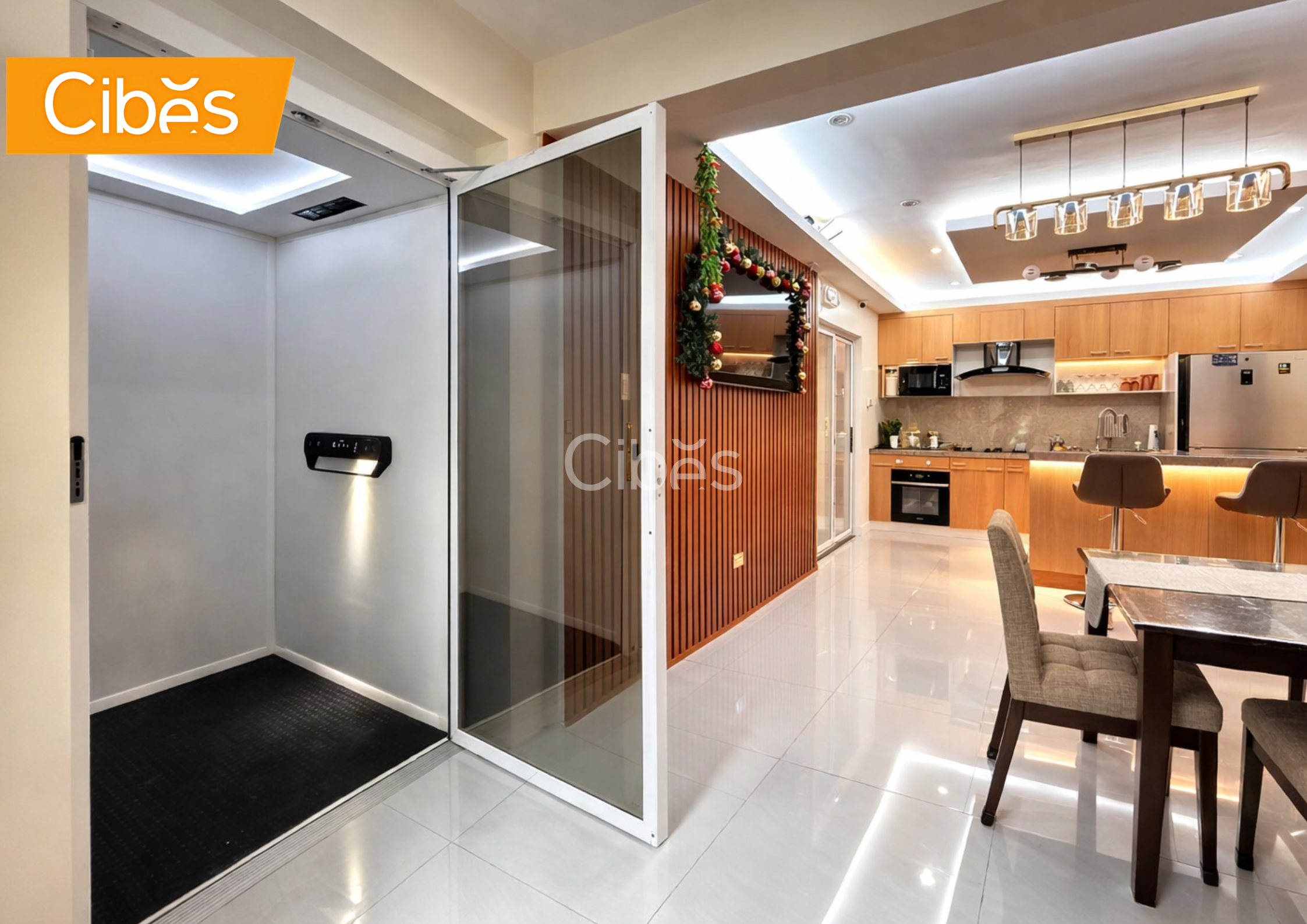
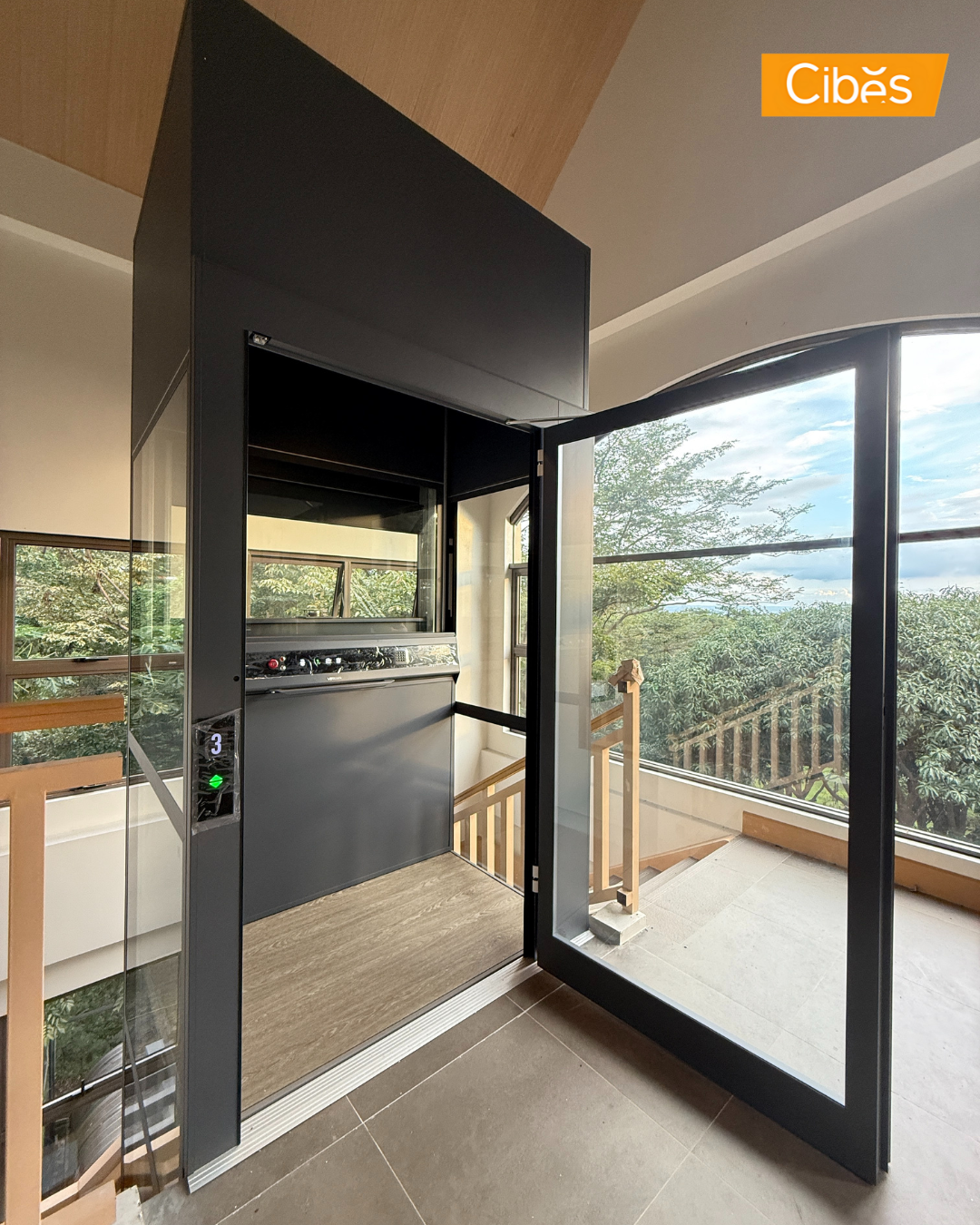
Screw-driven platform lifts, such as those used in Cibes residential lifts, are often chosen for homes because they typically do not require a separate machine room or deep pit. Hydraulic systems, while widely used in commercial buildings, usually involve additional infrastructure.
Cibes home lift vs hydraulic lift: what’s the difference?
| Feature | Screw-Drive Platform Lift | Hydraulic Lift |
| Machine room | Not required | Required |
| Pit depth | Minimal or none | Deep pit needed |
| Structural impact | Light | Significant |
| Energy use | Power during travel only | Higher overall demand |
| Maintenance | Routine checks | Hydraulic servicing needed |
| Oil usage | No hydraulic oil | Uses hydraulic fluid |
| Noise | Smooth operation | Pump noise possible |
| Installation time | Typically shorter | Longer construction timeline |
| Suitability | Designed for homes | Common in commercial buildings |
| Environmental factors | No oil disposal | Oil handling required |
This comparison helps homeowners understand why compact lift systems are often preferred in residential projects.
Does adding a home lift increase property value?
In many cases, yes.
Homes that include accessibility features tend to attract a broader range of buyers. A lift improves daily convenience, supports aging in place, and signals long-term usability.
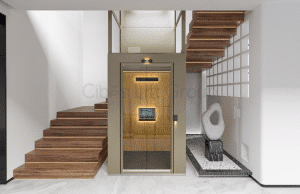
In flood-prone areas where homes are elevated, vertical access becomes even more important.
How high should an elevated house be in flood-prone areas in the Philippines?
The appropriate height depends on local flood patterns, engineering advice, and local regulations.
Many homes are raised around 0.8 to 1.5 meters or more above ground level based on site conditions. Consulting local authorities and a structural engineer is essential before finalizing elevation height.
(FAQ’s) Frequently Asked Questions About Elevated Homes in the Philippines
Q: Are elevated houses expensive to build?
Not necessarily. Simple layouts and standard materials can keep costs manageable, especially for small to medium homes.
Q: Why are elevated homes important in flood-risk areas?
They reduce water damage during heavy rains and protect living spaces from rising flood levels.
Q: Can elevated homes be built on small lots?
Yes. Vertical planning allows efficient use of limited land while maintaining flood protection.
Q: Is phased construction a practical approach?
Yes. Many homeowners complete structural work first and finish interiors over time.
Q: Can I prepare for a future elevator even if I don’t install one now?
Yes. Reserving space during planning helps avoid major structural work later.
Q: Are elevated homes suitable for older family members?
They can be, especially when designed with safe stairs, handrails, or lift preparation.
Q: What materials are commonly used?
Reinforced concrete, steel framing, hollow blocks, and locally available roofing are widely used for durability and cost balance.
Q: Do elevated homes have good resale potential?
Flood-resistant properties are often attractive to buyers in many Philippine markets.
Key takeaway: build for today while planning ahead
Elevated homes reflect practical living in the Philippines. They address climate risks while allowing families to build within their means.
With thoughtful planning, simple design choices, and preparation for future accessibility, homeowners can create spaces that remain safe, comfortable, and adaptable for many years.
Learn More:
- Top Elevator Companies & Brands Philippines: Reviews
- Modern Elevated House Design Trends Philippines
- Cibes Home Lift in Iloilo Rust-Proof, Typhoon-Safe & Locally Supported
Experience Center and Technical Station Address
Makati City | Balintawak – Quezon City | Mandaluyong City | Cebu City | Ilo-Ilo City | Davao City | Cagayan De Oro City






CIBES AUTHOR
Mylen Posas is the Aftersales Manager at Cibes Lift Philippines. She oversees aftersales operations, ensuring every customer receives reliable support from installation through long-term maintenance. With a strong focus on service quality and customer satisfaction, she works closely with the technical team to deliver prompt assistance and help maintain the long-term performance and safety of every Cibes home lift.



TL;DR The Cibes Experience Center Visayas in Cebu City lets homeowners, architects, designers, contractors, and developers see Cibes home lifts in person. Visitors can experience the lift cabin, review available designs and features, and discuss installation requirements with the Cibes team. The Cebu Experience Center currently lists V90 Elegance, Z85 Antera, and Ascenda among its […]

TL;DR Cibes Experience Center Luzon lets homeowners and property professionals experience Cibes home lifts in person before making a decision. Cibes Lift Philippines has 13 demo lifts across three Luzon Experience Centers: Makati (8), Mandaluyong (2), and Balintawak, Quezon City (3). Visitors can ride the lifts, check cabin space, test the controls, explore designs, and […]

TL;DR Sustainable home elevators in the Philippines are becoming an important consideration for homeowners who want to improve accessibility without overlooking environmental responsibility. Modern home elevators can support energy-efficient living through efficient drive systems, durable materials, renewable energy integration, and reduced structural changes compared with major home renovations. The Environmental Case for Sustainable Home Elevators […]

TL;DR Home Elevator Performance plays an important role in the safety, comfort, efficiency, and long-term reliability of a residential lift. While regular maintenance keeps your elevator operating reliably, proper usage, environmental control, component monitoring, electrical optimization, and timely upgrades can further improve its performance. In this guide, discover 8 expert tips to help maximize home […]

TL;DR Vacuum elevators use air pressure instead of cables or hydraulic systems to move a cabin inside a transparent tube. Most residential models require only 75 to 100 cm of space, serve 2 to 4 floors, carry 205 to 238 kg, and can often be installed in 2 to 3 days with minimal structural work. […]