Blog - 04/08/2026
Why More Filipino Families Are Choosing Home Lifts in Multi-Generational Homes
TL;DR
Home lift Philippines solutions help Filipino families make multi-storey homes safer and easier to use. For parents and grandparents, a home lift reduces reliance on stairs and makes it easier to move between floors, join family activities, and stay independent at home.
Why are home lifts becoming common in Filipino homes?
Multi-generational living has always been part of Filipino life. However, home design has changed over time.
In cities such as Quezon City, Makati, and Cebu City, land is limited. Because of this, houses are now built upward instead of outward. As a result, two to four floors have become standard for many homes.
While this setup saves space, it also creates challenges inside the house.

What happens when stairs become a daily problem?
In many Filipino households, the situation feels familiar.
Often, a grandparent stays on one floor while bedrooms are upstairs. At first, it seems manageable. However, movement becomes harder over time.
Because of this:
Over time, stairs feel harder to use.
Family moments upstairs get missed.
Even simple tasks begin to need assistance.
Eventually, this affects both independence and daily connection.
How does a home lift support older family members?
A home lift removes the need to rely on stairs. Because of that, daily movement becomes easier and safer.
Instead of adjusting their routine, older parents and grandparents can move freely between floors. For example, they can:
Go to their bedroom anytime
Join family activities without assistance
Move around the home with more confidence
More importantly, this supports something deeply valued in Filipino homes:
independence while staying close to family.
Do home lifts benefit the whole household?
Yes. The benefits go beyond mobility.
In a typical Filipino home, every family member feels the difference. Daily routines get easier, safer, and less stressful.
For parents (40-60 years old)
Parents no longer need to assist all the time. They move around the house with less effort, even when carrying groceries, laundry, or other heavy items.
A home lift also helps them plan ahead. As mobility changes with age, the home stays practical and comfortable without major adjustments.
For older family members
Stairs often become a daily risk. A home lift removes that concern and supports safe, independent movement.
It also gives peace of mind to the whole family. Older adults can move freely without constant supervision. This improves both confidence and quality of life.
For children and younger family members
Kids move around the house more safely, especially in multi-level homes. Parents don’t have to worry as much about slips or falls on stairs.
At the same time, carrying school bags, toys, or even pets between floors becomes easier for everyone.
For the entire household
A home lift supports everyday living in a simple, practical way.
It reduces physical strain, saves time, and makes multi-generational living more comfortable. It also helps future-proof the home as family needs change over time.
Over time, it becomes less of a “feature” and more of a normal part of daily life.
How Much Does a Home Lift Philippines Cost?
For families comparing home lift Philippines options, most residential home lifts in the Philippine market fall within this range:
₱2,000,000 to ₱3,500,000
The final cost depends on several factors, including:
Number of floors
Home layout
Installation conditions
Because of these variables, pricing may differ per project. Still, this range reflects typical residential installations from companies like Cibes Lift Philippines Inc..
Is a Home Lift Philippines Solution Practical for Filipino Families?
To make a decision, families often compare real options available locally.
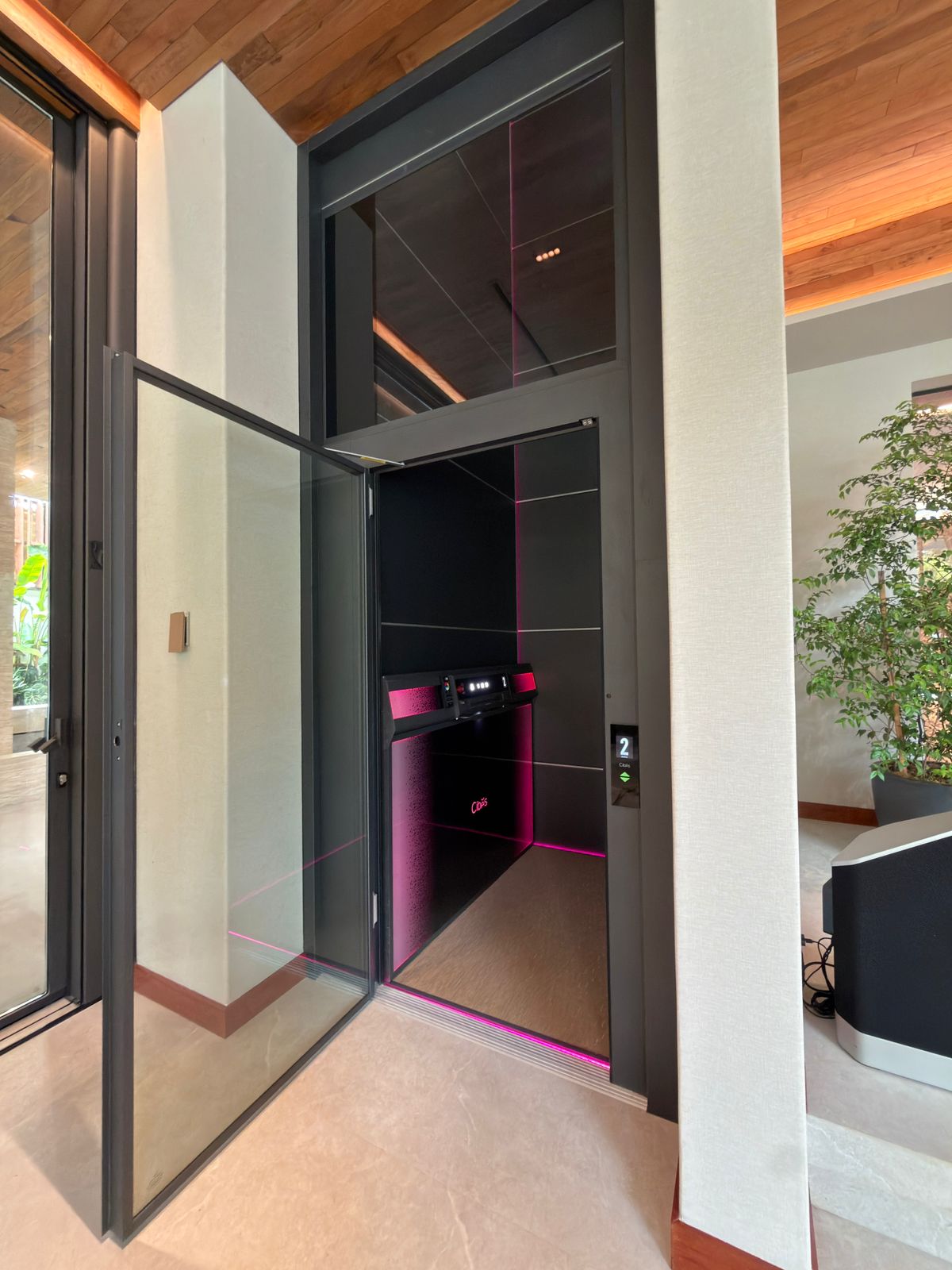
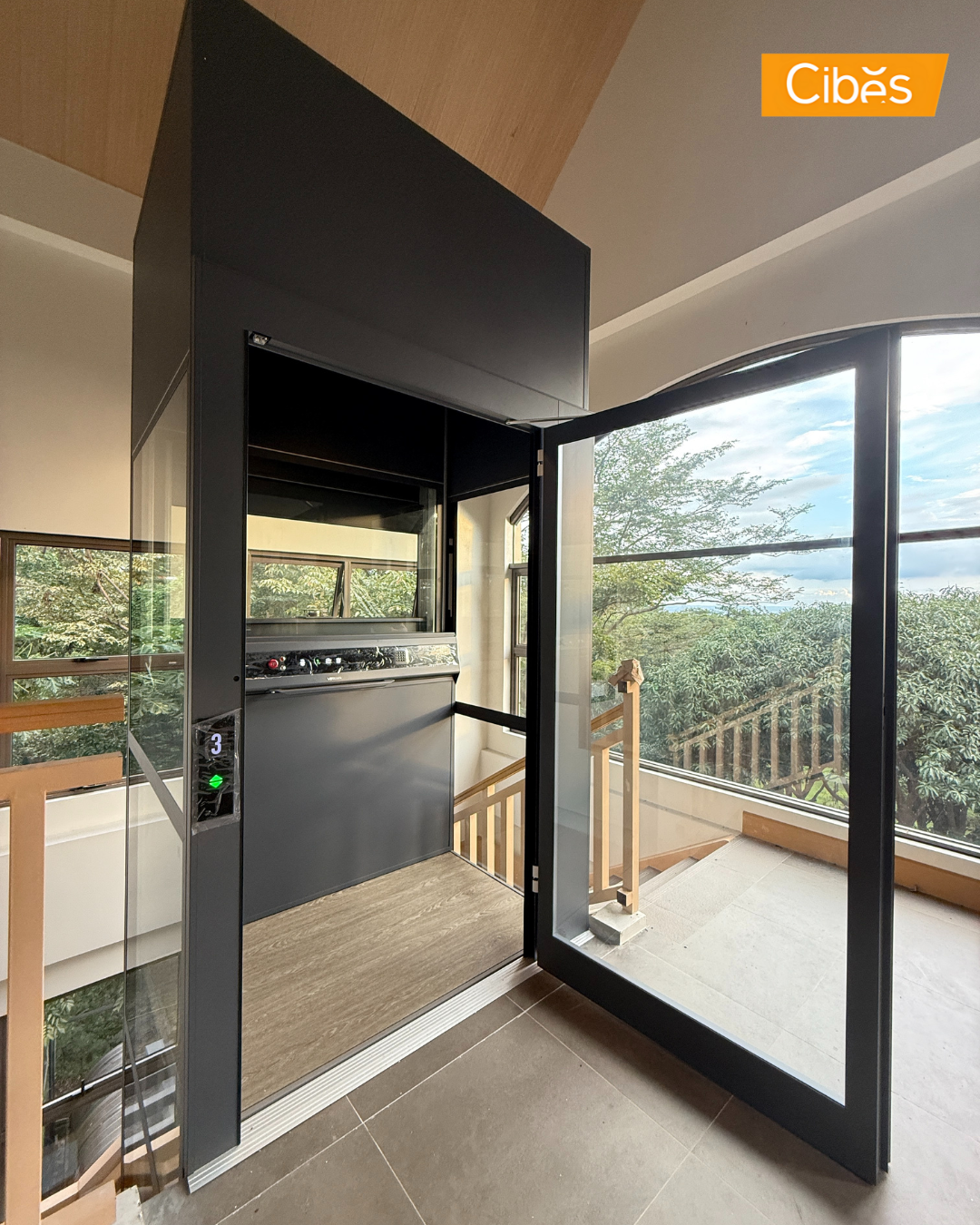
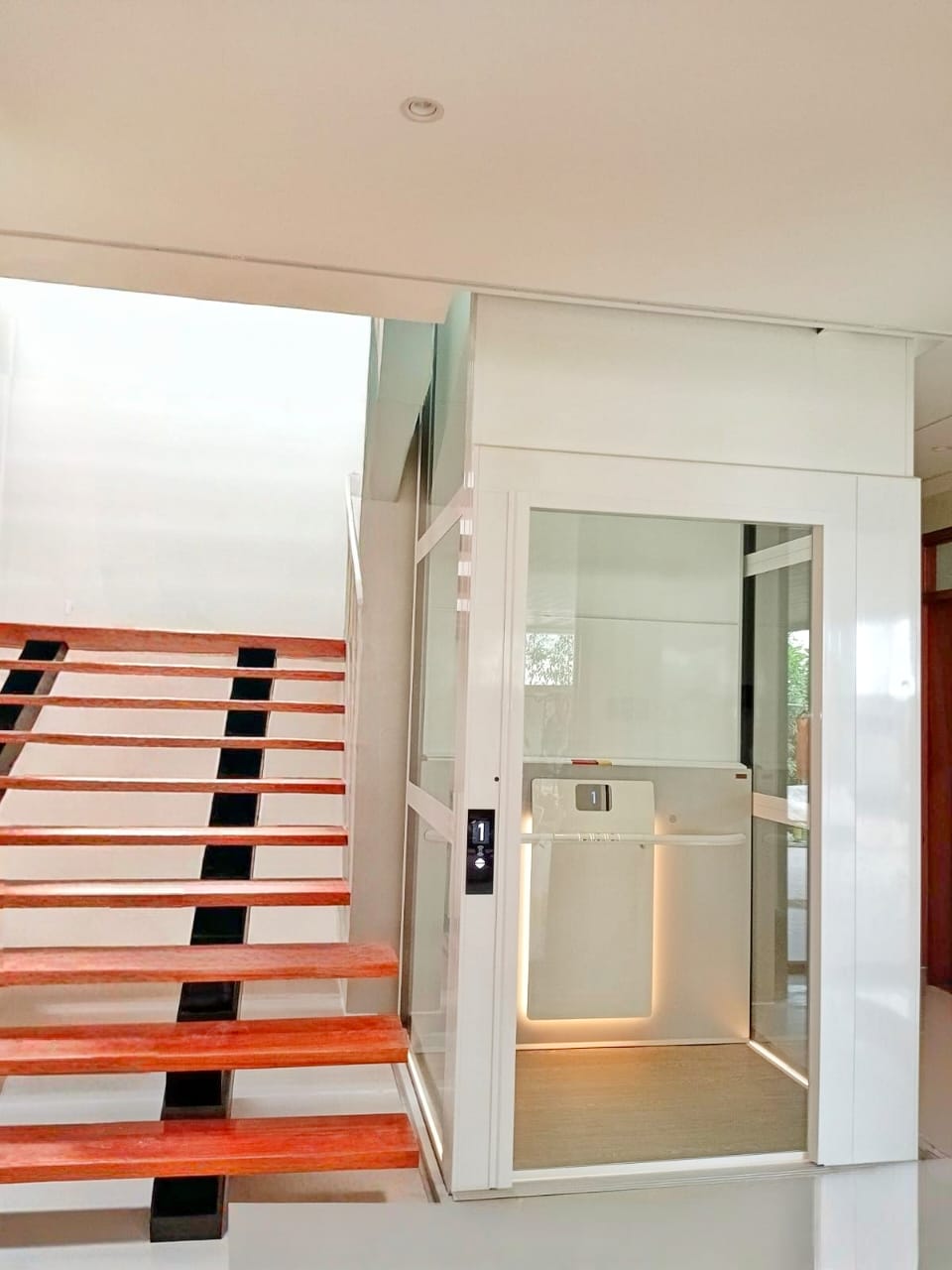
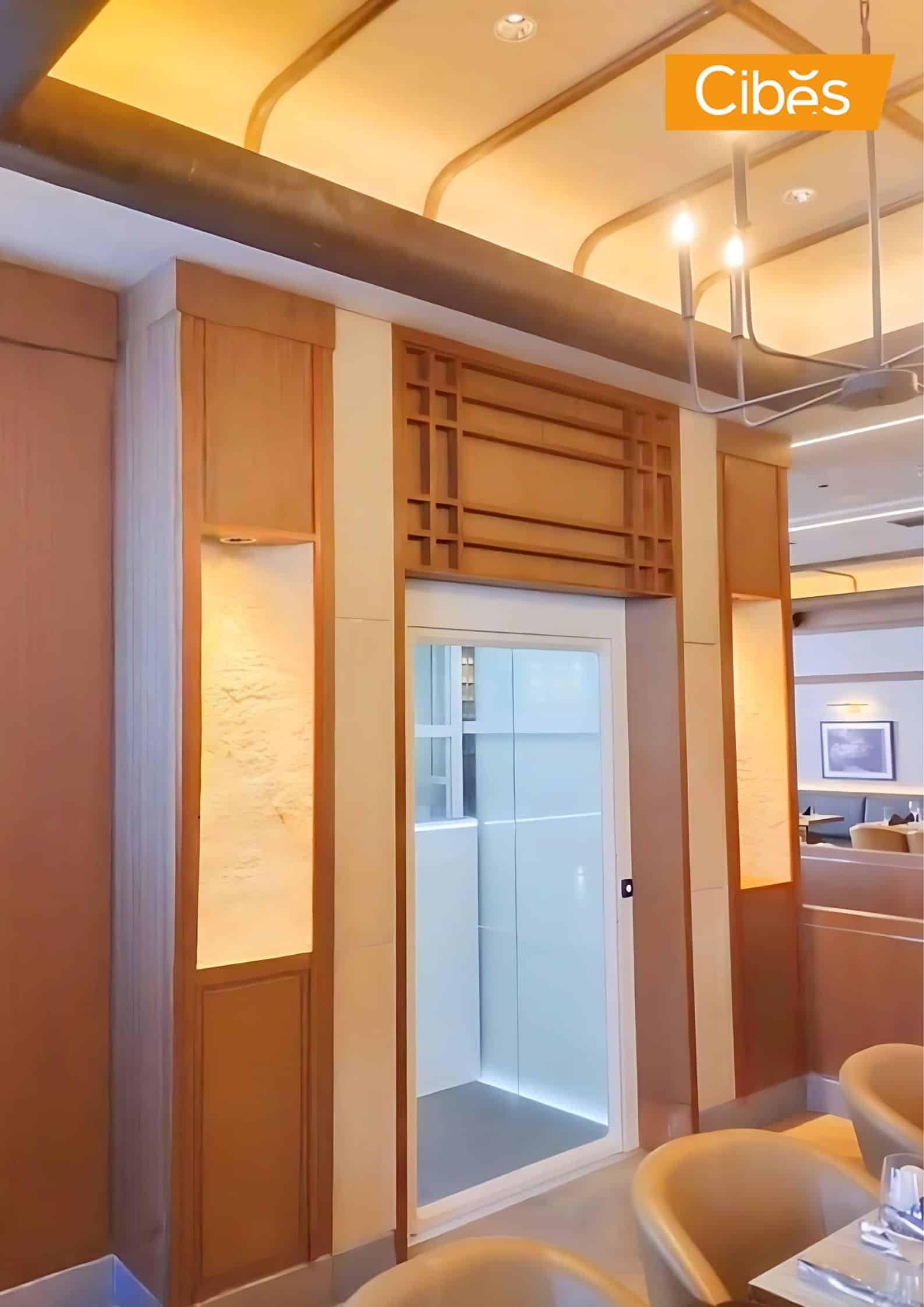
Modern home lift Philippines systems are designed for compact and flexible installations, making them suitable for many existing multi-storey homes.
| Option | Typical Cost (PH) | Long-Term Impact |
| Assisted living | ₱30K-₱60K/month | Living separately from family |
| Home renovation | ₱500K-₱1.5M | Reduced usable space |
| Move to bungalow | ₱5M+ in cities | Major lifestyle change |
| Home lift | ₱2M-₱3.5M | Keeps family together |
Over time, assisted living alone can reach ₱3.6M to ₱7.2M in 10 years. Therefore, many families view a home lift as a more stable long-term solution.
Can a home lift be installed in an existing house?
In many cases, yes.
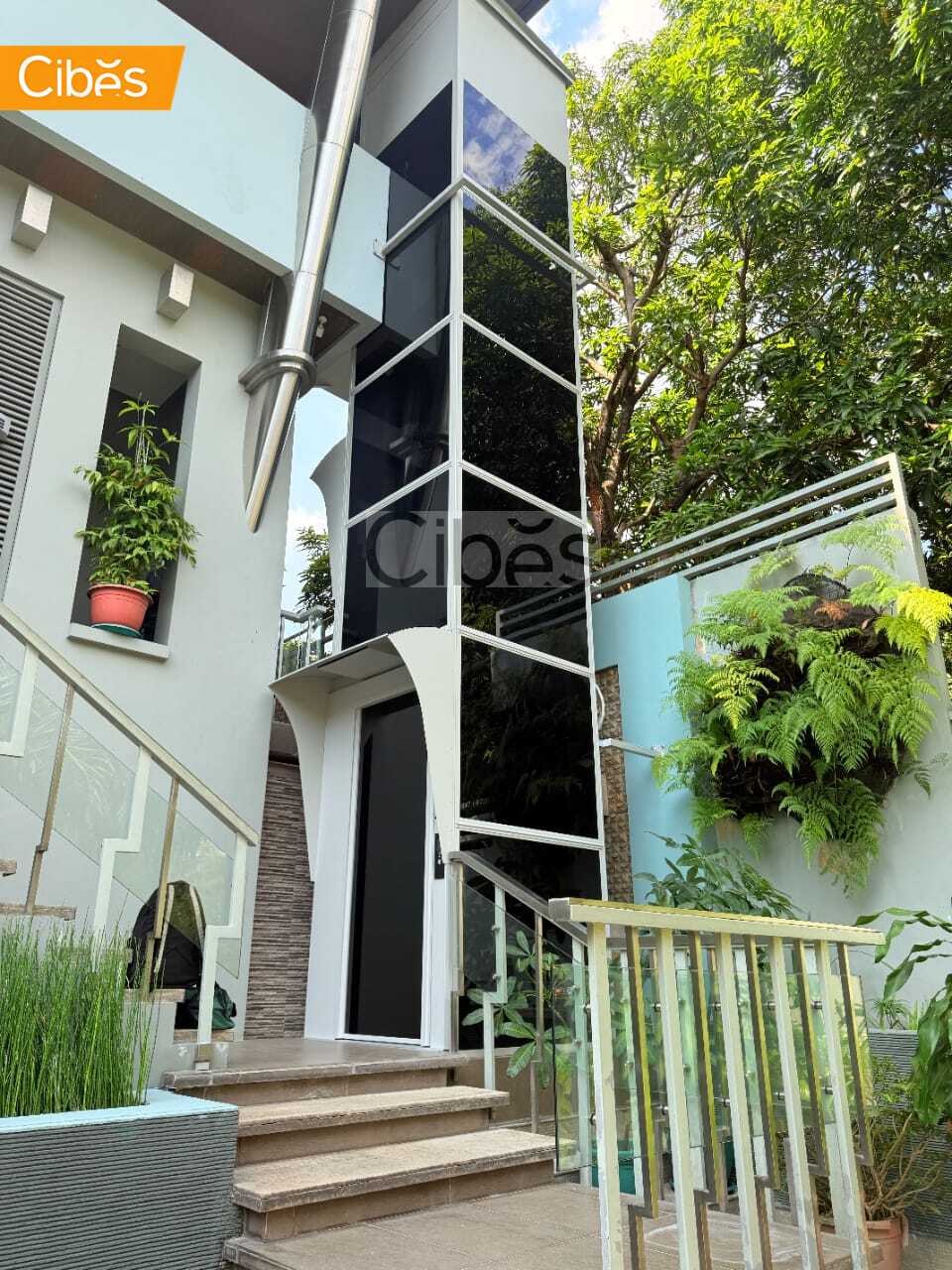
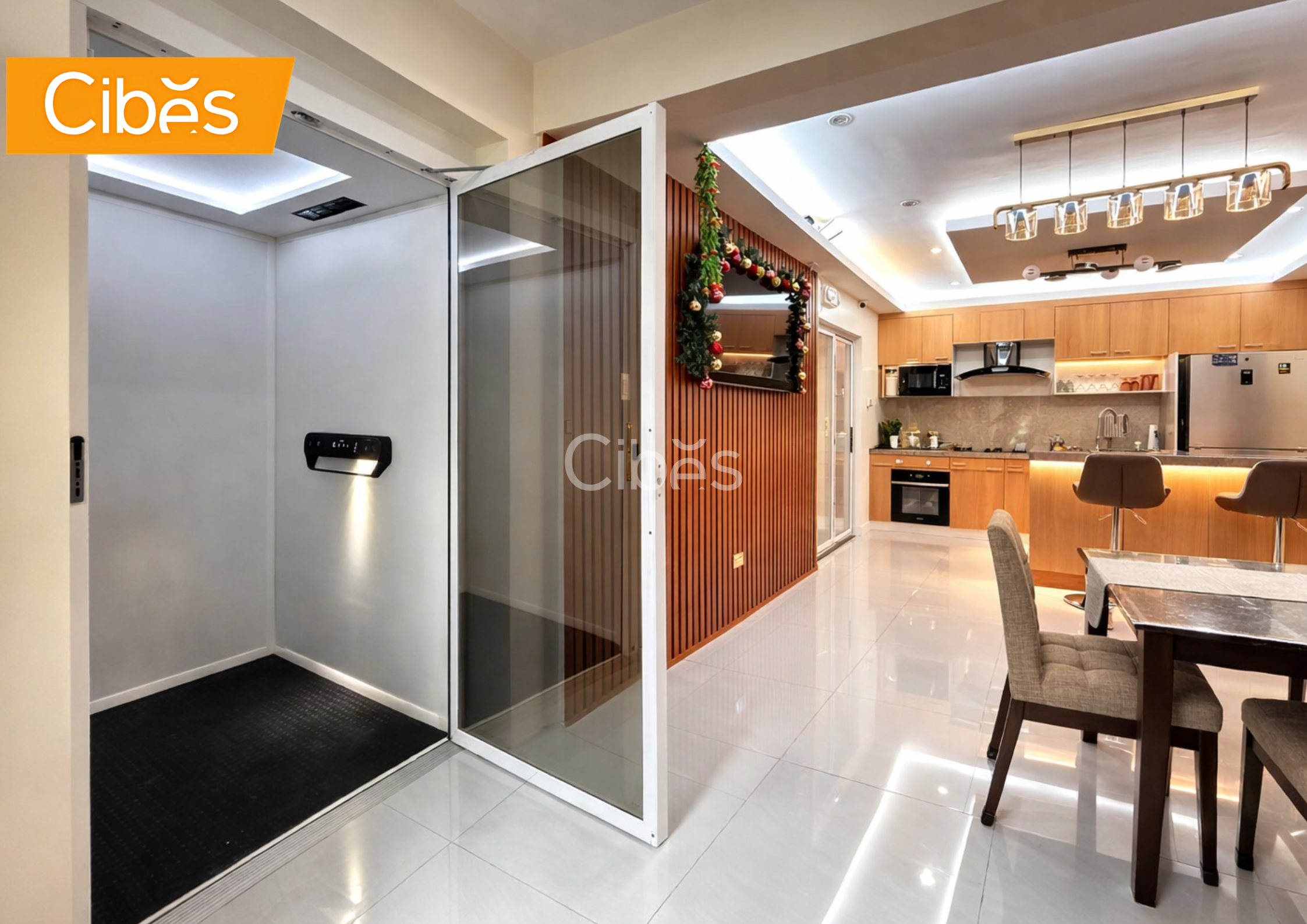
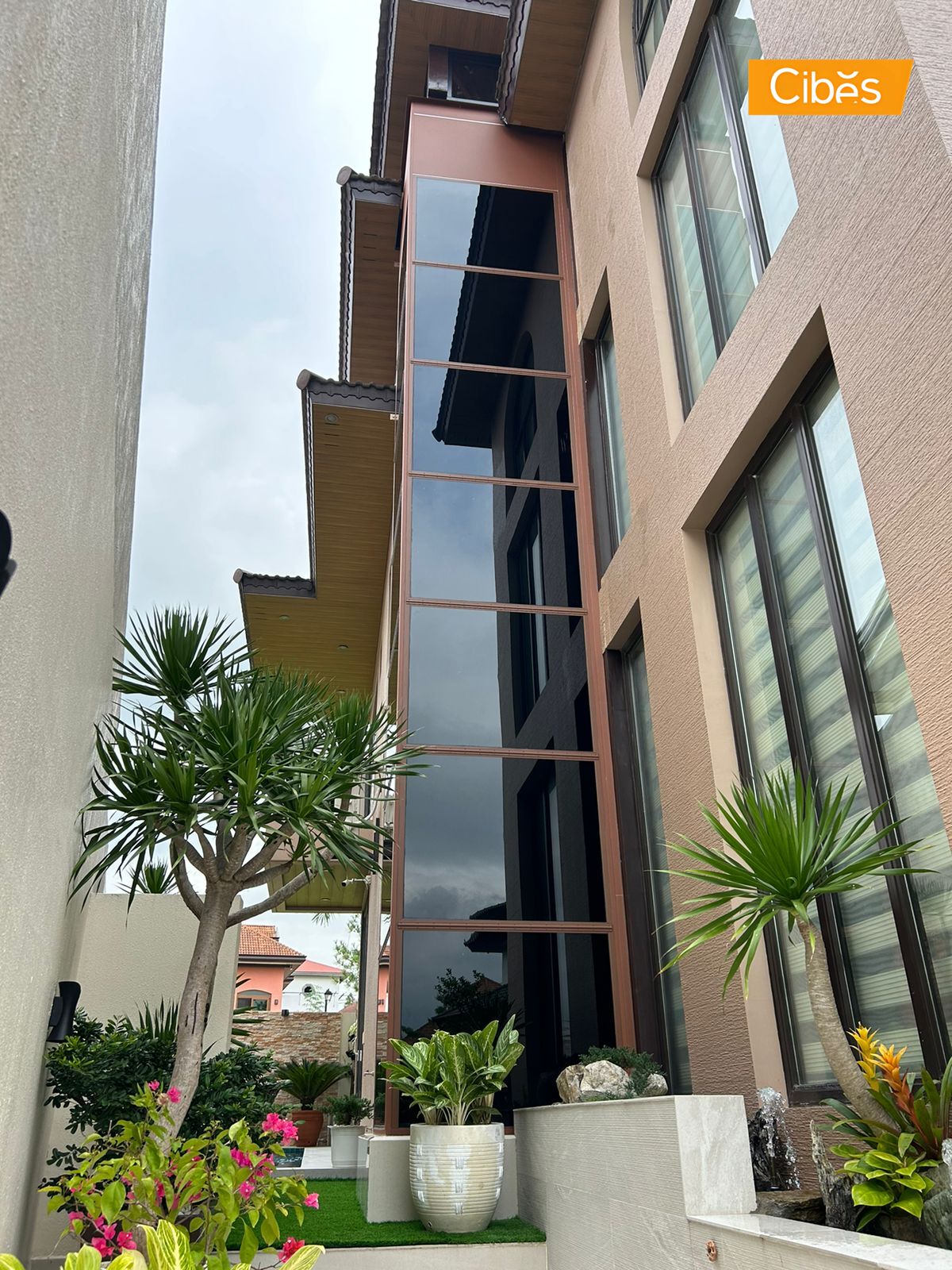
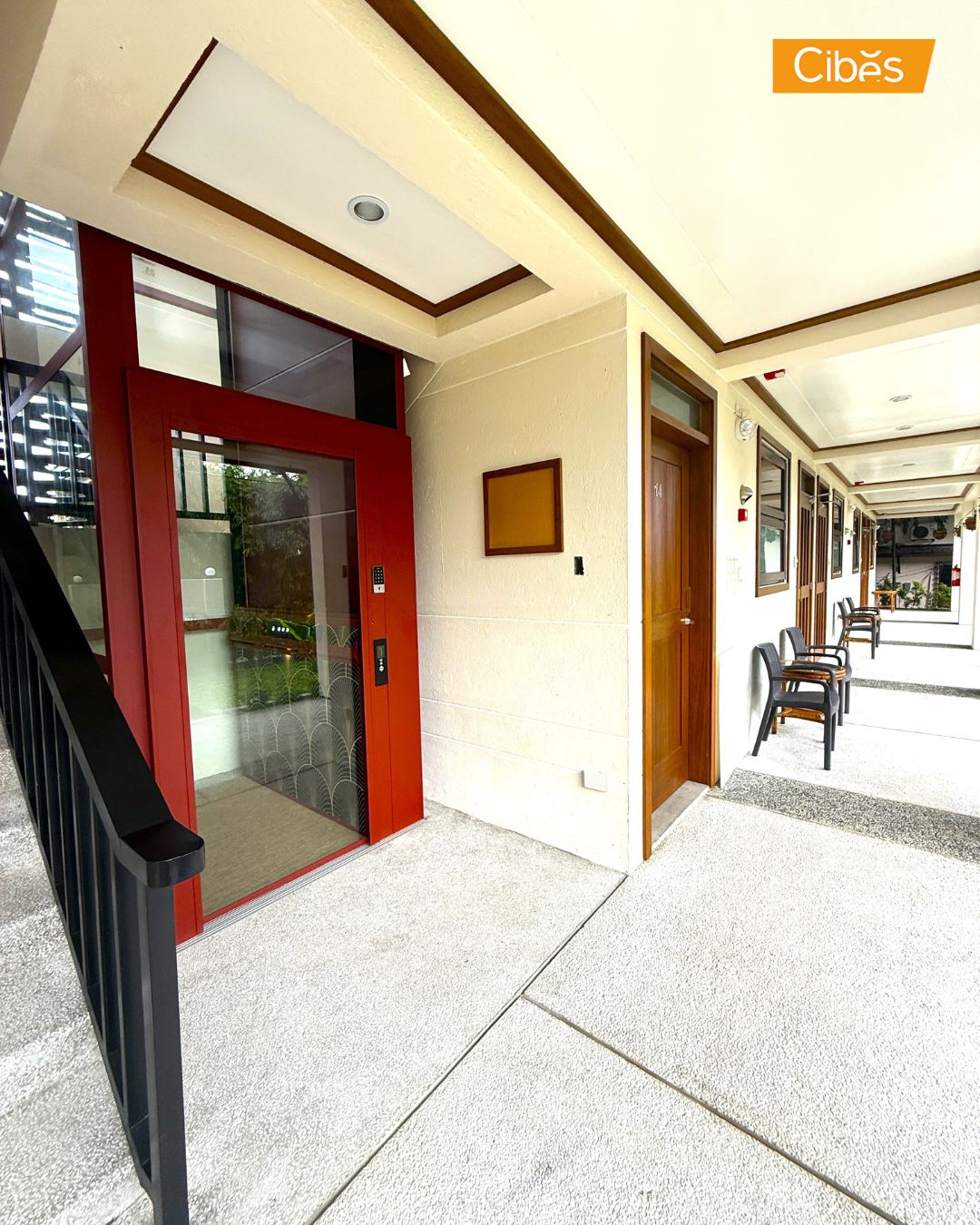
Modern home lifts are designed for compact and flexible installations. For instance, they can fit:
Townhouses and duplex homes
Indoor or outdoor spaces
Limited floor areas
In cities like Quezon City and Pasig, retrofitting is already common.
However, each home is different. Installation depends on:
Available space
Floor height
Structural layout
Because of this, a site assessment is always recommended.
Why are more Filipino families choosing home lifts now?
Several factors explain the shift.
First, parents are staying at home longer.
As a result, families prefer solutions that support home-based care.
Second, homes are built vertically.
Because space is limited, stairs become unavoidable.
Third, awareness has improved.
Home lifts are no longer seen as luxury features. Instead, they are now practical home upgrades.
Is a home lift a long-term solution for Filipino homes?
Yes, and it continues to add value over time.
It allows homes to adapt as family needs change. In addition, it keeps every floor accessible and usable.
Most importantly, it helps families stay together comfortably for years to come.
FAQ: Home Lifts in the Philippines
Q: Why are home lifts becoming popular in the Philippines?
A: Because more homes have multiple floors, lifts help older family members move safely and stay connected.
Q: Are home lifts safe for parents and grandparents?
A: Yes. They reduce reliance on stairs, which are a common source of accidents at home.
Q: Do home lifts benefit the whole family?
A: Yes. They improve safety and make everyday tasks easier for everyone.
Q: Is installing a home lift better than renovating?
A: In many cases, yes. Renovation reduces space, while a lift improves access.
Q: Can a home lift be installed in an existing house?
A: Often yes, especially in townhouses and multi-storey homes.
Q: Is a home lift worth it long term?
A: For many Filipino families, yes. It supports safety, comfort, and independence.
Final Thought
Filipino homes are built around family.
With the right setup, staying together becomes easier over time.
Learn more:
- Home Lifts Philippines Multi-Generational Homes for Independence
- Stair Lift Philippines: Price, Types, and Home Lift Alternatives
Experience Center and Technical Station Address
Makati City | Balintawak – Quezon City | Mandaluyong City | Cebu City | Ilo-Ilo City | Davao City | Cagayan De Oro City






CIBES AUTHOR
Mylen Posas is the Aftersales Manager at Cibes Lift Philippines. She oversees aftersales operations, ensuring every customer receives reliable support from installation through long-term maintenance. With a strong focus on service quality and customer satisfaction, she works closely with the technical team to deliver prompt assistance and help maintain the long-term performance and safety of every Cibes home lift.



TL;DR Outdoor home elevators can improve accessibility while preserving valuable indoor space. In the Philippines, proper weather protection, structural engineering, drainage, and installation planning are essential. This guide explores installation considerations, safety requirements, potential costs, and what homeowners should know before choosing an outdoor home lift. Outdoor elevator installations can help homeowners in the Philippines […]

TL;DR The Cibes Experience Center Mindanao locations in Davao City and Cagayan de Oro City let homeowners, architects, contractors, and property developers explore home lift solutions in person. Compare available designs, check finishes, and discuss your property requirements with the Cibes team. Contact your preferred showroom before visiting to confirm operating hours and available demo […]

TL;DR The Cibes Experience Center Visayas in Cebu City lets homeowners, architects, designers, contractors, and developers see Cibes home lifts in person. Visitors can experience the lift cabin, review available designs and features, and discuss installation requirements with the Cibes team. The Cebu Experience Center currently lists V90 Elegance, Z85 Antera, and Ascenda among its […]
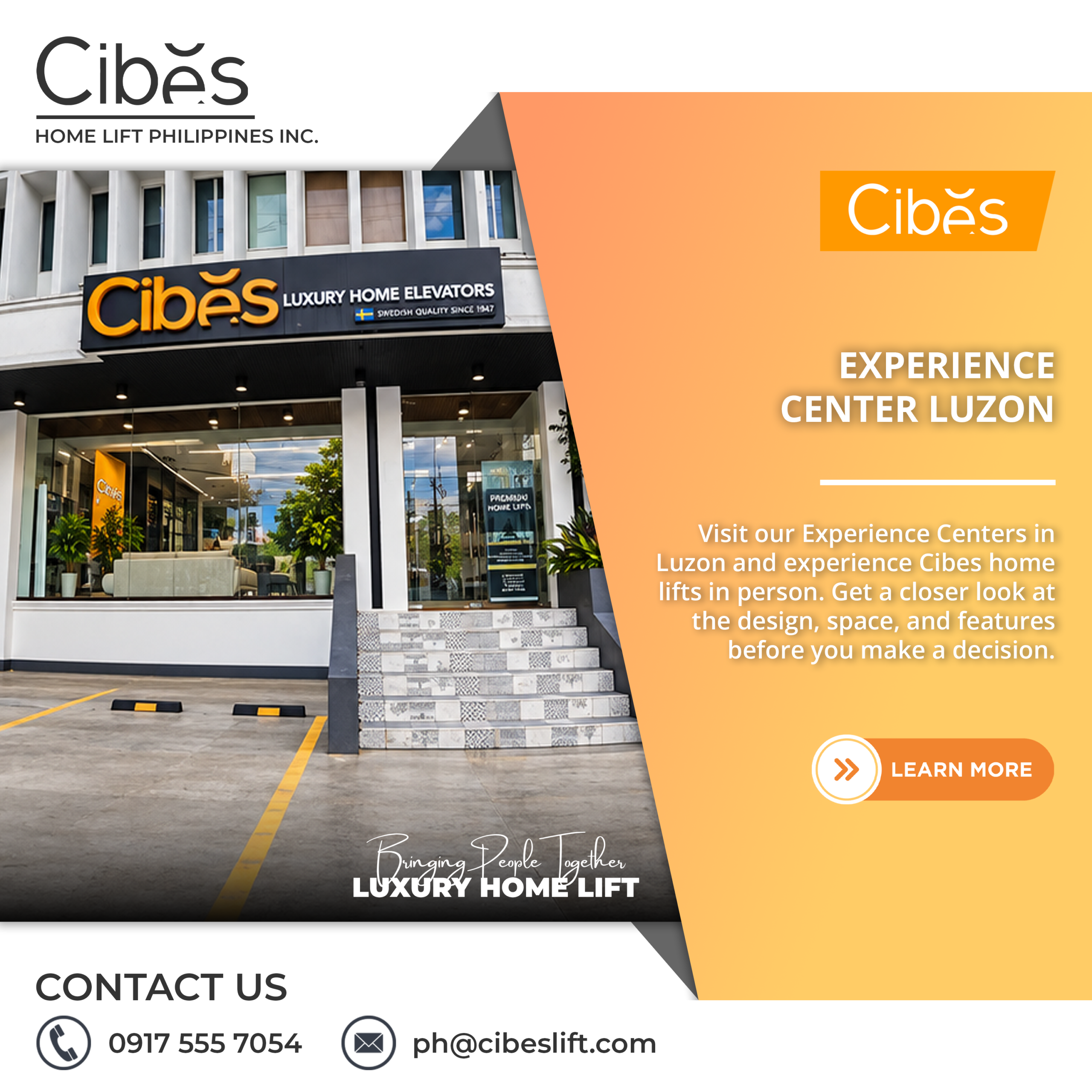
TL;DR Cibes Experience Center Luzon lets homeowners and property professionals experience Cibes home lifts in person before making a decision. Cibes Lift Philippines has 13 demo lifts across three Luzon Experience Centers: Makati (8), Mandaluyong (2), and Balintawak, Quezon City (3). Visitors can ride the lifts, check cabin space, test the controls, explore designs, and […]

TL;DR Sustainable home elevators in the Philippines are becoming an important consideration for homeowners who want to improve accessibility without overlooking environmental responsibility. Modern home elevators can support energy-efficient living through efficient drive systems, durable materials, renewable energy integration, and reduced structural changes compared with major home renovations. The Environmental Case for Sustainable Home Elevators […]