Blog - 24/09/2026
Home Lift vs. Second Floor Addition: Which Investment Makes More Sense
TL;DR
For most Filipino homeowners, a home lift costs approximately ₱2.2 million to ₱3.2 million and can typically be installed within 6 to 10 weeks, while a second-floor addition often costs ₱3.5 million to ₱8 million or more and may require 4 to 8 months of construction.
A home lift is generally the better investment when the goal is accessibility, aging in place, or improving mobility within an existing multi-storey home. A second-floor addition makes more sense when the primary objective is creating additional bedrooms, living areas, or rental space.
The best choice ultimately depends on one question:
Do you need more space, or do you need better access to the space you already have?
Home Lift vs Second Floor Addition at a Glance
| Factor | Home Lift | Second Floor Addition |
|---|---|---|
| Typical Cost | ₱2.2M–₱3.2M | ₱3.5M–₱8M+ |
| Timeline | 6–10 weeks | 4–8 months |
| Main Purpose | Accessibility | Additional living space |
| Structural Changes | Minimal | Extensive |
| Construction Disruption | Moderate | Significant |
| Best For | Aging in place, mobility, convenience | Growing families, additional rooms |
| Permit Complexity | Moderate | Higher |
| Impact on Daily Life | Limited disruption | Major renovation period |
Why Are More Filipino Homeowners Comparing These Two Options?
As families grow and lifestyles change, many homeowners begin looking for ways to improve their homes instead of moving to a new property.
Some want additional bedrooms. Others are planning for retirement. Many are preparing their homes for aging parents or multi-generational living.
This often leads to two possible solutions:
- Build a second floor
- Install a home lift
Although both require a substantial investment, they solve very different challenges.
What Are You Actually Trying to Solve?
Before comparing costs, it’s important to identify the real problem.
If your family needs more bedrooms, a larger living room, a home office, or rental space, then adding a second floor may be the logical choice.
However, if the problem is accessibility, the answer may be very different.
For example, imagine an elderly parent who can no longer comfortably climb stairs. Building another room upstairs does not solve the accessibility issue. In fact, it may create an additional challenge.
In this situation, a home lift may provide a more practical long-term solution by allowing safe access to every level of the house.
The first step is understanding whether you need more living space or better mobility.
What Does a Home Lift Cost Compared to a Second Floor Addition?
Home Lift Installation
Typical investment:
- ₱2.2 million to ₱3.2 million
- Installation completed in approximately 6 to 10 weeks
- Moderate construction work
- Predictable project scope
- Less disruption to daily living
Second Floor Addition
Typical investment:
- ₱3.5 million to ₱8 million or more
- Construction period of approximately 4 to 8 months
- Extensive structural work
- Multiple contractors involved
- Significant disruption throughout the property
The construction budget itself is only part of the equation.
A second-floor addition may require:
- Structural reinforcement
- Foundation upgrades
- Roof reconstruction
- Electrical upgrades
- Plumbing extensions
- Engineering assessments
- Additional permit costs
These factors can increase the final project cost beyond the original estimate.
By comparison, home lift installations often involve a more clearly defined scope of work from the beginning.
How Much Space Does Each Option Require?
Space limitations are common in Metro Manila, Cebu, Davao, Iloilo, and other growing urban areas.
Many homeowners assume that building upward is the easiest solution. However, local regulations, subdivision restrictions, and homeowners’ association rules may affect what is allowed.
Second Floor Additions Typically Require
- Structural reinforcement
- Roof modifications
- Electrical upgrades
- Plumbing extensions
- Compliance with setback requirements
- Engineering certification
Home Lifts Typically Require
- A compact vertical footprint
- Dedicated electrical supply
- Limited modifications to existing spaces
- Minimal impact on setbacks
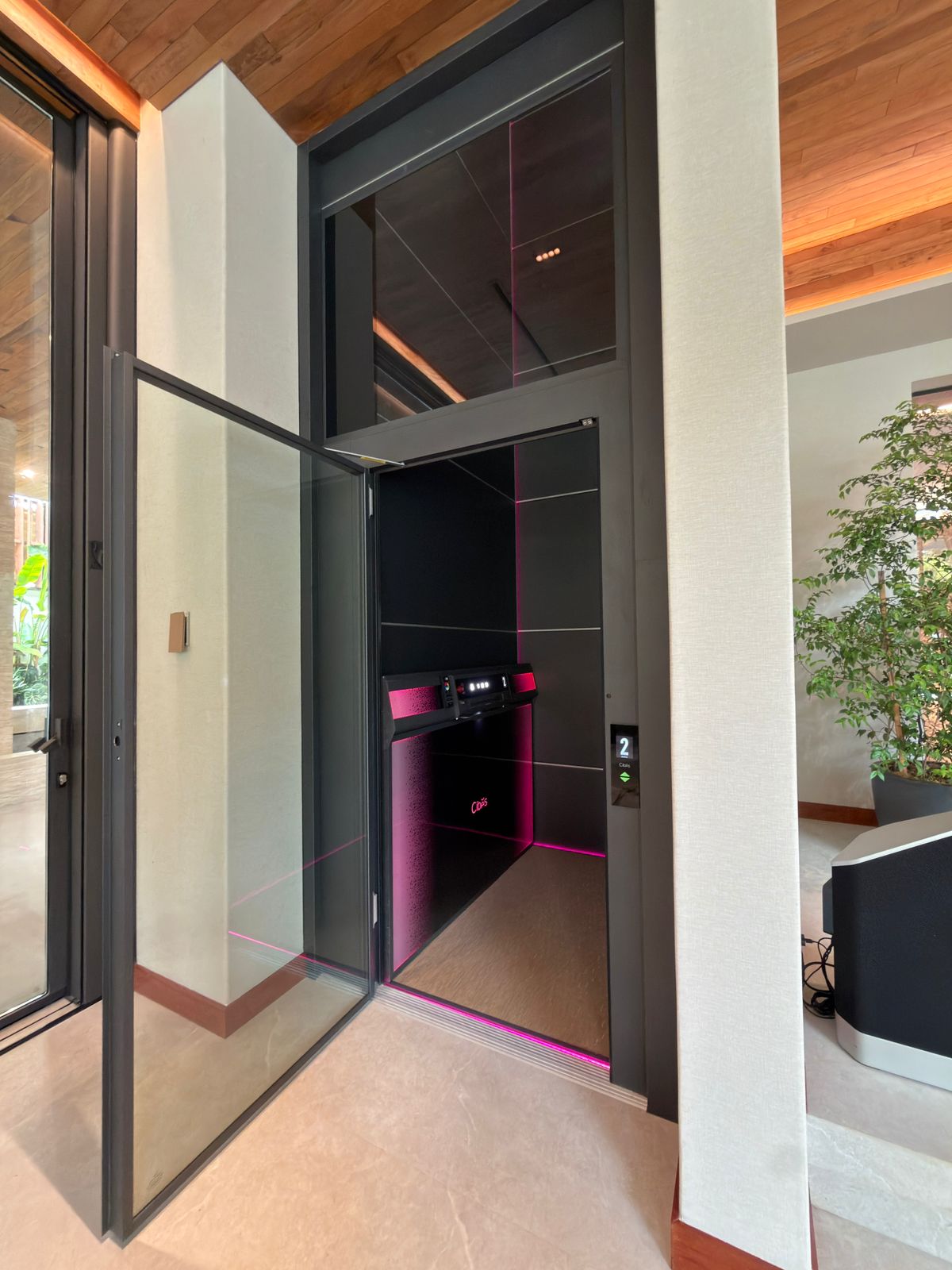
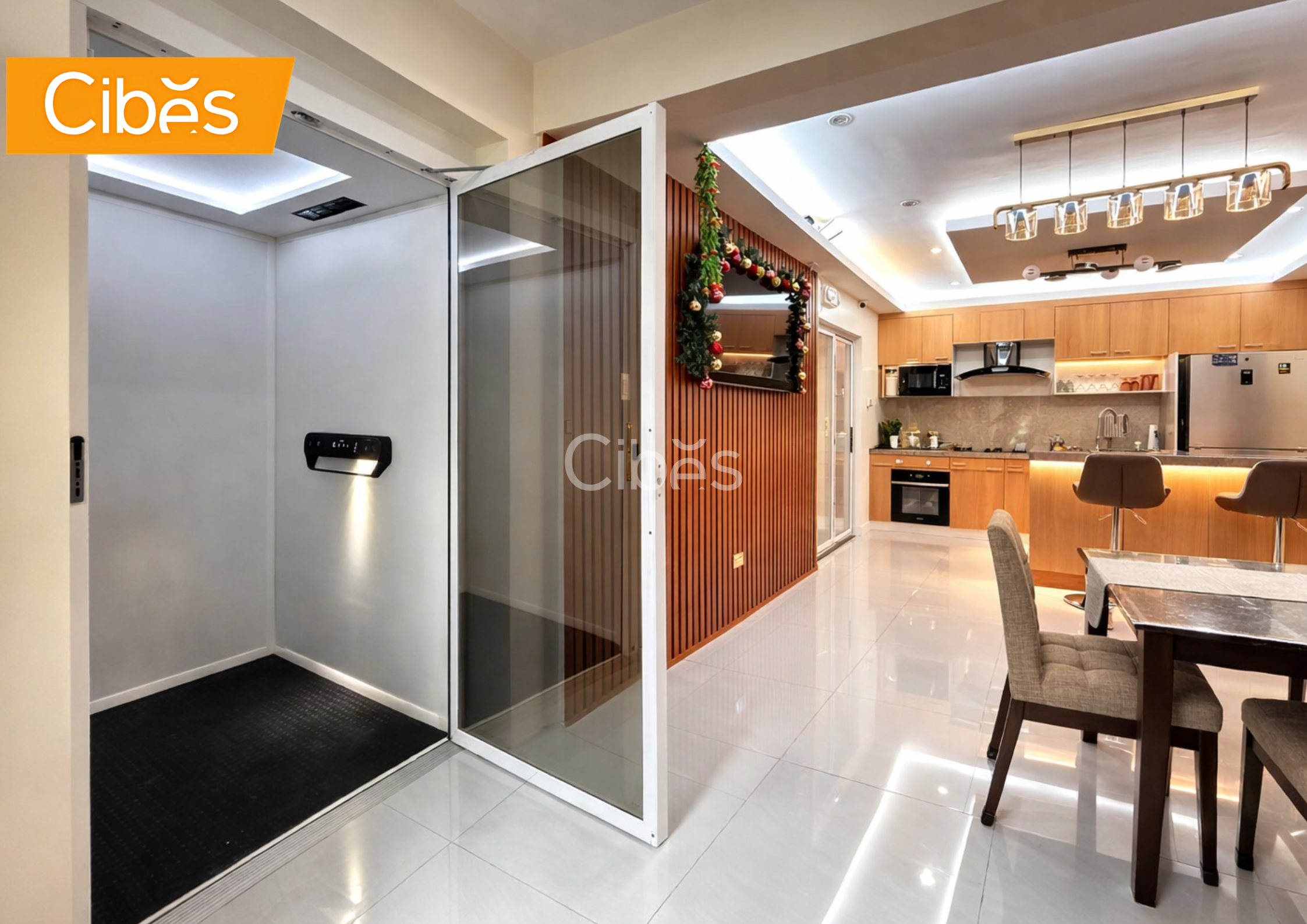
Modern residential lifts can often be installed within a footprint comparable to a small storage room or closet, making them suitable for many existing homes.
Can Your Existing House Support a Second Floor Addition?
Not every house was designed to carry the additional weight of another storey.
Before construction begins, engineers often need to assess:
- Foundations
- Columns
- Load-bearing walls
- Beams
- Existing structural integrity
If reinforcement is required, construction costs and timelines can increase significantly.
Home lifts generally require fewer structural modifications and can often be integrated into existing homes without major rebuilding.
What About Property Value?
Both improvements can positively influence property value, but they do so in different ways.
A second-floor addition increases usable floor area, which can make a property more attractive to buyers seeking additional living space.
A home lift improves accessibility, convenience, and long-term usability.
As more Filipino families embrace aging in place and multi-generational living, accessibility features are becoming increasingly desirable among premium homebuyers.
Many buyers are willing to pay more for homes that are already prepared for long-term living without requiring future renovations.
The key difference is simple:
- A second floor increases space.
- A home lift improves access to that space.
What Is the Construction Experience Like?
Construction disruption is often overlooked during planning.
A second-floor addition may involve months of:
- Noise
- Dust
- Contractor activity
- Temporary utility interruptions
- Restricted use of portions of the home
For many families, especially those with elderly relatives or young children, this can be difficult to manage.
Home lift installations generally involve a shorter project timeline and less disruption compared to a major structural expansion.
Many homeowners remain in their homes throughout the installation process.
What Philippine Regulations Should You Consider?
Depending on your location, both projects may require permits and approvals.
Homeowners should verify requirements with:
- Local Building Office
- City Engineering Office
- Homeowners’ Association
- Property Developer
Requirements may differ across Metro Manila, Cebu, Davao, Iloilo, and other municipalities.
For second-floor additions, additional engineering and structural certifications are commonly required.
When Does a Second Floor Addition Make More Sense?
A second-floor addition may be the better investment if:
- Your family genuinely needs additional bedrooms
- You want rental units or separate living quarters
- Your property can legally expand upward
- Your budget supports a larger construction project
- You can accommodate several months of renovation
When Does a Home Lift Make More Sense?
A home lift may be the better investment if:
- You want to improve accessibility
- You have elderly family members at home
- You are planning to age in place
- You want easier movement between floors
- Your property has limited expansion options
- You want a faster project timeline
- You prefer less disruption during installation
For many townhouses, narrow-lot properties, and existing multi-storey homes, a home lift can provide a practical solution without extensive structural expansion.
Alternative Accessibility Solutions
Homeowners exploring accessibility options may also consider:
- Stair lifts
- Platform lifts
- Ground-floor room conversions
- Single-level living arrangements
However, for many multi-storey homes, a residential home lift remains one of the most convenient solutions because it provides access to every level of the property while preserving the home’s existing layout.
The Cibes Perspective
Based on residential retrofit projects, many home lift installations can be completed within weeks rather than months, depending on site conditions and permitting requirements.
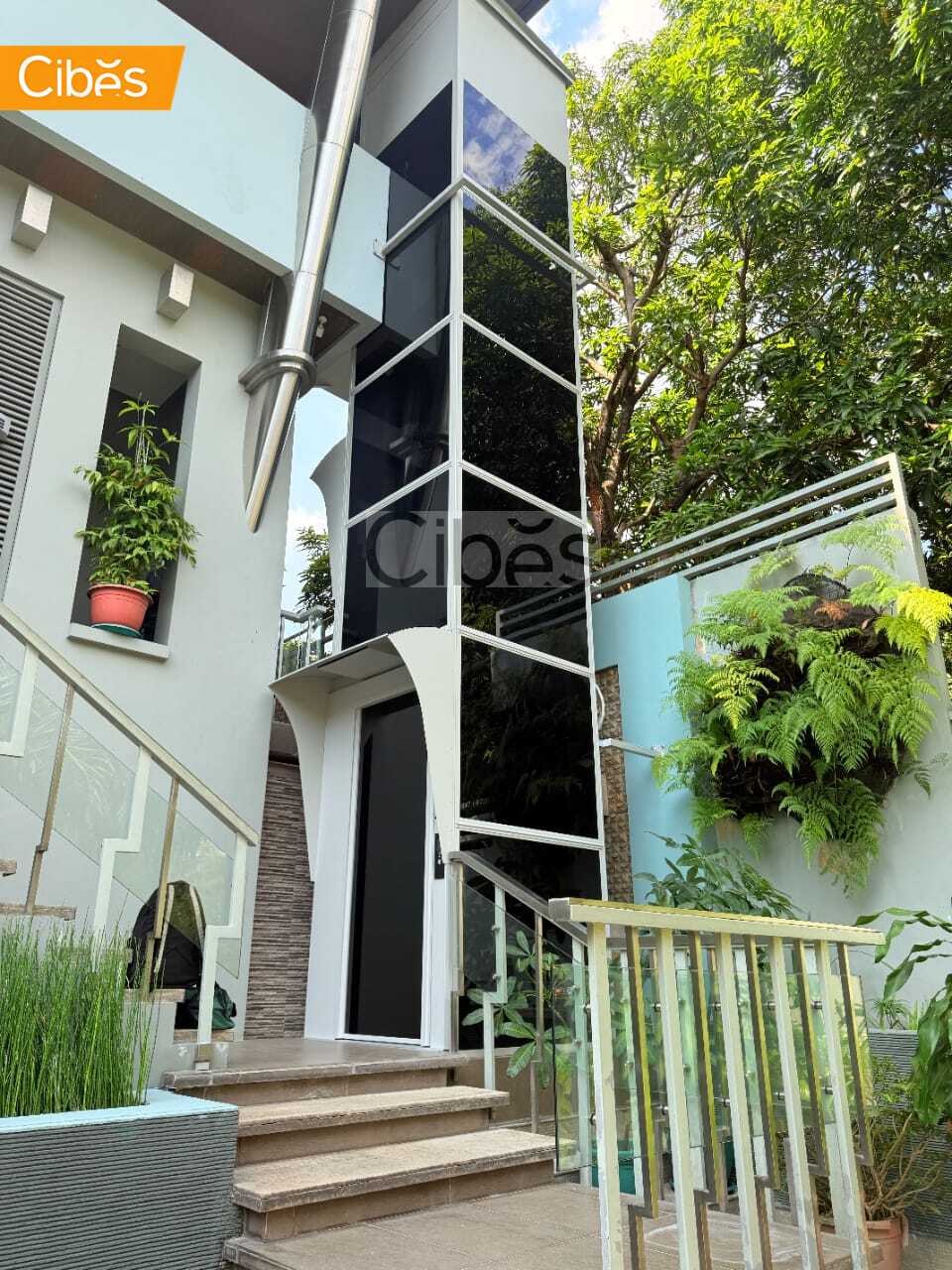
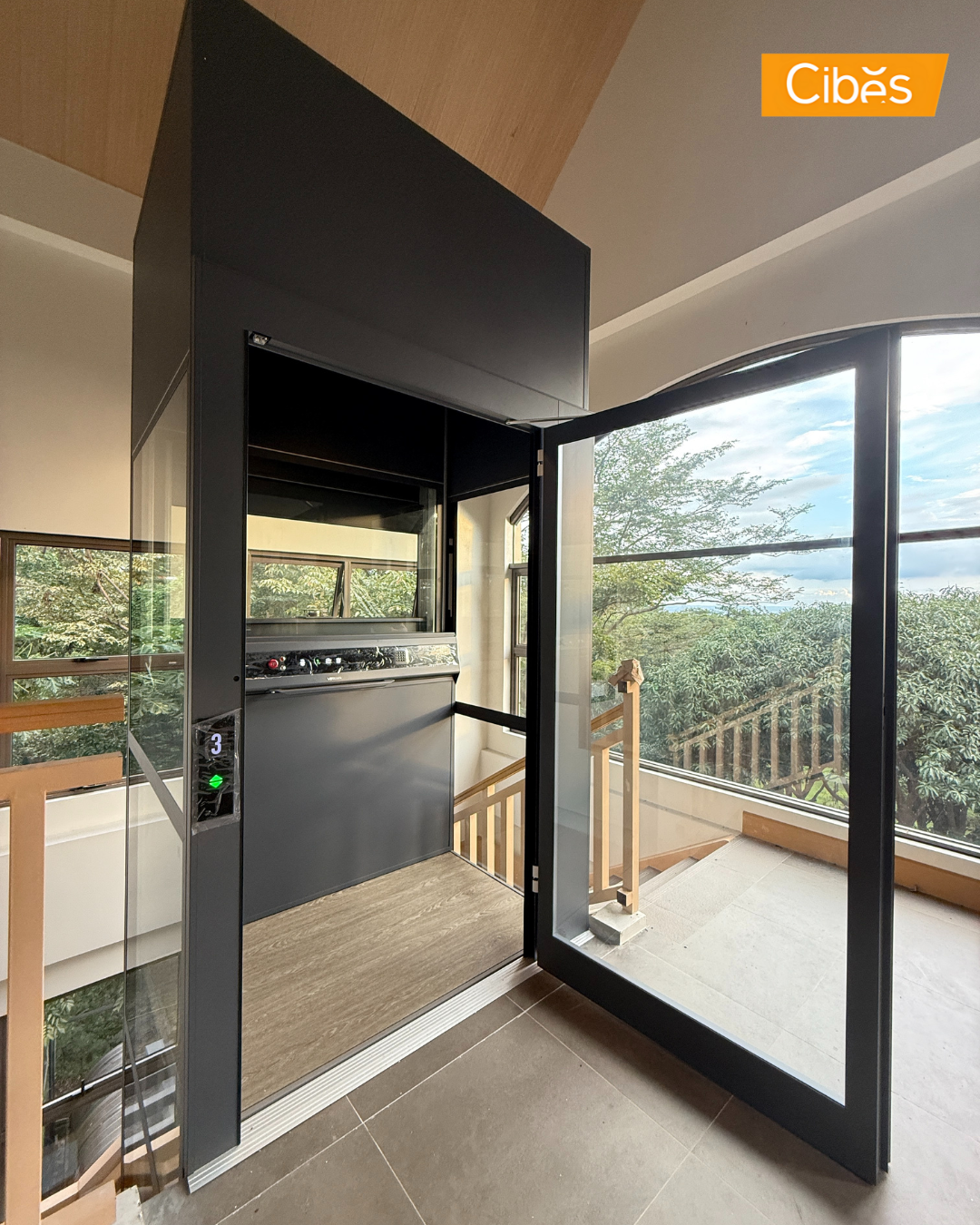
Cibes home lifts are designed for both new homes and existing properties, making them suitable for homeowners who want to improve accessibility without undertaking a major structural expansion.
With a compact footprint, screw-driven technology, and no conventional machine room requirement, Cibes home lifts can often be integrated into existing homes with minimal impact on daily living.
For households planning for aging in place, multi-generational living, or long-term property usability, a home lift can help future-proof the home while providing everyday convenience.
Bottom Line: Which Investment Makes More Sense?
If your goal is to create additional bedrooms, living areas, or rental space, a second-floor addition is usually the better investment.
If your goal is to improve accessibility, support aging parents, future-proof your home, or make daily movement easier, a home lift is often the more practical and less disruptive solution.
For many Filipino homeowners, the decision comes down to one simple question:
Do you need more space, or do you need better access to the space you already have?
Frequently Asked Questions
Q: Is it cheaper to install a home lift or build a second floor?
A: In most cases, a home lift costs less than a full second-floor addition. However, the two options serve different purposes. A second floor adds living space, while a home lift improves accessibility.
Q: When does a second-floor addition make more sense?
A: A second-floor addition is usually the better choice when your family needs additional bedrooms, living areas, or rental space and your property can accommodate expansion.
Q: When is a home lift the better investment?
A: A home lift is often the better investment when the goal is accessibility, aging in place, or improving mobility within an existing multi-storey home.
Q: Which option causes less construction disruption?
A: Home lift installation generally involves less construction work and shorter project timelines than a second-floor addition.
Q: Can a home lift increase property value?
A: A home lift can improve property appeal by making a home more accessible and attractive to buyers seeking long-term comfort and convenience.
Q: Which option is better for aging in place?
A: A home lift is typically the more practical solution because it allows homeowners to continue using all levels of their home safely as mobility needs change.
Q: Does adding a second floor always require structural reinforcement?
A: Not always. However, many existing homes require engineering assessments to determine whether foundations, columns, and load-bearing walls can safely support an additional storey.
Q: Do I need to move out during a home lift installation?
A: In many cases, homeowners can remain in the property while installation is taking place, although temporary access restrictions may occur near the installation area.
Q: Can a home lift be installed in an existing townhouse?
A: Yes. Many modern home lifts are designed for retrofit projects and can be installed in existing townhouses, duplexes, and multi-storey homes.
Q: What is the smallest space needed for a home lift?
A: Space requirements vary by model, but many residential lifts can be installed within a footprint similar to a small closet.
Thinking about adding a home lift?
Contact Cibes Lift Philippines Inc. to learn more or schedule your installation.
Experience Center and Technical Station Address
Makati City | Balintawak – Quezon City | Mandaluyong City | Cebu City | Ilo-Ilo City | Davao City | Cagayan De Oro City






CIBES AUTHOR
Mylen Posas is the Aftersales Manager at Cibes Lift Philippines. She oversees aftersales operations, ensuring every customer receives reliable support from installation through long-term maintenance. With a strong focus on service quality and customer satisfaction, she works closely with the technical team to deliver prompt assistance and help maintain the long-term performance and safety of every Cibes home lift.



TL;DR Cibes Experience Center Luzon lets homeowners and property professionals experience Cibes home lifts in person before making a decision. Cibes Lift Philippines has 13 demo lifts across three Luzon Experience Centers: Makati (8), Mandaluyong (2), and Balintawak, Quezon City (3). Visitors can ride the lifts, check cabin space, test the controls, explore designs, and […]

TL;DR Sustainable home elevators in the Philippines are becoming an important consideration for homeowners who want to improve accessibility without overlooking environmental responsibility. Modern home elevators can support energy-efficient living through efficient drive systems, durable materials, renewable energy integration, and reduced structural changes compared with major home renovations. The Environmental Case for Sustainable Home Elevators […]

TL;DR Home Elevator Performance plays an important role in the safety, comfort, efficiency, and long-term reliability of a residential lift. While regular maintenance keeps your elevator operating reliably, proper usage, environmental control, component monitoring, electrical optimization, and timely upgrades can further improve its performance. In this guide, discover 8 expert tips to help maximize home […]

TL;DR Vacuum elevators use air pressure instead of cables or hydraulic systems to move a cabin inside a transparent tube. Most residential models require only 75 to 100 cm of space, serve 2 to 4 floors, carry 205 to 238 kg, and can often be installed in 2 to 3 days with minimal structural work. […]

TL;DR For most Filipino homeowners, a home lift costs approximately ₱2.2 million to ₱3.2 million and can typically be installed within 6 to 10 weeks, while a second-floor addition often costs ₱3.5 million to ₱8 million or more and may require 4 to 8 months of construction. A home lift is generally the better investment […]