Blog - 02/05/2026
Outdoor Home Elevators & External Lifts Philippines
TL;DR
Outdoor home elevators in the Philippines are installed in external towers or wall-mounted shafts to save indoor space. They use weatherproof materials, handle typhoons, and typically cost ₱1.2M to ₱3.5M+, depending on size, floors, and specs.
Why Install a Home Elevator Outdoors?
At some point, adding a lift inside your home just isn’t practical.
In many Philippine homes, especially in Metro Manila or Cebu, space is already fully used. Because of this, installing an indoor lift often means giving up a room or doing major renovation.
So instead of building inward, many homeowners build outward.
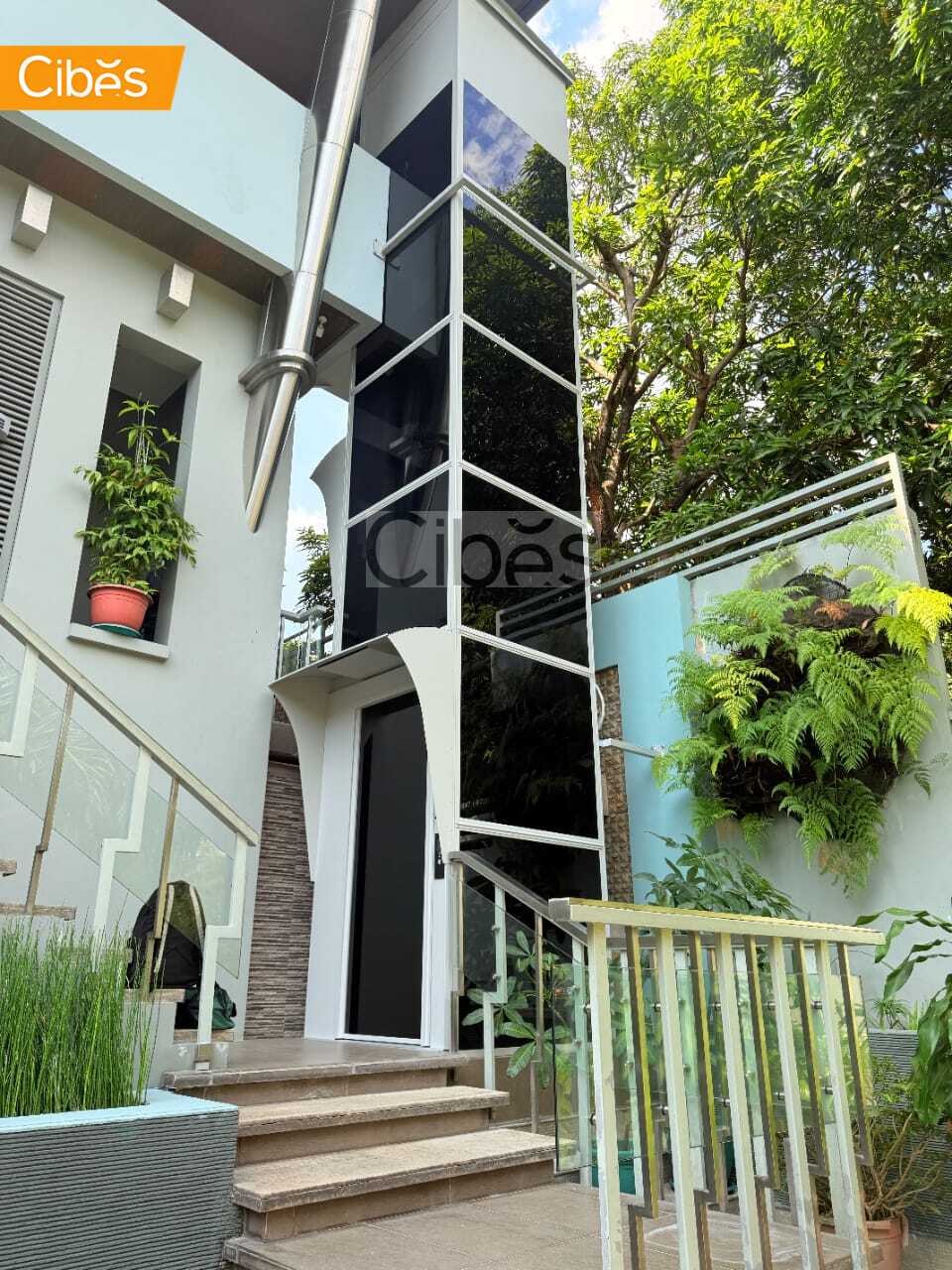
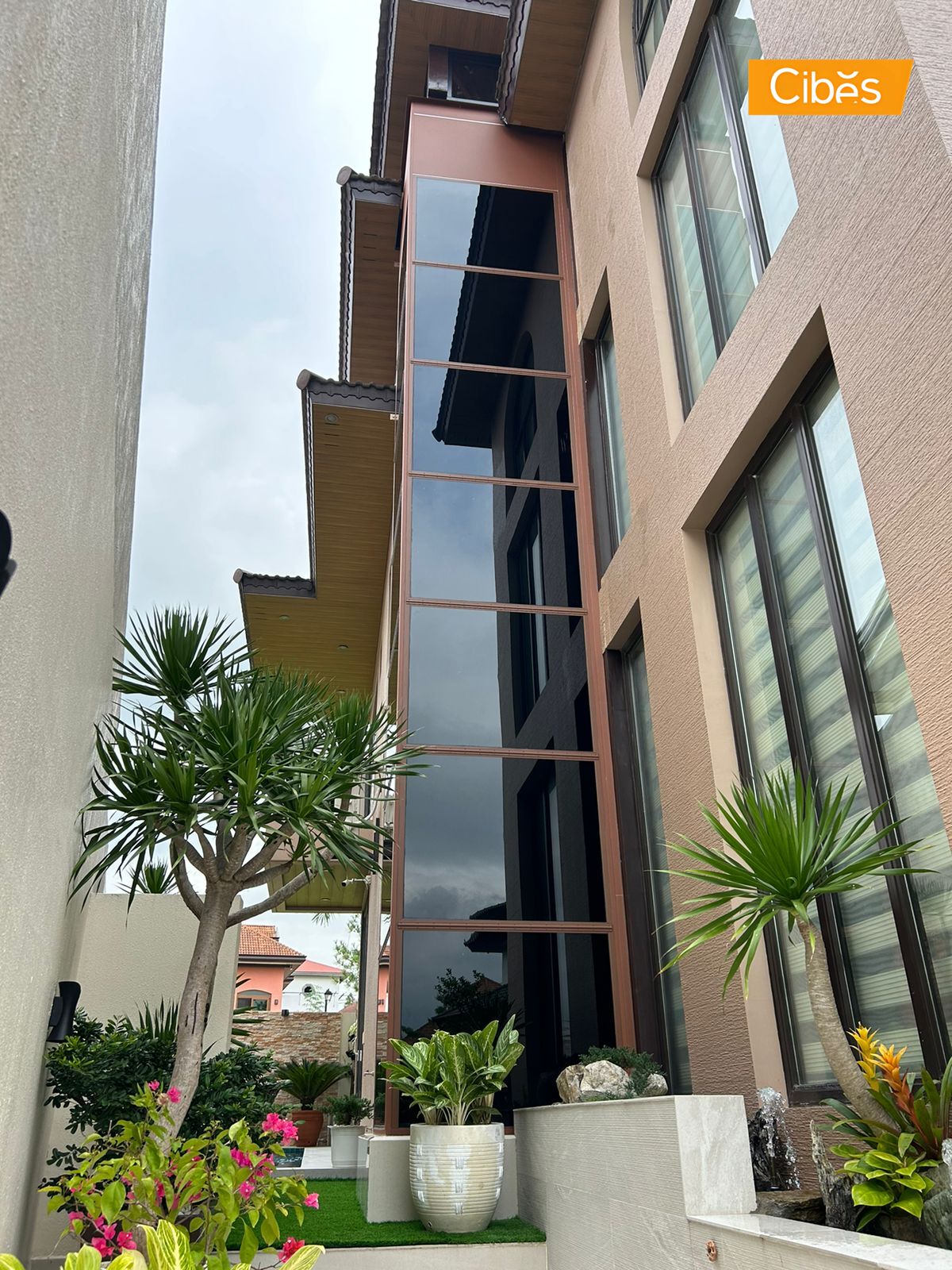
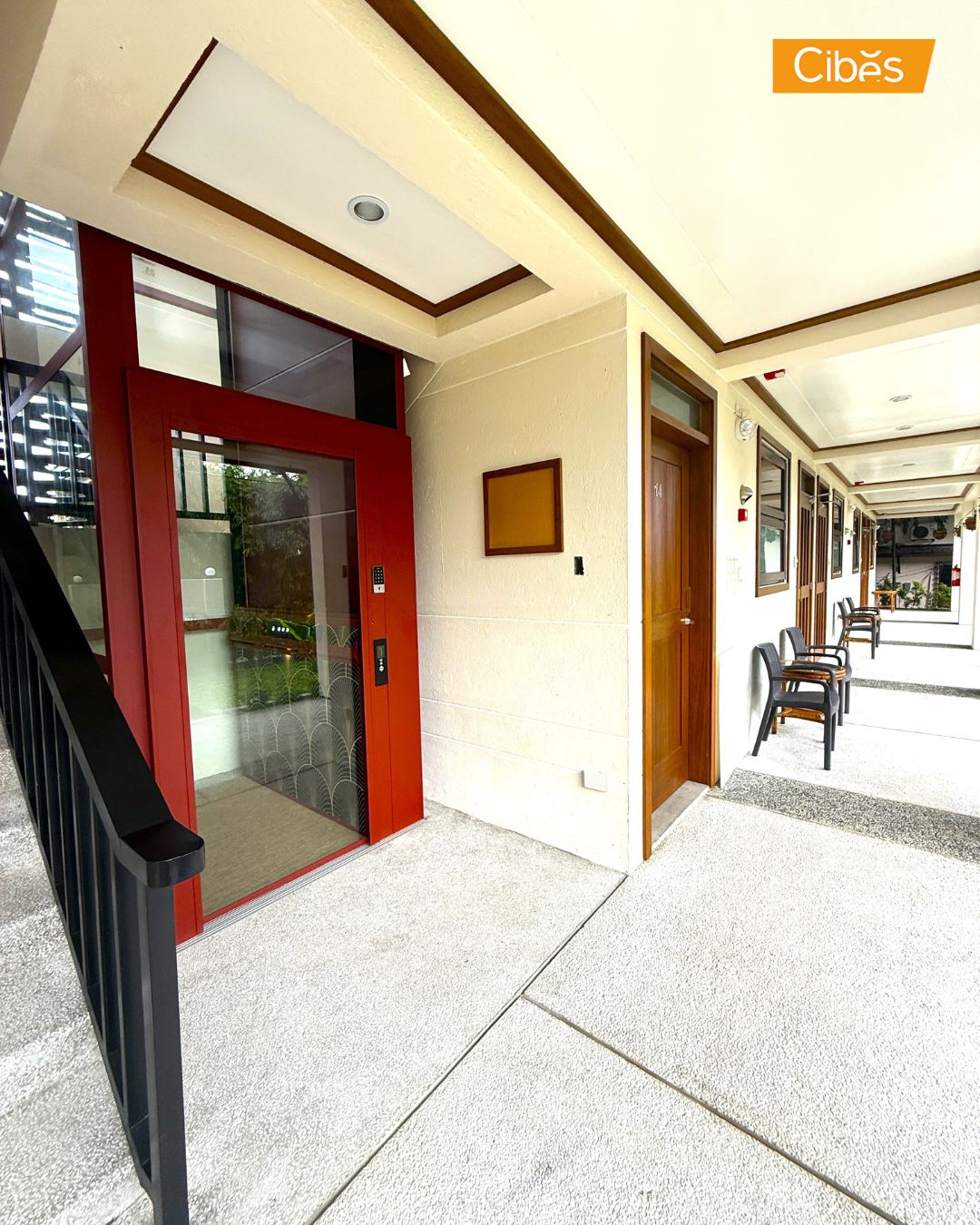
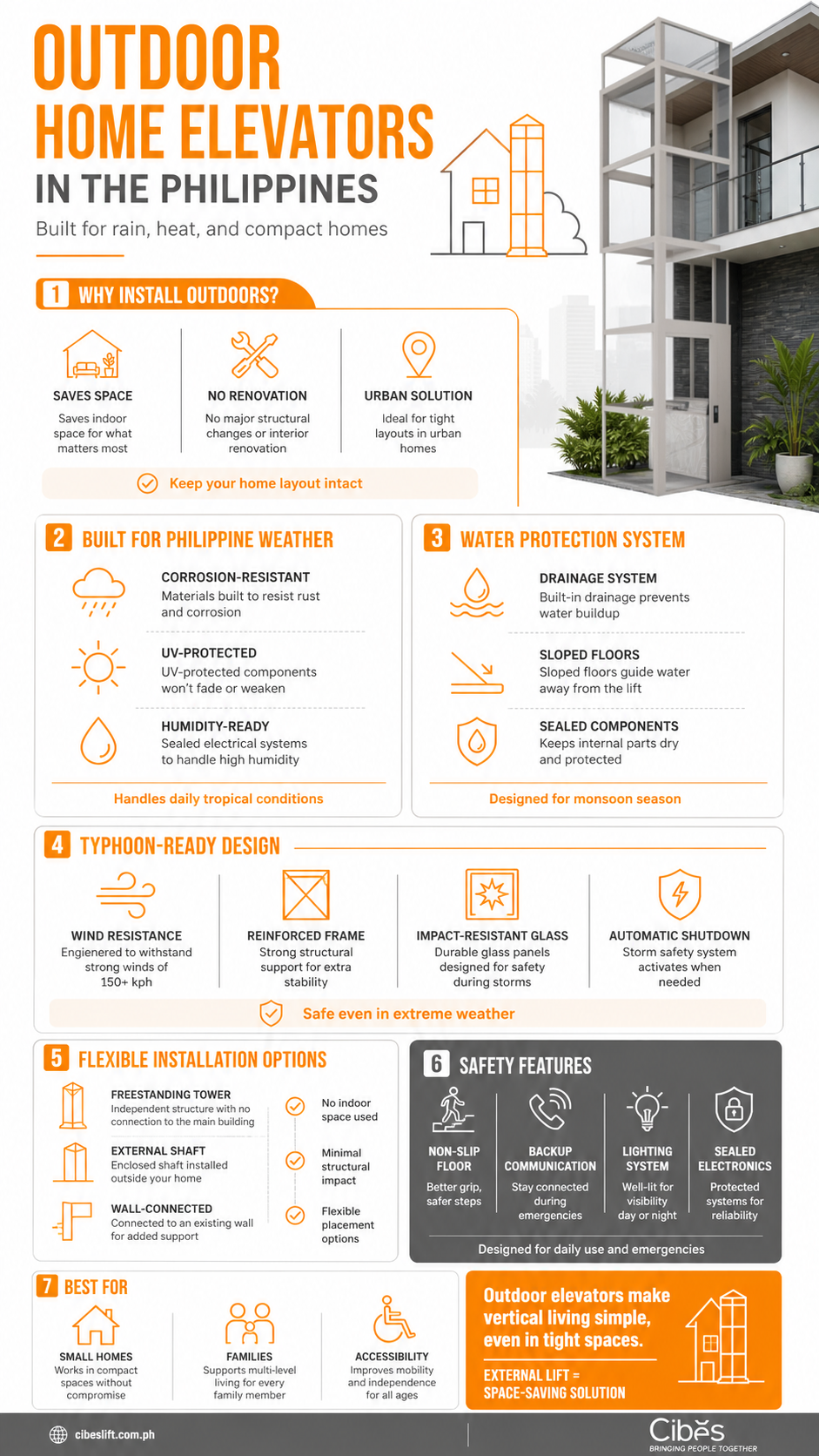
Outdoor home elevators solve this problem by placing the lift in a tower or along an exterior wall. As a result, you get full accessibility without changing your interior layout.
How Do Outdoor Elevators Handle Philippine Weather?
Outdoor lifts in the Philippines are built to handle tough conditions.
They operate in heat, humidity, and heavy rain all year, so every component is designed with protection in mind.
For example, most systems include:
- Sealed components that protect motors and electronics
- Corrosion-resistant materials like stainless steel or marine-grade aluminum
- UV-resistant finishes to reduce fading and cracking
- Fully enclosed shafts that block rain and dust
In addition, water management plays a big role.
Most installations use:
- Drainage channels inside the shaft
- Sloped floors to prevent water buildup
- Weather-sealed doors and openings
At the same time, ventilation systems allow airflow while keeping rain out. This helps prevent overheating.
Can Outdoor Elevators Survive Typhoons and Coastal Conditions?
Yes, they can. However, the design must match local conditions.
In typhoon-prone areas like Luzon and Visayas, outdoor elevators include:
- Wind load resistance, often rated for 150 kph or higher
- Reinforced tower structures with strong anchoring
- Impact-resistant or laminated glass panels
- Marine-grade coatings that resist salt corrosion
Moreover, some systems include automatic shutdown features during extreme weather. This helps protect both the equipment and the structure.
In the Philippines, these features are not optional. They are essential.
What Are the Installation Options?
Outdoor home elevators offer flexible installation choices. The right option depends on your home layout.
External Tower (Freestanding)
A full shaft stands outside your home. Because of this, it requires minimal interior changes.
Wall-Mounted Shaft
The elevator attaches directly to an exterior wall. As a result, it saves space and blends more easily with your design.
Partially Enclosed Setup
One side connects to your home, while the rest remains external. This setup balances protection and cost.
In all cases, access points are aligned with each floor so the lift connects smoothly to your interior.
How Much Do Outdoor Home Elevators Cost in the Philippines?
Now let’s talk about cost, since this is often the first question people ask.
Typical price ranges:
- Basic models (2 stops): ₱1.2M – ₱1.8M
- Mid-range (2–4 stops): ₱1.8M – ₱2.8M
- Premium or custom: ₱2.8M – ₱3.5M+
Several factors affect pricing:
- Number of floors
- Shaft type (tower or wall-mounted)
- Materials and finishes
- Weatherproofing requirements
- Site conditions and installation complexity
Because of added protection and structure, outdoor elevators usually cost more than indoor ones.
What Are Typical Specs for Outdoor Home Elevators?
Here’s a quick reference for standard configurations:
| Feature | Typical Range |
| Capacity | 250–400 kg (2–5 persons) |
| Travel height | Up to 15 meters |
| Stops | 2–6 floors |
| Power | Single-phase |
| Shaft type | Enclosed or semi-enclosed |
| Drive system | Screw-driven or platform lift |
Of course, specs may vary depending on the model and site conditions.
How Safe Are Outdoor Elevators?
Outdoor elevators follow the same safety standards as indoor lifts. However, they include extra features for outdoor use.
Most systems come with:
- Non-slip flooring for wet conditions
- Emergency battery lowering systems
- Built-in communication systems
- Cabin lighting for low visibility
- Door interlocks and safety sensors
Since power outages can happen during storms, backup systems are especially important.
How Do They Compare to Other Home Elevator Options?
When comparing options, outdoor and indoor elevators serve different needs.
| Feature | Outdoor Elevator | Indoor Elevator |
| Space use | Saves indoor space | Uses interior space |
| Weather exposure | Fully weatherproofed | Not required |
| Installation | External construction | Interior modification |
| Cost | Higher | Lower (typically) |
| Flexibility | Ideal for tight homes | Limited by layout |
Because of this, outdoor lifts work best when indoor space is already fixed.
Are Outdoor Elevators Worth It for Small Homes?
Yes, especially in the Philippines.
If your home already uses all available space, an outdoor elevator gives you access without compromise.
It works well for:
- Multi-generational homes
- Older adults or persons with disabilities (PWDs)
- Townhouses and compact properties
When designed properly, it can also improve the look of your home’s exterior.
FAQ
Q: Can home elevators be installed outdoors in the Philippines?
A: Yes. They are designed for tropical conditions with weatherproof materials and sealed components.
Q: Are outdoor home elevators safe during typhoons?
A: Yes, provided they meet wind load requirements and include reinforced structures and safety systems.
Q: Can I install one without major renovation?
Yes. Most systems are installed externally, so interior changes stay minimal.
Q: How do they handle heavy rain?
A: They use drainage systems, sealed components, and sloped surfaces to prevent water buildup.
Q: How long does installation take?
A: Most projects take around 2 to 4 months, depending on design, permits, and site conditions.
Experience Center and Technical Station Address
Makati City | Balintawak – Quezon City | Mandaluyong City | Cebu City | Ilo-Ilo City | Davao City | Cagayan De Oro City






CIBES AUTHOR
Jovelyn Guidaven has been a Sales Account Manager at Cibes Lift Philippines since 2021, helping homeowners, architects, designers, and developers find the right home lift solutions for their projects. She works closely with clients throughout the sales process, providing expert guidance and personalized recommendations based on their accessibility and mobility needs.



TL;DR Cibes Home Lift Antera is a premium residential lift range designed for homes where safety, comfort, accessibility, and interior design all matter. Available in Z70, Z85, and Z90 configurations, the range uses Generation 5 screw-drive technology and a machine-room-free design. What Is the Cibes Antera Home Elevator? The Cibes Antera is a premium residential […]
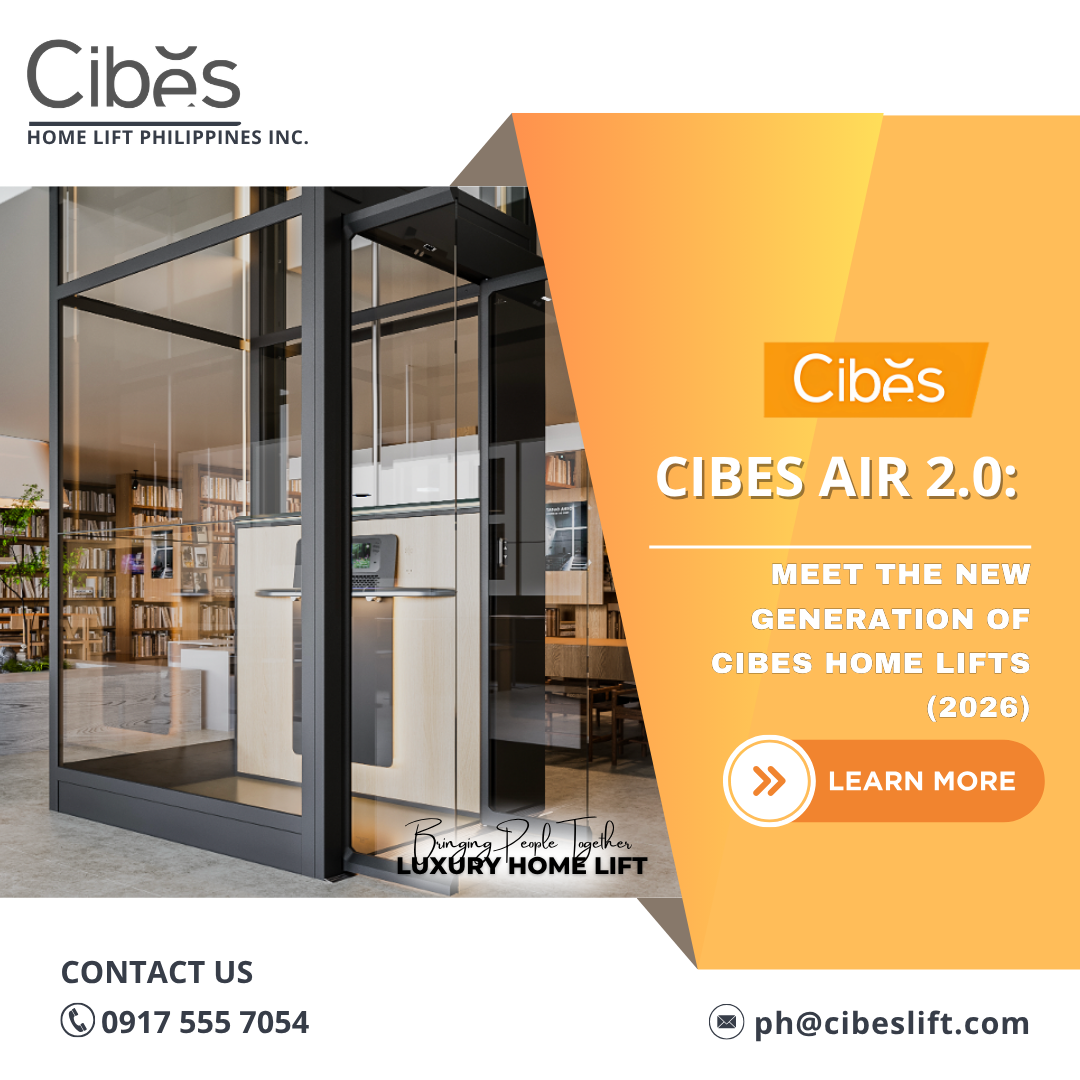
TL;DR The Cibes Air 2.0 is a new-generation home lift that brings modern Scandinavian design into the home. With its frameless panoramic glass shaft, refined cabin, elegant lighting, quiet performance, and flexible installation, it combines everyday comfort with a beautifully designed lift that feels naturally part of your living space. What Makes the New Cibes […]

TL;DR Three-story homes are becoming more common across the Philippines, especially in Metro Manila, Cebu, Davao, Iloilo, and Cagayan de Oro, where homeowners want to maximize limited lot sizes. Adding a home lift makes every floor easier to access for elderly parents, children, and future generations. When choosing a residential home elevator, consider the available […]

TL;DR Permits to Install a Home Lift are usually required in the Philippines before a residential lift can be legally installed. Home lifts are legal in the Philippines, but they must comply with local building regulations. Most residential installations require a building permit from your local government and must follow the National Building Code of […]
TL;DR Delaying a home lift can increase long-term costs beyond the initial purchase price. Waiting until mobility declines may lead to higher medical expenses after stair-related falls, emergency home modifications, or reduced independence. Installing a home lift earlier gives homeowners more time to compare models, plan installation, and create a safer, more accessible home that […]