Blog - 20/08/2026
How to Choose the Right Home Lift for a 3-Story Filipino Home
TL;DR
Three-story homes are becoming more common across the Philippines, especially in Metro Manila, Cebu, Davao, Iloilo, and Cagayan de Oro, where homeowners want to maximize limited lot sizes. Adding a home lift makes every floor easier to access for elderly parents, children, and future generations.
When choosing a residential home elevator, consider the available space, lift technology, travel height, safety features, energy efficiency, maintenance requirements, and long-term reliability. Planning the lift during the design stage often provides more flexibility, but many existing homes can also accommodate a compact residential lift with proper assessment.
How to Choose the Right Home Lift for a 3-Story Filipino Home
Three-story homes have become increasingly popular throughout the Philippines. From modern townhouses in Metro Manila to spacious family homes in Cebu, Davao, Iloilo, and Cagayan de Oro, many Filipino families are building upward to make better use of limited land while creating more living space.
These homes offer flexibility for growing families, multi-generational households, and returning OFWs investing in their dream homes. However, climbing multiple flights of stairs every day may become more challenging over time.
A residential home lift provides a practical way to improve accessibility, reduce physical strain, and help family members continue enjoying every level of the home comfortably. Whether you’re planning a new build or upgrading an existing property, choosing the right lift early can make a significant difference in convenience, safety, and long-term value.
This guide explains what Filipino homeowners should consider before selecting a home lift for a three-story house.

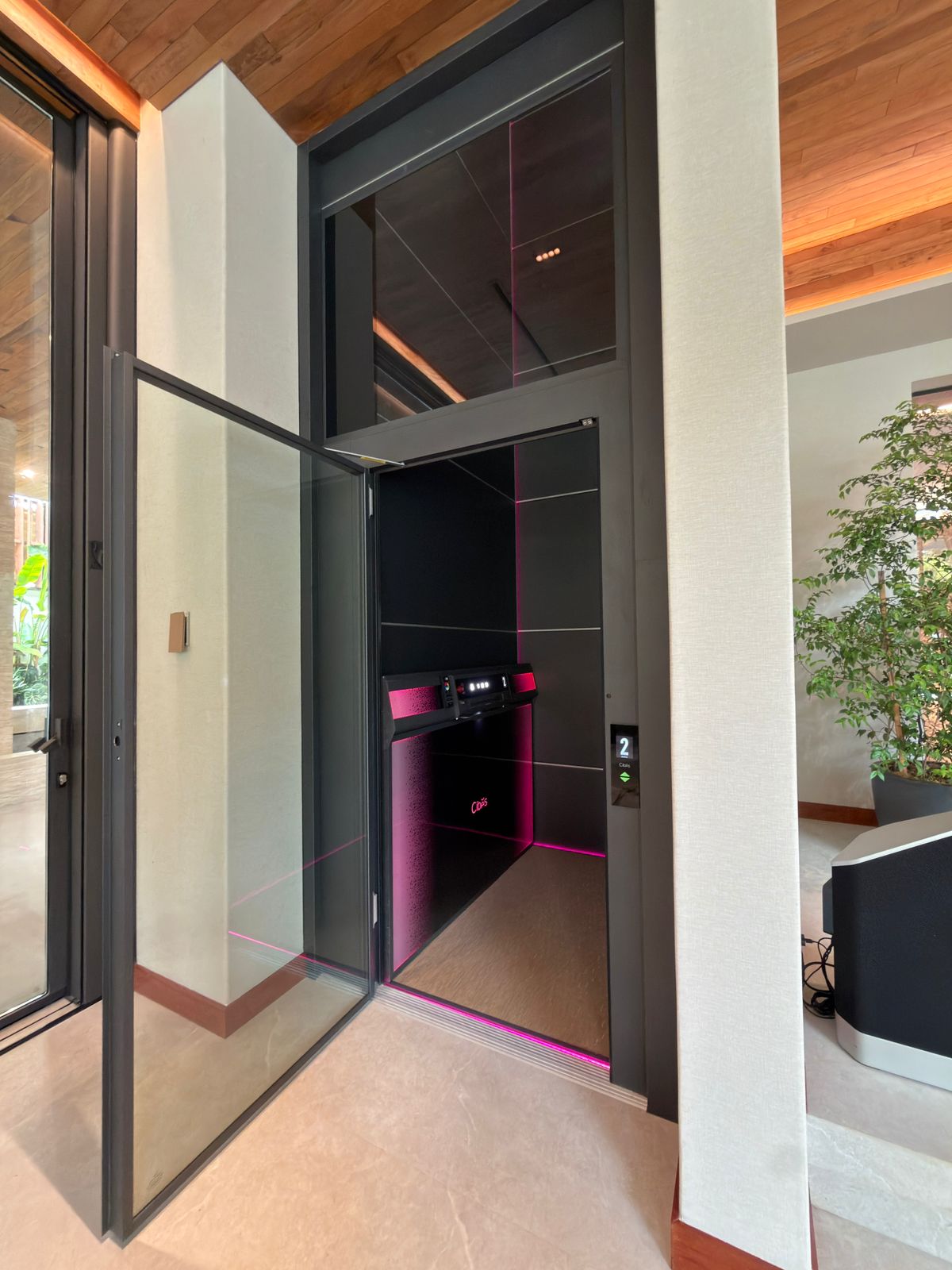
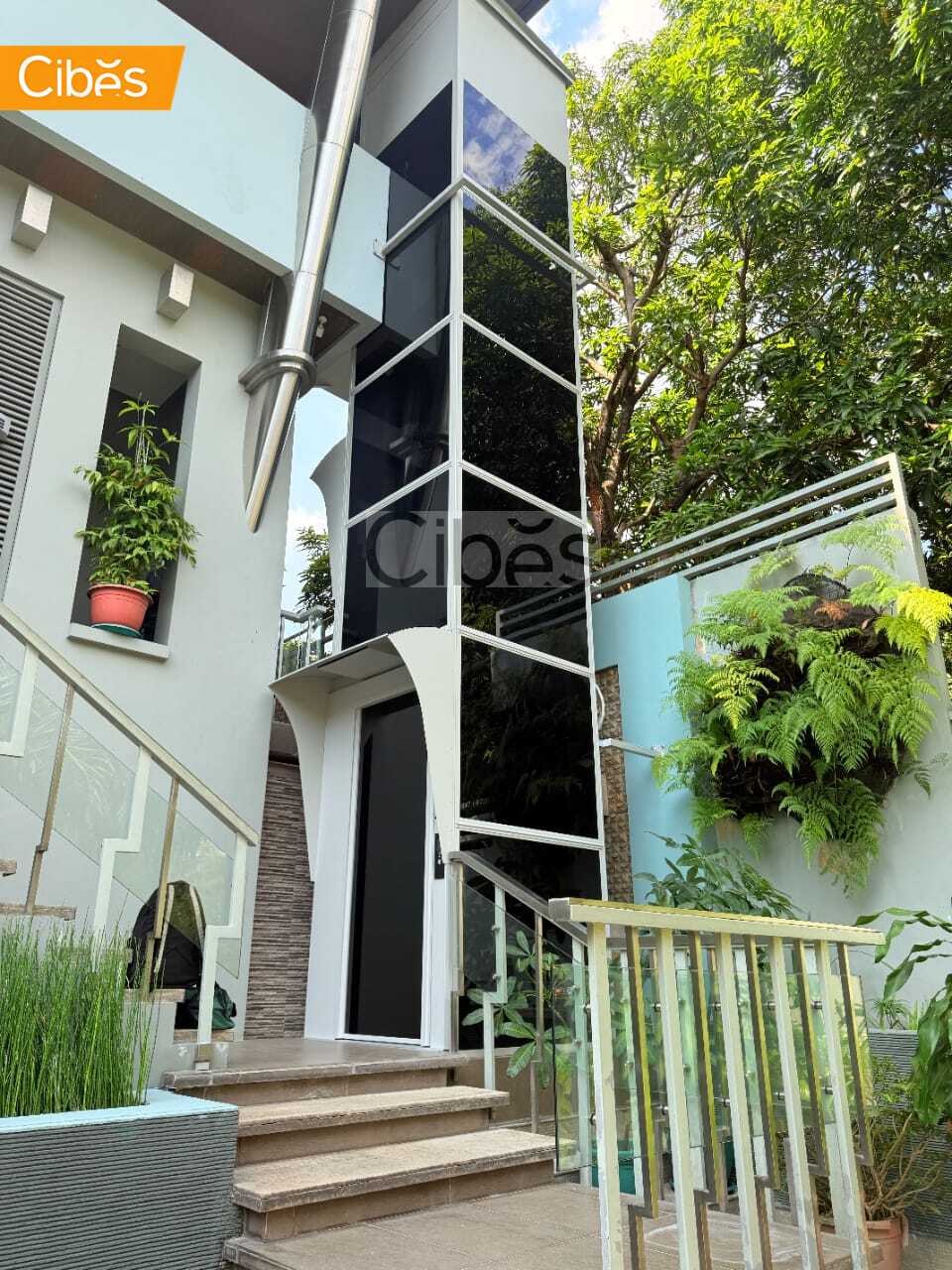
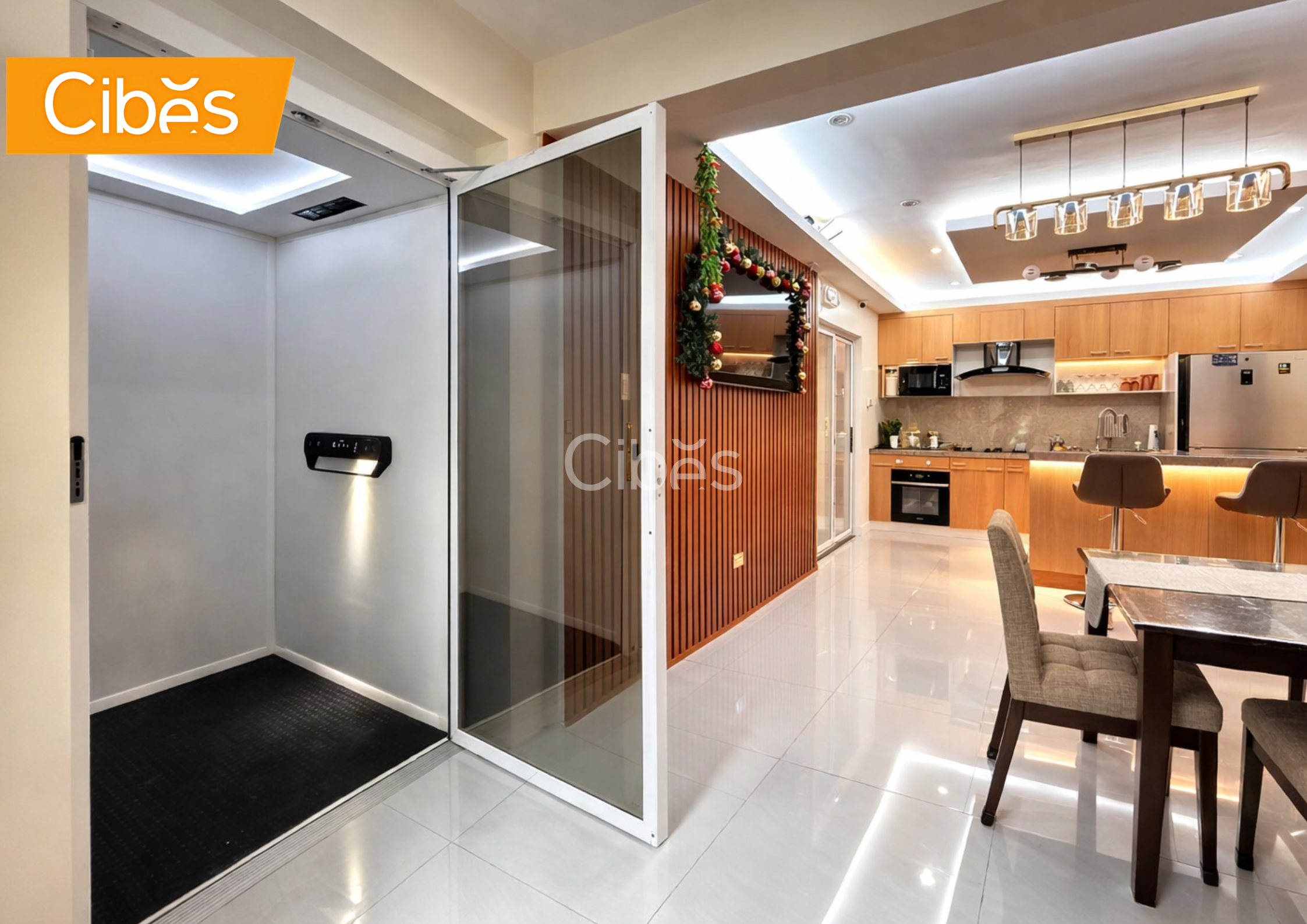
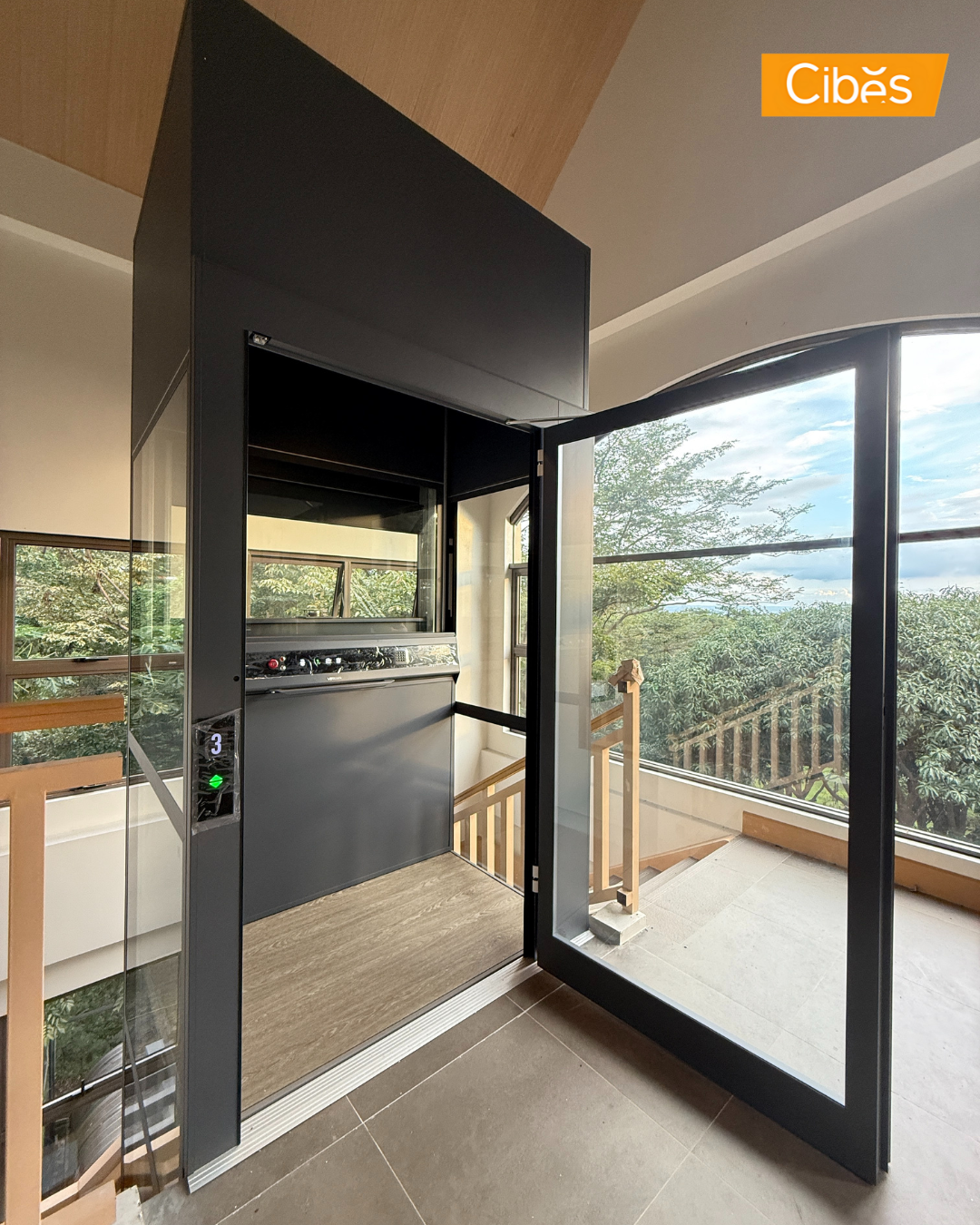
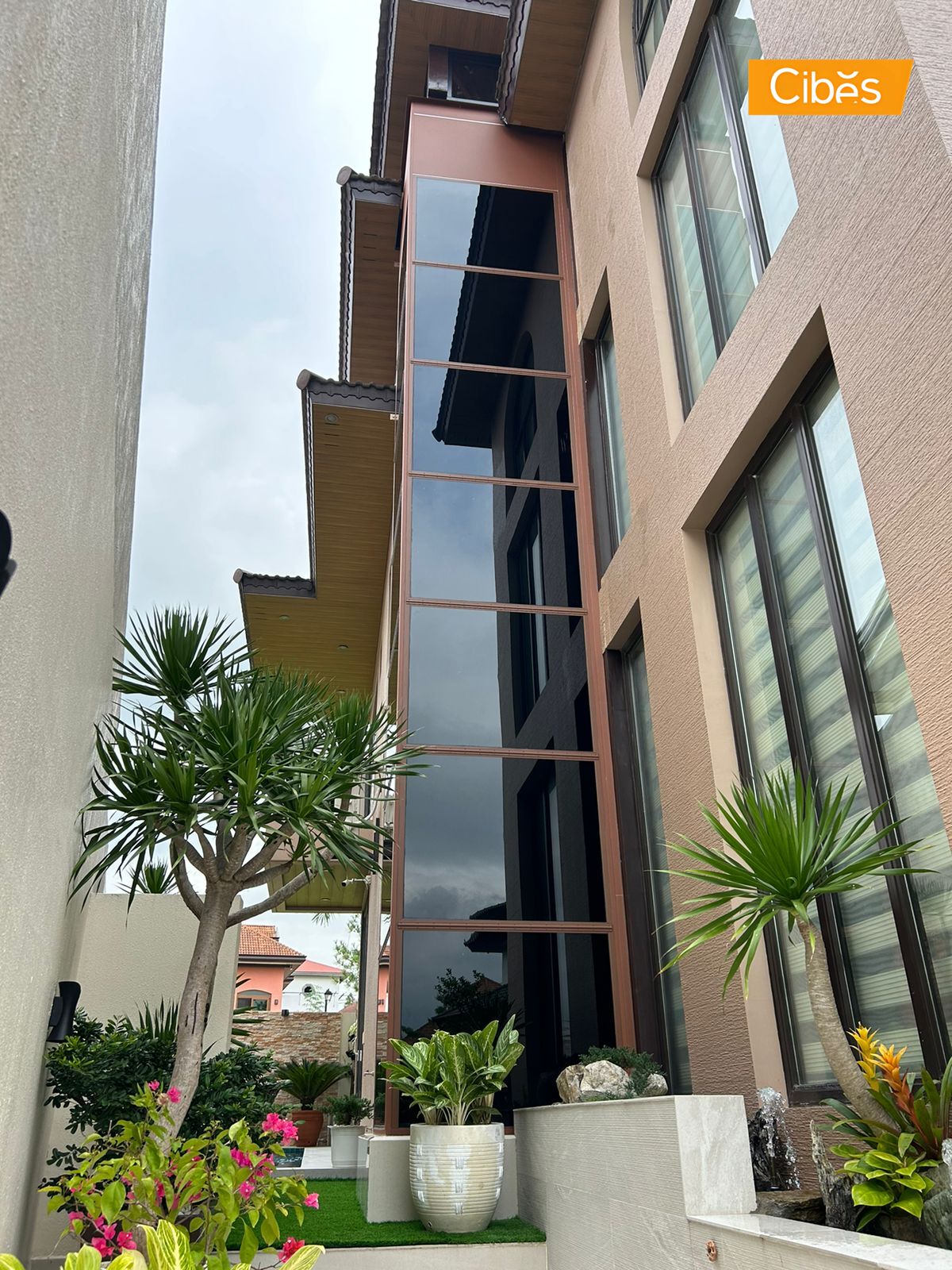
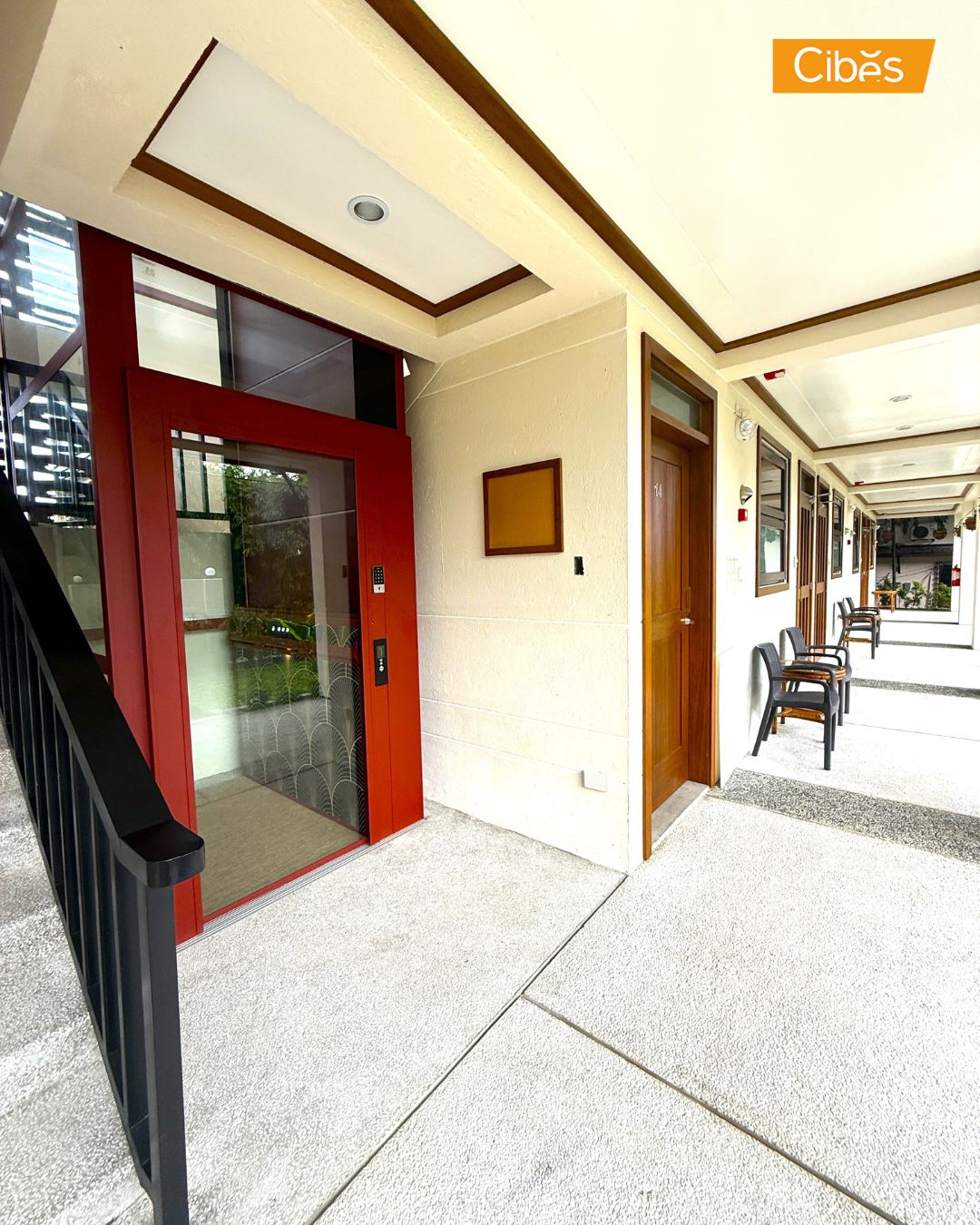
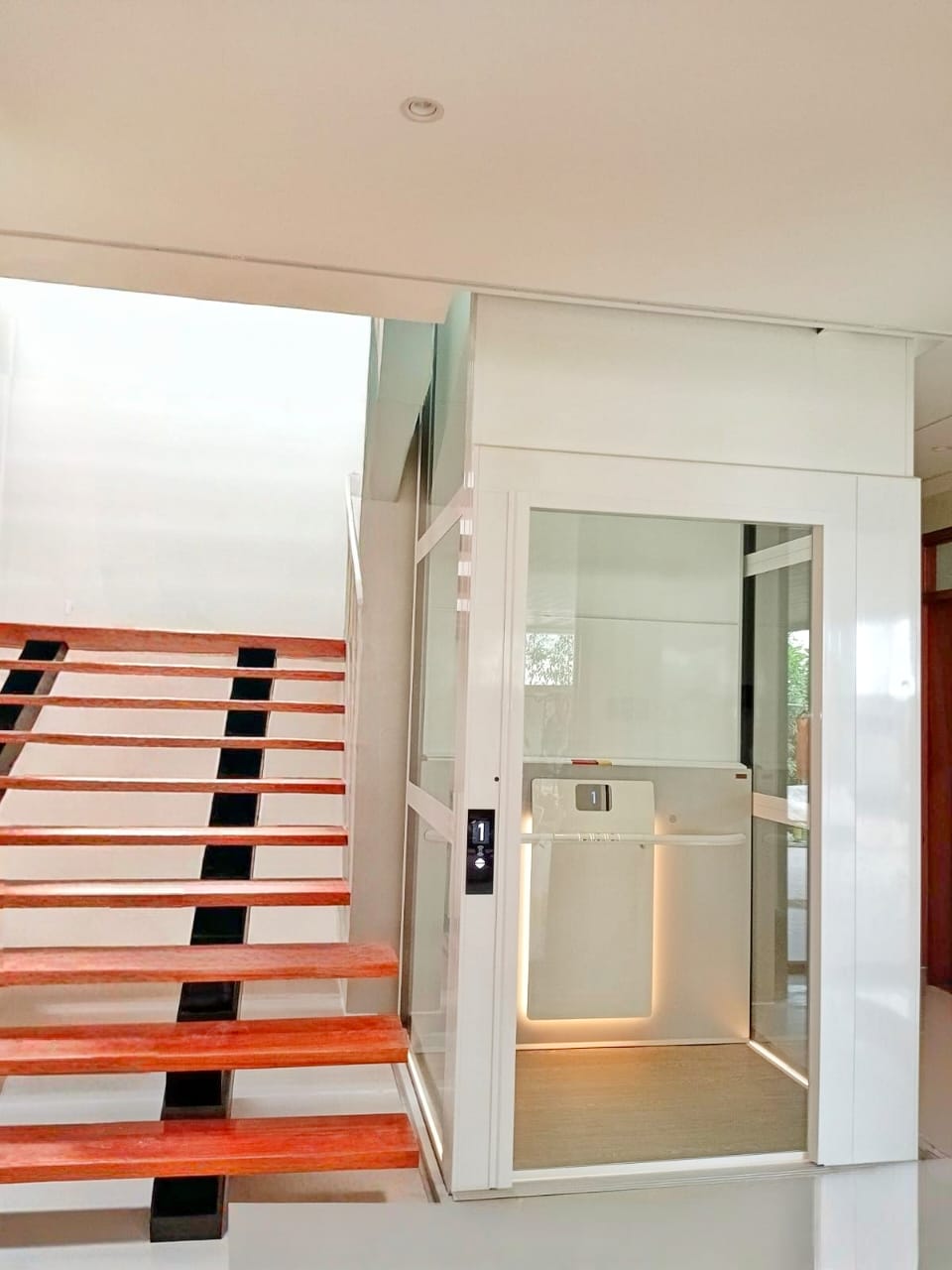
A modern home lift provides convenient and comfortable access across all three floors of a Filipino home.
At a Glance
| Feature | What to Consider |
|---|---|
| Number of Floors | 3 Levels |
| Suitable Property | New and Existing Homes |
| Best For | Families, Seniors, Persons with Disabilities, Future Aging |
| Machine Room | Many modern residential lifts do not require one |
| Installation Planning | Best considered during home design, although many existing homes can also be retrofitted |
| Typical Installation Areas | Stairwell, Corner Spaces, Closets, Existing Vertical Voids |
| Main Decision Factors | Space, Safety, Lift Technology, Capacity, Energy Efficiency, Service Support |
Why Is Choosing a Home Lift for a 3-Story House Different?
Installing a home lift in a three-story house requires more planning than installing one in a two-story property. While modern residential lifts are designed for multi-level homes, the additional floor introduces new considerations that can influence the overall design and user experience.
Greater Travel Height
A lift serving three floors travels farther than one serving only two. This makes engineering quality, ride comfort, and drive system reliability more important because the lift will be used over longer distances every day.
For households with elderly parents or family members with mobility challenges, smooth travel between floors helps create a more comfortable experience.
More Structural Planning
A lift shaft passes through every level of the home.
Its location affects room layouts, circulation space, and future renovations. Careful planning allows homeowners to preserve valuable living areas while creating a convenient route connecting all floors.
Many architects recommend identifying the lift location during the early design stage, although experienced installers can often retrofit suitable existing homes.
Daily Convenience
Three-story homes often separate bedrooms, entertainment areas, home offices, and service spaces across different levels.
A residential elevator makes it easier to move between floors while carrying:
- Groceries
- Laundry
- Baby strollers
- Luggage
- Household supplies
- Shopping bags
Instead of viewing the lift only as an accessibility feature, many Filipino families now consider it part of a comfortable and future-ready home.
Will a Home Lift Take Up Too Much Space?
One of the biggest concerns among Filipino homeowners is whether a residential elevator will occupy too much valuable floor space.
Fortunately, many modern home lifts are designed with compact footprints suitable for residential properties.
Depending on the home’s layout, a lift may be installed in areas such as:
- Beside an existing staircase
- Unused corners
- Stacked closets
- Existing vertical voids
- Purpose-built shafts
- Future lift provisions planned during construction
For newly built homes, architects can integrate the lift naturally into the floor plan. For existing houses, experienced lift specialists can evaluate whether a retrofit installation is feasible while minimizing structural changes.
Rather than reducing usable living space, a well-planned lift becomes part of the home’s overall design and improves accessibility for every generation.
Why Early Planning Matters
Planning a home lift before construction begins offers several advantages:
- Greater flexibility in shaft placement
- Better interior layout
- Reduced construction adjustments
- Easier coordination with architects and contractors
- More design options for finishes and entrances
However, homeowners should not assume an existing home cannot accommodate a lift. Many residential properties throughout the Philippines have successfully integrated compact home elevators through careful planning and professional assessment.
Which Home Lift Technology Is Best for a 3-Story Home?
One of the most important decisions you’ll make is choosing the right lift technology. Each system has different installation requirements, maintenance needs, and long-term benefits.
For most Filipino homes, the best option depends on your available space, construction plans, budget, and how the lift will be used every day.
Rather than asking which technology is universally “best,” it’s more helpful to ask:
Which lift system best suits my home and my family’s needs?
Below is a comparison of the three most common residential lift technologies.
Home Lift Technology Comparison
| Feature | Screw-Driven Home Lift | Hydraulic Home Lift | Traction Home Lift |
|---|---|---|---|
| Best For | Homes with limited space | Heavy-duty applications | Larger residential properties |
| Machine Room | Usually not required | Typically required | Depends on the system |
| Pit Requirement | Minimal | Usually deeper | Moderate |
| Structural Work | Minimal | Moderate to extensive | Moderate |
| Energy Efficiency | High | Moderate | High |
| Maintenance | Low | Moderate | Moderate |
| Ride Comfort | Smooth and quiet | Smooth | Very smooth |
| Suitable for Existing Homes | Excellent | Possible | Possible |
| Suitable for New Homes | Excellent | Excellent | Excellent |
For many Filipino homeowners, a screw-driven residential lift is a popular choice because it combines a compact footprint with straightforward installation and reliable everyday operation. However, hydraulic and traction systems may also be appropriate depending on the property’s design and project requirements.
What Makes Screw-Driven Home Lifts Popular?
Modern screw-driven home lifts are designed specifically for residential applications.
Instead of relying on hydraulic oil or counterweights, they use a screw and nut drive mechanism that allows the lift to travel smoothly while requiring less construction work than many traditional elevator systems.
Some advantages include:
- Compact installation footprint
- No separate machine room for many models
- Minimal pit requirements
- Smooth acceleration and deceleration
- Quiet everyday operation
- Energy-efficient performance
- Suitable for many retrofit projects
- Designed for residential environments
For homeowners planning accessibility without significantly changing the structure of their home, this type of system is often worth considering.
When Might Hydraulic or Traction Lifts Be Suitable?
Hydraulic and traction elevators continue to be used in many residential and commercial projects.
A hydraulic lift may be suitable when higher lifting capacities or specific project requirements are needed. However, it often requires additional space for hydraulic equipment and machine room components.
Traction elevators are commonly used in taller buildings where longer travel heights and higher speeds become more important.
For a typical three-story Filipino home, homeowners should compare:
- Available installation space
- Construction requirements
- Long-term maintenance
- Energy consumption
- Ride quality
- After-sales support
- Future servicing availability
Choosing a lift should never be based on technology alone. It should also consider how the system fits your home’s layout and your family’s daily lifestyle.
What Safety Features Should You Look For?
A home lift is used every day, often by children, elderly parents, and guests. Because of this, safety should be one of the highest priorities when comparing residential elevators.
Modern home lifts include multiple safety systems designed to protect passengers during normal operation and unexpected situations.
Some of the most important features include:
Emergency Battery Backup
Power interruptions can occasionally occur in different parts of the Philippines.
A residential lift equipped with emergency battery backup can safely move passengers to the nearest floor, allowing them to exit the lift instead of remaining inside during a power outage.
Accurate Floor Leveling
Stopping precisely at each floor helps reduce trip hazards.
Accurate floor leveling is particularly important for:
- Elderly users
- Wheelchair users
- People using walkers
- Children
Smooth entry and exit improve both comfort and safety.
Door Safety Systems
Modern residential lifts include safety sensors that help detect obstructions before the doors fully close.
These systems help reduce accidental contact while improving passenger confidence during daily use.
Emergency Communication
Depending on the lift model, emergency alarms or communication systems may also be available, providing additional reassurance if assistance is ever needed.
Smooth Ride Quality
Ride comfort is often overlooked during the buying process.
For a three-story journey, smooth acceleration and gentle stopping become much more noticeable than in a two-floor installation.
A lift with controlled movement provides a more comfortable experience for:
- Seniors
- Persons with limited mobility
- Young children
- Anyone carrying groceries or luggage
How Much Lift Capacity Do You Need?
Not every household uses a home lift in the same way.
Some families primarily use it to assist elderly parents, while others use it throughout the day to transport groceries, laundry, luggage, or everyday household items.
Consider questions such as:
- How many people will normally ride together?
- Will the lift occasionally carry heavy items?
- Is wheelchair accessibility required?
- Will the lift support aging family members in the future?
Planning for future needs can help ensure the lift continues meeting your family’s requirements for many years.
Why Energy Efficiency Matters
A residential home lift becomes part of your everyday routine.
Even though each journey lasts only a short time, the lift may operate dozens of times every day.
Energy-efficient systems can help reduce long-term operating costs while maintaining reliable performance.
When comparing lifts, ask about:
- Motor efficiency
- Standby power consumption
- Operating power requirements
- Maintenance intervals
- Expected service life
Looking beyond the initial purchase price helps homeowners understand the total cost of ownership over the years.
Expert Insight
Many homeowners focus on choosing the lift model first. In practice, experienced residential lift consultants often begin by evaluating where the lift should be installed.
The location affects construction work, accessibility, interior layout, and future convenience. A well-planned installation can preserve valuable living space while providing direct access to every floor.
For this reason, many architects recommend discussing lift placement during the early stages of home design. Even for existing homes, a professional site assessment can identify practical installation options that homeowners may not have considered.
Homeowner Checklist Before Choosing a Lift
Before requesting a quotation, consider the following questions:
✔ Is the lift intended for daily family use or occasional accessibility?
✔ Will elderly parents or persons with mobility challenges be using it regularly?
✔ Is this a new home or an existing property?
✔ Where can the lift be installed with minimal impact on living space?
✔ Which lift technology best suits the available space?
✔ What safety features are included as standard?
✔ What maintenance and after-sales support are available?
✔ Will the lift continue meeting your family’s needs over the next 10 to 20 years?
Answering these questions early can help you compare solutions more effectively and choose a residential lift that matches both your home and your long-term plans.
How Much Does a Home Lift for a 3-Story House Cost in the Philippines?
One of the first questions homeowners ask is:
“How much does a home lift cost for a three-story house?”
The answer depends on the project’s design rather than the number of floors alone.
Every home is different. A newly built house with a planned lift shaft has different installation requirements than an existing townhouse being retrofitted. Likewise, lift size, finishes, door configuration, and structural conditions all influence the overall investment.
Instead of comparing suppliers based only on the initial quotation, it’s helpful to understand what contributes to the total cost and how those factors affect long-term value.
What Factors Affect the Cost of a Home Lift?
Several elements influence the overall investment required for a residential lift.
1. Number of Stops
A three-story home requires the lift to serve three levels.
Additional stops may involve more components, wiring, and installation work compared with a two-floor configuration.
2. Lift Model and Specifications
Different residential lift models offer different features, including:
- Passenger capacity
- Cabin dimensions
- Interior finishes
- Glass options
- Door styles
- Smart operating features
- Accessibility options
Selecting a model that matches your household’s needs helps avoid paying for features you may never use while ensuring enough capacity for future requirements.
3. Installation Conditions
Every property presents different construction requirements.
Factors that may affect installation include:
- Existing home versus new construction
- Available shaft location
- Structural preparation
- Floor openings
- Electrical readiness
- Interior finishing work
Homes designed with a lift provision during construction generally require fewer modifications than retrofit installations.
4. Interior and Exterior Finishes
Many homeowners customize their residential lift to complement the overall design of their home.
Popular customization options include:
- Glass panels
- Door finishes
- Cabin colors
- Lighting
- Flooring
- Handrails
- Control panels
These selections allow the lift to blend naturally with modern, classic, or contemporary interiors.
5. Service and Maintenance Support
The purchase price is only one part of the overall investment.
Homeowners should also consider:
- Preventive maintenance
- Spare parts availability
- Technical support
- Warranty coverage
- Service response times
- Local installation experience
Reliable after-sales support helps maintain safe and consistent operation throughout the lift’s service life.
Home Lift Cost Drivers at a Glance
| Cost Driver | Why It Matters |
|---|---|
| Number of Floors | Additional travel height requires more components and installation work. |
| Lift Model | Different models offer varying capacities, finishes, and features. |
| Cabin Size | Larger cabins may require additional installation space. |
| Door Configuration | Swing doors and automatic doors have different design considerations. |
| Home Construction | Existing homes and new builds often have different installation requirements. |
| Structural Preparation | Shaft construction or modifications may vary depending on the property. |
| Interior Finishes | Glass, lighting, flooring, and cabin finishes can influence the overall investment. |
| Electrical Requirements | Power supply and electrical preparation differ between projects. |
| Maintenance Plan | Long-term servicing contributes to the overall ownership cost. |
New Home vs. Existing Home Installation
Whether you’re building a new house or renovating an existing one can influence both planning and installation.
| New Home | Existing Home |
|---|---|
| Lift location can be planned during design. | Installation area is determined after a site assessment. |
| Structural provisions can be included early. | Existing layouts may require modifications. |
| Greater design flexibility. | Careful planning helps minimize disruption. |
| Construction teams coordinate from the beginning. | Installation is planned around the existing structure. |
Is a Home Lift a Long-Term Investment?
For many families, a home lift is about more than convenience.
It can help support:
- Aging in place
- Multi-generational living
- Improved accessibility
- Everyday comfort
- Future mobility needs
- Property appeal
Instead of relocating when stairs become difficult, many homeowners choose to improve the accessibility of the home they already enjoy.
Planning ahead also allows families to make mobility improvements before they become urgent.
Common Mistakes to Avoid
Purchasing a home lift is a significant decision, and careful planning can help avoid unnecessary costs and delays.
Waiting Too Long
Some homeowners only begin considering a lift after mobility has already become a daily challenge.
Planning earlier provides more installation options and allows the lift to become part of the home’s overall design.
Choosing Based Only on Price
The lowest quotation does not always represent the best long-term value.
Also compare:
- Product quality
- Safety features
- Energy efficiency
- Maintenance requirements
- Warranty
- Service support
- Installation experience
A reliable lift supported by experienced professionals can offer greater value over many years of daily use.
Not Planning the Installation Location
The placement of the lift affects:
- Interior layout
- Room accessibility
- Construction work
- User convenience
Selecting the right location early helps improve both functionality and aesthetics.
Ignoring Future Family Needs
Today’s requirements may not be the same five or ten years from now.
Consider whether the lift will eventually be used by:
- Elderly parents
- Young children
- Persons with mobility limitations
- Visiting relatives
- Future homeowners
Planning for long-term accessibility often results in a more practical investment.
Example: Planning a Three-Story Home Lift
Imagine a family building a three-story house in Quezon City.
The ground floor includes the living area and kitchen, the second floor contains the bedrooms, and the third floor serves as a home office and guest rooms.
During the design stage, the architect reserves space beside the staircase for a future residential lift.
Because the lift location is planned early, the family can integrate it into the home’s layout with minimal impact on living space. Years later, as elderly parents move in, every floor remains easily accessible without major renovations.
This example shows how early planning can help create a home that remains practical and comfortable for changing family needs.
Why Professional Planning Matters
Every home is unique.
A professional site assessment considers:
- Available installation space
- Structural layout
- Accessibility goals
- Lift technology
- Safety requirements
- Interior design preferences
Working with experienced residential lift specialists helps homeowners choose a solution that fits both their property and their long-term lifestyle.
Frequently Asked Questions About Home Lifts for 3-Story Homes
Q: Can a home lift be installed in an existing 3-story house?
A: Yes. Many modern residential home lifts can be installed in existing houses, provided there is enough suitable space. Depending on the property’s layout, the lift may be positioned beside a staircase, inside a stacked closet, within an unused corner, or in another vertical space. A professional site assessment helps determine the most suitable installation approach.
Q: What is the best home lift for a 3-story Filipino home?
A: The best home lift depends on your home’s layout, available installation space, accessibility needs, and long-term plans. Many Filipino homeowners prefer compact screw-driven residential lifts because they often require minimal structural modifications and do not typically need a separate machine room. Other technologies may also be suitable depending on the project.
Q: Does a home lift require a machine room?
A: Not all residential lifts require one. Many modern screw-driven home lifts are designed without a separate machine room, making them a practical option for homes with limited space.
Q: Can a home lift fit inside a townhouse?
A: Yes. Compact residential elevators are commonly installed in townhouses and narrow residential properties. With proper planning, many lifts can fit within existing layouts while preserving valuable living space.
Q: Is a home lift safe for elderly family members?
A: Yes. Modern residential lifts include multiple safety features that help improve accessibility and passenger confidence, including:
- Emergency battery backup
- Smooth acceleration and deceleration
- Accurate floor leveling
- Door safety sensors
- Emergency alarm systems
- User-friendly controls
These features help make everyday travel between floors safer and more comfortable.
Q: Can a home lift increase property value?
A: A residential lift may improve a property’s long-term appeal by making it more accessible and future-ready. While property value depends on many factors, improved accessibility is becoming increasingly important for many homebuyers, particularly those planning for multi-generational living.
Q: How long does home lift installation take?
A: Installation timelines vary depending on the property, lift model, and site readiness. Projects for new homes may differ from retrofit installations in existing houses. Your lift supplier can provide a project schedule after evaluating the site.
Q: How often does a home lift need maintenance?
A: Like other mechanical systems, residential lifts require regular preventive maintenance to help ensure safe and reliable operation. Maintenance intervals vary by manufacturer and usage, so homeowners should follow the supplier’s recommended service schedule.
Q: What should I prepare before requesting a quotation?
A: Preparing the following information can help streamline the consultation process:
- Number of floors
- House plans (if available)
- Preferred lift location
- Estimated cabin size
- Accessibility requirements
- Photos of the proposed installation area
- Construction status (new build or existing home)
This information enables lift specialists to provide more accurate recommendations.
Q: Should I install a home lift while building my house?
A: Planning a lift during the design stage often offers greater flexibility. It allows architects and builders to reserve the ideal location, coordinate structural requirements, and reduce future renovation work. However, many existing homes can still be upgraded with a residential lift after a professional assessment.
Q: Is a home lift suitable for multi-generational Filipino families?
A: Yes. Many Filipino households include grandparents, parents, and children living under one roof. A home lift helps everyone move comfortably between floors, supporting independent living while making daily routines easier for the whole family.
Q: What should I look for when choosing a home lift supplier?
A: Beyond the lift itself, homeowners should consider the supplier’s experience, installation expertise, after-sales support, maintenance services, warranty, and ability to provide long-term assistance throughout the lift’s lifespan.
Learn More:
- Complete Guide to Home Elevator Installation in the Philippines (Size, Cost & Requirements)
- The Complete Guide to Home Lifts for Filipino Homeowners
- How Long Does a Home Lift Last Lifespan, Warranties & What to Expect
- PWD Lift & Wheelchair Elevator Cost Philippines (2026 Guide)
- Why More Filipino Families Are Choosing Home Lifts in Multi-Generational Homes
Experience Center’s and Technical Station Address
Makati City | Balintawak – Quezon City | Mandaluyong City | Cebu City | Ilo-Ilo City | Davao City | Cagayan De Oro City






CIBES AUTHOR
Jovelyn Guidaven has been a Sales Manager at Cibes Lift Philippines since 2021, helping homeowners, architects, designers, and developers find the right home lift solutions for their projects. She works closely with clients throughout the sales process, providing expert guidance and personalized recommendations based on their accessibility and mobility needs.



TL;DR The Cibes Experience Center Visayas in Cebu City lets homeowners, architects, designers, contractors, and developers see Cibes home lifts in person. Visitors can experience the lift cabin, review available designs and features, and discuss installation requirements with the Cibes team. The Cebu Experience Center currently lists V90 Elegance, Z85 Antera, and Ascenda among its […]

TL;DR Cibes Experience Center Luzon lets homeowners and property professionals experience Cibes home lifts in person before making a decision. Cibes Lift Philippines has 13 demo lifts across three Luzon Experience Centers: Makati (8), Mandaluyong (2), and Balintawak, Quezon City (3). Visitors can ride the lifts, check cabin space, test the controls, explore designs, and […]

TL;DR Sustainable home elevators in the Philippines are becoming an important consideration for homeowners who want to improve accessibility without overlooking environmental responsibility. Modern home elevators can support energy-efficient living through efficient drive systems, durable materials, renewable energy integration, and reduced structural changes compared with major home renovations. The Environmental Case for Sustainable Home Elevators […]

TL;DR Home Elevator Performance plays an important role in the safety, comfort, efficiency, and long-term reliability of a residential lift. While regular maintenance keeps your elevator operating reliably, proper usage, environmental control, component monitoring, electrical optimization, and timely upgrades can further improve its performance. In this guide, discover 8 expert tips to help maximize home […]

TL;DR Vacuum elevators use air pressure instead of cables or hydraulic systems to move a cabin inside a transparent tube. Most residential models require only 75 to 100 cm of space, serve 2 to 4 floors, carry 205 to 238 kg, and can often be installed in 2 to 3 days with minimal structural work. […]