Blog - 26/08/2026
How Modern Homes Are Evolving every year?
TL;DR
As we set interior design trend this year is embarking on a fascinating journey of technological innovation, eco-consciousness, and deeply personal statement. Cibes Philippines brings these home decor trends to life with stylish, accessible home lifts that elevate modern living spaces. For homeowners exploring how residential lifts fit into modern design, our complete guide to Cibes home elevators in the Philippines explains the technologies, customization options, and installation solutions available today.
This year’s trends are all about our collective desire to have homes that not only aesthetically please but also cultivate our well-being, productivity, and feeling of being connected to nature and community. These interior design trends for modern homes in the Philippines reflect how homeowners are adapting global ideas to local lifestyles and climate conditions.
1. Clay-Inspired Color Schemes and Textures
The earth is speaking, and trending colors are listening with the deep, clay-hued colors that ground our spaces in earthy warmth. Don’t just go for plain terracotta – this is a trend that encompasses the whole spectrum of earth tones, from pale limestone and warm putty through dark ochrea and burnt sienna. The hues are stunning as accent walls, in plaster treatments with texture, or in ceramic trim and pottery.
The style goes deeper than skin-deep. Clay-inspired trending colors have been shown to reduce blood pressure and create feelings of stability, exactly what we’re starved for in these uncertain times.
2. Organic and Curved Architecture for Modern Homes
Arched sofas, kidney-shaped coffee tables, and archways are creating softer, more inviting spaces that look like a natural extension of the human form.
This movement carries through into built-in design, too, expect rounded kitchen islands, curved corner banquettes, and even home offices with organically curved shapes. The psychological effect is profound: curved lines subconsciously signal safety and comfort, allowing our homes to become true sanctuaries.
Goodbye, hard edges and sharp points. this year of the curve, when curvaceous, organic shapes redesign furniture and buildings.

3. Multi-Generational Living Spaces for Philippine Homes
While homebuyers weigh higher home costs against shifting family needs, homes are opening up for multigenerational use. It’s not just an extra bedroom – it’s a matter of incorporating smart spaces that allow people of all ages to cohabitate in comfort and privacy without giving up autonomy.
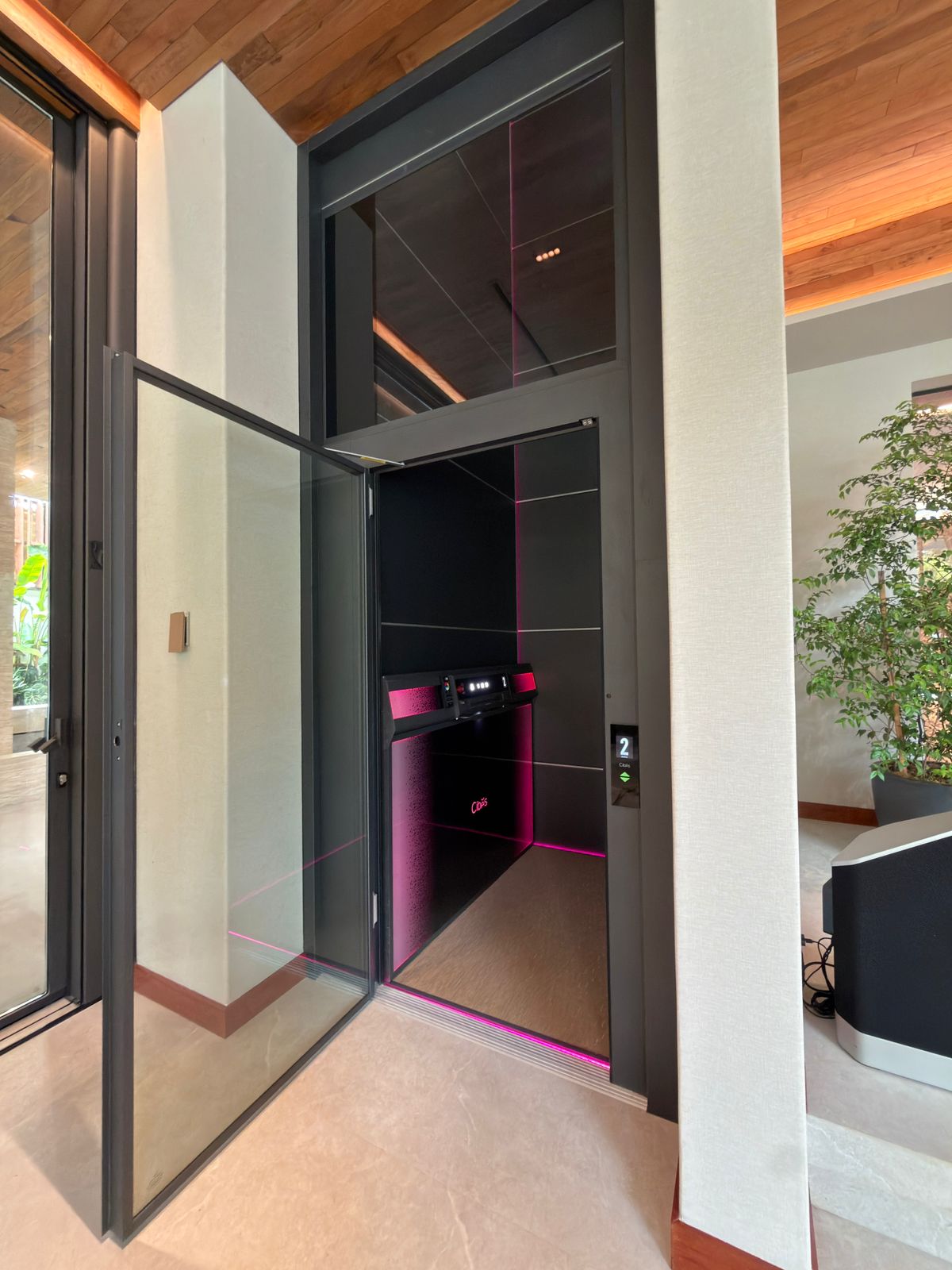
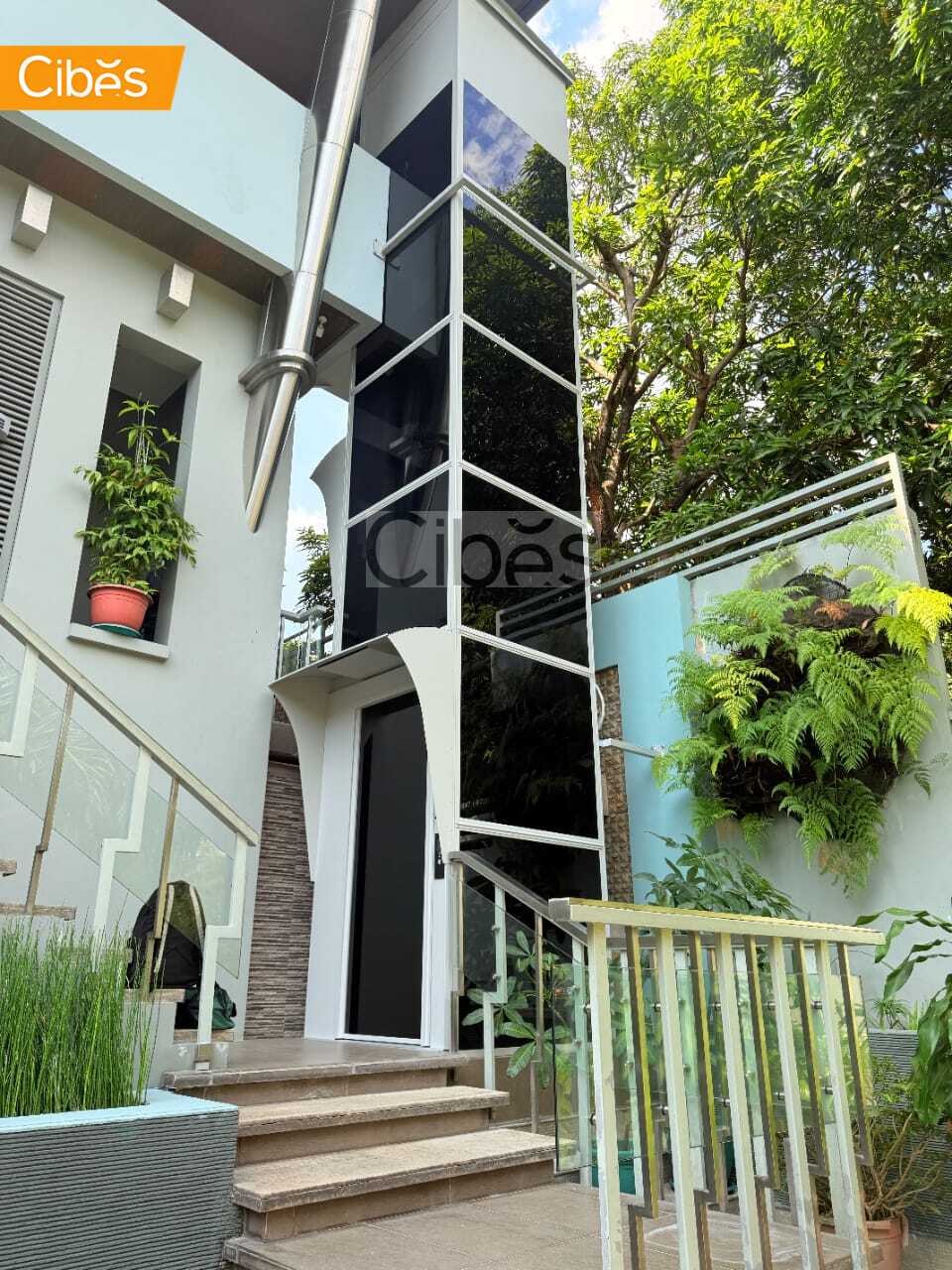
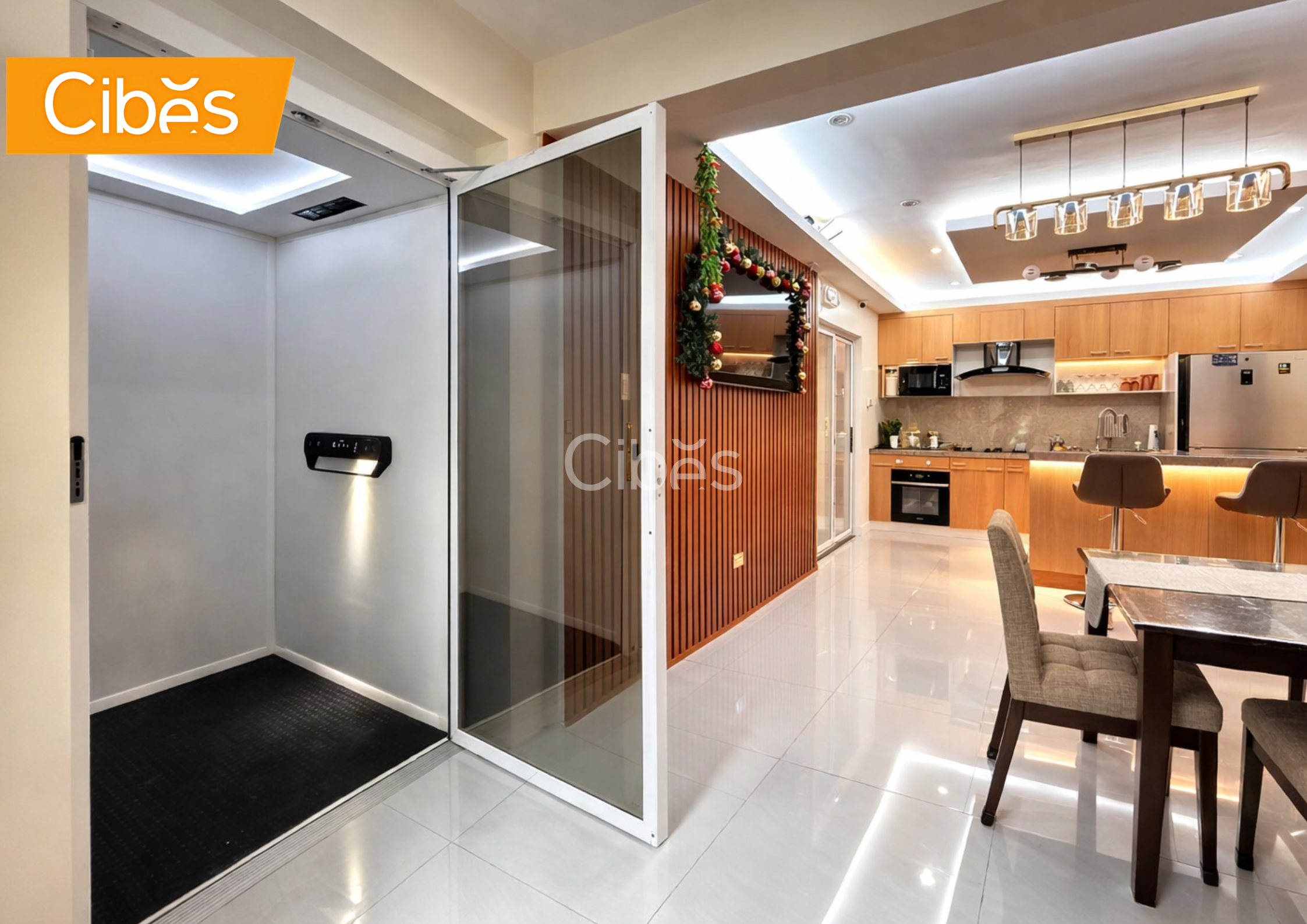
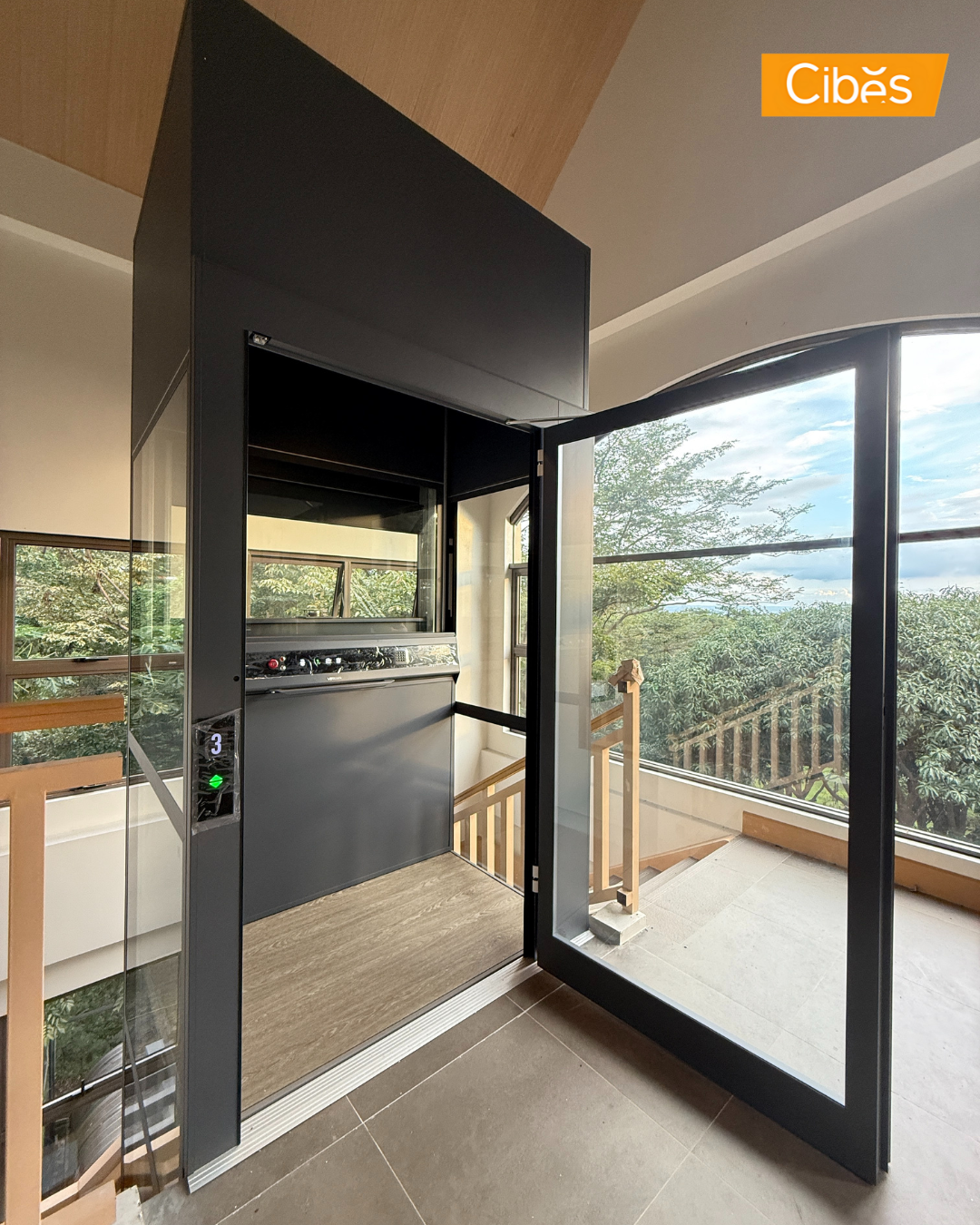
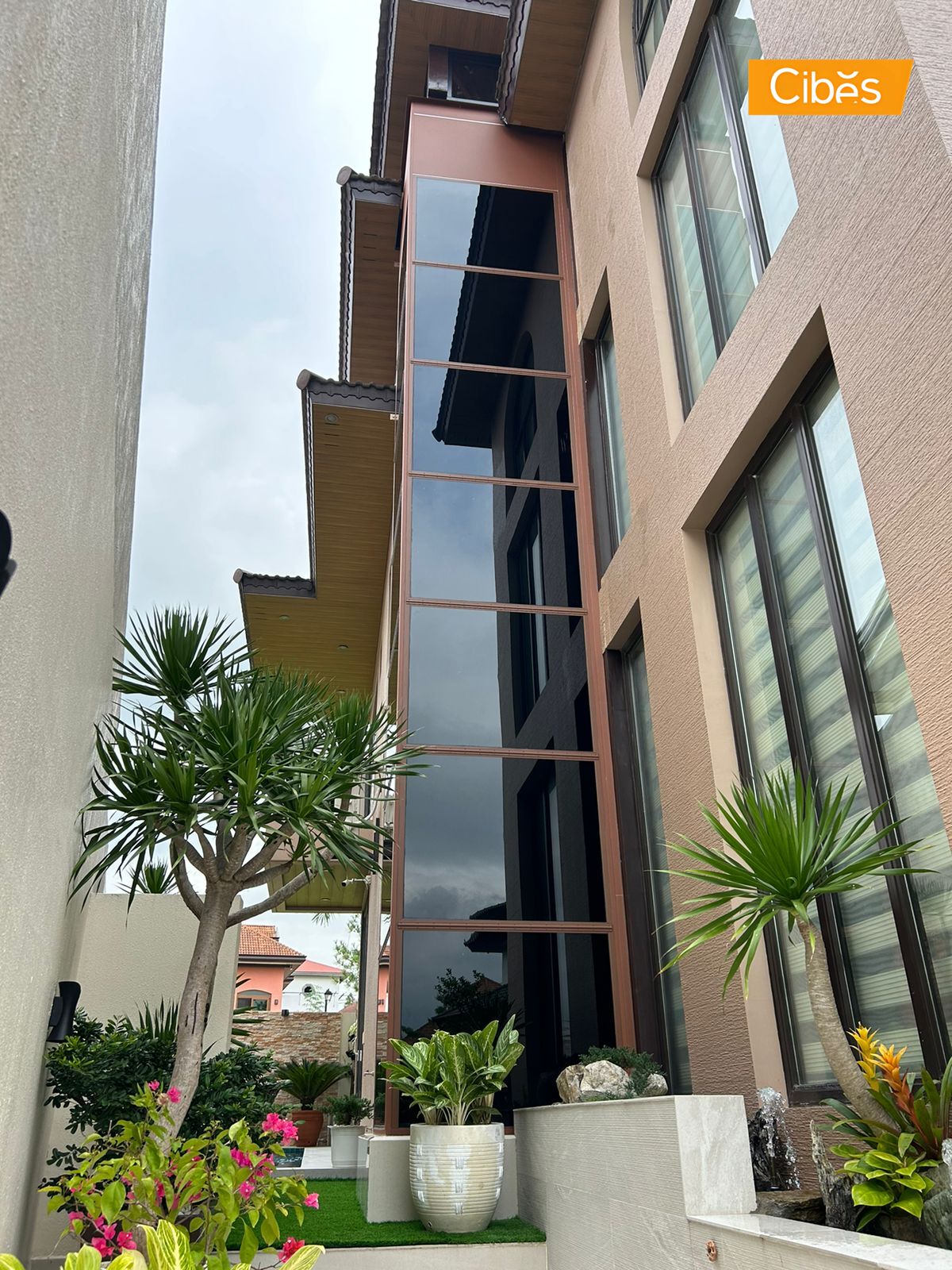
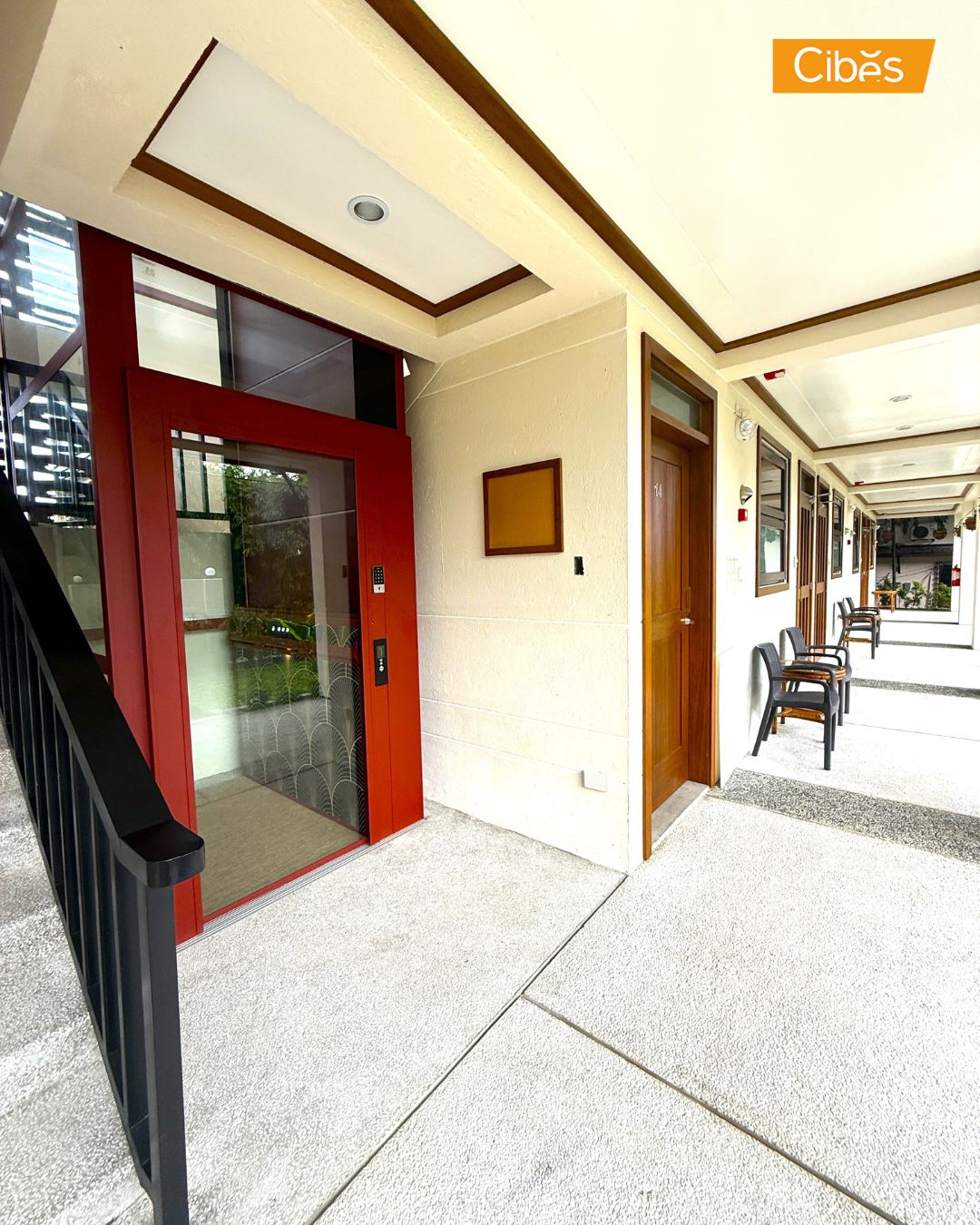
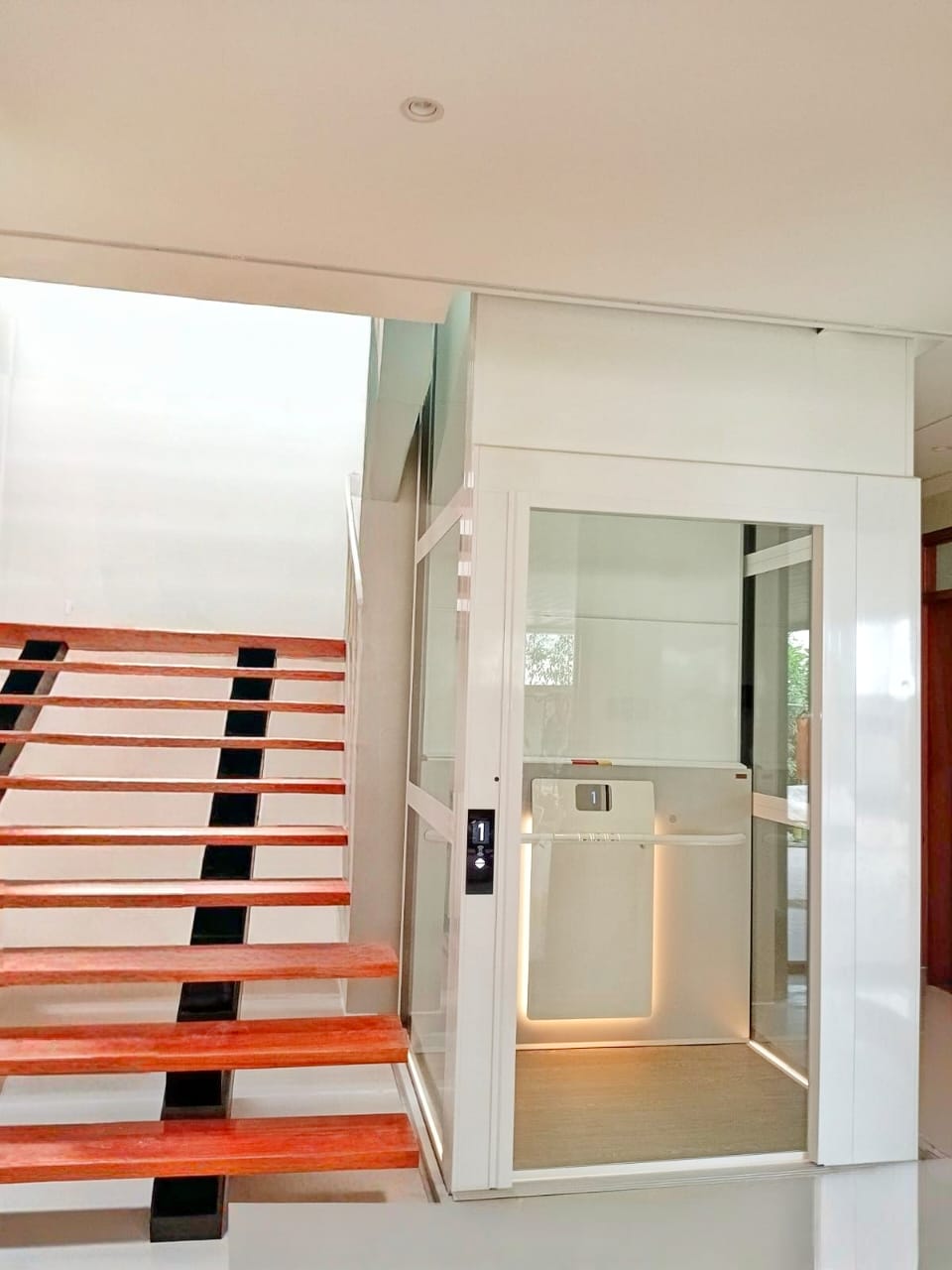
Successful multi-generational design includes single entries, sound separation of living areas, accessible features like grab bars and wider doors, and flexible spaces that can evolve with shifting family requirements. Add features like home elevators or through-the-floor lifts to ensure a safe and independent means for all family members to travel between all levels of the residence and form truly inclusive living areas. Cibes’ home lifts, a key part of home decor trends in PH, ensure seamless accessibility across floors, enhancing multi-generational living with stylish, compact designs.
4. Craftsmanship and Handmade Focus
In reaction to mass-produced sameness, indulges in handmade imperfection. The aesthetic appreciates one-of-a-kind, handmade items with stories and that reflect human effort.
The secret is mixing these handmade items thoughtfully throughout your space, rather than a crafty excess.
Envision hand-thrown ceramics, hand-woven fabrics, live-edge wood boards, and custom ceramic tiles.
5. Tech-Integrated Wellness Environments
Smart homes are getting smarter on health. In health-focused technology, automation is taken to new levels to create spaces that actively promote physical and mental well-being.
Circadian lighting systems adapt color temperature automatically throughout the day, air purification systems monitor and manage indoor air quality, and smart mirrors provide health metrics and meditation lessons.
The finest installations are discreet, not techie. Look for technology that is integrated into your design – like speakers in ceiling tiles, charging stations hidden in furniture, or air quality sensors in disguise as objets d’art.
6. The “Fifth Wall” with Statement Ceilings
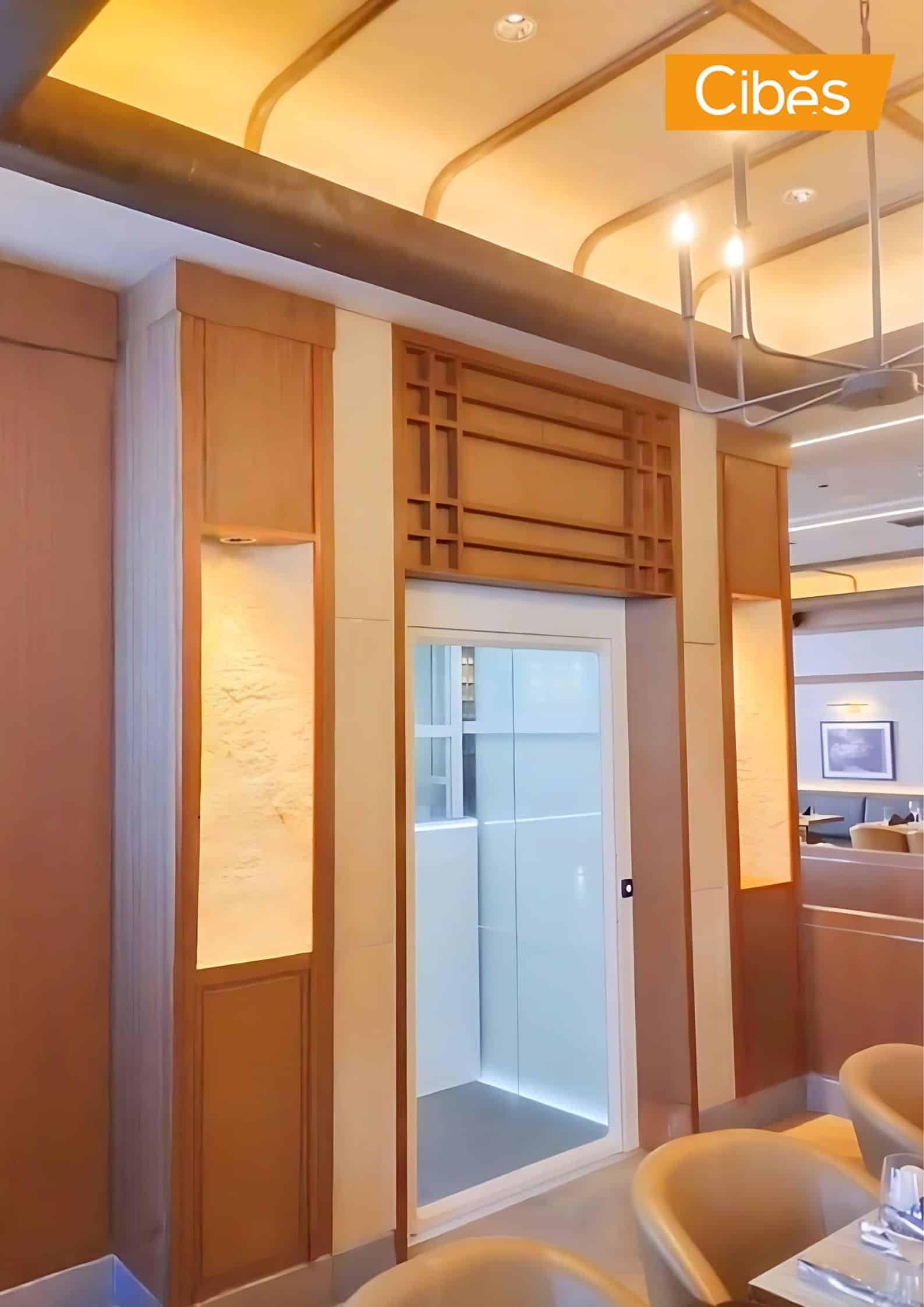
While accent walls were enormous in the past, fifth wall designs are stealing the spotlight in interior design trends. Ceilings are being established as design moments, whether in the form of rich paint color, dramatic wallpaper, exposed beams, or show-stopping light fixtures. It is particularly effective in high-ceilinged areas, where a fifth wall drama can bring cohesiveness and visual interest.
Take coffered treatments for a formal space, murals paints for children’s spaces, or metallic glaze for dining spaces. Even on generic eight-foot ceilings, a small change in color can get the space more intentional and mature.
Now, here’s what’s going on: The secret is achieving ceiling drama by not overdoing it anywhere else in the space.
7. Flexible Room Boundaries and Sliding Partitions
The rigid room separations of decades past are giving way to adaptive, multi-functional spaces. Sliding barn doors, room-dividing partitions, and accordion wall systems allow homeowners to remap an area based on daily needs – open to entertain or closed to focus.
This is particularly crucial for smaller homes where square footage is limited. The living room can be utilized as a yoga studio, the dining room as an office, and the bedroom as a suite if necessary. Look for hardware that not only functions but also is aesthetically pleasing because these mobile pieces of architecture end up becoming architectural features themselves.
8. Modern Elevated House Designs for Contemporary Living
In the Philippines, modern elevated house design is becoming increasingly popular as homeowners seek better ventilation, flood resilience, and visual openness. Elevated structures allow natural airflow, improved daylight access, and enhanced privacy in dense residential areas.
A well-planned elevated 2 storey house design in the Philippines concept combines structural elevation with refined interiors, open layouts, and integrated vertical circulation such as home lifts. This approach supports both modern aesthetics and long-term functionality.
Designers are now blending elevated architecture with minimalist finishes, sustainable materials, and smart home features to create homes that feel light, spacious, and future-ready. As part of evolving home design trends 2026 in the Philippines, elevated homes reflect a balance between environmental adaptation and contemporary lifestyle needs.
Future interior design trends 2026 will build on these innovations, creating homes that work with us, care for us, and motivate us for decades to come.
FAQ : Biggest Interior Design Trends for Philippines
Q: What are the biggest interior design trends for this year in the Philippines?
A: The biggest interior design trends for the Philippines focus on organic forms, wellness-oriented spaces, flexible room layouts, multi-generational living, and modern elevated house designs that respond to climate and lifestyle needs.
Q: How are interior design trends in the Philippines different from global trends?
A: Interior design trends in the Philippines adapt global ideas to local conditions such as tropical climate, smaller urban spaces, and multi-generational households. This results in designs that emphasize ventilation, natural light, accessibility, and flexible living spaces.
Q: What interior design trends work best for modern homes in the Philippines?
A: Interior design trends for modern homes in the Philippines include curved architecture, tech-integrated wellness environments, sliding partitions, statement ceilings, and modern elevated house designs that improve airflow and spatial efficiency.
Q: Why are modern elevated house designs becoming popular in the Philippines?
A: Modern elevated house design is gaining popularity in the Philippines due to flood resilience, improved ventilation, and better use of space. Elevated 2 storey house designs also allow homeowners to combine contemporary interiors with practical architectural solutions.
Q: Are elevated house designs suitable for small residential lots?
A: Yes. Elevated 2 storey house design in the Philippines is often used on compact lots to maximize living space while maintaining openness, privacy, and better environmental performance.
Q: How do interior design trends support multi-generational living?
A: Interior design trends now prioritize flexible layouts, accessibility features, and vertical circulation solutions such as home lifts. These elements allow different generations to live together comfortably while maintaining independence.
Q: Will interior design trends focus more on aesthetics or functionality?
Interior design trends for this year balance aesthetics and functionality. Design choices aim to create visually appealing spaces that also enhance well-being, adaptability, and long-term usability for homeowners.
Q: How can homeowners apply these interior design trends without renovating the entire house?
A: Homeowners can apply interior design trends gradually through changes in lighting, finishes, partitions, furniture layout, and decorative elements, without major structural renovations.
Read More
- Elevated House Design for Flood-Prone Philippines
- Cibes Home Elevators Philippines: Premium Screw-Driven Lifts from Sweden
Experience Center and Technical Station Address
Makati City | Balintawak – Quezon City | Mandaluyong City | Cebu City | Ilo-Ilo City | Davao City | Cagayan De Oro City






CIBES AUTHOR
Mylen Posas is the Aftersales Manager at Cibes Lift Philippines. She oversees aftersales operations, ensuring every customer receives reliable support from installation through long-term maintenance. With a strong focus on service quality and customer satisfaction, she works closely with the technical team to deliver prompt assistance and help maintain the long-term performance and safety of every Cibes home lift.


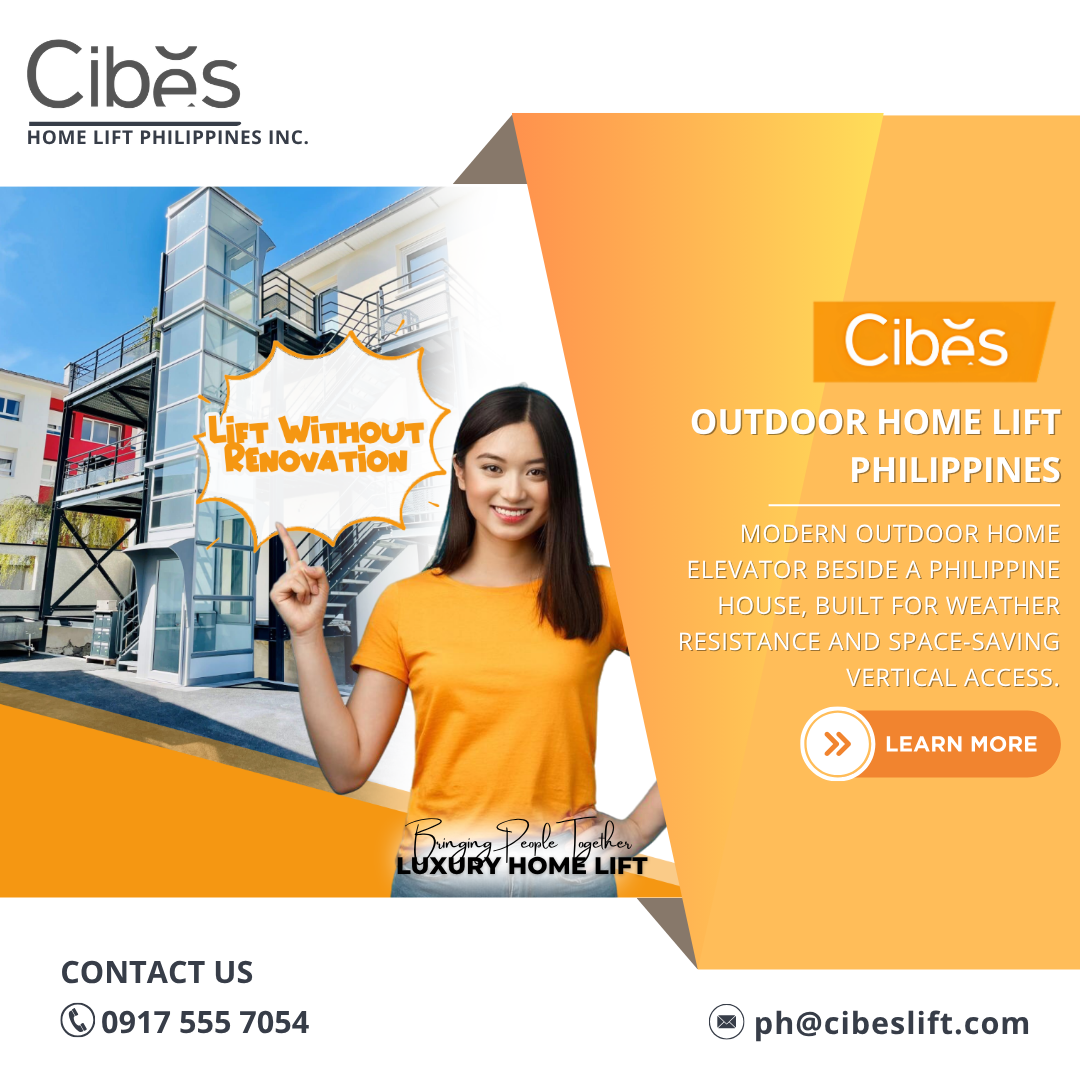
TL;DR Outdoor home elevators can improve accessibility while preserving valuable indoor space. In the Philippines, proper weather protection, structural engineering, drainage, and installation planning are essential. This guide explores installation considerations, safety requirements, potential costs, and what homeowners should know before choosing an outdoor home lift. Outdoor elevator installations can help homeowners in the Philippines […]
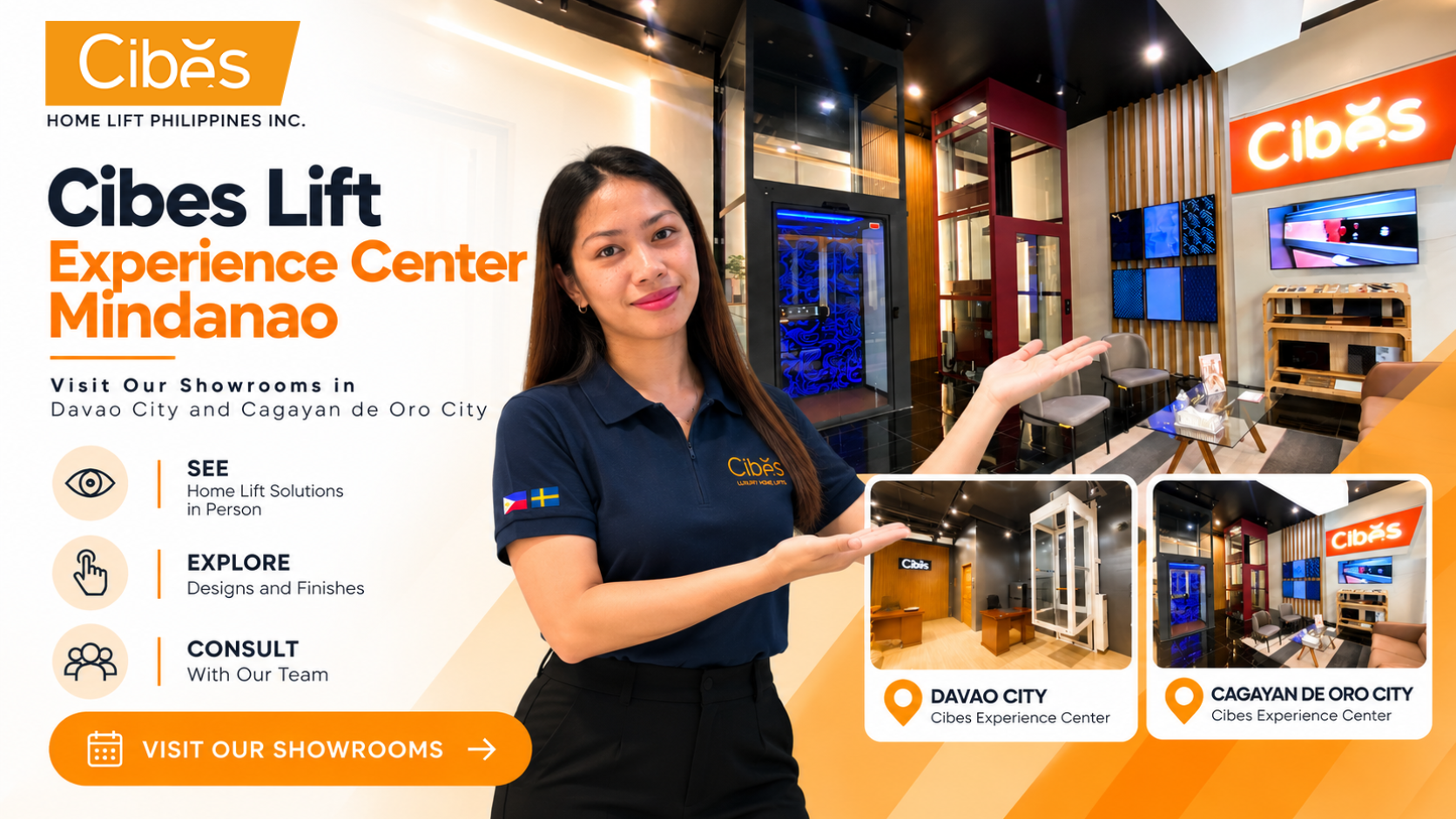
TL;DR The Cibes Experience Center Mindanao locations in Davao City and Cagayan de Oro City let homeowners, architects, contractors, and property developers explore home lift solutions in person. Compare available designs, check finishes, and discuss your property requirements with the Cibes team. Contact your preferred showroom before visiting to confirm operating hours and available demo […]
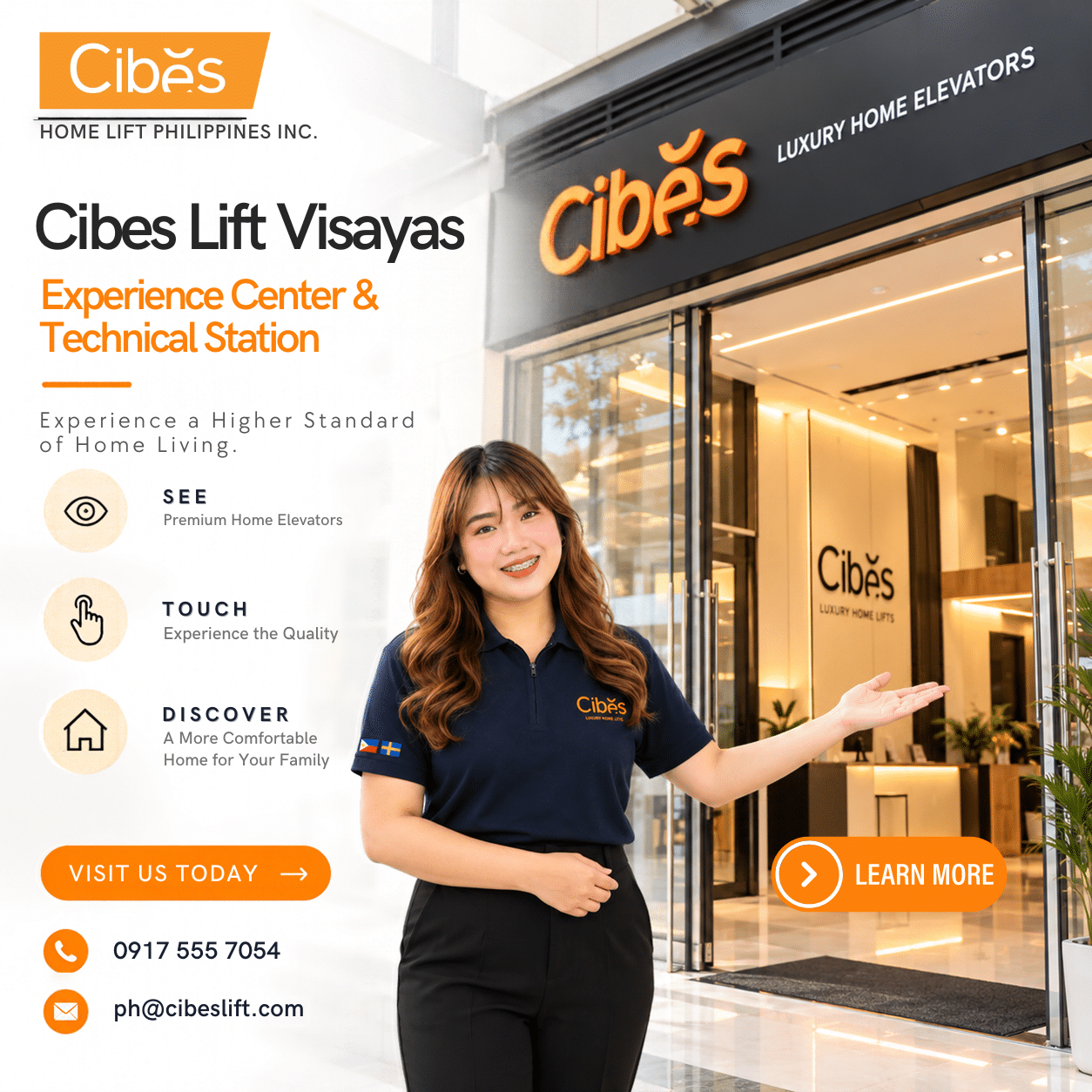
TL;DR The Cibes Experience Center Visayas in Cebu City lets homeowners, architects, designers, contractors, and developers see Cibes home lifts in person. Visitors can experience the lift cabin, review available designs and features, and discuss installation requirements with the Cibes team. The Cebu Experience Center currently lists V90 Elegance, Z85 Antera, and Ascenda among its […]
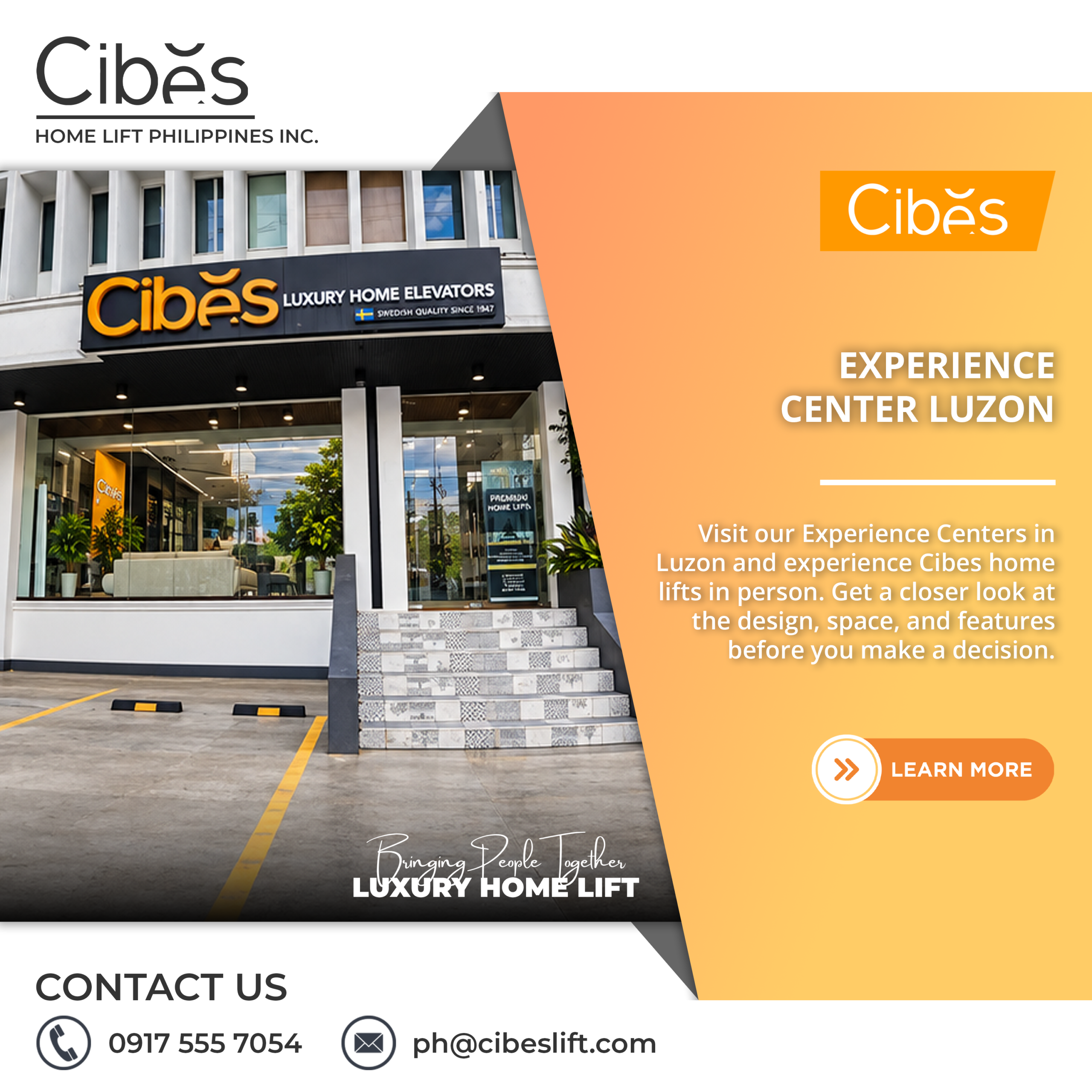
TL;DR Cibes Experience Center Luzon lets homeowners and property professionals experience Cibes home lifts in person before making a decision. Cibes Lift Philippines has 13 demo lifts across three Luzon Experience Centers: Makati (8), Mandaluyong (2), and Balintawak, Quezon City (3). Visitors can ride the lifts, check cabin space, test the controls, explore designs, and […]

TL;DR Sustainable home elevators in the Philippines are becoming an important consideration for homeowners who want to improve accessibility without overlooking environmental responsibility. Modern home elevators can support energy-efficient living through efficient drive systems, durable materials, renewable energy integration, and reduced structural changes compared with major home renovations. The Environmental Case for Sustainable Home Elevators […]