Blog - 24/04/2025
Cibes Home Elevators Philippines: Products, Technology & Expert Guide
Expertise, Guidance, and Complete Home Elevator Solutions
Cibes Lift Philippines is more than a home elevator provider, it is a trusted partner that helps Filipino homeowners make informed and confident decisions at every stage of their project.
Whether you are choosing between brands, planning your first elevator, designing a flood-resistant home, or simply understanding the difference between a “lift” and an “elevator,” this series of articles covers every key aspect of home elevation in the Philippines.
From the Swedish engineering of every Cibes elevator to the money management tips that make an elevated and flood-proof house possible for any Filipino household, it all boils down to one idea: more information equals better homes.
If you’re looking for a broader overview before exploring Cibes products and expertise, our Home Elevators & Home Lifts in the Philippines: The Complete Guide for Filipino Homeowners brings together everything you need to know about residential elevators, including lift technologies, pricing, accessibility, installation planning, and expert buying advice. It serves as the central hub of our Philippine home lift knowledge base.
This guide focuses specifically on Cibes Lift Philippines, exploring our home elevator technologies, product range, showrooms, maintenance, and the expert resources that help Filipino homeowners choose the right residential lift with confidence.
In This Guide:
- Cibes Technology & Products
- Showrooms & Locations
- Why Filipino Families Install Elevators
- Maintenance & Repairs
- Brand Comparison
- Elevated Home Design & Planning
To fully understand what Cibes offers, it’s important to start with the technology behind its home elevators.
Why Cibes Home Elevators Stand Apart in the Philippines
To understand what sets Cibes apart, it starts with the technology behind its home elevators. Cibes home elevators utilize proprietary screw-driven technology that was invented back in 1947 in Sweden.
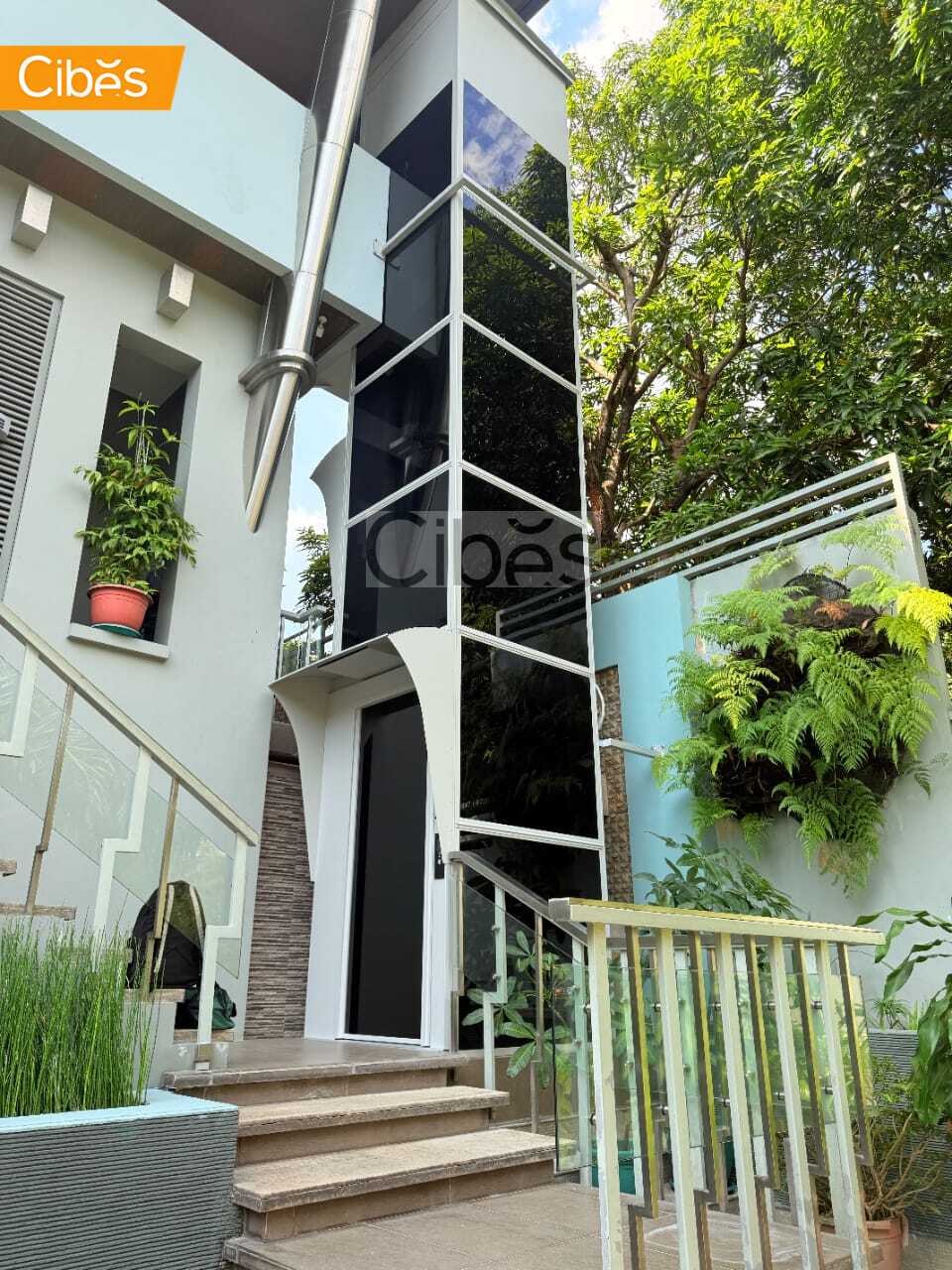
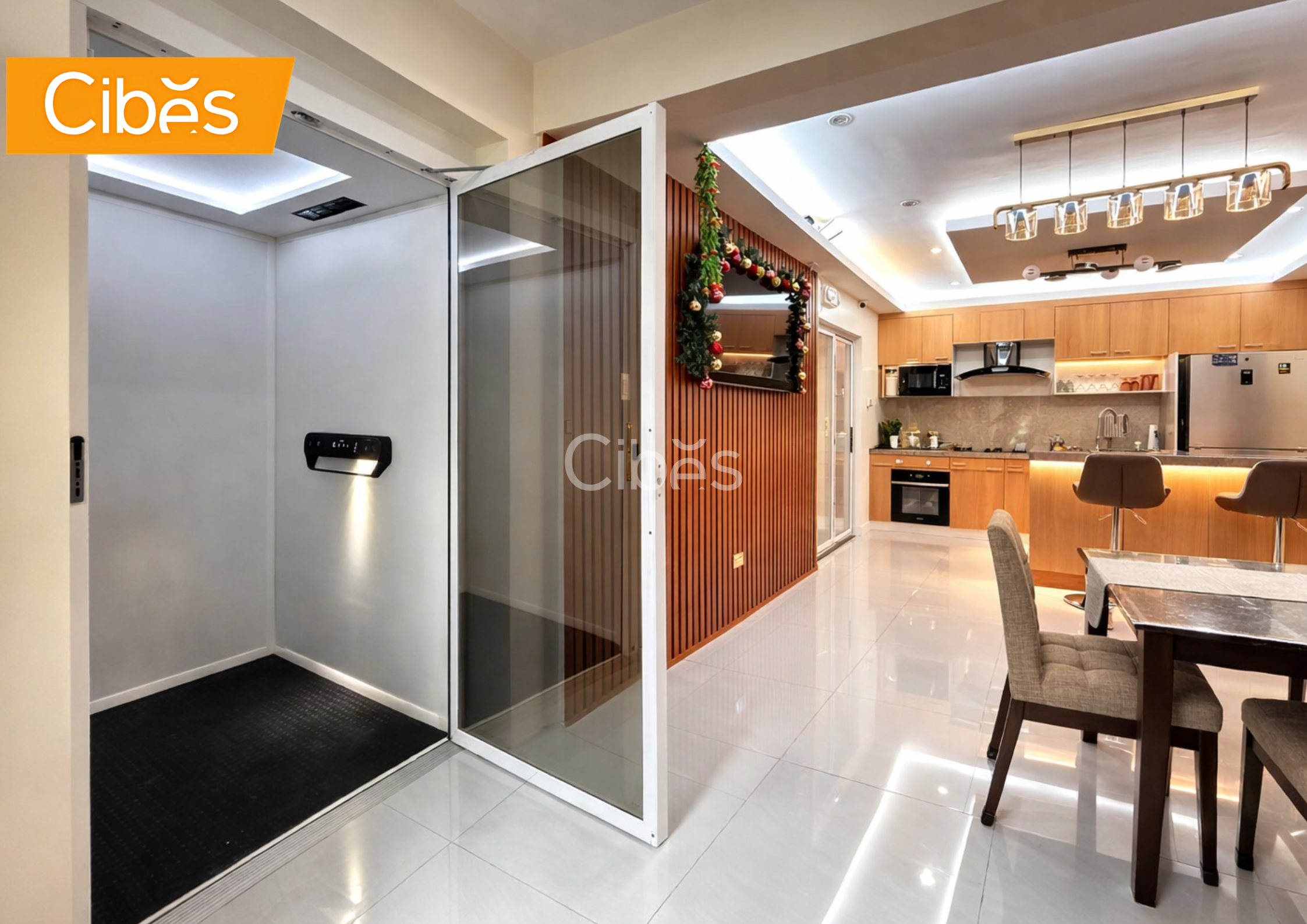
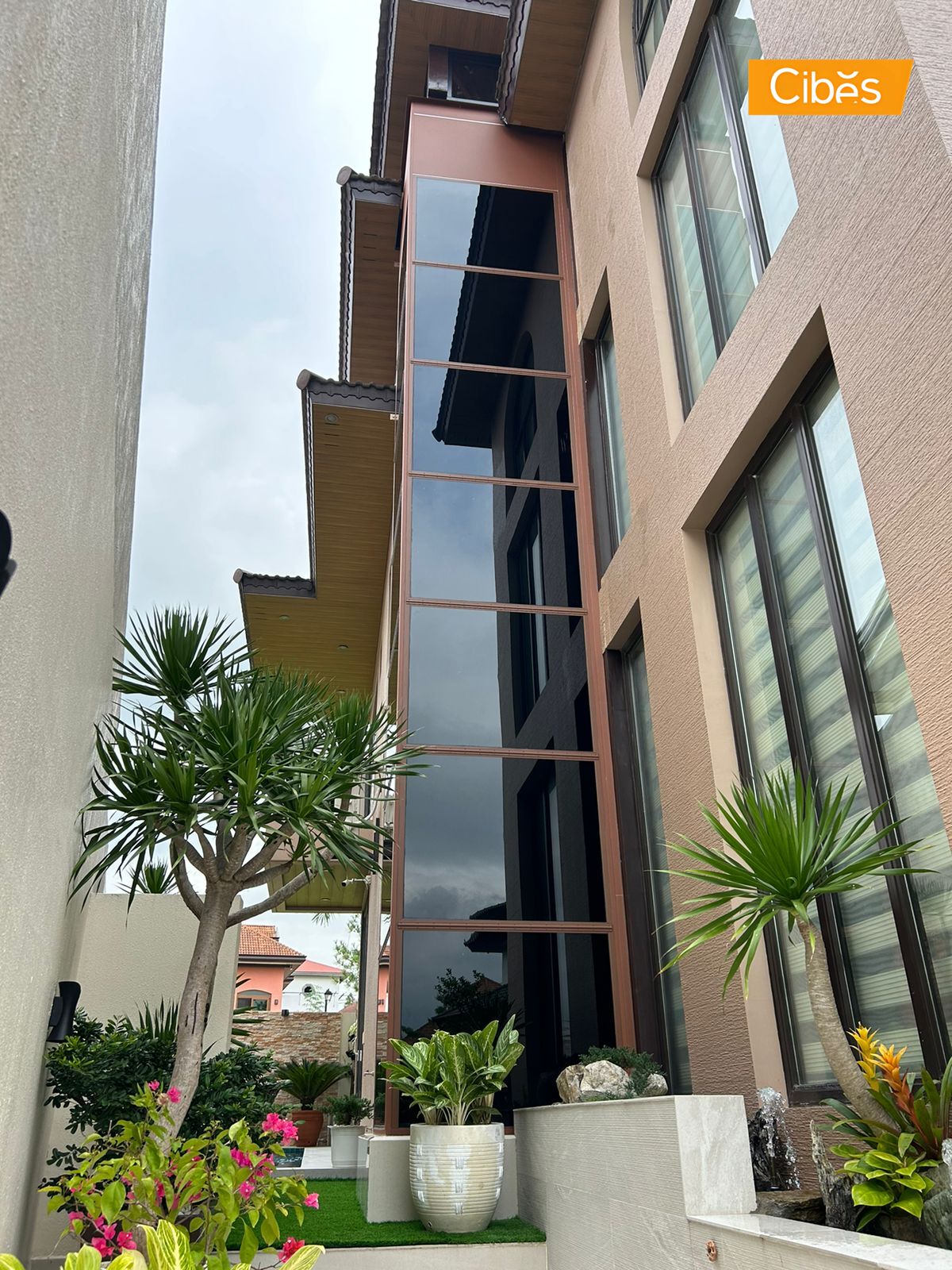
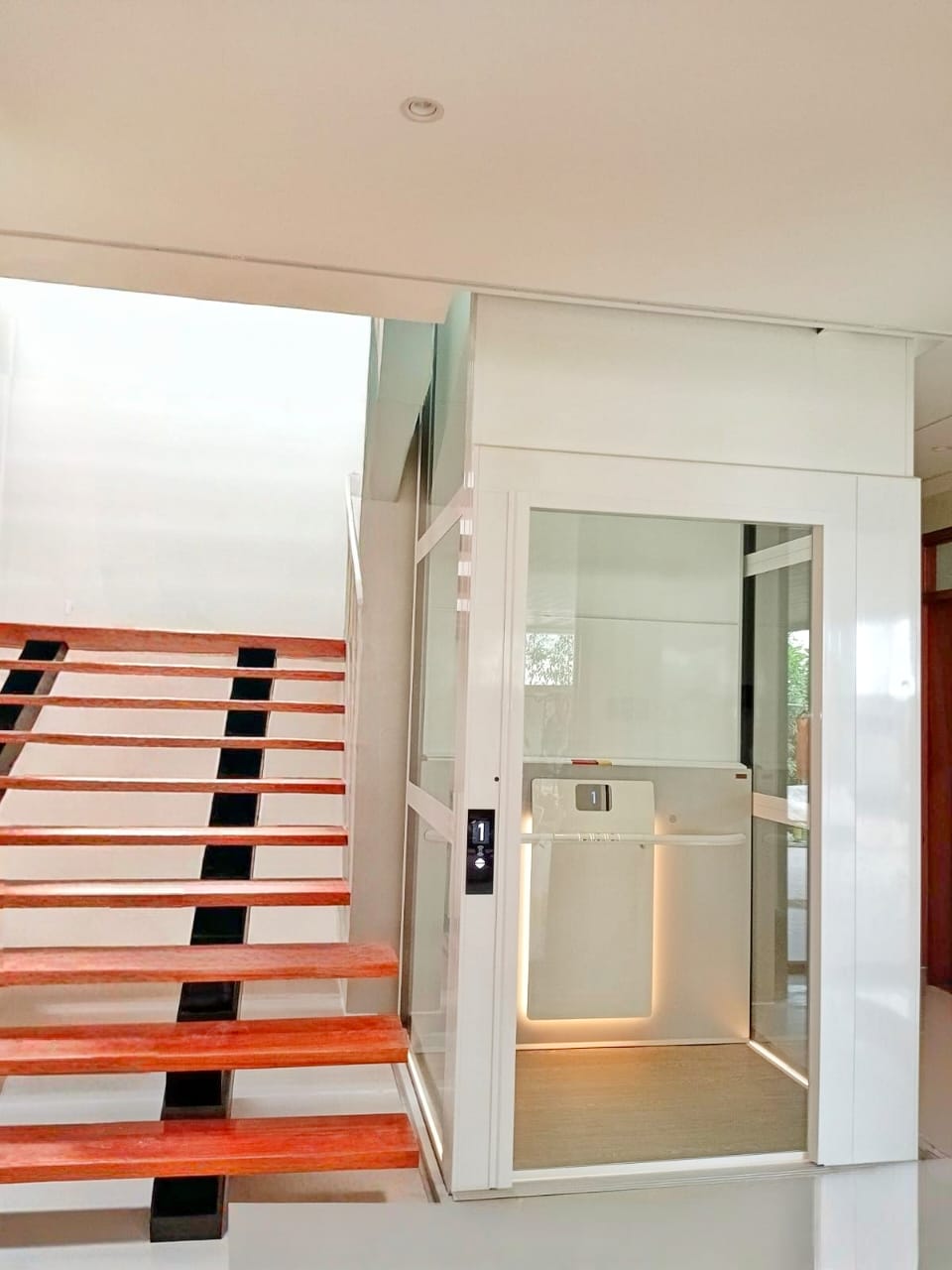
Such elevators do not need any pit, machine room, nor counterweight, and can be installed within a floor space of one square meter without causing much influence on the structure of your house.
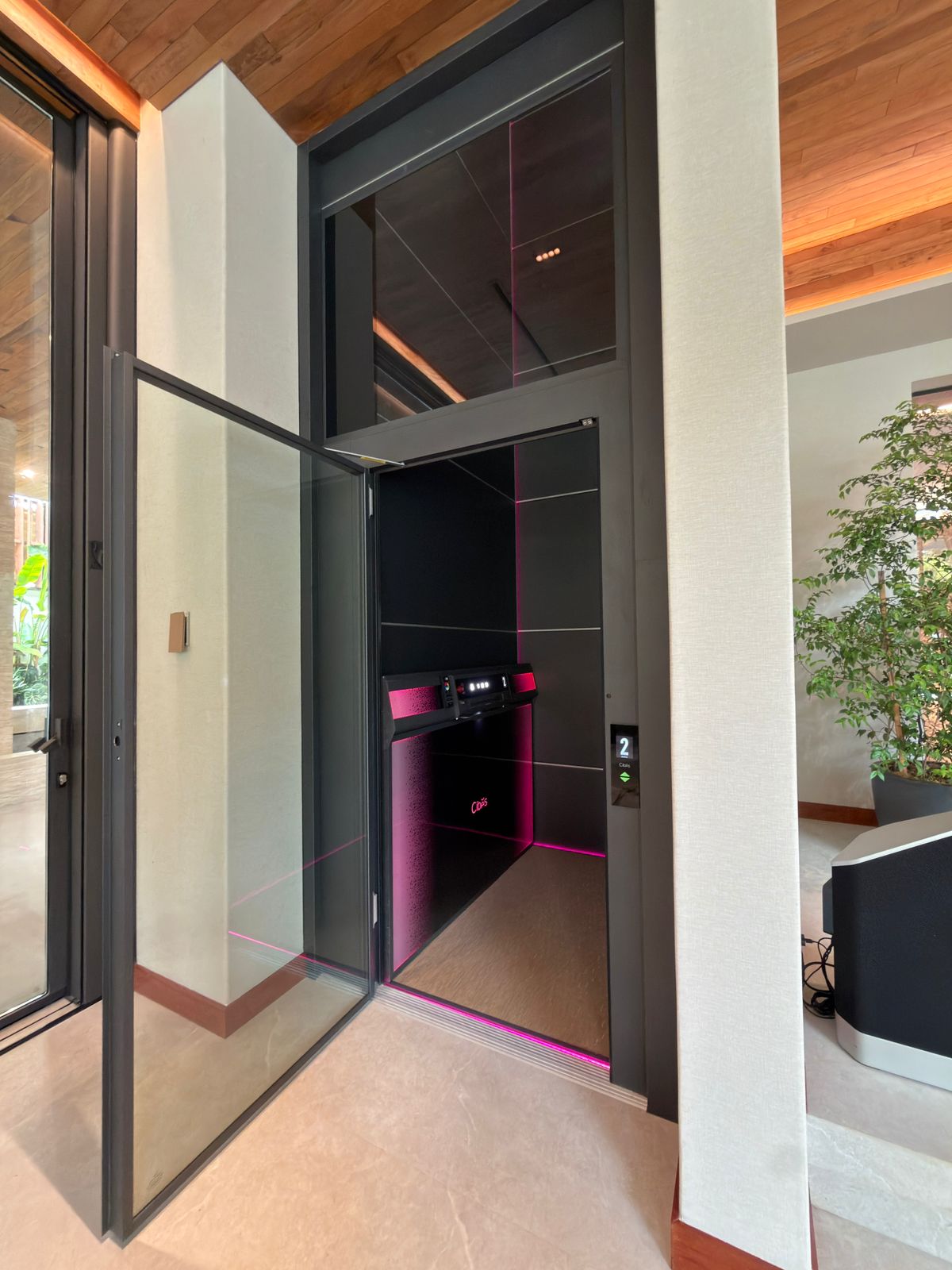
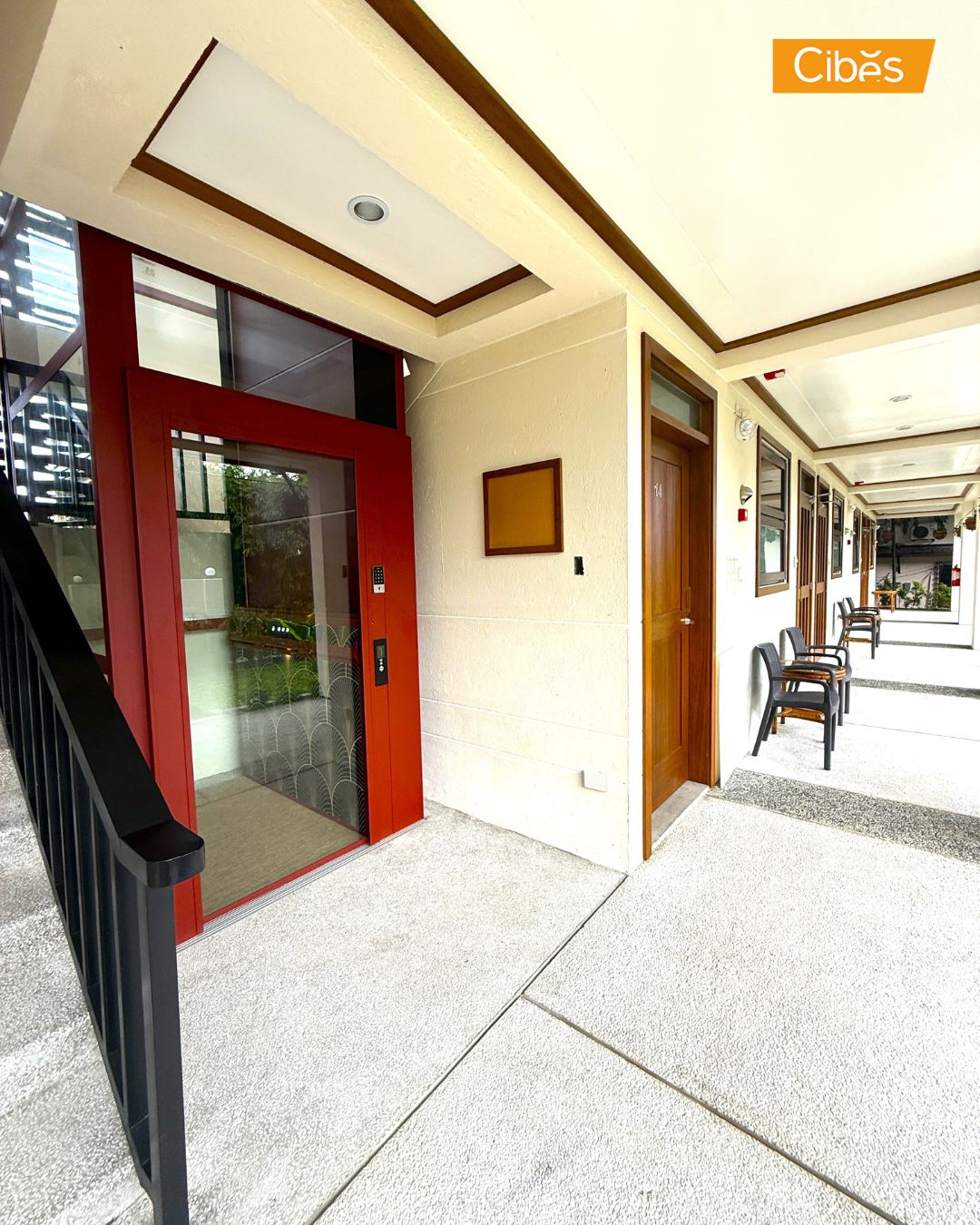
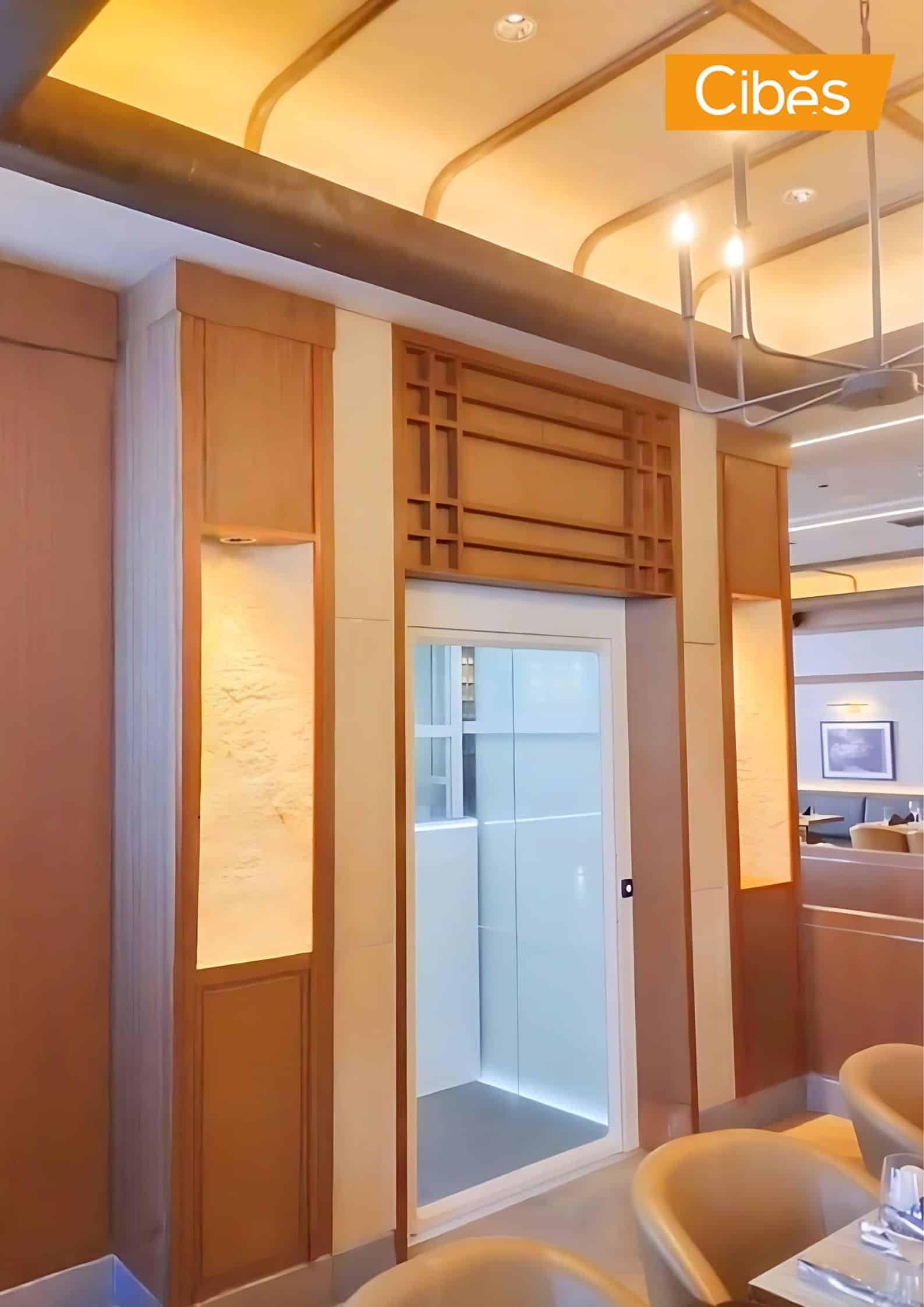
Cabins provide customization with over 250 RAL colors, various glass designs, premium powder coating, and different walls.
Thus, your lift will be both a practical solution and a design element at once. The product line features lifts certified to European safety standards of EN81-41 and 2006/42/EC, as well as equipped with battery power supply, infrared safety protection, and lasting up to thirty years of service life.
All products are shipped and maintained by the company’s in-house technical specialists without third parties involved.
Learn more about the unique properties of Cibes screw-driven technology and its applications in Philippine houses by clicking on the link below.
Cibes Home Elevators Philippines: Premium Screw-Driven Lifts from Sweden →
Where to Experience a Cibes Lift in Person Across the Philippines
Showrooms are available in Makati, Mandaluyong, Cebu, Iloilo, and Davao with a showroom in Balintawak (Quezon City) scheduled to open shortly and another in Cagayan de Oro in the pipeline.
Showroom features include testable lift cabins, a choice of finishes, and local Cibes specialists who are familiar with residential building practices in the Philippines.
Supporting this network of local facilities are the international operations of Cibes Lifts Philippines in more than 70 countries worldwide in Europe, Asia, the Middle East, and North America.
If you want to know more about showroom locations, what to expect from a visit, and Cibes’ global reach, click on the link below to read the article about Cibes showrooms in the Philippines.
Cibes Lift Showrooms in the Philippines: Makati, Cebu & Davao Locations →
The Real Reasons Filipino Families Are Installing Home Lifts
A home lift moves people between floors, but the reasons Filipino families actually install them go much deeper than convenience.
Safety would be the main factor to consider, considering the fact that stairs-related injuries rank among the most frequent cases in elderly Filipinos and having a home lift prevents such accidents.
Independence of the aged relatives would mean freedom to get around in the house where Lolo and Lola helped build without needing any assistance or feeling scared while doing so.
In terms of convenience, its benefits are apparent once installed.
Carrying heavy groceries, water, gas containers, and other household goods from one floor to another becomes much easier.
Another benefit of installing a home lift pertains to its financial advantage, as those who have a home lift sell quickly at an even higher price. The cost starts at PHP 850,000 for a home lift that lasts for 30 years.
If you want to know more about the seven most compelling reasons to install a home lift in a Philippine home, click on the link below to read the article about why you should get a home lift.
How Elevators Work: Basic Principles, Components & Systems →
Why Filipinos Say “Elevator” and What It Means in Tagalog
“Elevator” and “lift” refer to the same thing, but the difference lies in geographical origins.
For instance, the Philippines, having been under three centuries of Spanish colonial rule, uses the word ascensor from the Latin verb ascendere, meaning “to ascend.”
However, the Americans’ influence during the colonial period made “elevator” the popular choice and is now as commonly used as terms like “cellphone” and “internet.”.
In colloquial Filipino language, paakyat-pababa, translating to “up and down,” is used when one cannot recall the proper term.
To learn more about the origin of these words and other interesting facts, such as why the Tagalog word for elevators is paakyat-pababa and how elevators and escalators differ, you may read the article Elevator vs Lift Definition and History on the link below.
Elevator vs Lift: Definitions, History & Tagalog Translations →
What a Proper Home Elevator Maintenance Schedule Looks Like
Beyond installation, long-term reliability depends on proper maintenance and understanding how your system performs over time. A Cibes home lift is designed to run reliably for 30 years, but only with the right maintenance practices in place.
Residential elevators need far less maintenance than many people think they do; one service per year or twice per year is enough to oil the moving parts, test the safety system, inspect the doors, and run diagnostic software tests.
In the Philippines, where brownouts and high humidity are common, the battery backup system needs to be checked, and the mechanics inspected for rust due to damp conditions.
Cibes has annual and semi-annual maintenance packages done by factory-trained technicians (not outsourced), which means the professionals handling your home elevator are familiar with both the elevator itself and its manufacturers.
To learn more about home elevator maintenance schedules and tips on maximizing your elevator’s effectiveness, click on the link below and read the home elevator maintenance in the Philippines article.
Home Elevator Maintenance Philippines: Schedule & Best Practices →
The Most Common Home Elevator Problems and How to Fix Them
Of course, even elevators in good condition are not immune to problems. Understanding what those problems are, why they arise, and when a technician should be called, or a quick fix would suffice, is very helpful information for all homeowners from the Philippines.
Malfunctioning door sensors, weird sounds while running, sluggish or jerking movements, and fault codes on the control panel all indicate certain problems, and the reasons and ways to solve them differ.
In this article, seven proven methods to ensure your residential elevator operates without issues for years to come are discussed, the best practices that help catch potential problems early on and avoid expensive maintenance works, as well as the optimal maintenance intervals specific to the Philippine tropical weather conditions.
If you need more details on problems associated with home elevators, their troubleshooting techniques, and proven methods to ensure maximum performance of your device, you can learn more by reading this article on the link below.
Home Elevator Repair Philippines: Common Problems & Fixes →
How Cibes Compares to Every Other Elevator Brand in the Philippines
The elevator industry in the Philippines is a mix of international titans such as Otis, Schindler, KONE, ThyssenKrupp, and Mitsubishi Electric, whose home elevators are commercial products modified for residential use, normally sold at PHP 3-6 million and above.
Domestic manufacturers provide affordable rates but may have inconsistent services and supplies afterward.
Cibes is unique in being a company specializing in home elevators (Sweden, 1947) with 80,000+ residential elevators installed in over 60 nations worldwide.
Every single product offered by Cibes uses technology that was designed only for homes, unlike its competitors, who use commercial elevator products redesigned for home applications.
Read the article in the link below about the top elevator companies and brands in the Philippines for a detailed comparison among the Philippines’ leading elevator brands and tips on choosing a reputable supplier.
Top Elevator Companies & Brands Philippines: Reviews →
How to Build a Flood-Resistant Elevated Home in the Philippines
Contemporary elevated homes in the Philippines are designed to address two major challenges: flooding and affordability. Following lessons learned from major typhoons such as Ondoy and Yolanda, many homeowners are combining traditional concepts like the Bahay Kubo with modern construction methods including reinforced concrete piers, waterproof materials, elevated foundations, and improved natural ventilation.
The right design can significantly improve flood resilience while keeping construction costs under control. Smart strategies such as simple floor plans, open layouts, phased construction, direct material sourcing, and planning space for a future home elevator can make elevated homes more affordable without sacrificing long-term functionality. Sustainable features such as rainwater harvesting, solar energy, and passive cooling can further improve comfort and efficiency.
Whether you’re comparing stilt versus platform foundations, looking for budget-friendly design ideas, or planning an elevated home that remains accessible as your family ages, this guide covers the key considerations for Philippine conditions.
Elevated House Design for Flood-Prone Philippines →
The Elevated Home Design Trends Shaping Philippine Interiors in 2026
The design of Filipino houses in the year 2026 will be a combination of the functional requirements of such structures, as well as an aesthetic drive towards making these buildings not only flood-proof and sturdy but also visually appealing enough to reflect the characteristics of their residents.
The article discusses seven of the most important trends in interior design that make the elevated homes in the Philippines stand out this year.
These include everything from adding a biophilic touch to such homes to incorporating cutting-edge technology into their interiors, returning to warm tones, and moving away from separate rooms to favoring open spaces that connect the upper and ground floors of elevated dwellings.
If you want to know more about the interior design trends shaping elevated Philippine homes in 2026, click the link below to read the article about modern elevated house design trends.
Modern Elevated House Design Trends Philippines 2026 →
Frequently Asked Questions
Q: What makes Cibes different from other elevator brands in the Philippines?
A: Cibes specializes in home elevators, using screw-driven technology designed specifically for residential use. Unlike many competitors, it does not adapt commercial systems for homes.
Q: Are Cibes home elevators suitable for existing homes?
A: Yes, Cibes lifts are designed for both new builds and retrofit projects, requiring minimal structural changes and no machine room.
Q: Where can I see a Cibes elevator in the Philippines?
A: Cibes has showrooms in major cities such as Makati, Cebu, and Davao, where you can experience the lifts in person and explore customization options.
Q: How long do Cibes home elevators typically last?
A: With proper maintenance, Cibes home elevators are designed to last up to 30 years, making them a long-term investment for your home.
Q: Does Cibes handle installation and maintenance directly?
A: Yes, Cibes uses in-house technicians for installation, maintenance, and servicing, ensuring consistent quality and expertise without outsourcing.
Empowering Filipino Homeowners with the Right Information
Each piece of writing included here is guided by the same belief that has been motivating Cibes Lift Philippines ever since 2016: it is imperative that the Filipino homeowner has information that is accurate, comprehensive, and truly helpful, not misleading marketing claims masquerading as expertise.
No matter what you decide to do after reading this page, whether it is asking for a quotation, contemplating a redesign of your house, or just learning something more about a topic that interested you previously, that is precisely what you should have achieved.
Whenever you feel ready to take the next step in planning your home, Cibes Lift Philippines is here to support you. If you’re exploring your options, starting with the right information is the first step toward making the right decision.
Related Guides
To better understand your options, you may also explore:
- Home Elevators Philippines: Complete Guide, Costs & Best Options
- Elevator Pricing in the Philippines: Everything You Need to Know Before You Buy
- Types of Home Lifts in the Philippines: Features, Pros & Best Uses
- Home Accessibility Solutions in the Philippines: A Complete Guide to Mobility Options
- Home Elevator Installation & Dimensions in the Philippines: Complete Planning Guide


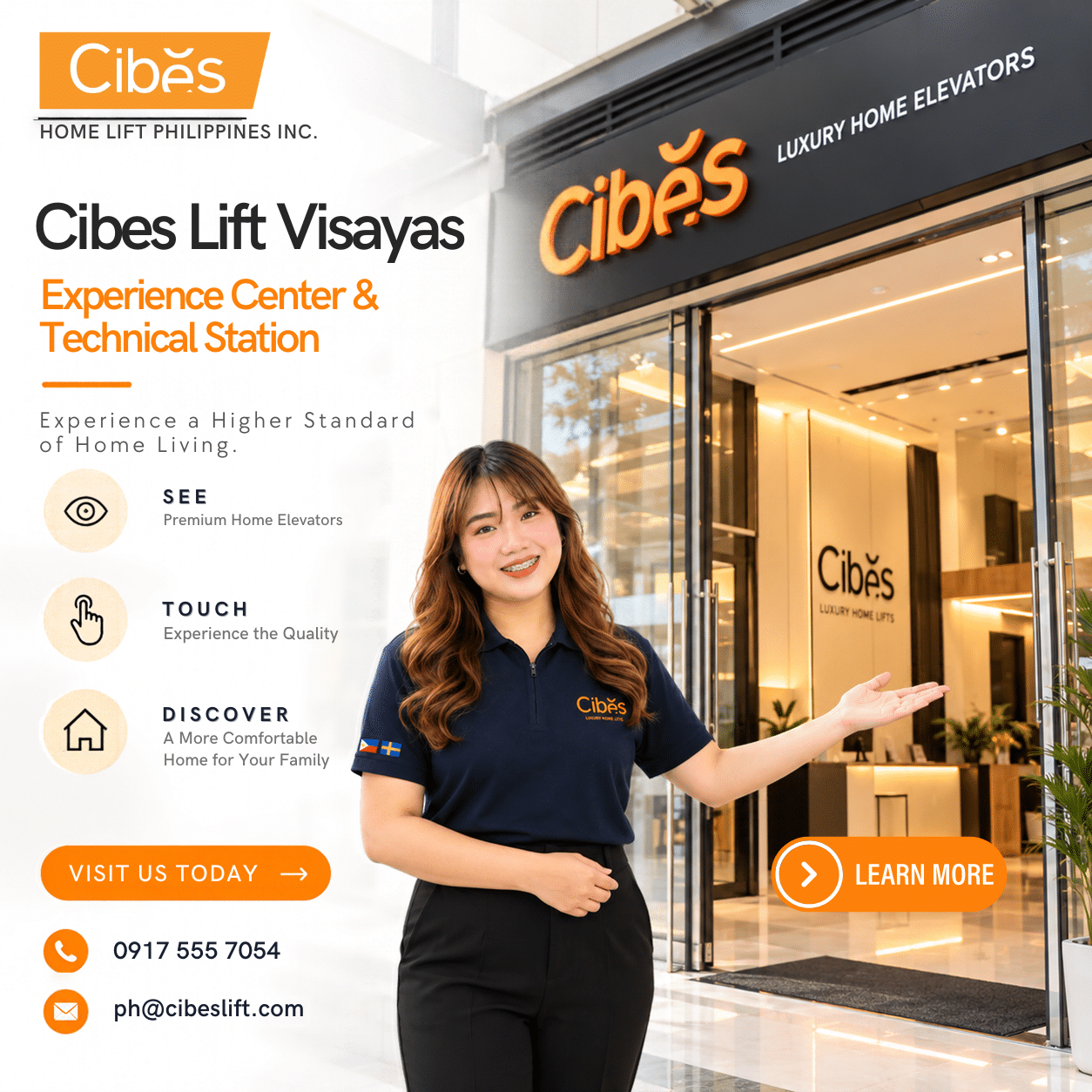
TL;DR The Cibes Experience Center Visayas in Cebu City lets homeowners, architects, designers, contractors, and developers see Cibes home lifts in person. Visitors can experience the lift cabin, review available designs and features, and discuss installation requirements with the Cibes team. The Cebu Experience Center currently lists V90 Elegance, Z85 Antera, and Ascenda among its […]
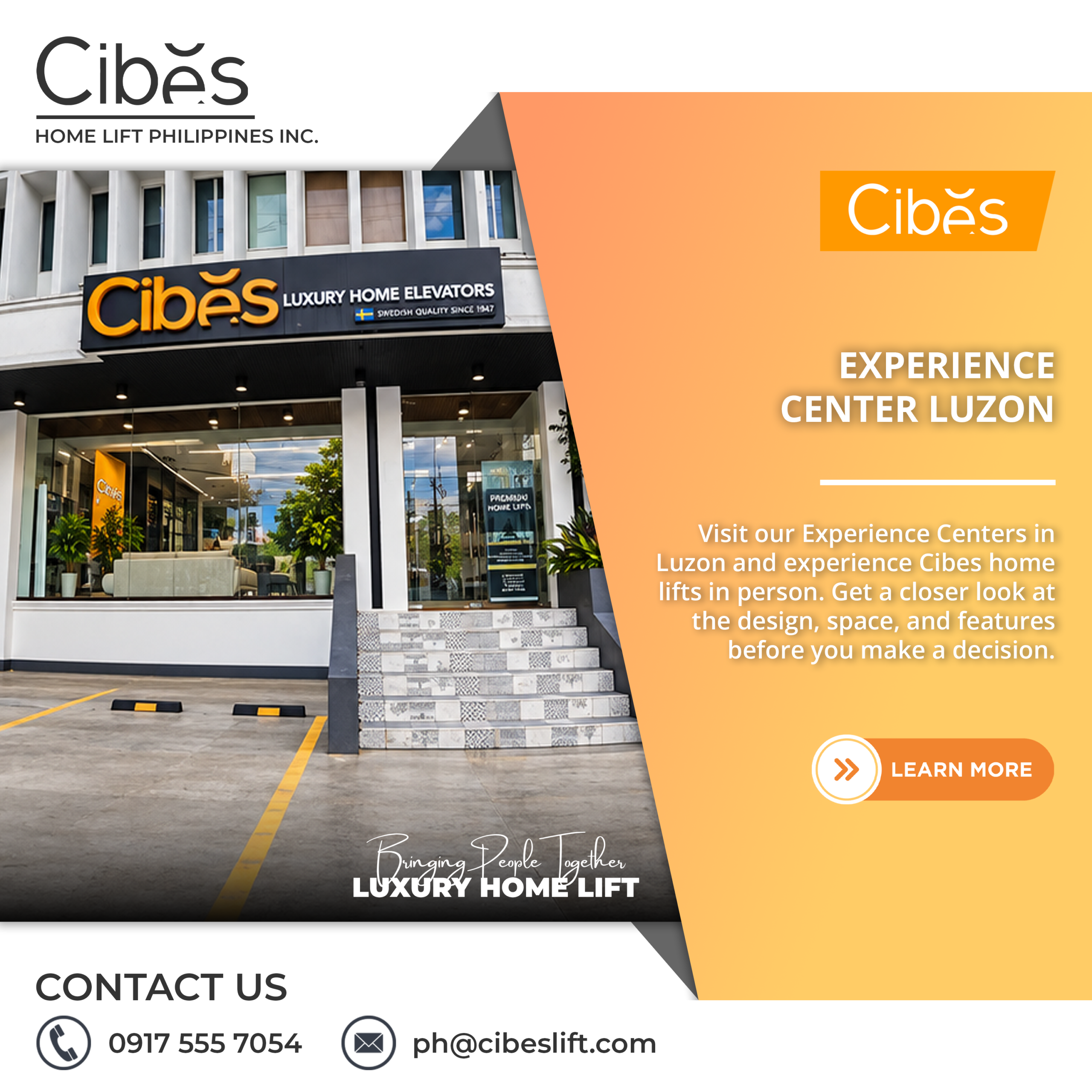
TL;DR Cibes Experience Center Luzon lets homeowners and property professionals experience Cibes home lifts in person before making a decision. Cibes Lift Philippines has 13 demo lifts across three Luzon Experience Centers: Makati (8), Mandaluyong (2), and Balintawak, Quezon City (3). Visitors can ride the lifts, check cabin space, test the controls, explore designs, and […]

TL;DR Sustainable home elevators in the Philippines are becoming an important consideration for homeowners who want to improve accessibility without overlooking environmental responsibility. Modern home elevators can support energy-efficient living through efficient drive systems, durable materials, renewable energy integration, and reduced structural changes compared with major home renovations. The Environmental Case for Sustainable Home Elevators […]

TL;DR Home Elevator Performance plays an important role in the safety, comfort, efficiency, and long-term reliability of a residential lift. While regular maintenance keeps your elevator operating reliably, proper usage, environmental control, component monitoring, electrical optimization, and timely upgrades can further improve its performance. In this guide, discover 8 expert tips to help maximize home […]
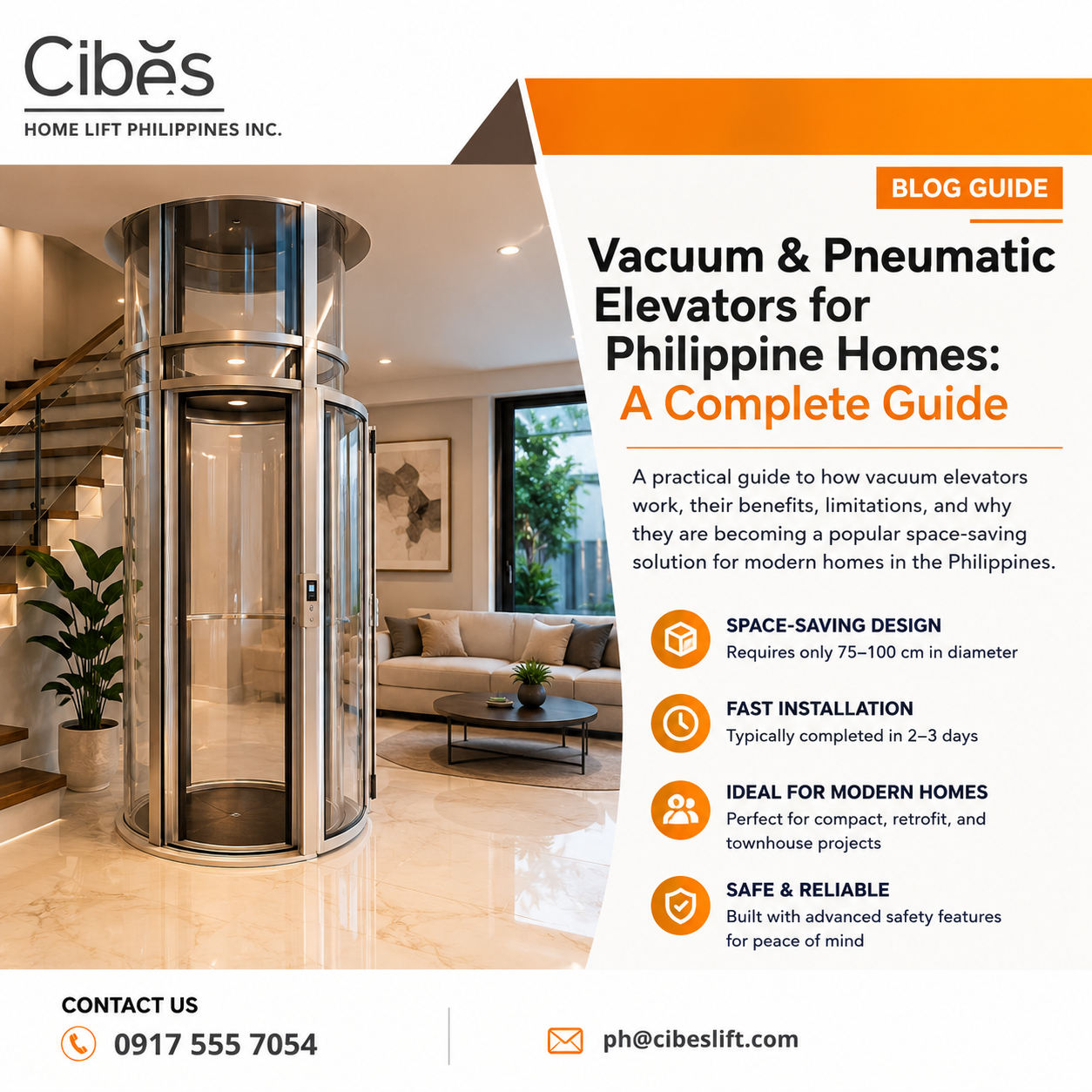
TL;DR Vacuum elevators use air pressure instead of cables or hydraulic systems to move a cabin inside a transparent tube. Most residential models require only 75 to 100 cm of space, serve 2 to 4 floors, carry 205 to 238 kg, and can often be installed in 2 to 3 days with minimal structural work. […]