Blog - 23/08/2026
Commercial vs Residential Elevators: Key Differences
TL;DR
Home elevator vs commercial elevator is an important comparison for Filipino homeowners considering vertical access for a multi-story residence. Commercial lifts and residential lifts serve different purposes, and understanding these differences can help homeowners choose a system that matches their home’s space, usage, budget, and accessibility needs.
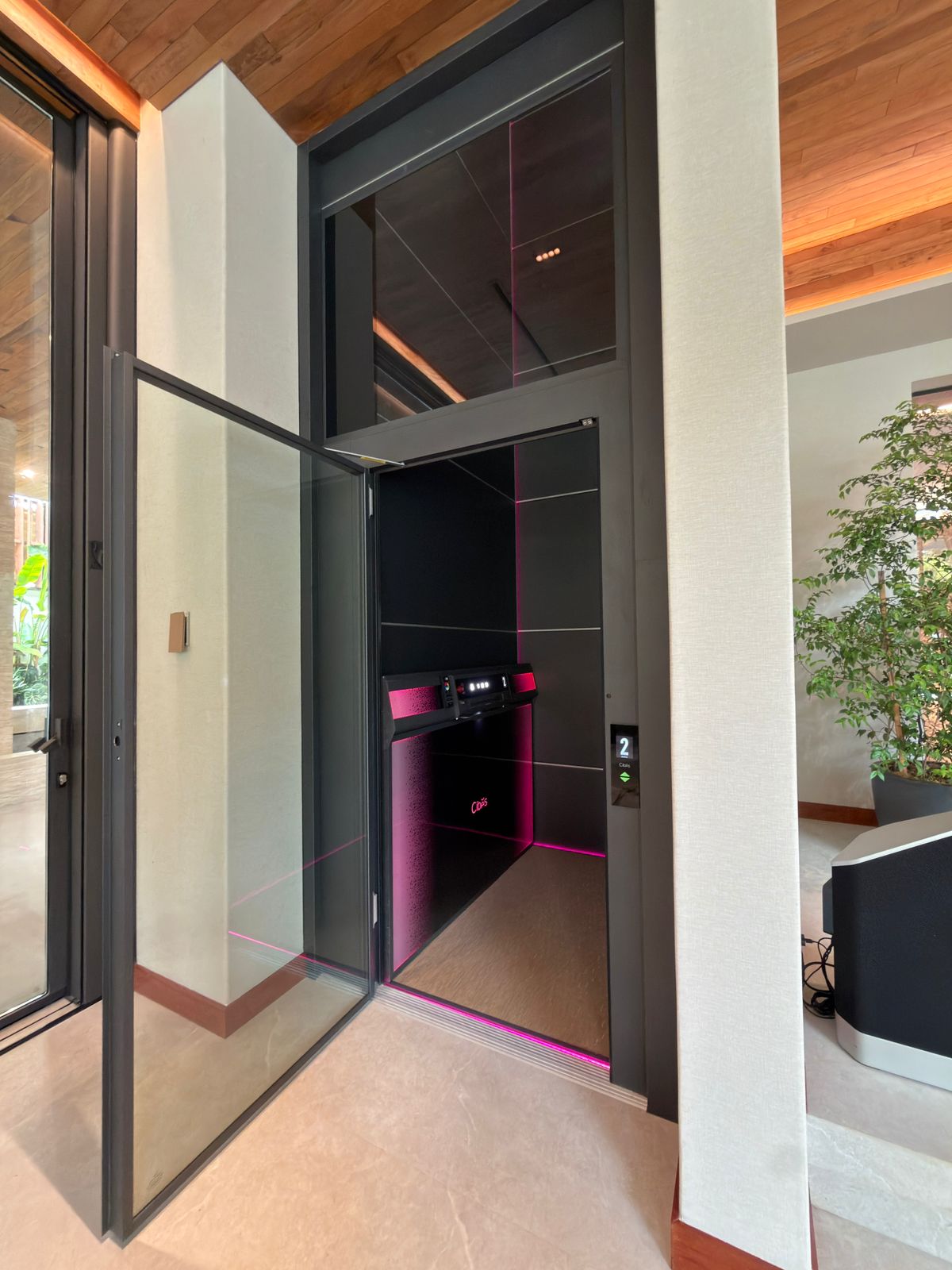
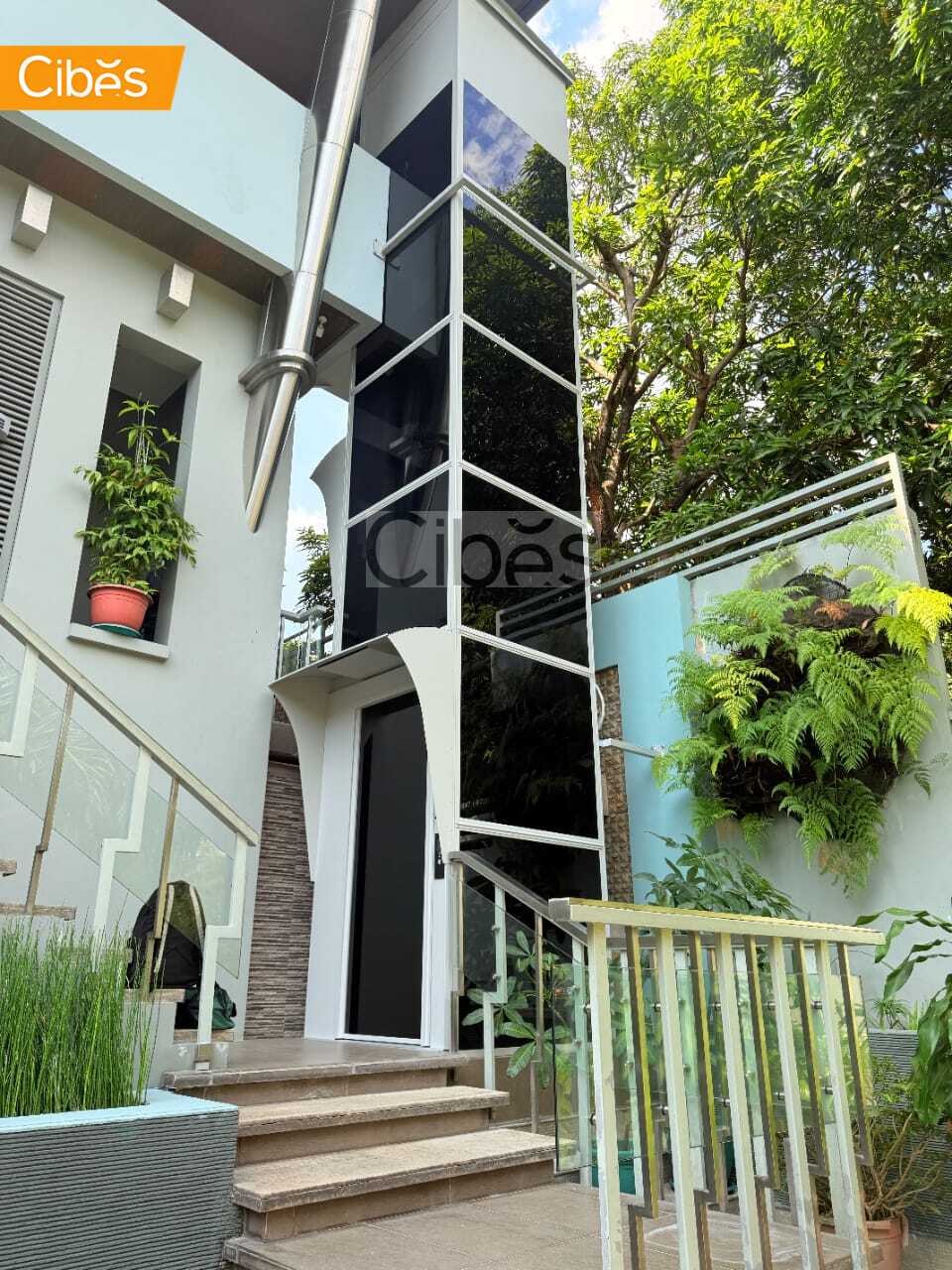
In the Philippines, where multi-story townhouses and family homes are common in urban areas like Metro Manila, Cebu, and Davao, Cibes home lifts provide a tailored, private alternative to commercial elevators, with compact designs and features suited to Filipino households.
When you start researching home elevators, you’ll likely picture a smaller version of the commercial lifts you’re already familiar with.
Well, not quite.
Commercial elevators and home lifts both move people between floors, but they serve very different priorities and uses.
Let’s break down the main distinctions between these two.
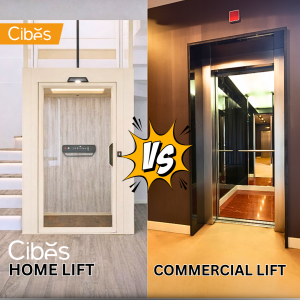
Home Elevator vs Commercial Elevator: Size and Capacity
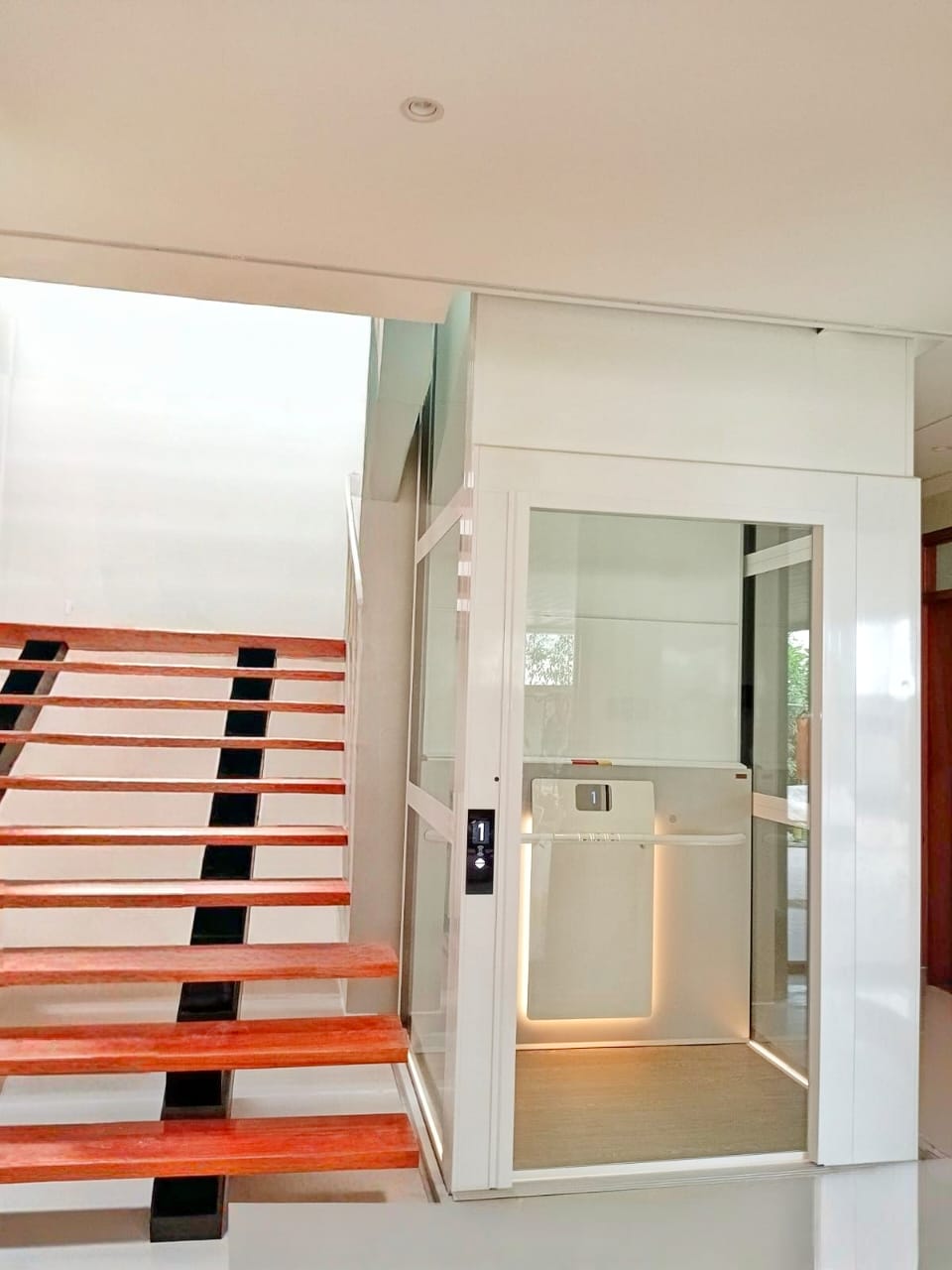
By contrast, residential lifts are quite small. The average capacity for a residential lift can hold 2 to 4 persons, or a maximum load of 500 to 1,000 pounds, with cab widths ranging from 3 to 4 feet.
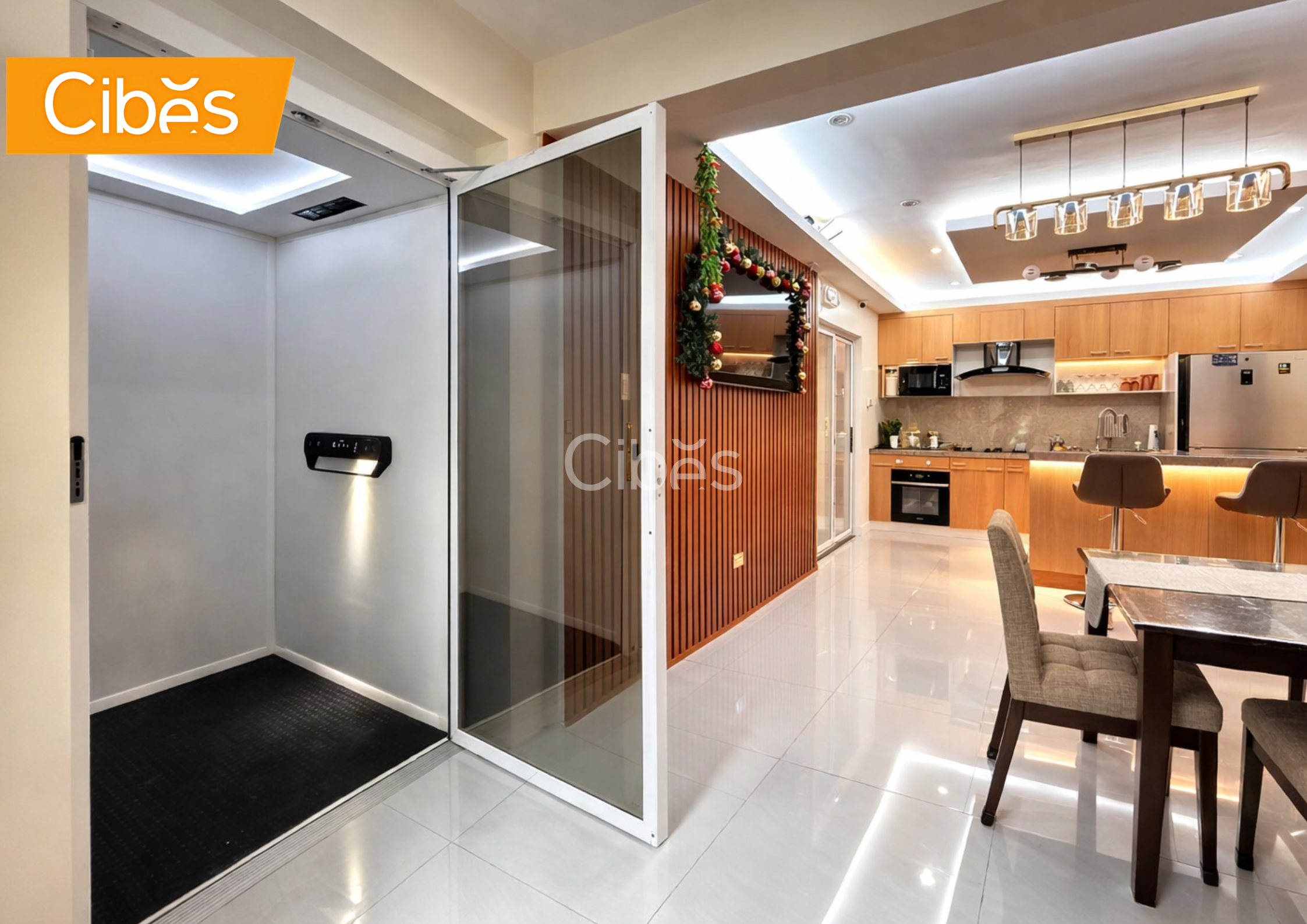
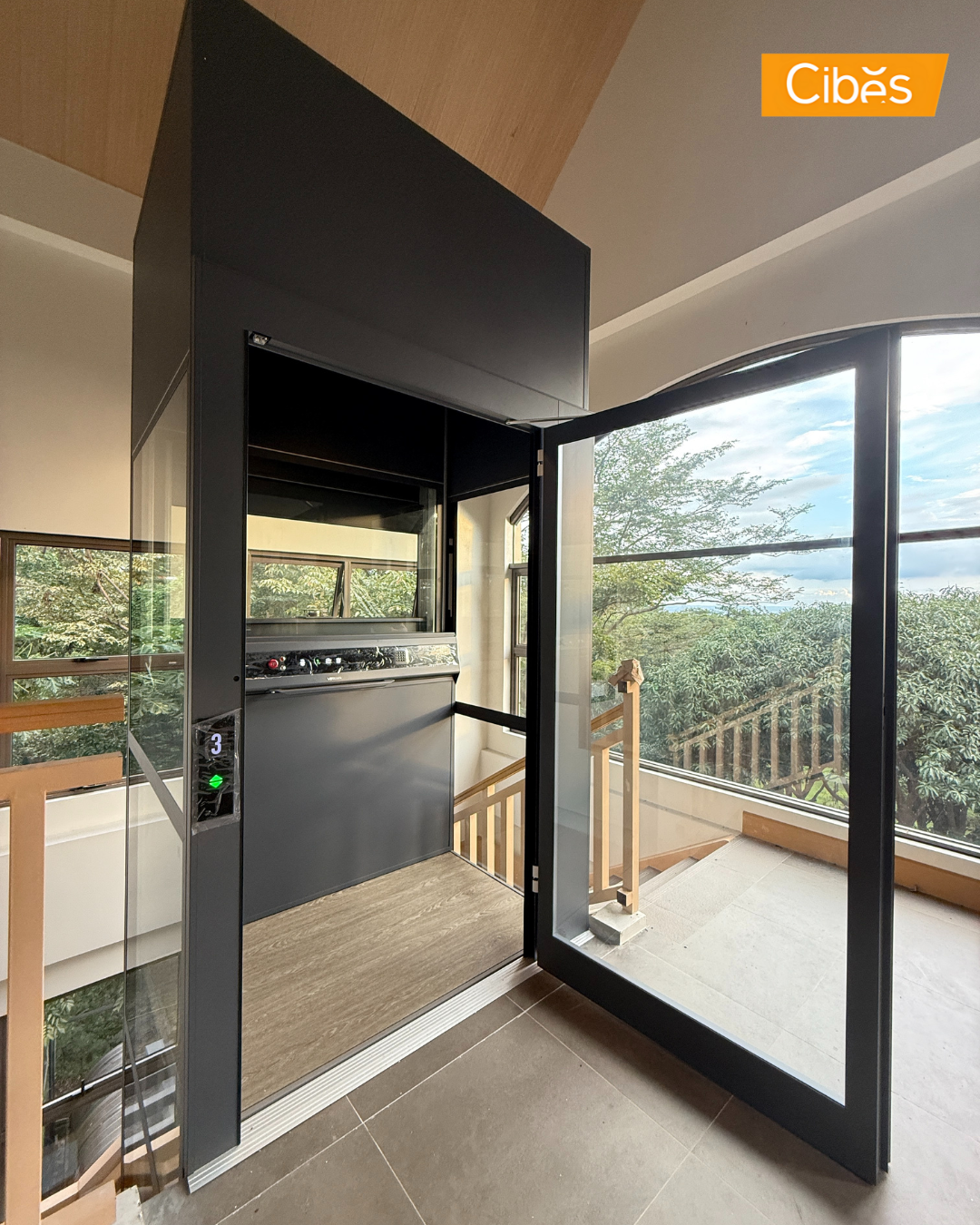
Cibes screw-driven home lifts in the Philippines typically feature compact cabs (around 1-1.3 meters wide) for 2-4 people or wheelchairs, ideal for family use without the bulk of commercial systems.
Why the difference?
Because homes don’t need to move crowds. You’re not running a business where thirty people need to reach the fifth floor simultaneously. You need to move yourself, family members, and some stuff.
“Global residential and commercial lift guidelines”
How Does Speed Compare?
Commercial elevators operate at high speeds. In high-rise buildings, lift speeds can reach several hundred feet per minute. Home lifts, on the other hand, are designed to move at much slower speeds.. In residential lifts, the speed can go up to 30-40 ft per minute, which is equivalent to one floor per 8-12 seconds.
Is this a disadvantage? Not at all.
In a house, after all, it’s a maximum of two or three stories. You’re not climbing twenty stories.
A slower pace is gentle, makes little noise, and is more appropriate for a home environment.
Cibes lifts prioritize smooth, quiet operation with EcoSilent technology, perfect for peaceful Philippine family homes.
Are Maintenance Requirements the Same?
Because commercial elevators are used for public transportation, they must have extensive maintenance performed on them every month, which includes inspections, yearly certifications, and tests on all safety features.
Home lifts, despite requiring attention too, are not that demanding. One or two professional visits in a year should be enough.
Some simple cleaning and TLC for the door tracks, but nothing much.
The difference in upkeep is reflective of their usage patterns. A commercial elevator can register many trips in a single day, while a domestic elevator will only register a handful. This, in turn, impacts the extent to which said lifts will need upkeep.
Also, for home lifts, planning for maintenance is easier because you have control over who has access to your property. You don’t have to coordinate with building officials or work with business hours.
Cibes offers low-maintenance screw-driven systems with factory-direct after-sales support in the Philippines, requiring only 2-3 visits per year.
How Does Cost Compare?
The cost of installing a commercial elevator would typically vary between $100k and $300k or more, depending on the height and capacity of the building, among other considerations. This is just for installation, and a maintenance contract would cost additional thousands of dollars annually.
In contrast, home lifts are much more affordable. Most residential installations will cost more than 10 times less than that, with the maintenance contracts costing a few hundred dollars a year.
So why such big differences in price?
It has to do with size, capacity, regulations, and complexity.
Commercial installations are feats of engineering designed for heavy usage and strict regulation. Domestic lifts are complex equipment, scaled to suit domestic use, of course, but complex nonetheless.
In the Philippines, Cibes home lifts start from around ₱1.5 million for two-story homes, with installation costs ₱100,000–₱300,000, far more affordable than commercial systems.
What About Design and Aesthetics?
Commercial elevators prioritize durability and compliance over aesthetics.
True, upscale office towers can offer rather impressive-looking elevators. However, ultimately, it is functionality and compliance that matter. After all, this is something that has to be used by many people.
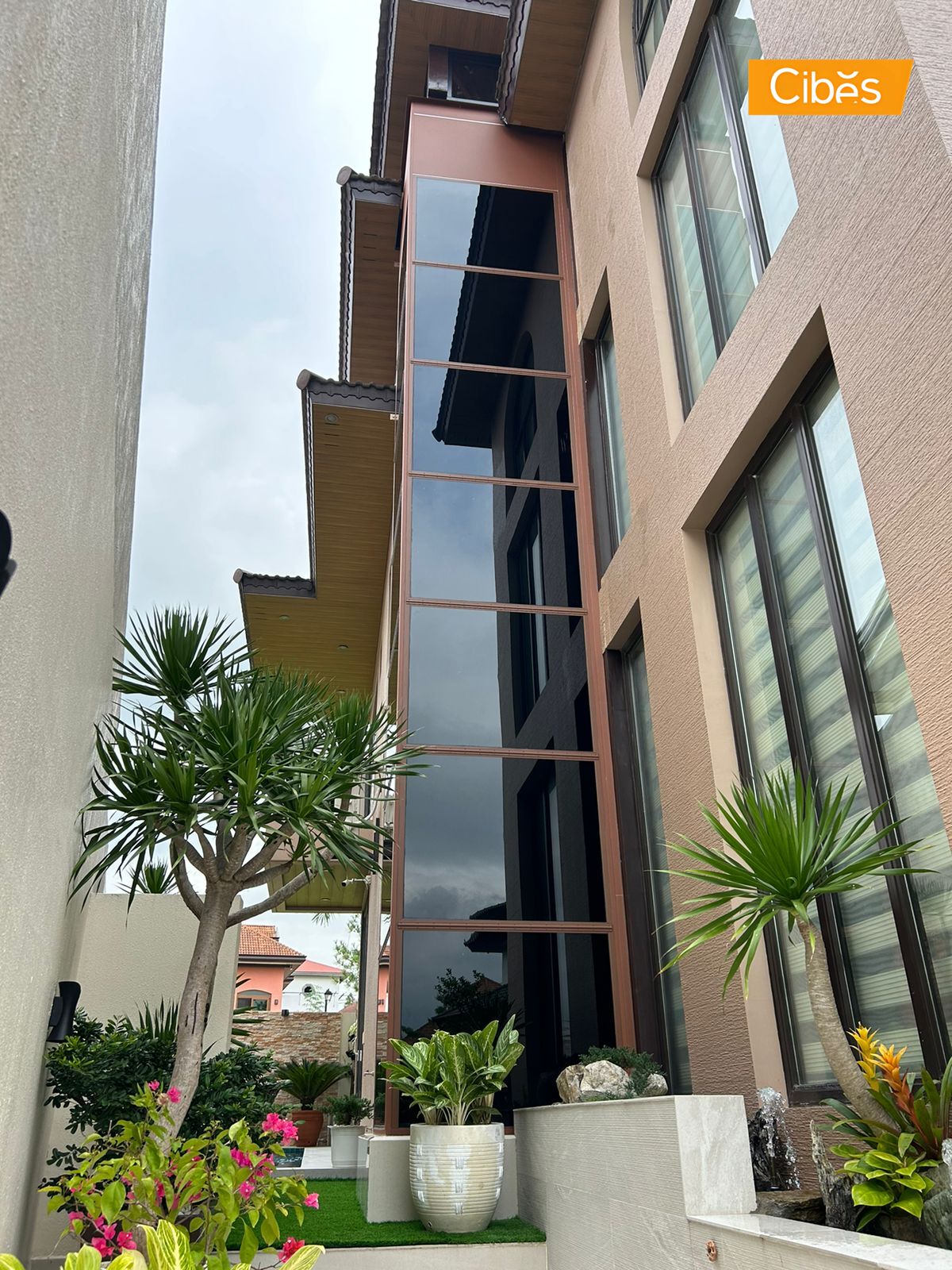
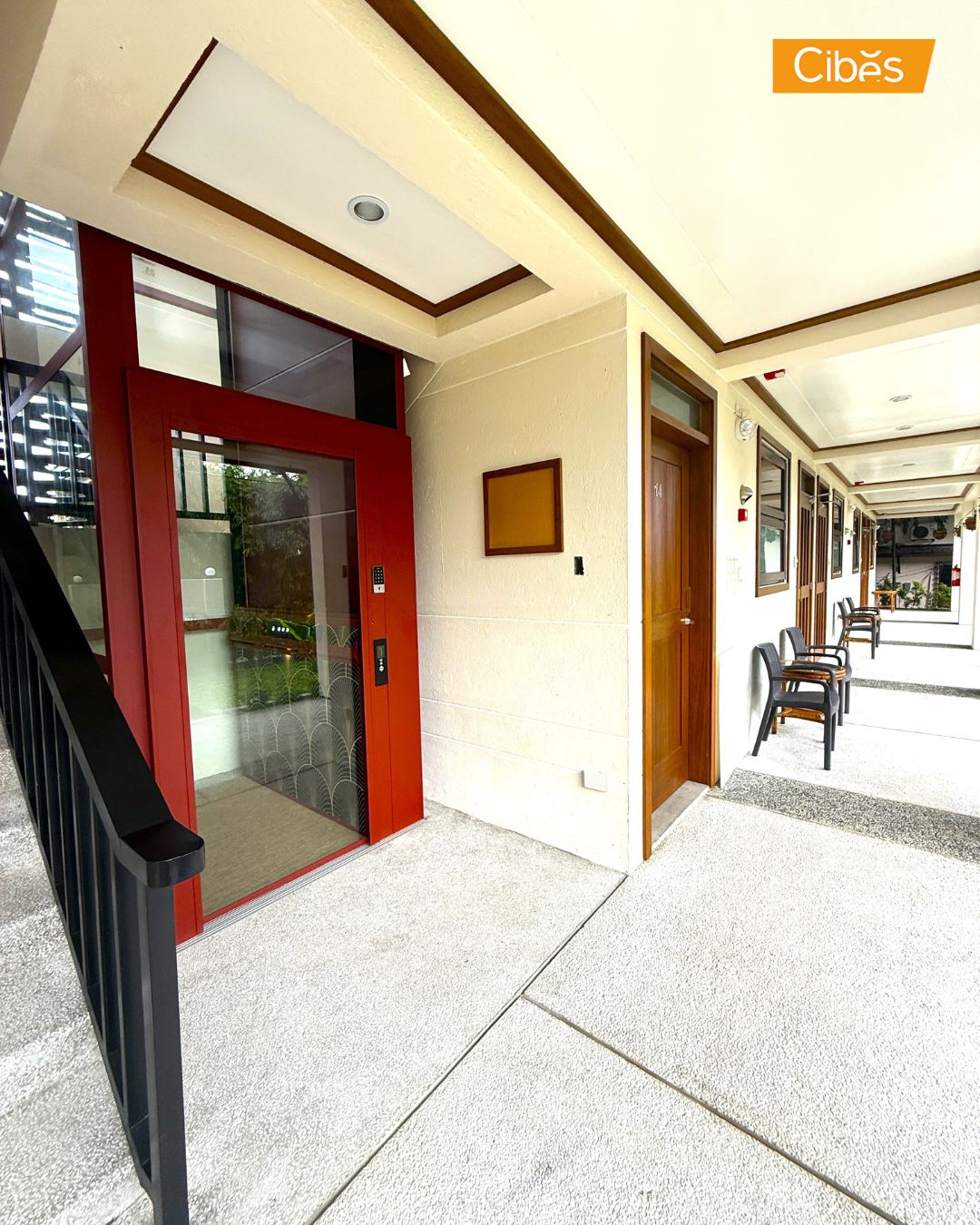
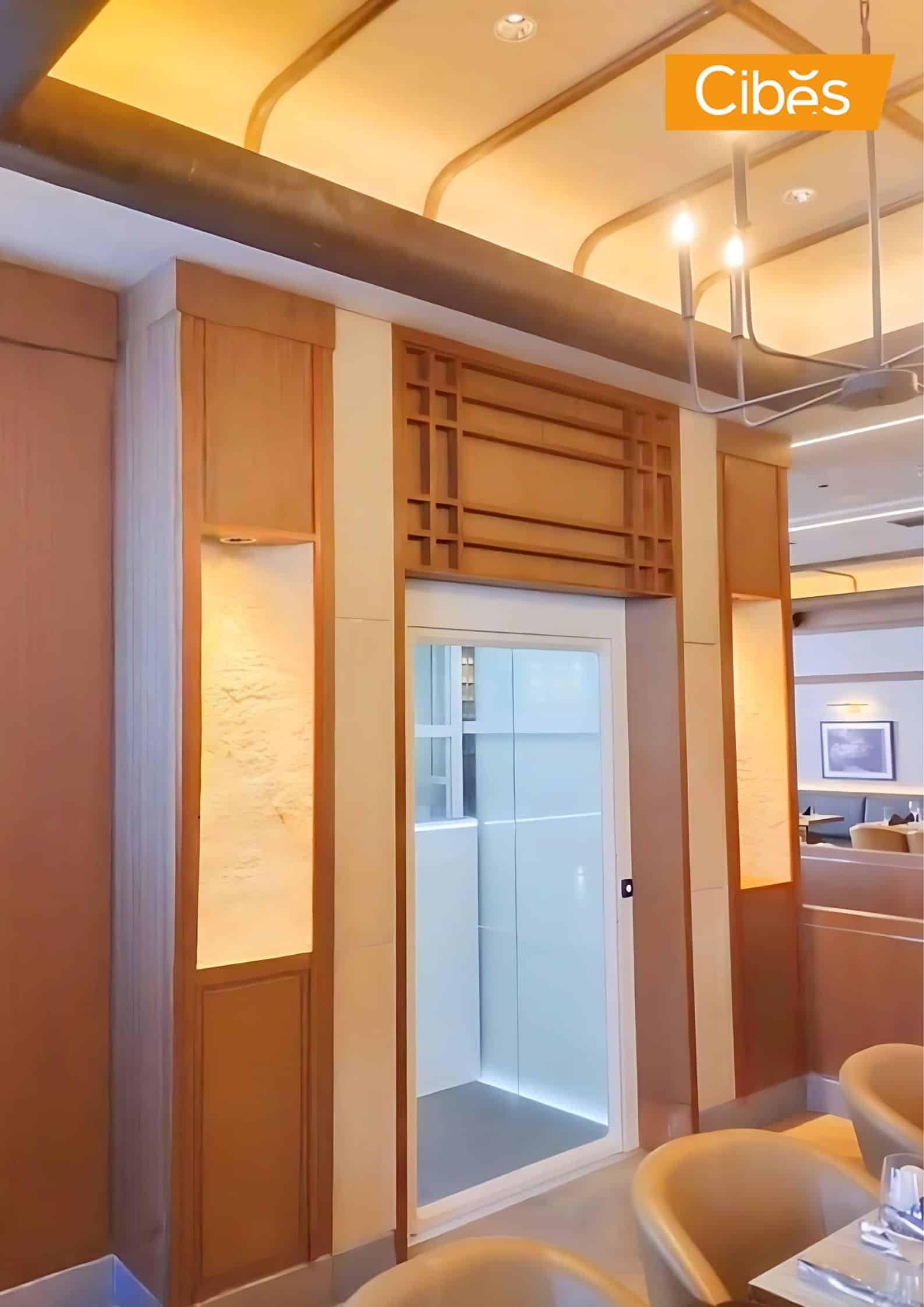
In home lifts, the theme revolves around individual style. You can customize to reflect the character of your home, wood that matches your molding, glass walls that create the illusion of openness, and lighting that reflects your mood. You can design it the way you want.
Cibes provides fully customizable designs with premium finishes, glass options, and Scandinavian elegance to match Filipino home aesthetics.
Is the User Experience Different?
In an office building, a person has to ride an elevator with strangers, wait for its arrival along with others, and stop on several floors, struggling with congestion during peak hours. It is a mode of transportation in a public facility.
A domestic lift is a completely private means of vertical transport.
There is no waiting time for a lift, no chance of a shared ride, and no stops that need to be made that are not necessary. It is a personal form of transport that is always there.
So you might be thinking, “Well, of course, office elevators are for everyone; home elevators are just for me and the family. That’s obvious.”
Well, it’s not obvious. And that is because most people are used to thinking about public or office elevators when the context is home elevators, and the truth is that these are two very distinct subjects.
So when someone is talking about home lifts, keep in mind that they are completely different from public elevators, and by reading this article, you now understand why.
The knowledge of these differences helps in setting the right expectations. Home lifts will never imitate the ride of a commercial lift perfectly, and this is actually a blessing in disguise. It is meant to serve the needs of the residence, which it does perfectly.
With battery backups for brownouts and compliance with Philippine accessibility standards, Cibes home lifts deliver a safe, private, and luxurious experience tailored for Filipino families.
Contact Cibes Lift Philippines today for a free consultation and see why a home lift is the perfect private solution for your multi-story home.
FAQs
Q: What is the difference between commercial elevators and home lifts?
A: Commercial elevators are designed for high-traffic buildings, while home lifts are designed for private residential use, focusing on comfort, accessibility, and convenience.
Q: How do they differ in size and capacity?
A: Commercial elevators are generally larger and carry more passengers. Home lifts are more compact and designed for residential spaces.
Q: Are commercial elevators faster?
A: Yes. Commercial elevators are built for high-traffic, multi-story buildings, while home lifts prioritize smooth and comfortable residential travel.
Q: Is maintenance different?
A: Commercial elevators typically require more extensive maintenance due to heavier usage. Home lifts require regular professional servicing based on the manufacturer’s recommendations.
Q: Are home lifts more affordable?
A: Generally, yes. Home lifts are designed for residential applications and typically require less infrastructure than commercial elevator systems.
Q: How do they differ in design?
A: Commercial elevators prioritize durability and functionality, while home lifts can offer customizable finishes and designs that complement residential interiors.
Q: What is the user experience like?
A: Commercial elevators serve many users, while home lifts provide private and convenient floor-to-floor access for household members.
Q: Are home lifts safe for Philippine homes?
A: Yes. Home lifts include safety features designed for residential use, depending on the model and configuration.
Q: Do I need a permit for a home lift in the Philippines?
A: Permit requirements vary by location and project. Homeowners should check with their local authorities and lift provider before installation.
Q: Which is better for a home?
A: For most private residences, a home lift is more suitable because it is designed for residential space, comfort, accessibility, and everyday use.
Experience Center and Technical Station Address
Makati City | Balintawak – Quezon City | Mandaluyong City | Cebu City | Ilo-Ilo City | Davao City | Cagayan De Oro City






CIBES AUTHOR
Mylen Posas is the Aftersales Manager at Cibes Lift Philippines. She oversees aftersales operations, ensuring every customer receives reliable support from installation through long-term maintenance. With a strong focus on service quality and customer satisfaction, she works closely with the technical team to deliver prompt assistance and help maintain the long-term performance and safety of every Cibes home lift.



TL;DR The Cibes Experience Center Visayas in Cebu City lets homeowners, architects, designers, contractors, and developers see Cibes home lifts in person. Visitors can experience the lift cabin, review available designs and features, and discuss installation requirements with the Cibes team. The Cebu Experience Center currently lists V90 Elegance, Z85 Antera, and Ascenda among its […]
TL;DR Cibes Experience Center Luzon lets homeowners and property professionals experience Cibes home lifts in person before making a decision. Cibes Lift Philippines has 13 demo lifts across three Luzon Experience Centers: Makati (8), Mandaluyong (2), and Balintawak, Quezon City (3). Visitors can ride the lifts, check cabin space, test the controls, explore designs, and […]

TL;DR Sustainable home elevators in the Philippines are becoming an important consideration for homeowners who want to improve accessibility without overlooking environmental responsibility. Modern home elevators can support energy-efficient living through efficient drive systems, durable materials, renewable energy integration, and reduced structural changes compared with major home renovations. The Environmental Case for Sustainable Home Elevators […]

TL;DR Home Elevator Performance plays an important role in the safety, comfort, efficiency, and long-term reliability of a residential lift. While regular maintenance keeps your elevator operating reliably, proper usage, environmental control, component monitoring, electrical optimization, and timely upgrades can further improve its performance. In this guide, discover 8 expert tips to help maximize home […]

TL;DR Vacuum elevators use air pressure instead of cables or hydraulic systems to move a cabin inside a transparent tube. Most residential models require only 75 to 100 cm of space, serve 2 to 4 floors, carry 205 to 238 kg, and can often be installed in 2 to 3 days with minimal structural work. […]