Blog - 20/08/2026
Retrofitting a Compact Home Lift in Small Homes: Step-by-Step Guide for Tight Spaces
TL;DR
Installing Home Lift in Small Homes is more practical than many homeowners realize. Modern residential lift systems can be designed for compact spaces, including unused corners, closets, areas beside staircases, and wider hallways. If you’re wondering whether your home has enough space for a lift, the key is choosing the right system and planning the installation carefully. With thoughtful space planning, a home lift can improve accessibility without sacrificing an entire room.
How a Home Elevator Fits in a Small House

Step 1: Evaluating Your Space (It’s Larger than You Imagined)
Before you assume your house is too small, let’s talk about what modern compact elevators actually need. Forget those massive elevator shafts from office buildings; residential systems work completely differently.
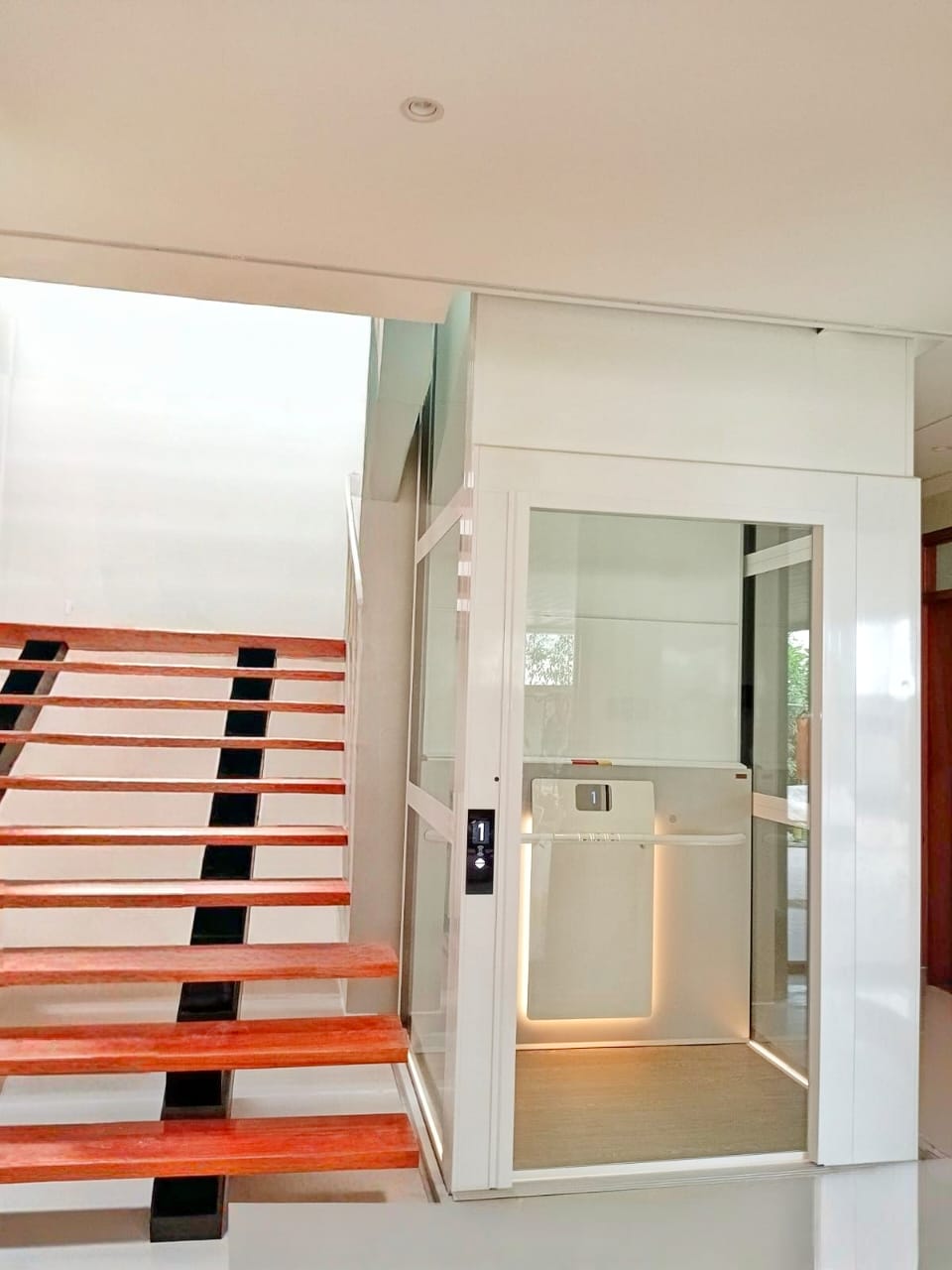
Walk through your house and sift through those potential zones: unused closets (especially those near stairways), unused corners of large rooms that do not quite make good use of space, areas below or beside staircases, or even parts of large hallways.
Here’s a real example (fictional but totally realistic):
The Garcia family thought their 1,200 square foot townhouse couldn’t possibly accommodate an elevator. Turns out, there was a perfect spot where their front hall coat closet met an unused corner of the dining room. Combined, it was just enough space for a compact system, and they actually gained storage by reorganizing around it.
Vertical space is also required, but typical residential 8–10foot ceilings suffice in most residential units. Shafts are framed from floor to floor, and new systems fit within typical residential construction.
Step 2: Choosing an Adequate System for Compact Areas
Not all residential elevators are created equal, and this is especially true if space is limited. You require systems that have been engineered to fit small residential installations.
Cable systems are less space-consuming than hydraulic systems, which require additional space to accommodate their machinery. Cable system machinery is relatively small in size and can be a part of the shaft itself.
Be realistic about your requirements. A 2–3person elevator is typically suitable for small houses. It provides sufficient space for daily access, wheelchair access if required, and moving groceries or washing if you don’t want to use much floor space.
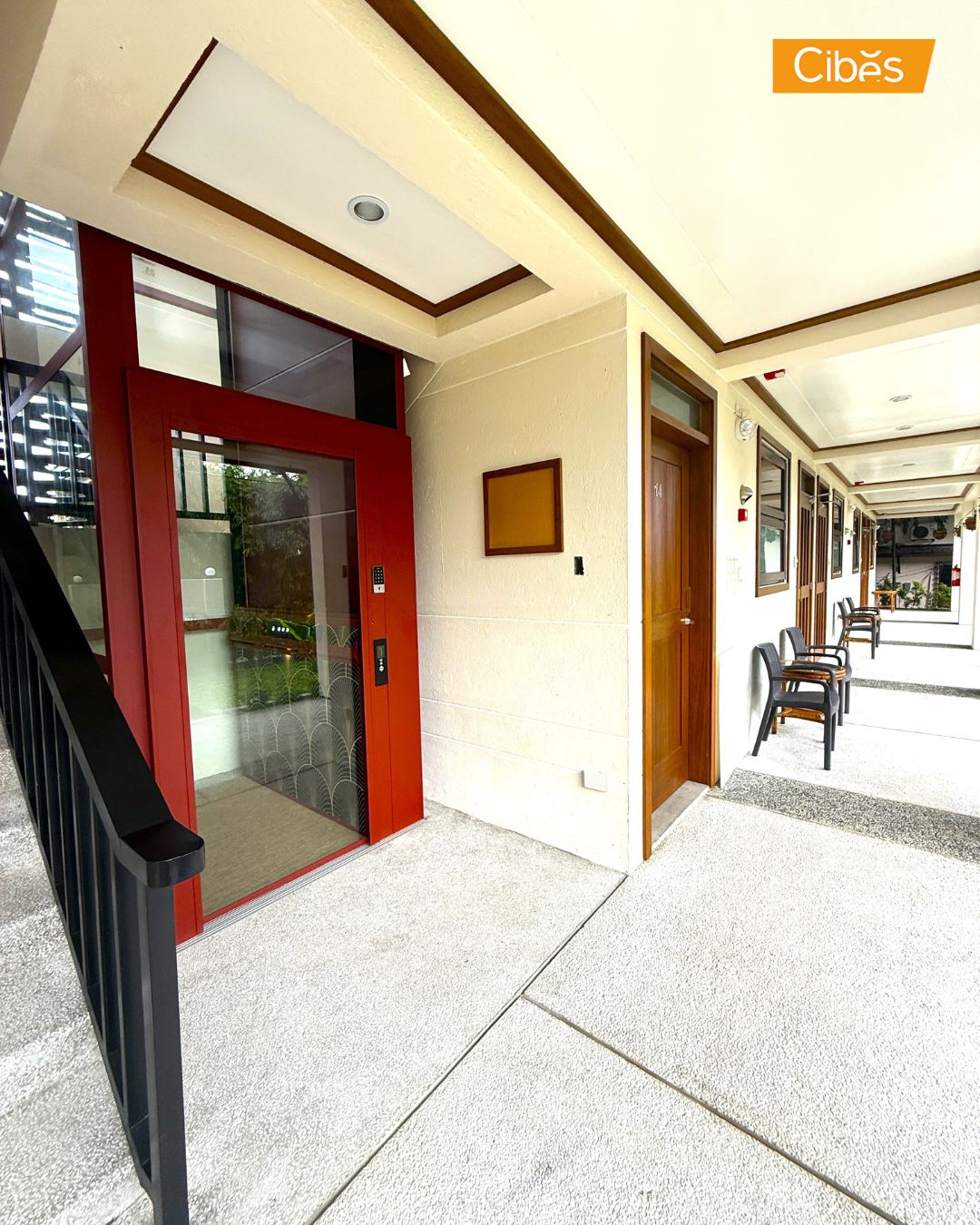
Enclosed or platform type? Less space-intensive but less decorative are platform lifts. Enclosed lifts appear more finished and suit better from a visual point of view but use a little extra space.
Step 3: Handling the Space Disruption During Installation
Staying in a small house while installing is a matter of some planning but absolutely doable.
Dust and noise are realities, but professional installation crews minimize both. They’ll use dust barriers, clean up daily, and schedule noisy work during reasonable hours. It’s disruptive but not unbearable.
Plan for temporary loss of closet or storage space if that’s where the elevator is going. Shift those items somewhere else before installation begins, so you’re not scrambling during the process.
Step 4: Electrical and Structural Issues
Smaller dwellings will occasionally have older wiring that will affect elevator installations. Residential current is used to drive most new small-space compact elevators, but your panel will sometimes have to be strengthened to safely support the new load.
Strengthening of a structure would be a minor component of new construction work but could be a major component of an in-use structure. Floor joists may need to be strengthened to bear extra load, and walls could be strengthened wherever the shaft will bear against.
Step 5: Incorporating Designs into Constricted Areas
Aesthetics is even more important where space is small because it is all that is visible, and you cannot conceal an awkward intrusion.
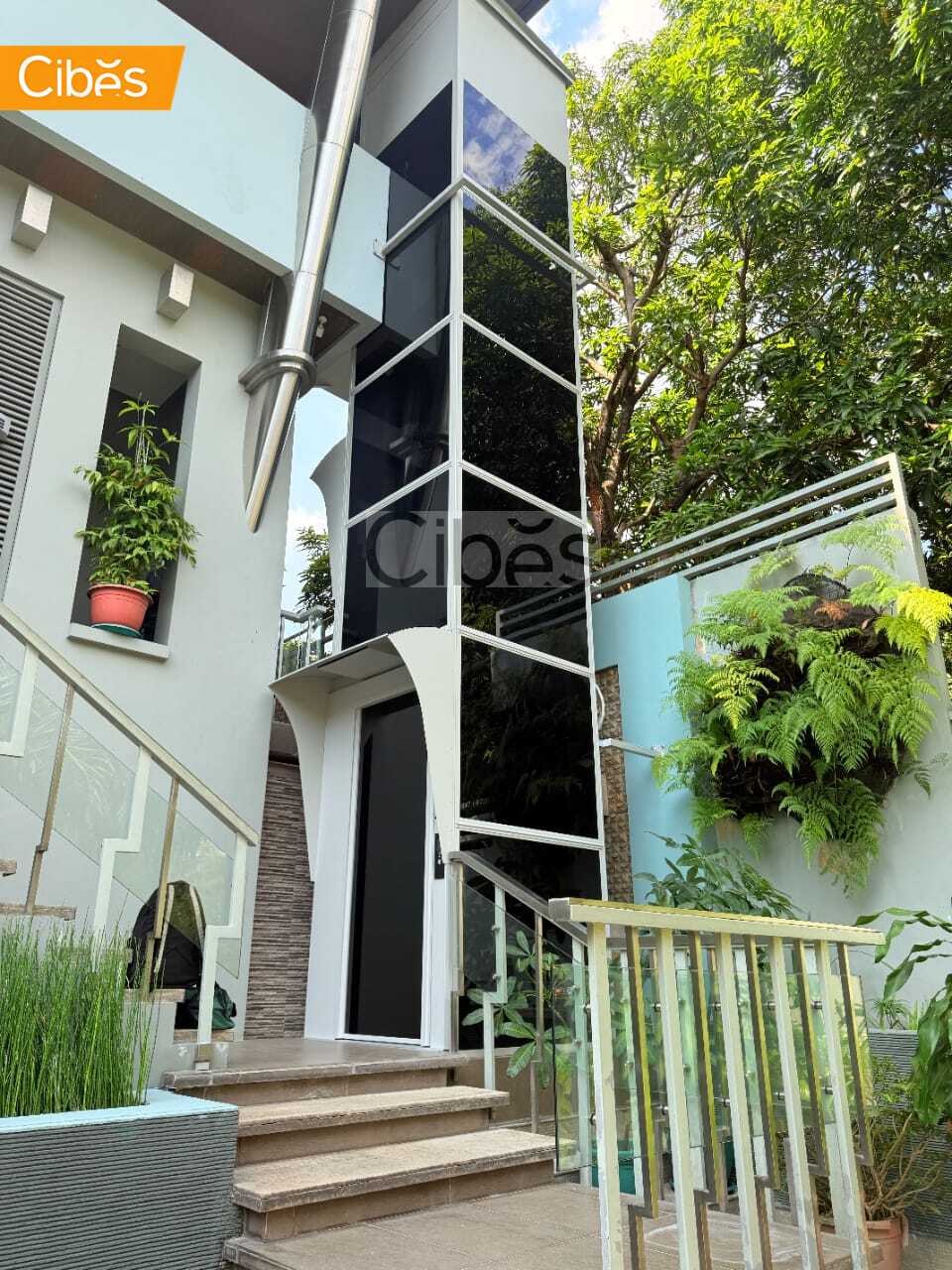
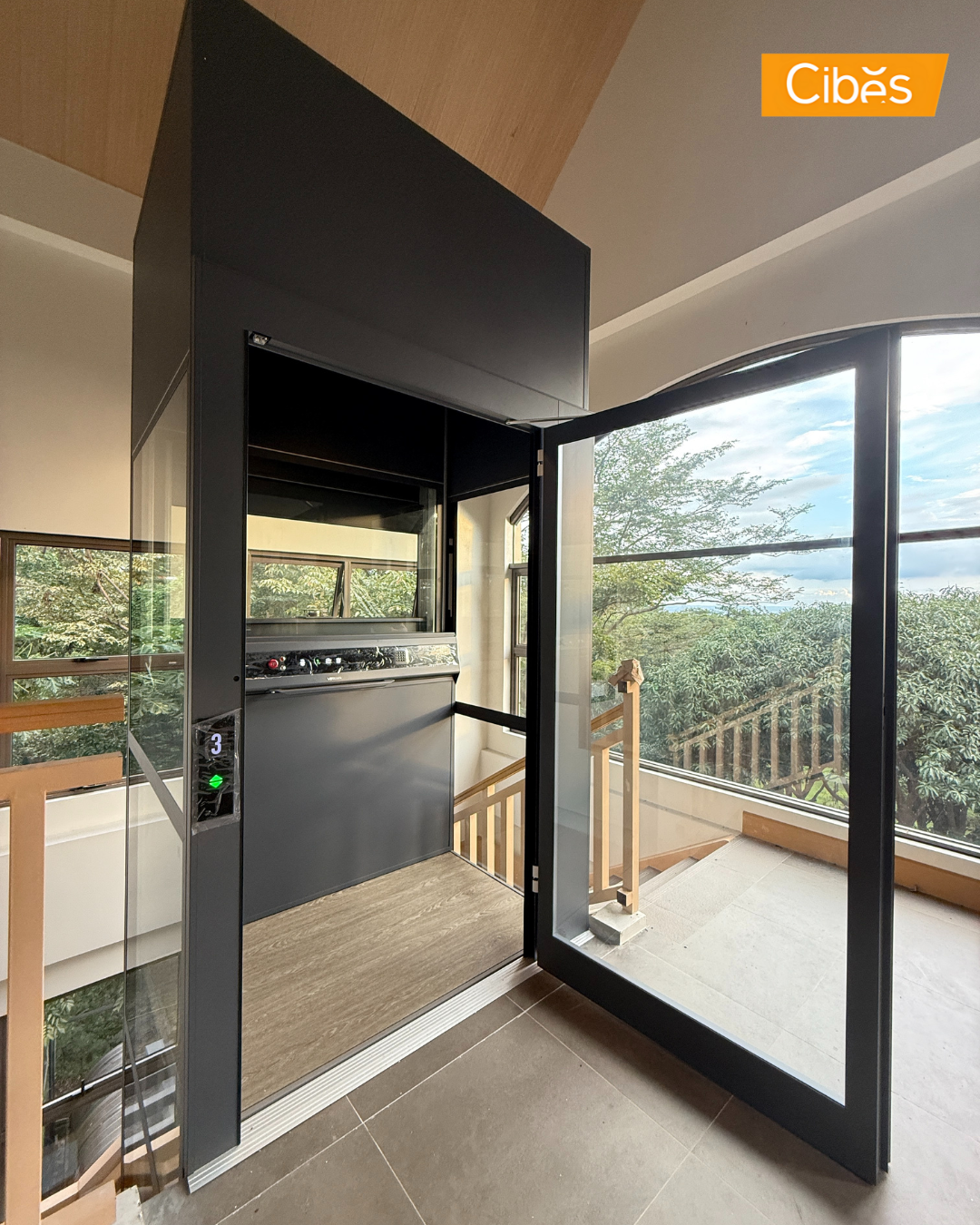
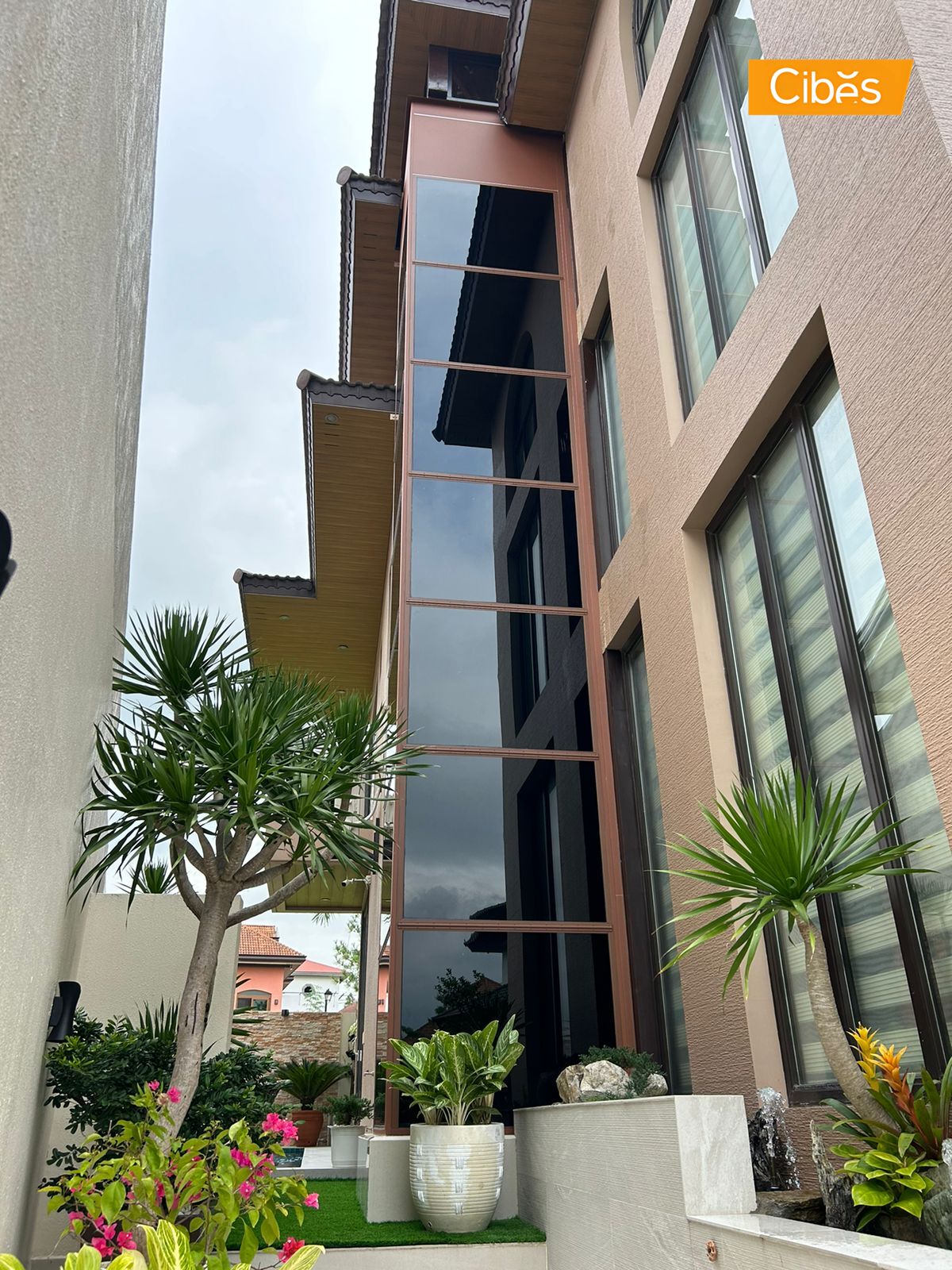
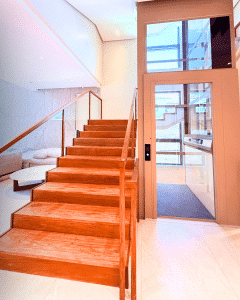
Glass-enclosed elevators look stunning in narrow configurations because rooms do not appear to shrink in size. They have floor-to-floor visual circulation and even make small houses appear larger.
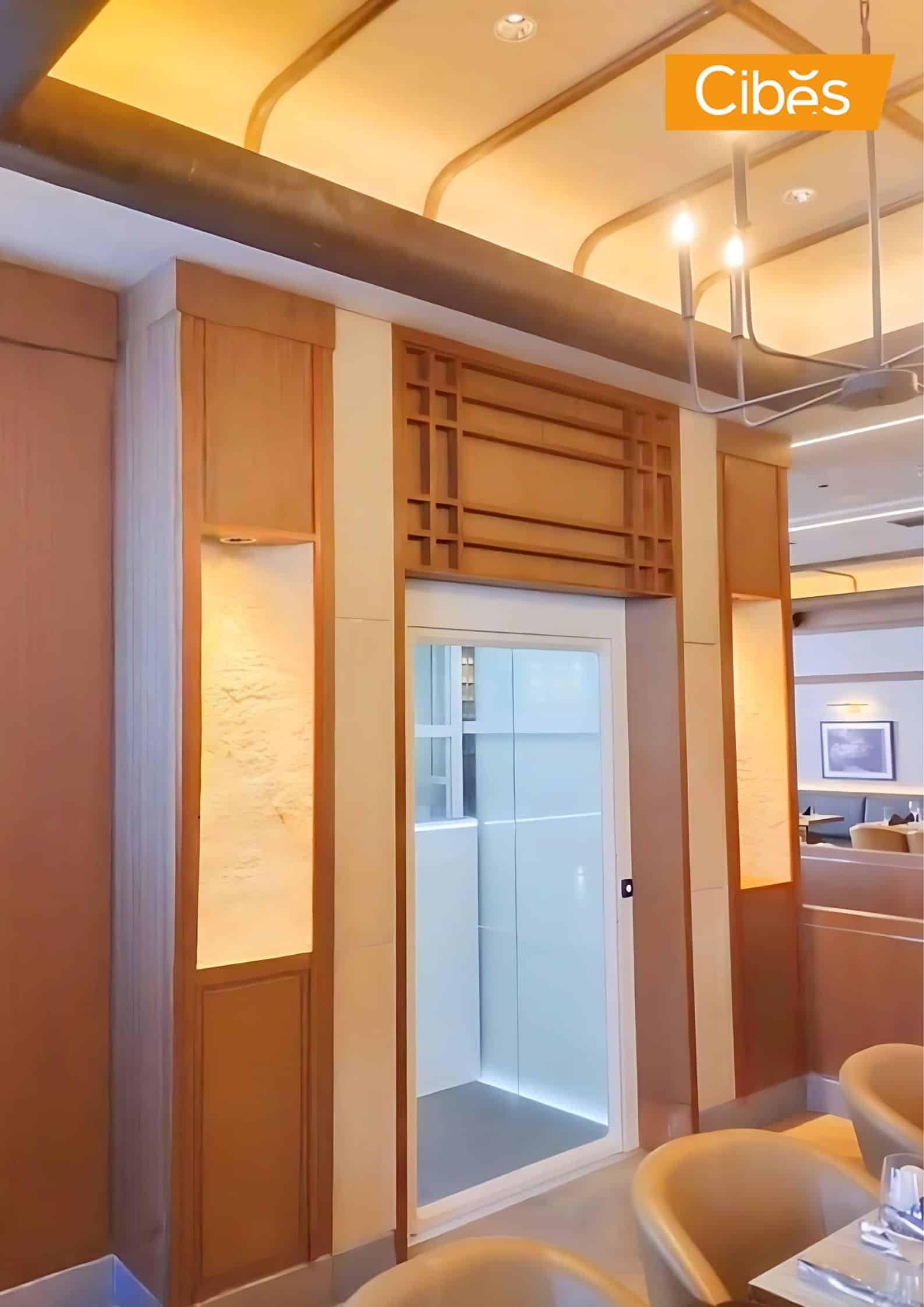
Match up finishes to your current style. Modern minimalist house? Opt for slim metals and simple lines. Old house? Wood finishes and timeless details make the elevator blend instead of standing out.
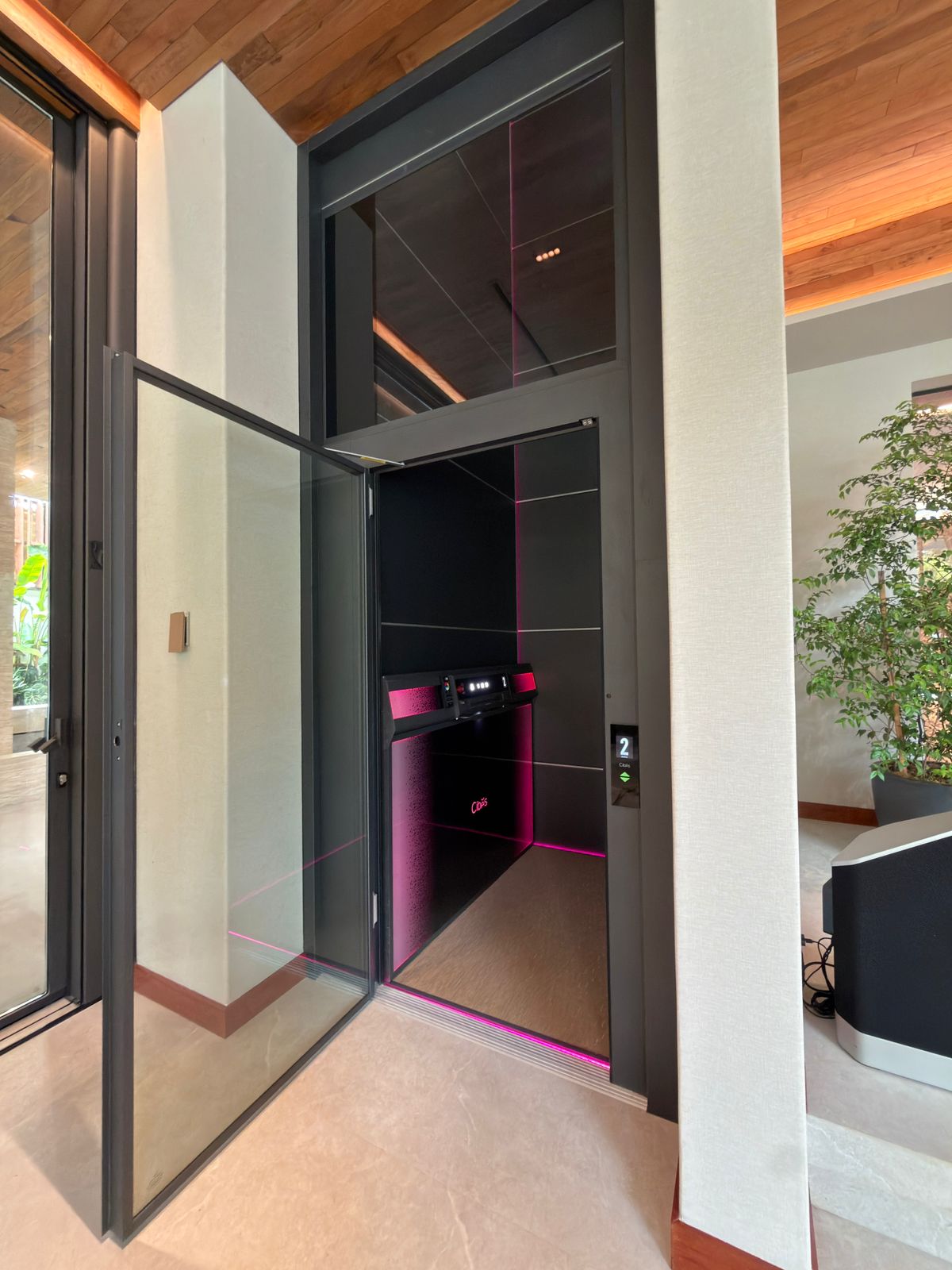
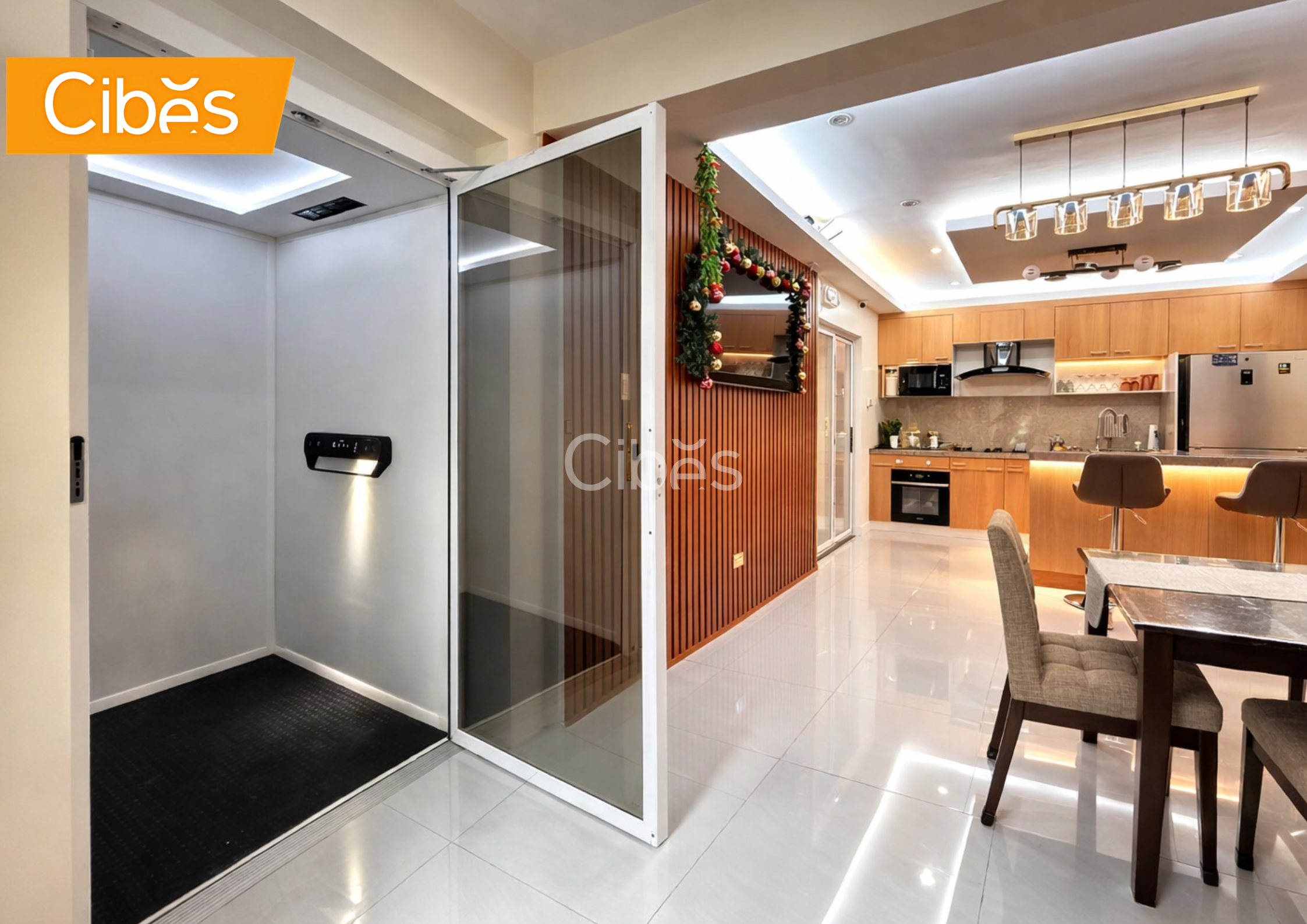
Interior lighting of elevator cabs can really make a difference in small areas. Elevators that are well-lit appear to be larger and more attractive and fewer utility boxes.
Choosing the Right Home Elevator for a Small Home
If you are considering this upgrade, schedule appointments through those businesses that do small residential work systems. They will make a trip to your facility and show you alternatives that you didn’t even know that you would be wanting.
You do not necessarily have to limit your usability or mobility only because you have a small house. Sometimes, a small room is more effective through technology than a much larger room.
Experience Center and Technical Station Address
Makati City | Balintawak – Quezon City | Mandaluyong City | Cebu City | Ilo-Ilo City | Davao City | Cagayan De Oro City






CIBES AUTHOR
Mylen Posas is the Aftersales Manager at Cibes Lift Philippines. She oversees aftersales operations, ensuring every customer receives reliable support from installation through long-term maintenance. With a strong focus on service quality and customer satisfaction, she works closely with the technical team to deliver prompt assistance and help maintain the long-term performance and safety of every Cibes home lift.



TL;DR The Cibes Experience Center Visayas in Cebu City lets homeowners, architects, designers, contractors, and developers see Cibes home lifts in person. Visitors can experience the lift cabin, review available designs and features, and discuss installation requirements with the Cibes team. The Cebu Experience Center currently lists V90 Elegance, Z85 Antera, and Ascenda among its […]

TL;DR Cibes Experience Center Luzon lets homeowners and property professionals experience Cibes home lifts in person before making a decision. Cibes Lift Philippines has 13 demo lifts across three Luzon Experience Centers: Makati (8), Mandaluyong (2), and Balintawak, Quezon City (3). Visitors can ride the lifts, check cabin space, test the controls, explore designs, and […]

TL;DR Sustainable home elevators in the Philippines are becoming an important consideration for homeowners who want to improve accessibility without overlooking environmental responsibility. Modern home elevators can support energy-efficient living through efficient drive systems, durable materials, renewable energy integration, and reduced structural changes compared with major home renovations. The Environmental Case for Sustainable Home Elevators […]

TL;DR Home Elevator Performance plays an important role in the safety, comfort, efficiency, and long-term reliability of a residential lift. While regular maintenance keeps your elevator operating reliably, proper usage, environmental control, component monitoring, electrical optimization, and timely upgrades can further improve its performance. In this guide, discover 8 expert tips to help maximize home […]
TL;DR Vacuum elevators use air pressure instead of cables or hydraulic systems to move a cabin inside a transparent tube. Most residential models require only 75 to 100 cm of space, serve 2 to 4 floors, carry 205 to 238 kg, and can often be installed in 2 to 3 days with minimal structural work. […]