




TL;DR Outdoor home elevators can improve accessibility while preserving valuable indoor space. In the Philippines, proper weather protection, structural engineering, drainage, and installation planning are essential. This guide explores installation considerations, safety requirements, potential costs, and what homeowners should know before choosing an outdoor home lift. Outdoor elevator installations can help homeowners in the Philippines […]
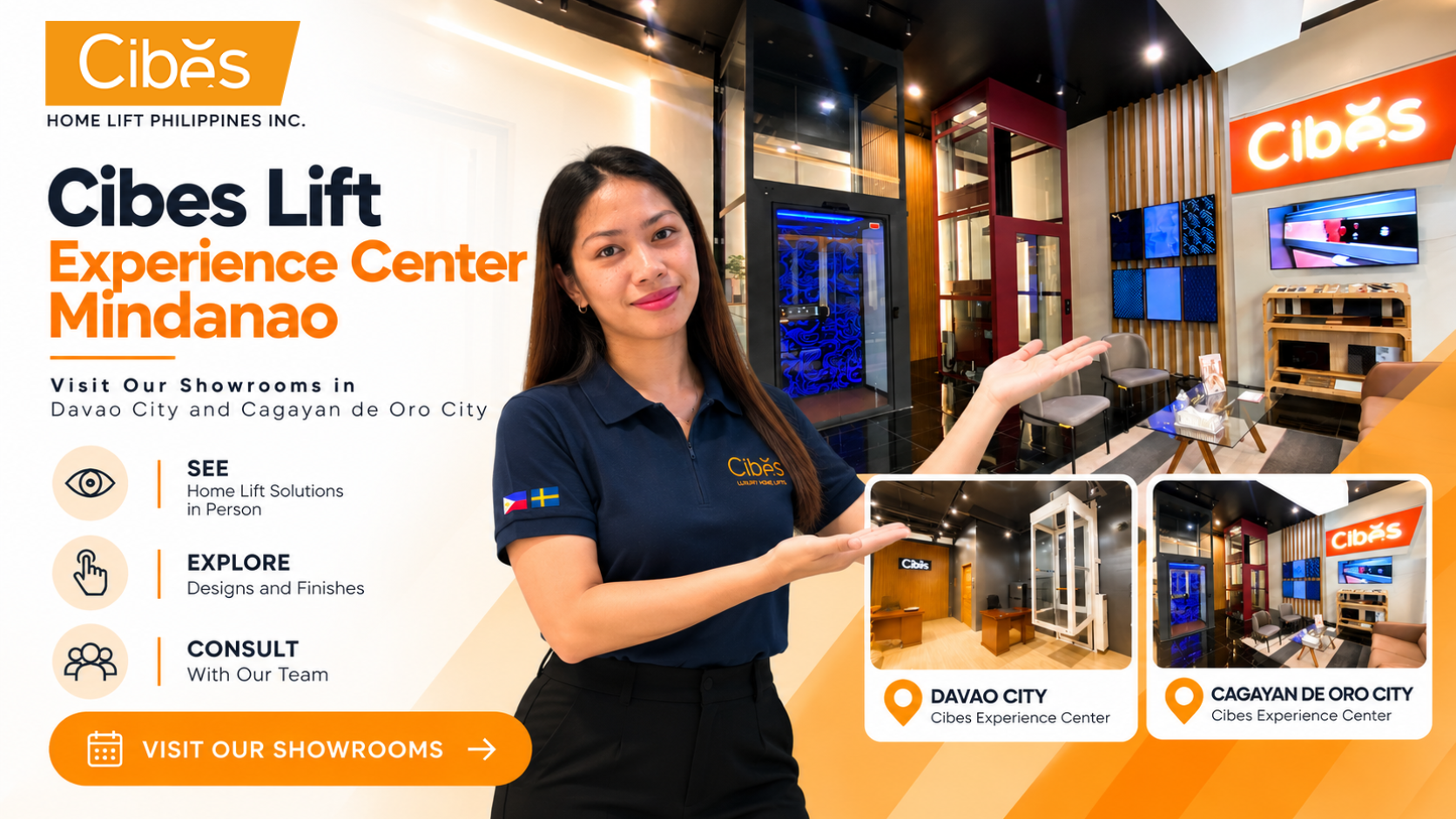
TL;DR The Cibes Experience Center Mindanao locations in Davao City and Cagayan de Oro City let homeowners, architects, contractors, and property developers explore home lift solutions in person. Compare available designs, check finishes, and discuss your property requirements with the Cibes team. Contact your preferred showroom before visiting to confirm operating hours and available demo […]
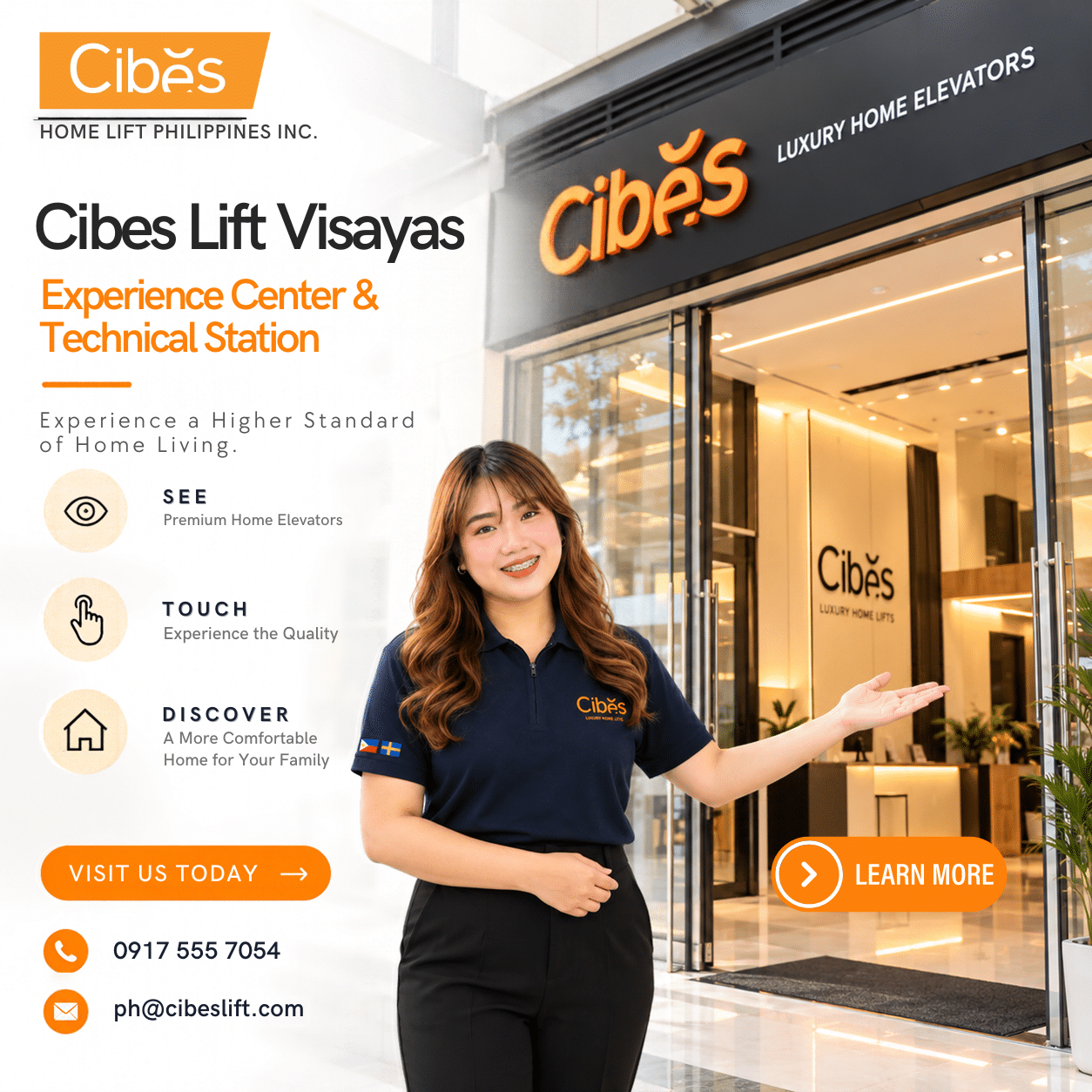
TL;DR The Cibes Experience Center Visayas in Cebu City lets homeowners, architects, designers, contractors, and developers see Cibes home lifts in person. Visitors can experience the lift cabin, review available designs and features, and discuss installation requirements with the Cibes team. The Cebu Experience Center currently lists V90 Elegance, Z85 Antera, and Ascenda among its […]
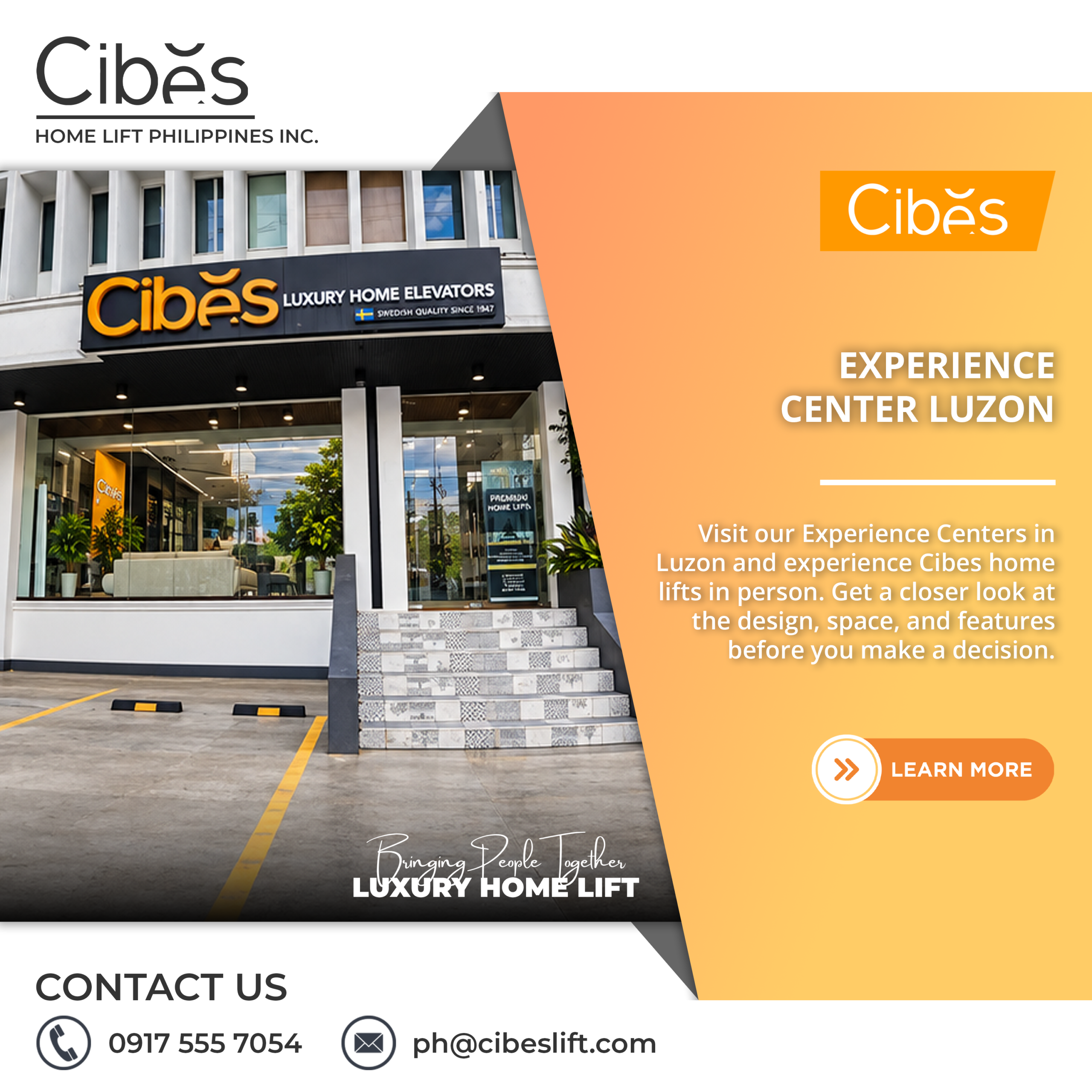
TL;DR Cibes Experience Center Luzon lets homeowners and property professionals experience Cibes home lifts in person before making a decision. Cibes Lift Philippines has 13 demo lifts across three Luzon Experience Centers: Makati (8), Mandaluyong (2), and Balintawak, Quezon City (3). Visitors can ride the lifts, check cabin space, test the controls, explore designs, and […]

TL;DR Sustainable home elevators in the Philippines are becoming an important consideration for homeowners who want to improve accessibility without overlooking environmental responsibility. Modern home elevators can support energy-efficient living through efficient drive systems, durable materials, renewable energy integration, and reduced structural changes compared with major home renovations. The Environmental Case for Sustainable Home Elevators […]

TL;DR Home Elevator Performance plays an important role in the safety, comfort, efficiency, and long-term reliability of a residential lift. While regular maintenance keeps your elevator operating reliably, proper usage, environmental control, component monitoring, electrical optimization, and timely upgrades can further improve its performance. In this guide, discover 8 expert tips to help maximize home […]
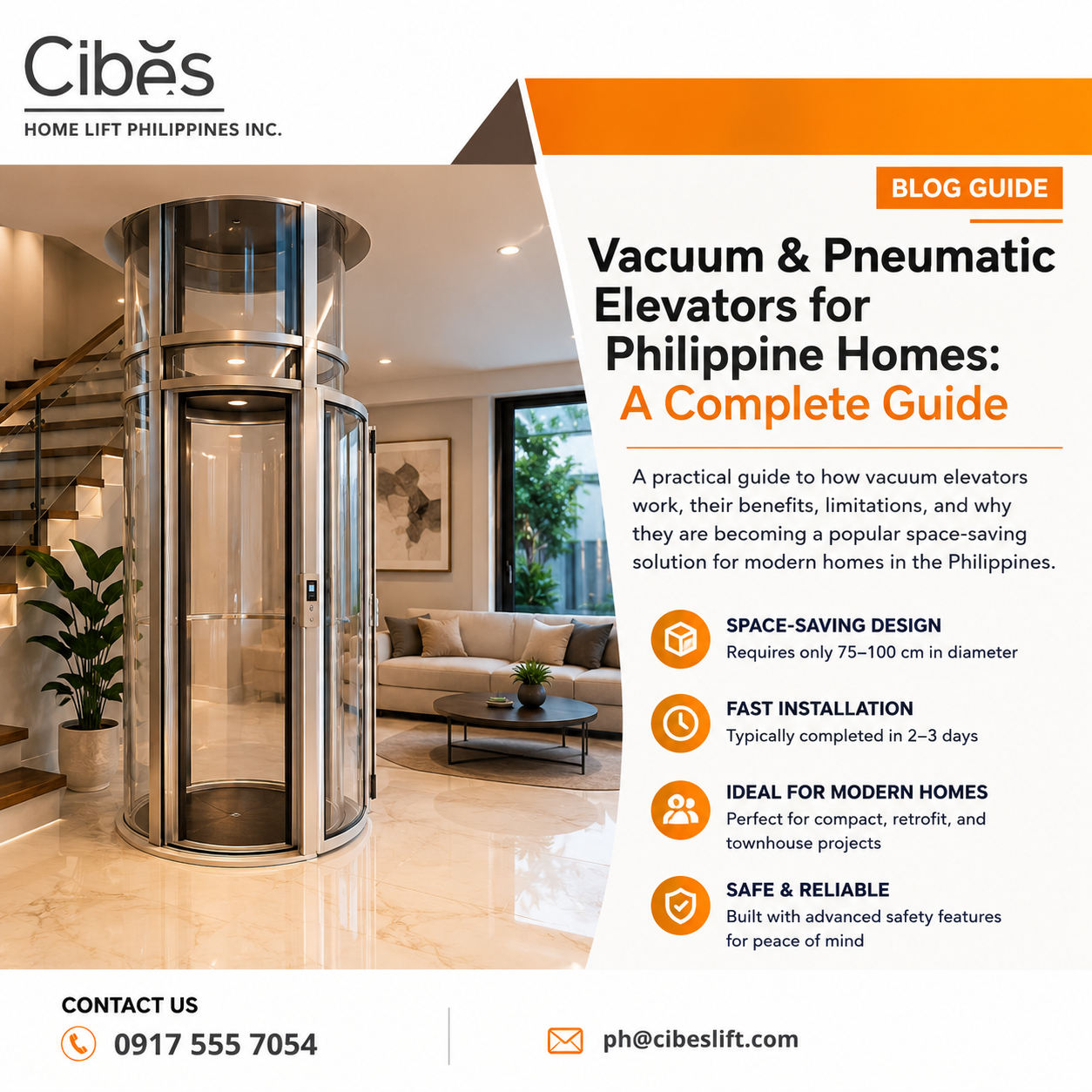
TL;DR Vacuum elevators use air pressure instead of cables or hydraulic systems to move a cabin inside a transparent tube. Most residential models require only 75 to 100 cm of space, serve 2 to 4 floors, carry 205 to 238 kg, and can often be installed in 2 to 3 days with minimal structural work. […]

TL;DR For most Filipino homeowners, a home lift costs approximately ₱2.2 million to ₱3.2 million and can typically be installed within 6 to 10 weeks, while a second-floor addition often costs ₱3.5 million to ₱8 million or more and may require 4 to 8 months of construction. A home lift is generally the better investment […]

TL;DR Cibes Lift Philippines Inc. provides home lifts, platform lifts, and accessibility solutions for residential and selected commercial spaces in the Philippines. Cibes lifts combine Swedish engineering, space-saving installation options, modern designs, and accessibility features. Cibes home lift doesn’t require a pit or a machine room and this can be installed with minimal civil works. […]
TL;DR Home Lift Maintenance is essential for keeping your residential elevator safe, reliable, and working smoothly. In the Philippines, regular professional servicing, basic cleaning, and checking emergency systems can help maintain your lift’s performance in humid conditions and during power interruptions. Cibes home lifts are designed for convenient residential use. Schedule professional servicing according to […]
