



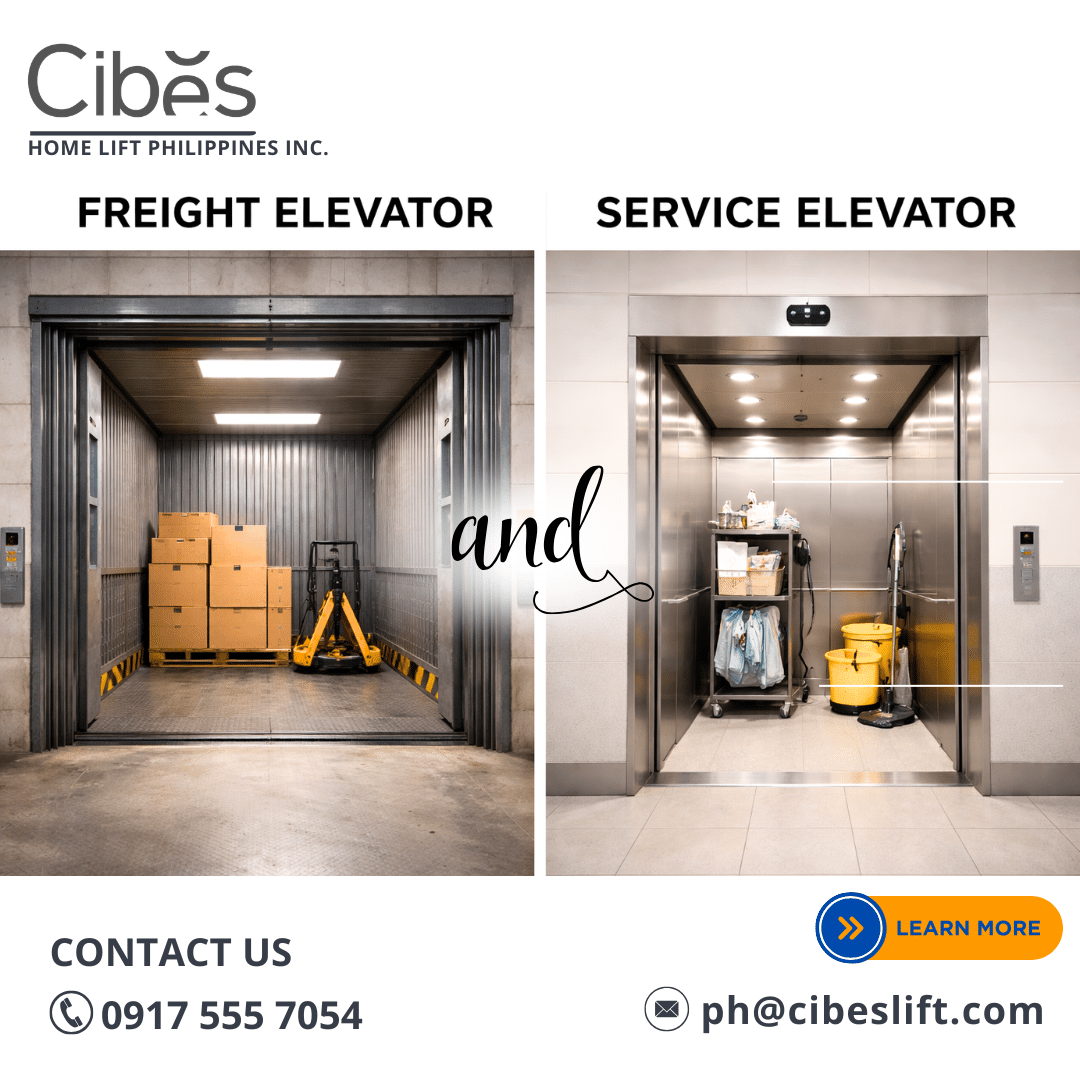
TL;DR Freight elevator vs home lift: Which is the better choice for your property in the Philippines? A freight elevator is designed primarily to transport heavy goods, while a home lift provides convenient vertical transportation for people, groceries, luggage, and everyday household items. The right option depends on your required load capacity, available installation space, […]

TL;DR Home Elevator Philippines can be a practical choice for a multi-storey home in the Philippines. It can make everyday movement between floors easier, improve accessibility, and add long-term convenience to the home. The right home elevator in the Philippines depends on your available space, budget, number of floors, accessibility needs, and the type of […]

TL;DR Home elevator price Philippines can range from ₱1.5M to ₱6M+, depending on the lift system, number of floors, brand, customization, and installation requirements. Most homeowners spend around ₱2.5M to ₱3.5M for a reliable mid-range system in a two- to three-storey home. Understanding the home elevator price Philippines homeowners can expect means looking beyond the […]

TL;DR Cibes Home Lift Antera is a premium residential lift range designed for homes where safety, comfort, accessibility, and interior design all matter. Available in Z70, Z85, and Z90 configurations, the range uses Generation 5 screw-drive technology and a machine-room-free design. What Is the Cibes Antera Home Elevator? The Cibes Antera is a premium residential […]
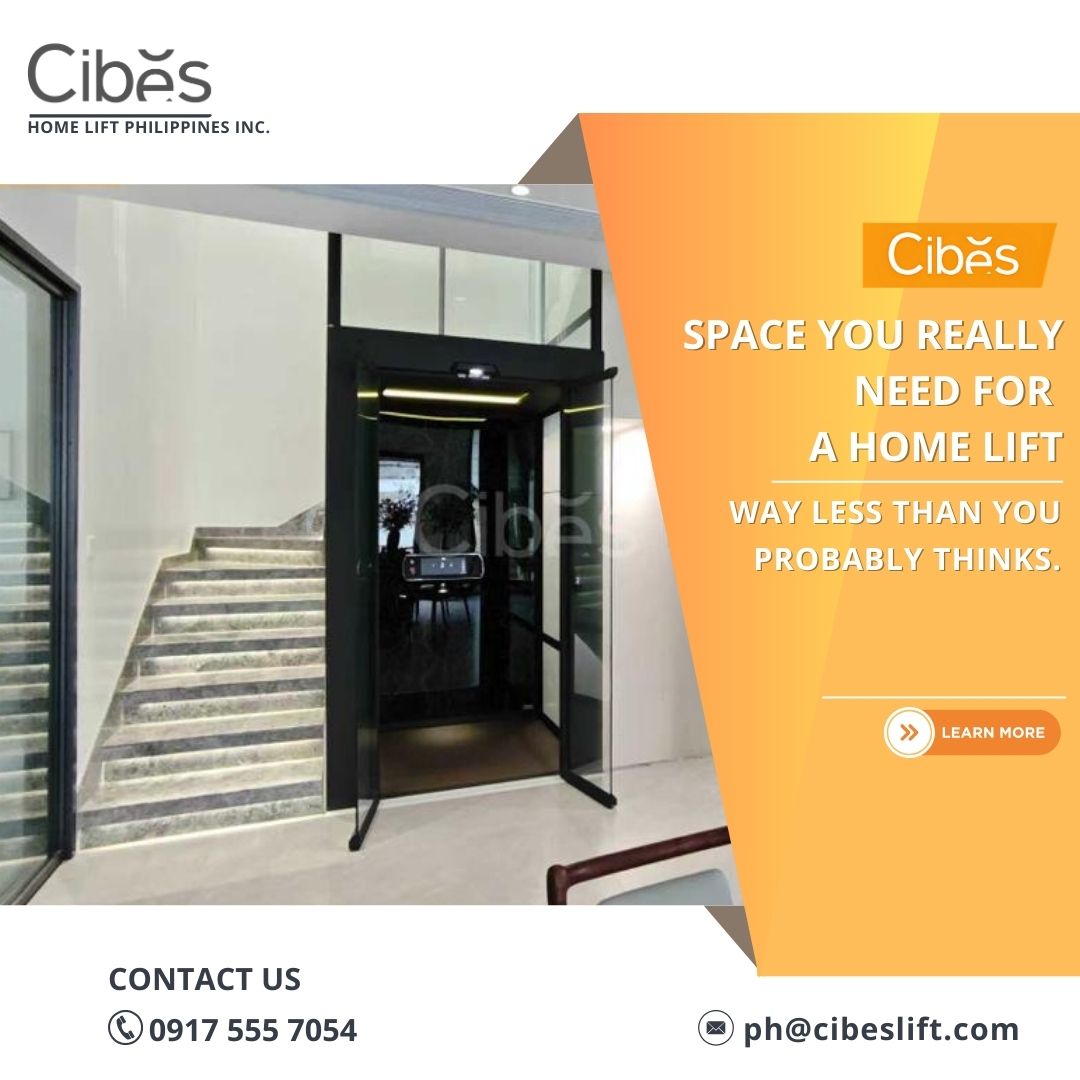
TL;DR The space needed for a home lift may be much smaller than you think. If you’ve been researching home lifts, you may keep hitting the same mental roadblock: “There’s no way one of those things will fit in my house.” How much space do you really need for a home lift? Modern compact designs […]
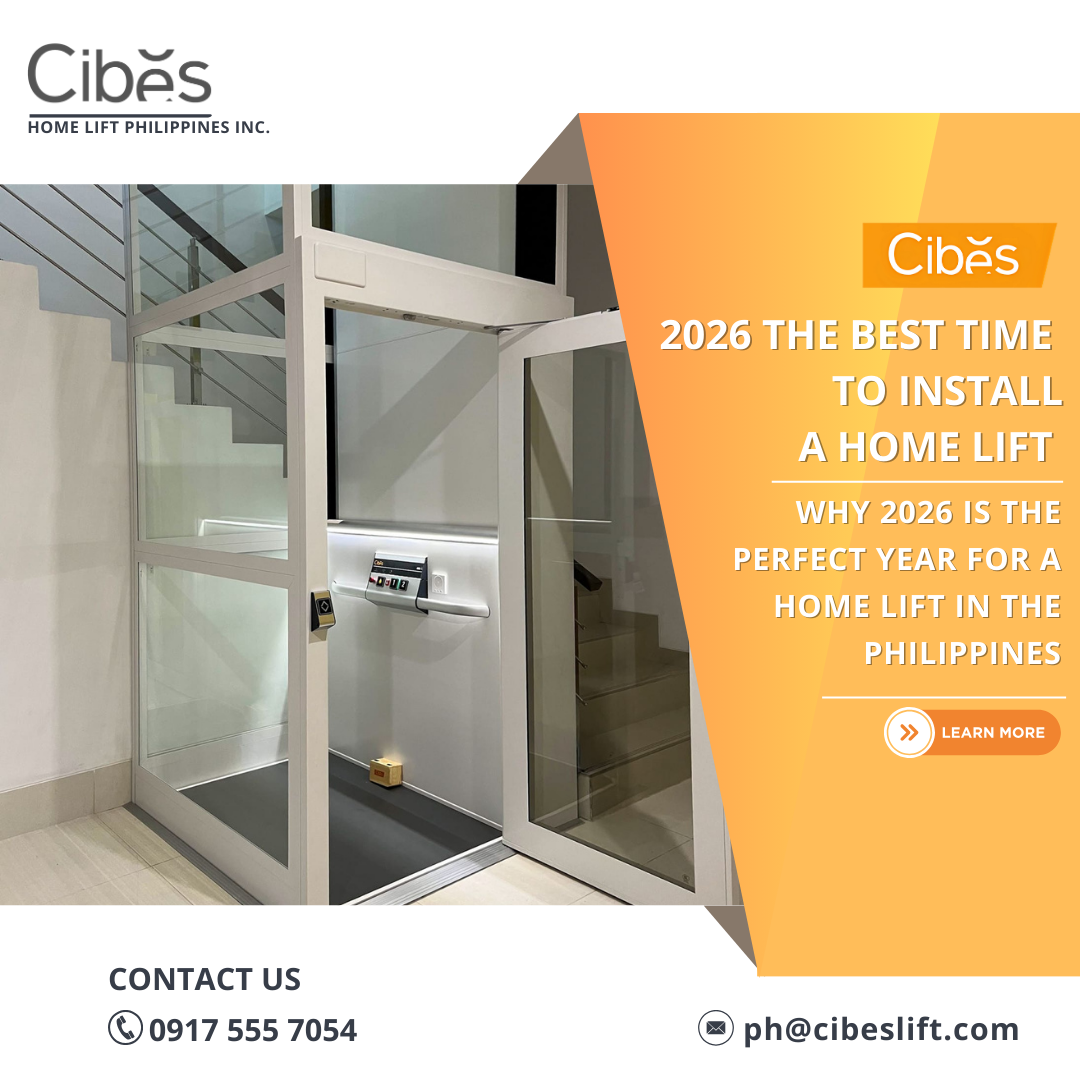
TL;DR Yes. today is the best time to install a home lift in the Philippines if you want reliable technology, faster installation, and long-term peace of mind. Today’s home lifts are space-saving, quiet, and proven. Most can be installed in just 1–3 weeks. With growing demand for accessible homes and no real benefit in waiting, […]
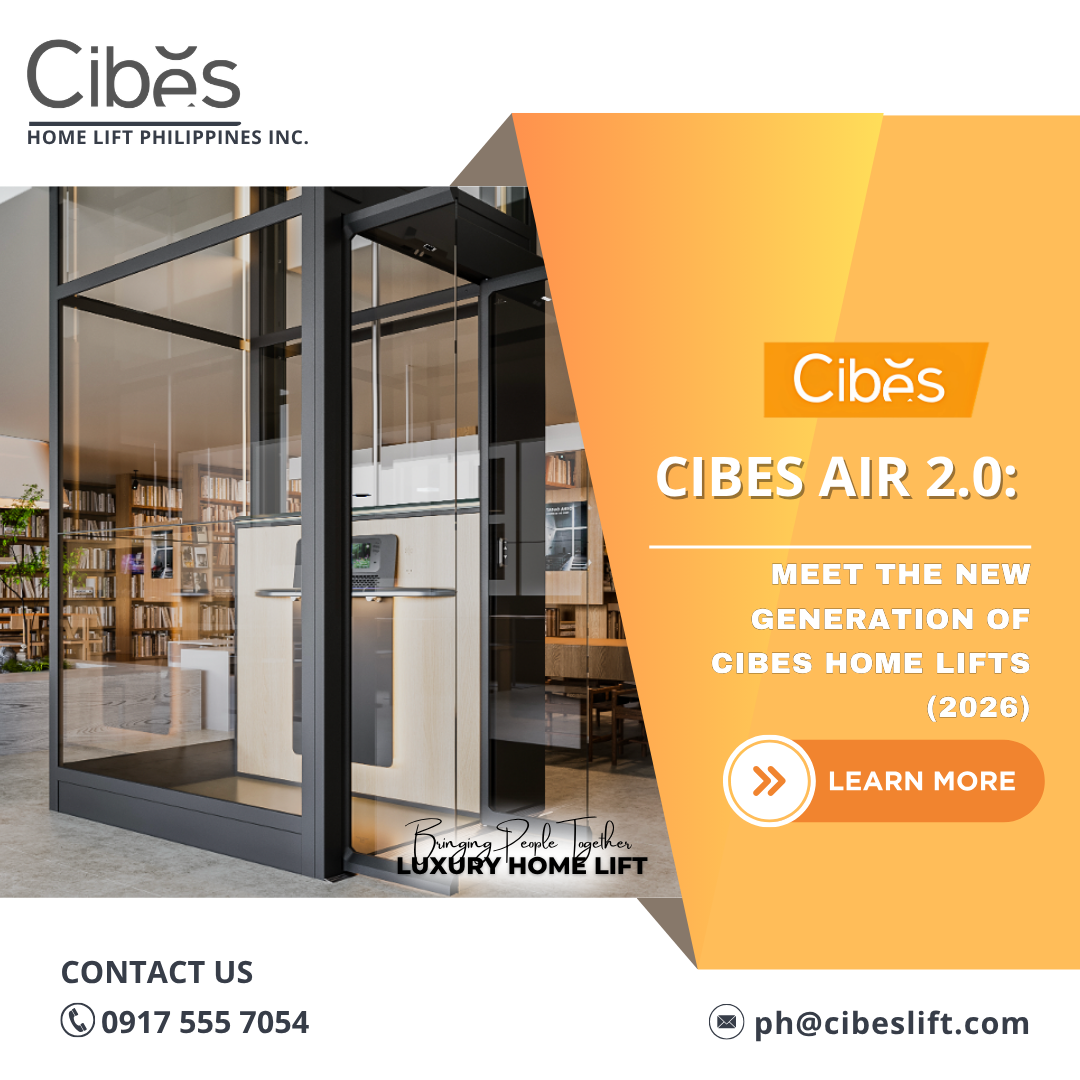
TL;DR The Cibes Air 2.0 is a new-generation home lift that brings modern Scandinavian design into the home. With its frameless panoramic glass shaft, refined cabin, elegant lighting, quiet performance, and flexible installation, it combines everyday comfort with a beautifully designed lift that feels naturally part of your living space. What Makes the New Cibes […]

TL;DR A home elevator installation does not need to break the bank. With the appropriate elevator solution, you can manage costs and time while introducing value and convenience to your house. Cibes Lift offers cost-effective home elevator in the Philippines solutions tailored for seamless integration. This guide also covers home elevator Philippines price and key […]

TL;DR Hydraulic home elevator Philippines options can suit some two- to three-storey homes, depending on space, structural conditions, and lifting requirements. These elevators use hydraulic fluid to move passengers between floors. Before choosing a system, consider installation costs, energy use, operating noise, and maintenance. If you’re comparing residential lift technologies, our Types of Home Lifts […]
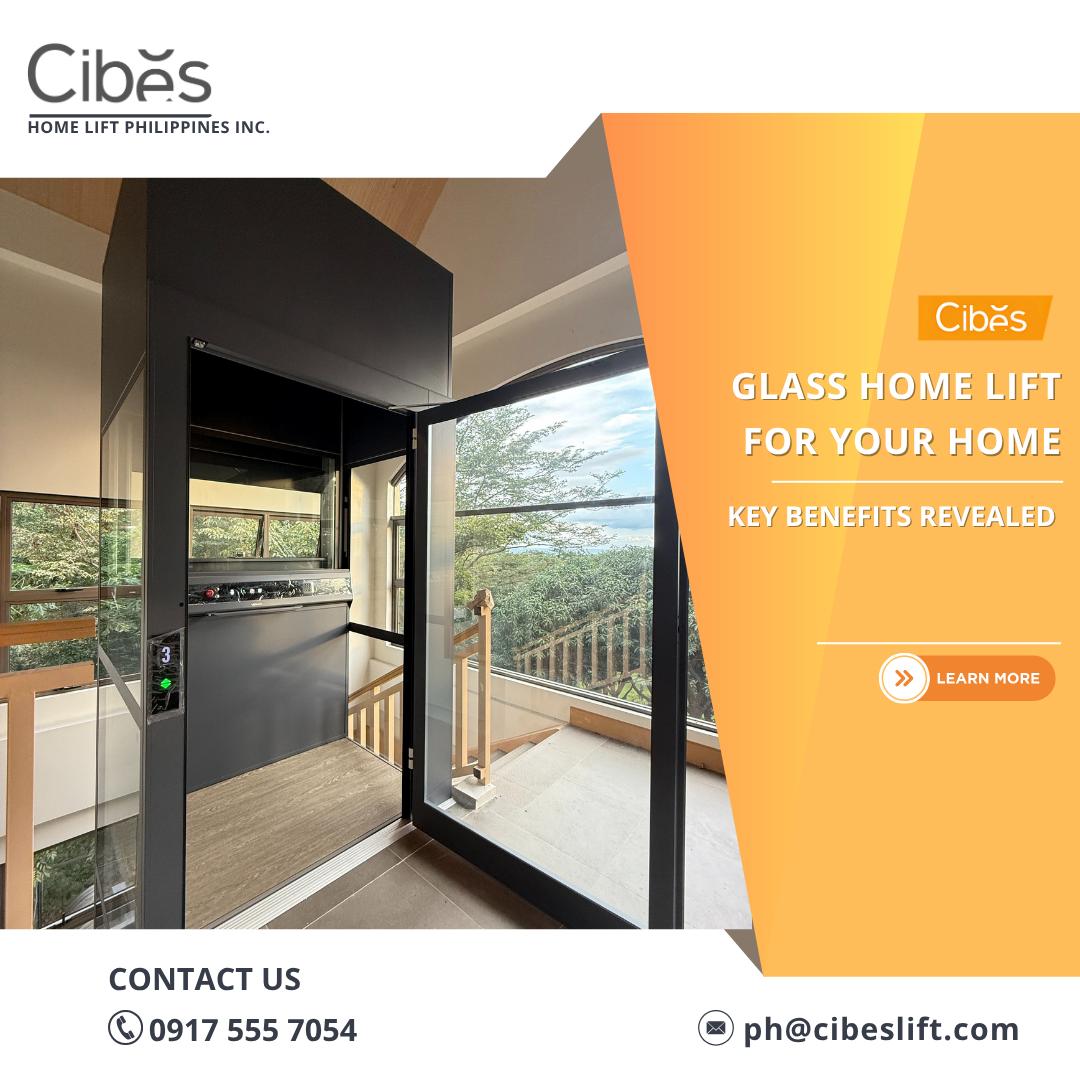
TL;DR Glass Home Lift Philippines solutions are becoming an attractive choice for homeowners who want to combine accessibility, natural light, and modern interior design. Unlike traditional opaque lifts, a glass home lift uses transparent panels to maintain open sightlines and help homes feel brighter and more spacious. For example, one family added a glass home […]
