



TL;DR This Home Elevator Guide explains the key planning steps Philippine homeowners should consider before installing a residential elevator. Installation of a home elevator is among the most extensive home accessibility and luxury renovations you can undertake, so having a well-defined plan before installation begins is essential. Still, it is heavily dependent on a well-defined […]

TL;DR In the Philippines, multi-generational families living in 2-4 storey homes are installing home lifts to help older parents and grandparents move safely between floors, stay independent, and avoid assisted living costs of ₱30,000-60,000 per month (₱3.6-7.2 million over 10 years). A home lift typically costs ₱2-3.5 million and supports long-term family living. How Do […]

TL;DR A home elevator for small spaces can provide accessibility and convenience even when floor area is limited. As urban living becomes increasingly dense and housing prices push families toward smaller spaces, many homeowners are discovering that compact home elevators can be successfully installed even in space-constrained environments. Whether you’re dealing with a narrow townhouse, […]

TL;DR As we set interior design trend this year is embarking on a fascinating journey of technological innovation, eco-consciousness, and deeply personal statement. Cibes Philippines brings these home decor trends to life with stylish, accessible home lifts that elevate modern living spaces. For homeowners exploring how residential lifts fit into modern design, our complete guide […]

TL;DR Elevated house design is a practical approach for Filipino homeowners looking to reduce flood risks, improve natural ventilation, and maximize available living space. A simple elevated house is built on a raised foundation, stilts, or a platform to adapt to tropical weather conditions common across the Philippines. Our complete guide to Cibes home elevators […]

TL;DR Home lift design trends are transforming residential elevators from purely functional equipment into stylish architectural features. In Metro Manila’s booming vertical villages from BGC to Makati home lifts are now expected in 3+ story townhouses, not just mansions. You will likely have observed that new homes as well as renovation projects feature lifts in […]

TL;DR Outdoor home elevators give Philippine homeowners are designed for tropical conditions like heavy rain, high humidity, and typhoon winds. They use corrosion-resistant materials, sealed systems, and drainage features. Installed in exterior towers, they save indoor space and work well for compact urban homes. Outdoor Home Elevators Philippines: Why Are They Popular? Space is the […]
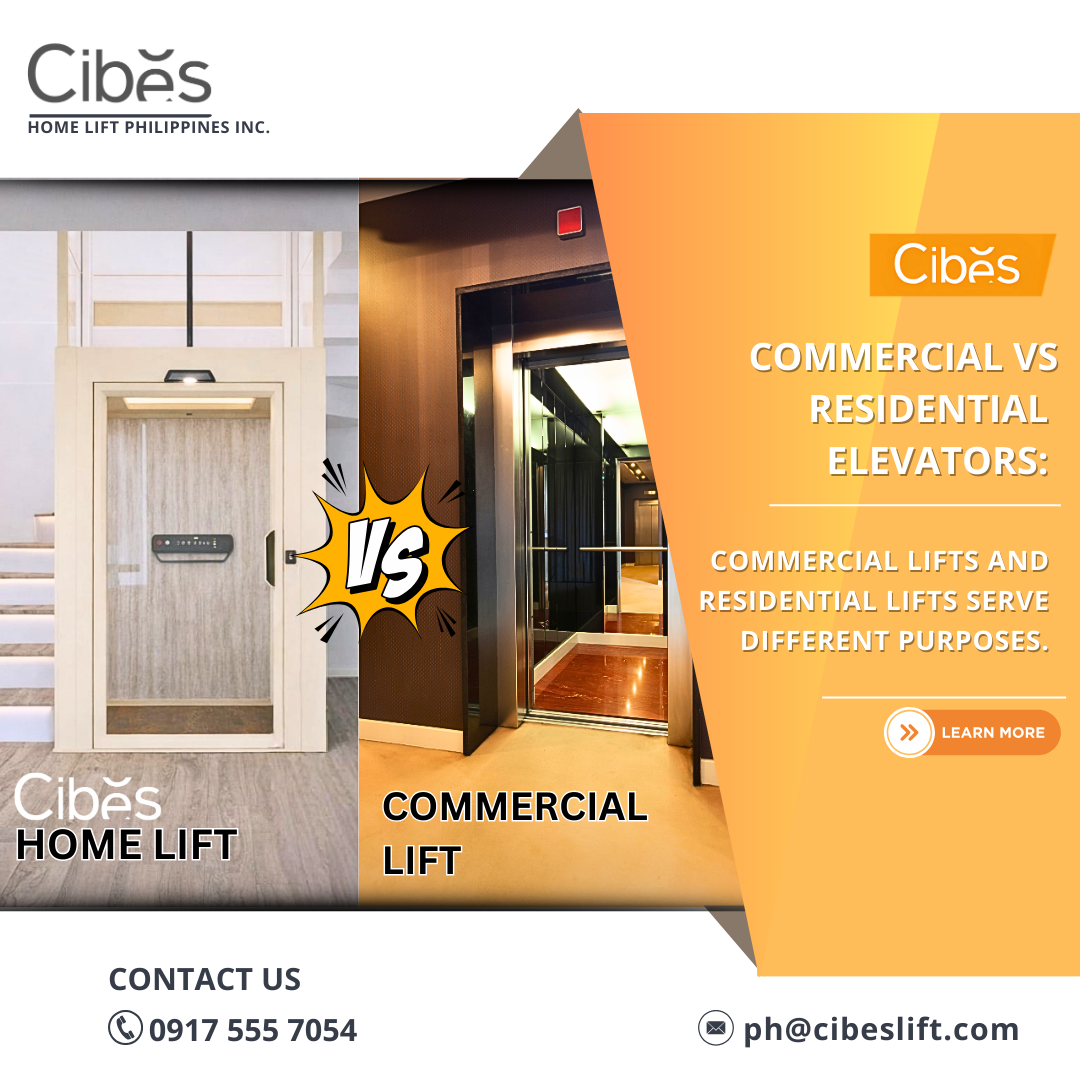
TL;DR Home elevator vs commercial elevator is an important comparison for Filipino homeowners considering vertical access for a multi-story residence. Commercial lifts and residential lifts serve different purposes, and understanding these differences can help homeowners choose a system that matches their home’s space, usage, budget, and accessibility needs. In the Philippines, where multi-story townhouses and […]
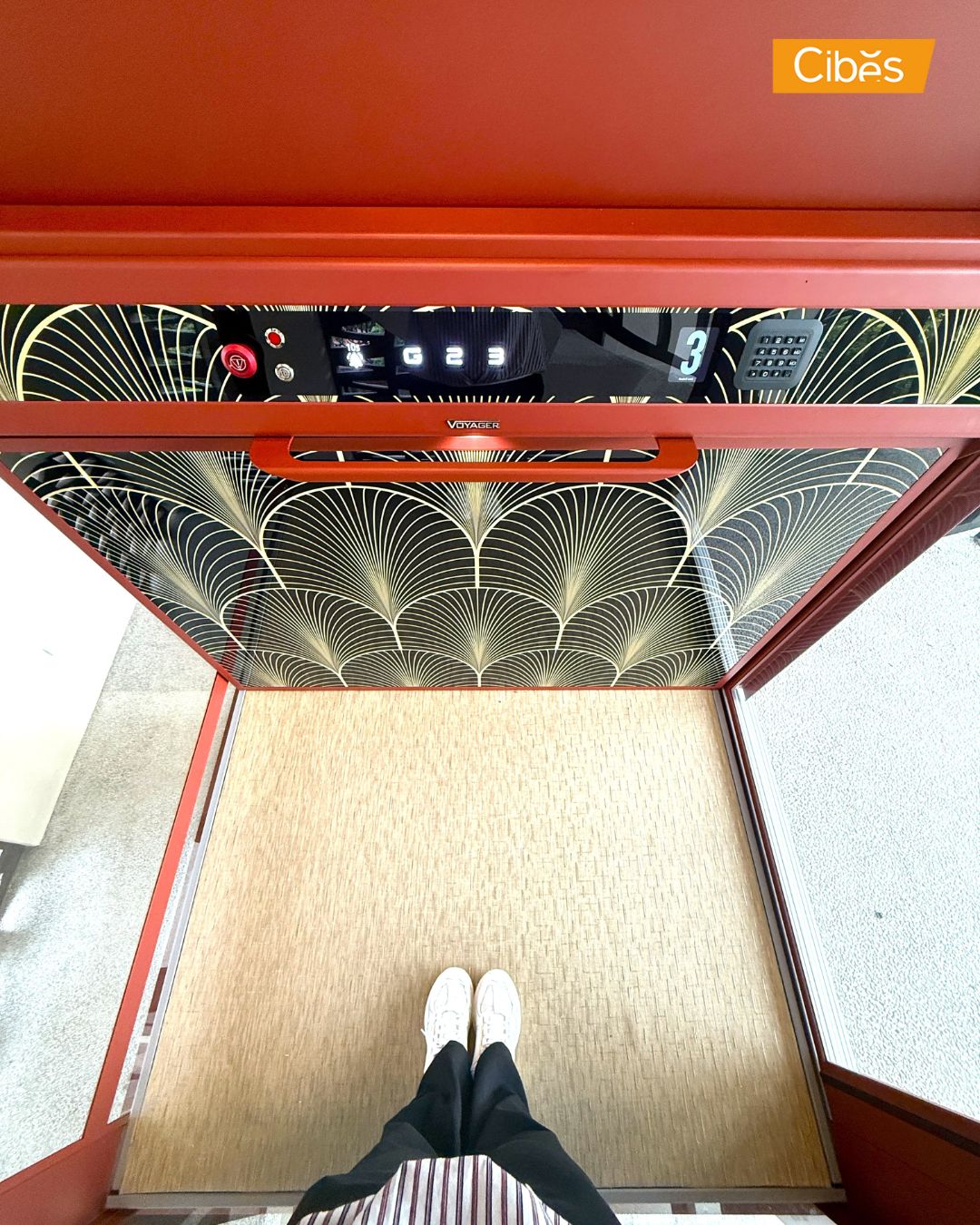
TL;DR Home elevator safety is one of the most important considerations for families thinking about installing a residential lift. Modern home lifts are designed with multiple safety features to help provide secure and comfortable transportation between floors. Maybe you’ve heard so-called horror stories about elevator breakdowns, or you’re picturing yourself getting stuck between floors as […]

TL;DR The top elevator companies in the Philippines include global brands like Otis, Schindler, KONE, TK Elevator, and Mitsubishi Electric, commonly used in commercial buildings across Metro Manila, Cebu, and Davao. For residential homes, brands like Cibes Lift Group specialize in space-saving home elevators. Prices typically range from ₱1.5M to ₱6M+. Buying a home elevator […]
