Blog - 18/08/2026
Compact Solutions for Small Spaces With Single-Person Home Elevators
TL;DR
A single-person home elevator Philippines is a compact residential lift designed for one adult. It typically measures 2.5 to 3 feet wide and 3 to 4 feet deep, with an 8 to 12 square foot footprint per floor and a weight capacity of 300 to 500 pounds. These lifts are commonly installed in Philippine townhouses where space is limited.
If you’re comparing different residential lift technologies for your home, our Types of Home Lifts in the Philippines Guide explains the main elevator types, their space requirements, advantages, and the situations where each solution works best.
Single-Person Home Elevator Philippines: What You Need to Know
A single-person home elevator is a space-efficient vertical lift for one user. It is built for simple movement between floors without requiring the space of a standard residential elevator.
Instead of a large cabin, the design focuses on function over size. You step in, travel up or down, then step out. It’s straightforward and practical.
What are the specifications of a single-person home elevator?
| Specification | Typical Range |
|---|---|
| Width | 2.5 to 3 feet |
| Depth | 3 to 4 feet |
| Footprint | 8 to 12 sq ft per floor |
| Capacity | 300 to 500 lbs |
| Use case | Single adult |
These dimensions make it comparable to a small closet or phone booth, which explains why it fits into tight layouts.
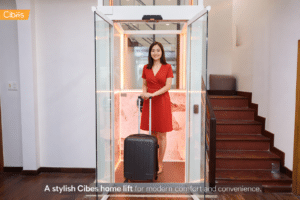
How much space does a single-person elevator need in a small house?
Real example: Compact elevator in a Philippine townhouse
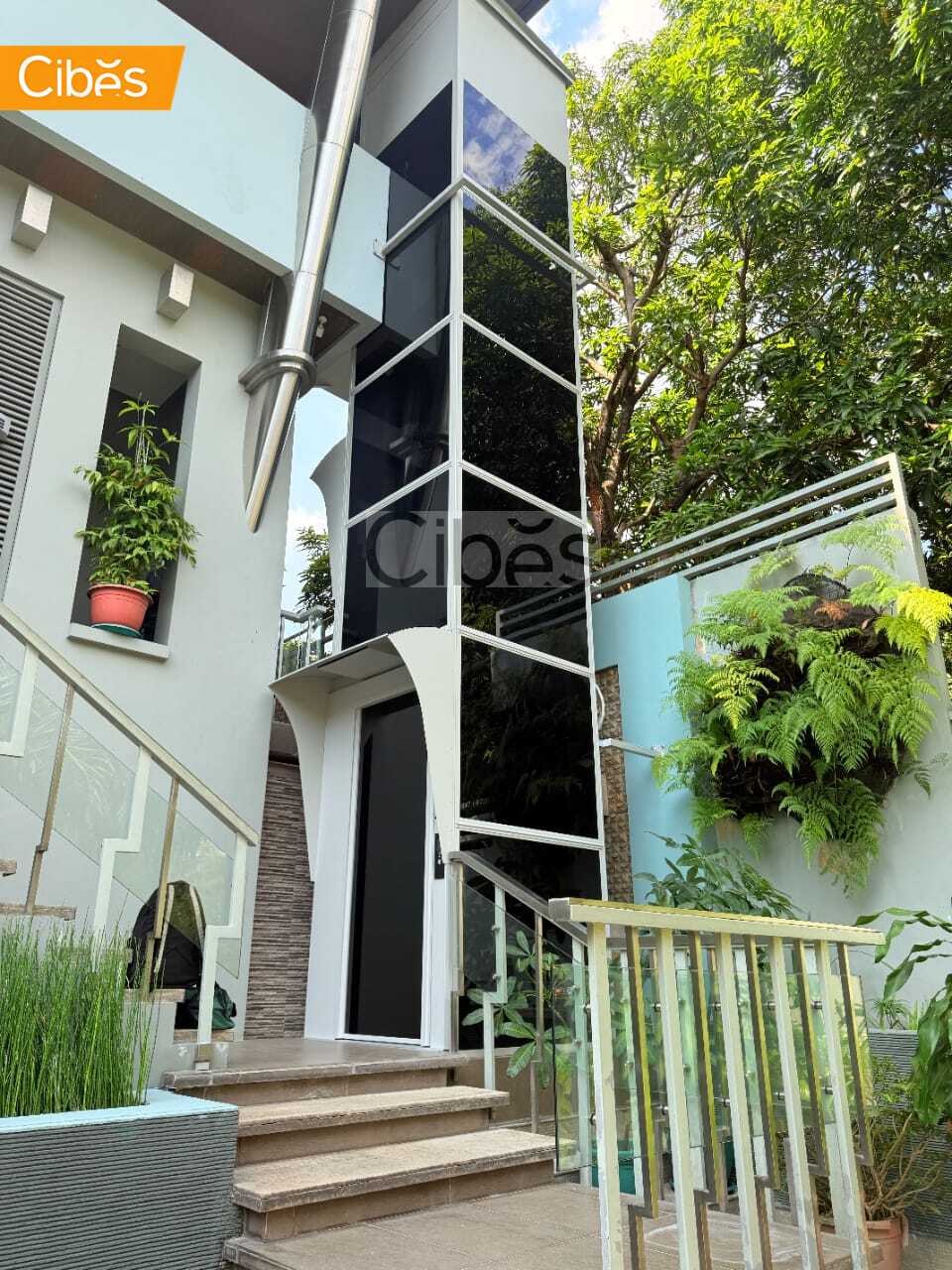
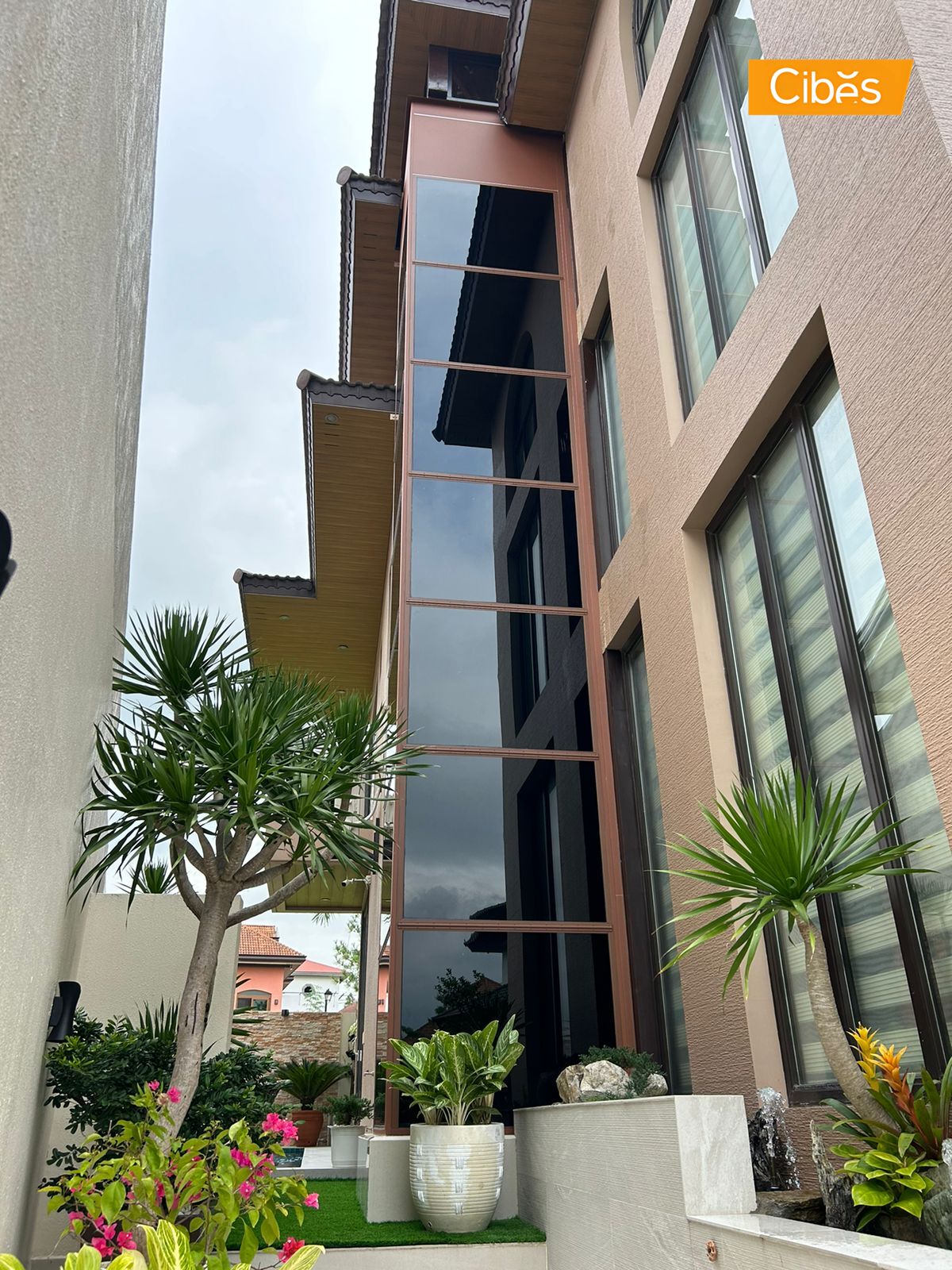
In a recent installation in Cavite, a three-storey townhouse used a corner storage space measuring just under 10 square feet per floor. The homeowner wanted easier daily movement between floors without sacrificing living space.
The lift was installed with minimal structural changes, and the area remained usable around it. This type of setup is common in dense urban homes where every square meter matters.
Most single-person elevators require only 8 to 12 square feet per floor, making them suitable for narrow or unused vertical spaces.
In many Philippine homes, that space can come from:
- A corner between two rooms
- A section of the garage
- A converted storage area
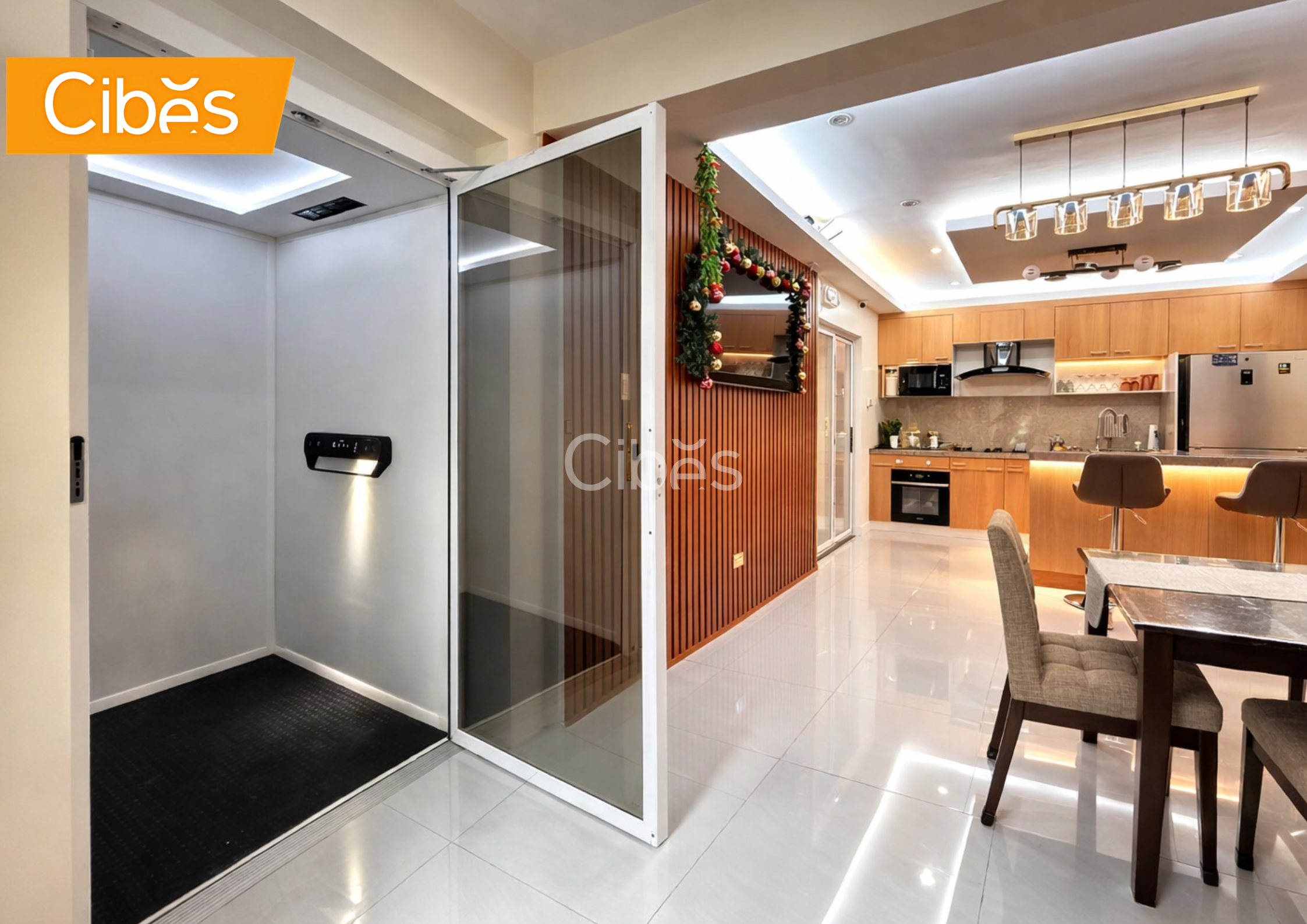
Because the unit is designed for one person, it does not need the clearance required for wheelchairs or multiple users. That flexibility is what makes installation possible in tight urban homes across Metro Manila and Cebu.
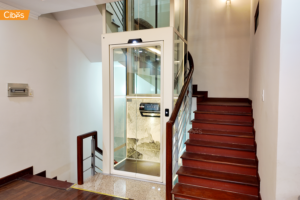
Who are single-person home elevators best for?
Single-person elevators work well in specific situations. They are not for every household, and that’s important to state clearly.
Who benefits most from a single-person home elevator?
| User Type | Why it works |
| Solo homeowners | Only one user needs access between floors |
| Aging individuals | Reduces strain from stairs |
| Budget-conscious homeowners | Lower system cost compared to full-size lifts |
When is a single-person elevator not the right choice?
| Scenario | Why not |
| Families with multiple users | Causes waiting or limited access |
| Wheelchair users (PWD) | Most units are not accessible |
| Homes moving large items often | Limited cabin size |
This makes them a targeted solution, not a universal one.
Are single-person home elevators more affordable?
In most cases, yes. Compact elevators are generally more affordable than standard residential lifts because they require:
- Less space
- Simpler construction
- Smaller components
Are single-person home elevators more affordable in the Philippines?
In many cases, yes. A single-person home elevator generally requires less space, fewer materials, and simpler installation compared to larger systems.
However, pricing still depends on:
Number of floors
Cabin design and finishes
Installation conditions inside the home
For accurate pricing, the best step is to request a site-based quotation.
Can compact elevators still look premium?
Yes. Size does not limit design.
Modern single-person elevators can include:
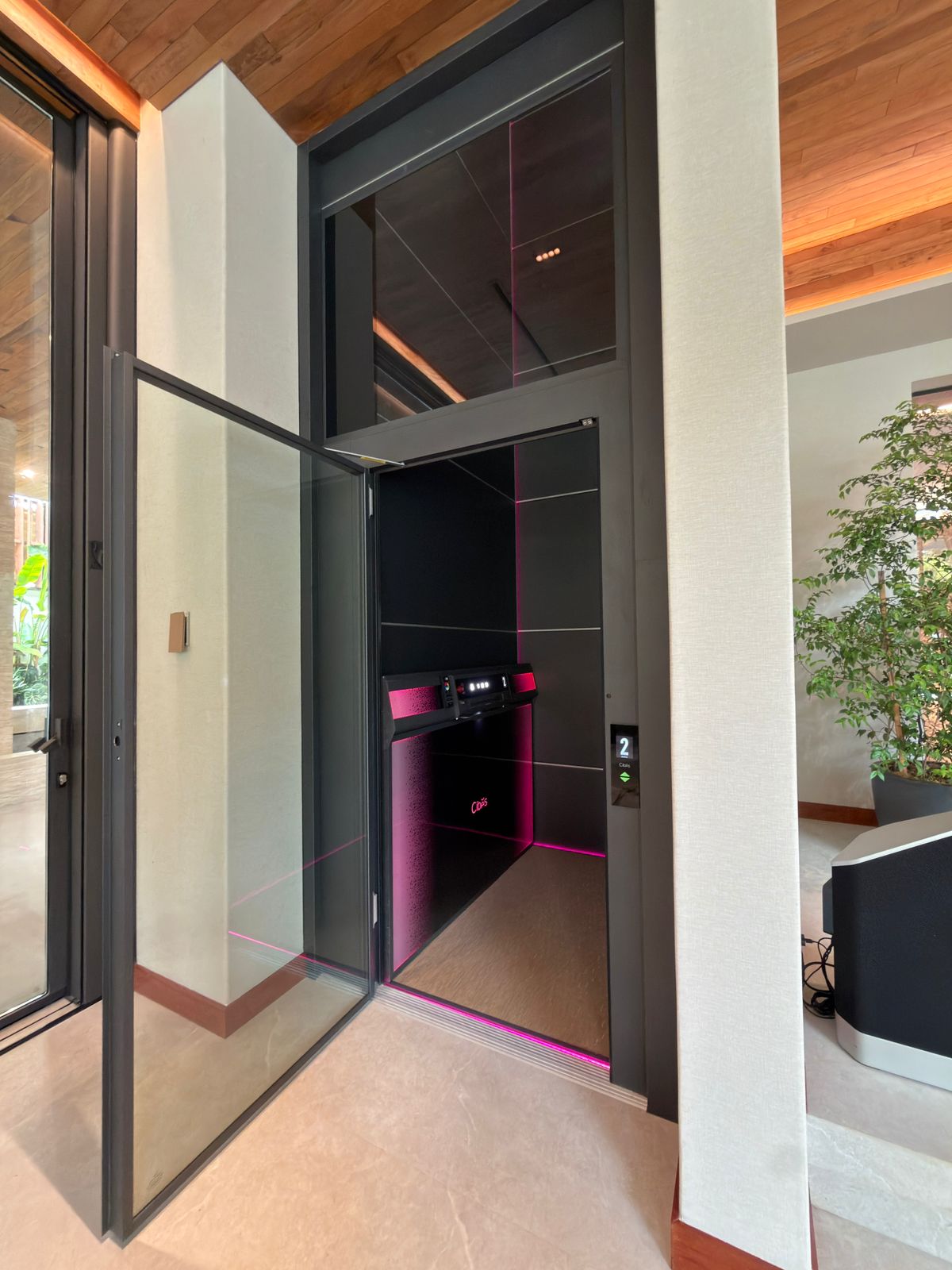
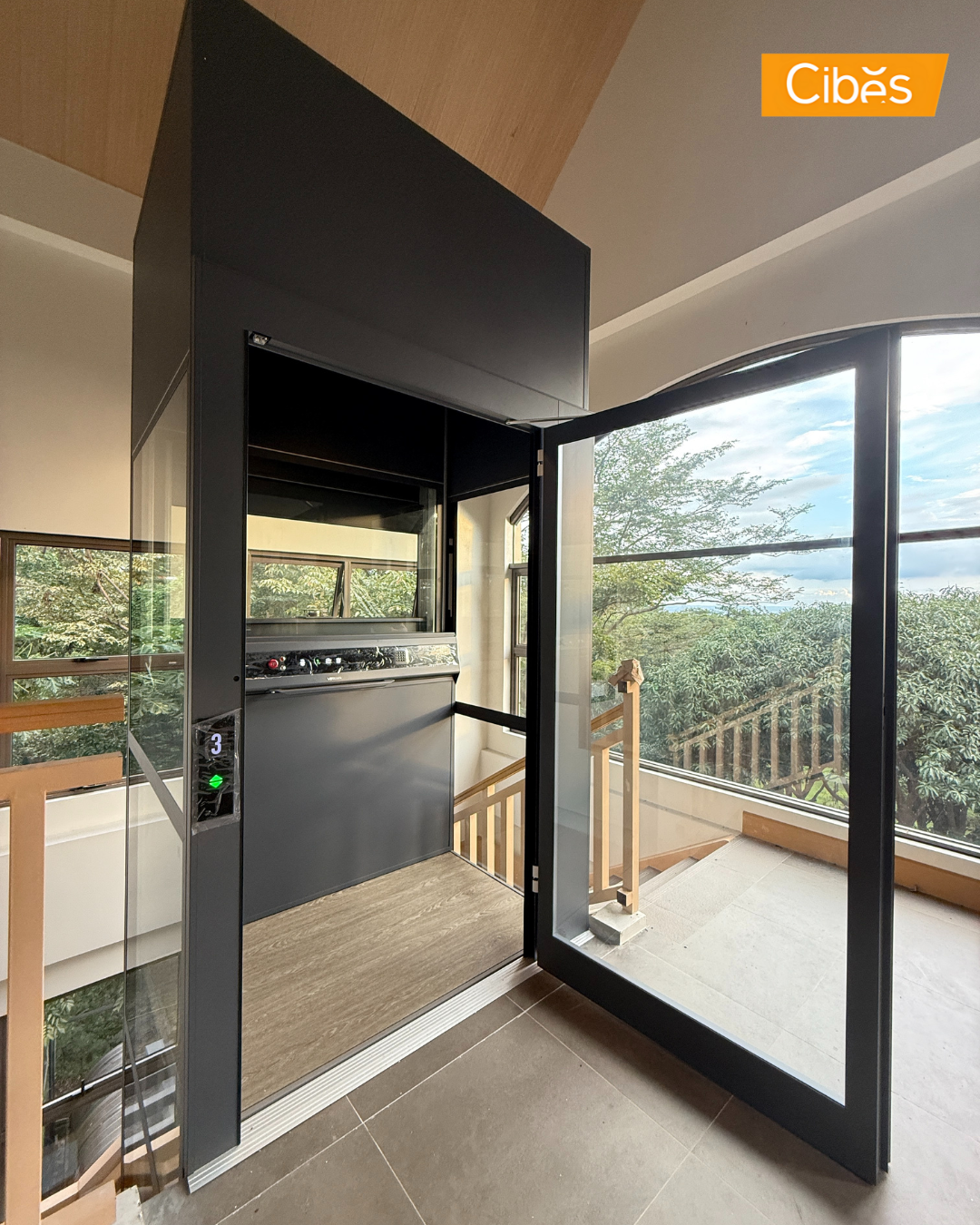
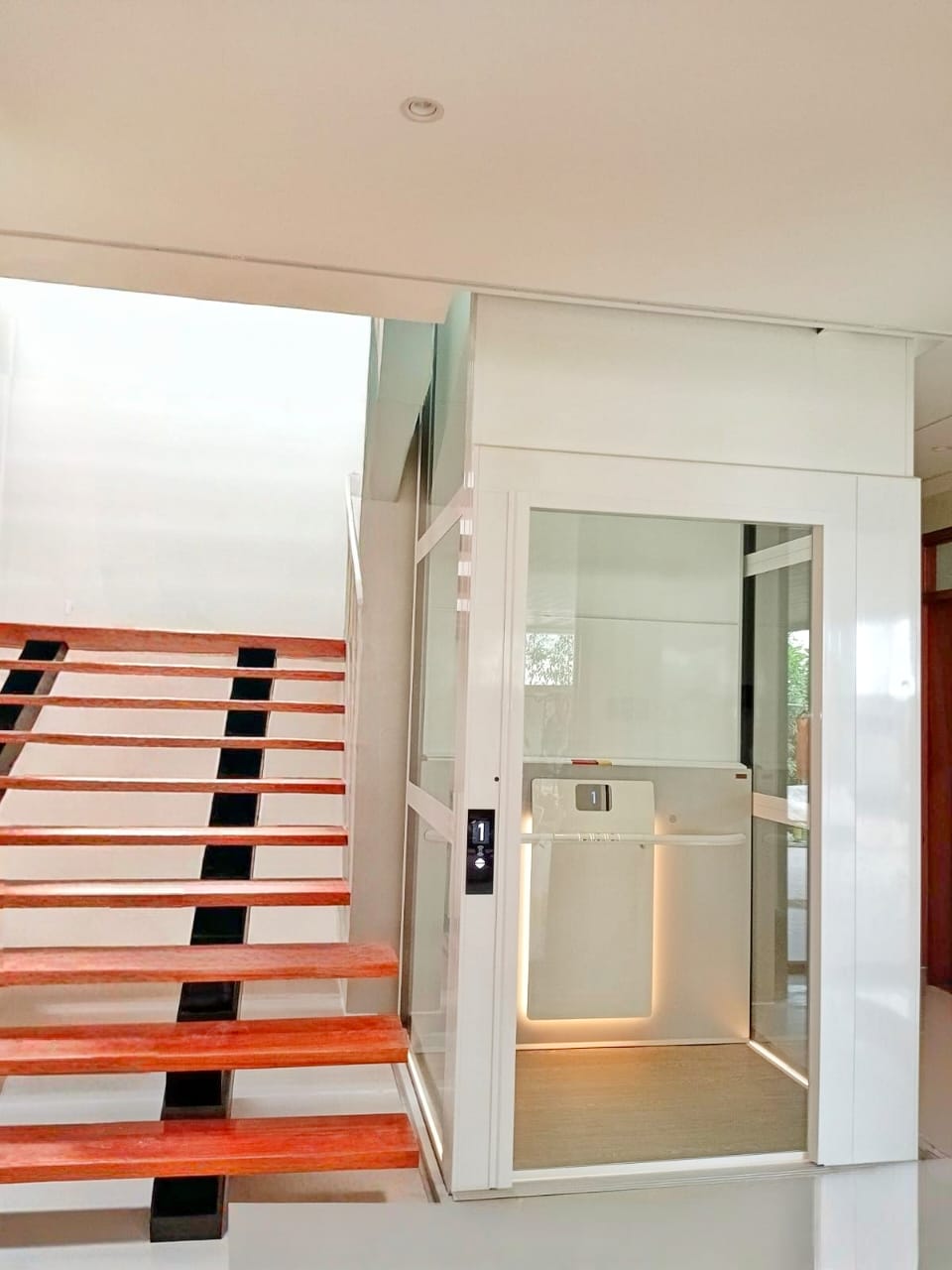
- Glass panels for a more open feel
- Wood or metal finishes
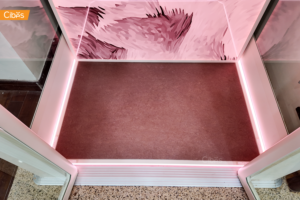
- Integrated lighting
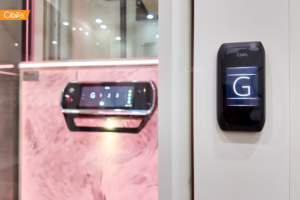
- Touchscreen controls
In smaller homes, a compact lift often blends better into the layout. Instead of dominating the space, it becomes a subtle architectural feature.
What are the real limitations of single-person home elevators?
This is where clarity matters. These elevators solve a specific problem, but they also come with clear limits.
What are the key limitations buyers should know?
Not ideal for homes requiring wheelchair access
Not suitable for transporting furniture
Limited to one passenger per trip
Not recommended for high-traffic households with frequent multi-user use
They are designed for individual mobility, not full accessibility.
In homes where elder users require wheelchair access, a standard or platform elevator is the better option.
Can single-person elevators be installed in existing Philippine homes?
Yes, in many cases.
These systems are often installed in existing two- or three-storey homes with minimal structural changes. However, feasibility depends on:
| Requirement | Why it matters |
|---|---|
| Vertical space | Determines if full travel height is possible |
| Ceiling height | Affects cabin clearance |
| Wall structure | Supports installation stability |
| Nearby utilities | Avoids conflicts with wiring or plumbing |
A site inspection is still necessary. Not every home layout will allow installation without adjustments.
Are single-person home elevators safe for daily use?
Yes. Modern units include standard residential safety features.
What safety features are included in single-person elevators?
| Feature | Function |
|---|---|
| Safety brakes | Stops the lift in case of abnormal movement |
| Emergency stop button | Allows immediate manual stop |
| Door sensors | Prevents closing if obstructed |
| Backup power | Enables operation during power interruptions |
These systems are designed for daily residential use, following typical elevator safety standards.
Are single-person home elevators worth it for small Philippine homes?
For the right user, yes.
If the goal is simple, personal mobility in a compact home with limited space, a single-person elevator is a practical solution.
When should you choose a larger home elevator instead?
- Accessibility for PWD users
- Multi-person use
- Frequent transport of large items
Then a larger system will be more suitable.
The key is fit. When matched correctly to the home and user, these elevators solve a very specific problem efficiently.
These elevators are commonly used in Metro Manila townhouses and compact homes across the Philippines.
Metro Manila
Cavite
Cebu
And more Philippine homes
FAQs
Q1: What is a single-person home elevator in the Philippines?
A: A single-person home elevator is a compact residential lift designed primarily for one passenger at a time. Dimensions, footprint, and load capacity vary by model. These lifts can be suitable for Philippine townhouses and smaller homes where space is limited, subject to a site assessment.
Q2: How much space does a single-person home elevator need?
A: Space requirements depend on the lift model, cabin size, door configuration, and installation design. Compact lifts can require a relatively small footprint and may be suitable for corners, garages, or other available spaces. Some models may not require a separate machine room.
Q3: Is a single-person home elevator wheelchair accessible?
A: Many single-person home elevators have compact cabins that may not provide enough space for a wheelchair and attendant. Homeowners who need wheelchair or PWD accessibility should choose a lift with a suitable cabin and door configuration based on their mobility needs and applicable accessibility requirements.
Q4: How much does a single-person home elevator cost in the Philippines?
A: Pricing varies depending on the lift model, number of floors, cabin configuration, finishes, installation conditions, structural work, and other project requirements. Compact models may cost less than larger residential lifts, but there is no standard percentage difference. A site assessment and quotation are recommended for accurate pricing.
Q5: Can a single-person elevator be installed in an existing Philippine home?
A: Yes, in many cases. A compact home elevator can be considered for an existing two- or three-storey home, depending on available space, floor-to-floor height, structural conditions, electrical requirements, and other site factors. A professional site inspection is required before installation.
Q6: What safety features do single-person home elevators include?
A: Safety features vary by model and may include door safety systems, emergency stop functions, safety sensors, overload protection, and emergency lowering systems. Homeowners should confirm the specific safety features and applicable standards of the selected lift before installation.
Q7: Who should not use a single-person home elevator?
A: A compact single-person home elevator may not be suitable for households that regularly require wheelchair access, multiple passengers, or transportation of large items. A larger residential lift or platform lift may be more appropriate depending on the household’s needs and available space.
Q8: What is the weight capacity of a compact home elevator?
A: Load capacity varies by model. The manufacturer’s rated load should always be followed, and the lift should never be used beyond its specified capacity.
Is a single-person home elevator right for your home?
If your priority is saving space while improving daily mobility, a single-person elevator can be a practical solution. It works best for compact homes where a full-sized lift isn’t feasible.
Still unsure? A site inspection is the best way to confirm if your layout can support installation.
Read More
Experience Center and Technical Station Address
Makati City | Balintawak – Quezon City | Mandaluyong City | Cebu City | Ilo-Ilo City | Davao City | Cagayan De Oro City






CIBES AUTHOR
Mylen Posas is the Aftersales Manager at Cibes Lift Philippines. She oversees aftersales operations, ensuring every customer receives reliable support from installation through long-term maintenance. With a strong focus on service quality and customer satisfaction, she works closely with the technical team to deliver prompt assistance and help maintain the long-term performance and safety of every Cibes home lift.


TL;DR The Cibes Experience Center Visayas in Cebu City lets homeowners, architects, designers, contractors, and developers see Cibes home lifts in person. Visitors can experience the lift cabin, review available designs and features, and discuss installation requirements with the Cibes team. The Cebu Experience Center currently lists V90 Elegance, Z85 Antera, and Ascenda among its […]
TL;DR Cibes Experience Center Luzon lets homeowners and property professionals experience Cibes home lifts in person before making a decision. Cibes Lift Philippines has 13 demo lifts across three Luzon Experience Centers: Makati (8), Mandaluyong (2), and Balintawak, Quezon City (3). Visitors can ride the lifts, check cabin space, test the controls, explore designs, and […]

TL;DR Sustainable home elevators in the Philippines are becoming an important consideration for homeowners who want to improve accessibility without overlooking environmental responsibility. Modern home elevators can support energy-efficient living through efficient drive systems, durable materials, renewable energy integration, and reduced structural changes compared with major home renovations. The Environmental Case for Sustainable Home Elevators […]

TL;DR Home Elevator Performance plays an important role in the safety, comfort, efficiency, and long-term reliability of a residential lift. While regular maintenance keeps your elevator operating reliably, proper usage, environmental control, component monitoring, electrical optimization, and timely upgrades can further improve its performance. In this guide, discover 8 expert tips to help maximize home […]
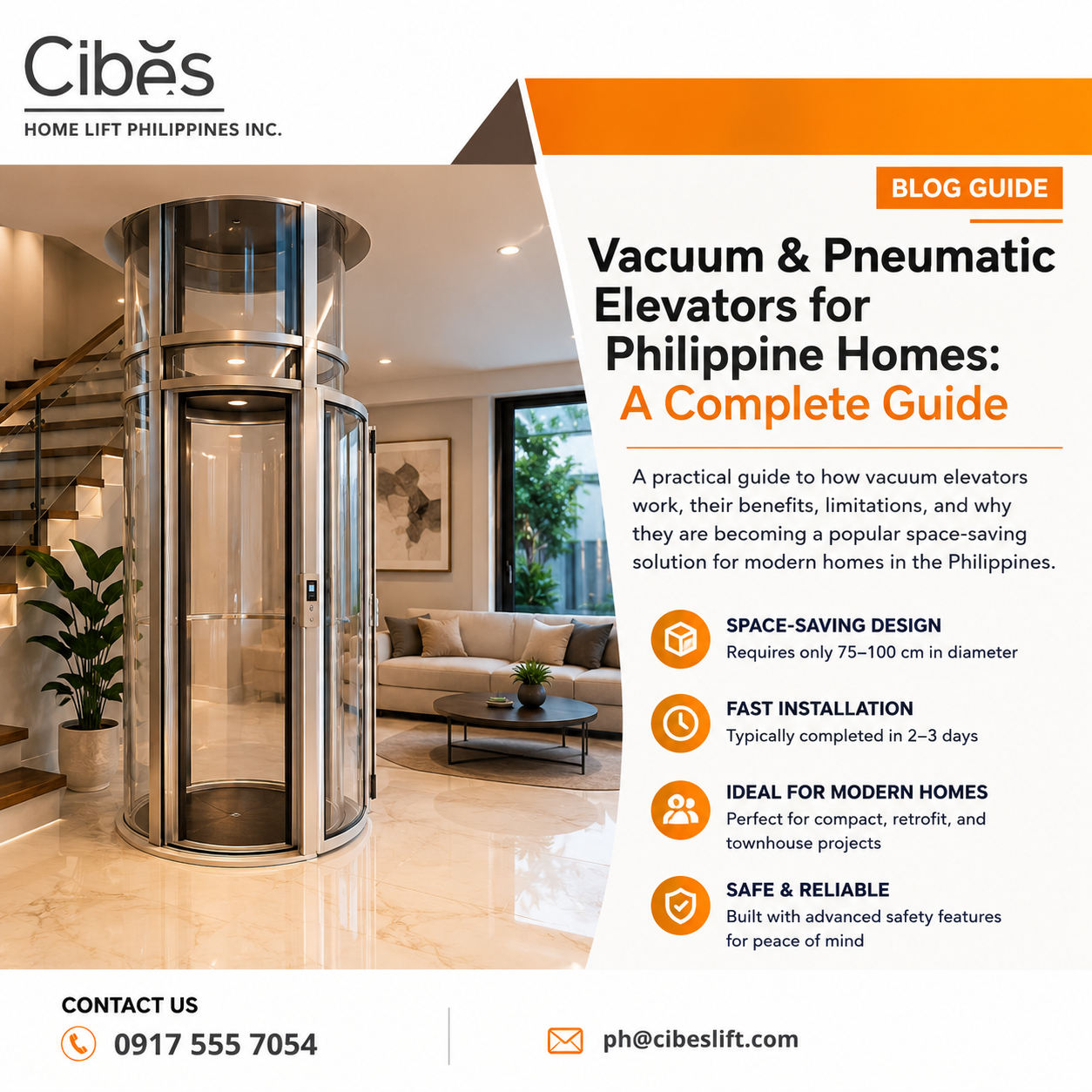
TL;DR Vacuum elevators use air pressure instead of cables or hydraulic systems to move a cabin inside a transparent tube. Most residential models require only 75 to 100 cm of space, serve 2 to 4 floors, carry 205 to 238 kg, and can often be installed in 2 to 3 days with minimal structural work. […]