Blog - 01/08/2026
Adapting Homes for Aging in place
Comprehensive Home Lift Modifications for Aging in Place
TL;DR
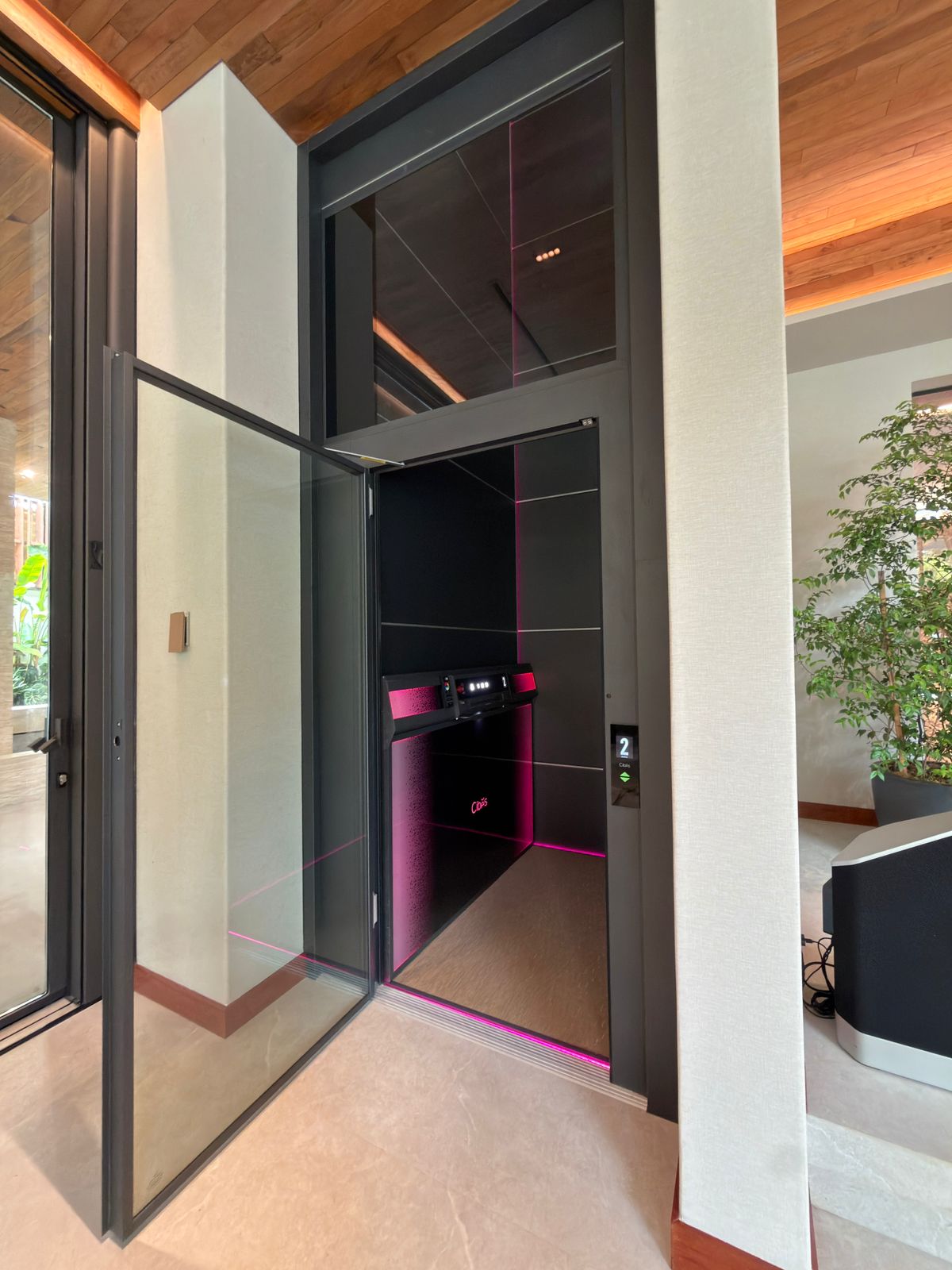
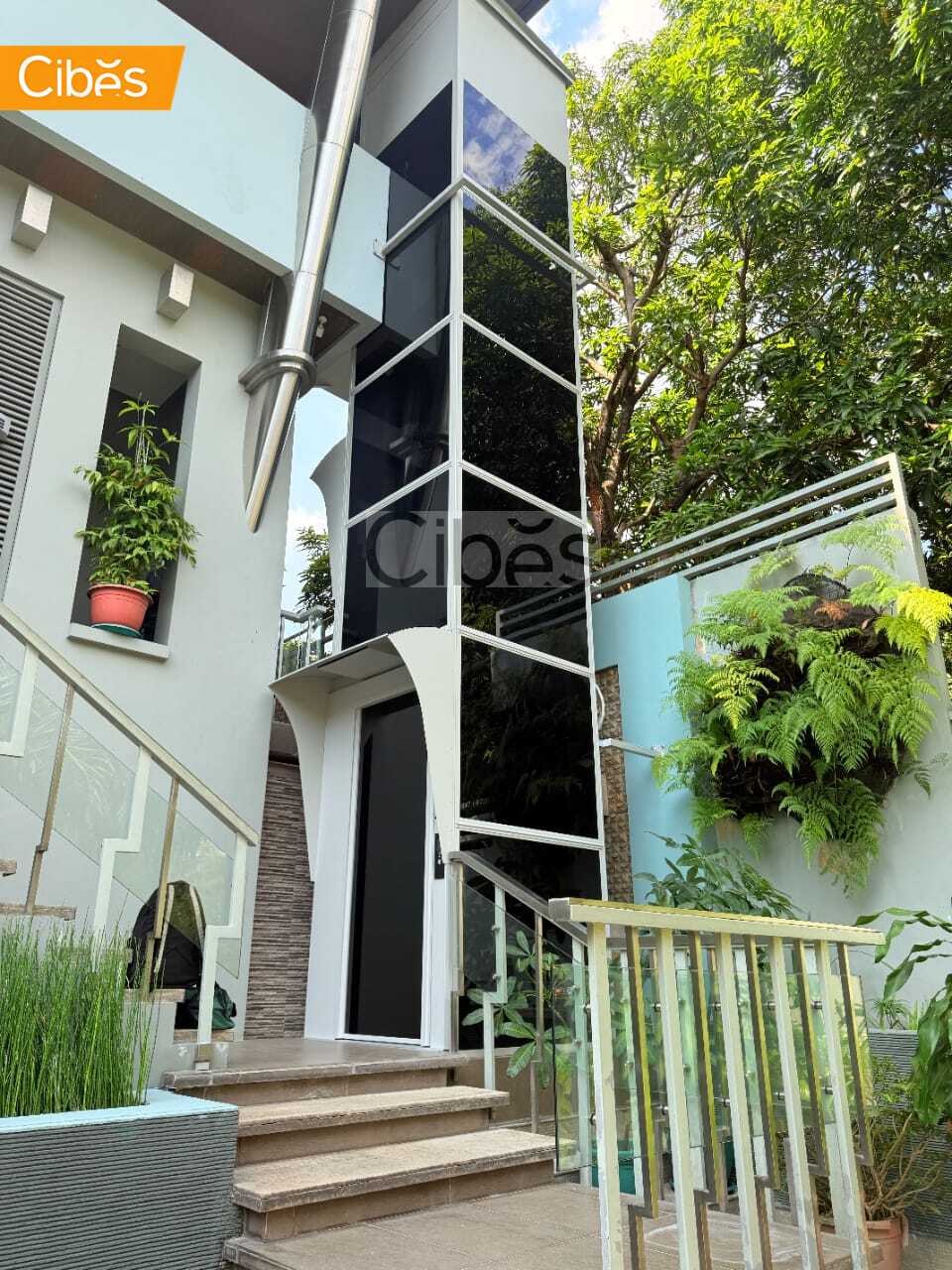
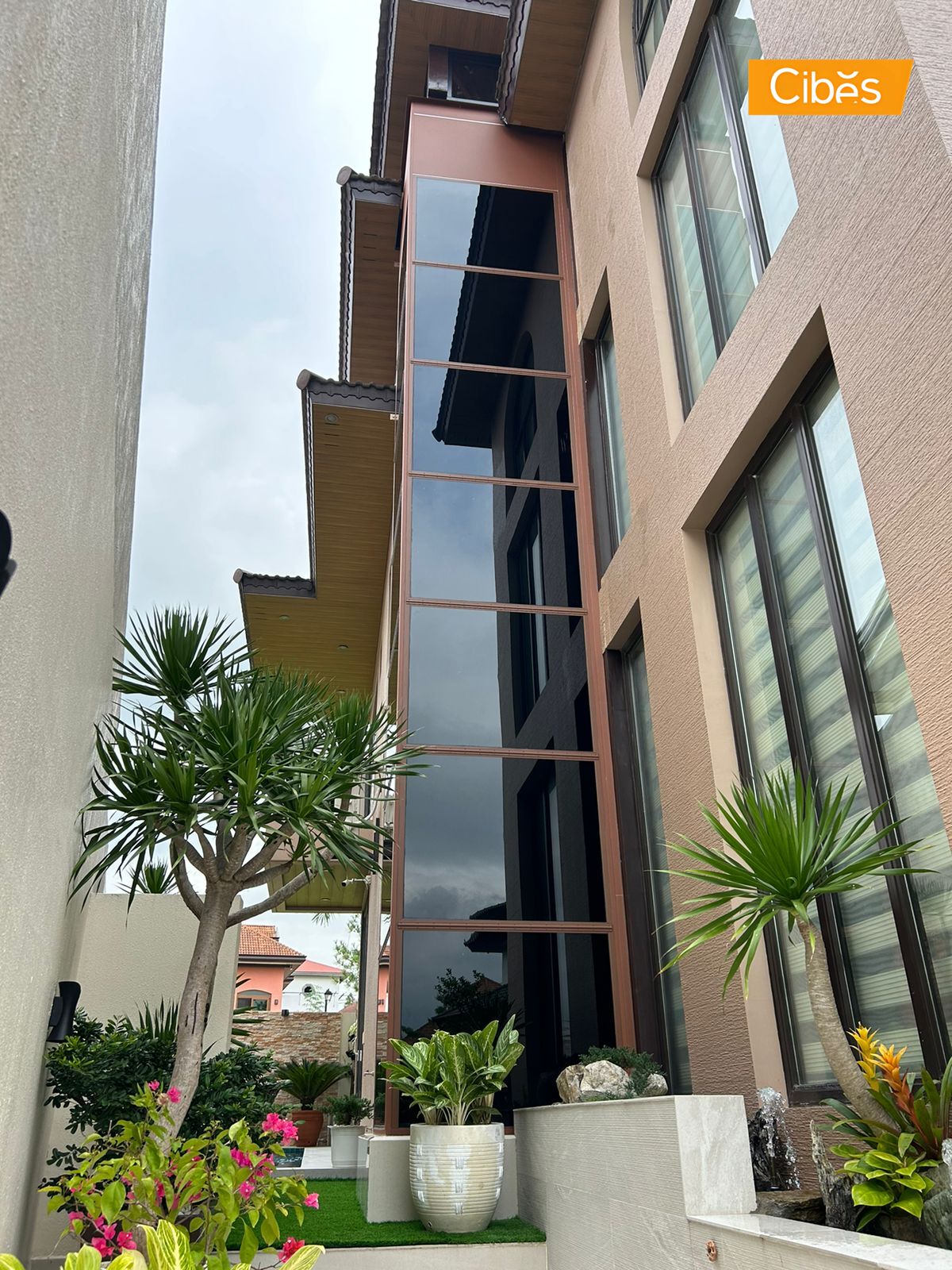
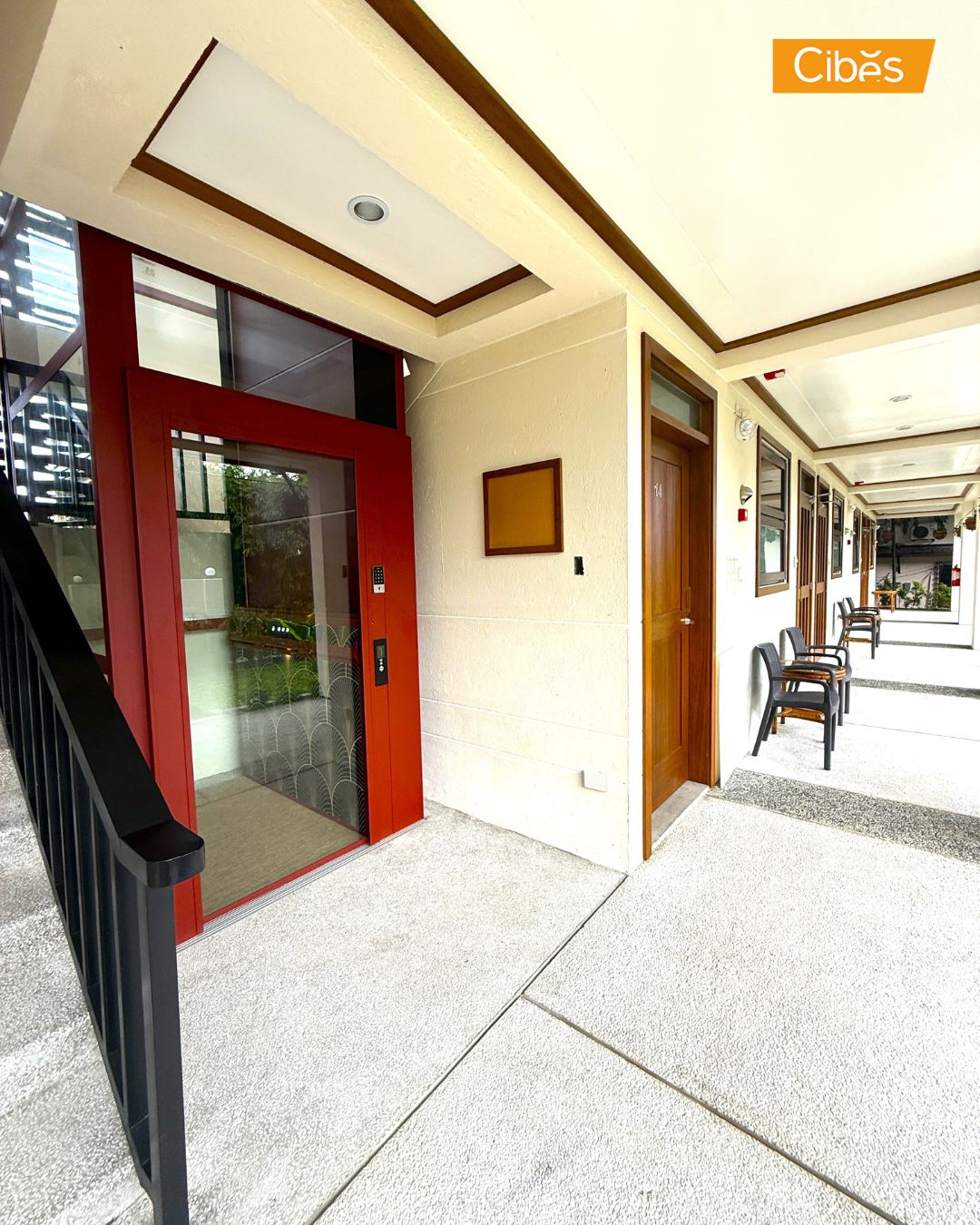
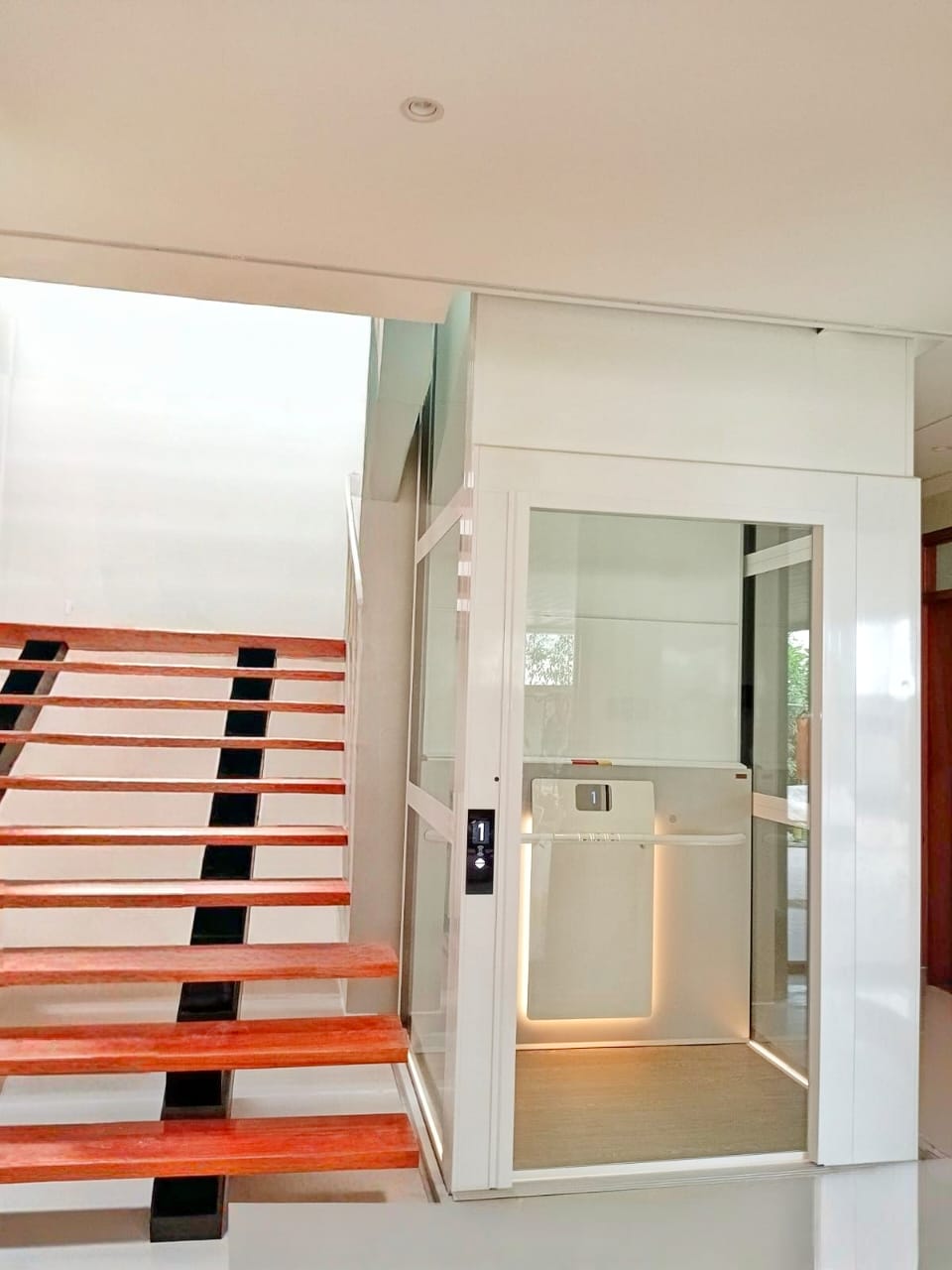
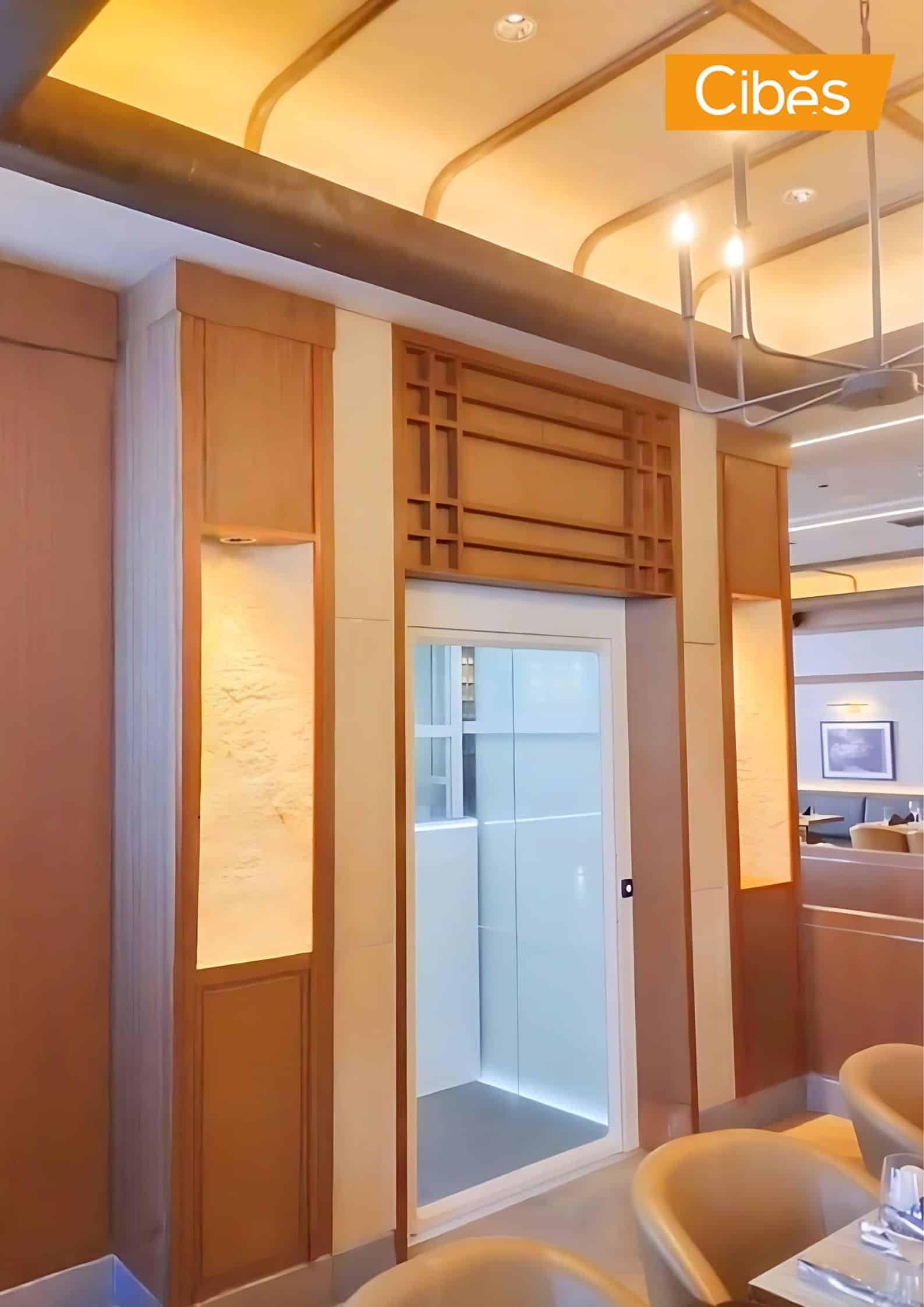
More and more homeowners are discovering that staying in their beloved homes as they age requires cautious planning and wise modifications. Cibes Home lifts dominate the headlines as the preferred solutions for accessibility, offering safe and convenient vertical mobility throughout multi-story homes. These solutions are increasingly used as home elevators for seniors who want to remain independent in their own homes.
Creating a beneficial environment for aging in place means adapting your entire home to ensure safety, comfort, and independence. This handbook considers realistic modifications, including home lifts, that can make any house a welcoming, safe haven for your golden years.
If you’re planning to stay independent in your home as you age, our Home Accessibility Solutions in the Philippines Guide explores the full range of mobility options, including home elevators, stair lifts, platform lifts, and accessibility upgrades for Filipino households.
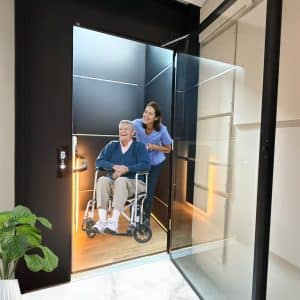
Why Aging in Place Makes Sense
Staying at home has benefits that go far beyond economic savings, though the economics are compelling. The cost of full-range home adaptation, including installing home lifts, typically equates to little more than one or two years’ worth of assisted living expenses, but provides decades of in-home independence.
Most significantly, familiar environments preserve emotional well-being and social connections that grow increasingly vital with increasing age. Research shows that older adults who remain at home are less depressed and live independently longer. Your neighborhood friendships, daily routines, and the comfort of familiar environments all contribute to better health outcomes and higher life satisfaction.
Smart Kitchen Updates
Your kitchen is the center of independence, so let’s get it functioning better as you age. Start with small tweaks that make a big difference.
Bottom cabinet pull-out drawers eliminate the need to stoop and reach around for pots and pans. Add under-cabinet lighting so you can actually see what you’re chopping. That side-by-side refrigerator puts fresh and frozen foods at eye level instead of you having to bend down to the freezer drawer.
Wall ovens are a lifesaver. Forget bending over to check on your roast or struggling with heavy dishes at floor level. Induction stoves offer precise control and automatically turn off if you get sidetracked.
Don’t overlook flooring. Luxury vinyl or cork is less slippery when wet but won’t surprise you like heavy rugs might.
Bathroom Safety First
Bathrooms cause more injuries to older people than any other room, but smart adjustments can keep you safe without giving your home a clinical look.
Replace that step-over tub with a walk-in shower. Add a built-in bench and grab bars that don’t resemble medical equipment sleek ones come in brushed nickel and other stylish finishes. Add a handheld showerhead so you can sit and shampoo with ease if needed.
Comfort-height toilets reduce hip and knee strain. Add motion-sensor night lights for secure late-night excursions, they’re inexpensive and can prevent deadly falls in the dark.
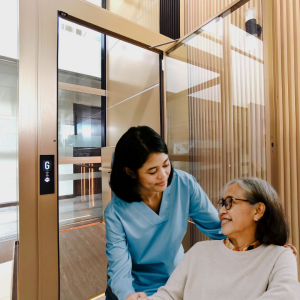
Bedroom Comfort and Beyond
Your bedroom should be a quiet sanctuary that’s easy to get around, even in the dark. Make sure there’s room to move around your bed safely. Think about an adjustable bed frame, it’s not only for comfort, but it can also make it much easier to get in and out of bed.
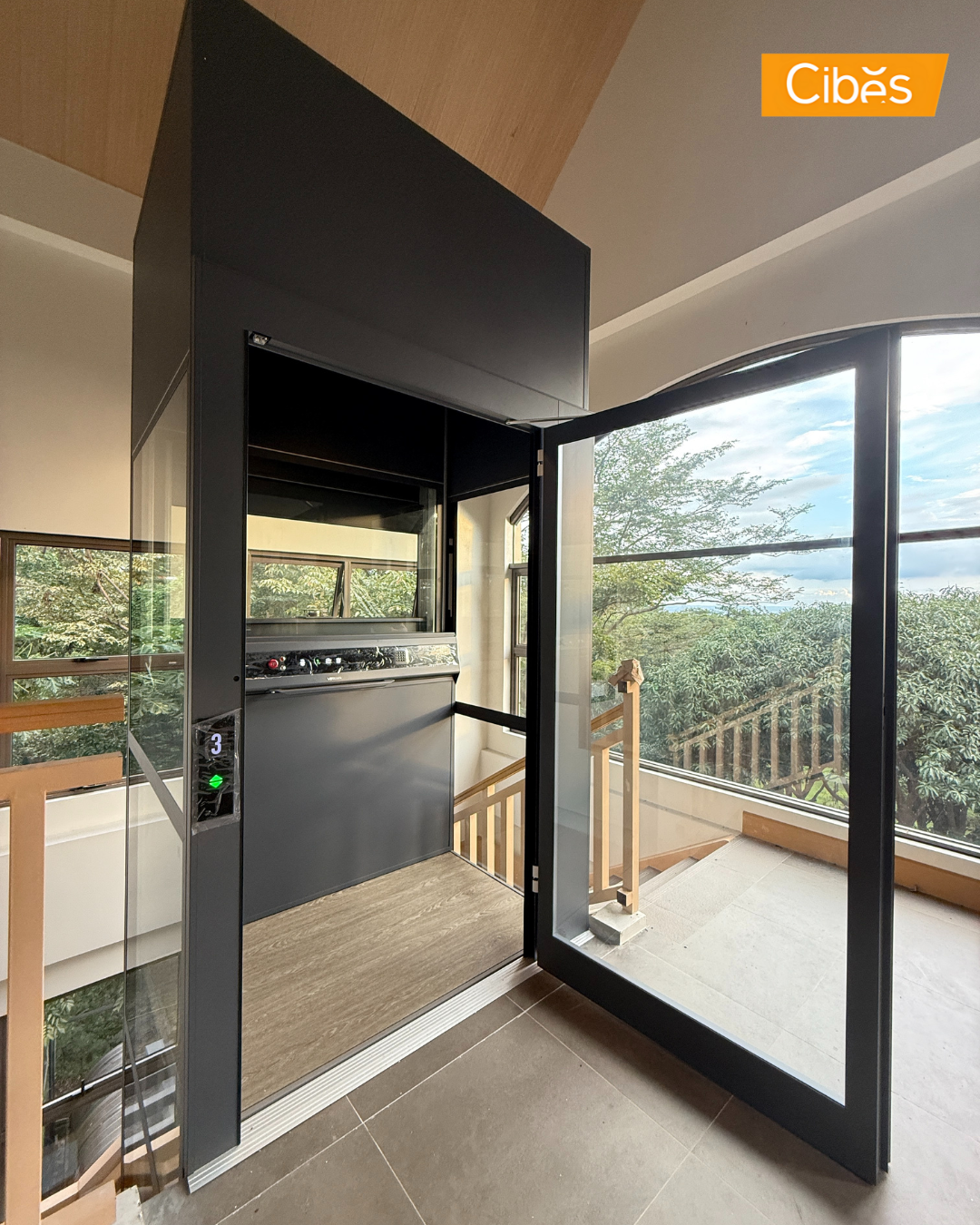
Good lighting is essential everywhere, but especially in bedrooms and hallways. Install LED lighting with automatic motion sensors to safely move around at night. For multi-story homes, home elevators for seniors provide seamless access to bedrooms on upper floors, improving safety and daily comfort.
Home Elevators for Seniors and Elderly in the Philippines
For many families, one of the most important upgrades for aging in place is installing a home lift for elderly users. Stairs often become the biggest daily challenge, especially in multi-storey homes common in the Philippines.
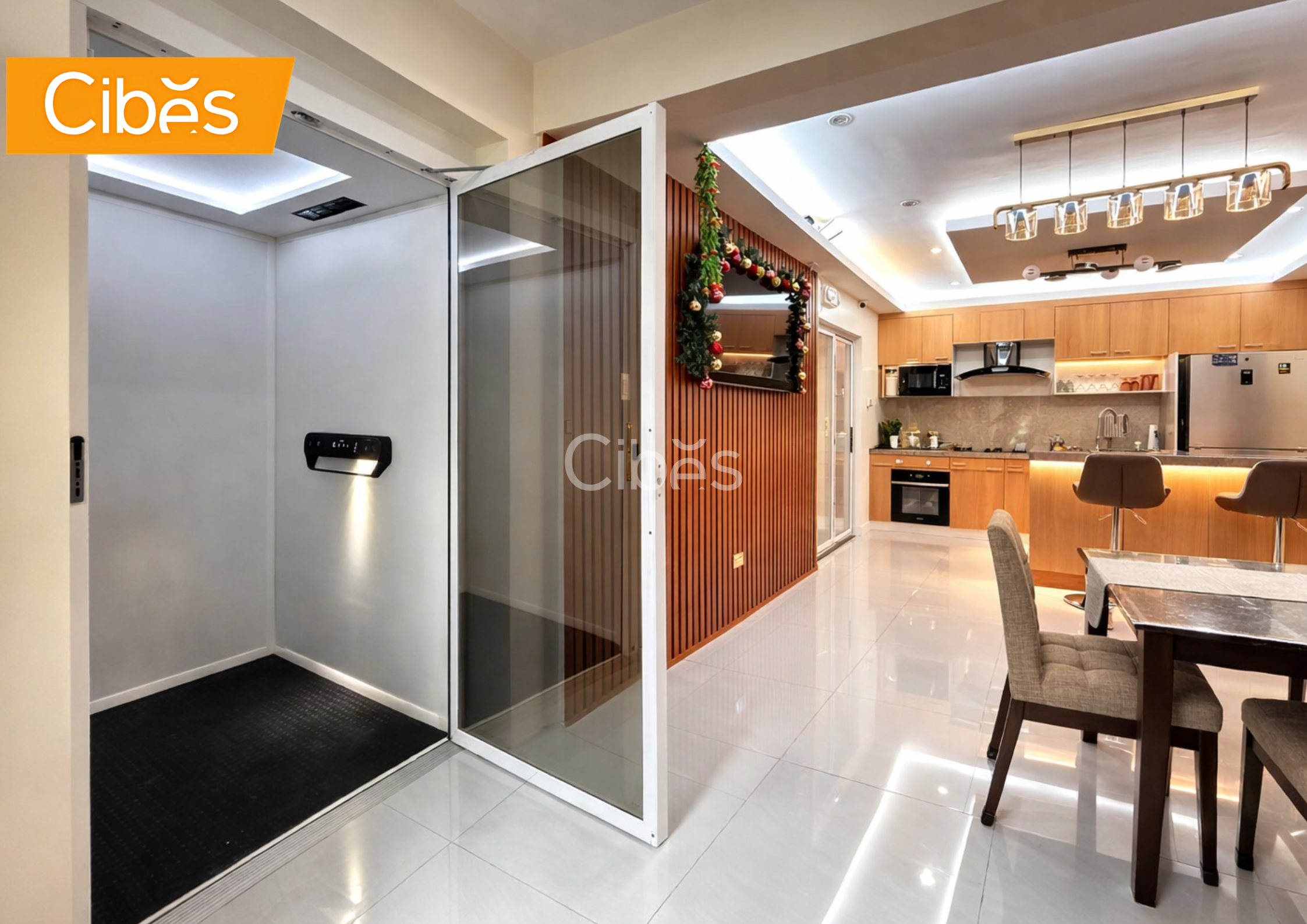
Modern home elevators for seniors are designed to provide safe, smooth, and effortless access between floors without requiring major physical effort. These systems are especially valuable for individuals with reduced mobility, helping them maintain independence while reducing the risk of falls.
Whether you’re considering a home elevator for elderly family members or planning ahead, today’s in home elevators for seniors are compact, reliable, and can be installed in both new and existing homes. They are no longer luxury-only features but practical solutions for long-term living.
Let’s Talk About Technology
Emerging smart home technology can enhance independence without being bewildering. Voice-operated systems enable you to control lights, warmth, and even call for aid without grasping switches or phones.
Advanced home security systems can detect falls and unusual patterns in your daily life and alert family members if something is wrong. They work in the background unnoticed, no medical devices to wear or reminders to call someone.
Medication reminder systems and health monitors will remind you to stay healthy without intruding on your privacy or sacrificing your independence.
Don’t Forget the Outdoors
Having the ability to reach your garden and yard contributes significantly to physical and mental well-being. Place slip-resistant surfaces on walks and add ample lighting for evening access.
Raised beds enable gardening even when bending becomes a chore. Robotic irrigation systems are something to consider to ease the physical demand of caring for the garden but keep your outdoor spaces looking their best.
Final Touch
Start with safety modifications like grab bars for the bathroom and improved lighting, then move on to convenience features like home lifts for multi-level homes. You don’t need to do everything at once phasing changes over time keeps costs and disruption in check.
Consider employing an occupational therapist to assess your individual needs and recommend changes that are appropriate for your situation. Most changes are deductible medical expenses, and some programs in your area will assist with the cost.
Remember, the concept is not to create a clinical environment, it’s to maintain the comfort and flair you appreciate while making your home safer and more accessible for years to come.
Mga Madalas Itanong (FAQ): Aging in Place at Home Lifts
Q: Ano ang ibig sabihin ng “aging in place”?
A: Ang aging in place ay ang pananatili sa sarili mong bahay habang ikaw ay tumatanda, sa halip na lumipat sa assisted living o retirement facility. Layunin nito ang mapanatili ang kalayaan, ginhawa, at pamilyar na pamumuhay sa sariling tahanan.
Q: Bakit mas praktikal ang aging in place kaysa lumipat ng ibang tirahan?
A: Mas praktikal ito dahil mas mababa ang pangmatagalang gastos at mas maganda para sa emosyonal na kalusugan. Ang pananatili sa pamilyar na lugar ay nakatutulong sa mas mababang stress, mas matibay na social connections, at mas mahabang independent living.
Q: Anong mga bahagi ng bahay ang dapat unahin para sa aging in place?
A: Dapat unahin ang kusina, banyo, at mga daanan sa bahay. Ito ang mga lugar na madalas gamitin at may mas mataas na risk ng aksidente kung hindi maayos ang disenyo.
Q: Paano nakakatulong ang home lift sa aging in place?
A: Ang home lift ay nagbibigay ng ligtas at madaling pag-access sa iba’t ibang palapag ng bahay. Tinatanggal nito ang panganib ng pag-akyat at pagbaba ng hagdan, lalo na para sa may edad o may limitadong galaw.
Q: Kailangan bang magmukhang “ospital” ang bahay kapag inaayos para sa aging in place?
A: Hindi. Maraming modernong solusyon ngayon ang ligtas pero maganda pa rin sa paningin. May mga grab bars, ilaw, at home lifts na may eleganteng disenyo na babagay sa estilo ng bahay.
Q: Paano nakakatulong ang teknolohiya sa mas ligtas na pamumuhay sa bahay?
A: Ang smart home technology tulad ng voice control, motion-sensor lighting, at safety monitoring systems ay tumutulong para manatiling independent ang isang tao habang may dagdag na seguridad.
Q: Kailangan bang gawin agad ang lahat ng modifications sa bahay?
A: Hindi. Maaaring gawin ito paunti-unti. Karaniwan, inuuna ang mga safety upgrades tulad ng ilaw at banyo, bago idagdag ang mas advanced na solusyon tulad ng home lift para sa multi-story homes.
Learn more



TL;DR Outdoor home elevators can improve accessibility while preserving valuable indoor space. In the Philippines, proper weather protection, structural engineering, drainage, and installation planning are essential. This guide explores installation considerations, safety requirements, potential costs, and what homeowners should know before choosing an outdoor home lift. Outdoor elevator installations can help homeowners in the Philippines […]

TL;DR The Cibes Experience Center Mindanao locations in Davao City and Cagayan de Oro City let homeowners, architects, contractors, and property developers explore home lift solutions in person. Compare available designs, check finishes, and discuss your property requirements with the Cibes team. Contact your preferred showroom before visiting to confirm operating hours and available demo […]

TL;DR The Cibes Experience Center Visayas in Cebu City lets homeowners, architects, designers, contractors, and developers see Cibes home lifts in person. Visitors can experience the lift cabin, review available designs and features, and discuss installation requirements with the Cibes team. The Cebu Experience Center currently lists V90 Elegance, Z85 Antera, and Ascenda among its […]
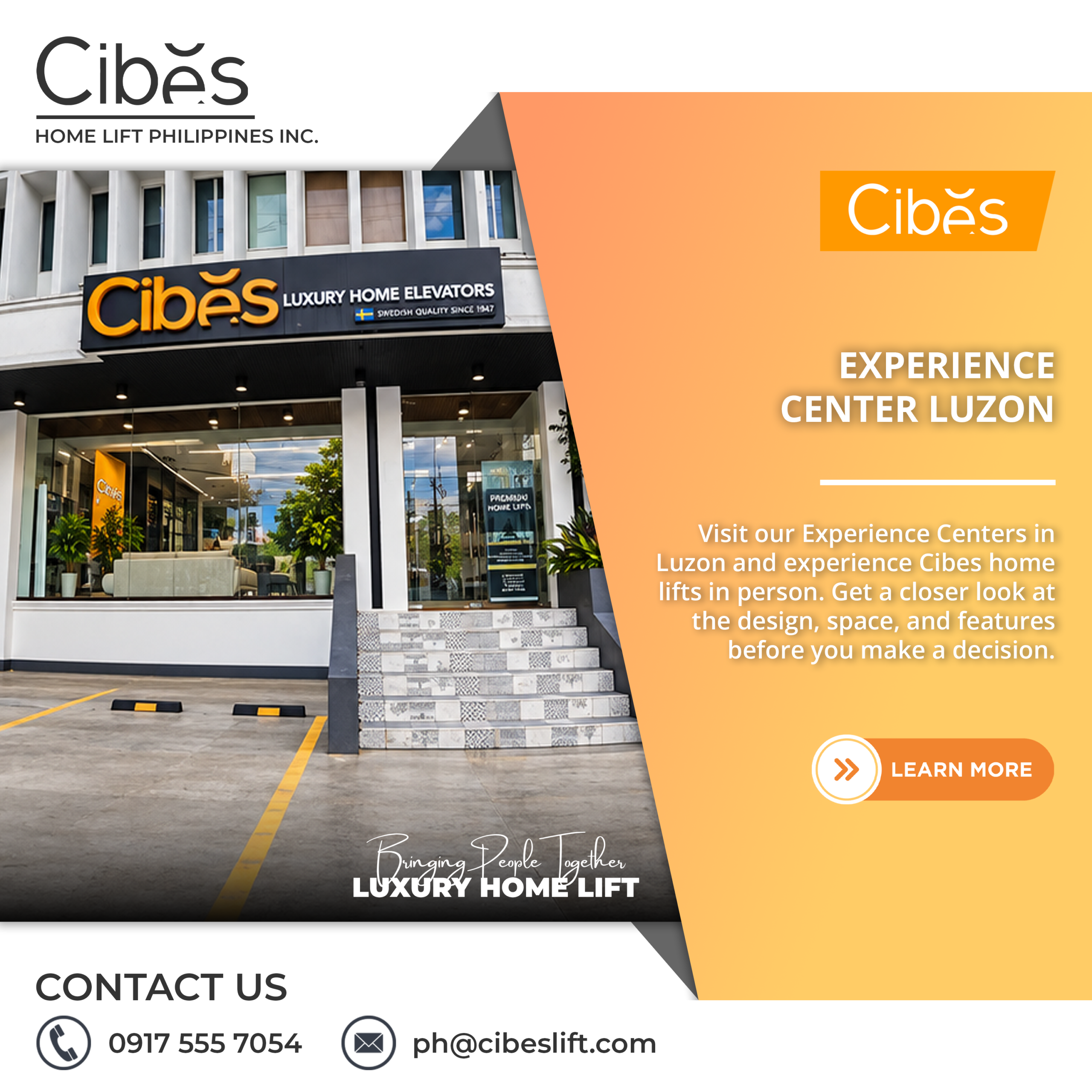
TL;DR Cibes Experience Center Luzon lets homeowners and property professionals experience Cibes home lifts in person before making a decision. Cibes Lift Philippines has 13 demo lifts across three Luzon Experience Centers: Makati (8), Mandaluyong (2), and Balintawak, Quezon City (3). Visitors can ride the lifts, check cabin space, test the controls, explore designs, and […]

TL;DR Sustainable home elevators in the Philippines are becoming an important consideration for homeowners who want to improve accessibility without overlooking environmental responsibility. Modern home elevators can support energy-efficient living through efficient drive systems, durable materials, renewable energy integration, and reduced structural changes compared with major home renovations. The Environmental Case for Sustainable Home Elevators […]