Blog - 20/08/2026
Home Elevator Cost in the Philippines for 2-3 Storey Homes
TL;DR
Home elevator cost Philippines usually starts at around ₱1.8 million for a basic 2-storey home. For a typical 3-storey house, the cost can range from ₱2.4 million to ₱4.2 million, while larger 4-storey homes may cost ₱6 million or more. Final pricing depends on the elevator system, number of floors, installation requirements, and structural work.
If you’re comparing residential elevator budgets beyond two- and three-storey homes, our Elevator Pricing in the Philippines Guide covers installation costs, pricing factors, accessibility considerations, and cost comparisons across different home lift solutions.
Quick Price Guide for Filipino Homes
| Home Type | Typical Layout in PH | Estimated Cost (PHP) |
| Two-storey house | Ground + 1 (common in subdivisions) | ₱1,800,000 – ₱3,000,000 |
| Three-storey townhouse | Ground + 2 (urban builds) | ₱2,400,000 – ₱4,200,000 |
| Four-storey and up | Narrow lot / vertical homes | ₱3,200,000 – ₱6,000,000+ |
Home Elevator Cost Philippines: What Affects the Price?
Costs depend heavily on how homes are built locally.
In cities like Quezon City, Makati, and Taguig, space is tight. Many homes go vertical, which increases installation complexity. Older houses, on the other hand, often need reinforcement before an elevator can be added.
Key cost factors:
- Number of floors
- Available space for shaft or lift
- Structural condition of the house
- Electrical capacity
- Level of finish (basic vs premium cabin)

How does floor count affect elevator cost in Philippine homes?
Two-Storey Homes (Ground + 1)
₱1.8M – ₱3.0M
This is the most straightforward setup.
Common in subdivisions and family homes across Metro Manila and nearby provinces. Installation is faster, and structural changes are usually minimal.
Entry-level units start at around ₱1.8M, making this the most accessible option.
Three-Storey Homes (Ground + 2)
₱2.4M – ₱4.2M
Very common in townhouses in Taguig, Pasig, and Cebu.
Costs rise because:
- Travel distance increases
- Structure needs to handle more load
- Controls and components are more advanced
Typical range:
- Basic: ~₱2.4M
- Mid-range: ₱2.8M – ₱3.5M
- Premium: ₱4M+
This is where many Filipino homeowners start seriously considering long-term accessibility.
Four-Storey and Up
₱3.2M – ₱6.0M+
Seen in narrow-lot builds and high-end homes.
These projects usually need:
- Stronger structural support
- More precise installation
- Higher-performing systems
Costs scale quickly at this level.
What extra costs should you expect in the Philippines?
Many Philippine homes are not originally designed for elevators. That’s where add-on costs come in.
| Add-On Work | Estimated Cost (PHP) | Common in PH Homes |
| Foundation strengthening | ₱150K – ₱400K | Older concrete homes |
| Floor reinforcement | ₱100K – ₱300K per floor | Multi-generational houses |
| Shaft construction | ₱300K – ₱800K | Homes without lift space |
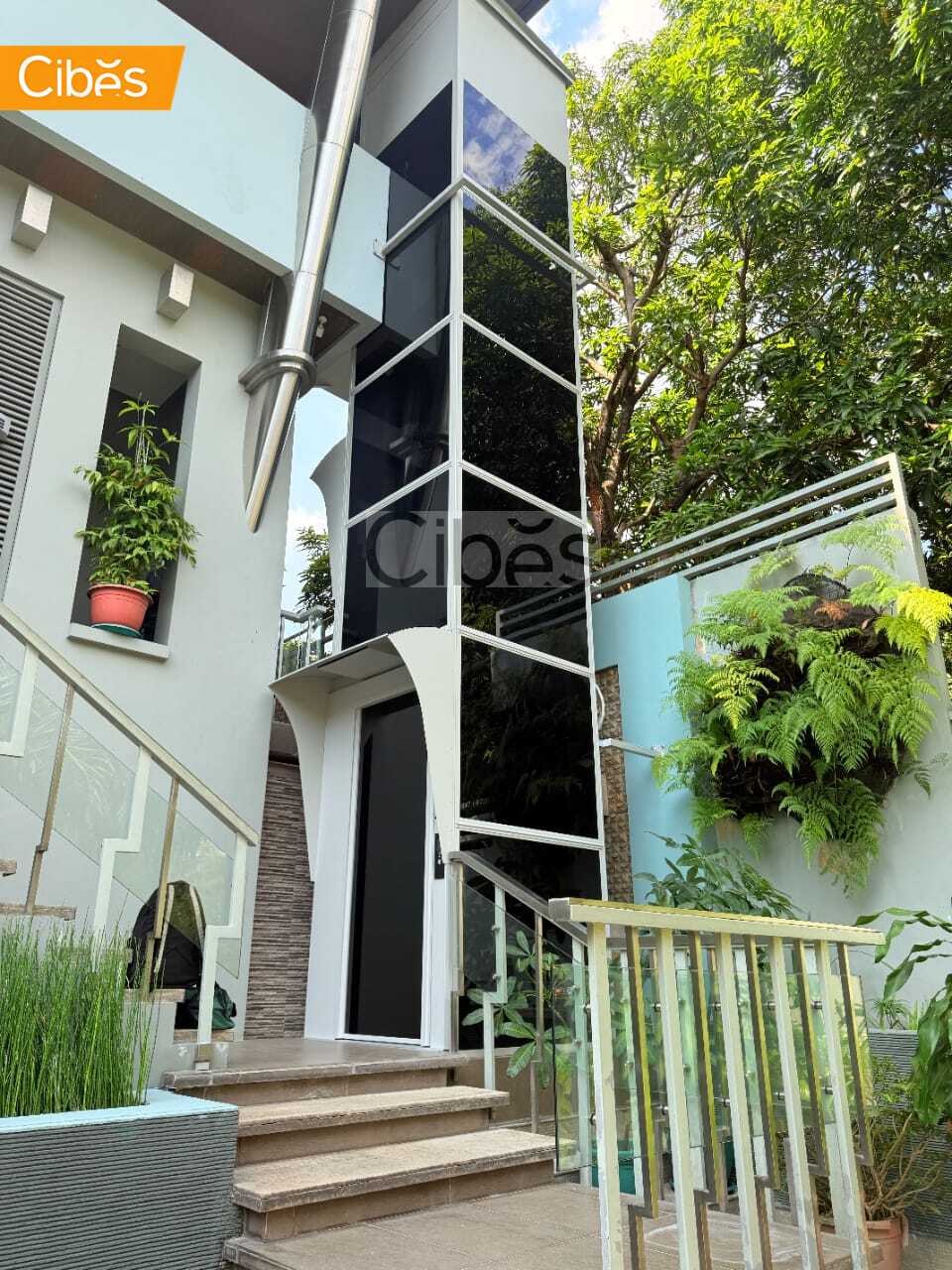
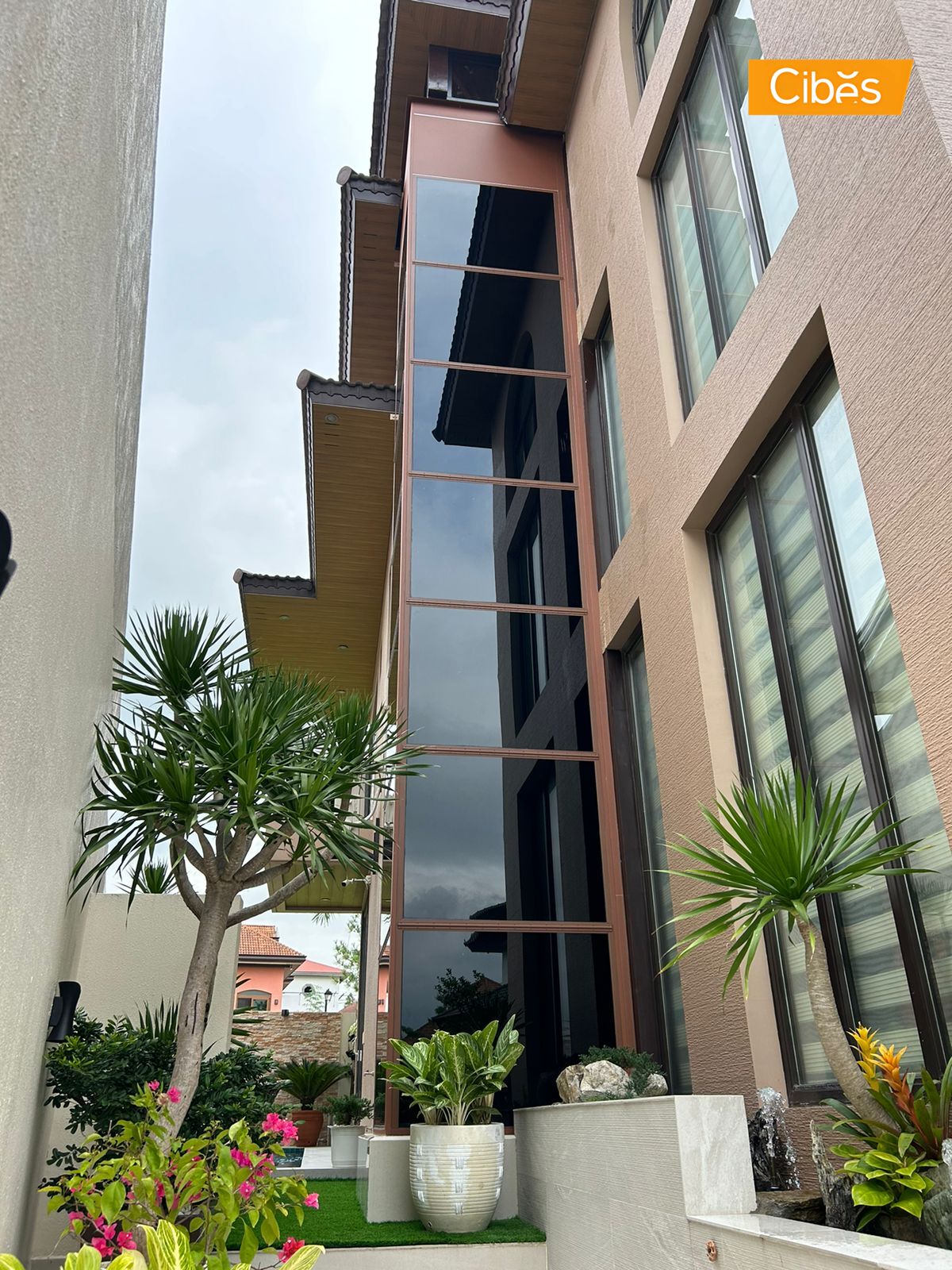
| Exterior lift tower | ₱200K – ₱600K+ | Tight interior layouts |
| Electrical upgrade | ₱80K – ₱200K | Outdated wiring |
| Site adjustments | ₱100K – ₱300K | Irregular layouts |
Retrofit projects in cities like Manila and Cebu usually fall on the higher end of these ranges.
What challenges are common in Philippine installations?
Local construction conditions matter.
- Limited lot size in urban areas
- Uneven structural quality in older homes
- Strict building requirements for taller structures
- Tight access for equipment during installation
Even small alignment issues can affect performance across floors. That’s why planning early helps avoid added costs.
Which elevator type works best for Philippine homes?
| Elevator Type | Best Fit | Why It Works in PH Homes |
| Screw-driven | 2-3 storey homes | Space-saving, no deep pit needed |
| Traction | 3-4+ storey homes | Better for longer travel |
| Hydraulic | Low-rise homes | Works, but less common in tight spaces |
Most urban homes favor compact systems due to space limits.
When might a home elevator not be practical?
Not every home is ready for one.
- No space for shaft or lift structure
- Weak structural support without major renovation
- Electrical system cannot handle upgrades
- Layout requires excessive reconstruction
A site check is always the first step before budgeting.
Is a home elevator worth it for Filipino families?
For many, yes.
In the Philippines, homes are often shared across generations. Stairs can become a daily challenge over time.
A home elevator helps with:
- Aging family members
- Long-term comfort
- Daily convenience
- Property value in urban areas
It’s less about luxury now, more about future-proofing the home.
Final Answer: Home Elevator Cost in the Philippines
Most home elevators in the Philippines cost between ₱1.8M and ₱6M+, depending on the number of floors and installation requirements. For typical 3-storey homes, expect ₱2.4M to ₱4.2M, plus additional costs for structural work if needed.
FAQ
Q: How much does a home elevator cost in the Philippines?
A: ₱1.8M to ₱6M+, depending on floors and complexity.
Q: How much for a 2-storey house?
A: Around ₱1.8M to ₱3M.
Q: How much for a 3-storey house?
A: Around ₱2.4M to ₱4.2M.
Q: What extra costs should I expect?
A: Structural work, shaft construction, and electrical upgrades.
Q: Can I install one in an existing house?
A: Yes, but costs may be higher due to retrofitting.
Learn more
Experience Center’s and Technical Station Address
Makati City | Balintawak – Quezon City | Mandaluyong City | Cebu City | Ilo-Ilo City | Davao City | Cagayan De Oro City






CIBES AUTHOR
Jovelyn Guidaven has been a Sales Manager at Cibes Lift Philippines since 2021, helping homeowners, architects, designers, and developers find the right home lift solutions for their projects. She works closely with clients throughout the sales process, providing expert guidance and personalized recommendations based on their accessibility and mobility needs.



TL;DR The Cibes Experience Center Visayas in Cebu City lets homeowners, architects, designers, contractors, and developers see Cibes home lifts in person. Visitors can experience the lift cabin, review available designs and features, and discuss installation requirements with the Cibes team. The Cebu Experience Center currently lists V90 Elegance, Z85 Antera, and Ascenda among its […]
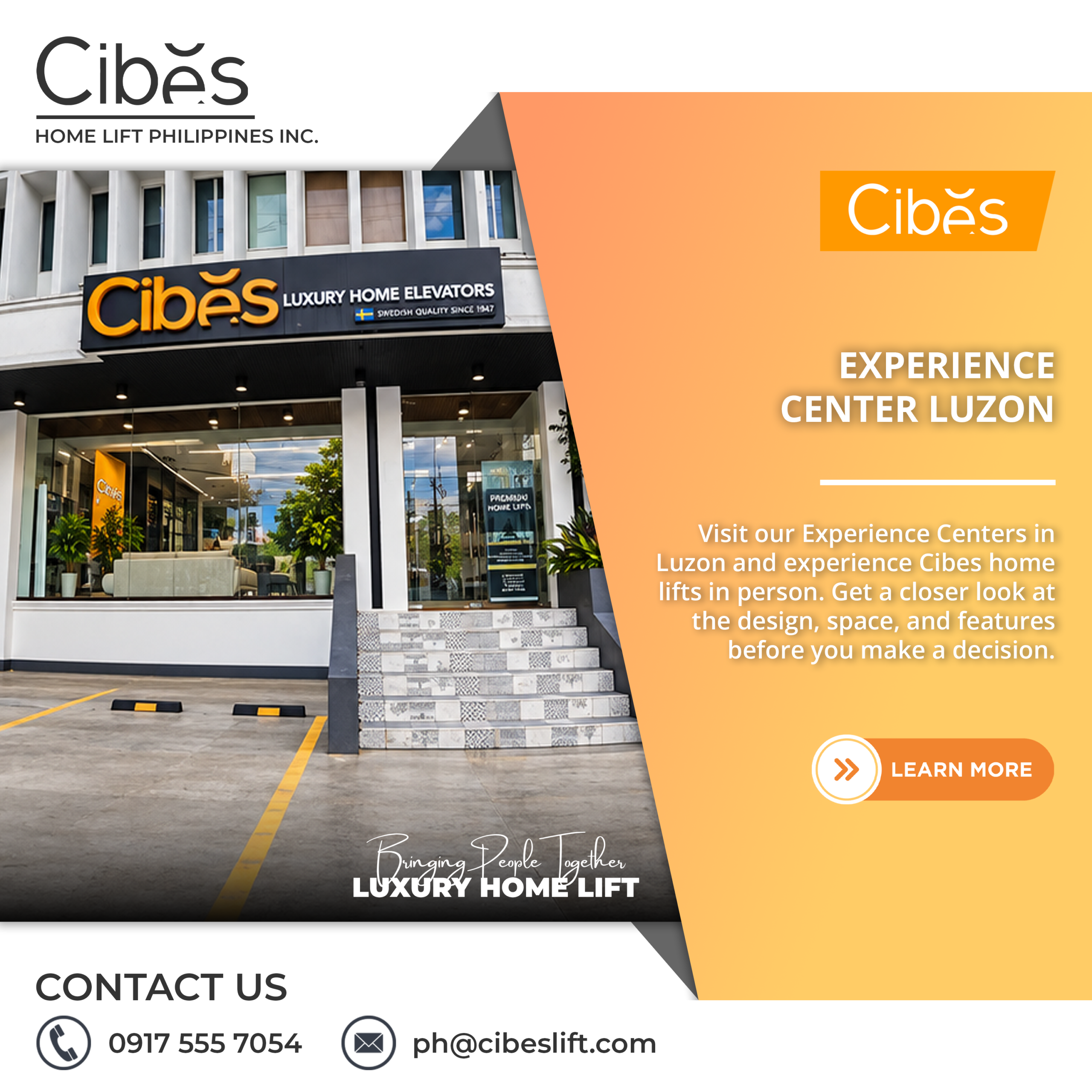
TL;DR Cibes Experience Center Luzon lets homeowners and property professionals experience Cibes home lifts in person before making a decision. Cibes Lift Philippines has 13 demo lifts across three Luzon Experience Centers: Makati (8), Mandaluyong (2), and Balintawak, Quezon City (3). Visitors can ride the lifts, check cabin space, test the controls, explore designs, and […]

TL;DR Sustainable home elevators in the Philippines are becoming an important consideration for homeowners who want to improve accessibility without overlooking environmental responsibility. Modern home elevators can support energy-efficient living through efficient drive systems, durable materials, renewable energy integration, and reduced structural changes compared with major home renovations. The Environmental Case for Sustainable Home Elevators […]

TL;DR Home Elevator Performance plays an important role in the safety, comfort, efficiency, and long-term reliability of a residential lift. While regular maintenance keeps your elevator operating reliably, proper usage, environmental control, component monitoring, electrical optimization, and timely upgrades can further improve its performance. In this guide, discover 8 expert tips to help maximize home […]

TL;DR Vacuum elevators use air pressure instead of cables or hydraulic systems to move a cabin inside a transparent tube. Most residential models require only 75 to 100 cm of space, serve 2 to 4 floors, carry 205 to 238 kg, and can often be installed in 2 to 3 days with minimal structural work. […]