Blog - 13/01/2026
How Much Does a Home Elevator Cost in The Philippines? Comparison of 5 Kinds of Home Lifts and Price
Home Elevator Types and Prices in the Philippines: Which One Fits Your Home?
Planning a home elevator in the Philippines and want real numbers? Many homeowners also compare Cibes lift price in the Philippines when evaluating premium home elevator options. This guide summarizes typical 2026 home lift price ranges, what changes the cost (space, civil works, permits, floors, and maintenance), and which lift types fit most homes in Manila, Cebu, and Davao. It compares through-the-floor, traction, hydraulic, screw-driven, and stairlift options so you can shortlist the right system before requesting quotes.
TL;DR:
A home lift is now a practical upgrade for Philippine homes, not just a luxury, offering a wide range of home elevators and home lift price depending on type and installation. Prices ranges depending on technology, space, and installation needs. Choosing the right type depends on your home size, long-term use, and budget.
Choosing a home lift can feel overwhelming. There are different technologies, price ranges, and space requirements to consider, especially in the Philippines where multi-storey homes are becoming more common in cities like Manila, Cebu, and Davao. Choosing the right home elevators means understanding the home elevators cost in the Philippines, accessibility needs, and long-term home value.
With more than 7 percent of Filipinos now aged 65 and above and compact urban living on the rise, home lifts are becoming more accessible and customizable than ever. This guide explains the five most common home lift types in the Philippines, how they work, their advantages and limitations, and realistic 2026 price ranges adjusted for local conditions.
If you are planning for accessibility, daily convenience, or long-term property value, this breakdown will help you choose with confidence.
If you’re looking for a broader overview of residential elevator costs, budgeting considerations, installation expenses, and pricing factors across different home lift solutions, our Elevator Pricing in the Philippines Guide explains everything Filipino homeowners should know before making a purchase decision.
Residential Elevator Cost Overview: How Much Is a Home Elevator in the Philippines?
One of the most common questions homeowners ask is: how much is a home elevator in the Philippines? The answer depends on several factors, including lift type, number of floors, and installation complexity.
On average, the home elevators cost in the Philippines ranges from around ₱1.3 million for compact systems to ₱3.8 million or more for premium solutions. These estimates reflect the total residential elevator cost, including equipment, installation, and basic finishing.
When comparing options, it’s important to look beyond the base price. The final residential elevators cost may increase depending on structural work, shaft construction, permits, and electrical upgrades. Planning ahead helps avoid unexpected expenses and ensures a more accurate budget.
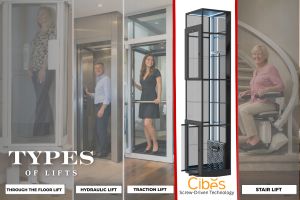
What is a through-the-floor home lift and how much does it cost?
Estimated cost: ₱1,500,000 – ₱1,800,000
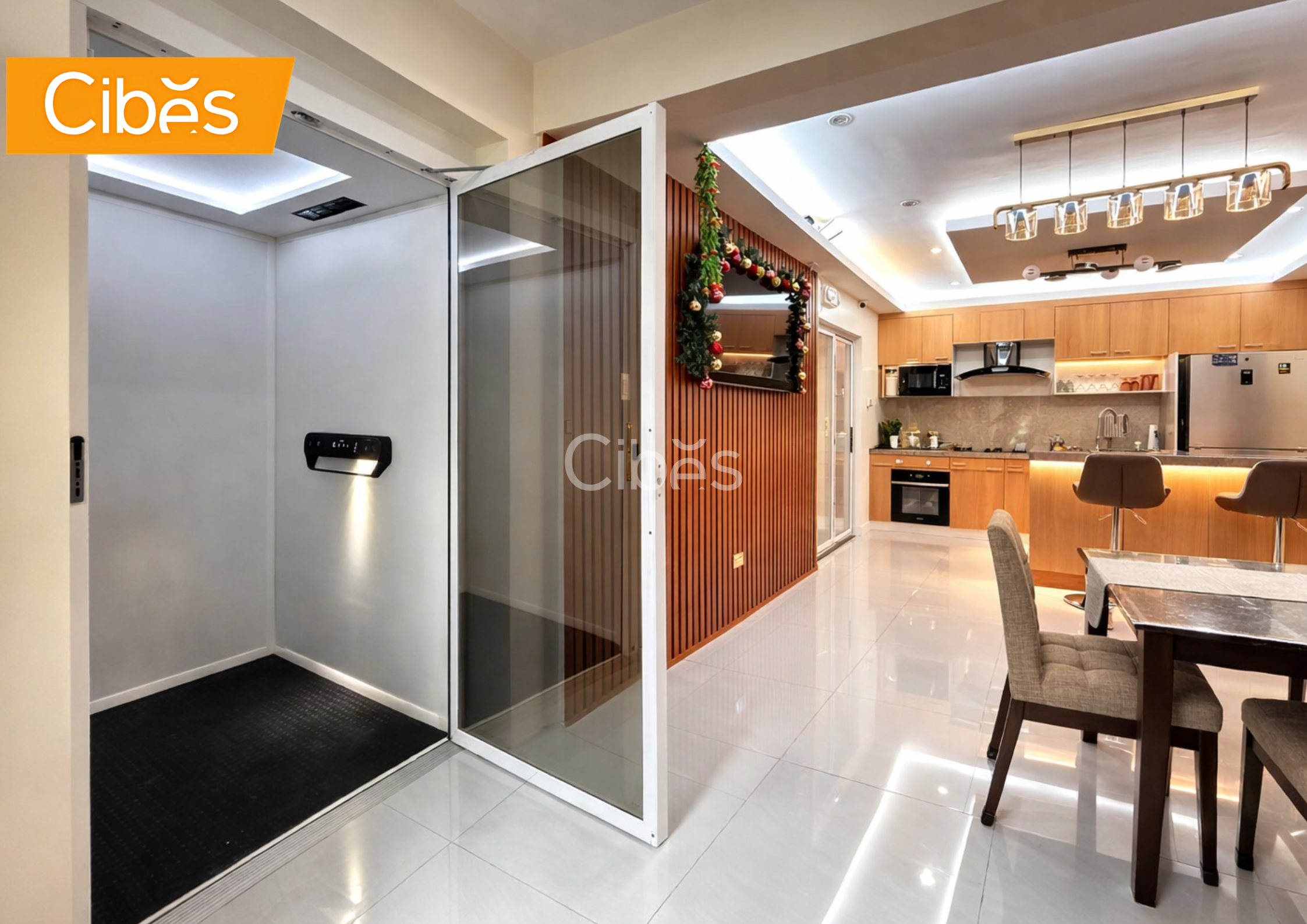
Through-the-floor home lifts (affordable home elevator) are designed for compact homes such as townhouses and bungalows. This type represents one of the more affordable home elevators in the Philippines for many urban homes. They require minimal space, often as small as one square meter, making them one of the most affordable home lift options in the Philippines.
These lifts travel through a simple floor opening rather than a full shaft, which keeps installation work light. They are ideal for two-storey homes where stairs have become difficult to use, especially for older family members.
While they move more slowly and carry lighter loads than commercial elevators, most models are wheelchair-friendly and perfectly suited for everyday home use. For three-storey homes, costs usually start at around ₱1.5 million due to added structural work.
Tip: Adding a solar backup for around ₱50,000 helps keep the lift running during power interruptions and can reduce energy use by up to 20 percent.
Is a hydraulic home lift still a good choice today?
Estimated cost: ₱1,500,000 – ₱2,500,000
Hydraulic home lifts (residential elevator option) are commonly found in larger suburban homes, especially in areas like Quezon City. Hydraulic home elevators in the Philippines are a common choice for larger houses seeking increased capacity. They are known for carrying heavier loads, often up to 450 kg, which suits families with mobility equipment or frequent use.
These systems use oil pressure to move the lift cabin, resulting in a smooth ride. However, they require a pit, space for an oil tank, and more frequent maintenance. Oil leaks and temperature sensitivity can also affect long-term reliability.
While hydraulic lifts were once the standard choice, many homeowners now prefer newer technologies with lower maintenance and fewer space requirements.
Tip: Newer eco-friendly hydraulic systems use biodegradable fluids and may qualify for green building rebates under the Philippine Green Building Code.
How much does a traction home lift cost and what should you watch out for?
Estimated cost: ₱1,300,000 – ₱2,100,000
Additional shaft cost: around ₱800,000
Traction home lifts (mid-range home elevator price) are similar to the elevators found in malls and offices. Traction systems usually involve additional home elevator cost in the Philippines considerations like shaft construction. They use a motor, ropes or belts, and a counterweight system, making them suitable for homes with three or more floors.
While the initial lift price can look attractive, the cost of shaft construction often surprises homeowners. These systems also require deeper pits, overhead clearance, and space for machinery, which can reduce usable living space.
Maintenance costs tend to be higher over time, and system lifespan is generally shorter compared to screw-driven lifts.
Tip: Gearless traction models introduced in 2025 can reduce electricity costs by around ₱20,000 per year.
Why are screw-driven home lifts considering the premium option?
Estimated cost: ₱2,500,000 – ₱3,800,000 (shaft included)
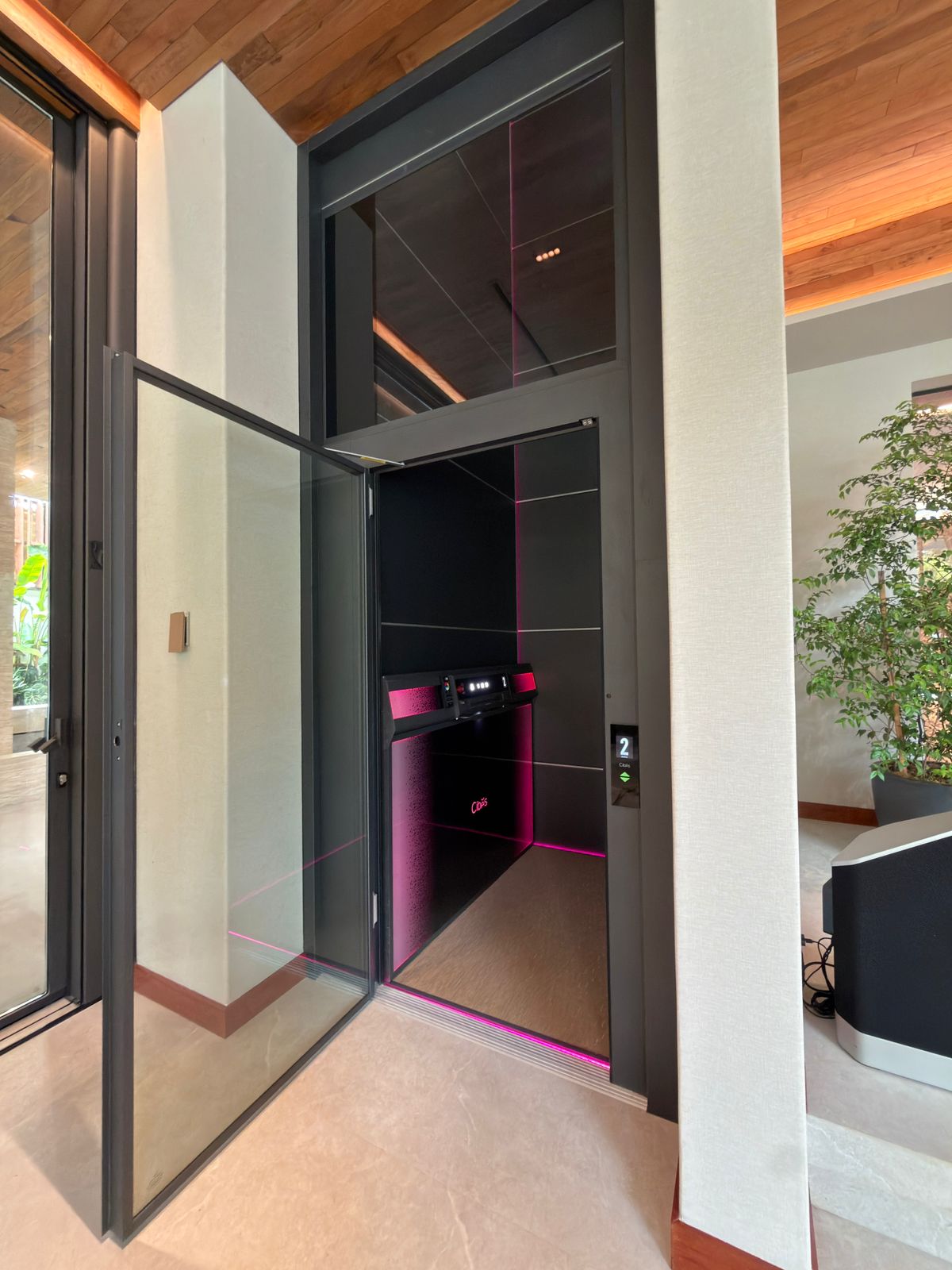
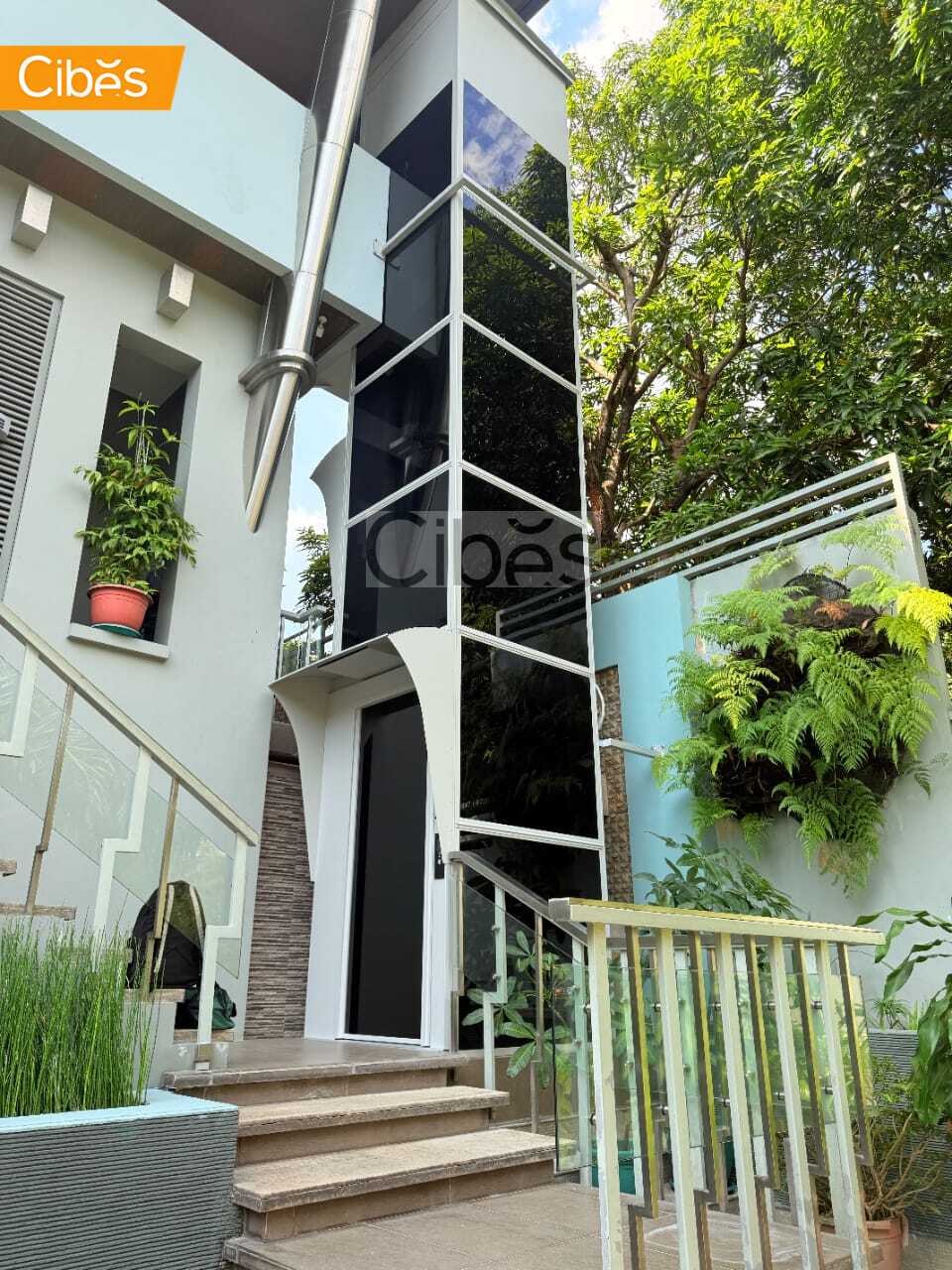
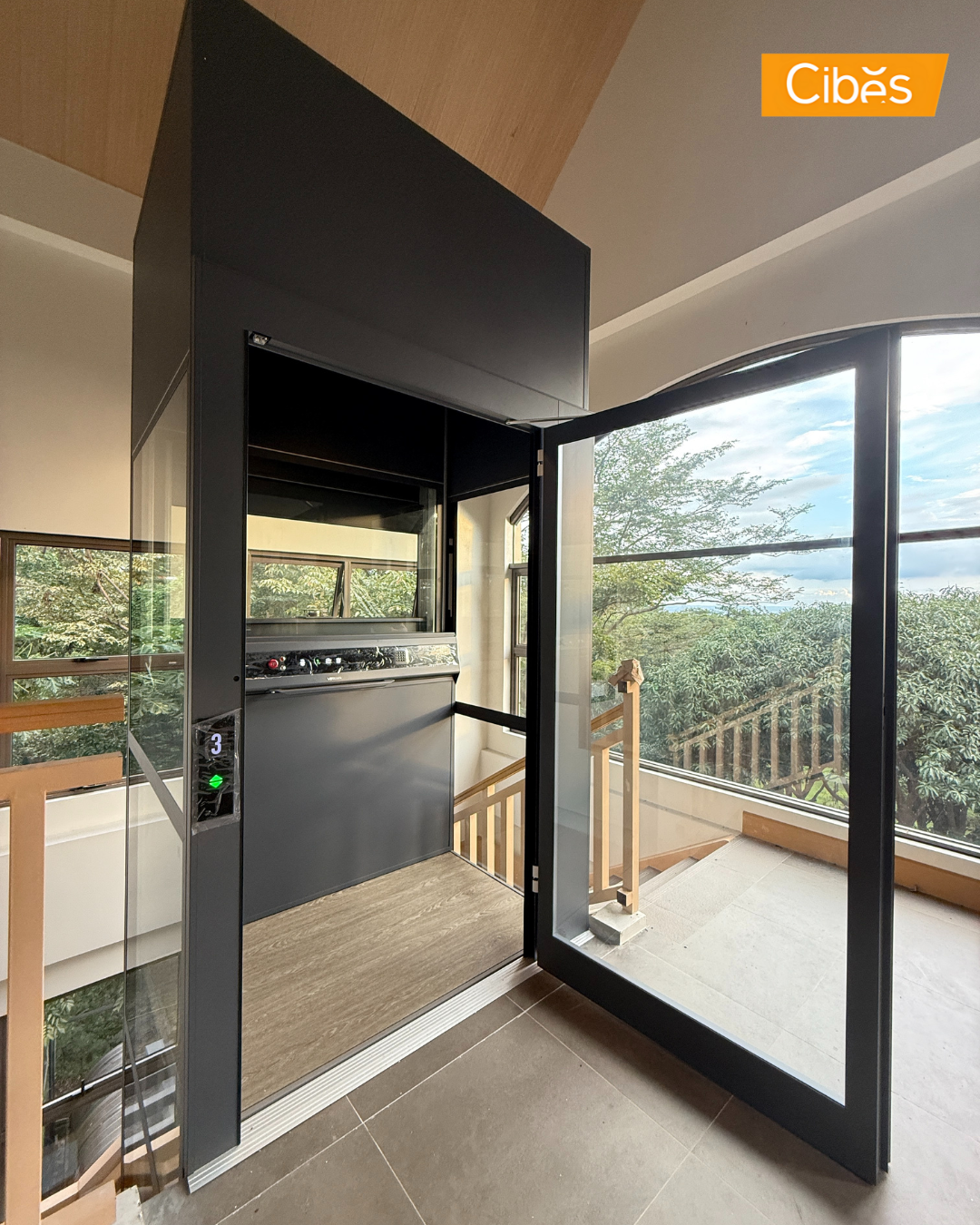
The typical Cibes lift price ranges from ₱2,500,000 to ₱3,800,000 depending on customization, finishes, and configuration. Screw-driven home lifts (premium Cibes home lift), are a preferred choice for upscale homes in areas like Alabang and Bonifacio Global City. When evaluating the Cibes lift price in Philippines, homeowners will find that these premium screw-driven systems offer strong value despite their higher upfront cost. These lifts operate using a rotating nut on a steel screw, eliminating the need for pits, machine rooms, or hydraulic oil.
Because the cabin is always mechanically connected to the screw, free-fall is not possible. Energy use is low, often comparable to a household appliance, and maintenance requirements are minimal.
Although the upfront cost is higher, screw-driven lifts offer long service life, strong safety performance, and refined design options such as glass cabins, touch controls, and custom finishes.
Tip: Advanced models now include app connectivity and voice controls, which can further increase resale appeal in premium markets.
Are stairlifts a good alternative to a home lift?
Estimated cost: ₱300,000 – ₱600,000
Stairlifts are the most budget-friendly option and are designed for single-person use. While stairlifts are more like mobility aids, they still represent the one of the lowest residential elevator cost options in the Philippines. They are quick to install and suitable for renters or homes where permanent construction is not possible.
However, stairlifts cannot carry wheelchairs or heavy items and do not add the same level of property value as a full home lift. They are best viewed as a mobility aid rather than a long-term home upgrade.
Tip: New wireless stairlift models now support remote monitoring, which can help families caring for older members from a distance.
Below is a summary of typical elevator cost in the Philippines including residential elevator cost and home elevator price ranges.
Home Lift Technology & Price Comparison Table in the Philippines
| Feature | Through-the-Floor | Hydraulic | Traction (w/o shaft) | Screw Drive (Cibes) | Stairlift |
| Price (Php) | ₱1.5M–₱1.8M | ₱1.5M–₱2.5M | ₱1.3M–₱2.1M (+₱800k shaft) | ₱2.5M–₱3.8M | ₱300k–₱600k |
| Own Shaft | N/A | Optional | N/A |  | N/A |
| Pitless | |  |  | | N/A |
| Space Saving | | | | | |
| Safety | | | | | |
| Maintenance Affordability | | | | | |
| Speed | | | | | |
| Noise | | | | | |
| Energy Efficiency (kWh/year) | Low (200) | Medium (400) | High (300) | Low (150) | Low (100) |
What should you consider before choosing a home lift in the Philippines?
Budget beyond the lift price: Consider the full home lift cost in the Philippines, including installation, permits, and any structural work which can add ₱100,000 to ₱300,000.
Compare long-term costs: Energy use and long-term maintenance also influence total residential elevator cost in the Philippines.
Match the lift to your home size: Compact homes benefit from space-saving designs.
Plan for future needs: Aging in place and multi-generational living are key considerations.
Check for incentives: Some 2026 programs offer rebates for accessibility upgrades.
Final thoughts before making a decision
A home lift is a long-term investment, and understanding the home elevators cost helps you make a smarter decision based on both budget and long-term value. For smaller homes, through-the-floor lifts or stairlifts may be enough. For homeowners thinking ahead, screw-driven home lifts offer the best balance of safety, design, and low lifetime cost.
The right choice depends on your space, priorities, and how you plan to live in your home over the coming years. Looking beyond the initial price and focusing on long-term value will always lead to a better decision. For many Filipino homeowners, choosing the right home elevators Philippines solution can improve daily convenience and resale appeal.
Many homeowners comparing options will often look at the Cibes lift price in the Philippines as a benchmark for premium residential elevators.
If you want a tailored quote for your home lift, you can request a free consultation from Cibes Lift Philippines through our Manila or Cebu showrooms.
FAQ
Q: How much is a home elevator in the Philippines?
A: The price of a home elevator in the Philippines typically ranges from ₱1.3 million to ₱3.8 million or more. The final cost depends on the type of elevator, number of floors, and installation requirements.
Q: What is the average residential elevator cost in the Philippines?
A: The average residential elevator cost in the Philippines falls between ₱1.5 million and ₱2.5 million for standard systems. Premium models or custom installations can cost significantly more.
Q: How much do home elevators cost installed?
A: The total home elevators cost installed includes equipment, delivery, and installation. In most cases, this ranges from ₱1.3 million to ₱3.8 million, depending on the complexity of the project.
Q: What is the cheapest home elevator in the Philippines?
A: The cheapest home elevator options are usually stairlifts or through-the-floor lifts, starting from around ₱300,000 to ₱1.5 million. These systems require minimal construction and are ideal for basic accessibility needs.
Q: Why do residential elevators cost so much?
A: The residential elevators cost reflects not just the lift itself but also installation, safety systems, and structural requirements. Additional costs such as permits, electrical work, and shaft construction can increase the total price.
Q: Is it expensive to install a home elevator?
A: Installing a home elevator can be a significant investment, but modern systems have made it more accessible. Many homeowners now find that the long-term benefits justify the initial home elevator cost.
Q: What is included in a home elevator installation price?
A typical installation price includes the elevator unit, transport, installation labor, and basic setup. Additional costs may include civil works, permits, and interior finishing depending on the project.
Q: What is the Cibes lift price in the Philippines?
A: The Cibes lift price Philippines typically ranges from ₱2.5M to ₱3.8M depending on size, finishes, and customization options.
Q: Can I install a home elevator in a small house?
Yes. Many compact systems are designed for small homes and can fit in spaces as small as 1 square meter, making them suitable for townhouses and urban properties in the Philippines.
Learn More



TL;DR The Cibes Experience Center Visayas in Cebu City lets homeowners, architects, designers, contractors, and developers see Cibes home lifts in person. Visitors can experience the lift cabin, review available designs and features, and discuss installation requirements with the Cibes team. The Cebu Experience Center currently lists V90 Elegance, Z85 Antera, and Ascenda among its […]

TL;DR Cibes Experience Center Luzon lets homeowners and property professionals experience Cibes home lifts in person before making a decision. Cibes Lift Philippines has 13 demo lifts across three Luzon Experience Centers: Makati (8), Mandaluyong (2), and Balintawak, Quezon City (3). Visitors can ride the lifts, check cabin space, test the controls, explore designs, and […]

TL;DR Sustainable home elevators in the Philippines are becoming an important consideration for homeowners who want to improve accessibility without overlooking environmental responsibility. Modern home elevators can support energy-efficient living through efficient drive systems, durable materials, renewable energy integration, and reduced structural changes compared with major home renovations. The Environmental Case for Sustainable Home Elevators […]

TL;DR Home Elevator Performance plays an important role in the safety, comfort, efficiency, and long-term reliability of a residential lift. While regular maintenance keeps your elevator operating reliably, proper usage, environmental control, component monitoring, electrical optimization, and timely upgrades can further improve its performance. In this guide, discover 8 expert tips to help maximize home […]

TL;DR Vacuum elevators use air pressure instead of cables or hydraulic systems to move a cabin inside a transparent tube. Most residential models require only 75 to 100 cm of space, serve 2 to 4 floors, carry 205 to 238 kg, and can often be installed in 2 to 3 days with minimal structural work. […]