Blog - 02/08/2026
What Not to Expect When Installing a Home Lift
TL;DR: What should you expect when installing a home lift?
Home lift installation in the Philippines usually takes about 1 to 3 weeks, with simpler two-stop setups completed in as little as 5 to 7 days. Modern home are designed to blend into residential interiors, use electricity like common household appliances, and include battery backup that lets passengers exit safely during brownouts. Most homeowners experience minimal disruption during installation.
Home lift briefly: key facts homeowners ask about
| Item | What to expect |
| Typical installation time | 1 to 3 weeks (5 to 7 days for 2 stops) |
| Drive technology | Screw-driven system |
| Power use | About 2.9 kWh during operation, low standby consumption |
| Brownout behavior | Battery backup moves lift to nearest floor for safe exit |
| Interior options | Glass panels, wood-look finishes, powder coating |
| Ease of use | Button or touchscreen controls, optional voice call on select models |
| Maintenance | Routine servicing by trained technicians |
How long does home lift installation take in the Philippines?
Most residential home lift installations are completed in 1 to 3 weeks, depending on the number of floors and site conditions. For a typical two-stop home, installation can take around 5 to 7 days.
Installers work carefully inside lived-in homes. Protective coverings, dust control, and careful handling of floors and furniture help keep disruption manageable.
Note: Homes that require structural preparation or layout adjustments may take longer after site assessment.
Will a home lift look industrial inside a Filipino home?
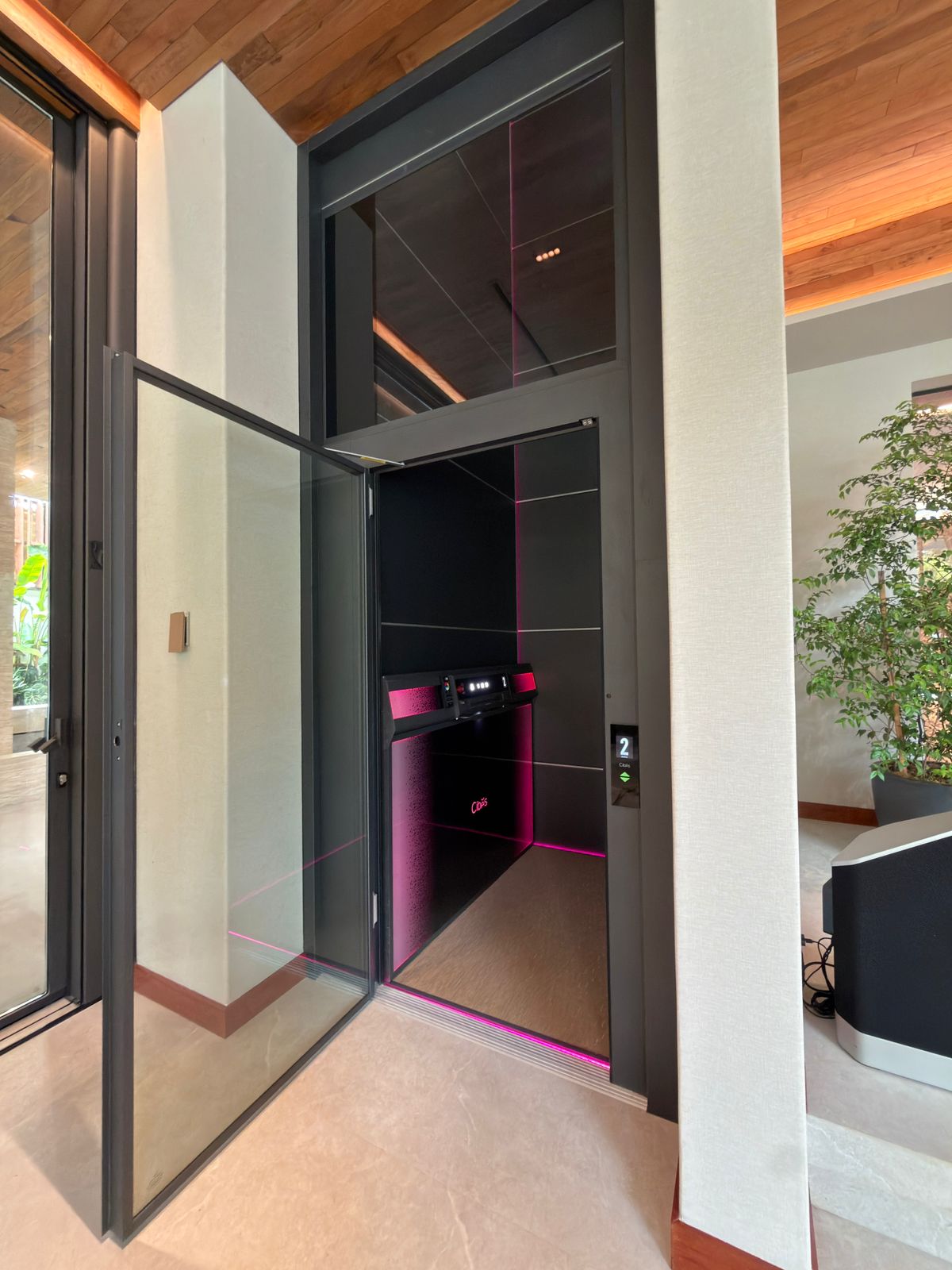
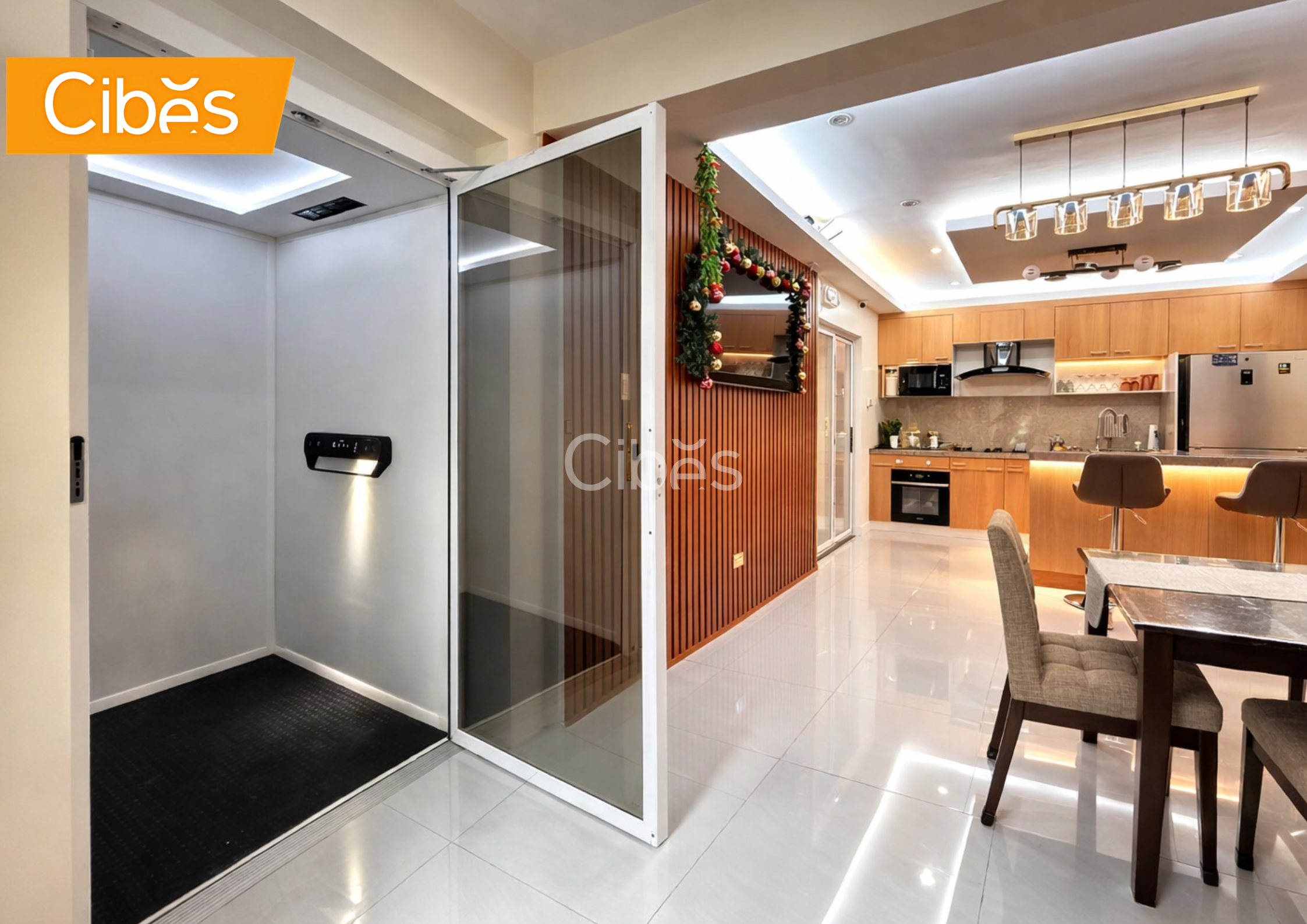
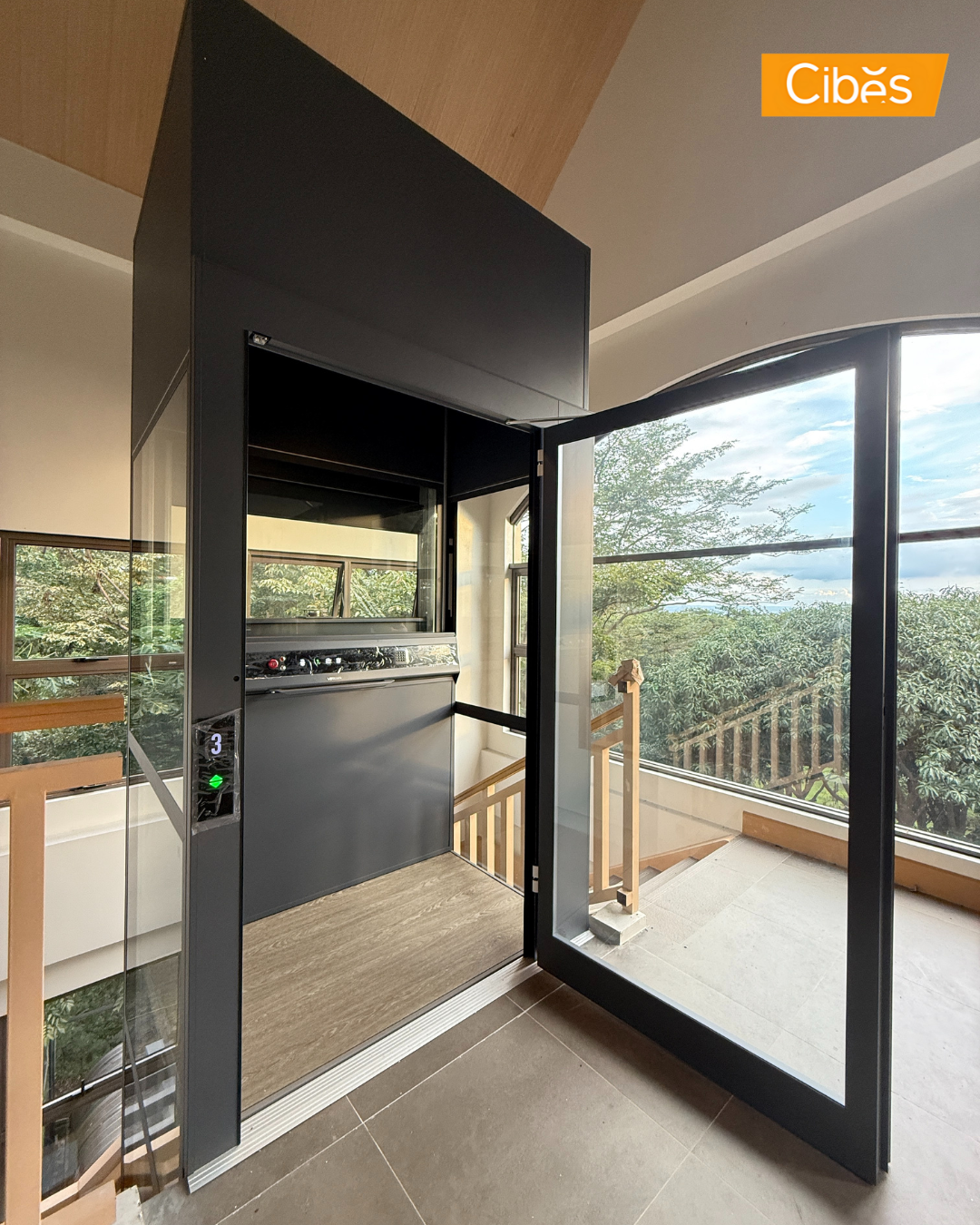
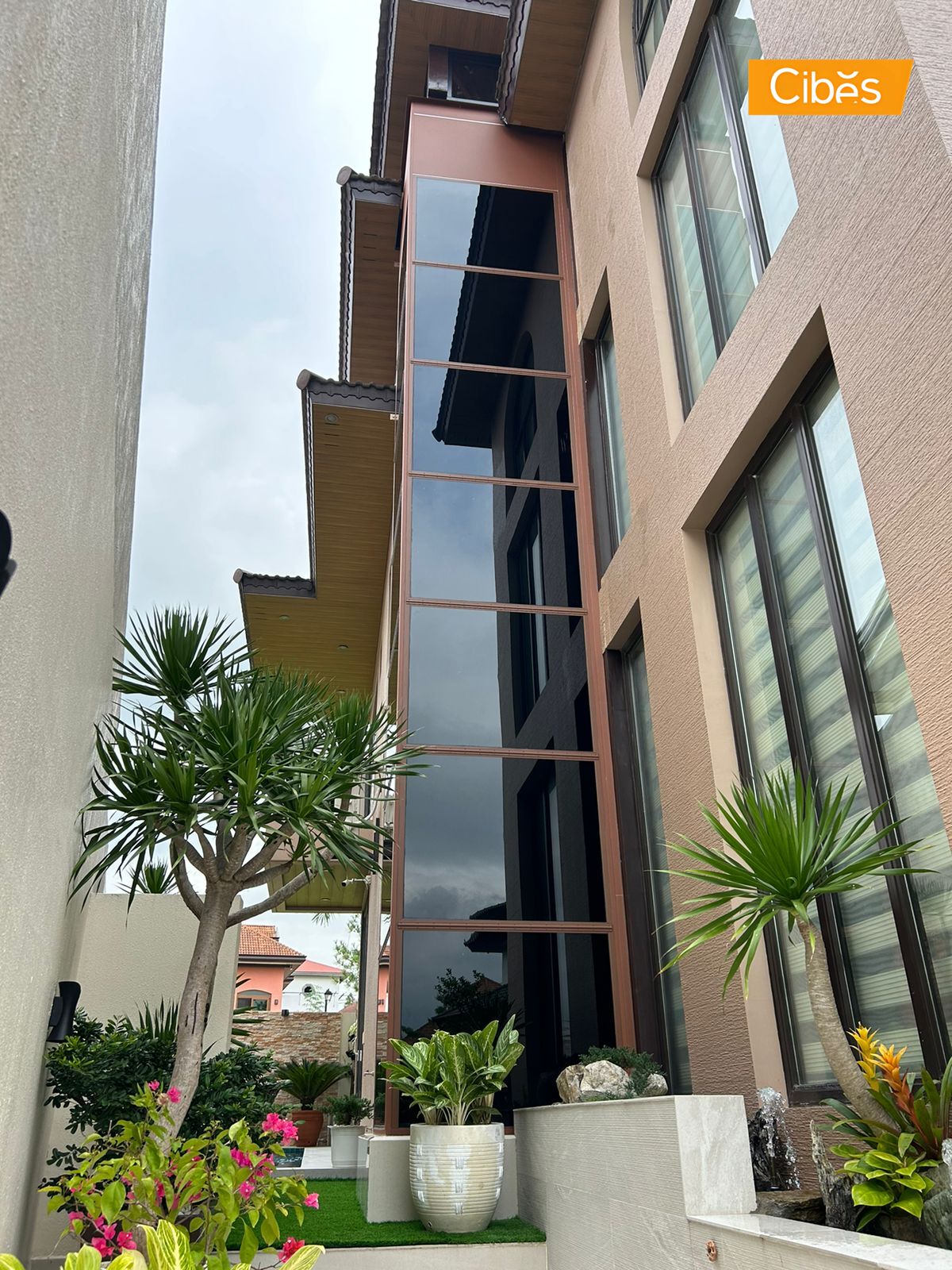
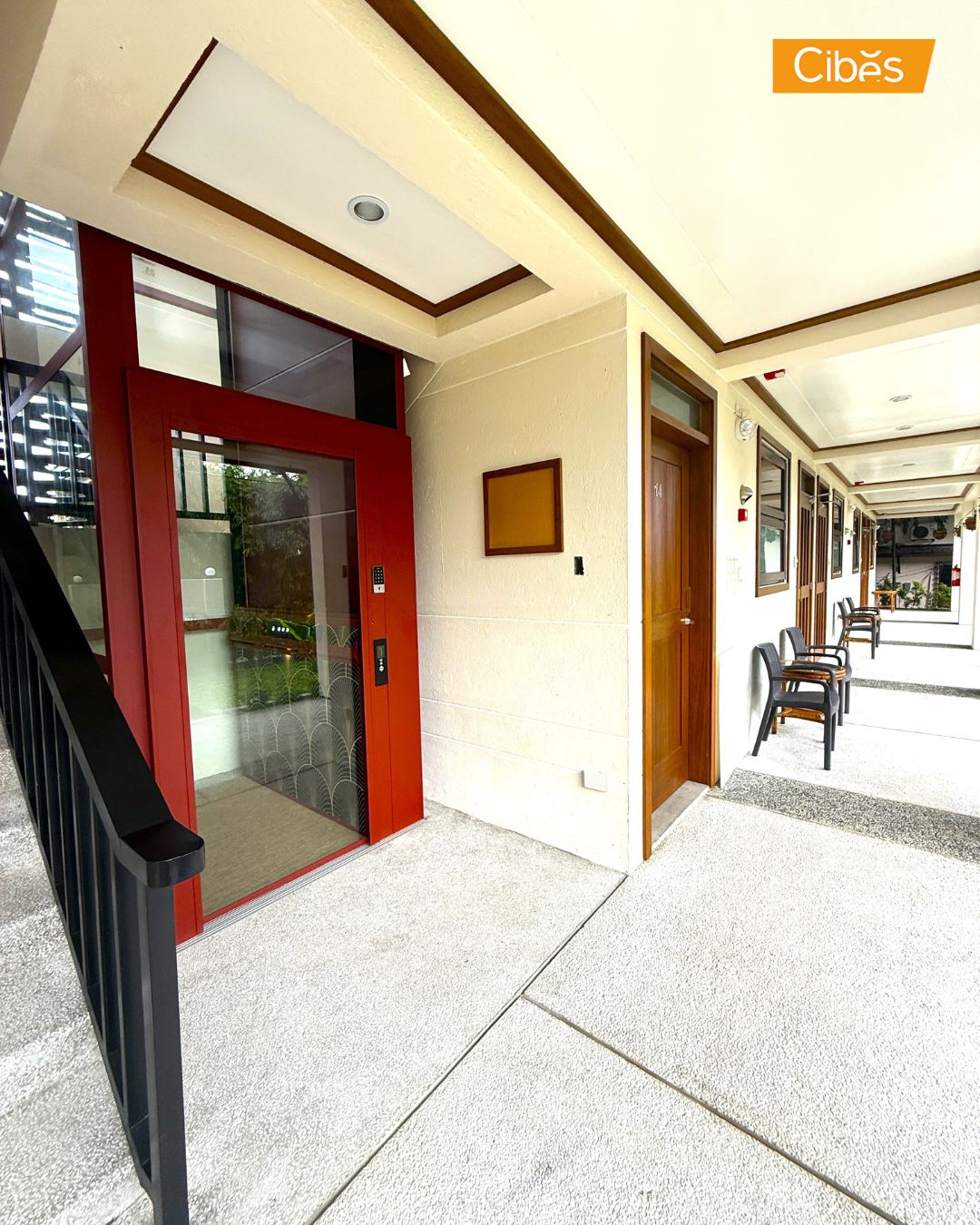
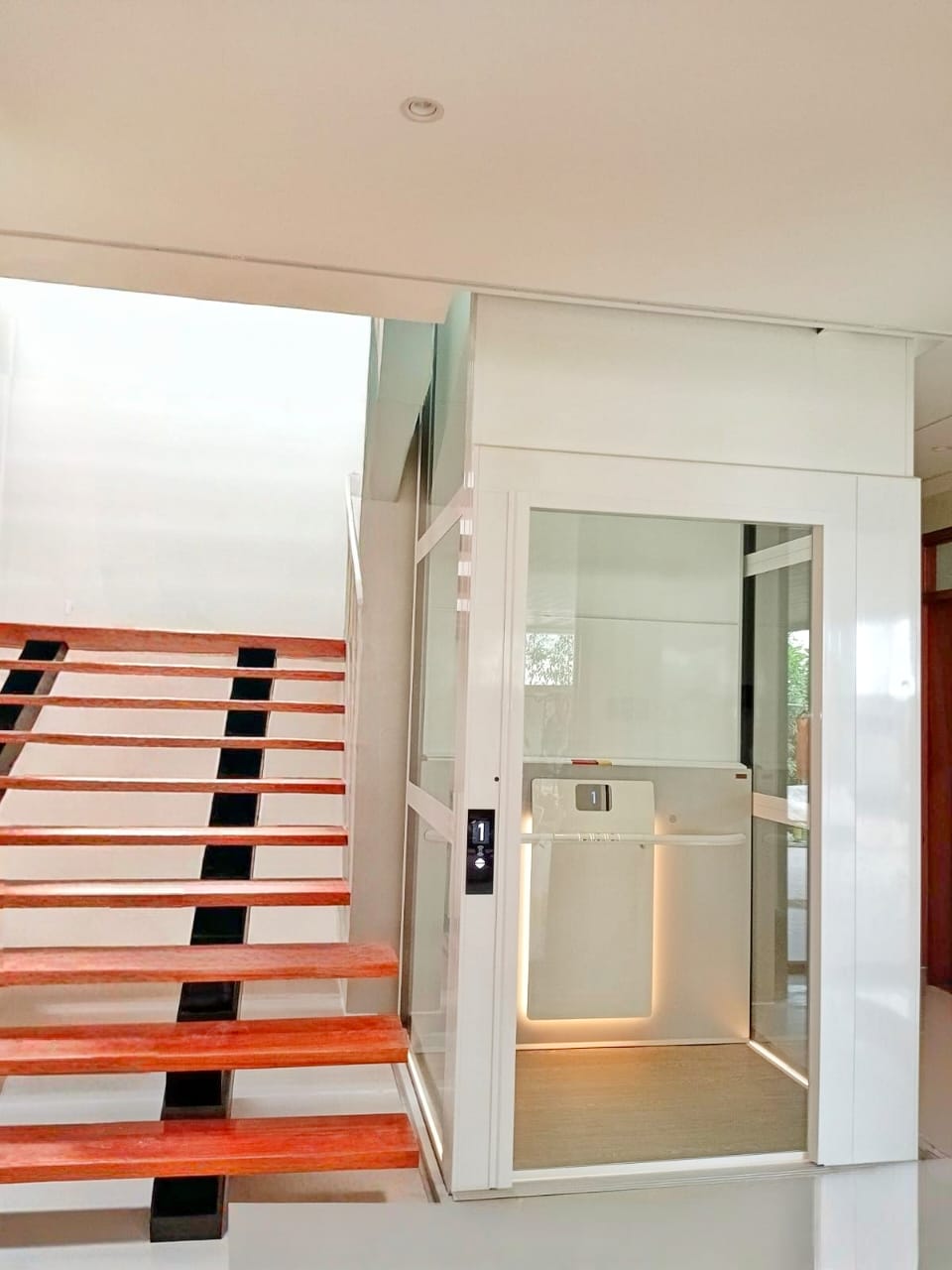
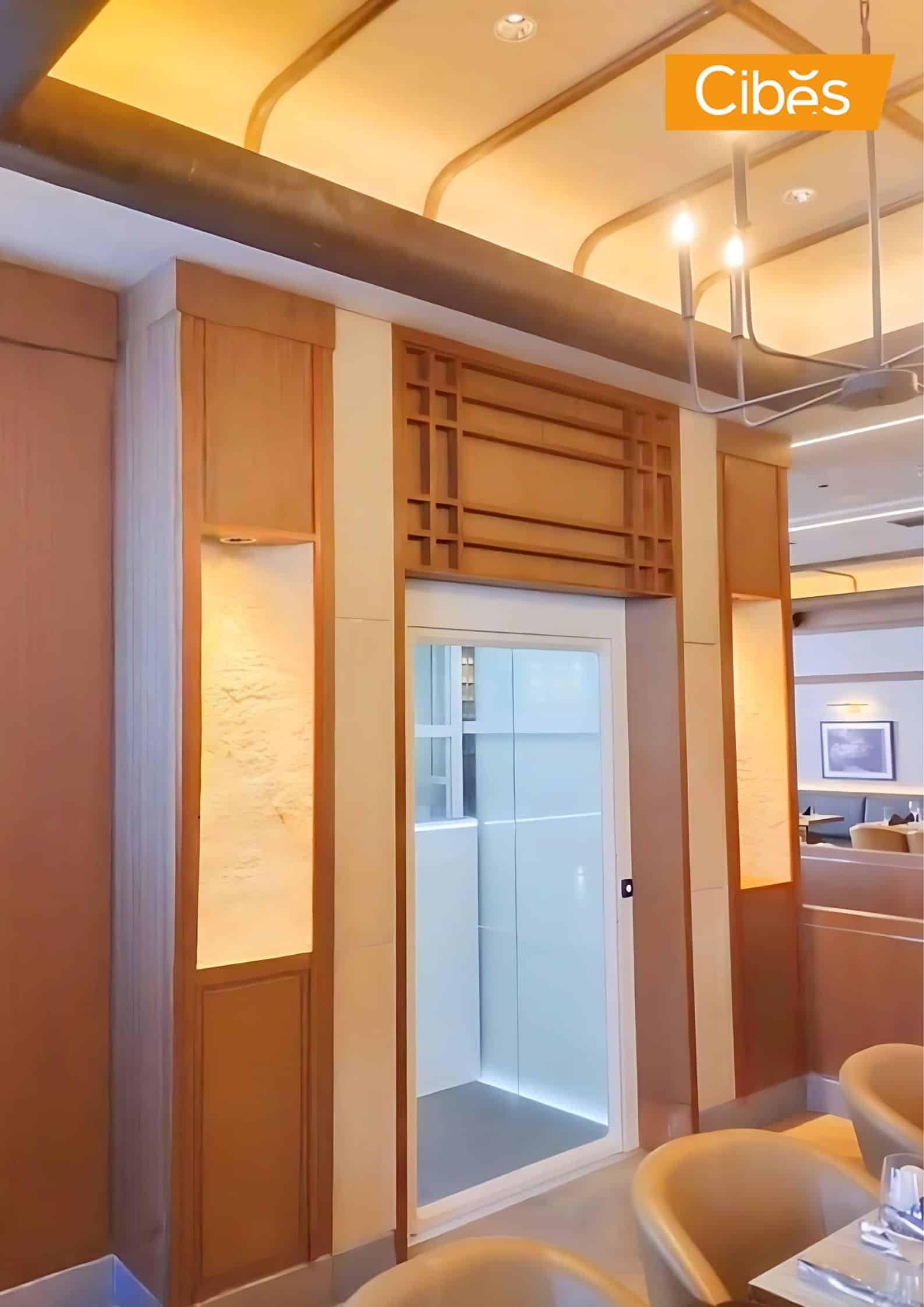
Not anymore. Today’s Cibes home lifts are designed to feel like part of the house rather than a separate machine.
Common finish options include:
| Finish | Where it works well |
| Glass panels | Modern or light-filled interiors |
| Wood-look surfaces | Warm or tropical homes |
| Powder-coated colors | Clean architectural styles |
| Minimal control panels | Contemporary spaces |
These options allow the lift to complement living areas, whether the home leans modern, classic, or tropical.
Are home lifts reliable in the Philippine climate and during brownouts?
Modern residential lifts are built for daily use in humid, tropical environments when maintained properly.
Battery backup allows the lift to travel to the nearest floor during a power interruption so passengers can exit safely. It is designed for safe evacuation rather than continued operation during extended outages.
Screw-driven technology is widely used in residential applications because of its steady performance and straightforward maintenance needs.
Will running a home lift increase my electric bill?
Most homeowners notice only a modest change.
A typical home lift consumes about 2.9 kWh when running, with very low standby usage. In practice, total monthly consumption depends on how often the lift is used, but it generally falls within normal household energy patterns.
Here’s a simple comparison:
| Appliance | Typical usage pattern |
| Home lift | Short trips, intermittent use |
| Refrigerator | Continuous operation |
| Air conditioner | Long cycles during hot periods |
Expect a predictable increase rather than a sudden spike.
Is using a home lift complicated for kids or elder family members?
No. Operation is straightforward:
- Press the call button
- Enter the lift
- Select the floor
- Exit
Controls are designed to feel familiar. Some models offer voice call features, which can be helpful for users with limited mobility.
Families often find that once installed, the lift quickly becomes part of daily routine.
Do people regret installing a home lift?
Most feedback centers on wishing it had been installed sooner. As mobility needs change over time, many homeowners appreciate having step-free access already in place.
What should you realistically expect after installation?
| Aspect | Typical experience |
| Daily use | Smooth, quiet trips between floors |
| Home integration | Lift feels like part of the layout |
| Maintenance | Scheduled servicing keeps performance consistent |
| Costs | Stable operating expenses |
| Lifestyle impact | Easier movement for all ages |
Whether the motivation is convenience, future planning, or supporting a family member, expectations tend to align with a practical improvement in everyday living.
Important considerations before installing
- A site visit is needed to confirm space and structural suitability
- Battery backup supports safe exit, not full operation during outages
- Installation timelines assume standard residential conditions
Want to learn more about the installation process?
Explore the full step-by-step guide:
Home Lift Installation Guide: 3 Steps | Cibes Philippines
Contact us now to learn more or schedule your installation!





TL;DR Outdoor home elevators can improve accessibility while preserving valuable indoor space. In the Philippines, proper weather protection, structural engineering, drainage, and installation planning are essential. This guide explores installation considerations, safety requirements, potential costs, and what homeowners should know before choosing an outdoor home lift. Outdoor elevator installations can help homeowners in the Philippines […]

TL;DR The Cibes Experience Center Mindanao locations in Davao City and Cagayan de Oro City let homeowners, architects, contractors, and property developers explore home lift solutions in person. Compare available designs, check finishes, and discuss your property requirements with the Cibes team. Contact your preferred showroom before visiting to confirm operating hours and available demo […]

TL;DR The Cibes Experience Center Visayas in Cebu City lets homeowners, architects, designers, contractors, and developers see Cibes home lifts in person. Visitors can experience the lift cabin, review available designs and features, and discuss installation requirements with the Cibes team. The Cebu Experience Center currently lists V90 Elegance, Z85 Antera, and Ascenda among its […]
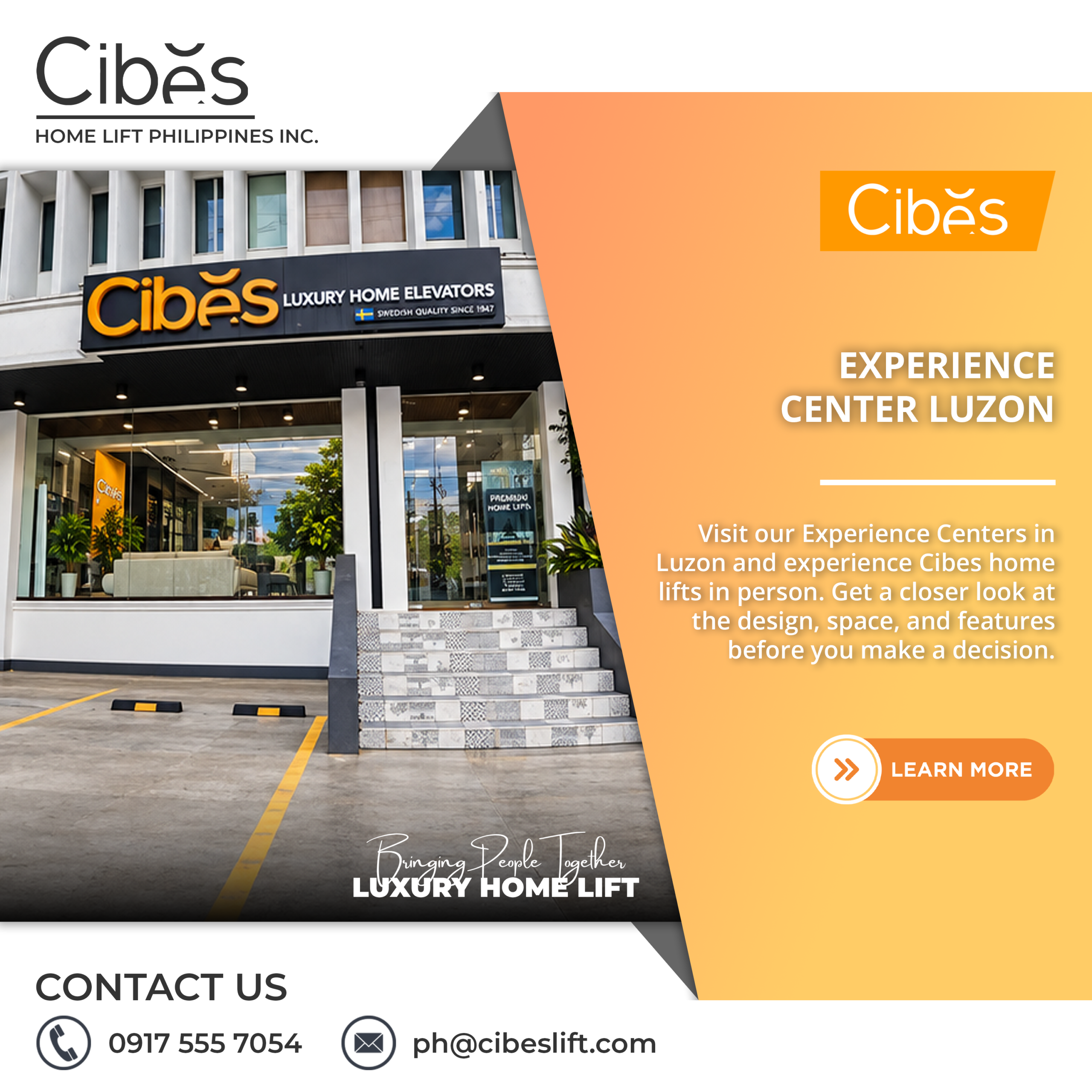
TL;DR Cibes Experience Center Luzon lets homeowners and property professionals experience Cibes home lifts in person before making a decision. Cibes Lift Philippines has 13 demo lifts across three Luzon Experience Centers: Makati (8), Mandaluyong (2), and Balintawak, Quezon City (3). Visitors can ride the lifts, check cabin space, test the controls, explore designs, and […]

TL;DR Sustainable home elevators in the Philippines are becoming an important consideration for homeowners who want to improve accessibility without overlooking environmental responsibility. Modern home elevators can support energy-efficient living through efficient drive systems, durable materials, renewable energy integration, and reduced structural changes compared with major home renovations. The Environmental Case for Sustainable Home Elevators […]