Blog - 09/01/2026
Home Lift Installation in the Philippines: Step-by-Step Process, Timeline & Maintenance
Step-by-Step Home Lift Installation Breakdown for Residential Homes
You’ve decided that having an elevator for your house would benefit you. You perhaps plan to age in your home, maybe you are finding it difficult to navigate, maybe you are sick of lugging your goods up and down stairs. Whatever your reason, you are ready to press on.
This guide explains the full home lift installation process, from planning to final inspection, so you know exactly what to expect at every stage. If you’re still evaluating space requirements, costs, dimensions, and compliance considerations, you may also want to explore our complete guide to home elevator installation and dimensions in the Philippines, which covers the planning process in greater detail before installation begins.
In Metro Manila’s 3 to 5-storey townhouses in BGC, Alabang, Quezon City and Cebu, adding a home lift is now the fastest-growing home improvement among families with ageing parents.
In addition, many people still struggle to find clear answers. They don’t understand what the process consists of. How long does it take, and how much disruption will there be between saying, “I’d like an elevator” and “I am riding it to the second floor”?
The uncertainty can be paralyzing. You imagine months of construction chaos, workers tearing down walls, dust everywhere, and contractors staying in your house indefinitely. Let’s look into it closely.
How Many Floors Require an Elevator in the Philippines?
In the Philippines, there is no strict rule requiring an elevator for private homes. However, most homeowners start considering a lift when their house has three floors or more, especially in urban areas like Metro Manila.
For accessibility and long-term convenience, many families now include a home lift even in two-storey homes, particularly when planning for ageing in place.
Step 1: Planning and Preparation (2-8 Weeks)
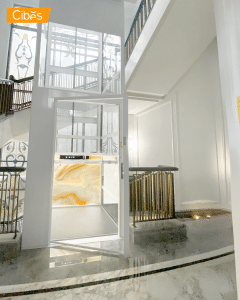
In the Philippines, Cibes handles the barangay clearance, local building permit and HOA approval for you. The average processing time in Metro Manila is 4–6 weeks.
Before any equipment sets foot in your house, there’s the planning stage. This is where the major decisions come into play.
Home Inspection and Space Assessment
First, someone professional comes to your home to inspect your space. They examine your layout, assess which locations are feasible, consider what’s physically possible, and determine what they can actually accomplish. Where would an elevator installation be feasible? What height are your ceilings? But don’t worry, it’s simpler than you imagine.
Needs Discussion and System Selection
You’ll discuss your needs as well. How many floors? Who’ll use it? Do you require accessibility for wheelchair users? What are your budget considerations? These discussions are significant as they influence whether the kind of system you’ll use suits your needs.
Design Selection
Once you’ve decided to move forward, the design phase begins. This is where you choose all the details: cab size, finishes, door style, control panels, lighting, and flooring.
Think of it like picking options for a new car: wood paneling or modern metal? Standard LED lighting or something fancier? It’s your choice.
Your installer will provide samples and show you options, maybe even use visualization software so you can see what different choices would look like. Now, this is a very important moment, because it is your chance to make the elevator fit your home’s aesthetic.
Permits and Approvals
Here’s the part nobody loves dealing with bureaucracy.
Home elevators require building permits in virtually every jurisdiction. They need to meet safety codes, building regulations, and accessibility standards if applicable.
The good news? Your installer handles almost all of this. They know the local requirements, they submit the paperwork, they coordinate with building departments, they schedule inspections. You’ll need to sign some forms, but you’re not navigating the permit office yourself.
How long this takes depends entirely on your local government.
Home Elevator Installation Cost in the Philippines
Before moving forward, many homeowners ask about the install elevator in home cost. The total home elevator installation cost in the Philippines depends on the type of system, number of floors, and structural requirements.
On average, home lift installation costs range from around ₱1.3 million for compact systems to ₱3 million or more for larger or customized solutions. This typically includes equipment, delivery, and basic installation work.
However, the full residential elevator installation cost may also include permits, electrical upgrades, and finishing works. Planning these costs early helps avoid unexpected expenses and ensures a smoother installation process.
Step 2: Construction and Installation
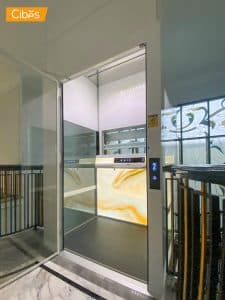
Because Cibes lifts are pitless and shaft-included, actual on-site work in most 80–140 sqm townhouses takes only 5-10 working days. No jackhammer, no major structural hacking.
This is the phase where the actual lift installation begins and contractors start working on-site. This phase worries people the most, but it usually requires less work than the rest.
Site Clearing and Shaft Preparation
First, the team clears the space for the elevator. If it goes into an existing area, such as a closet, they clear it and may tear it out if needed. Otherwise, the new shaft starts here.
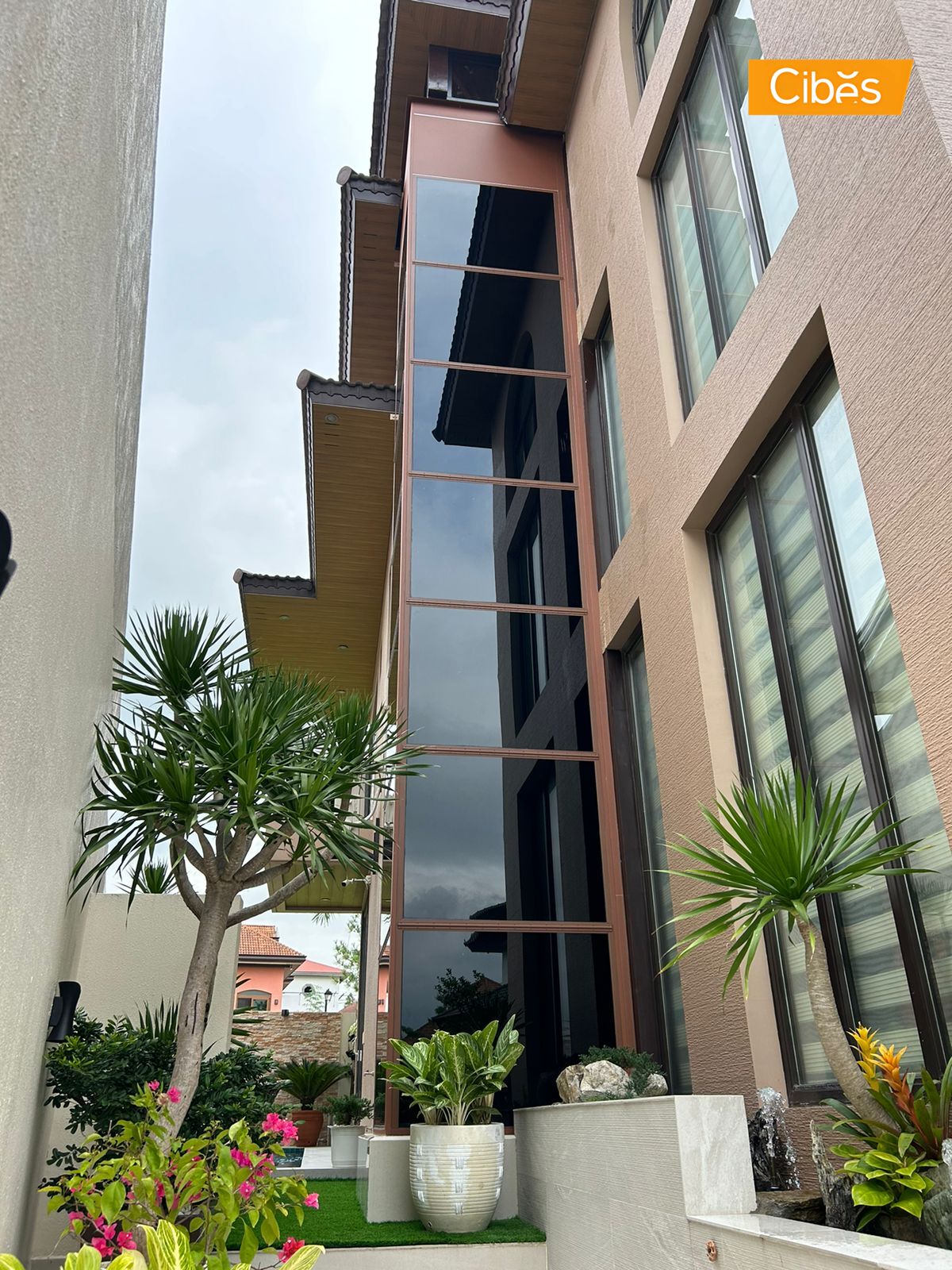
In existing constructions, the team may open the walls and cut the floor to create openings between levels. If the installation is outdoors, they build the bump-out tower.
Technical Installation
This is highly technical work. Rails need to be perfectly aligned. Electrical connections have to be done correctly. Safety systems must be installed and tested.
For a typical two-story home lift, the installation itself takes about one to two weeks once the shaft is ready. More floors or more complex systems take longer, maybe three to four weeks for a three-story installation.
Finishing Works
During this phase, you’ll see real progress every day. The rails go up, the cab gets installed, the doors are hung, the controls are wired.
Once the elevator installation process begins, the finishing process begins. Internal finishing, such as your flooring, wall finishes, and lighting, can now be installed. Door trim for the elevator doors gets installed. Paint touch-ups are completed where the walls are opened.
Step 3: Testing, Inspection, and Certification Before Ongoing Service
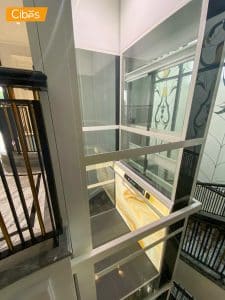
The elevator is installed, but you can’t use it yet. It needs to be thoroughly tested and officially approved.
System Testing
This means it’s time for system testing.
The installation team tests every component and function to prepare the system for long-term maintenance and reliable operation. The elevator moves up and down numerous times, halting on every floor. Door sensor testing confirms that the doors never close on people or objects. Testing the emergency components involves the emergency stop buttons, communications, and the power backup.
They check for smooth operation, for proper alignment, for the right speed, and for unusual sounds. They check to see that everything functions as it ought.
Final Inspections
These tests and processes are not instantaneous. They last for several days. They are also where the team teaches you how the controls work and how to react if you detect an unusual situation.
Final electrical and safety inspection and Bureau of Fire Protection clearance are completed within 3-5 days after installation.
And then? You’re done. You’ve got a functioning home elevator.
Ongoing Elevator Maintenance and Service After Installation
After installation and certification, regular elevator maintenance is essential to keep your system operating safely and efficiently. Scheduled inspections, lubrication, and performance checks help prevent premature wear and unexpected breakdowns.
Professional residential elevator service ensures that key components such as door systems, control panels, and safety devices continue to function properly over time. A reliable lift service program also extends equipment lifespan and preserves long-term ride comfort.
By enrolling in a preventive maintenance plan early, homeowners protect their investment and ensure consistent performance for years after installation.
Timeline Recap
Let’s recap the breakdown with a close-to-reality timeline:
Planning and Permits: 2-8 weeks (depending on your local government)
Construction and installation: 2-6 weeks (depending on the complexity)
Testing & inspection: 1-2 weeks
For simple installation, it would be faster, approximately six to eight weeks. More intricate installations for older residences could be completed in three to four months.
This isn’t six months of work, nor an endless process of construction. This is an orderly process that finishes somewhere. The noisiest, most disruptive phase (site preparation and shaft excavation) takes only one to two weeks. This is the period during which most of the actual building activity occurs.
So, Is It Worth It?
Here’s what makes the whole process worth it: when that final inspection is done, and you can actually use your elevator, everything changes.
You skip the stairs, stop hauling items between floors, and enjoy full access to your entire home as you age.
Two to three months of planning and construction get you decades of easier living. That’s a pretty good trade, isn’t it?
Sometimes the best way to tackle something intimidating is to understand exactly what it involves. Now you know.
FAQ’s:
Q: How long does the whole process take in Metro Manila or Cebu?
A: From contract to first ride: 6-9 weeks on average. Planning & permits 4-6 weeks, actual on-site work 5-10 days, final testing & clearance 3-5 days.
Q: Do I really need permits and barangay clearance?
A: Yes. Every home lift needs barangay clearance + local building permit. Cibes handles 100% of the paperwork and coordination for you.
Q: Will there be a lot of dust and noise in my house?
A: Very little. Cibes lifts are pitless and shaft-included → no jackhammer, no major hacking. Most clients say it’s quieter than a kitchen renovation.
Q: Do I need a deep pit or separate machine room?
A: No. Cibes models only need 0-50 mm recessed floor (or a small ramp) and no machine room. Perfect for existing townhouses.
Q: Can you install in a finished house without destroying walls?
A: Yes. Most of our 2025 installations were retrofits in finished homes. We usually use an existing closet, hallway corner or exterior bump-out.
Q: What if there’s a brownout while someone is inside?
A: Every Cibes lift has automatic battery backup. It safely lowers to the ground floor and opens the doors. Good for 2-3 full trips during outage.
Learn More



TL;DR The Cibes Experience Center Visayas in Cebu City lets homeowners, architects, designers, contractors, and developers see Cibes home lifts in person. Visitors can experience the lift cabin, review available designs and features, and discuss installation requirements with the Cibes team. The Cebu Experience Center currently lists V90 Elegance, Z85 Antera, and Ascenda among its […]

TL;DR Cibes Experience Center Luzon lets homeowners and property professionals experience Cibes home lifts in person before making a decision. Cibes Lift Philippines has 13 demo lifts across three Luzon Experience Centers: Makati (8), Mandaluyong (2), and Balintawak, Quezon City (3). Visitors can ride the lifts, check cabin space, test the controls, explore designs, and […]

TL;DR Sustainable home elevators in the Philippines are becoming an important consideration for homeowners who want to improve accessibility without overlooking environmental responsibility. Modern home elevators can support energy-efficient living through efficient drive systems, durable materials, renewable energy integration, and reduced structural changes compared with major home renovations. The Environmental Case for Sustainable Home Elevators […]

TL;DR Home Elevator Performance plays an important role in the safety, comfort, efficiency, and long-term reliability of a residential lift. While regular maintenance keeps your elevator operating reliably, proper usage, environmental control, component monitoring, electrical optimization, and timely upgrades can further improve its performance. In this guide, discover 8 expert tips to help maximize home […]

TL;DR Vacuum elevators use air pressure instead of cables or hydraulic systems to move a cabin inside a transparent tube. Most residential models require only 75 to 100 cm of space, serve 2 to 4 floors, carry 205 to 238 kg, and can often be installed in 2 to 3 days with minimal structural work. […]