Blog - 08/11/2025
Maximize Every Inch: 2026’s Smart Compact Home Lifts
Discover 2026’s Game-Changing Home Lift Designs in the Philippines
Do you recall a time when residential elevators had a uniform look that consisted of industrial boxes crammed into homes? Well, those days are over. We are entering a new year, that of 2026, where we are seeing a change in residential elevator design that will no longer look like medical equipment in homes, but rather a feature that homeowners wouldn’t mind showing off.

In Metro Manila’s booming vertical villages from BGC to Makati home lifts are now expected in 3+ story townhouses, not just mansions.
You will likely have observed that new homes as well as renovation projects feature lifts in ways that are distinctly different from what occurred only five years ago. They are no longer “afterthought” installations that are shoved into a corner, but rather become a reflection of one’s personality that blends flawlessly with the overall interior design.
This is important as this affects the way in which we consider issues of accessibility as well as mobility.
Invisible Integration is the New Luxury

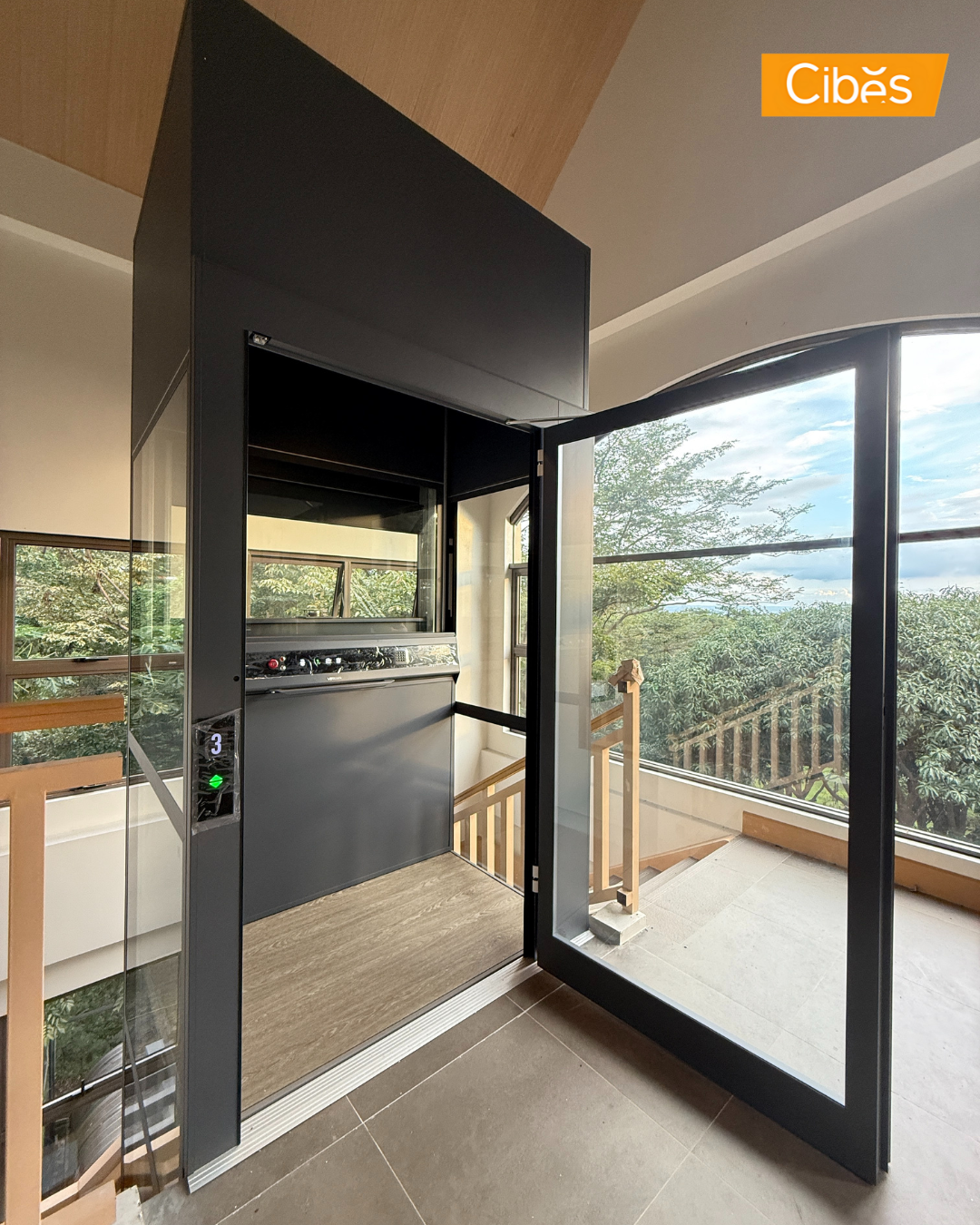
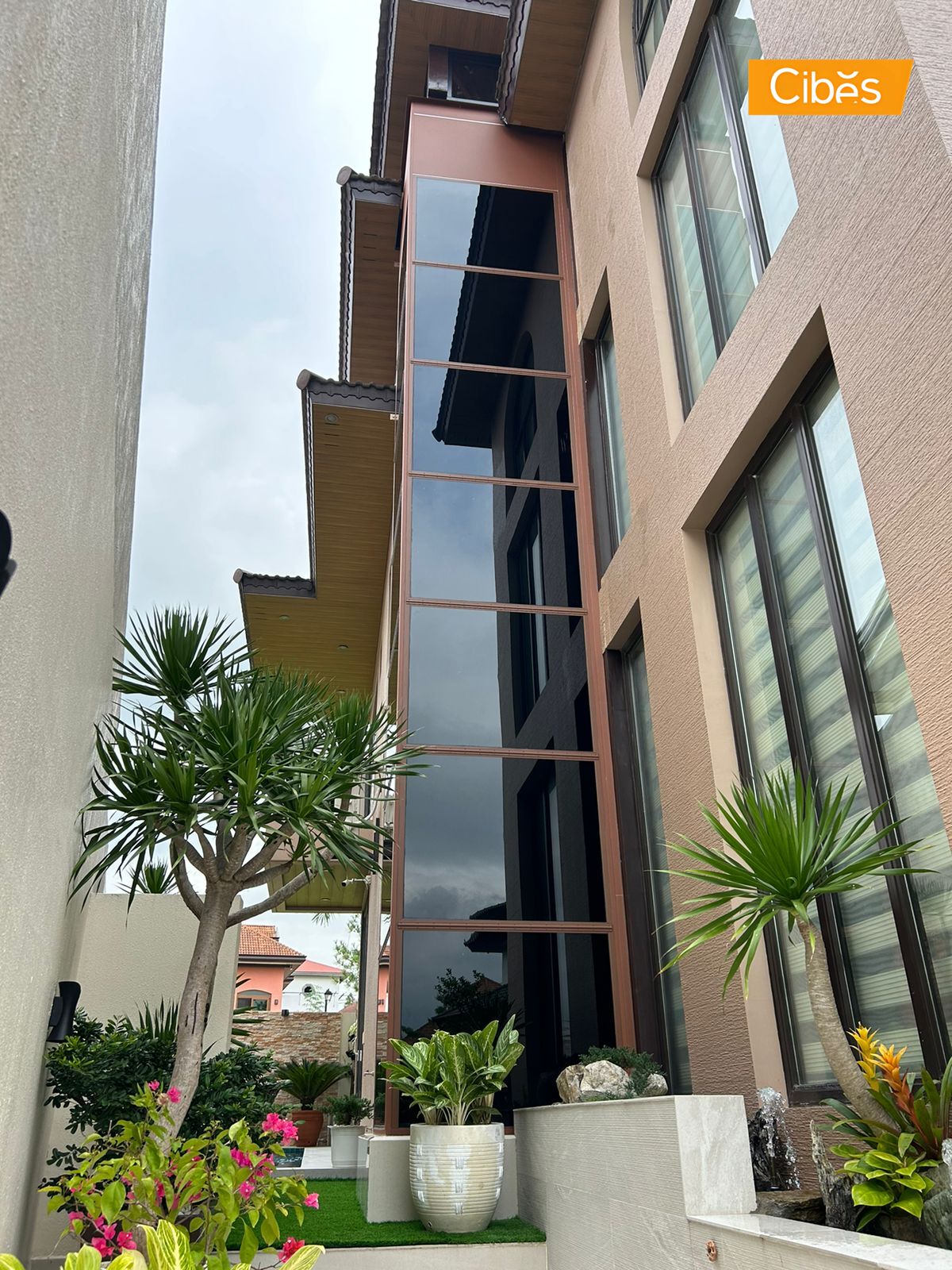
Glass walls represent a massive element of this trend, as transparency is inherently less intrusive than opaque barriers, as the existence of the elevator becomes less of a visual interruption if one can see what lies beyond the doors.
It is also a well-planned location where lifts are built into existing architectural structures such as stairs or are a functional feature of various pieces of built-in furniture.
You will see a lift shaft that is a display space for artwork/books on the sides that are not doors or lifts that blend in as a feature of a much larger structure rather than as a protruding feature, which is exactly what homeowners are paying for in the year 2026.
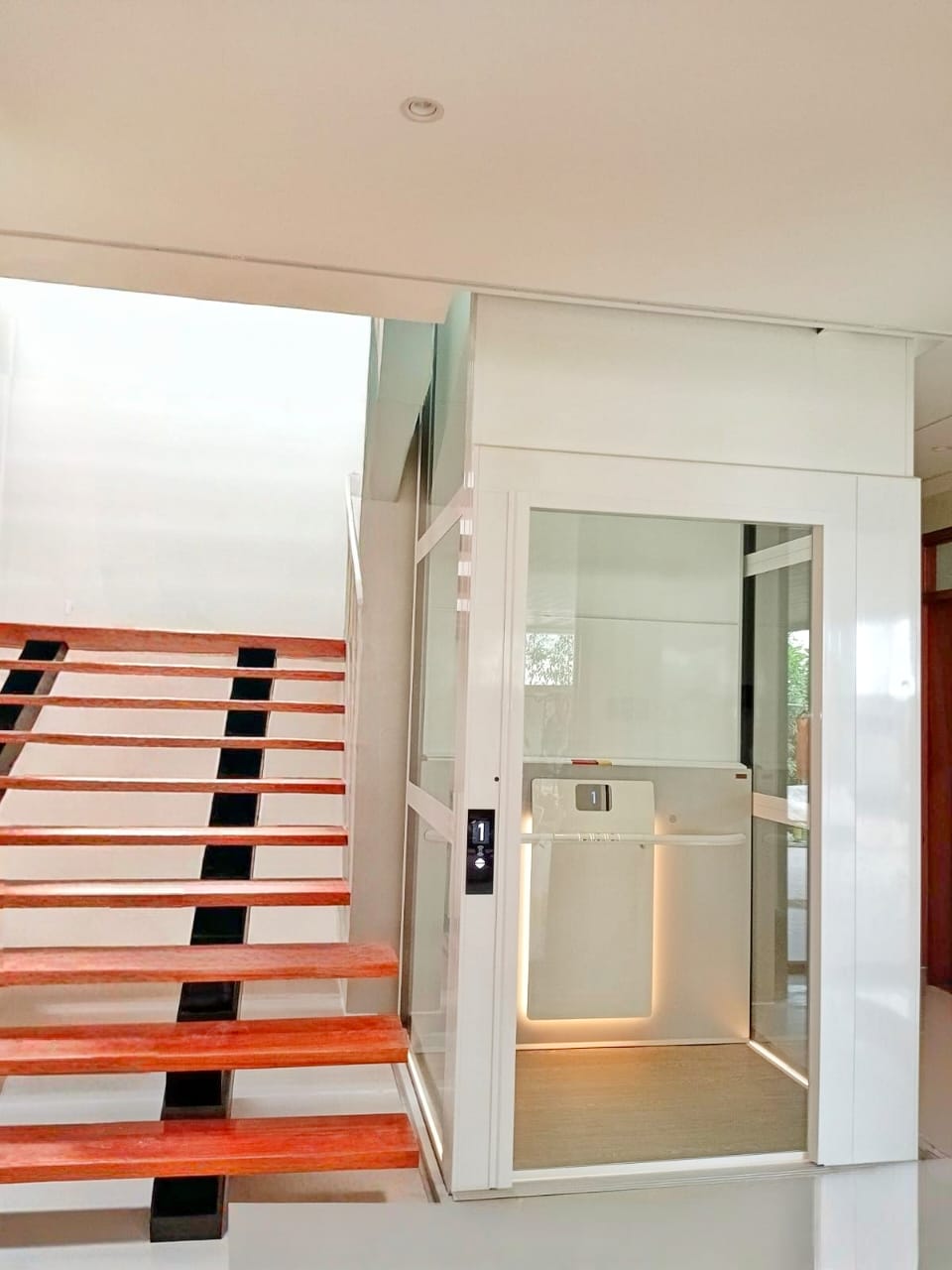
In Alabang and Quezon City modern homes, lifts are now tucked beside floating staircases or inside custom millwork turning utility into art.
Integration of a Smart Home Goes Beyond Controlling

Buttons on a home lift have been around in one form or another for decades, but the year 2026 promises a level of integration that will make old-style elevator controls appear quaint in comparison.
Today’s focus is on home lifts that will communicate effortlessly with your entire home environment, obeying voice commands, learning from user patterns, and working in conjunction with various systems in ways that are truly intelligent.
Voice commands are no longer something that is a higher-end feature in a smart home system, they are becoming simpler necessities, as you can request the elevator come to your floor with groceries in hand or send the elevator to the bedroom if you are ready to go up to bed for the night.
What is particularly exciting is the predictive functionality, where the lifts understand family behavior and predict needs on a day-by-day cycle. It is exciting to imagine a scenario where your elevator automatically positions itself on the ground floor at exactly 7 am every day since that is when you usually head downstairs to fetch a mug of coffee, as well as detecting that you are in the upper floor levels during a certain time of the evening and becoming accessible in time to help with the usual bedtime process.
Integration with home security systems is also on the rise. This is where the use of the lift can be managed by the same systems that are used to control door locks and surveillance cameras.
With PLDT and Globe Fiber now standard in new PH condos, voice-activated lifts sync with Alexa and Google Home, perfect for hands-free living in Cebu IT Park or Ortigas.
Biophilic Design Brings Nature Inside
Among the most striking new trends in 2026 is the integration of natural elements in lifts, a phenomenon known as biophilic design. This movement, which has transformed the field of interior design, is now making its mark on home lifts by merging modern technology with the soothing qualities of nature. One of the most beautiful expressions of this is the use of living walls. In high-end residential lifts, one side of the shaft is transformed into a vertical garden that brings greenery indoors, allowing homeowners to experience a sense of calm and connection to nature as they move between floors. This concept works particularly well in homes with high ceilings and generous lighting, giving plants enough sunlight to thrive and adding life to what was once a purely functional space.
Natural materials are also replacing the industrial finishes that once defined traditional elevators. Instead of cold metal and plastic, homeowners are choosing wood paneling, stone details, and organic textures that make the lift feel like a true extension of the home. Bamboo flooring, salvaged wood accent walls, and stone tiles help create a cozy and elegant environment. Colors are shifting too from sterile whites to warmer, earth-inspired tones that enhance comfort and satisfaction with daily use. In tropical Philippine homes, the influence of local design is unmistakable. Narra wood, Capiz shell accents, and rattan weaves are increasingly being used to replace metallic surfaces, giving lifts a warm and distinctly Filipino character. Seen in new Davao and Pampanga luxury projects, this blend of local craftsmanship and modern technology perfectly captures how biophilic design is redefining home lift aesthetics across the country.
Compact Designs for Urban Living

The rapid growth of urban centers like Metro Manila has driven demand for compact and efficient home lifts that suit the realities of modern city living. These ultra-compact models do not compromise on functionality; engineers design them to maximize performance in limited spaces. Today’s small lifts require as little as three to four square feet of floor area an impressive feat when compared to the bulky residential lifts of the past. Advancements in propulsion systems and smarter use of vertical space now allow lifts to fit into areas that were previously impossible.
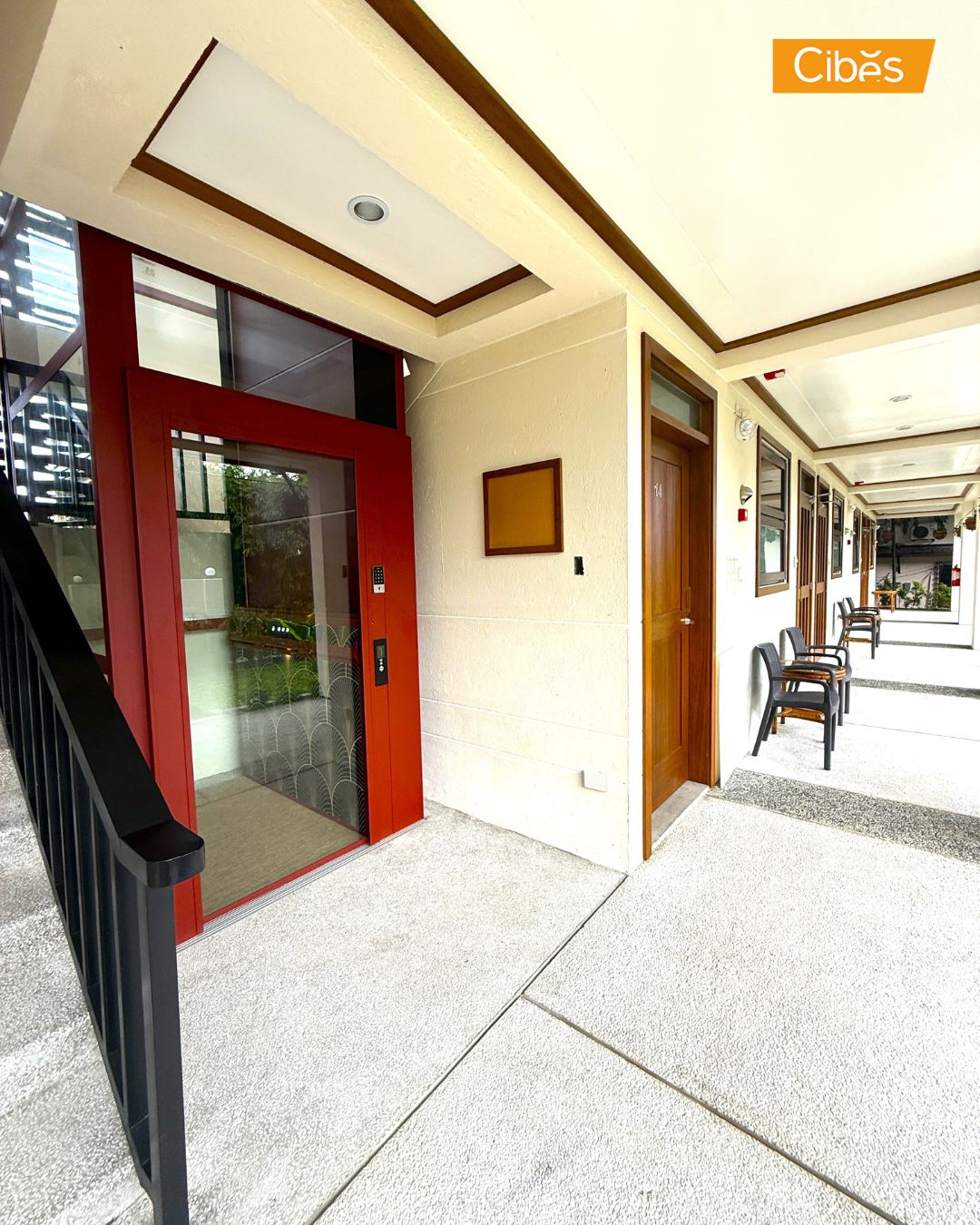
Smart design features are another defining characteristic of 2026’s compact lifts. Space-saving doors, such as sliding and folding mechanisms, are replacing traditional swing types to conserve valuable space while maintaining seamless operation. These innovative door systems open like standard doors but take up only a fraction of the room, making them ideal for tight areas.
At the same time, multifunction shafts are becoming a trend, allowing lift shafts to serve as more than just passageways for movement.
Homeowners now use the non-door walls for storage or display, making every inch of the structure functional and visually appealing. In space-conscious Manila townhouses, where every square meter counts, Cibes has become a favorite choice. Their one-by-one-meter home lifts fit neatly beside laundry nooks or under staircases, offering accessibility without the need for major renovations. Compact, elegant, and efficient, these modern home lifts prove that luxury and convenience can coexist beautifully even in the smallest city homes.
Think About the Future
Trends such as this not only reflect what is popular during a given year, such as the year 2026, but rather a paradigm shift that reflects how as a culture we envision home lifts as a component of residential design.
As a homeowner planning to purchase a home lift in this new age, certain factors to consider will help one ensure that the product purchased will not soon become obsolete.
Instead, homeowners can choose lifts that suit both short-term needs and long-term use as new technologies become available.
FAQ: Top Home Lift Design Trends for 2026 – Cibes Philippines
Q1: What’s the biggest home lift trend in 2026?
A: Invisible integration. Lifts now disappear into stairs, walls, or furniture like glass cabins beside floating staircases in BGC and Alabang homes.
Q2: Can I control my lift with voice in the Philippines?
A: Yes. 2026 lifts sync with Google Home and Alexa via PLDT or Globe Fiber. Simply say, “Lift, ground floor,” even with groceries in hand.
Q3: Will my lift call itself at 7 AM for coffee?
A: Yes. With predictive AI, the lift learns your routine and positions itself on the right floor automatically.
Q4: Are biophilic lifts possible in Philippine homes?
A: Absolutely. Use Narra wood, Capiz panels, rattan weaves, or vertical gardens perfect for high-ceiling villas in Davao and Pampanga.
Q5: How small can a 2026 home lift be?
A: As compact as 1×1 meter (3–4 sq ft). These fit neatly in 80–120 sqm Manila townhouses, under stairs, or beside laundry areas.
Q6: Do compact lifts need major renovations?
A: No. Pit less, shaft-included Cibes models install in just 3–5 days with minimal structural work.
Q7: Can I add storage inside the lift shaft?
A: Yes. Non-door walls can double as shelves or display niches for books, plants, or shoes ideal for tight urban homes.
Q8: Are 2026 home lifts future-proof?
A: Yes. Choose modular, upgradable systems like the Cibes A5000 series to add AI features, new doors, or finishes later without replacement.


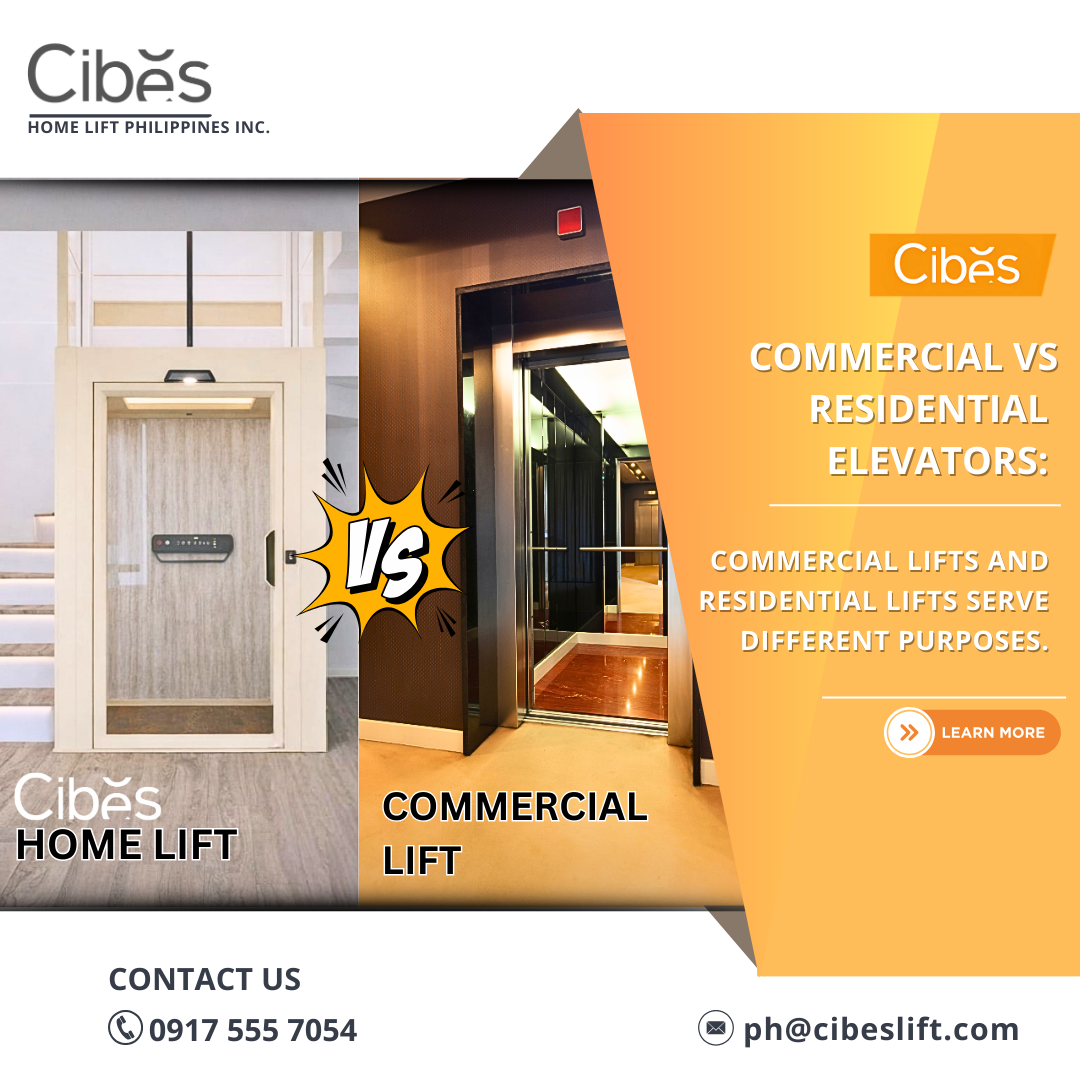
Commercial vs Residential Elevators: Key Differences TL;DR Commercial lifts and residential lifts serve different purposes. This contrast is more profound than one might expect at first glance. Having your own private elevator, one that moves on your schedule and reflects your style, creates an experience public building elevators simply can’t offer. In the Philippines, where […]
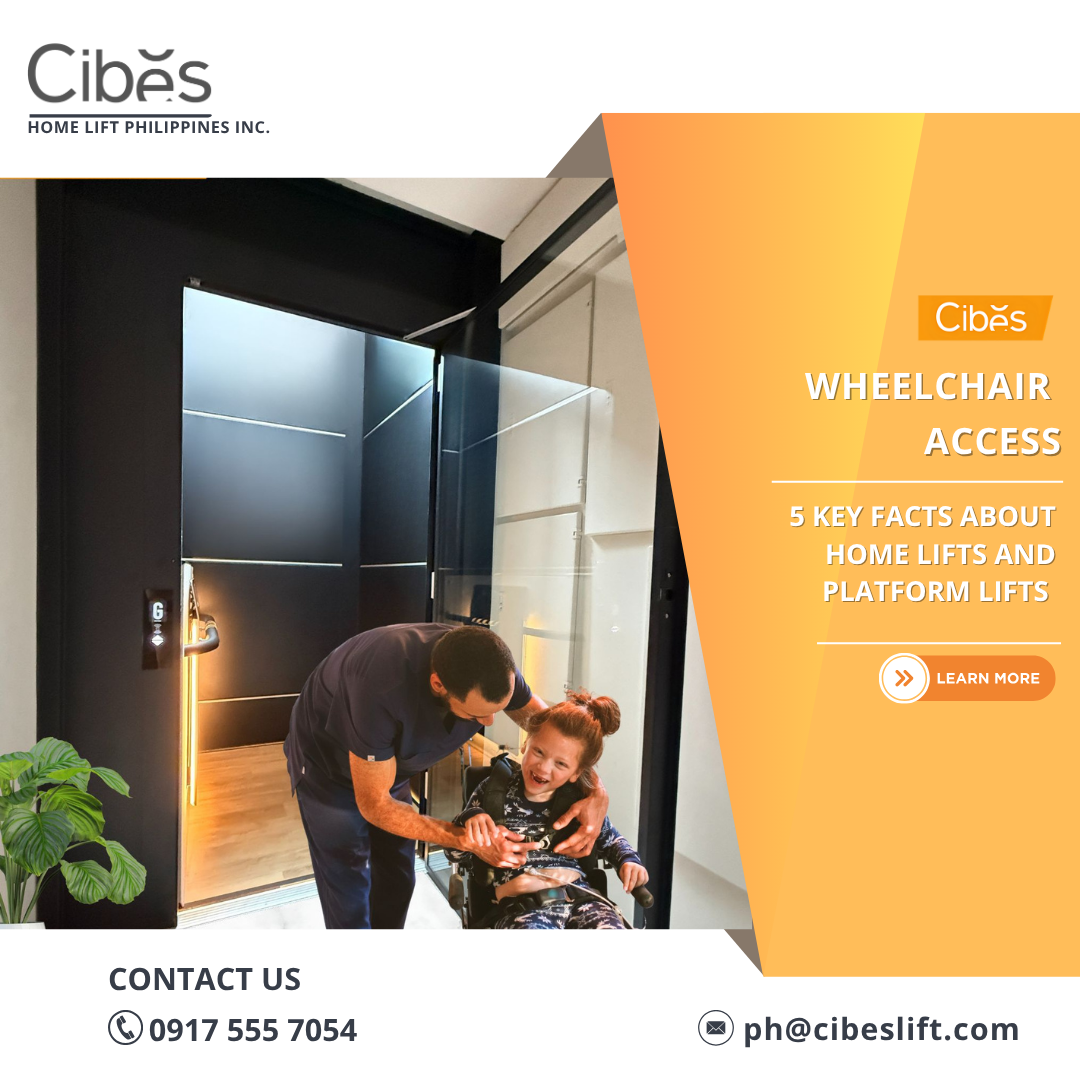
5 Key Facts About Home Lifts for Wheelchair Access When most people think of a home lift, they imagine a luxurious enclosed cabin with sleek finishes. But for households with specific accessibility needs, there’s another solution that has been growing in popularity: platform-style home lifts. You might have seen them in offices or public spaces, […]

Home Elevator Types and Prices in the Philippines: Which One Fits Your Home? TL;DR:A home lift is now a practical upgrade for Philippine homes, not just a luxury. Prices ranges depending on technology, space, and installation needs. Choosing the right type depends on your home size, long-term use, and budget. Choosing a home lift can […]

Ever found yourself at the bottom of your stairs with a laundry basket in hand thinking, “There’s just gotta be a better way”? Or perhaps witnessed older relatives struggling with the same stairs and realized your beautiful two-story home might not work for them for much longer. You’re not fooling yourself. One time-common home fare […]

Many of these concerns come from home elevator myths in the Philippines that no longer reflect how modern systems actually work. TL;DR You’re researching home elevators and have likely come across some strange and worrying myths online. A neighbor’s cousin’s friend talks about installation projects that dragged on for a year. Let’s clear the air. […]