Blog - 17/01/2026
5 Key Facts About Home Lifts & Platform Lifts | Cibes Philippines
5 Key Facts About Home Lifts for Wheelchair Access
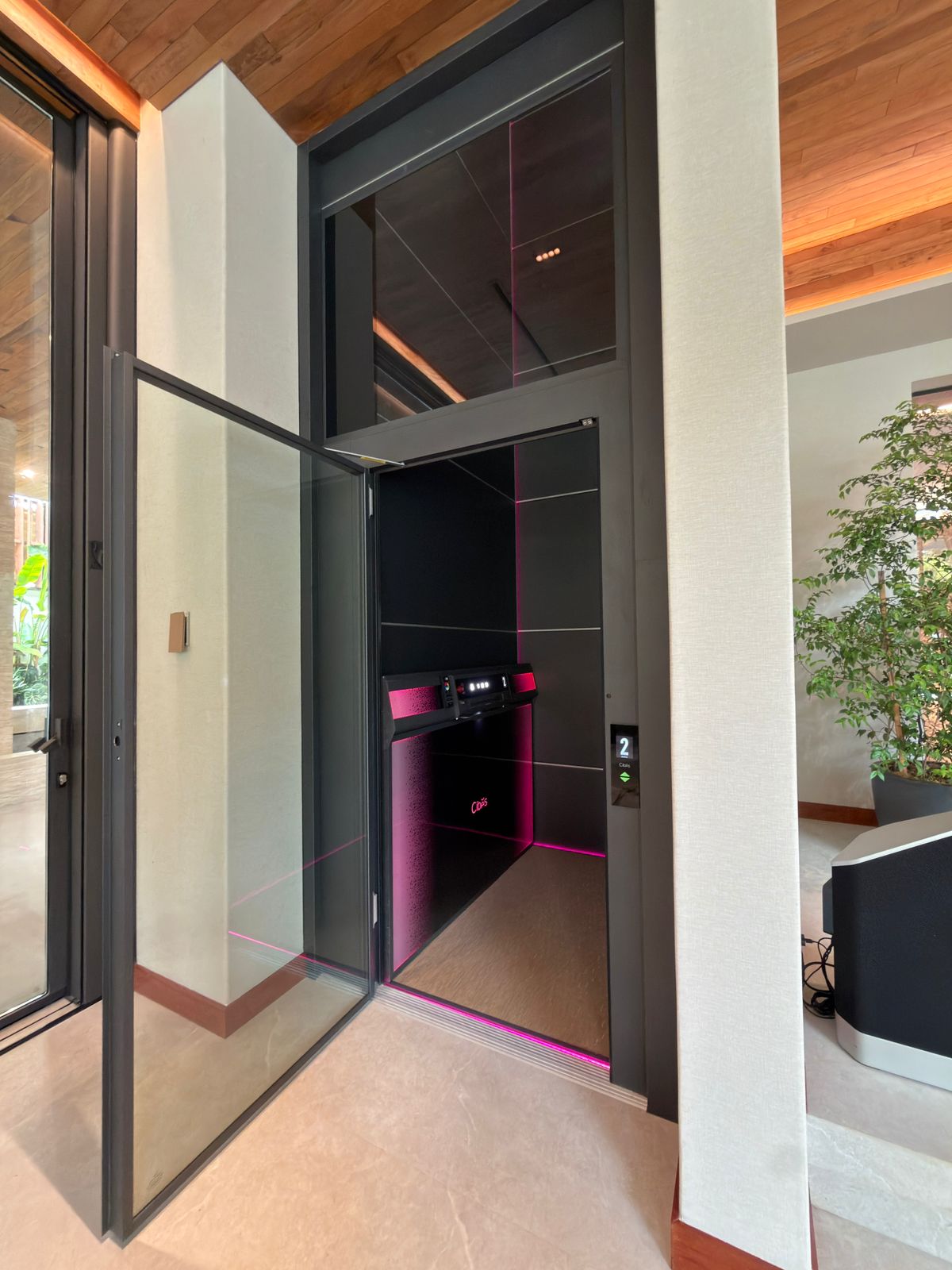
When most people think of a home lift, they imagine a luxurious enclosed cabin with sleek finishes. But for households with specific accessibility needs, there’s another solution that has been growing in popularity: platform lifts for residential use.
You might have seen them in offices or public spaces, but many homeowners don’t realize how practical they can be inside houses especially for wheelchair users, older adults, or anyone with mobility challenges. Below, we’ll cover five important facts about home lifts that focus on accessibility, affordability, and ease of installation.
If you’re comparing different residential lift technologies, our Types of Home Lifts in the Philippines Guide explains how platform lifts, hydraulic elevators, traction systems, vacuum elevators, and other home lift solutions differ in terms of accessibility, space requirements, and everyday use.
Fact #1: Designed for Accessibility First
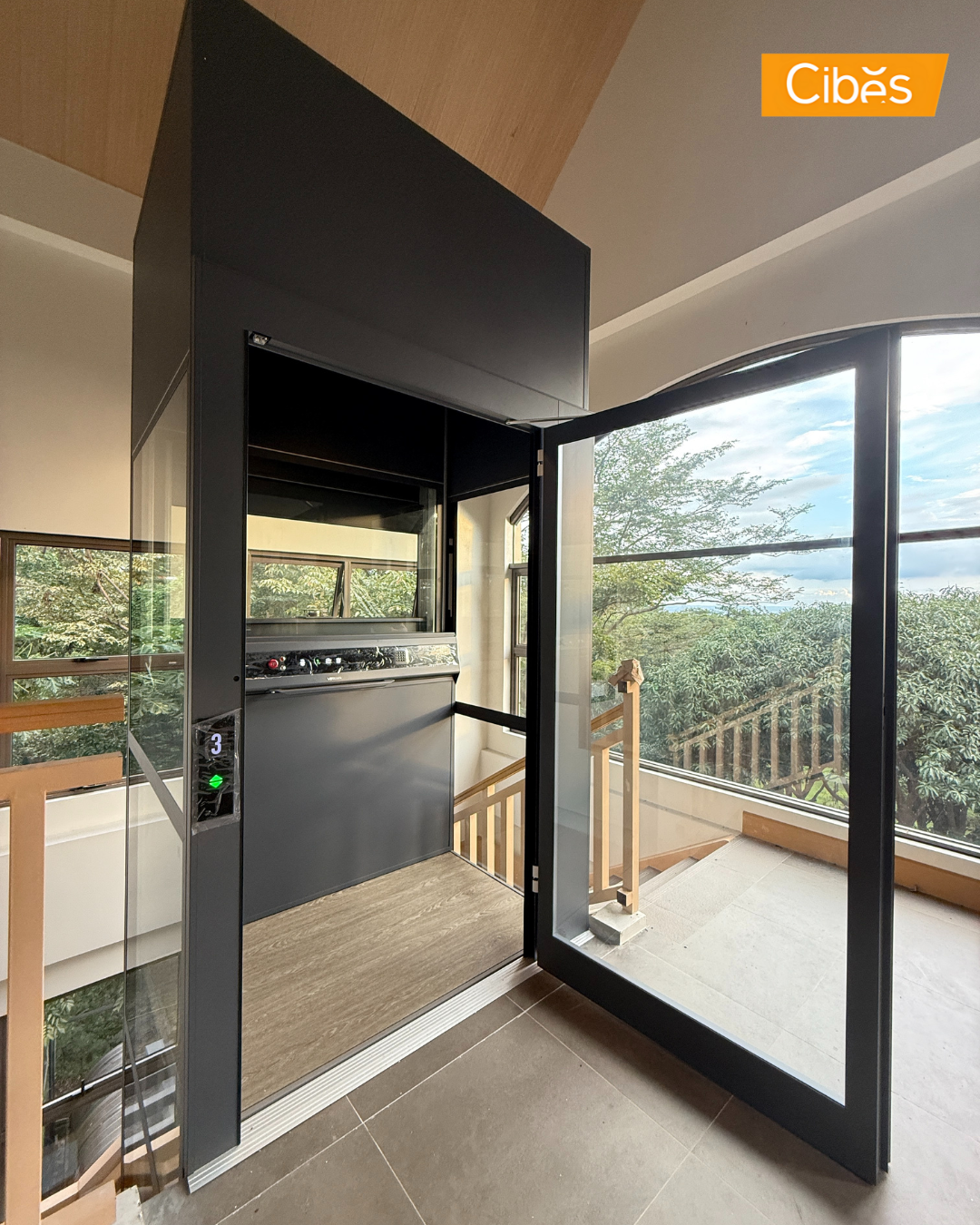
Unlike traditional elevators, a residential platform lift is created with accessibility as its main priority. Instead of stepping into a closed cabin, you roll or walk onto an open platform secured with protective gates or bars.
The platform stays level with the floor no steps, no curbs, no hassle. For wheelchair users, this seamless access makes everyday movement between floors safe and effortless. While modern designs now include attractive finishes, the true value lies in their functionality and safety.
Fact #2: Quicker and Easier to Install
One of the biggest advantages of a home lift is the installation speed compared to conventional elevators. Many models don’t require a deep pit, machine room, or major structural changes.
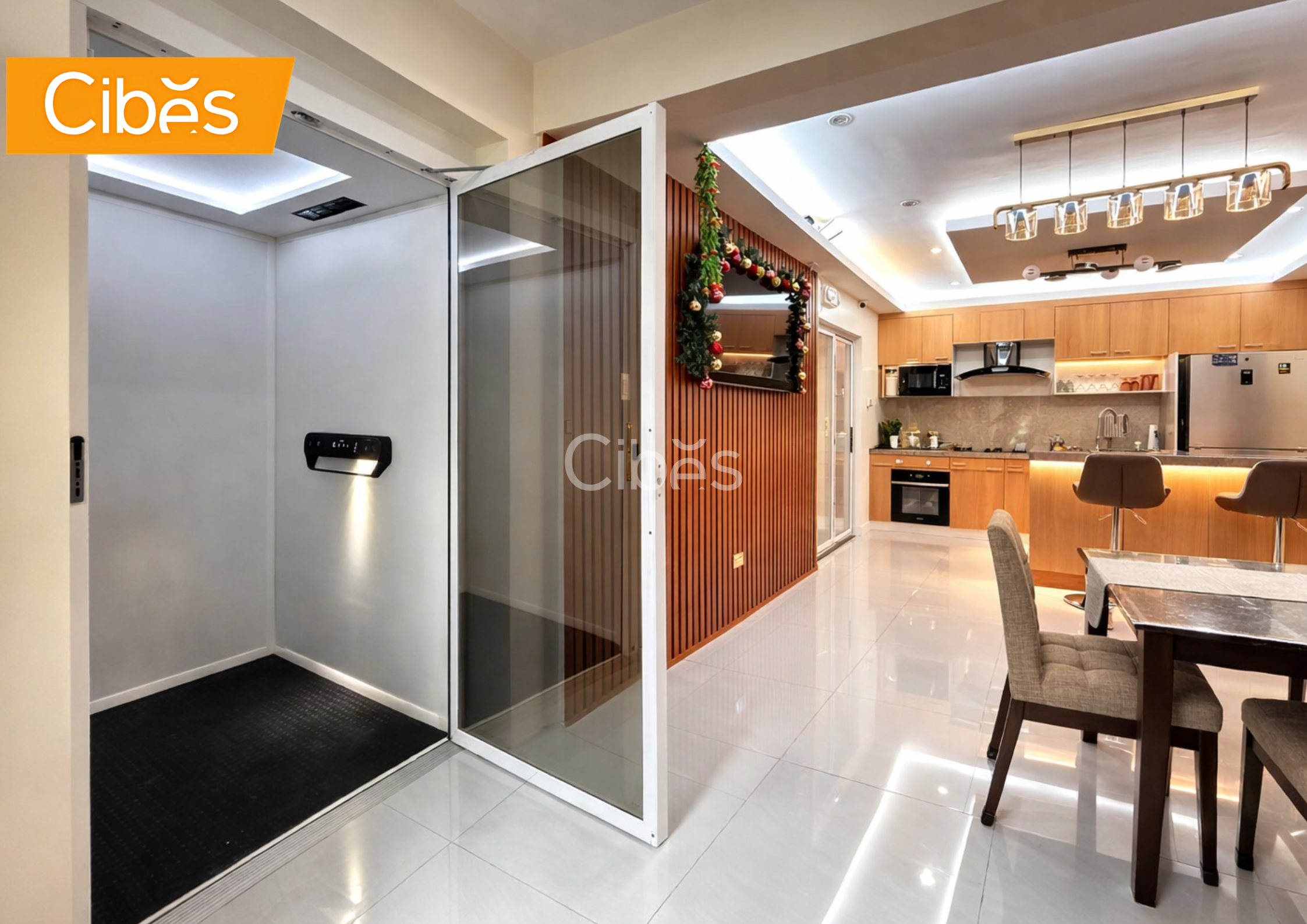
Some units can even be installed directly against existing walls or staircases, minimizing disruption. Whereas a traditional lift system may take weeks to build and fit, a home lift can often be installed within just a few days. That means less downtime, lower labor costs, and quicker accessibility for your family.
Installation process- fast home lift installation process
Fact #3: More Affordable Than Expected
Another key benefit is affordability. A home lift can cost up to 30–50% less than a standard enclosed elevator. This price difference comes from the reduced construction requirements, smaller motors, and simplified design.
For many families, that cost savings is life changing. It often makes the difference between being able to install a mobility solution at home versus needing external care options. And lower day-to-day maintenance costs make it a smart long-term investment as well.
Fact #4: Fits Where Other Lifts Can’t
Home lifts excel in places where traditional elevators are impractical. For example:
A few steps from the driveway to the front door.
Split-level houses with multiple small staircases.
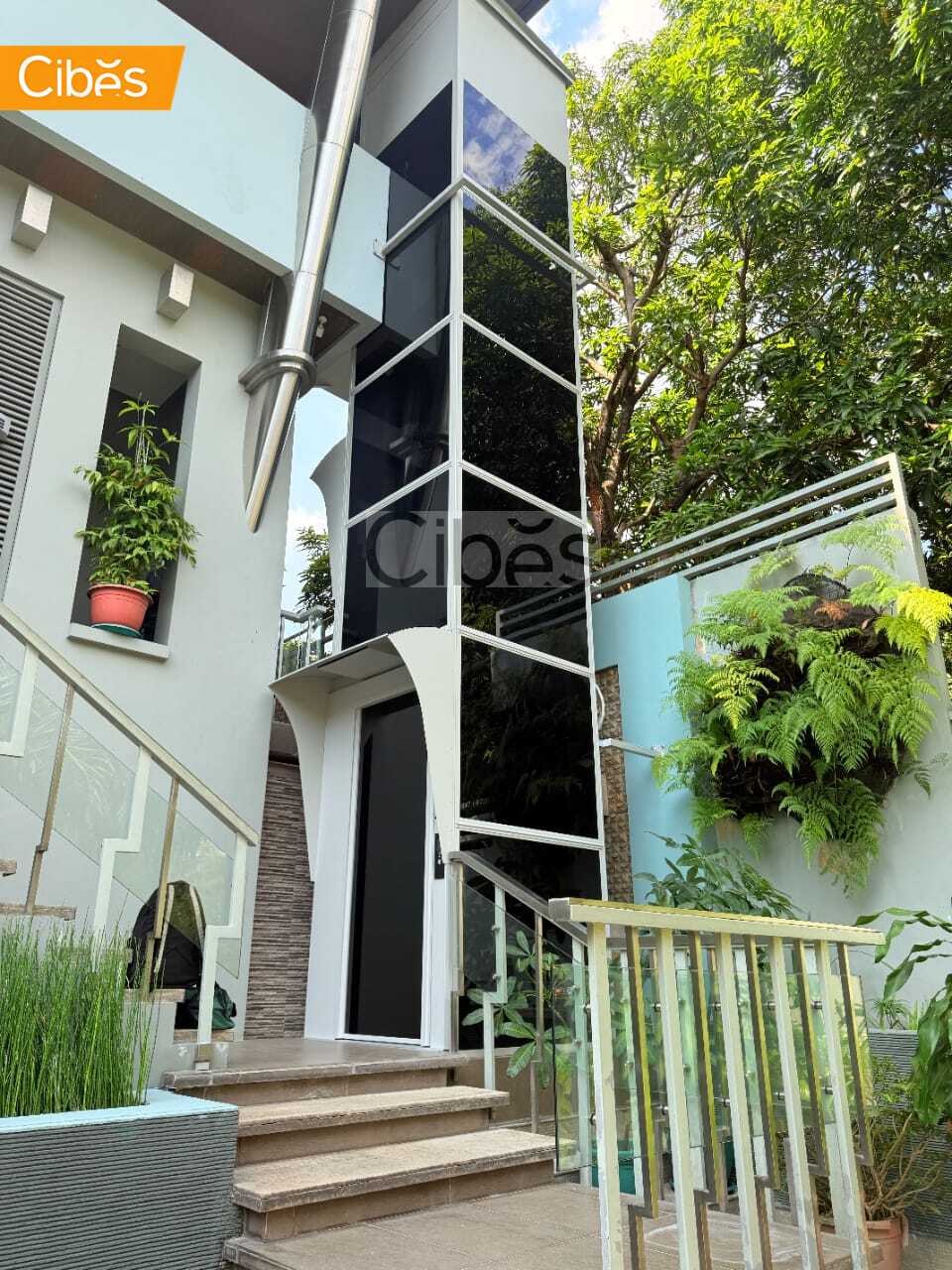
Outdoor applications requiring weather-resistant solutions.
Unlike full-shaft lifts that are designed for floor-to-floor travel, platform home lifts can handle short vertical distances (even just 3–4 feet). This makes them extremely versatile in tricky architectural situations.
Fact #5: Built-In Safety Features
Don’t be fooled by their simple design modern home lifts come with advanced safety technology, including:
Automatic gates or safety bars.
Emergency stop buttons.
Overload and obstruction sensors.
Battery backup for power outages.
Speed limiters for smooth, controlled movement.
Because the mechanics are less complex than a traditional lift, there’s less risk of breakdowns. Transparent designs also allow both users and caregivers to clearly see how the system works, adding confidence and peace of mind.
Platform Lifts & Vertical Elevators for Philippine Homes
When exploring home lift solutions, it’s important to understand the differences between a platform lift, a vertical platform lift, and a cabin lift.
A platform lift is typically designed for short travel distances and focuses on accessibility, making it ideal for wheelchair users and homes with split levels or a few steps.
A vertical platform lift works similarly but is designed for higher travel between floors while still maintaining an open or semi-enclosed platform structure. It is one of the most practical solutions for residential accessibility in the Philippines.
On the other hand, a cabin lift is a fully enclosed system that looks and functions more like a traditional elevator. It is often chosen for full floor-to-floor travel and for homeowners who want a more private and premium experience.
Choosing between these options depends on your space, budget, and long-term accessibility needs.
FAQ’s
Q: What is a home lift?
A: A home lift is a compact residential lift designed to improve mobility inside houses; it does not usually require a pit or machine room, making it easier and faster to install than a traditional elevator.
Q: How much does a home lift cost in the Philippines?
A: The cost of a home lift in the Philippines depends on size, design, and stops; generally, it is more affordable than standard elevators because installation requires less construction work.
Q: Can I install a home lift in an existing house?
A: Yes; most home lifts can be retrofitted into existing homes with minimal modifications, making them ideal for renovations or space-limited houses.
Q: Are home lifts safe for older adults and wheelchair users?
A: Absolutely; modern home lifts include safety features such as automatic gates, emergency stop buttons, overload sensors, and battery backup systems to ensure reliability for people with mobility challenges.
Q: How long does it take to install a home lift?
A: Installation time for a home lift usually ranges from a few days to a week; this is significantly faster than traditional elevators, which often require several weeks.
Read More


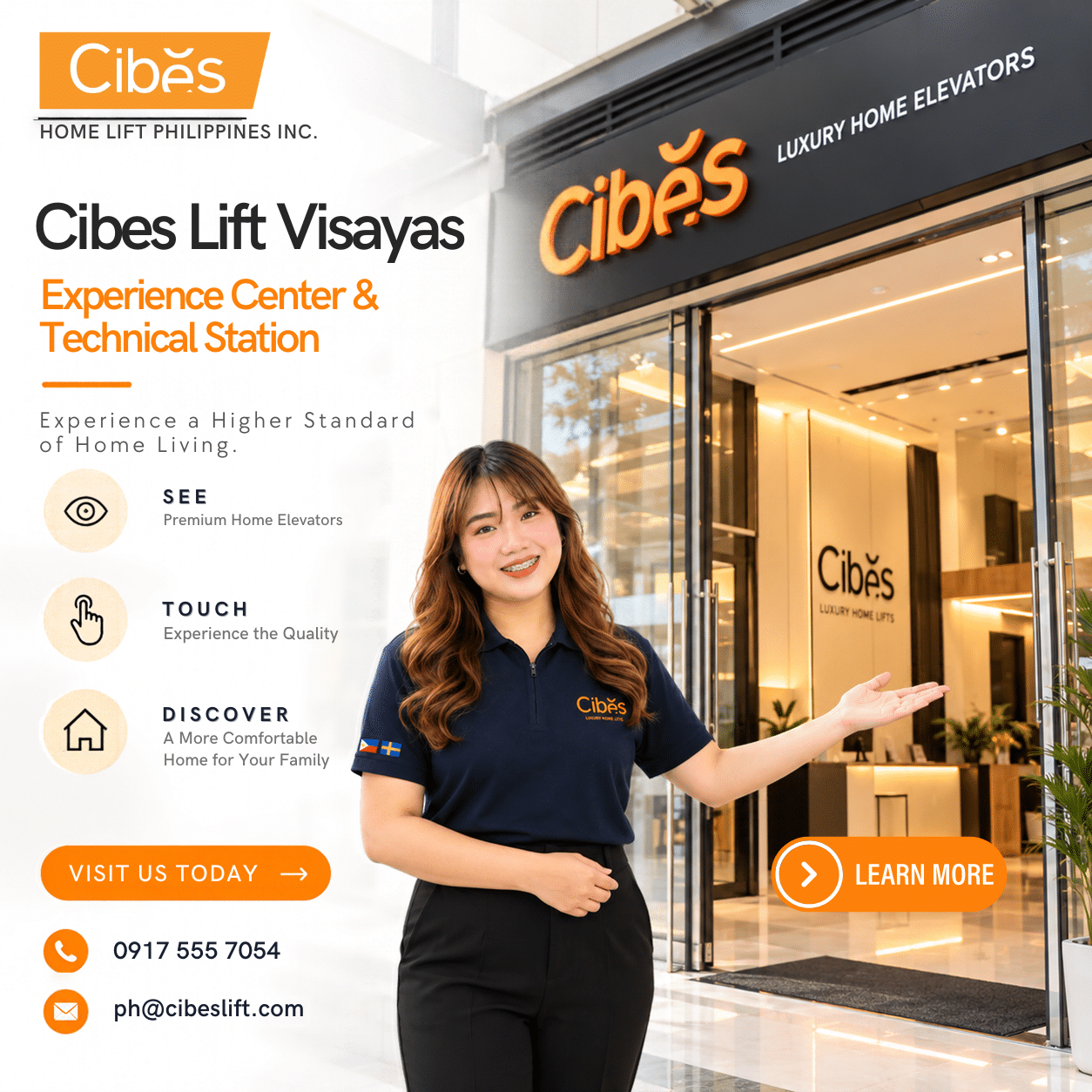
TL;DR The Cibes Experience Center Visayas in Cebu City lets homeowners, architects, designers, contractors, and developers see Cibes home lifts in person. Visitors can experience the lift cabin, review available designs and features, and discuss installation requirements with the Cibes team. The Cebu Experience Center currently lists V90 Elegance, Z85 Antera, and Ascenda among its […]
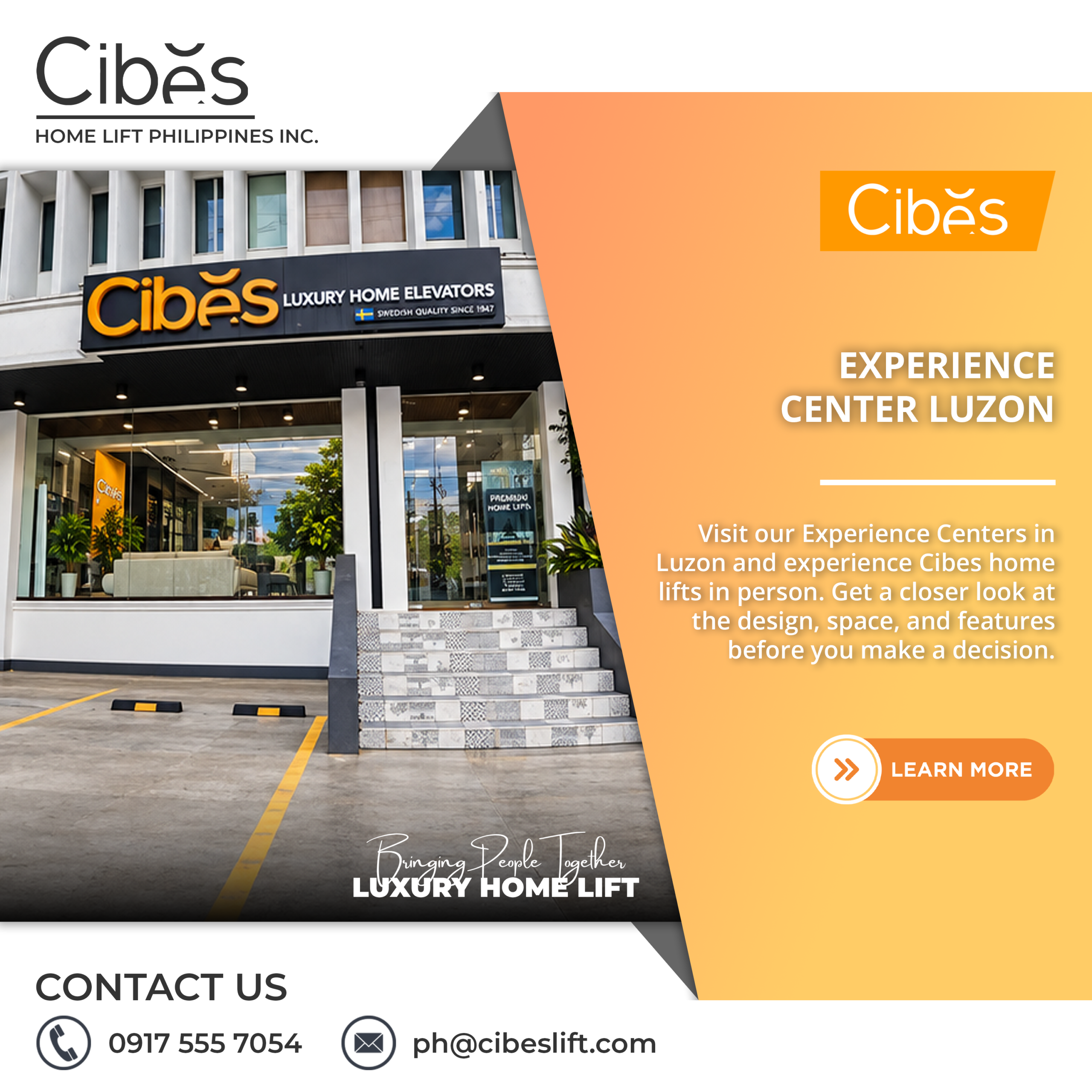
TL;DR Cibes Experience Center Luzon lets homeowners and property professionals experience Cibes home lifts in person before making a decision. Cibes Lift Philippines has 13 demo lifts across three Luzon Experience Centers: Makati (8), Mandaluyong (2), and Balintawak, Quezon City (3). Visitors can ride the lifts, check cabin space, test the controls, explore designs, and […]

TL;DR Sustainable home elevators in the Philippines are becoming an important consideration for homeowners who want to improve accessibility without overlooking environmental responsibility. Modern home elevators can support energy-efficient living through efficient drive systems, durable materials, renewable energy integration, and reduced structural changes compared with major home renovations. The Environmental Case for Sustainable Home Elevators […]

TL;DR Home Elevator Performance plays an important role in the safety, comfort, efficiency, and long-term reliability of a residential lift. While regular maintenance keeps your elevator operating reliably, proper usage, environmental control, component monitoring, electrical optimization, and timely upgrades can further improve its performance. In this guide, discover 8 expert tips to help maximize home […]

TL;DR Vacuum elevators use air pressure instead of cables or hydraulic systems to move a cabin inside a transparent tube. Most residential models require only 75 to 100 cm of space, serve 2 to 4 floors, carry 205 to 238 kg, and can often be installed in 2 to 3 days with minimal structural work. […]