Blog - 24/04/2026
Modern Outdoor Home Lifts for High-End Philippine Homes
Are outdoor home elevators practical in the Philippines?
TL;DR
Yes. Outdoor home elevators in the Philippines are designed for tropical conditions like heavy rain, high humidity, and typhoon winds. They use corrosion-resistant materials, sealed systems, and drainage features. Installed in exterior towers, they save indoor space and work well for compact urban homes.
Why are outdoor elevators common in Philippine homes?
Space is the main reason.
In areas like Metro Manila, Cebu, and other dense cities, homes are often fully built out. There’s little to no room left for an indoor lift without major renovation.
An outdoor elevator solves this by placing the lift:
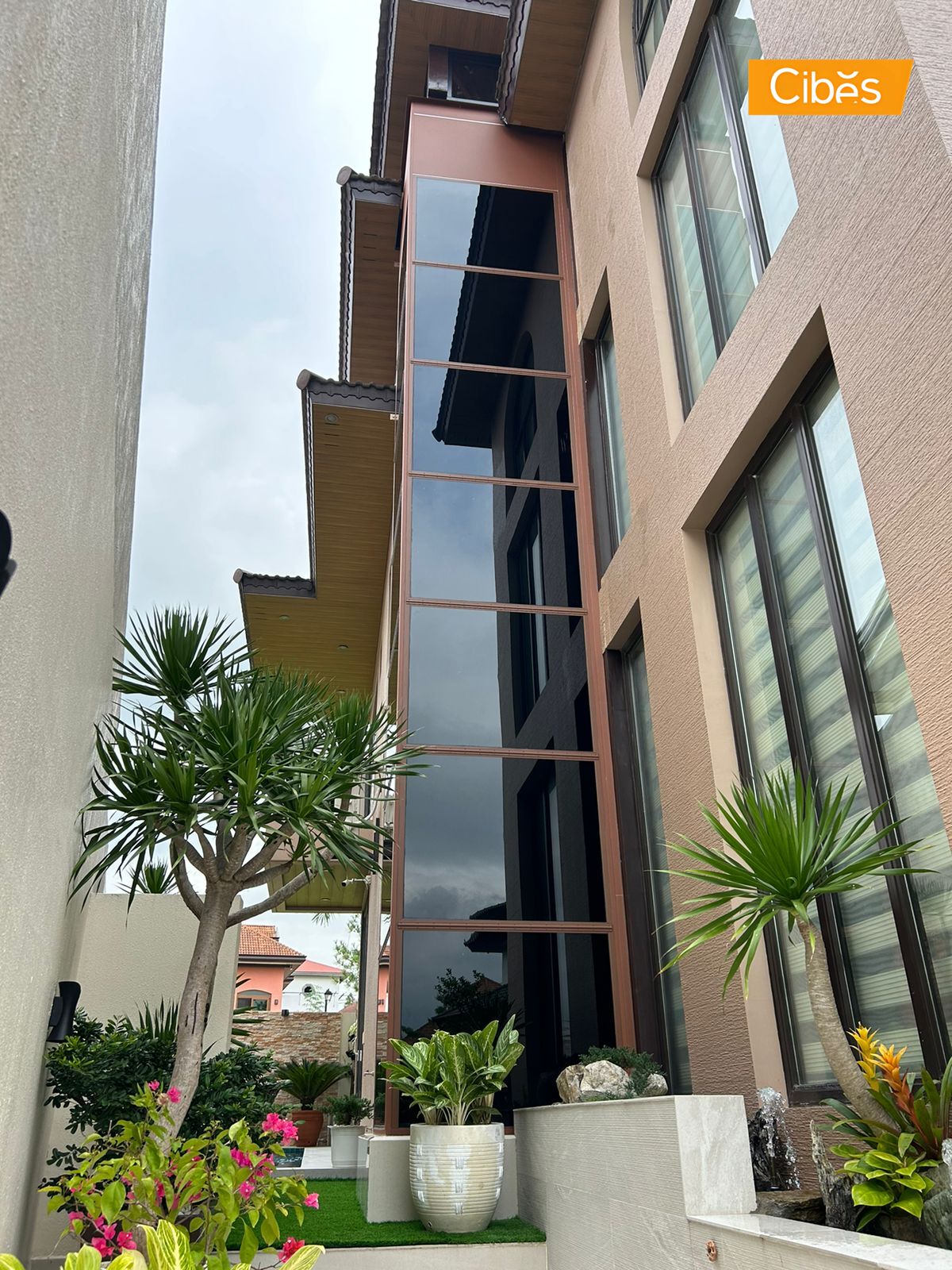
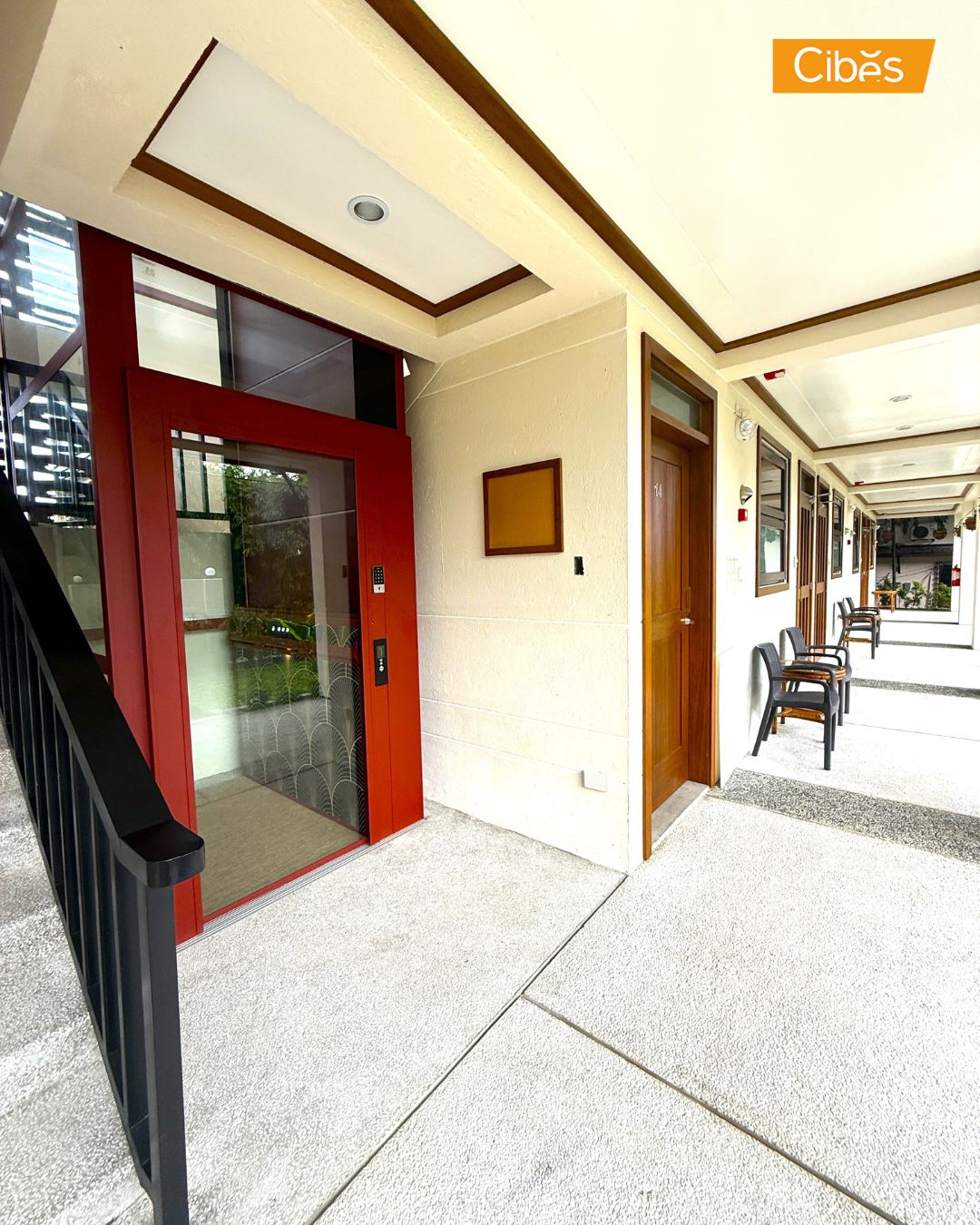
- Along an exterior wall
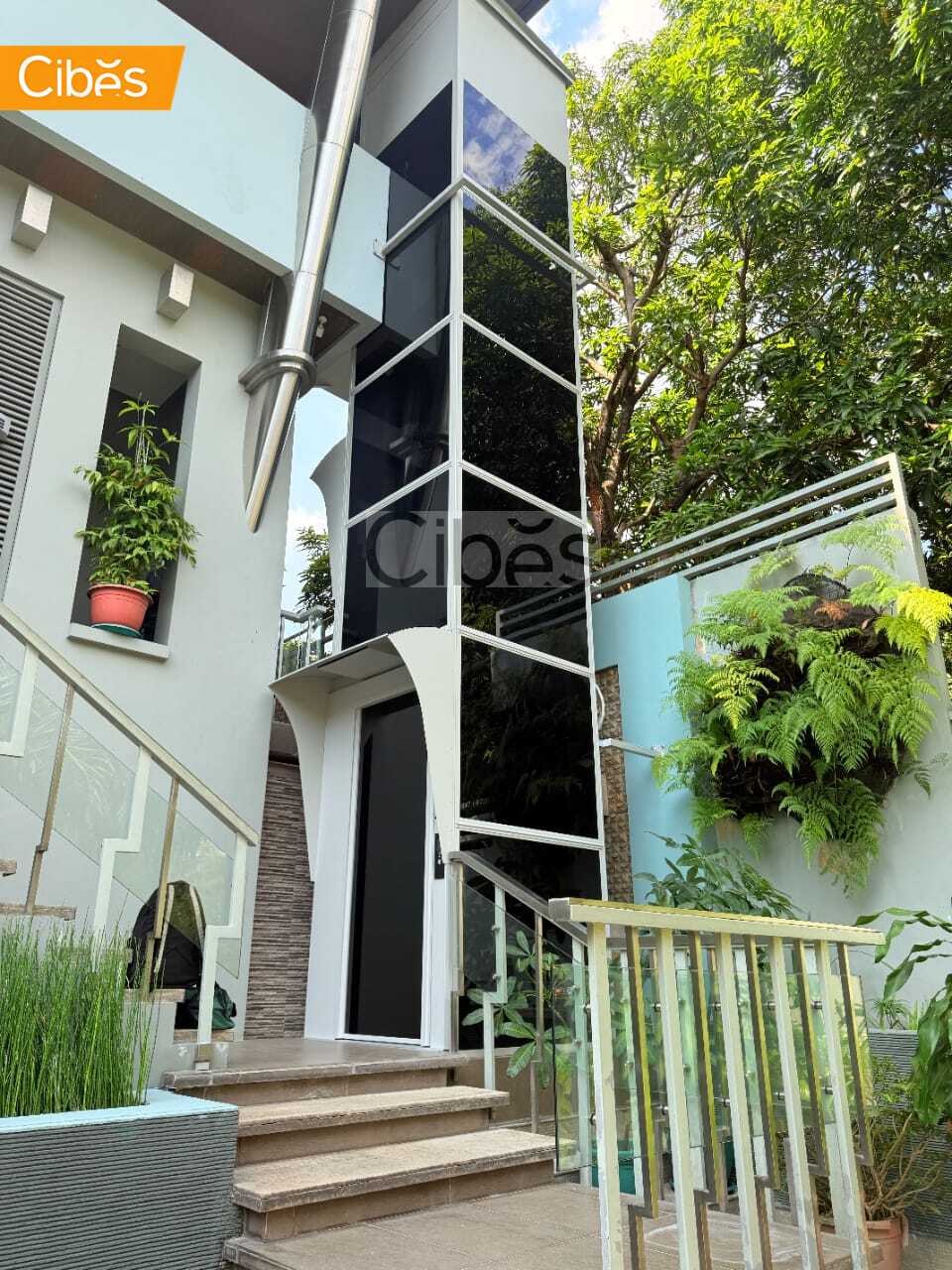
- In a freestanding tower
- Or as part of a small extension
You keep your interior layout while gaining full access between floors.
How do outdoor elevators handle Philippine weather?
They are built specifically for local conditions.
The Philippines has:
- High humidity year-round
- Heavy rainfall during habagat
- Strong UV exposure
- Frequent typhoons
Outdoor elevators must handle all of these daily.
Weather protection systems
| Philippine Condition | Elevator Solution |
| Heavy rain & habagat | Sealed systems + drainage channels |
| Flooding risk | Sloped floors + water exit design |
| High humidity | Anti-corrosion materials |
| Heat & UV | UV-resistant coatings and components |
What materials work best for outdoor elevators in coastal and urban areas?
Material choice affects lifespan.
Homes near coastal areas like Batangas or Cebu face salt exposure, which speeds up corrosion.
Common materials used
| Material | Why It Works | Best Location |
| Stainless steel | Strong, rust-resistant | General use |
| Marine-grade aluminum | Handles salt air | Coastal homes |
| Galvanized steel | Durable structure | Tower frames |
| Powder coating | Extra surface protection | All environments |
These materials are standard for long-term outdoor use in the Philippines.
Can outdoor elevators handle typhoons in the Philippines?
Yes, if properly designed.
Outdoor elevators must follow Philippine wind load requirements and structural standards.
Key typhoon-ready features
| Requirement | Purpose |
| 150 kph+ wind resistance | Withstands strong typhoon winds |
| Reinforced tower structure | Prevents structural failure |
| Laminated or polycarbonate glass | Resists impact |
| Automatic shutdown system | Secures unit before storms |
Proper anchoring and engineering are critical, especially in typhoon-prone regions like Luzon and Visayas.
What are the installation options for outdoor elevators?
Different homes need different setups.
Main installation types
| Type | Description | Best For |
| Freestanding tower | Separate structure outside the home | Tight interior layouts |
| Enclosed external shaft | Fully covered outdoor structure | Better weather protection |
| Partially attached | Shares one wall with the house | Balanced design and cost |
What should homeowners expect during installation?
Even if the lift is outside, it still connects inside.
You’ll need:
- Wall openings per floor
- Proper alignment of doors
- Structural assessment
Most installations avoid major interior changes, which is why many homeowners prefer this option.
When is an outdoor elevator the better choice?
Choose outdoor if:
- Your home has no extra indoor space
- You want to avoid major renovation
- You live in a dense urban area
- Your structure allows exterior installation
For many Philippine homes, this is the more practical route.
How is safety maintained for outdoor use?
Safety is adapted for weather exposure.
Key safety features
- Non-slip flooring (important during rainy days)
- Backup communication system during brownouts
- Proper lighting for night and storm use
- Weather-protected controls
These features are important in areas with frequent rain and power interruptions.
Are outdoor elevators suitable for small houses in the Philippines?
Yes.
They are ideal for:
- Townhouses
- Duplex homes
- Narrow lots
You get full accessibility without sacrificing floor space.
What are the limitations to consider?
Outdoor elevators are effective, but not always ideal.
Consider:
- Available exterior space
- Structural capacity of your home
- Exposure to weather (maintenance may be higher)
- Flood-prone areas may need elevation planning
Planning and proper design make a big difference.
FAQ
Q: Can home elevators be installed outdoors in the Philippines?
A: Yes. They are built for tropical weather using sealed systems and corrosion-resistant materials.
Q: Are outdoor elevators safe during typhoons?
A: Yes, if designed correctly with reinforced structures and automatic safety features.
Q: Can I install one without major renovation?
A: Yes. Most systems are installed outside, reducing interior construction.
Q: How do they handle heavy rain?
A: Through drainage systems, sealed components, and water-resistant design.
Q: Are they good for small homes?
A: Yes. They save space and work well for compact layouts.
Final Thought
Outdoor home elevators are not just an alternative. For many Philippine homes, they are the more practical choice.
If your space is limited but accessibility matters, building outside may be the smartest move.

Cibes Author
Kevin Der Arslanian is the Vice President of Sales for APAC & MENA at Cibes Lift Group. Since joining in 2017, he has helped grow the company’s presence across key markets, bringing a clear, practical approach to leadership and a strong focus on customer needs.
Kevin Der Arslanian | LinkedIn
Thinking about adding a home lift?
Contact us now to learn more or schedule your installation!




TL;DR Three-story homes are becoming more common across the Philippines, especially in Metro Manila, Cebu, Davao, Iloilo, and Cagayan de Oro, where homeowners want to maximize limited lot sizes. Adding a home lift makes every floor easier to access for elderly parents, children, and future generations. When choosing a residential home elevator, consider the available […]

TL;DR Permits to Install a Home Lift are usually required in the Philippines before a residential lift can be legally installed. Home lifts are legal in the Philippines, but they must comply with local building regulations. Most residential installations require a building permit from your local government and must follow the National Building Code of […]
TL;DR Delaying a home lift can increase long-term costs beyond the initial purchase price. Waiting until mobility declines may lead to higher medical expenses after stair-related falls, emergency home modifications, or reduced independence. Installing a home lift earlier gives homeowners more time to compare models, plan installation, and create a safer, more accessible home that […]

TL;DR Home Lifts for OFW Families are a smart long-term investment because they improve accessibility, support aging parents, and help future-proof homes for retirement and multi-generational living. Installing a home lift during construction is usually easier and more cost-effective than retrofitting later. Many OFW families choose home lifts to create a safer, more convenient, and […]

Home Elevators & Home Lifts in the Philippines: The Complete Guide for Filipino Homeowners Updated: 2026 Reading time: 12 minutes Includes: 6 complete buying guides & 40+ expert resources TL;DR Multi-storey living has become increasingly common across the Philippines. Starting from the three-level townhouse in BGC, to the Cebu duplex, up to the family compound […]