Blog - 10/08/2026
Stair Lift Philippines: Price Guide, Types, and Smarter Home Access Options
TL;DR
Stair lift Philippines price typically depends on the staircase design, lift type, rail length, installation requirements, and customization. A stair lift is a motorized chair that moves along a staircase, helping one person travel between floors safely.
For many Filipino homeowners, a stair lift can be a practical solution when only one person needs assistance. However, families planning for long-term accessibility may also want to compare stair lifts with platform lifts and home elevators.
If you’re comparing mobility solutions for older people, wheelchair users, or family members with changing accessibility needs, our Home Accessibility Solutions in the Philippines Guide explains the differences between stair lifts, platform lifts, and home elevators.
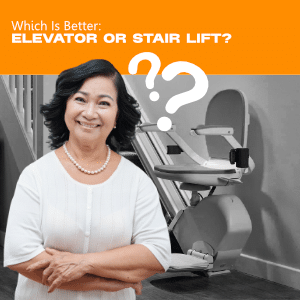
How does a stair lift work?
A stair lift runs on a rail attached to your stairs. You sit, press a button, and the chair moves smoothly between floors.
It’s simple, compact, and doesn’t require structural changes. That’s why it’s popular in existing homes.
Still, it serves only one seated user at a time. That limitation matters in many Filipino households.
Do stair lifts work during brownouts?
Yes. Most models come with battery backup.
You can expect around 10 to 20 trips during a power outage. This is important in areas where brownouts still occur.
What safety features should you expect?
Modern stair lifts are built for daily use. Standard features include:
- Seat belts and swivel seats
- Obstruction sensors
- Emergency stop controls
- Anti-slip footrests
They are safe and predictable, but still limited to seated use only.
How much weight can a stair lift carry?
- Standard: 120 to 160 kg
- Heavy-duty: up to 200 kg
This fits most users, but not all scenarios, especially when mobility needs change over time.
Stair Lift Philippines Price: How Much Does It Cost?
Stair lift Philippines price varies depending on the staircase configuration, lift type, rail length, and installation requirements.
Pricing depends on the staircase:
- Straight stair lift: Lower cost, faster install
- Curved stair lift: Higher cost due to custom rails
Curved designs can significantly increase the price, which is why many homeowners compare it with platform lifts or home elevators.
How long does installation take?
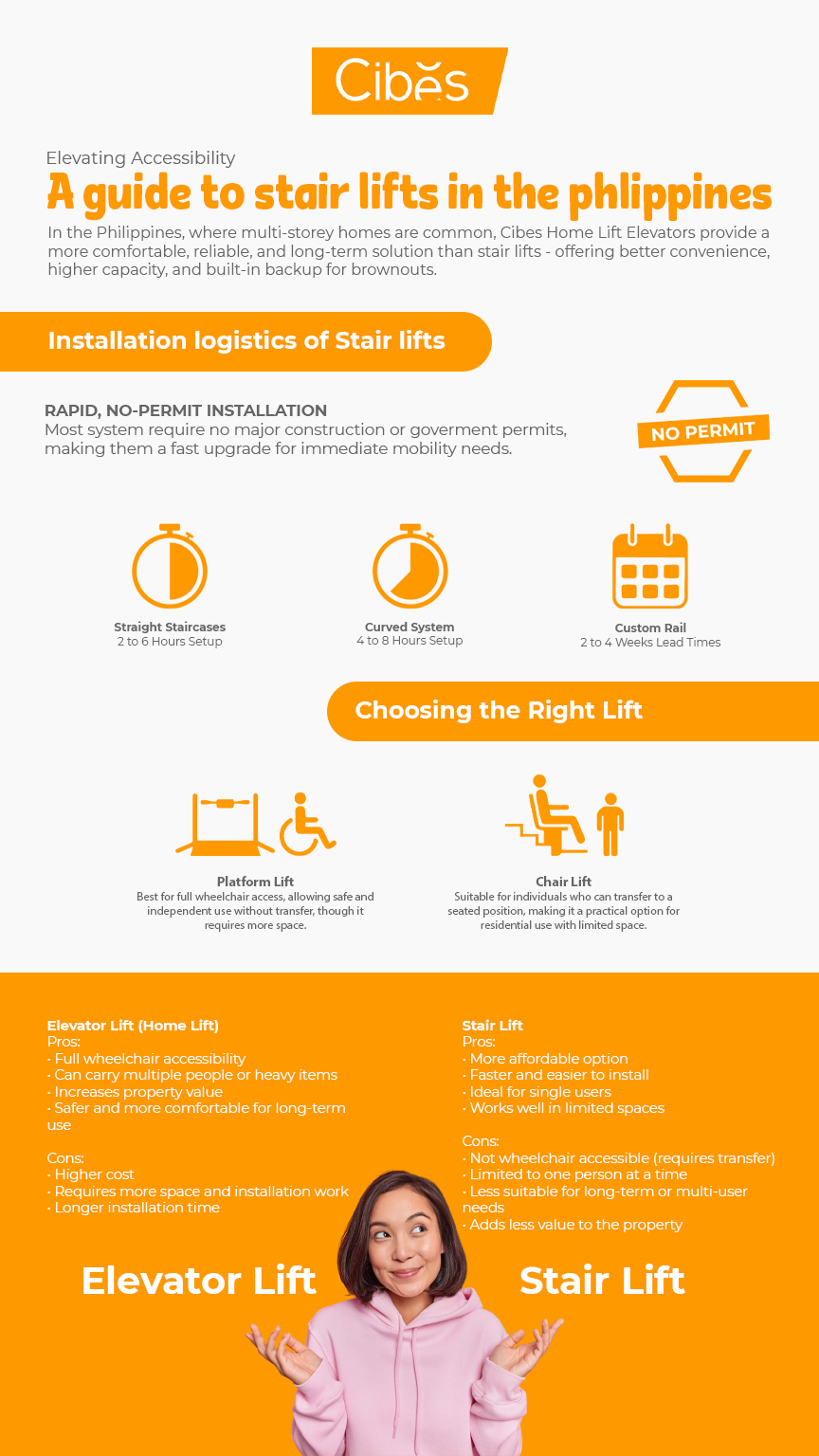
- Straight stairs: 2 to 6 hours
- Curved stairs: 4 to 8 hours
- Custom rail production: 2 to 4 weeks
No major construction is needed. Most installs are completed in one day once parts are ready.
When is a stair lift a good choice?
A stair lift works well if:
- Only one person needs it
- Mobility needs are temporary
- The staircase is straight
- Budget is limited
It’s a practical fix, not a full home upgrade.
When do Filipino homeowners look for alternatives?
You’ll likely need more than a stair lift if:
- The user is in a wheelchair
- Multiple family members need access
- The home is multi-generational
- You’re planning long-term aging in place
This is where solutions from Cibes Lift Philippines become more relevant.
Stair lift vs platform lift vs home lift: what’s better?
| Feature | Stair Lift | Platform Lift | Home Lift |
| Best for | Seated user | Wheelchair user | Whole family |
| Space needed | Minimal | Moderate | Flexible design |
| Cost | Lower upfront | Mid-range | Higher upfront |
| Long-term use | Limited | Moderate | Best value |
A stair lift solves access for one person. A home lift solves access for the entire home.
For a complete comparison of stair lifts, platform lifts, wheelchair-accessible solutions, and residential elevators, see our Home Accessibility Solutions in the Philippines Guide.
Why more homeowners are choosing home lifts
In the Philippines, more families now treat accessibility as a long-term investment, not a temporary fix.
Home lifts:
- Support wheelchairs and multiple users
- Add property value
- Improve daily comfort, not just mobility
- Fit modern home designs
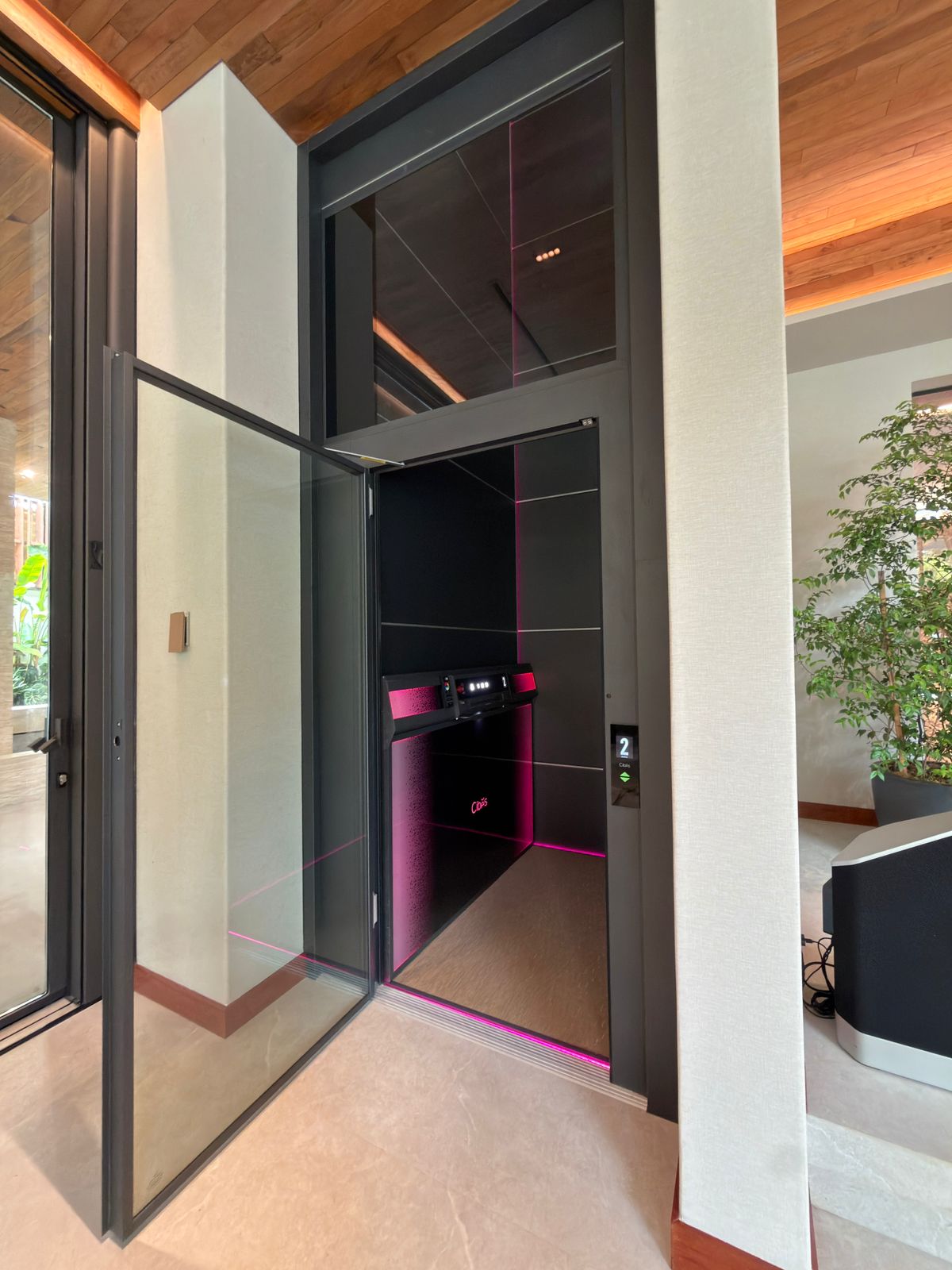
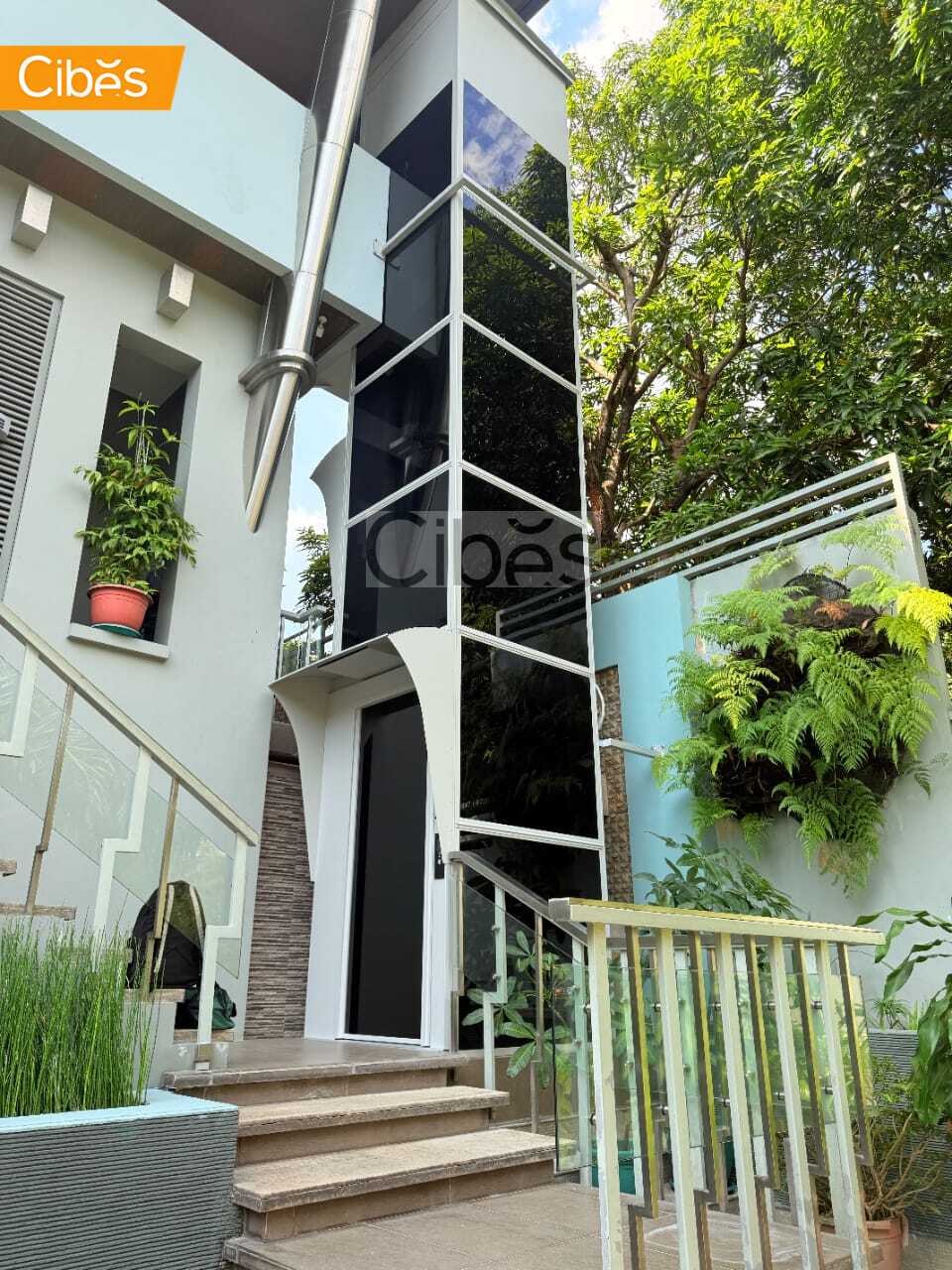
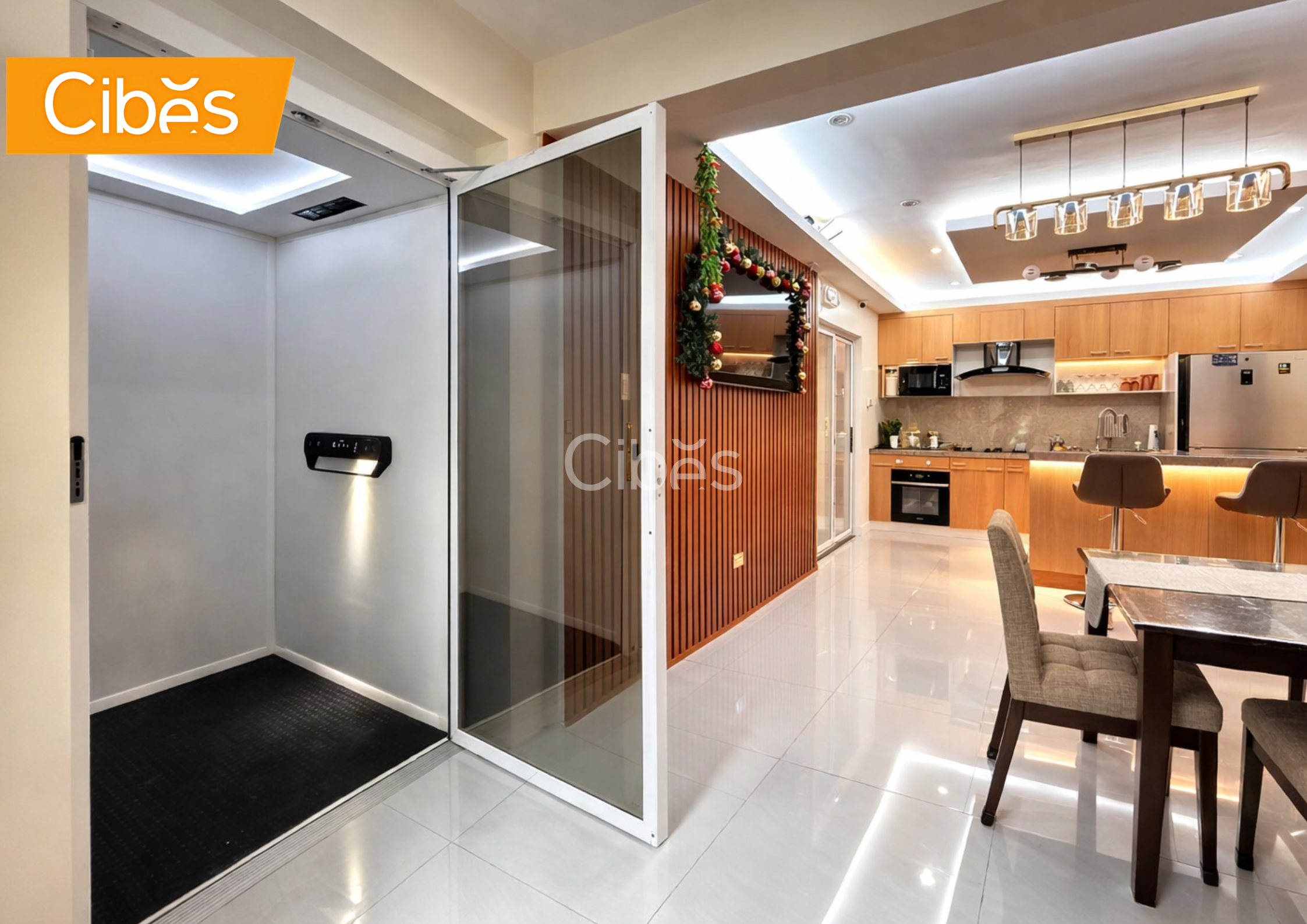
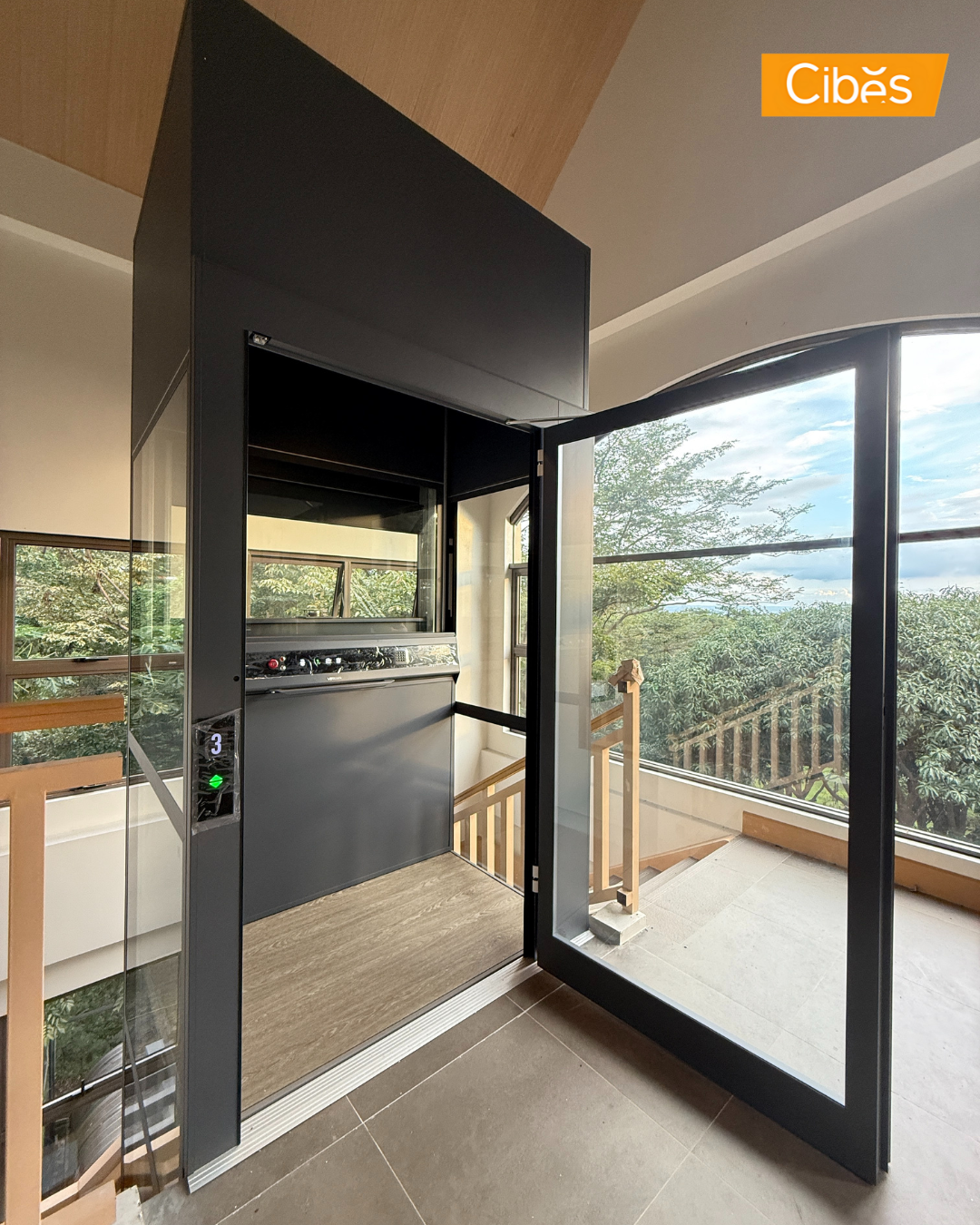
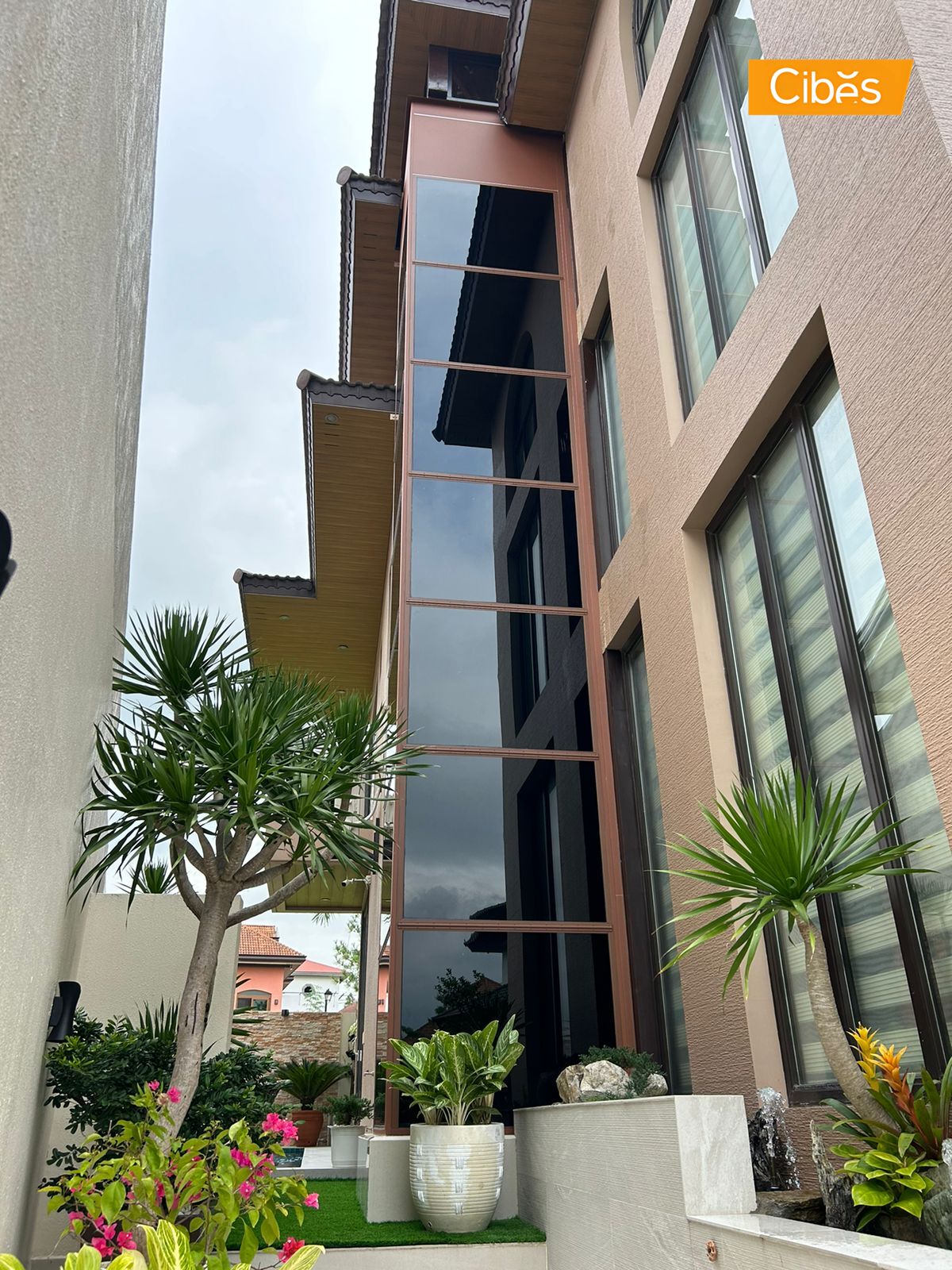
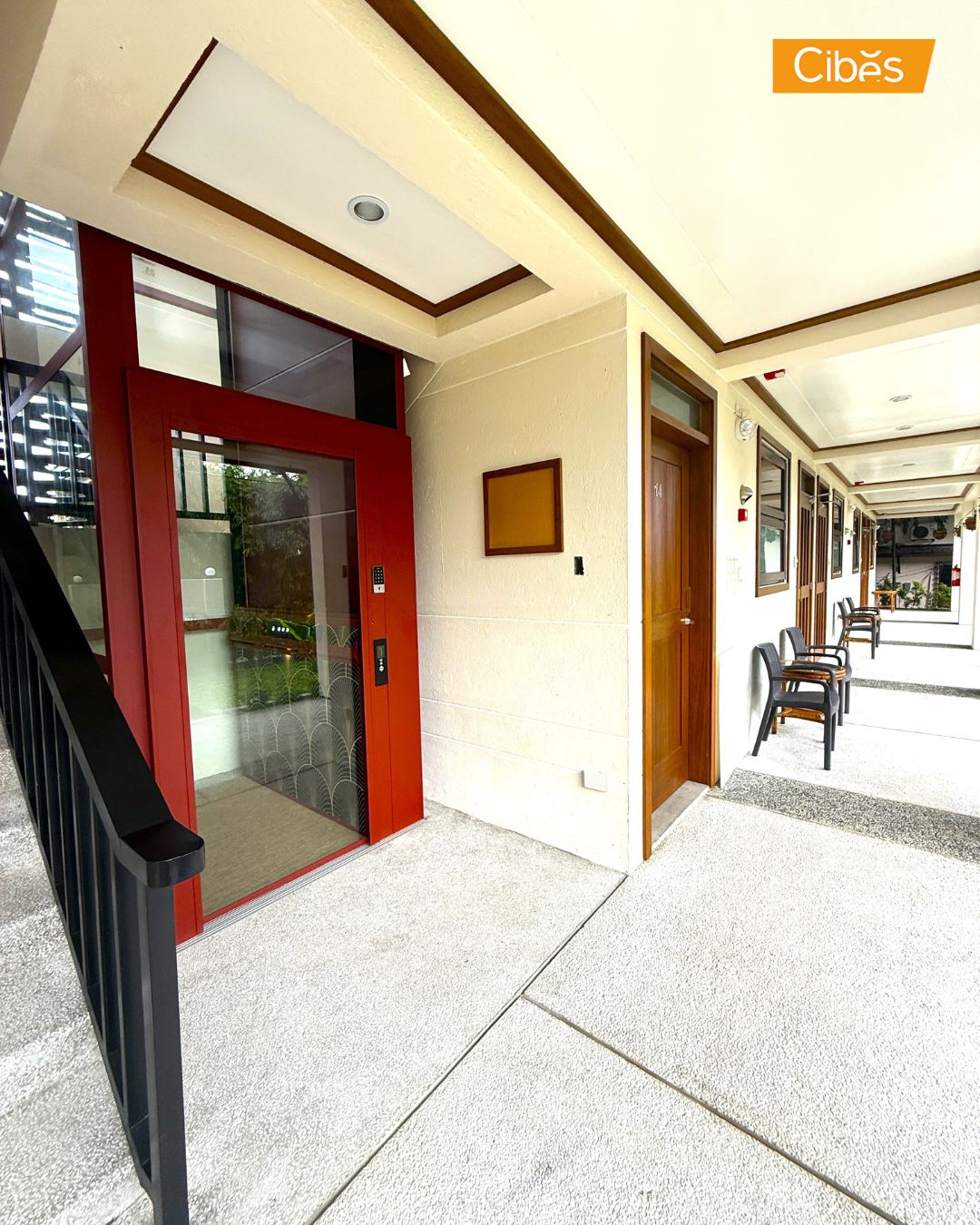
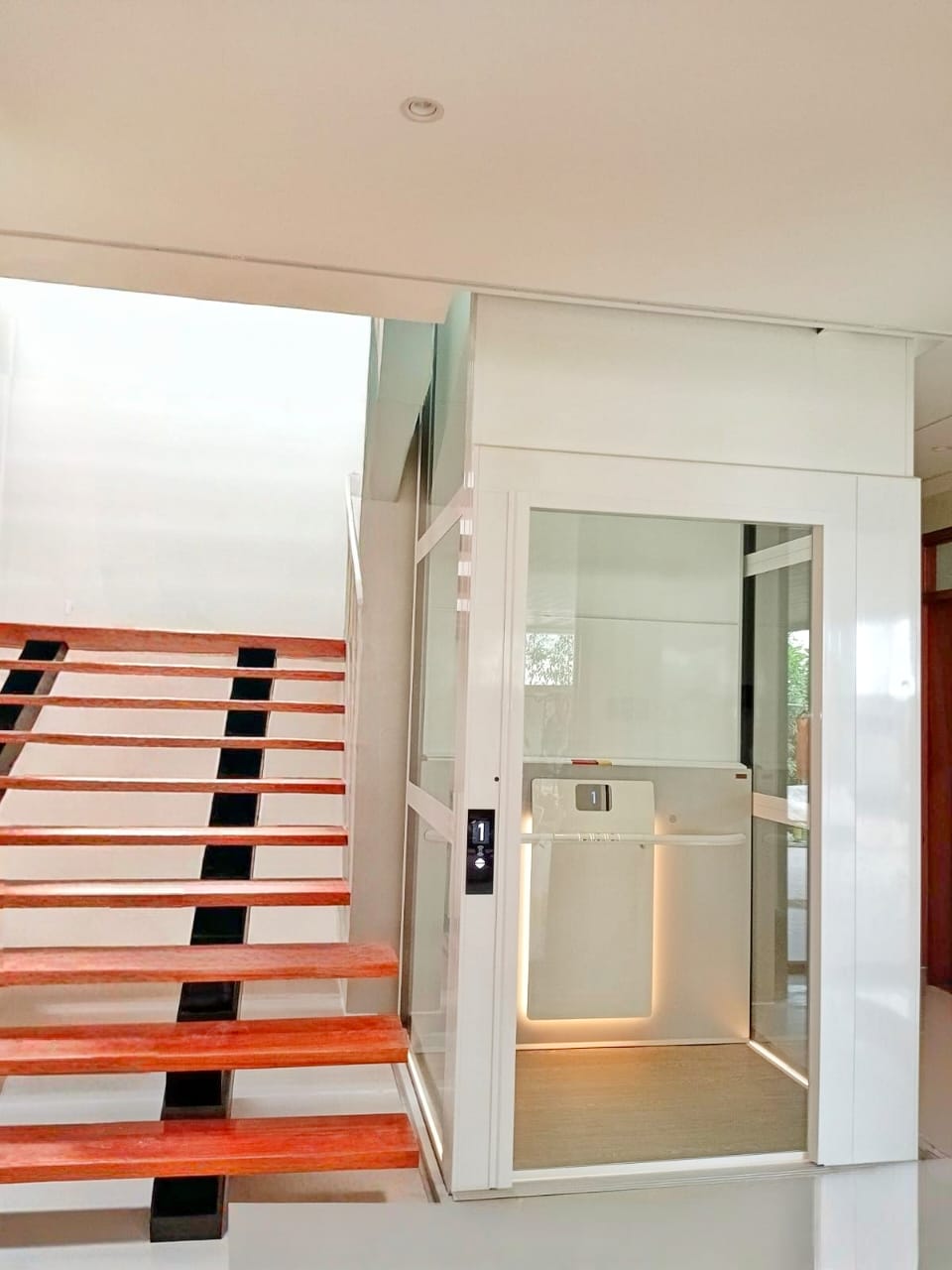
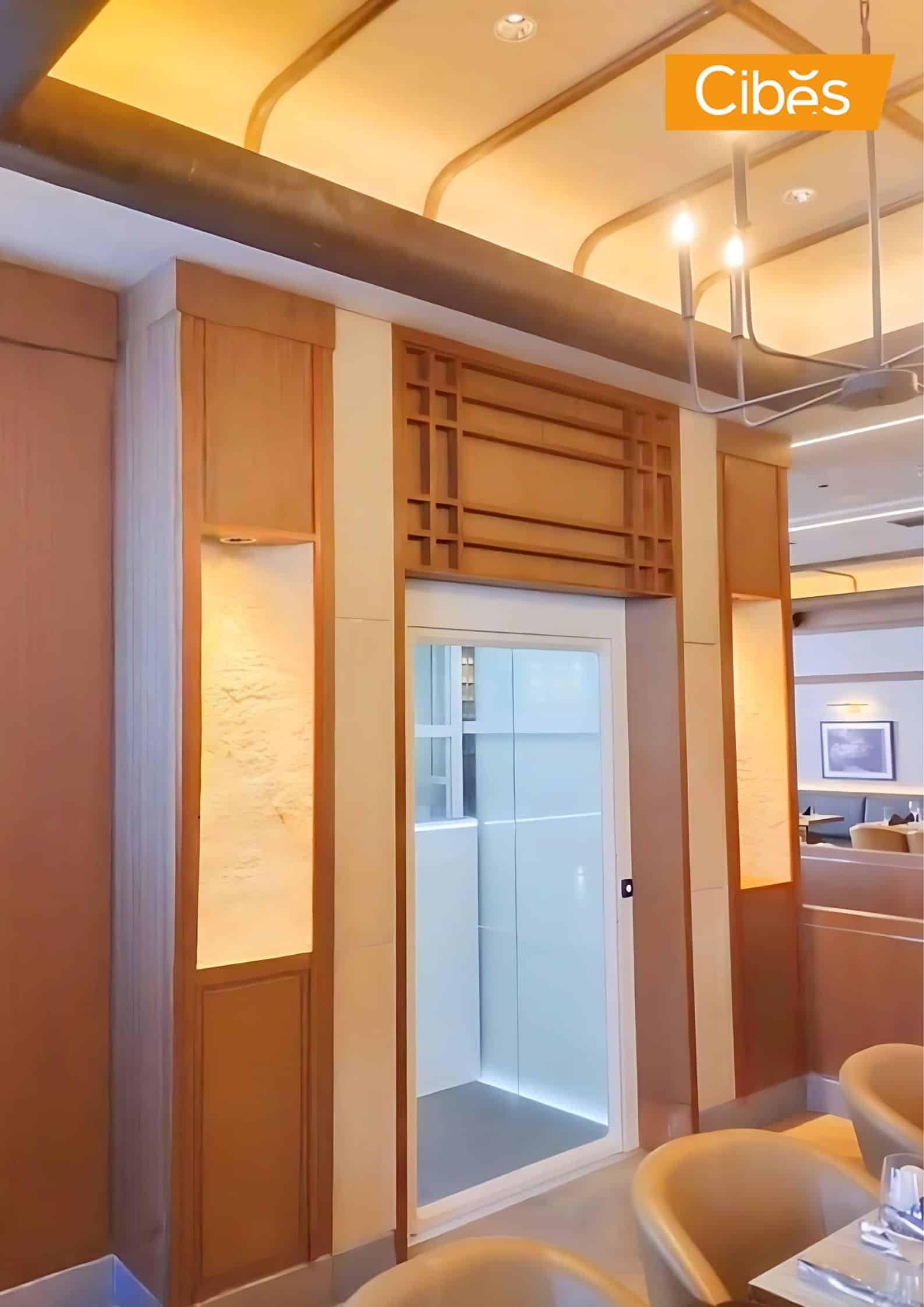
Brands like Cibes Lift Philippines offer compact home lifts that don’t require deep pits or machine rooms, making them practical even for existing houses.
Quick FAQ
Q: How much is a stair lift in the Philippines?
A: Straight models cost less. Curved designs cost more due to customization.
Q: Can it carry a wheelchair?
A: No. You need a platform lift or home lift.
Q: Is installation complicated?
A: No. Most installs are done in a few hours.
Q: Is it good for long-term use?
A: Only for limited needs. Many upgrade later.
Final takeaway
A stair lift is a simple and fast solution. It works well for one user and short-term needs.
But if you’re thinking long-term, especially for a growing family, a home lift offers better comfort, flexibility, and value.
Before choosing a mobility solution, compare stair lift Philippines price with the long-term accessibility benefits of a home lift.
That’s why many Filipino homeowners start with stair lifts, then move toward smarter solutions like those from Cibes Lift Philippines.
Read More
Experience Center and Technical Station Address
Makati City | Balintawak – Quezon City | Mandaluyong City | Cebu City | Ilo-Ilo City | Davao City | Cagayan De Oro City






CIBES AUTHOR
Mylen Posas is the Aftersales Manager at Cibes Lift Philippines. She oversees aftersales operations, ensuring every customer receives reliable support from installation through long-term maintenance. With a strong focus on service quality and customer satisfaction, she works closely with the technical team to deliver prompt assistance and help maintain the long-term performance and safety of every Cibes home lift.


TL;DR The Cibes Experience Center Visayas in Cebu City lets homeowners, architects, designers, contractors, and developers see Cibes home lifts in person. Visitors can experience the lift cabin, review available designs and features, and discuss installation requirements with the Cibes team. The Cebu Experience Center currently lists V90 Elegance, Z85 Antera, and Ascenda among its […]
TL;DR Cibes Experience Center Luzon lets homeowners and property professionals experience Cibes home lifts in person before making a decision. Cibes Lift Philippines has 13 demo lifts across three Luzon Experience Centers: Makati (8), Mandaluyong (2), and Balintawak, Quezon City (3). Visitors can ride the lifts, check cabin space, test the controls, explore designs, and […]

TL;DR Sustainable home elevators in the Philippines are becoming an important consideration for homeowners who want to improve accessibility without overlooking environmental responsibility. Modern home elevators can support energy-efficient living through efficient drive systems, durable materials, renewable energy integration, and reduced structural changes compared with major home renovations. The Environmental Case for Sustainable Home Elevators […]

TL;DR Home Elevator Performance plays an important role in the safety, comfort, efficiency, and long-term reliability of a residential lift. While regular maintenance keeps your elevator operating reliably, proper usage, environmental control, component monitoring, electrical optimization, and timely upgrades can further improve its performance. In this guide, discover 8 expert tips to help maximize home […]

TL;DR Vacuum elevators use air pressure instead of cables or hydraulic systems to move a cabin inside a transparent tube. Most residential models require only 75 to 100 cm of space, serve 2 to 4 floors, carry 205 to 238 kg, and can often be installed in 2 to 3 days with minimal structural work. […]