Blog - 24/04/2025
Home Accessibility Solutions in the Philippines: A Complete Guide to Mobility Options
Making Homes More Accessible in the Philippines: Finding the Right Mobility Solution
Multi-story living is a key component of everyday life in the Philippines.
It involves three-story townhouses in BGC, ancestral houses in Cebu with extremely steep interior staircases, and multi-generational homes in Davao, where one’s grandparents might live in an upstairs bedroom.
In such cases, verticality is built into the very structure of a Filipino home. However, for many individuals with disabilities or aging parents with worsening knees, such stairs become a hindrance in attaining personal independence and dignity within their own dwellings.
The good news is that there are far more options today in terms of cost and design to make the homes of Filipinos accessible in 2026.
Whether these take the form of legally compliant PWD-friendly elevators or portable stair lifts that can easily be installed in just one afternoon, this series of articles covers everything related to elevating the home experience for Filipinos who are getting older, with disabilities, or simply looking to prepare for any problems down the road.
If you’re looking for a broader overview before exploring accessibility solutions, our Home Elevators & Home Lifts in the Philippines: The Complete Guide for Filipino Homeowners brings together everything you need to know about residential elevators, including pricing, lift technologies, installation planning, and expert buying advice. It serves as the central hub of our Philippine home lift knowledge base.
This guide focuses specifically on home accessibility solutions in the Philippines, explaining the different mobility options available, including PWD elevators, wheelchair lifts, stair lifts, platform lifts, and aging-in-place solutions, to help you choose the safest and most practical option for your home and your family’s future needs.
What Accessibility Solutions Are Available for Philippine Homes?
Home accessibility solutions in the Philippines generally fall into three main categories: stair lifts, platform lifts, and full home elevators. Each option serves different needs depending on mobility level, space, and budget.
In This Guide:
- PWD Elevators
- Stair Lifts
- Platform Lifts
- Elevator vs Stair Lift Comparison
- Costs & Budget
- Aging in Place Solutions
What Are the Requirements for PWD Elevators in Philippine Homes?
The concept of accessibility is a universal human right, and Philippine laws emphasize its importance.
According to Batas Pambansa Blg. 344 and RA 7277, or the Magna Carta for Persons with Disability, all buildings for public use shall provide access to facilities that include elevators and ramps.
However, it should be clear that the topic encompasses much more than the issue of compliance. Independence and self-reliance of persons with disabilities are crucial for such buildings as well.
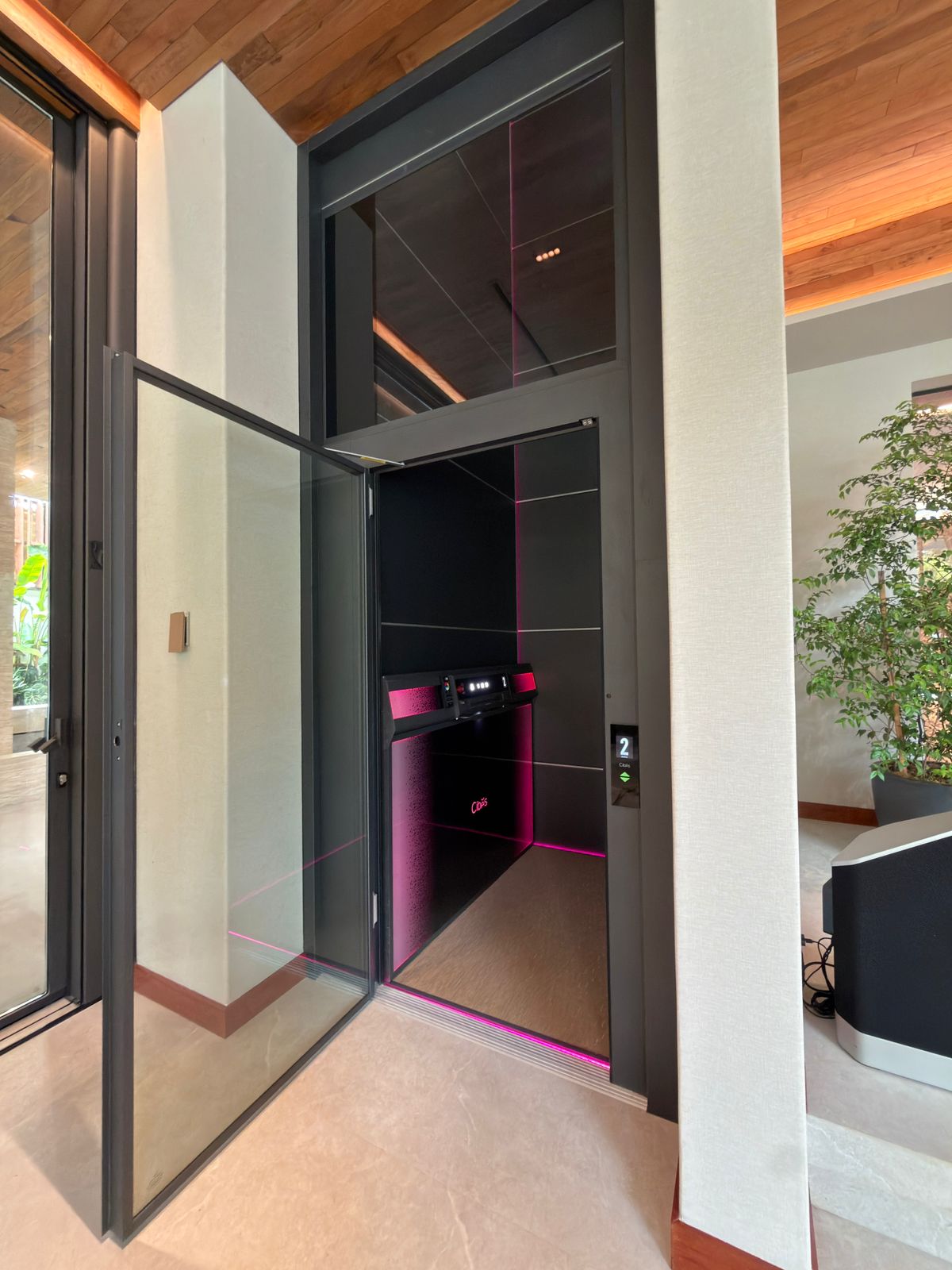
According to current regulations, the following PWD elevator design features shall apply: a cabin of at least 1.1 m x 1.4 m, door openings of 900 mm, control panels located within an arm’s reach (900-1200 mm), and featuring braille or tactile buttons, non-slip floors, door opening and closing sensors, handrails, and batteries in case of brownouts. In addition, cabins of 1.4 m x 1.4 m allow for a wheelchair and an attendant to ride together.
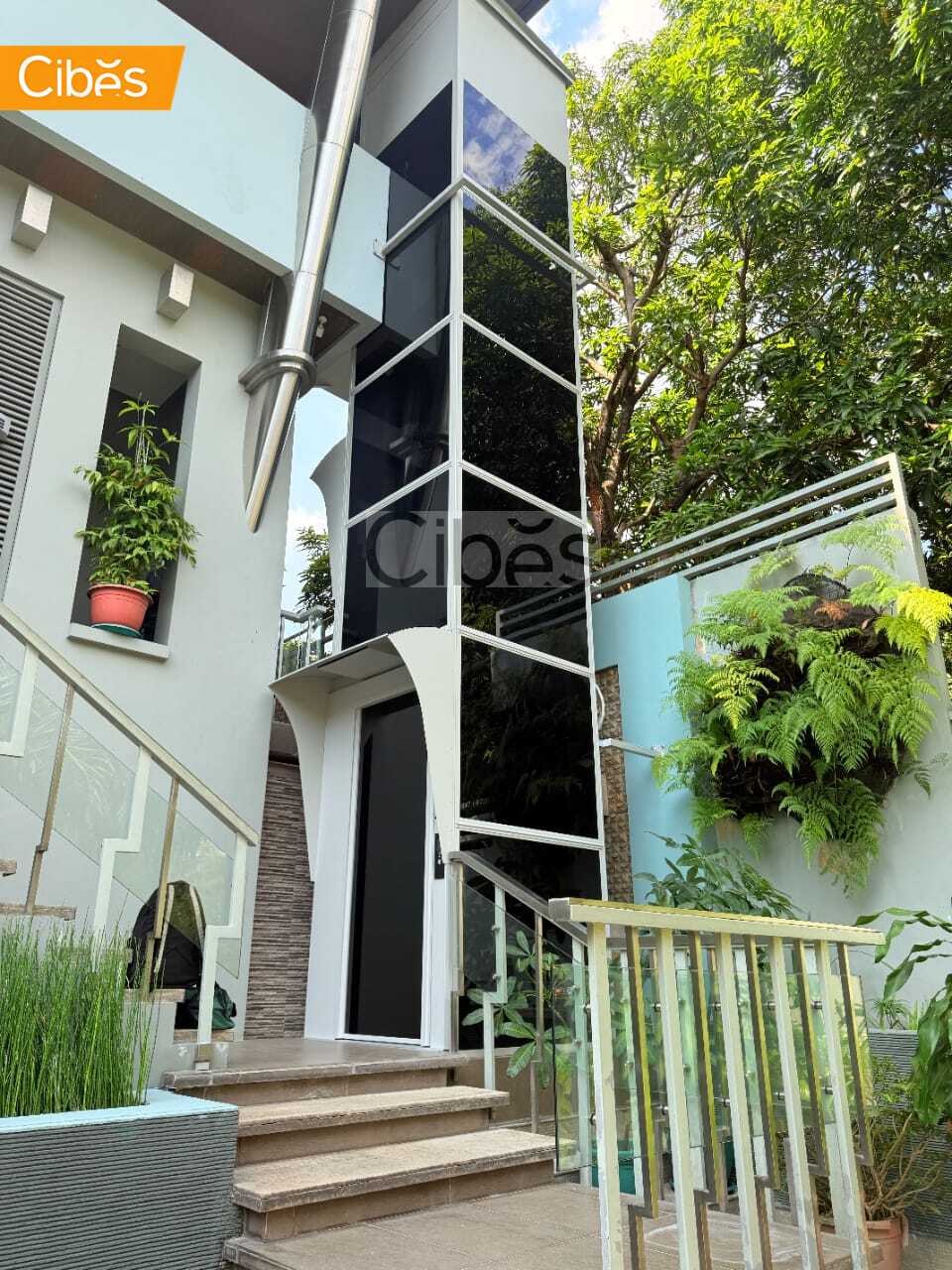
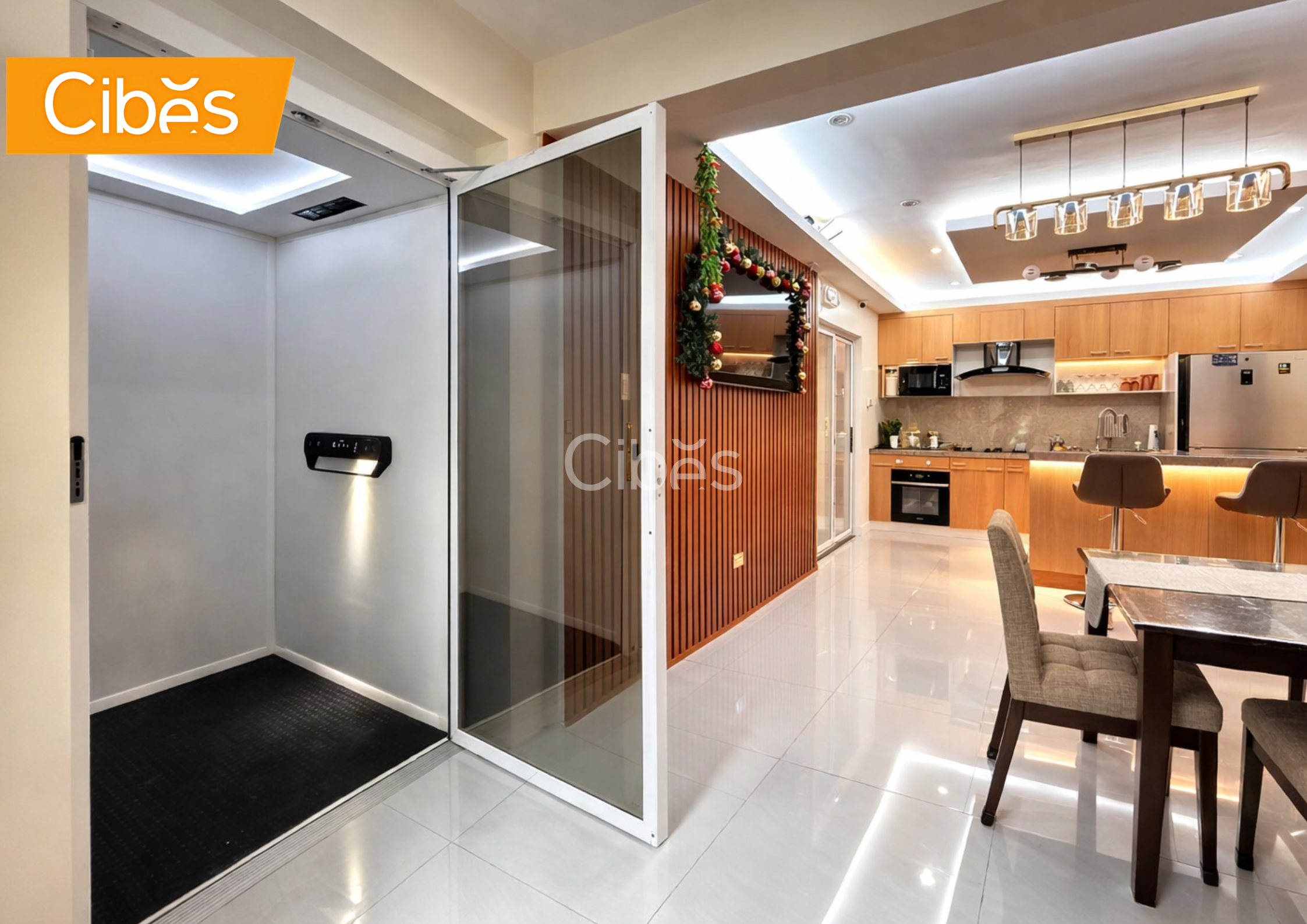
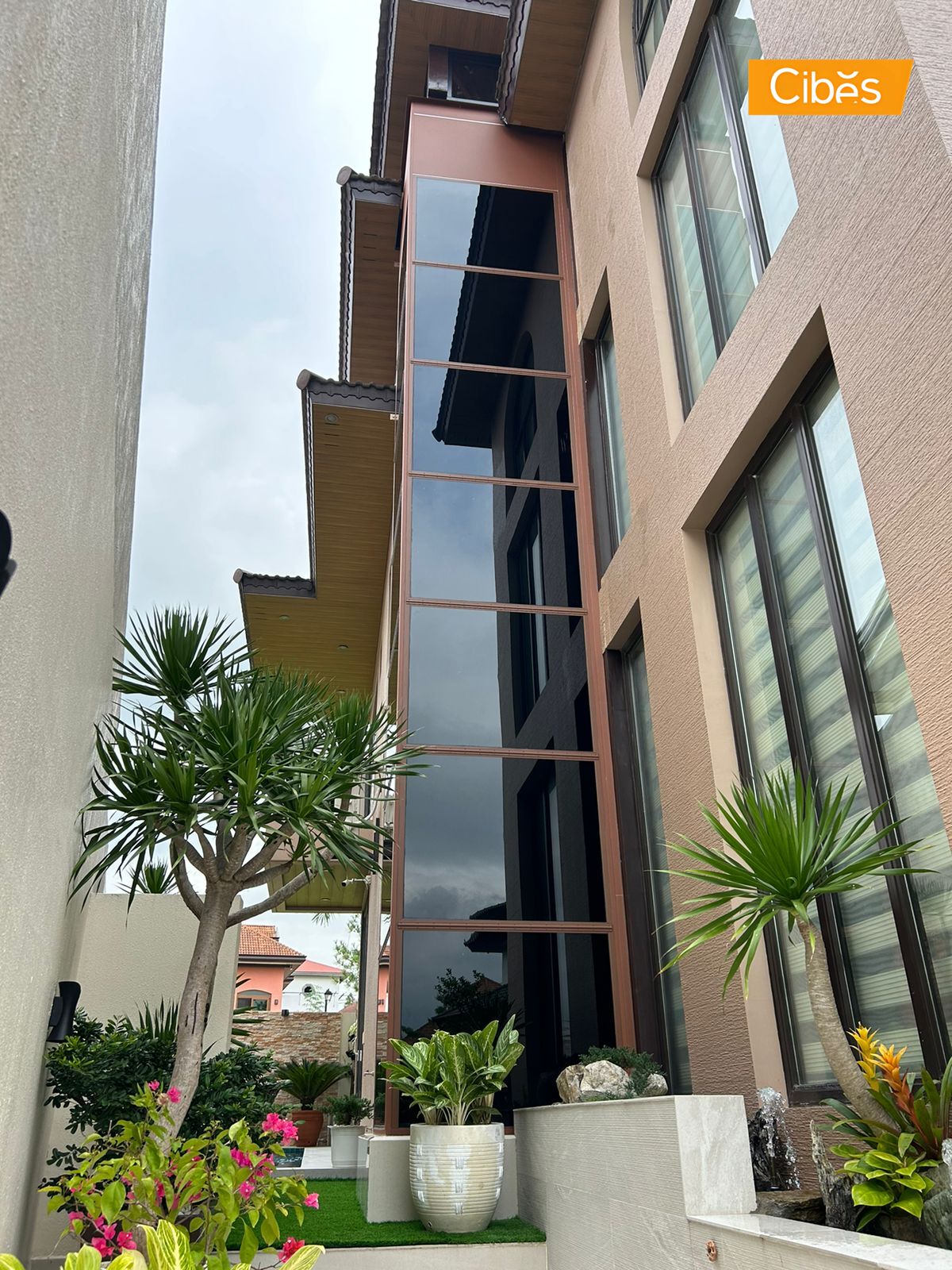
There are both indoor and outdoor installations available.
The latter option might be especially preferable when the house interior does not have enough space for an elevator shaft.
Find additional details about PWD elevator specifications, design considerations, and legal requirements in the Philippines below.
Learn more about PWD Elevators in the Philippines
What Stair Lift Options Are Available for Homes in the Philippines?
Installing a stair lift is often the fastest, easiest, and most affordable means of regaining full accessibility to multiple floors in the home.
This consists of a motor-driven seat moving up and down a rail fitted into the stairs without the need for construction or permit; straight stair lift installations take only 2 to 6 hours.
Modern stair lifts have come a long way since the past, featuring motors using either rack-and-pinion or cable drive systems with almost silent operation (only 45-55 dB of noise) that can support a load capacity of 120-200 kg, swivel seats that make it easy to disembark safely, obstacle sensors, safety belts, emergency battery power (for up to 20 cycles during brownouts), and non-slip footrests.
Typical prices of straight indoor stair lifts are around ₱180,000 to ₱350,000, with good-quality models in the range of ₱220,000 to ₱280,000.
Stair lifts for curved stairs that involve turnings, bends, and even spiral steps need to be customized for the specific configuration, which puts their price in the range of ₱400,000 to ₱900,000+.
For further details on available stair lifts in the Philippines and to find out which one will fit your stair configuration, keep reading below.
Learn more about existing Stair Lift Options in the Philippines
Should You Choose a Stair Lift, Platform Lift, or Home Elevator?
When a household living in Manila encounters mobility problems, they have to choose from three possible options, and doing so without any systematic criteria can be quite difficult.
Stair lifts transport a single person sitting on a chair-type lift at a relatively fast speed; installation and price are low, although it will serve just a single user who can manage alone.
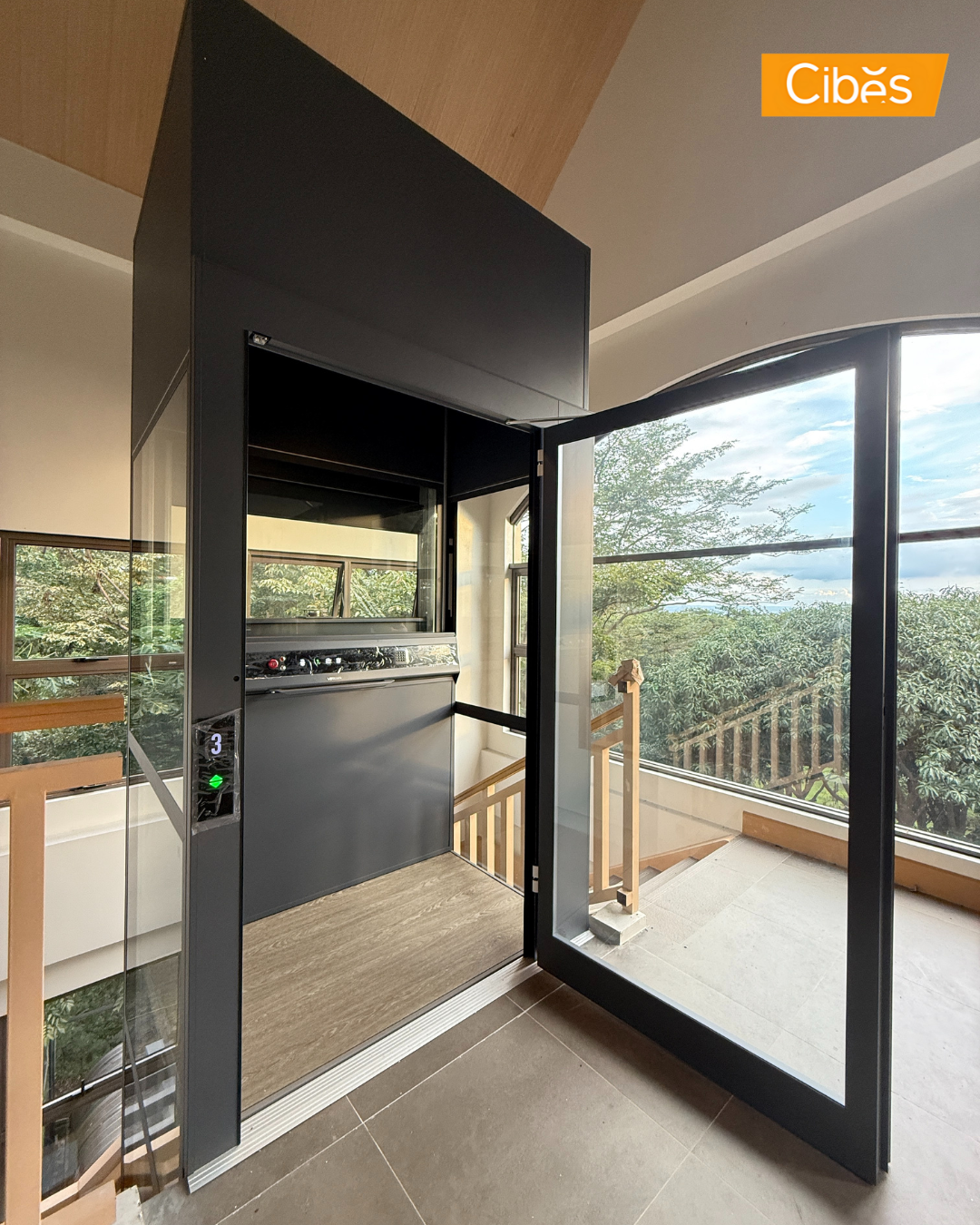
Platform lifts involve moving a free space between floors, and they are wheelchair accessible as well as more spacious when compared to other kinds. Residential elevators provide the most comprehensive choice, and are available to multiple users, wheelchair users, able to carry various objects, and add to your property value, although they require a greater expense.
While there is no universal answer to that question, the right choice does exist, and this article will help you make it.
Learn More about choosing between a Stair Lift, Platform Lift, or Home Elevator
How Much Does a Stair Lift Cost in the Philippines in 2026?
One critical consideration when pricing Philippines stair lifts that most homeowners tend to ignore is whether the staircase is straight or curved.
Straight stair lifts have prices ranging from ₱180,000 to ₱350,000 and only take hours to install using regular components.
The installation price for curved staircases, which have a turn, landing, or spiral shape, ranges from ₱400,000 to ₱900,000 or more, taking six to ten weeks to fabricate a custom rail.
Outdoor or waterproof stair lifts are priced from ₱100,000 to ₱150,000 higher than indoor ones, while coastal marine-grade stair lifts cost ₱50,000 to ₱100,000 extra.
Other recurring expenses include annual service agreements ranging from ₱18,000 to ₱35,000, as well as battery replacement every three to five years, typically costing around ₱8,000 to ₱15,000.
Learn More bout Stair Lift Cost in the Philippines
Why Are Home Elevators a Smart Choice for Seniors in the Philippines?
The silent moment comes where an individual realizes lolo or lola holding the rail a little bit tighter each day, or taking their time sleeping downstairs because climbing up became a difficult task.
In many instances, this realization may come slowly but quickly at once. With a home lift in place, the problem is solved right at its source, ensuring that the elderly members retain their freedom and self-respect.
Notably, the discussion here goes beyond just the lift itself, to address the broad range of adaptations needed to support aging-in-place, from lighting to bathroom adaptations, smart home technology to garden modifications, to argue why the installation of a home lift is the most significant upgrade to a house’s accessibility.
Finally, in terms of cost-effectiveness, it is crucial to note that while it can be a significant upfront investment, adapting the home so that family members can age in place, including the installation of a lift, costs no more than a few years of assisted living facility fees.
Learn More about aging in place with Home Lifts in the Philippines
Frequently Asked Questions
Q: What is the best home accessibility solution in the Philippines?
A: The best solution depends on mobility needs and budget. Stair lifts are ideal for quick and affordable access, platform lifts suit wheelchair users, and home elevators offer the most complete long-term solution.
Q: What is the difference between a stair lift, platform lift, and home elevator?
A: Stair lifts carry one seated user along the stairs, platform lifts move a wheelchair vertically, and home elevators provide full access for multiple users across floors with greater comfort and capacity.
Q: Are home elevators required for PWD compliance in the Philippines?
A: For private homes, elevators are not always mandatory, but they are often the most practical solution for full accessibility. Public buildings must follow accessibility laws such as BP 344.
Q: Which accessibility solution is best for elderly family members?
A: Stair lifts are often the simplest solution for seniors, while home elevators are better for long-term use, especially when mobility may decline further over time.
Q: Can accessibility solutions be installed in existing homes?
A: Yes, many systems such as stair lifts, platform lifts, and certain home elevators are designed for retrofitting with minimal structural modifications.
Which Accessibility Solution Is Right for Your Home?
Home accessibility is not simply an issue of which product to purchase; it is about ensuring that every member of your household can move safely and independently within the home.
Which Accessibility Solution Is Right for Your Home?
- Best for quick & low cost → stair lift
- Best for wheelchair users → platform lift
- Best long-term solution → home elevator
Whether your current best choice is the installation of a stairlift within the next few hours, a PWD elevator that complies with Philippine accessibility standards, or a full-scale home lift system that can cater to your whole family’s requirements for decades to come, the most important thing is to begin the discussion.
Cibes Lift Philippines has been assisting Filipino families in identifying the proper product for them.
Related Guides
To better understand your options, you may also explore:
- Home Elevators Philippines: Complete Guide, Costs & Best Options
- Elevator Pricing in the Philippines: Everything You Need to Know Before You Buy
- Types of Home Lifts in the Philippines: Features, Pros & Best Uses
- Home Elevator Installation & Dimensions in the Philippines: Complete Planning Guide
- Cibes Home Elevators Philippines: Products, Technology & Expert Guide


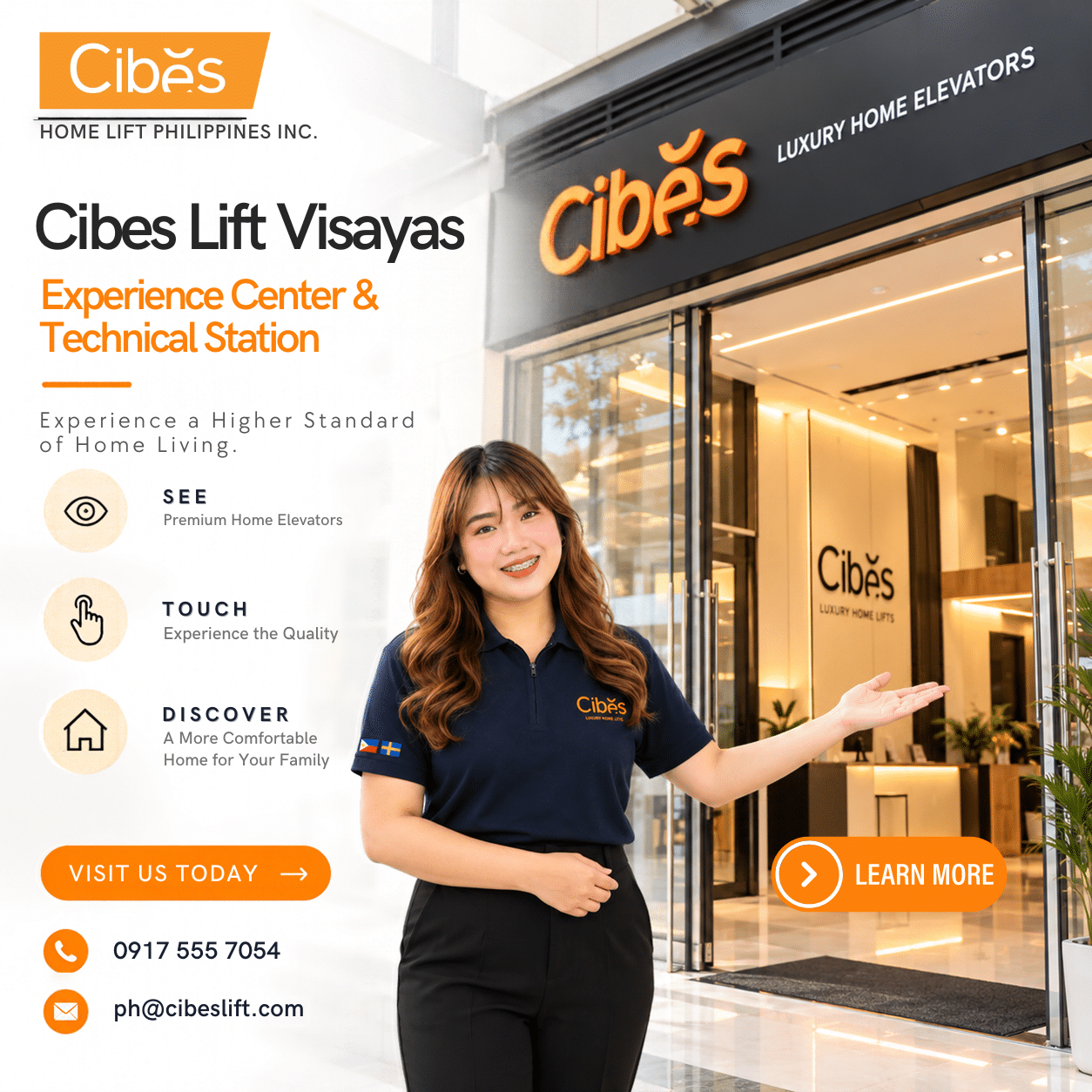
TL;DR The Cibes Experience Center Visayas in Cebu City lets homeowners, architects, designers, contractors, and developers see Cibes home lifts in person. Visitors can experience the lift cabin, review available designs and features, and discuss installation requirements with the Cibes team. The Cebu Experience Center currently lists V90 Elegance, Z85 Antera, and Ascenda among its […]
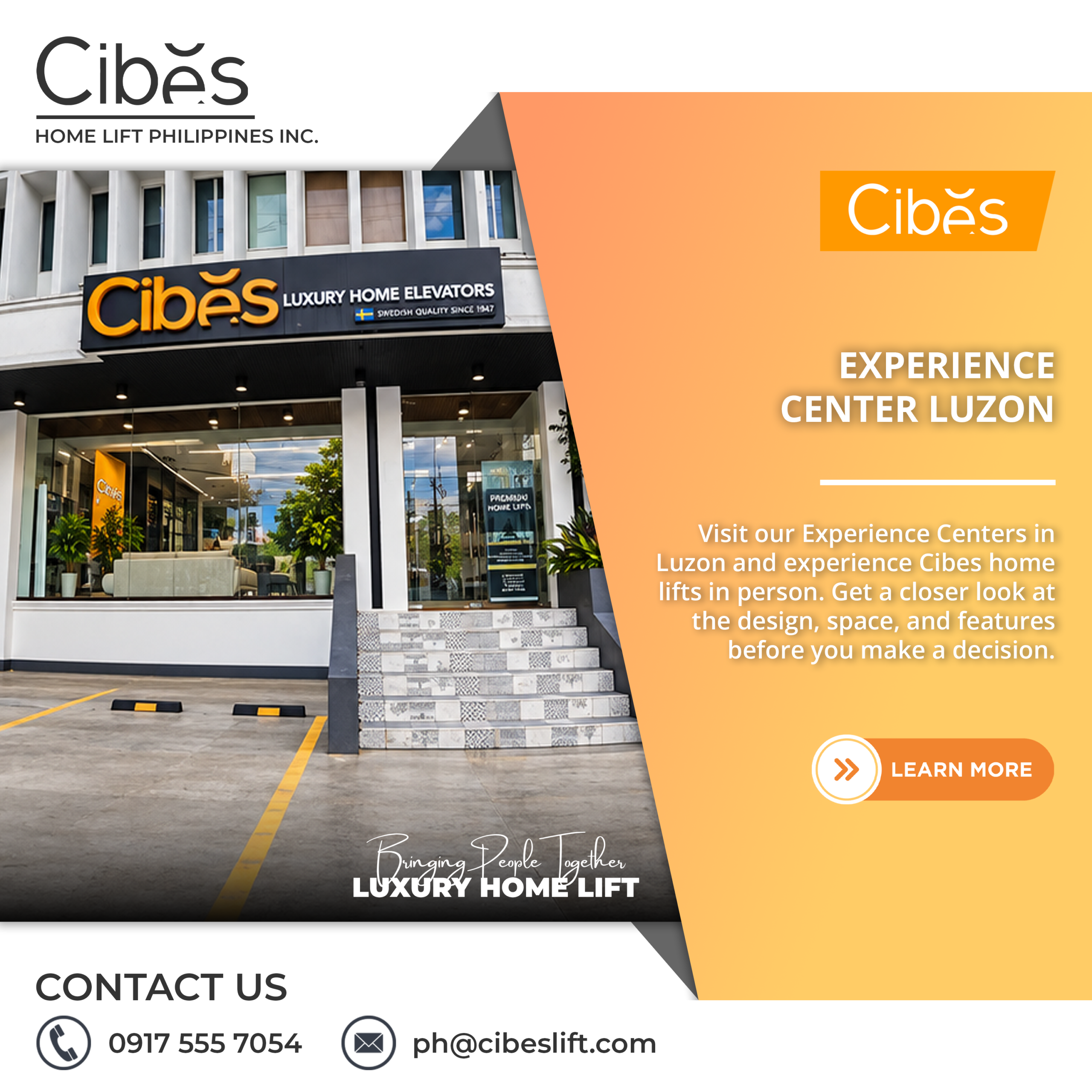
TL;DR Cibes Experience Center Luzon lets homeowners and property professionals experience Cibes home lifts in person before making a decision. Cibes Lift Philippines has 13 demo lifts across three Luzon Experience Centers: Makati (8), Mandaluyong (2), and Balintawak, Quezon City (3). Visitors can ride the lifts, check cabin space, test the controls, explore designs, and […]

TL;DR Sustainable home elevators in the Philippines are becoming an important consideration for homeowners who want to improve accessibility without overlooking environmental responsibility. Modern home elevators can support energy-efficient living through efficient drive systems, durable materials, renewable energy integration, and reduced structural changes compared with major home renovations. The Environmental Case for Sustainable Home Elevators […]

TL;DR Home Elevator Performance plays an important role in the safety, comfort, efficiency, and long-term reliability of a residential lift. While regular maintenance keeps your elevator operating reliably, proper usage, environmental control, component monitoring, electrical optimization, and timely upgrades can further improve its performance. In this guide, discover 8 expert tips to help maximize home […]
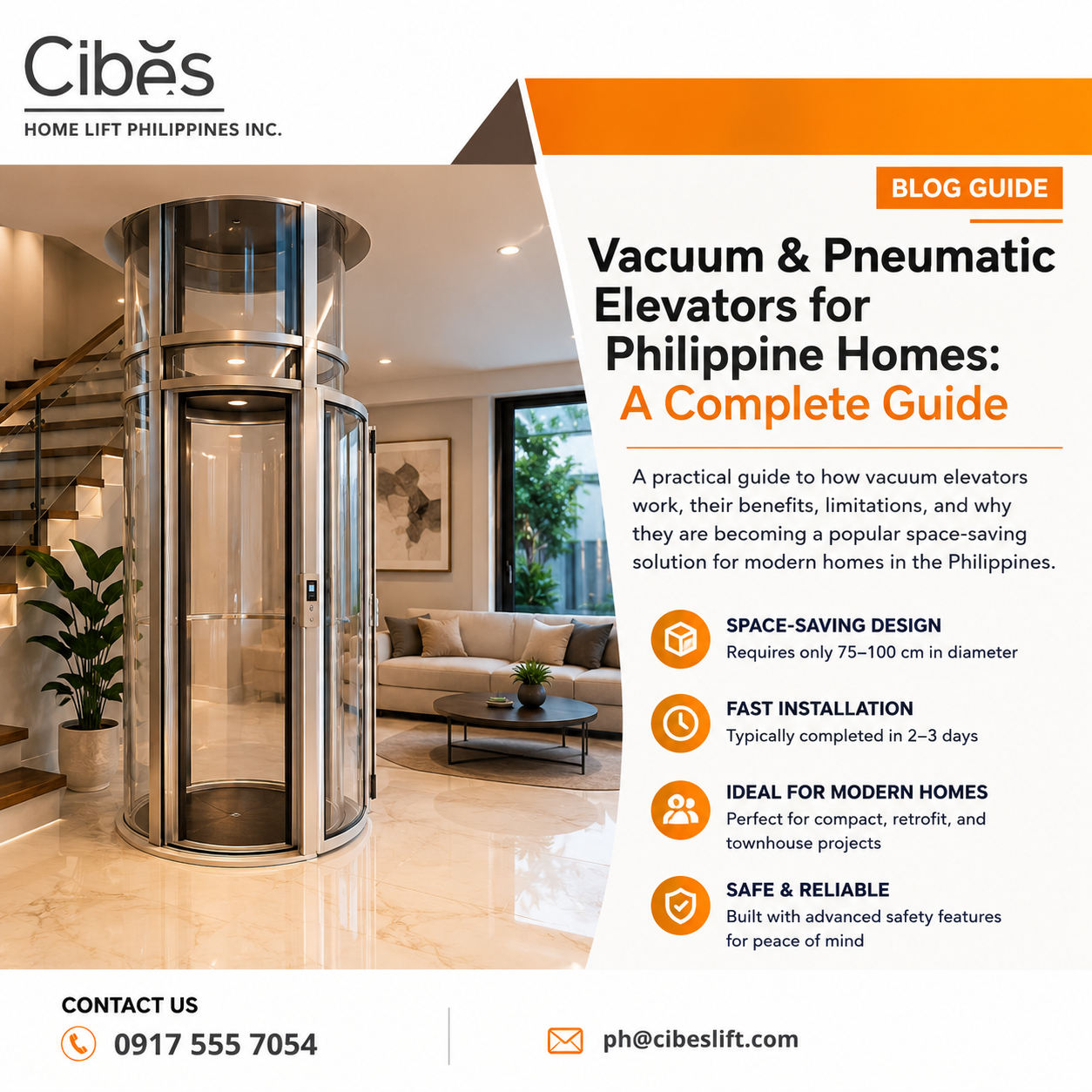
TL;DR Vacuum elevators use air pressure instead of cables or hydraulic systems to move a cabin inside a transparent tube. Most residential models require only 75 to 100 cm of space, serve 2 to 4 floors, carry 205 to 238 kg, and can often be installed in 2 to 3 days with minimal structural work. […]