Blog - 06/08/2026
What You Need to Know About PWD Elevators and Wheelchair Lifts in the Philippines
TL;DR
A PWD elevator in the Philippines must support wheelchair access and follow accessibility standards. The minimum cabin size is 1.1 m × 1.4 m, door opening must be at least 900 mm, and elevator controls must be placed 900-1,200 mm above the floor with Braille or raised buttons. Public buildings must provide accessible facilities under Batas Pambansa Blg. 344 and RA 7277, which protect rights of persons with disabilities.
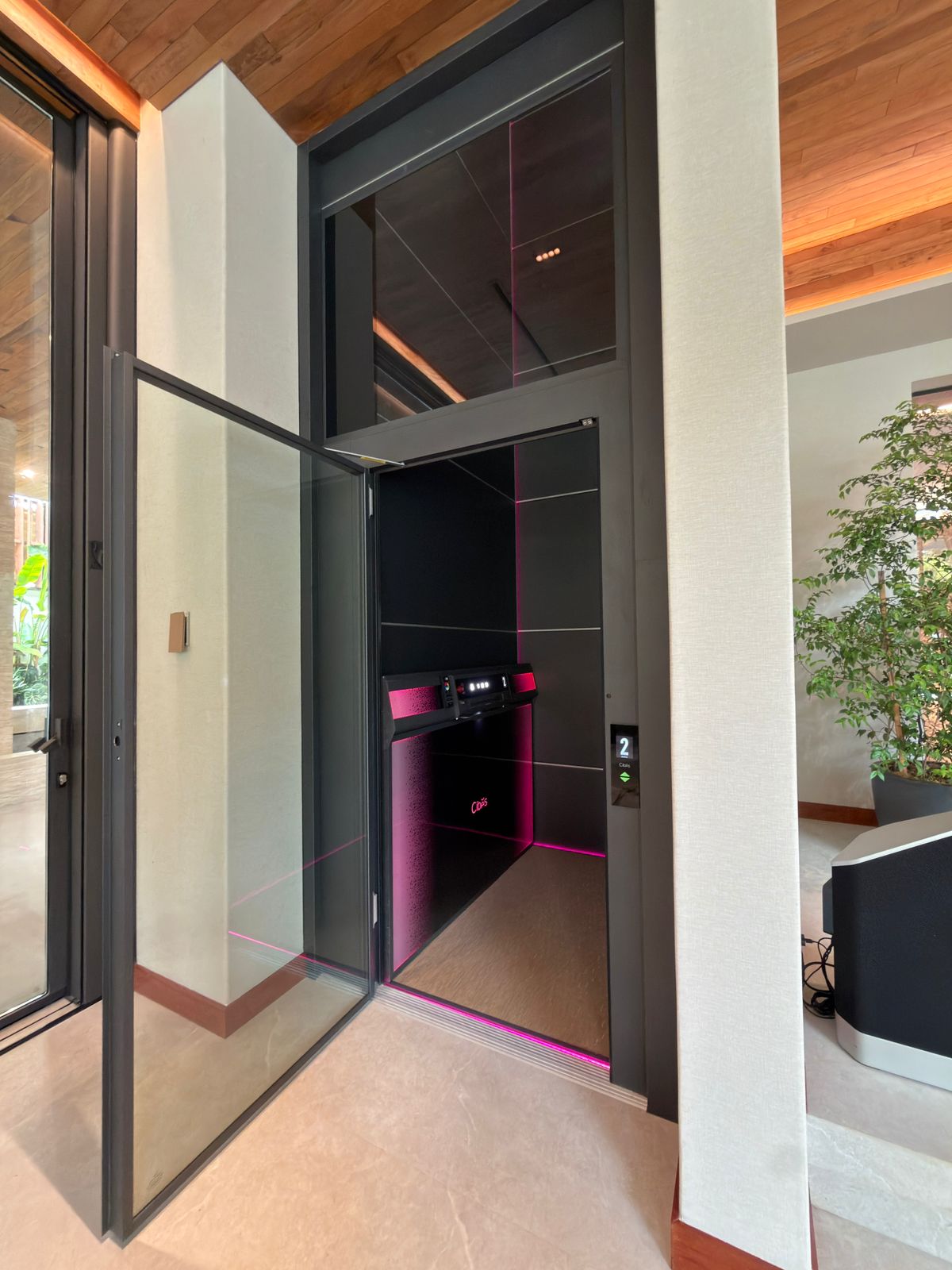
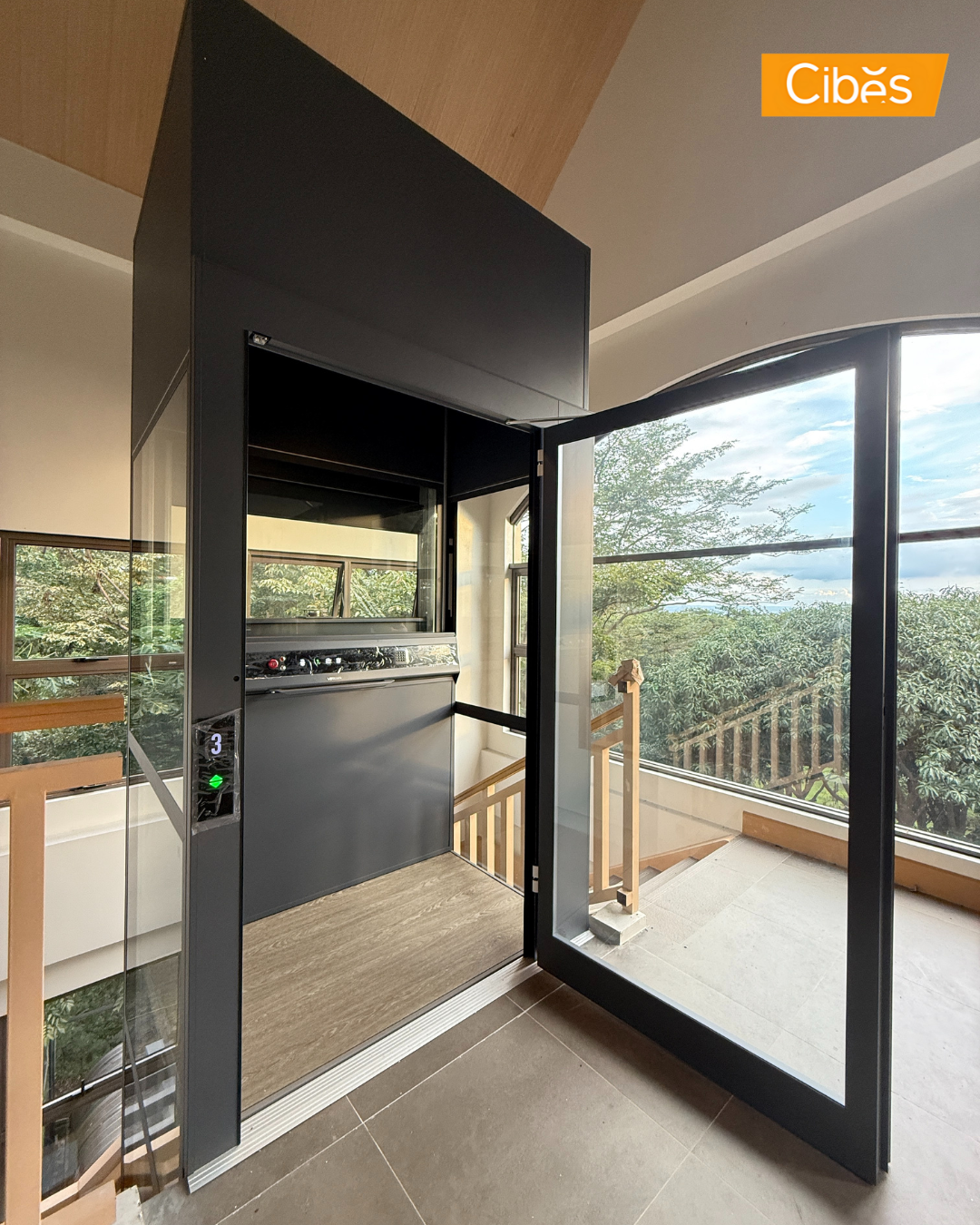
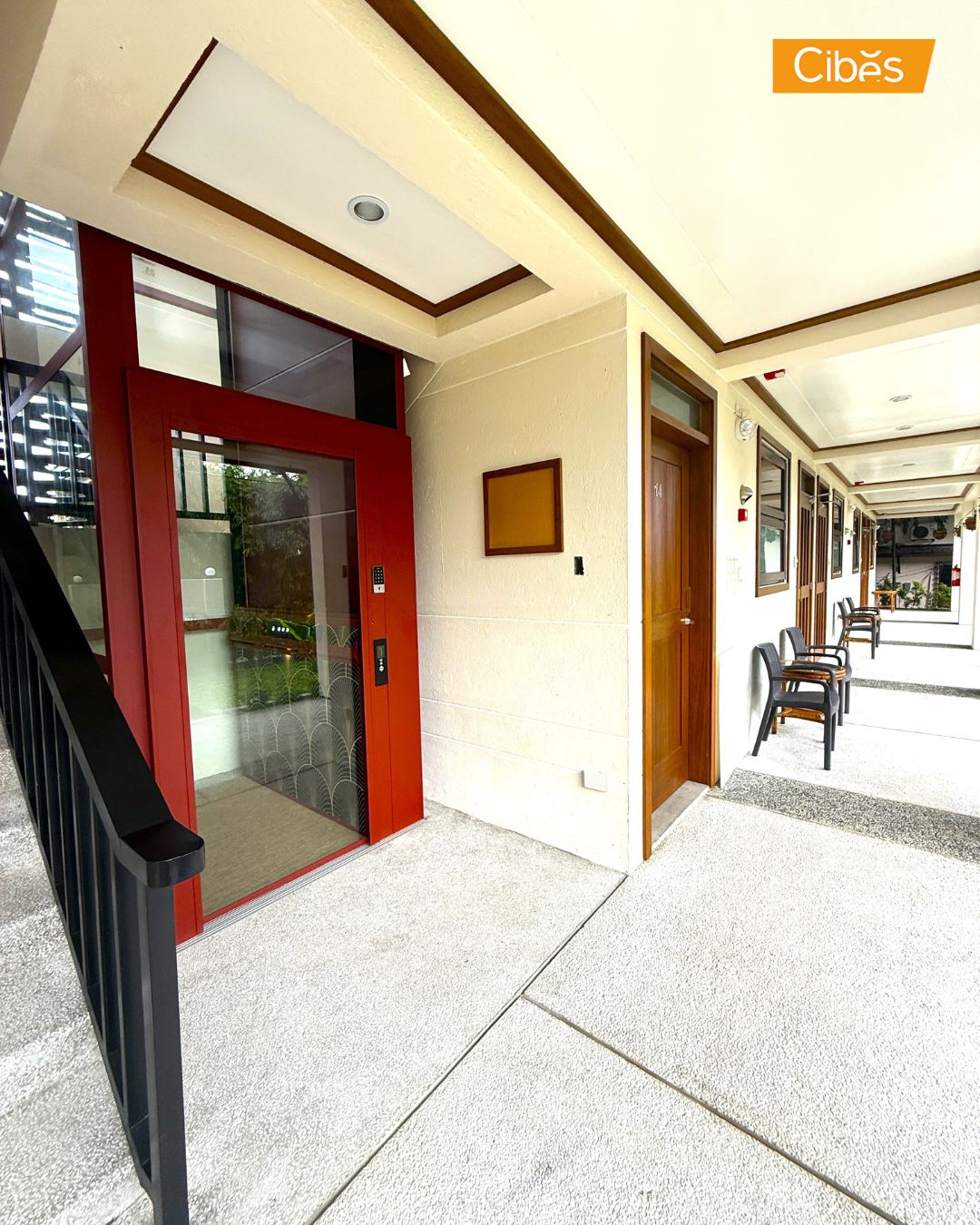
These accessibility lifts help Filipinos move safely between floors in homes.
If you’re exploring mobility solutions for older adults, wheelchair users, or family members with accessibility needs, our Home Accessibility Solutions in the Philippines Guide compares stair lifts, platform lifts, home elevators, and other options available to Filipino homeowners.
What Are the Required for PWD Elevators in the Philippines?
Cibes Lifts are designed around wheelchair dimensions and safety needs. Philippine guidelines highlight several key specifications.
| Specification | Minimum Requirement | Notes |
| Cabin size | 1.1 m × 1.4 m | Allows wheelchair entry |
| Recommended cabin | 1.4 m × 1.4 m | Gives turning space |
| Door width | 900 mm clear opening | Wheelchair passage |
| Control panel height | 900 – 1,200 mm | Reachable from seated position |
| Control design | Braille or raised buttons | Large buttons preferred |
Safety features normally include:
- Door sensors to prevent contact with a wheelchair
- Emergency communication buttons
- Non-slip flooring and handrails
- Interior lighting
- Battery backup for brownouts
Reliable power backup is especially important because power interruptions still occur in many parts of the Philippines.
Which Philippine Laws Require Accessible Elevators?
Several laws require accessibility in buildings across the country.
Batas Pambansa Blg. 344 (Accessibility Law)
BP 344 requires buildings used by the public to be accessible to persons with disabilities. This includes ramps, lifts, and other mobility facilities.
RA 7277 – Magna Carta for Persons with Disability
RA 7277 strengthens accessibility protections and introduces penalties for establishments that ignore these requirements.
National Building Code of the Philippines
The building code sets the technical rules for construction, including accessibility standards such as elevator size and door clearance.
Together, these regulations guide building owners, developers, and contractors across Metro Manila, Cebu, Davao, and other Philippine cities when planning accessible structures.
Can You Install a Wheelchair Lift in a Filipino Home?
Yes. Many lifts can be installed in existing houses, including older homes with multiple floors.
However, several factors should be reviewed first.
Structural assessment
Some homes may need reinforcement before installing an elevator.
Location inside the house
The lift should connect areas used daily such as living rooms, entrances, and bedrooms.
Barangay or LGU approvals
Large structural changes may require permits from the local barangay or city government.
Electrical reliability
Elevators should continue operating safely during brownouts, which remain common in some regions.
Because many Philippine homes have compact layouts, modern lifts are often designed for retrofit installation without major reconstruction.

Indoor vs Outdoor Wheelchair Lifts in the Philippines
Both installation types are common depending on available space.
Indoor lifts
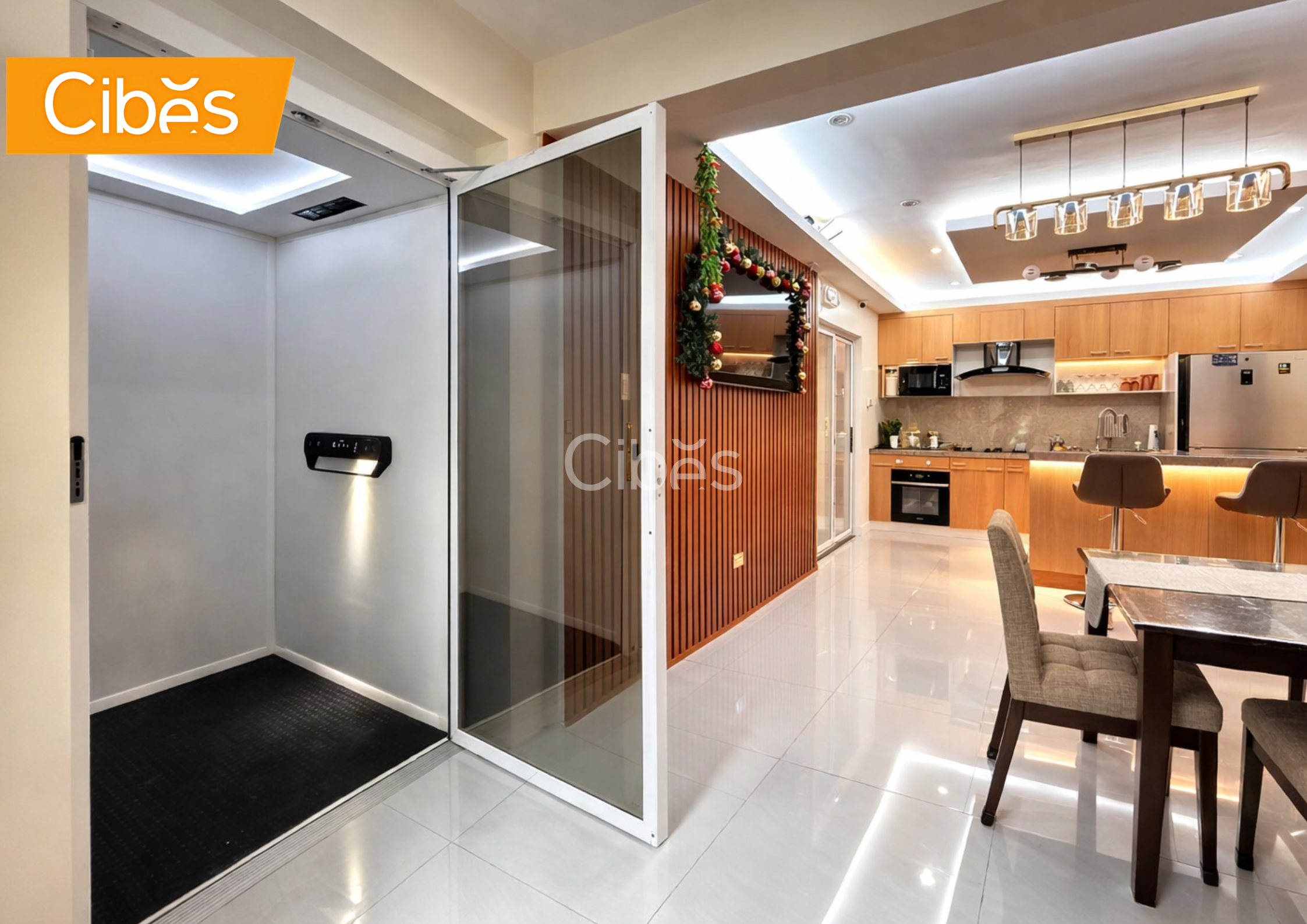
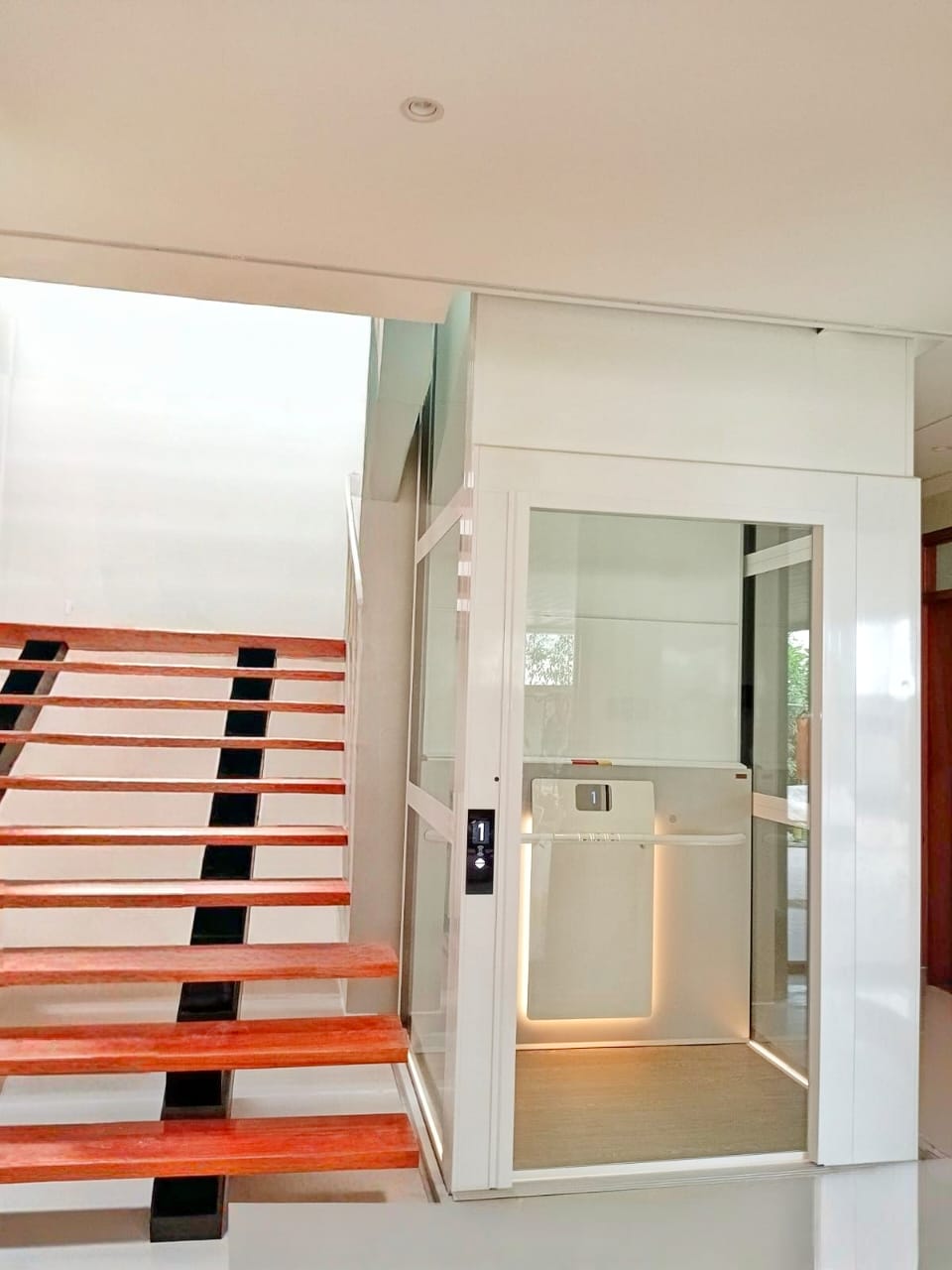
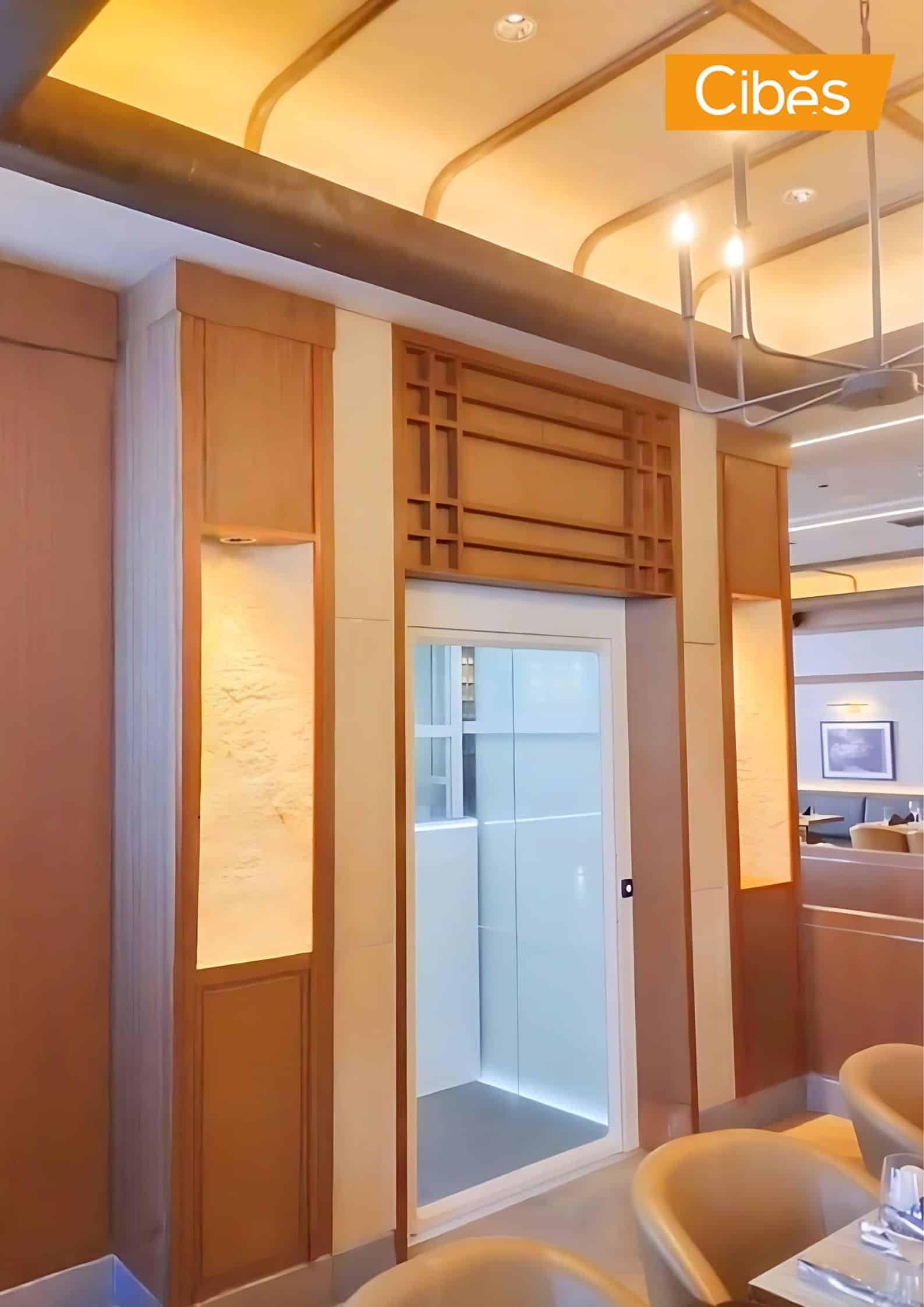
Cibes Indoor elevators are protected from rain and heat. They usually integrate better with interior design.
Outdoor lifts
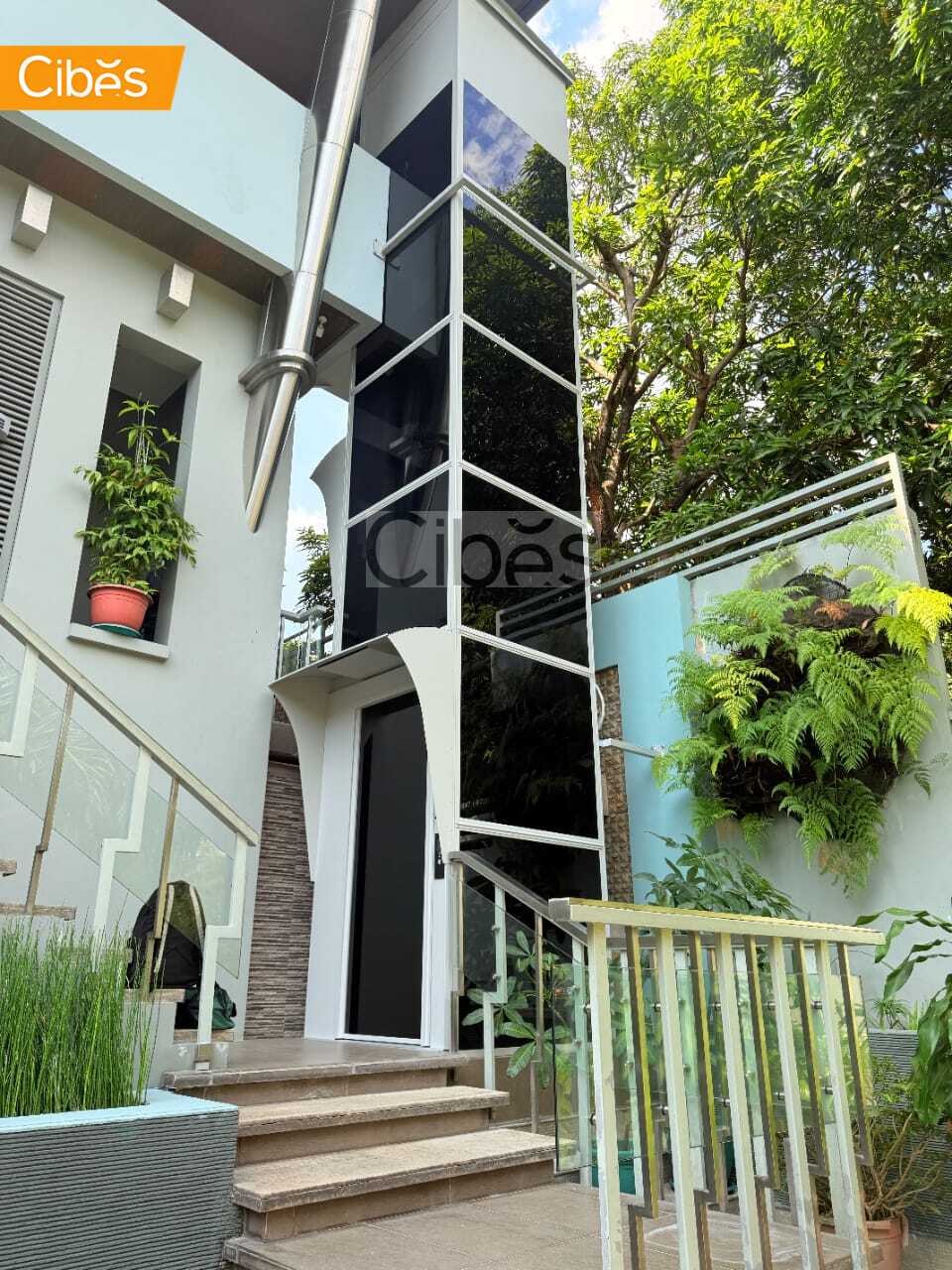
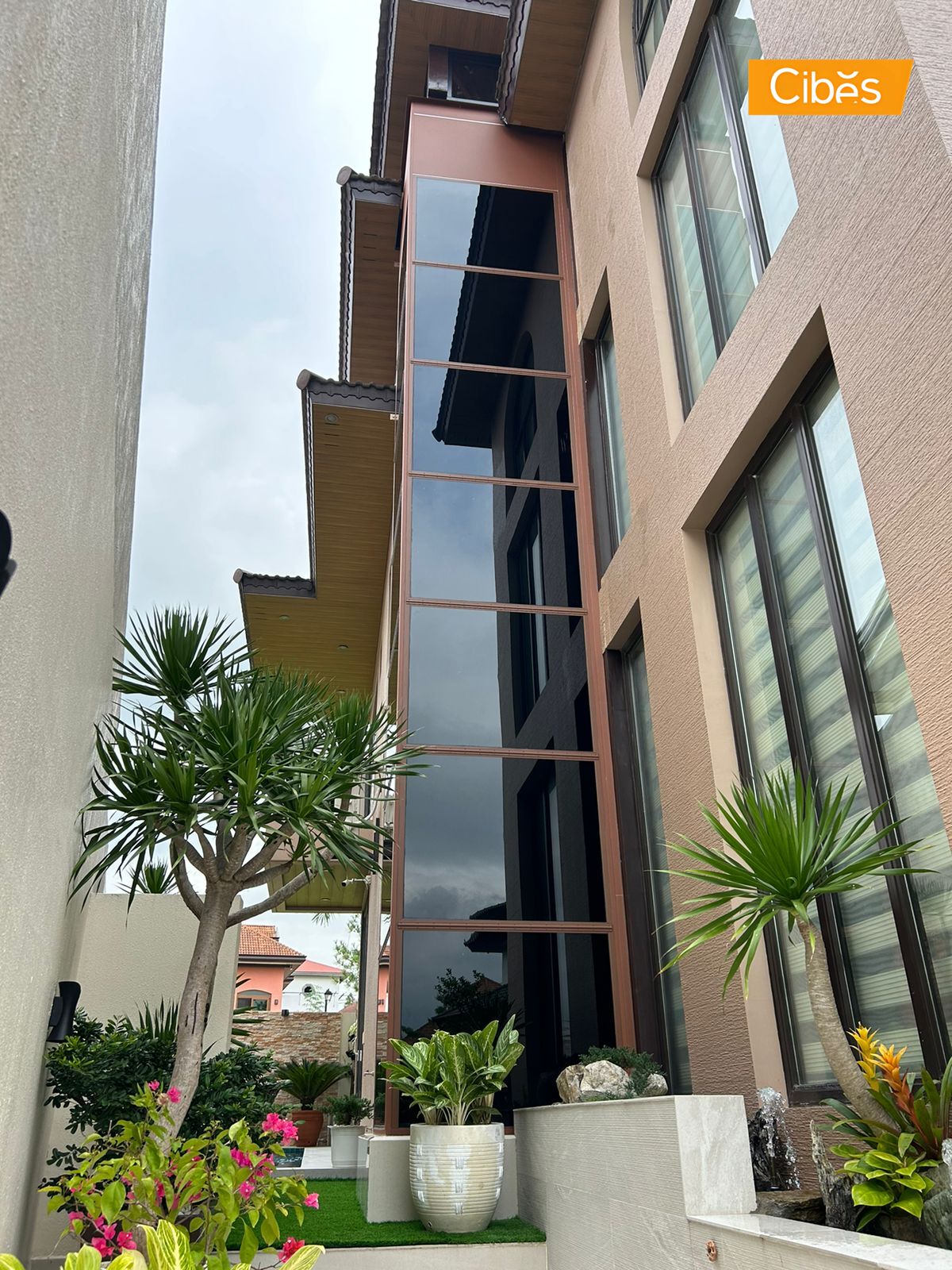
Cibes Outdoor lifts work well when there is limited interior space. Weather-resistant materials allow them to handle the tropical Philippine climate, including humidity and heavy rainfall.
This flexibility allows accessibility upgrades even in dense urban housing.
Why Accessibility Lifts Matter for Filipino Families
For many Filipino households, stairs become a daily challenge when a family member experiences mobility limitations.
A wheelchair lift or home elevator can restore access to every floor of the house. Bedrooms, kitchens, and living spaces remain reachable without assistance.
For elder, people recovering from injury, and individuals living with long-term disabilities, safe vertical access helps support independence and dignity at home.
Frequently Asked Questions About Wheelchair Lifts in the Philippines
Q: What is a PWD elevator?
A: A PWD elevator is a lift designed for wheelchair access and mobility support, with accessible controls and safety features.
Q: Are elevators required in public buildings?
A: Yes. Under BP 344 and RA 7277, public and commercial buildings must provide accessible facilities.
Q: How much space does a wheelchair elevator need?
A: Most require a minimum cabin size of 1.1 m × 1.4 m, though larger cabins are recommended.
Q: Can lifts be installed in older houses?
A: Yes. Many accessibility lifts are designed for retrofitting existing homes.
Q: Do wheelchair lifts work during brownouts?
A: Many systems include battery backup so they can operate safely during power outages.
Q: What is the difference between a PWD elevator and a platform lift?
A: PWD elevators have enclosed cabins for regular use. Platform lifts are open or semi-enclosed systems for short travel distances.
Q: How often should elevators be serviced?
A: Professional inspection is usually recommended once or twice per year.
Q: Are outdoor lifts suitable for the Philippine climate?
A: Yes. Weather-resistant materials help protect the system from heat, rain, and humidity.
Read more

Cibes Author
Kevin Der Arslanian is the Vice President of Sales for APAC & MENA at Cibes Lift Group. Since joining in 2017, he has helped grow the company’s presence across key markets, bringing a clear, practical approach to leadership and a strong focus on customer needs.
Kevin Der Arslanian | LinkedIn
Thinking about adding a home lift?
Contact us now to learn more or schedule your installation!



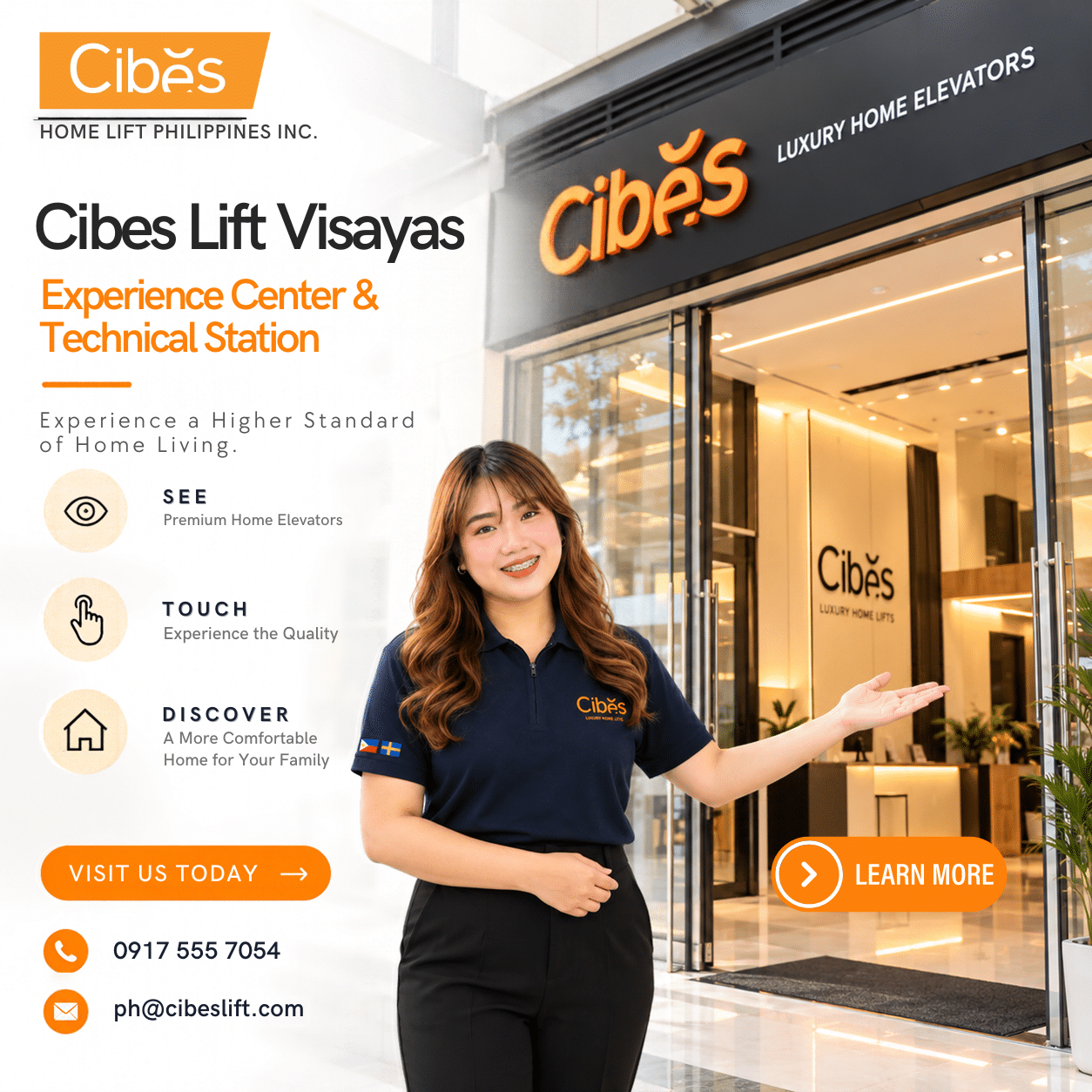
TL;DR The Cibes Experience Center Visayas in Cebu City lets homeowners, architects, designers, contractors, and developers see Cibes home lifts in person. Visitors can experience the lift cabin, review available designs and features, and discuss installation requirements with the Cibes team. The Cebu Experience Center currently lists V90 Elegance, Z85 Antera, and Ascenda among its […]
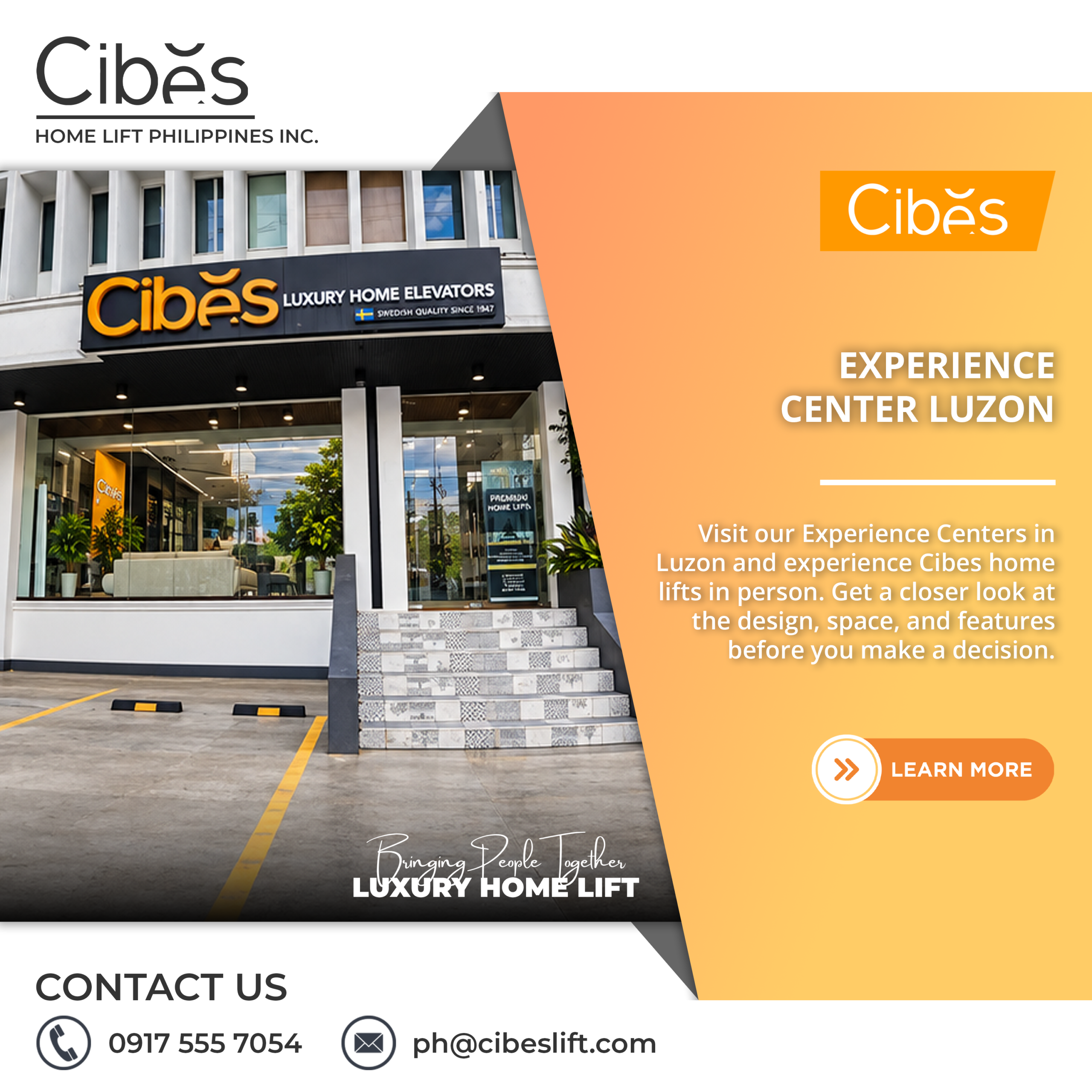
TL;DR Cibes Experience Center Luzon lets homeowners and property professionals experience Cibes home lifts in person before making a decision. Cibes Lift Philippines has 13 demo lifts across three Luzon Experience Centers: Makati (8), Mandaluyong (2), and Balintawak, Quezon City (3). Visitors can ride the lifts, check cabin space, test the controls, explore designs, and […]

TL;DR Sustainable home elevators in the Philippines are becoming an important consideration for homeowners who want to improve accessibility without overlooking environmental responsibility. Modern home elevators can support energy-efficient living through efficient drive systems, durable materials, renewable energy integration, and reduced structural changes compared with major home renovations. The Environmental Case for Sustainable Home Elevators […]

TL;DR Home Elevator Performance plays an important role in the safety, comfort, efficiency, and long-term reliability of a residential lift. While regular maintenance keeps your elevator operating reliably, proper usage, environmental control, component monitoring, electrical optimization, and timely upgrades can further improve its performance. In this guide, discover 8 expert tips to help maximize home […]
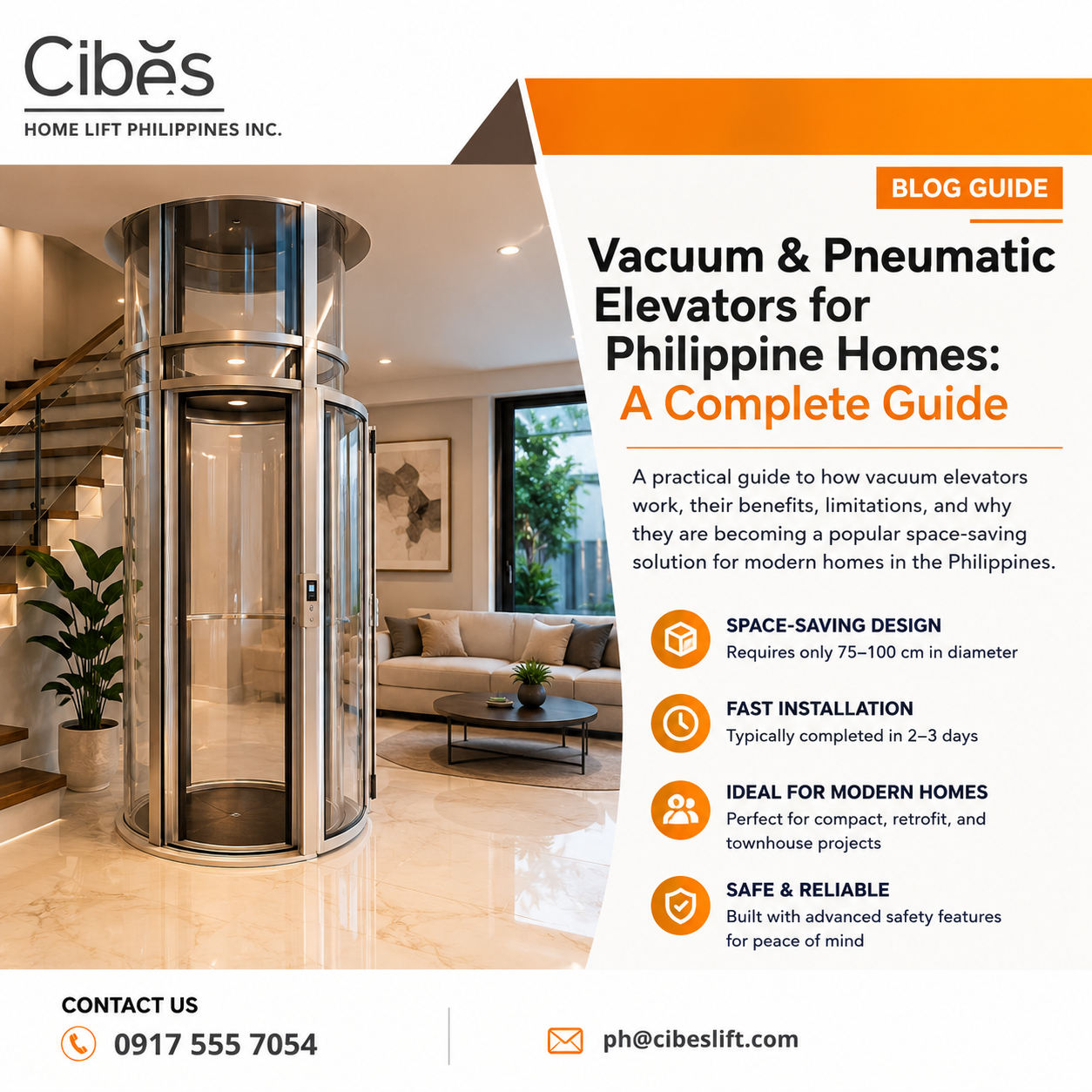
TL;DR Vacuum elevators use air pressure instead of cables or hydraulic systems to move a cabin inside a transparent tube. Most residential models require only 75 to 100 cm of space, serve 2 to 4 floors, carry 205 to 238 kg, and can often be installed in 2 to 3 days with minimal structural work. […]