Blog - 11/01/2026
Stairlifts vs Home Lifts: Which One is Better?
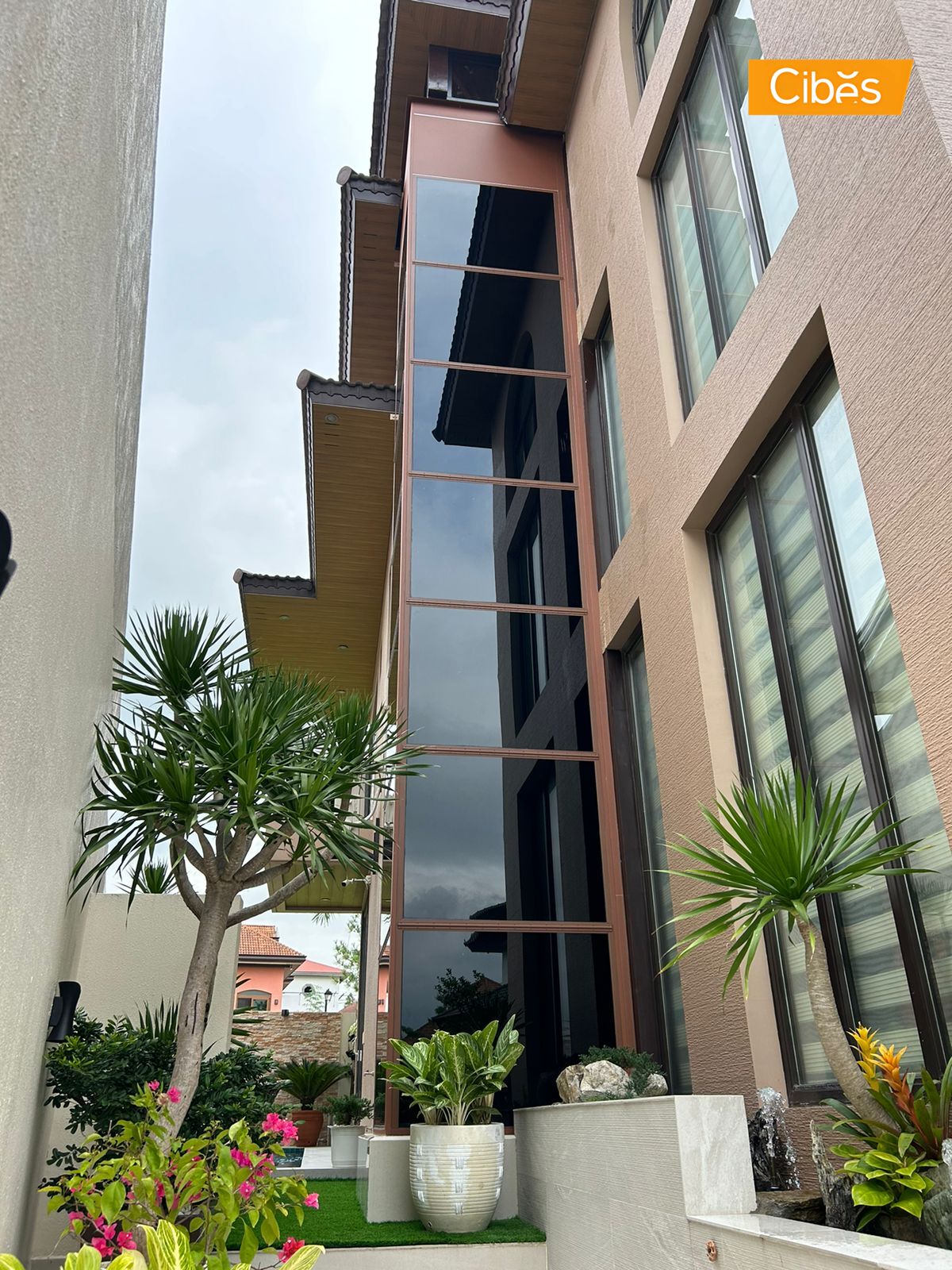
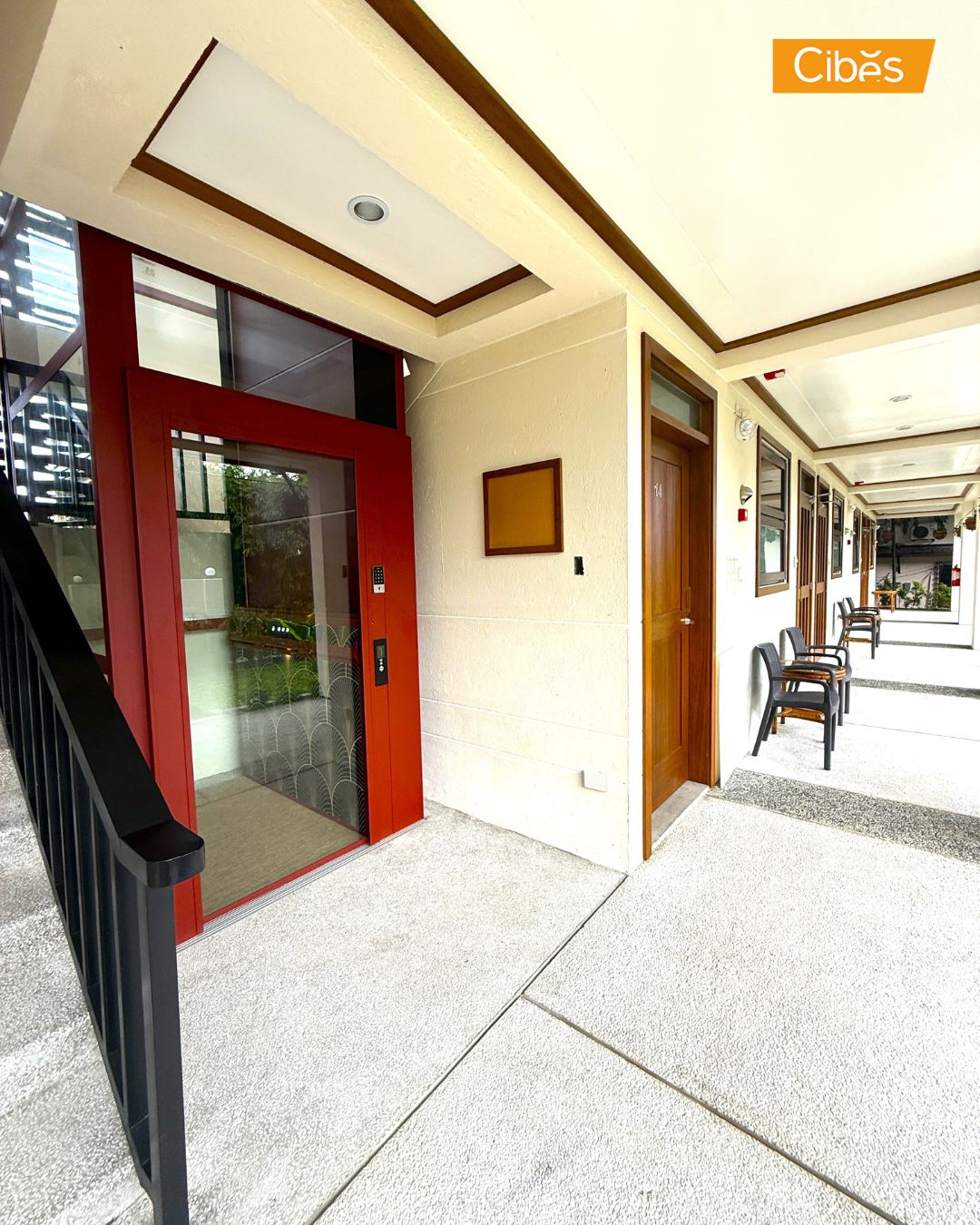
When mobility problems crop up in multi-story homes, most households end up having to choose between two primary options: stairlifts and home lifts. Both do essentially the same overall job of moving a person from floor to floor but do so in radically different manners, cost differently, require different installation requirements, and hold different long-term value. Cibes’ home lifts in the Philippines offer superior accessibility and aesthetics, enhancing mobility for modern homes. This detailed guide will enable you to make an informed choice based on your specific requirements, budget, and home layout.
The choice between home lifts and stairlifts, of course, will always depend on your specific situation, budget, and long-term goals. Stairlifts are a cheap, short-term solution for moderate stair climbing challenges. Home elevators ensure total accessibility, increased property value, and long-term versatility that can benefit family’s generation to generation.
What Are Stairlifts?
Stairlifts are chairlifts that travel along a rail fixed directly to your staircase. Stairlifts are designed to transport one individual at a time up or down the stairs in a seated position in the chair. The rail takes the exact shape of your staircase, so it can be fitted on nearly any type of stairs, including curved stairs.
What Are Home Lifts?
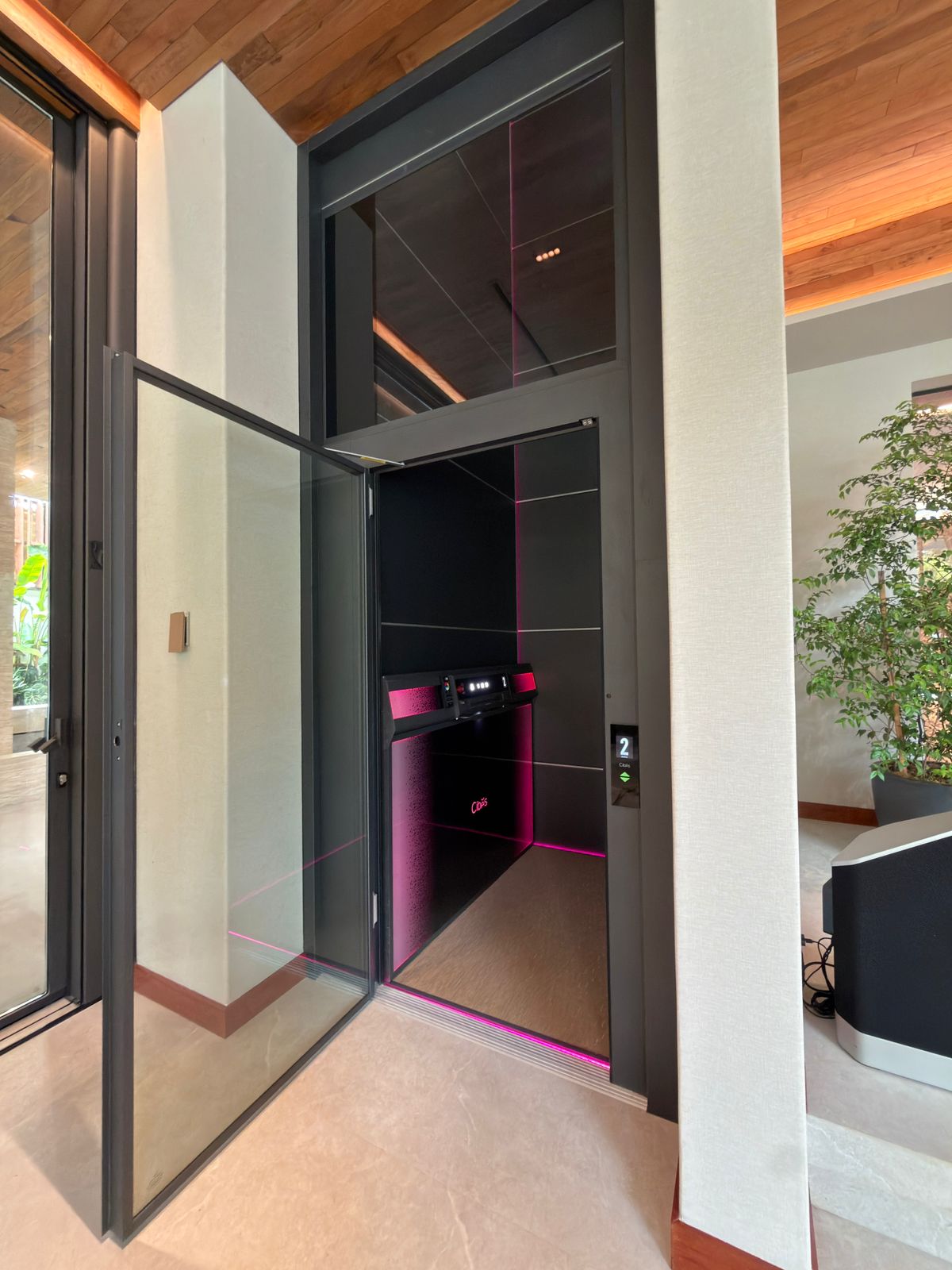
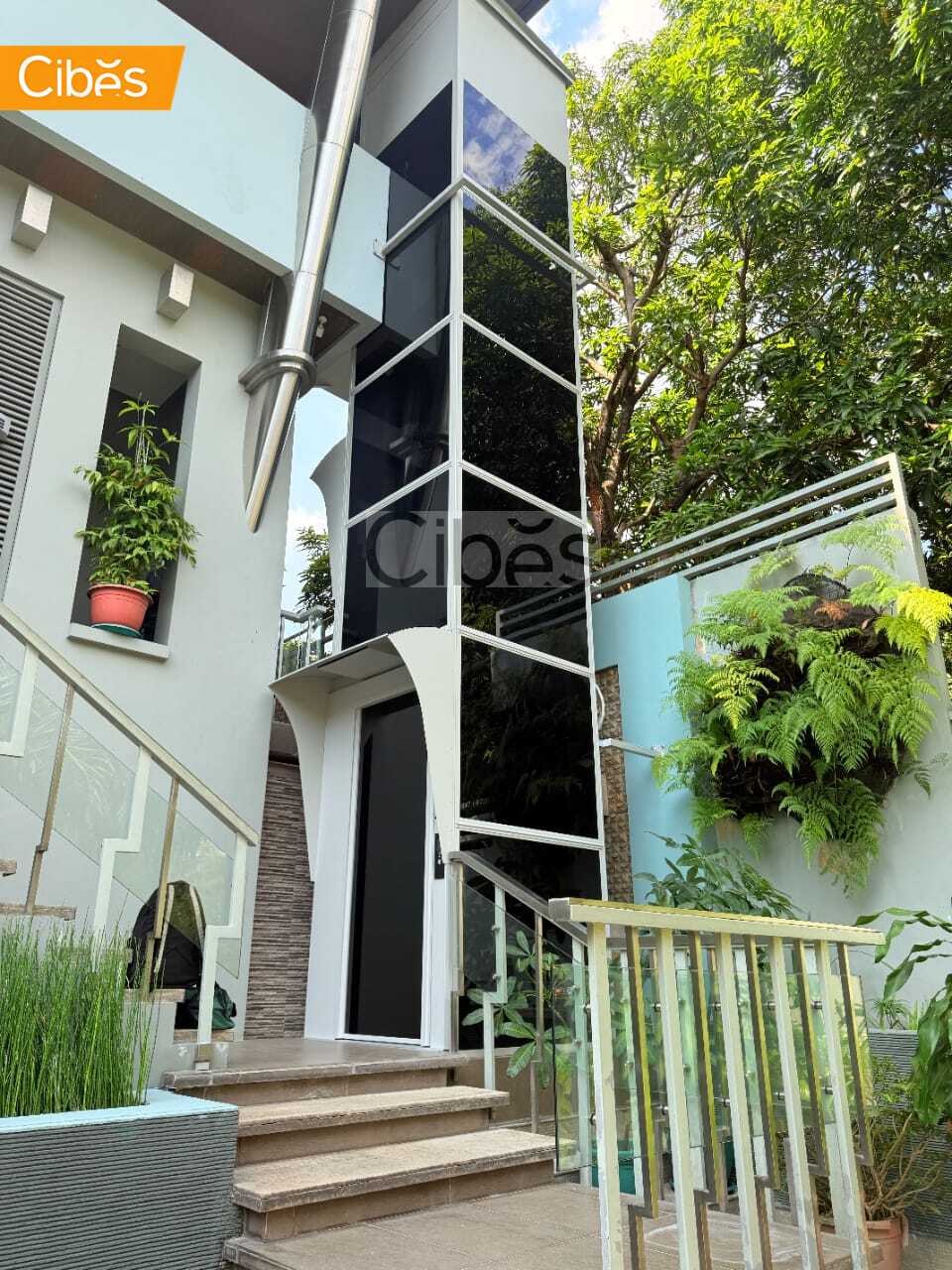
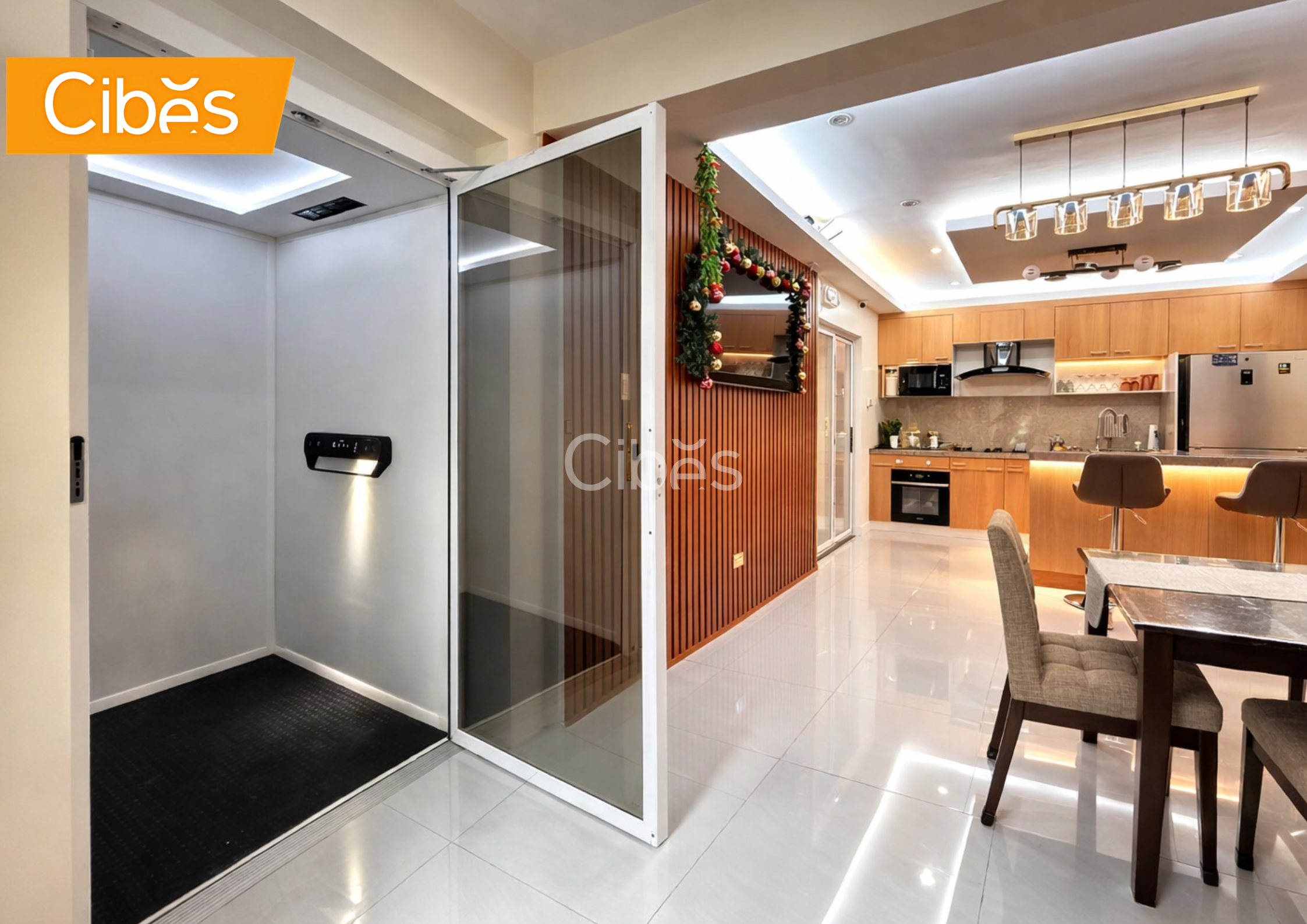
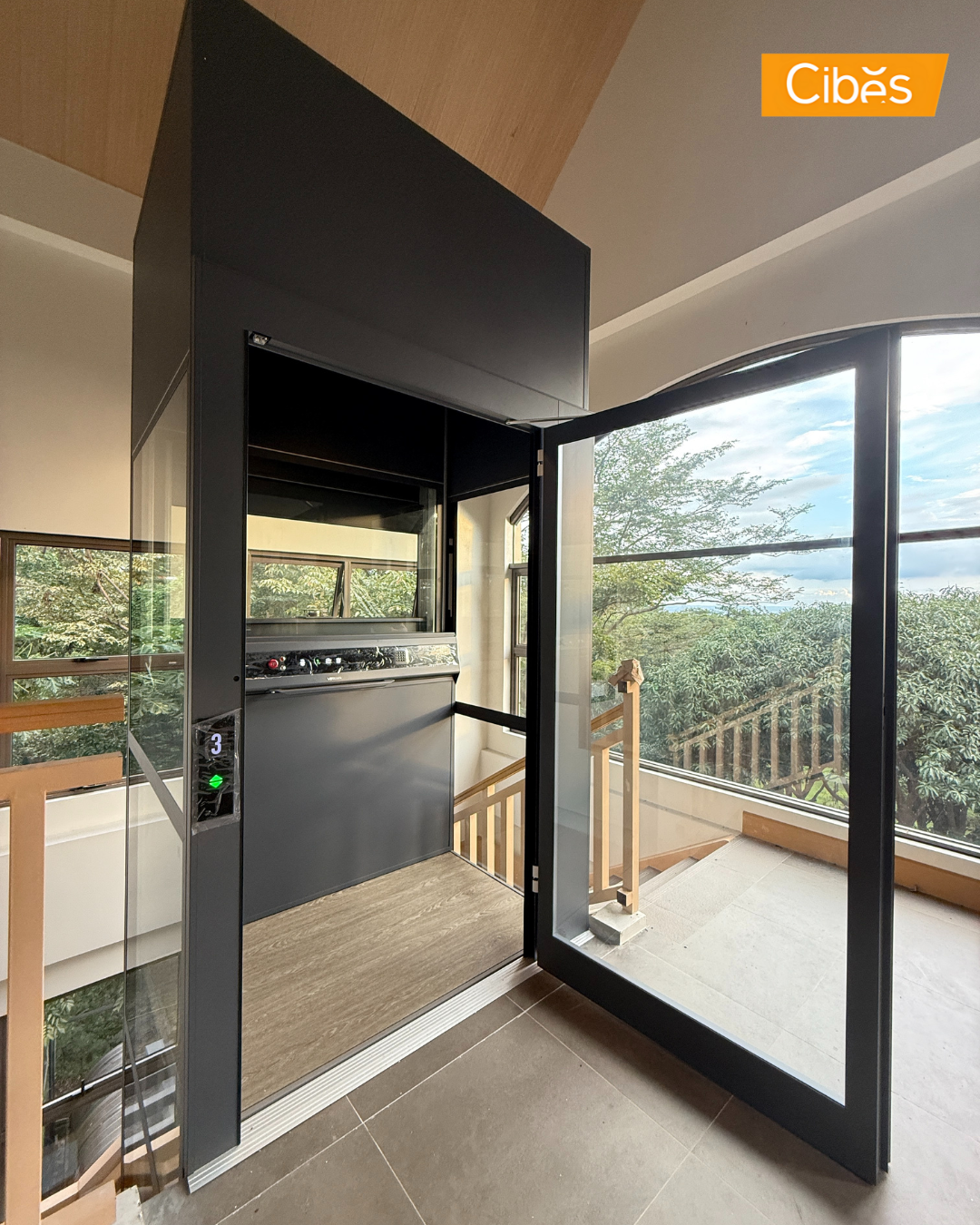
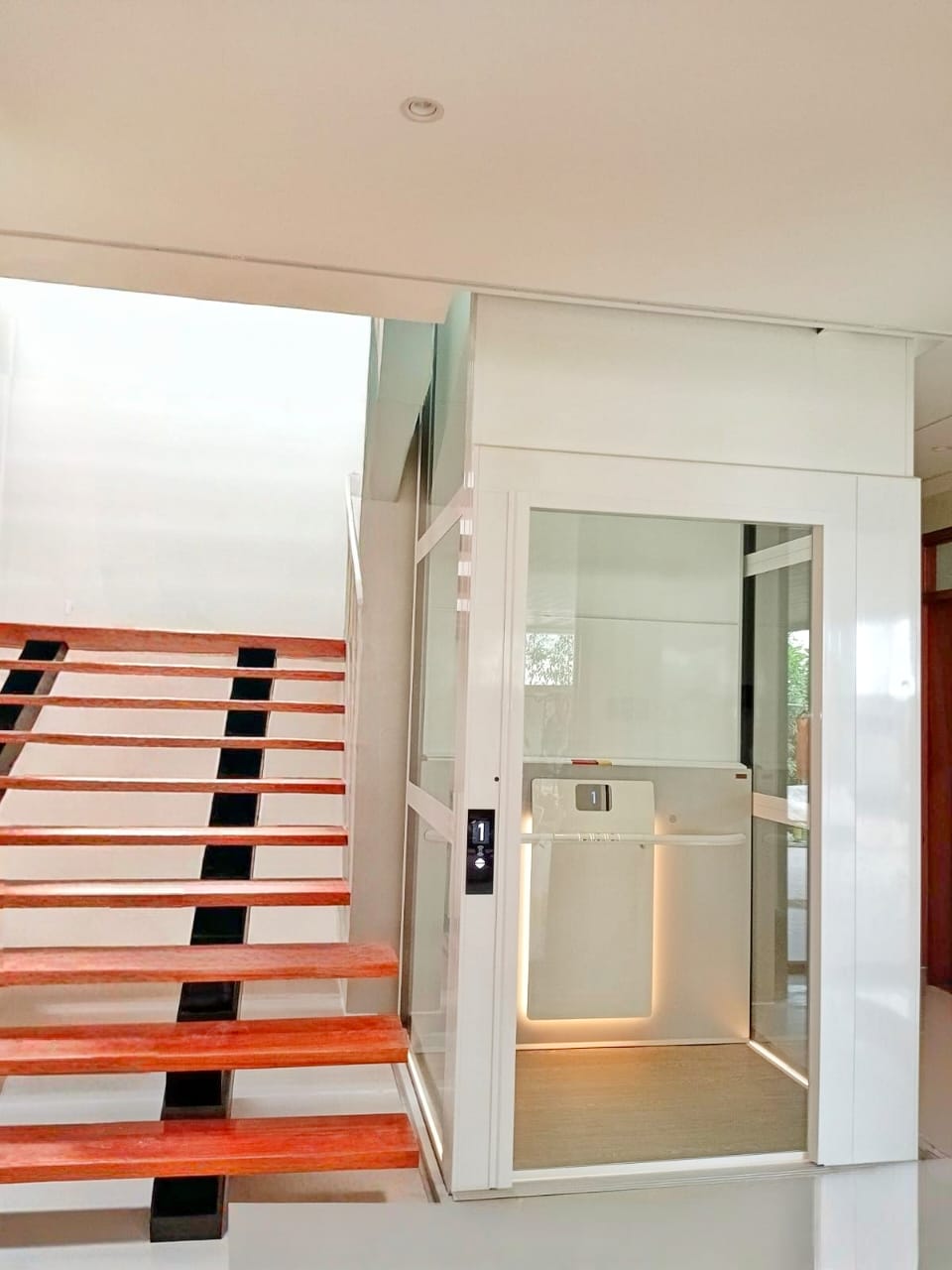
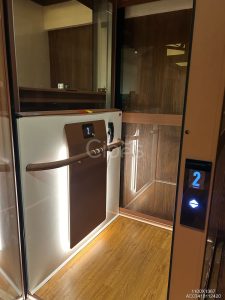
Residential elevators, or home lifts, are small vertical lifting systems that travel between floors via a shaft or dedicated area. Home elevators, unlike stairlifts, can carry several individuals at a time and are suitable for wheelchairs, mobility scooters, and even furniture or bulky items between floors.
Starting with Installation
So, in a very simple way:
Stairlifts: Little Disruption
Stairlifts require no structural adaptations to your house. The rail system is attached straight to the wall or stair treads, and your staircase is left mainly untouched. Installation can be simple, typically taking a few hours, and the system can be taken out if required, with few long-term alterations having been made to your house.
Home Lifts: Changing Complexity
Installation requirements vary considerably depending on the type of elevator:
- Through-the-Floor Systems: Simple cutout in the upper floor with no pit or machine room needed
- Hydraulic Elevators: Shallow pit below and space for oil tank, with periodic machine room. Risk of leakage.
- Traction Elevators: More extensive pits and overhead needs incorporated, with separate shaft building. High maintenance.
- Screw-Driven Systems: offers integral shafts with low or no-pit requirements (100 mm maximum). Cibes’ screw-driven home lifts simplify installation, making them a top choice for seamless accessibility in Philippine homes.
Functionality and Flexibility
Stairlifts: Single-Purpose Solution
Stairlifts excel at their single purpose but have limitations that are apparent:
- Transport one person at a time
- User must be capable of transferring to and from the chair
- Cannot transport wheelchairs or mobility scooters on their own
- No cargo space for moving furniture or heavy items
- Limited to following existing staircase paths
Home Lifts: Comprehensive Mobility Solution
Home lifts offer complete floor-to-floor accessibility:
- Multiple passenger capacity
- Wheelchair and mobility scooter accessible
- Cargo space for furniture, groceries, and household items
- Independence for users of varying mobility levels
- Potential to service more than two floors
Safety and Reliability
Stairlifts: Minimal Safety Features
Modern stairlifts are equipped with minimal safety features like seat belts, obstruction sensors, and battery backup systems. However, users must possess sufficient upper body strength and mental ability to operate the controls safely.
Home Lifts: Sophisticated Safety Systems
Home elevators, particularly screw-driven elevators, feature sophisticated safety systems:
- Cannot free-fall due to mechanical design (especially screw-driven systems)
- Multiple backup systems and emergency devices
- Suitable for users of varying physical capabilities
- Professional installation ensures compliance with safety codes.
Time to Make the Right Choice!
If you’re working with a tighter budget of under ₱600,000 and only have two floors, a stairlift is likely your best option. This choice makes particular sense when only one person in the household requires assistance moving between floors, and you prefer to make minimal modifications to your home’s existing structure. Stairlifts also work well as temporary solutions or when you’re looking for something that can be installed quickly without major construction work.
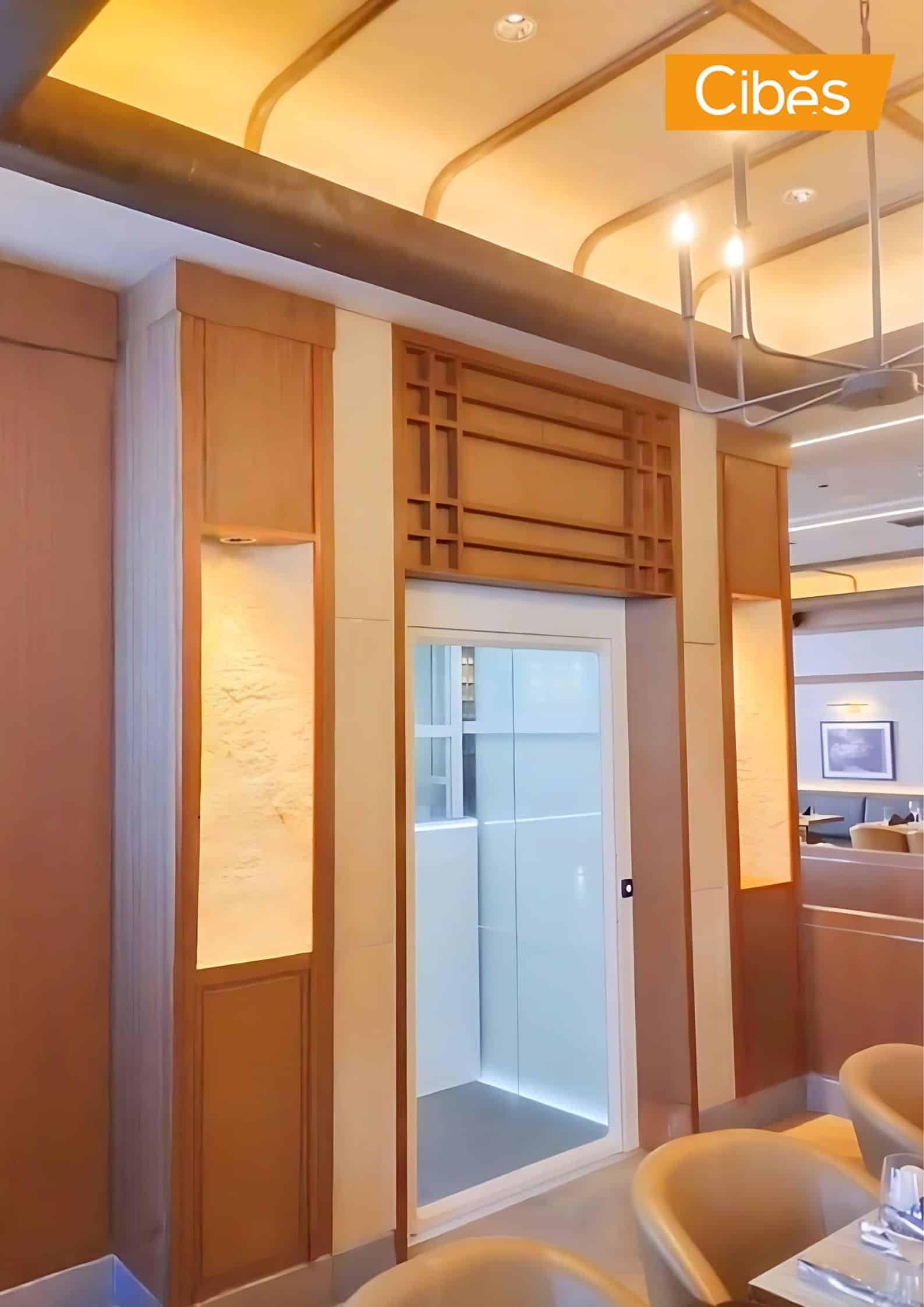
On the other hand, a home lift becomes the better investment when you have multiple floors, or multiple family members or when you’re thinking about long-term value. With a lifespan of 30 years and customizable aesthetics, Cibes home lifts boost property value and accessibility for Philippine homeowners.
So, if you are afraid to make the wrong choice, here’s the thing. There is no wrong choice. To help you choose the best mobility solution for your home in the Philippines, we’ve compiled a concise comparison table below. It summarizes stairlifts versus home lifts based on cost, accessibility, installation, lifespan, aesthetics, and property value. Explore the key differences to find the ideal option with Cibes Lifts.
| Factor | Stairlifts | Home Lifts |
| Cost (PHP) | ₱150,000–₱400,000 (straight: ₱150,000–₱250,000; curved: ₱250,000–₱400,000) | ₱800,000–₱2,500,000 (varies by model, e.g., screw-driven or hydraulic) |
| Accessibility | Suitable for individuals with limited mobility but not wheelchair users; requires transferring from wheelchair/walker. | Ideal for wheelchair users, rollators, and multiple passengers; offers full accessibility across floors. |
| Installation | Quick (1–2 days), minimal structural changes; fits on staircase treads, no major modifications needed. | 2–7 days; requires ceiling opening, 50mm pit or ramp, and electrical connection; minimal for Cibes lifts. |
| Lifespan | 6–10 years; often removed when home is sold. | 30 years; sustainable, long-term investment. |
| Aesthetics | Functional but less visually appealing; may obstruct staircase for others. | Luxurious, customizable (e.g., 250+ RAL colors, Scandinavian design); blends with home decor. |
| Property Value | Minimal impact; often seen as temporary, rarely adds value. | Increases property value; viewed as a permanent, high-end feature. |
| Best For | Budget-conscious users with mild mobility issues, straight/curved staircases, temporary needs. | Wheelchair users, multi-story homes, long-term accessibility, aesthetic-conscious homeowners. |


TL;DR The Cibes Experience Center Visayas in Cebu City lets homeowners, architects, designers, contractors, and developers see Cibes home lifts in person. Visitors can experience the lift cabin, review available designs and features, and discuss installation requirements with the Cibes team. The Cebu Experience Center currently lists V90 Elegance, Z85 Antera, and Ascenda among its […]
TL;DR Cibes Experience Center Luzon lets homeowners and property professionals experience Cibes home lifts in person before making a decision. Cibes Lift Philippines has 13 demo lifts across three Luzon Experience Centers: Makati (8), Mandaluyong (2), and Balintawak, Quezon City (3). Visitors can ride the lifts, check cabin space, test the controls, explore designs, and […]

TL;DR Sustainable home elevators in the Philippines are becoming an important consideration for homeowners who want to improve accessibility without overlooking environmental responsibility. Modern home elevators can support energy-efficient living through efficient drive systems, durable materials, renewable energy integration, and reduced structural changes compared with major home renovations. The Environmental Case for Sustainable Home Elevators […]

TL;DR Home Elevator Performance plays an important role in the safety, comfort, efficiency, and long-term reliability of a residential lift. While regular maintenance keeps your elevator operating reliably, proper usage, environmental control, component monitoring, electrical optimization, and timely upgrades can further improve its performance. In this guide, discover 8 expert tips to help maximize home […]
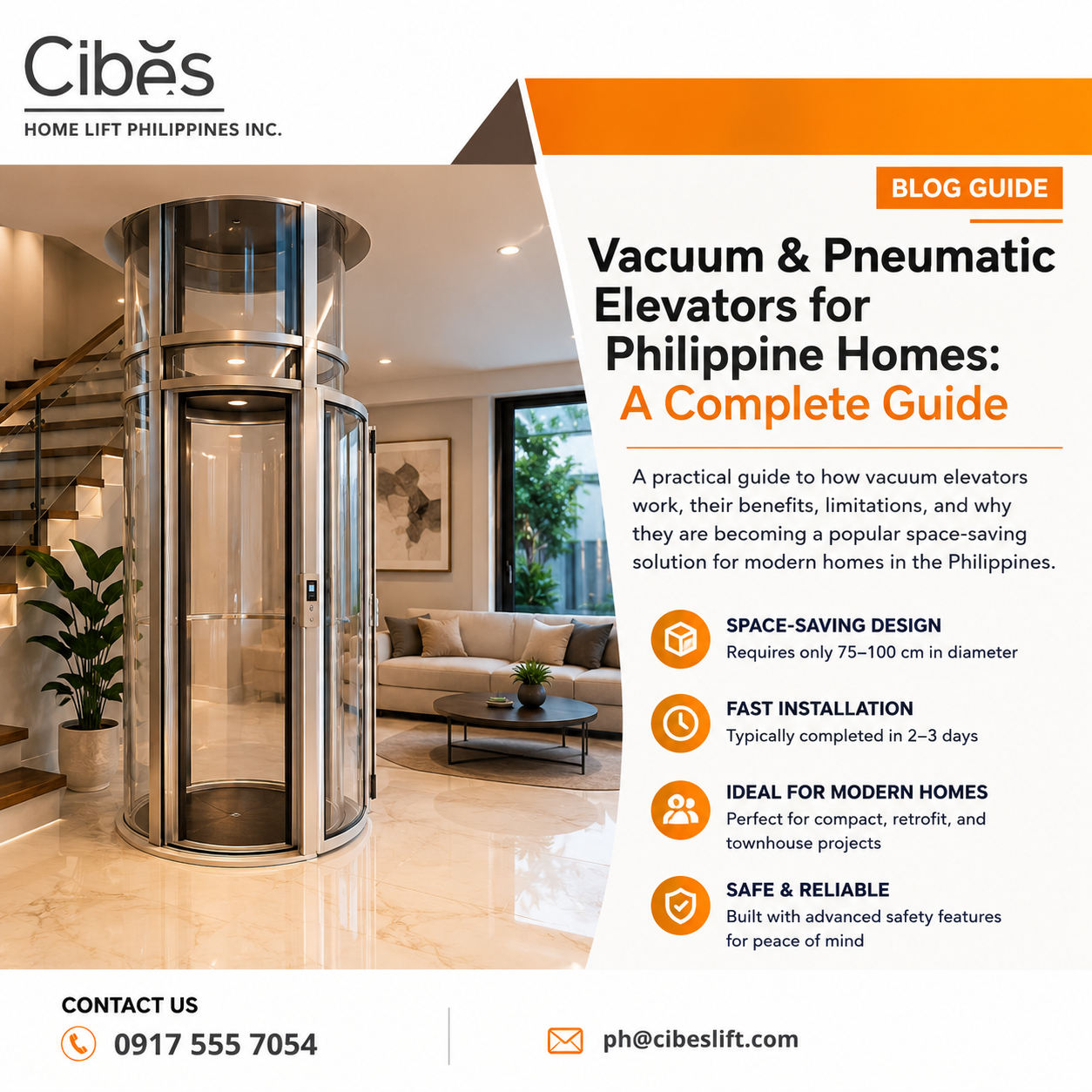
TL;DR Vacuum elevators use air pressure instead of cables or hydraulic systems to move a cabin inside a transparent tube. Most residential models require only 75 to 100 cm of space, serve 2 to 4 floors, carry 205 to 238 kg, and can often be installed in 2 to 3 days with minimal structural work. […]