Blog - 17/01/2026
5 Key Facts About Home Lifts & Platform Lifts | Cibes Philippines
5 Key Facts About Home Lifts for Wheelchair Access
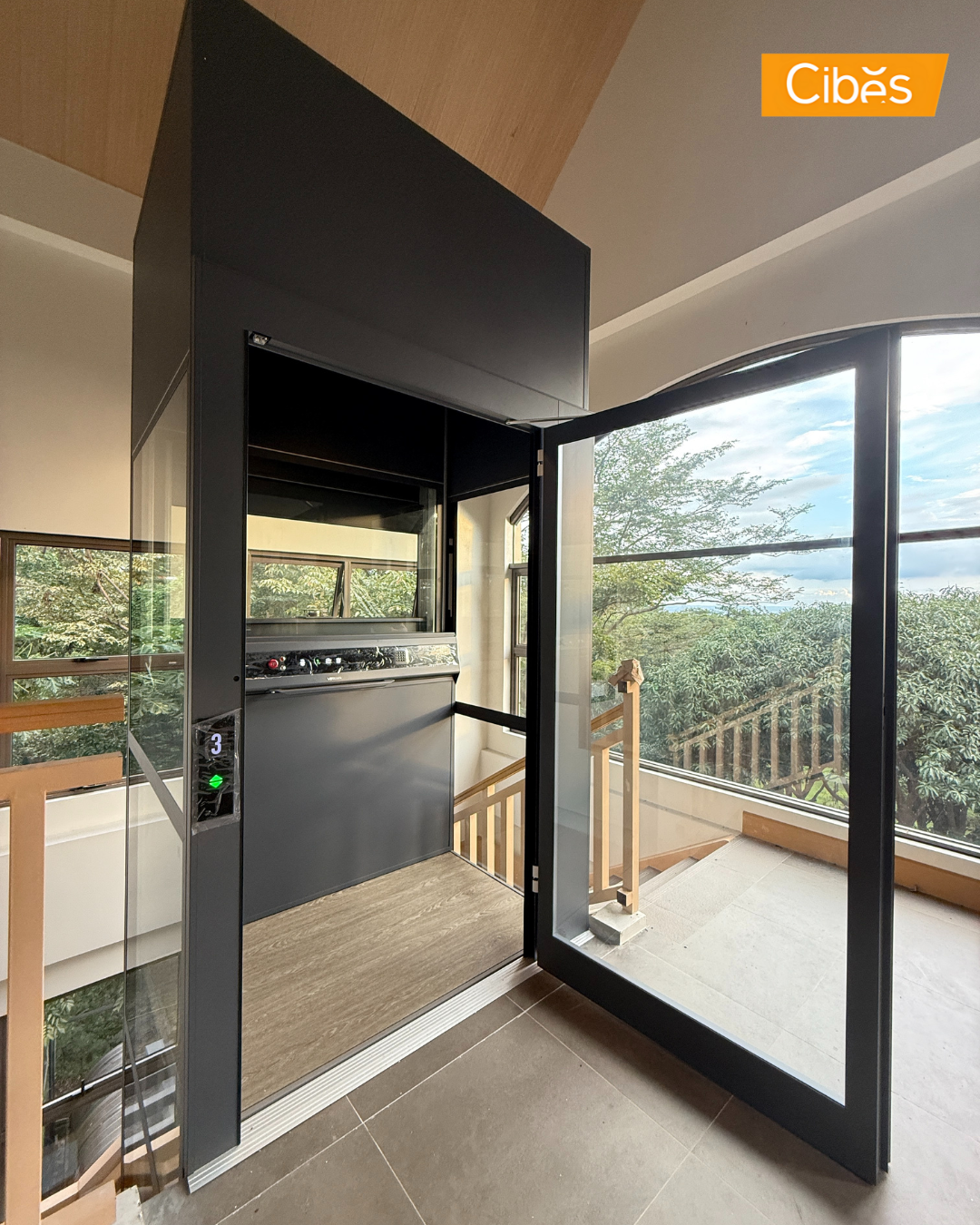
When most people think of a home lift, they imagine a luxurious enclosed cabin with sleek finishes. But for households with specific accessibility needs, there’s another solution that has been growing in popularity: platform-style home lifts.
You might have seen them in offices or public spaces, but many homeowners don’t realize how practical they can be inside houses especially for wheelchair users, older adults, or anyone with mobility challenges. Below, we’ll cover five important facts about home lifts that focus on accessibility, affordability, and ease of installation.
“Home lifts designed for wheelchair access”
Fact #1: Designed for Accessibility First
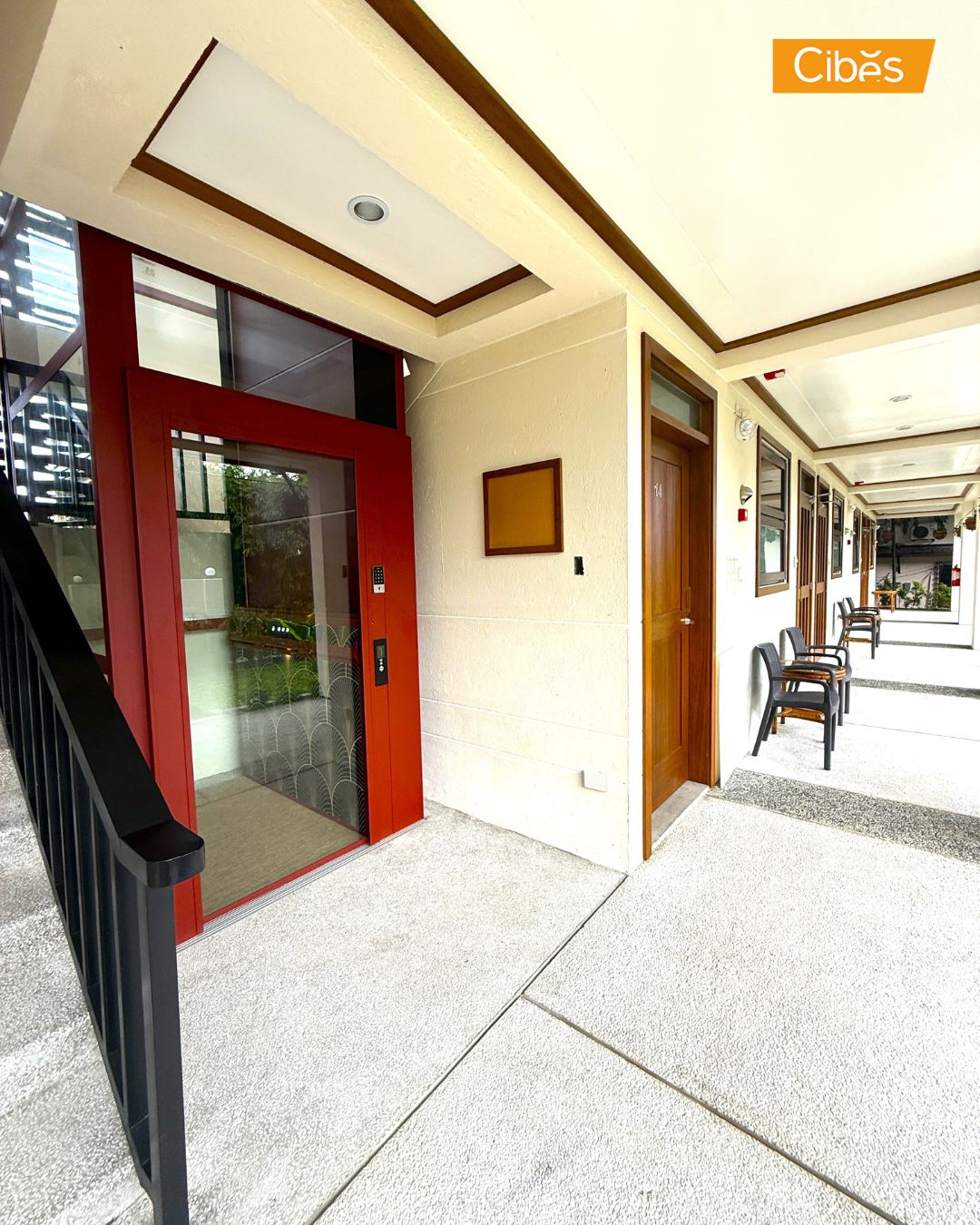
Unlike traditional elevators, a home lift with a platform design is created with accessibility as its main priority. Instead of stepping into a closed cabin, you roll or walk onto an open platform secured with protective gates or bars.
The platform stays level with the floor no steps, no curbs, no hassle. For wheelchair users, this seamless access makes everyday movement between floors safe and effortless. While modern designs now include attractive finishes, the true value lies in their functionality and safety.
Fact #2: Quicker and Easier to Install
One of the biggest advantages of a home lift is the installation speed compared to conventional elevators. Many models don’t require a deep pit, machine room, or major structural changes.
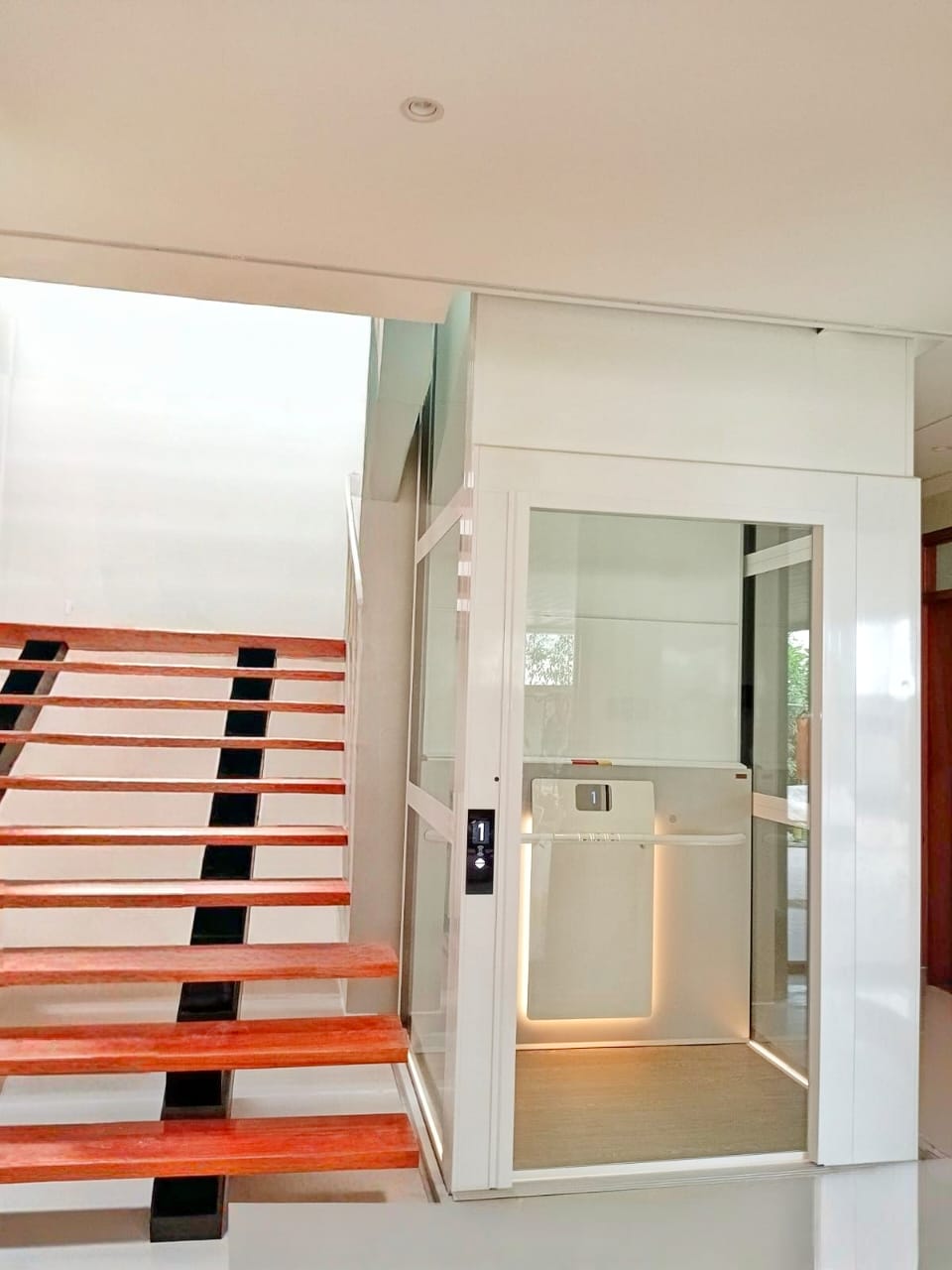
Some units can even be installed directly against existing walls or staircases, minimizing disruption. Whereas a traditional lift may take weeks to build and fit, a home lift can often be installed within just a few days. That means less downtime, lower labor costs, and quicker accessibility for your family.
Installation process- fast home lift installation process
Fact #3: More Affordable Than Expected
Another key benefit is affordability. A home lift can cost up to 30–50% less than a standard enclosed elevator. This price difference comes from the reduced construction requirements, smaller motors, and simplified design.
For many families, that cost savings is life changing. It often makes the difference between being able to install a mobility solution at home versus needing external care options. And lower day-to-day maintenance costs make it a smart long-term investment as well.
Fact #4: Fits Where Other Lifts Can’t
Home lifts excel in places where traditional elevators are impractical. For example:
-
A few steps from the driveway to the front door.
-
Split-level houses with multiple small staircases.
-
Outdoor applications requiring weather-resistant solutions.
Unlike full-shaft lifts that are designed for floor-to-floor travel, platform home lifts can handle short vertical distances (even just 3–4 feet). This makes them extremely versatile in tricky architectural situations.
Fact #5: Built-In Safety Features
Don’t be fooled by their simple design modern home lifts come with advanced safety technology, including:
-
Automatic gates or safety bars.
-
Emergency stop buttons.
-
Overload and obstruction sensors.
-
Battery backup for power outages.
-
Speed limiters for smooth, controlled movement.
Because the mechanics are less complex than a traditional lift, there’s less risk of breakdowns. Transparent designs also allow both users and caregivers to clearly see how the system works, adding confidence and peace of mind.
FAQ’s
Q: What is a home lift?
A: A home lift is a compact residential lift designed to improve mobility inside houses; it does not usually require a pit or machine room, making it easier and faster to install than a traditional elevator.
Q: How much does a home lift cost in the Philippines?
A: The cost of a home lift in the Philippines depends on size, design, and stops; generally, it is more affordable than standard elevators because installation requires less construction work.
Q: Can I install a home lift in an existing house?
A: Yes; most home lifts can be retrofitted into existing homes with minimal modifications, making them ideal for renovations or space-limited houses.
Q: Are home lifts safe for older adults and wheelchair users?
A: Absolutely; modern home lifts include safety features such as automatic gates, emergency stop buttons, overload sensors, and battery backup systems to ensure reliability for people with mobility challenges.
Q: How long does it take to install a home lift?
A: Installation time for a home lift usually ranges from a few days to a week; this is significantly faster than traditional elevators, which often require several weeks.

Contact us now to learn more or schedule your installation!
->Contact Us for Home Elevators – Cibes Lifts Philippines
Phone: 0917 555 7054
Email: ph@cibeslift.com
Visit Our Showrooms:
- Makati City Showroom- Patio 2257, Chino Roces Ave, Extension, Makati, Metro Manila, Philippines
- Balintawak- Quezon City Showroom- Mezzanine MC Premiere Bldg., 1181 EDSA, Balintawak, Quezon City
- Mandaluyong City Office- Unit 502, 5th Floor G Business Hub, 728 Shaw Blvd, Mandaluyong, 1552 Metro Manila, Philippines
- Cebu City Showroom- Ground Floor, Grand Cenia Hotel & Residences Arch Reyes Ave, Corner Apitong St, Cebu City
- Ilo-Ilo City Technical Station- 3rd Floor, Viosils Arcade, MH Del Pilar Brgy. Taal, Molo, Ilo-ilo City
- Davao City Showroom- Unit 19, Zone E, Market Basket, Damosa IT Park, Lanang, Davao City


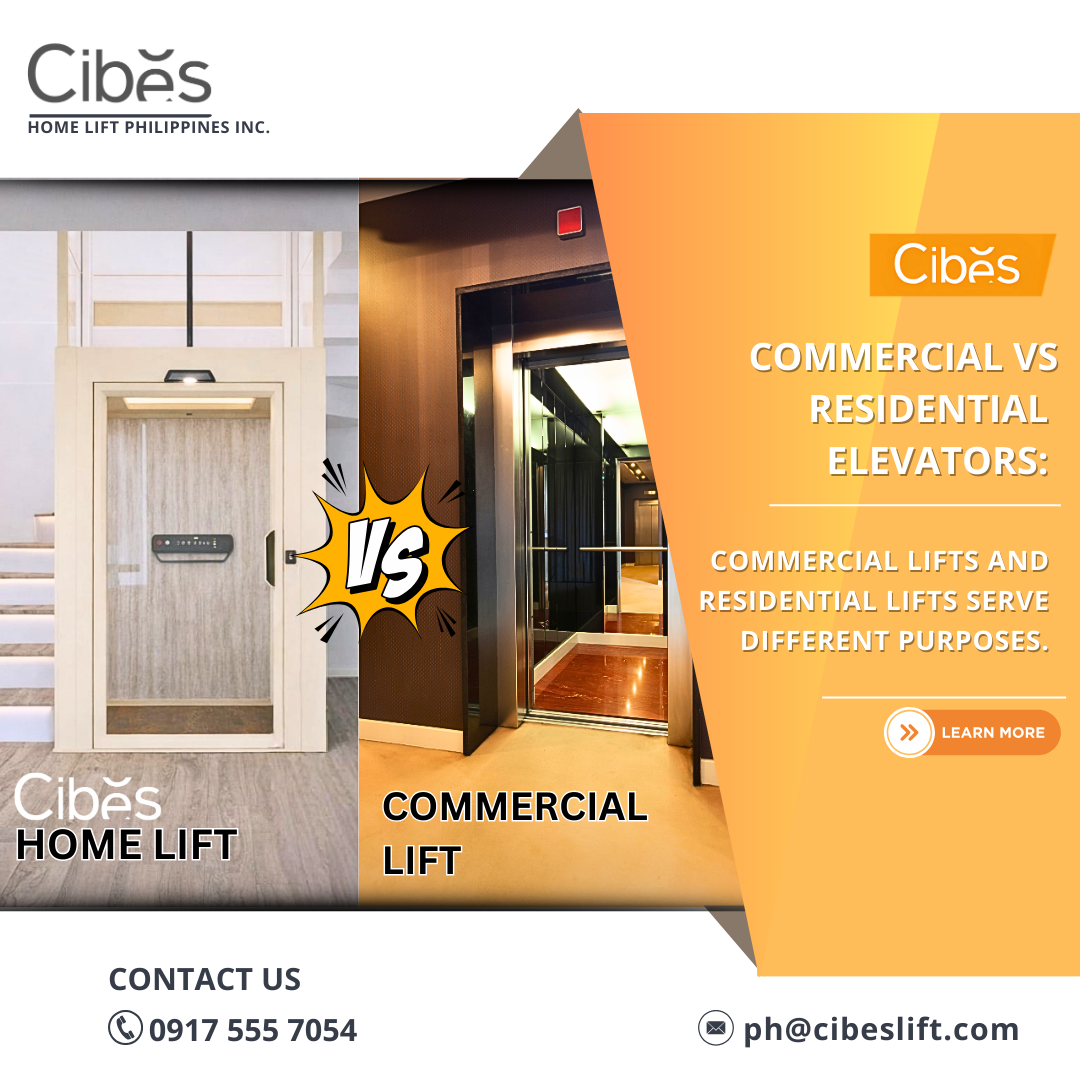
Commercial vs Residential Elevators: Key Differences TL;DR Commercial lifts and residential lifts serve different purposes. This contrast is more profound than one might expect at first glance. Having your own private elevator, one that moves on your schedule and reflects your style, creates an experience public building elevators simply can’t offer. In the Philippines, where […]
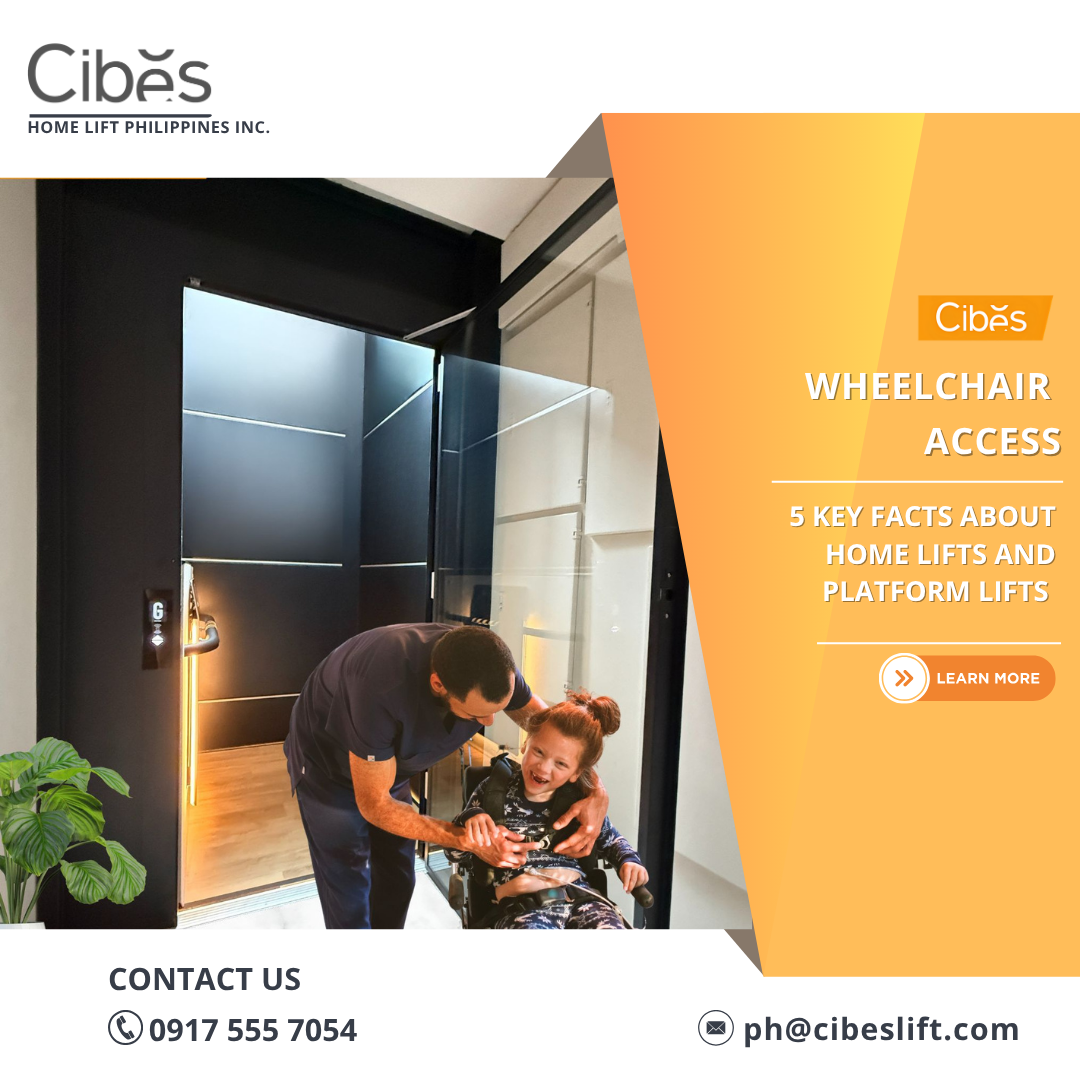
5 Key Facts About Home Lifts for Wheelchair Access When most people think of a home lift, they imagine a luxurious enclosed cabin with sleek finishes. But for households with specific accessibility needs, there’s another solution that has been growing in popularity: platform-style home lifts. You might have seen them in offices or public spaces, […]

Home Elevator Types and Prices in the Philippines: Which One Fits Your Home? TL;DR:A home lift is now a practical upgrade for Philippine homes, not just a luxury. Prices ranges depending on technology, space, and installation needs. Choosing the right type depends on your home size, long-term use, and budget. Choosing a home lift can […]

Ever found yourself at the bottom of your stairs with a laundry basket in hand thinking, “There’s just gotta be a better way”? Or perhaps witnessed older relatives struggling with the same stairs and realized your beautiful two-story home might not work for them for much longer. You’re not fooling yourself. One time-common home fare […]
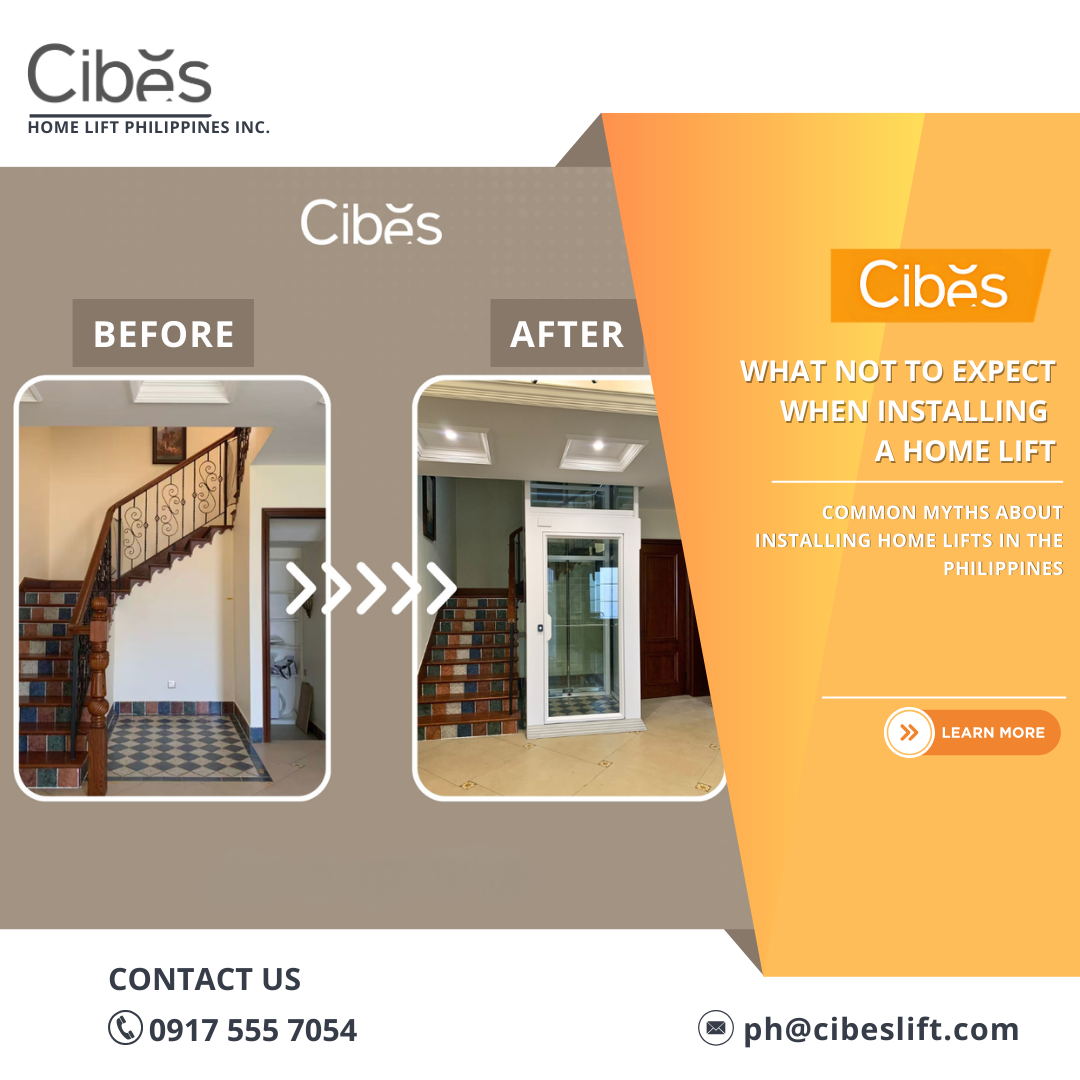
Many of these concerns come from home elevator myths in the Philippines that no longer reflect how modern systems actually work. TL;DR You’re researching home elevators and have likely come across some strange and worrying myths online. A neighbor’s cousin’s friend talks about installation projects that dragged on for a year. Let’s clear the air. […]