Blog - 26/08/2026
Home Elevator for Small Spaces: Smart Solutions for Compact Homes
TL;DR
A home elevator for small spaces can provide accessibility and convenience even when floor area is limited. As urban living becomes increasingly dense and housing prices push families toward smaller spaces, many homeowners are discovering that compact home elevators can be successfully installed even in space-constrained environments.
Whether you’re dealing with a narrow townhouse, a converted warehouse unit, or a cozy cottage with steep stairs, mini elevators offer solutions that seemed impossible just a decade ago.
If you’re exploring residential lift options for your property, our Home Elevators Philippines Complete Guide covers lift types, pricing, installation requirements, and design considerations to help Filipino homeowners make informed decisions.
Home Elevator for Small Spaces: Compact Technology
The key to effective elevator installation in small homes is to know which technologies work best in small spaces. Traditional hydraulic systems, while reliable, typically require big machine rooms and deep pits that simply are not feasible in small homes. Instead, focus on these space-saving options below. These solutions are ideal for homeowners looking for a small home elevator that fits limited space without sacrificing performance.
Through-the-Floor Systems are the least intrusive option, requiring only a small cutout in your top floor. They work wonderfully in skinny houses where floor space is at a premium. Because they require no pit requirements and minimal overhead clearance requirements, they can sometimes be installed in areas where other styles of elevators would be impossible.
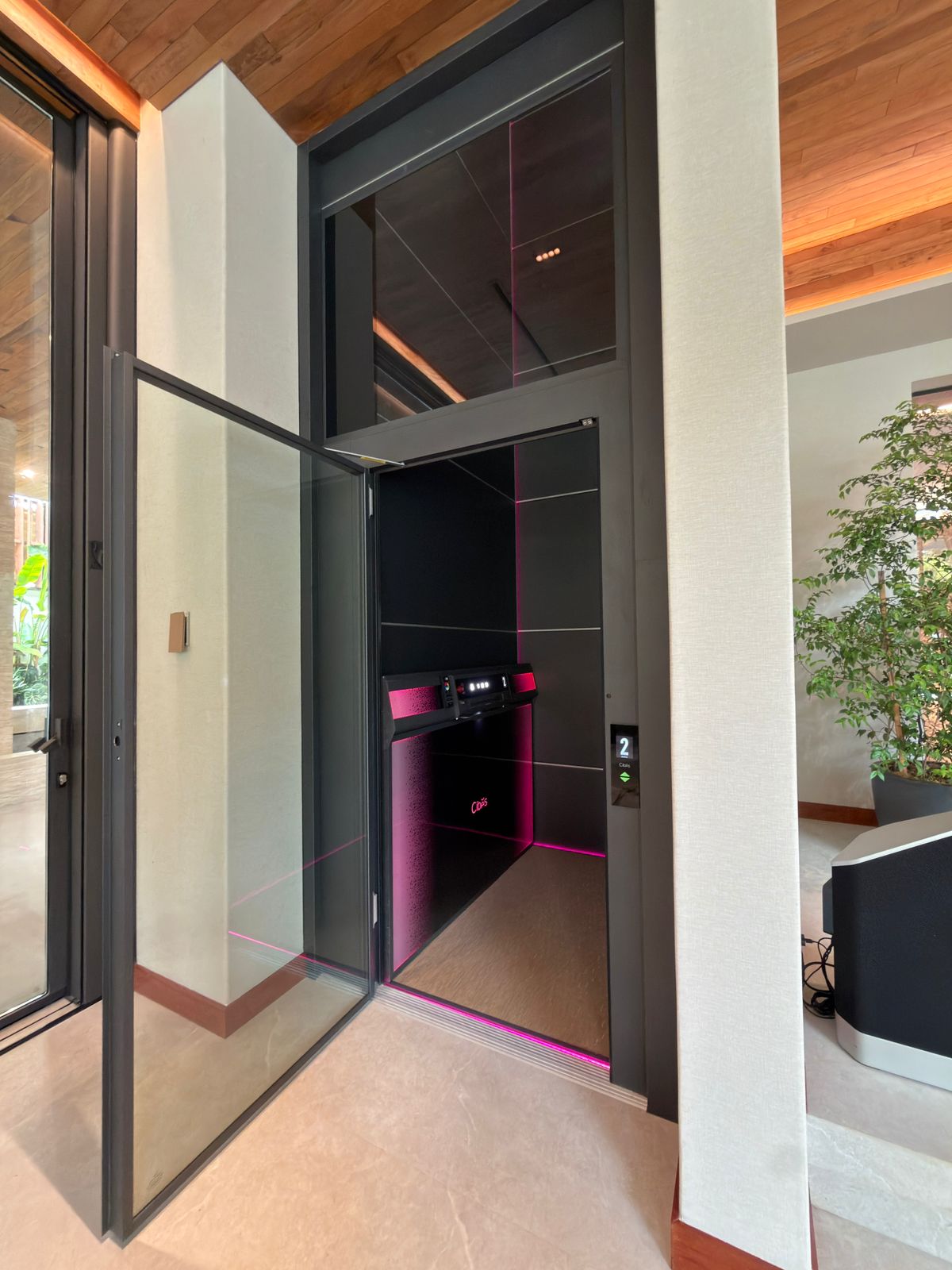
Screw-Driven Technology offers the best combination of small footprint and full elevator performance. Cibes’ small tight spaces elevators, using screw-driven systems, may be installed in a minimum of one square meter of space, with some arrangements requiring as little as 2.35 meters of ceiling clearance (and even as low as 1.3 meters with half-gate solutions!). Because the equipment is self-contained, individual machine rooms are not required, ideal for residential environments where the mechanical spaces of a conventional elevator would encroach on living space.
Hydraulic Elevators used to be the go-to due to their affordability and versatility, with low pits and low headrooms. This is despite the issues created by the oil tank, which can be outweighed by the budget-friendliness of the technology.
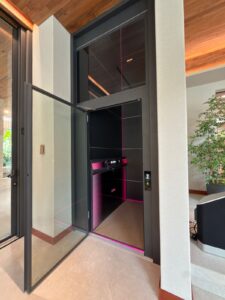
Creative Installation Solutions for Small House Elevators
Choosing the right home elevator for small spaces also means considering how the lift will integrate with your home’s existing layout..
Micro homes have a tendency to create particular architectural challenges that require innovative installation solutions. The secret is to let your home’s natural flow rather than attempting to fight it.
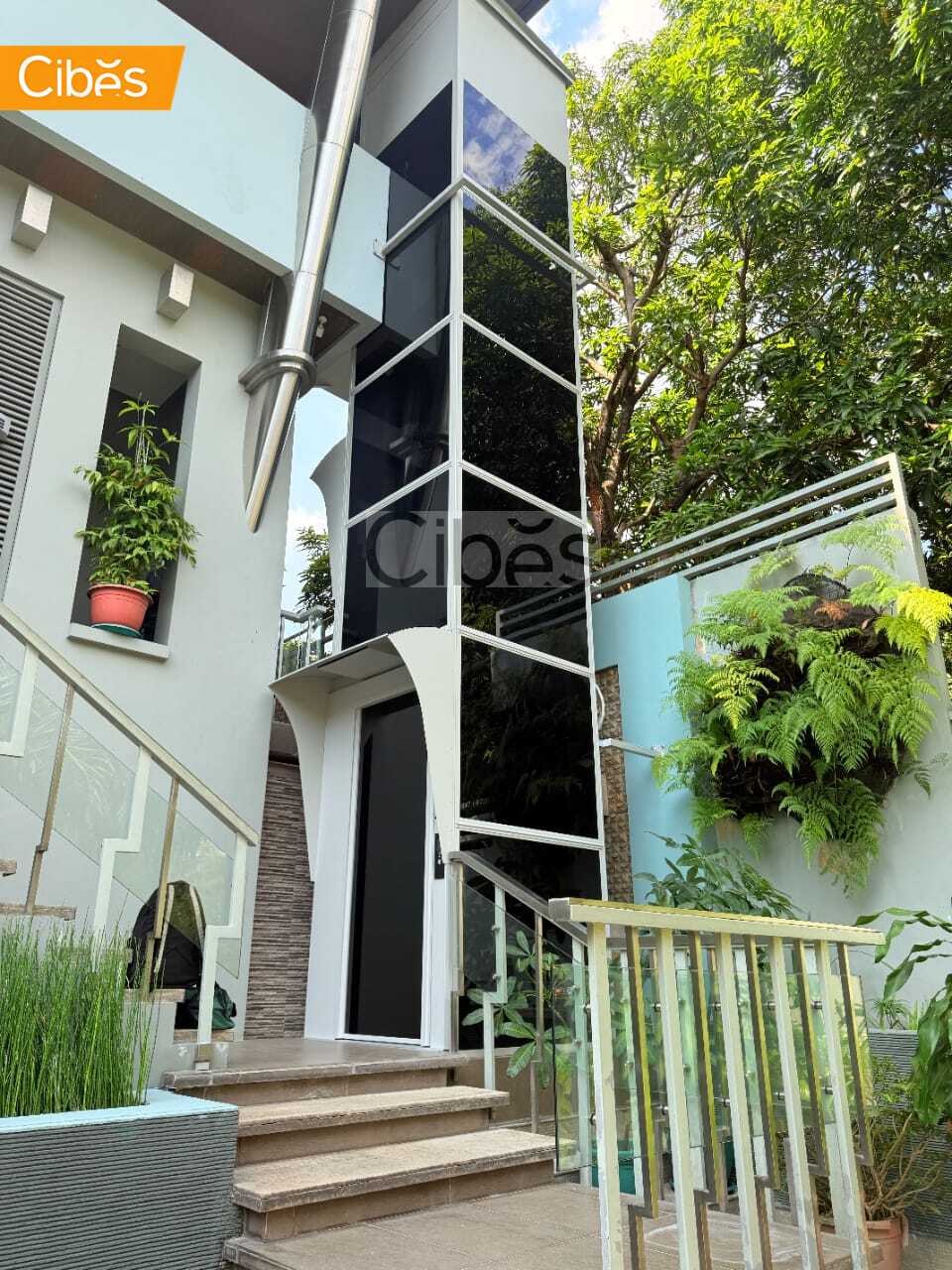
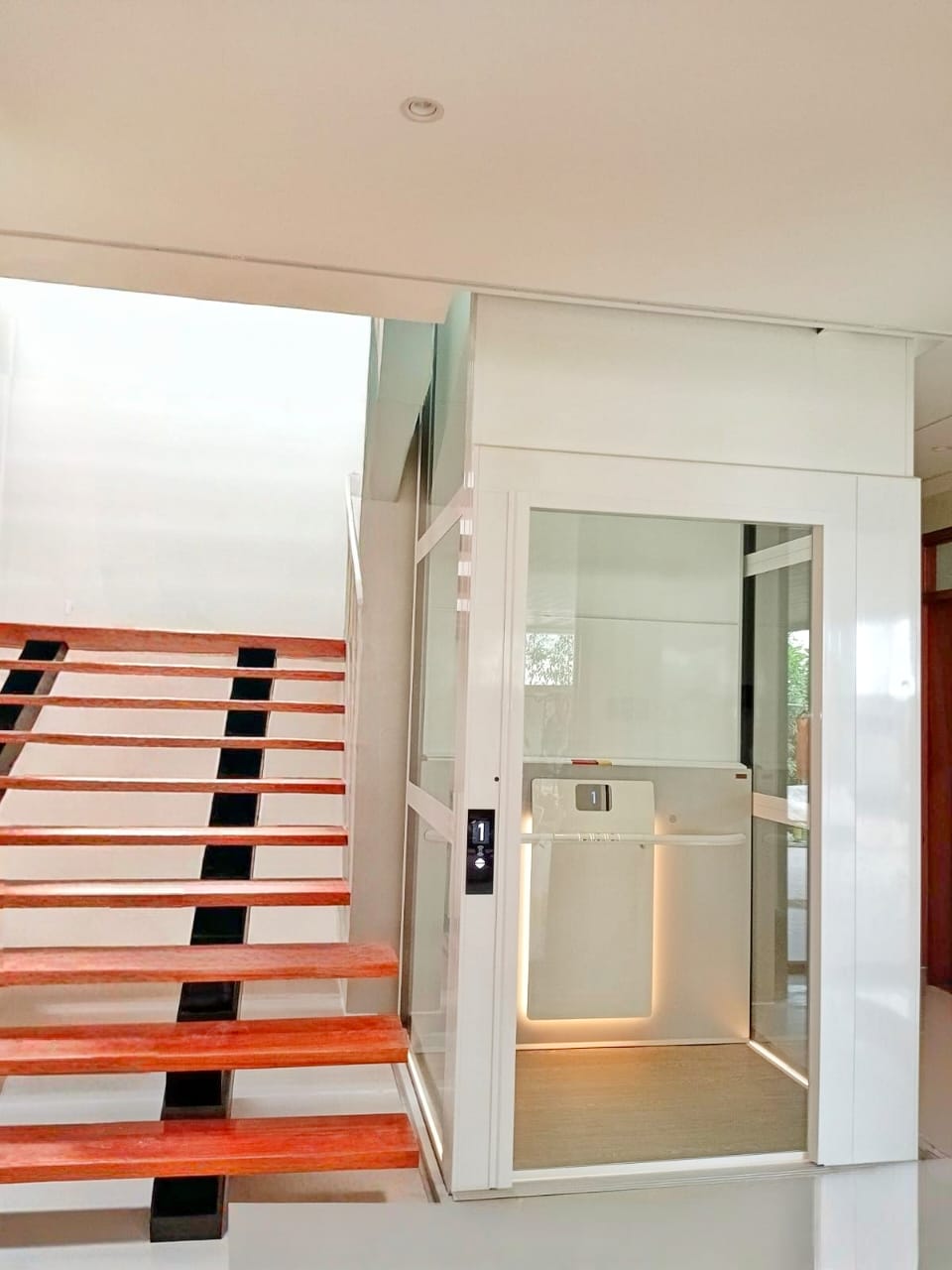
Stairwell Integration is highly efficient within thin houses. Rather than fighting your stairs for space, consider installing a small elevator for house layouts directly within the stairwell space. Modern slim-profile small house elevators have a decent shot at coexisting with existing staircases, providing elevator functionality without closing the door on using the stairs.
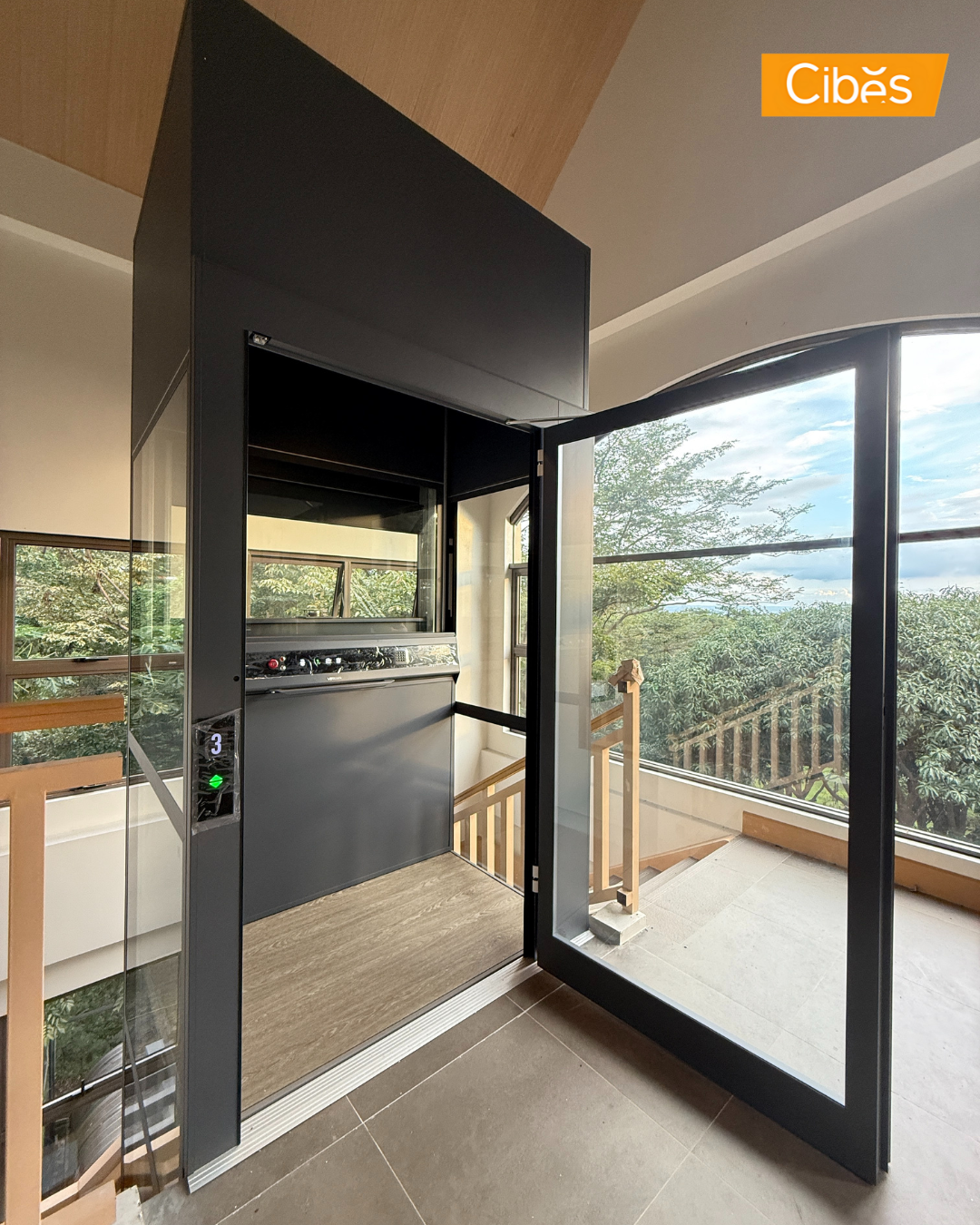
Space-saving Corner Installations utilize often unused space in the corners. Corner elevator installed in advantageous positions can serve multiple floors while taking up less floor space. This is especially beneficial in open-plan houses where the elevator is no longer a barrier but an architectural feature.
Overcoming Challenges with Small Elevators
Small capacity and weight are problems with small elevators. While smaller elevators will have less capacity than full-sized equipment, technology now exists to provide surprising ability even for very low footprints. Most residential clients perceive that 300-400 kg capacity is adequate for covering daily usage like wheelchair access, groceries, and home materials.
Power and Infrastructure Requirements Functional issues are usually found in small, tiny homes. Thankfully, there are several compact elevators systems driven by standard household wall electrical outlets, requiring no unique electrical upgrades and affordable or possibly costly in old small homes. There are some screw-driven systems that consume no more power than a standard household appliance.
Sound Control is especially important in small homes where the elevator will be right next to living spaces. Look for systems that are specifically rated as quiet and include additional soundproofing features during installation to ensure that the elevator enhances your living space and not wreck it.
Planning Your Mini Elevator Installation Process
Phase 1: Design and Evaluation would begin with a professional evaluation of your house construction and your specific accessibility needs. The typical duration for this phase would be 2-4 weeks and would involve consultations with elevator experts, structural engineers if necessary, and even local building authorities.
Phase 2: Permits and Approvals will vary significantly depending on your location and the nature of your house. Small houses in places of historical importance or condos may have additional requirements for approvals. Provide 4-8 weeks for this phase, but some installations are valid for expedited processing.
Phase 3: The installation of new compact home elevators is surprisingly quick. It is possible to install most of the systems within 5-10 days with little interference in your routine. The trick is preparation and having everything ready prior to the installation process.
Small Home Elevators Philippines: Compact Solutions for Limited Spaces
A home elevator for small spaces can be a practical solution for Filipino homeowners living in compact townhouses and urban properties. Today, finding the right elevator for small house layouts is easier than ever, thanks to compact and modular designs. Many homeowners are now installing a mini elevator in house environments where space was previously considered too limited.
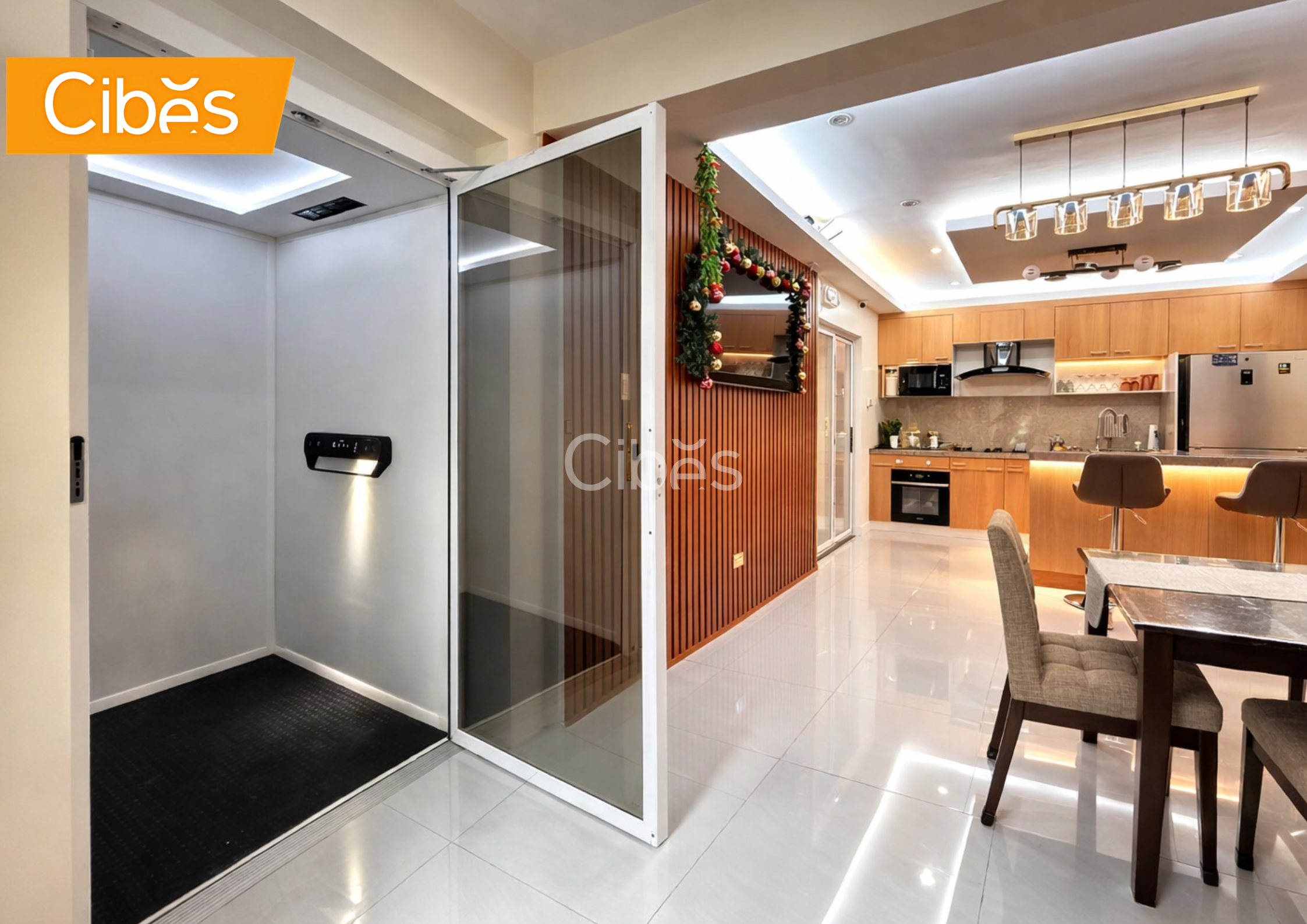
Modern small home elevator systems are specifically engineered to fit tight spaces while still delivering full functionality. These small elevators can be installed in corners, stairwells, or even closets, making them ideal for compact homes in Metro Manila and other dense urban areas.
When evaluating options, it’s also important to consider the small home lift Philippines price, which varies depending on technology, customization, and installation requirements. With newer space-saving systems, homeowners can now achieve both accessibility and affordability without compromising design.
Budget Considerations for Home Elevators for Small Spaces
In creating a mini elevator installation for a residential house, consider the overall cost situation. The small home lift Philippines price typically ranges between ₱1,900,000 to ₱3,800,000 depending on technology and level of customization.
Maintenance Costs Maintenance charges for modern mini elevators are extremely low. Energy-saving versions can add only ₱500-1,500 to the monthly utility bills, which is approximately the cost of powering other home appliances.
Maintenance Investment should be part of your long-term plan. Annual maintenance contracts will be ₱15,000-50,000 depending on system sophistication, but that investment is well worth it to ensure efficiency and warranty.
Property Value Impact typically exceeds installation cost in the long run. Home elevators for small spaces increase property value and open houses to more potential buyers if you ever need to sell.
FAQ’s
Q: Can a home elevator for small spaces be installed in a compact home?
A: Yes. Modern compact home elevators are specifically designed for small homes, townhouses, and tight urban spaces. With space-saving technologies, elevators can now be installed in areas that were previously considered impossible.
Q: What type of elevator technology works best for small homes?
A: Screw-driven elevators are among the best options for small homes. They require minimal floor space, no separate machine room, and can operate with low ceiling clearance while still providing full elevator functionality.
Q: How much space is needed for a compact home elevator?
A: Some compact home elevators can be installed in as little as one square meter of space. Ceiling height requirements can also be minimal, depending on the model and configuration.
Q: Are through-the-floor elevators suitable for narrow houses?
A: Yes. Through-the-floor elevator systems are ideal for narrow or skinny homes because they require only a small floor cutout, no pit, and minimal overhead clearance.
Q: Can a small home elevator support wheelchair use and daily household needs?
A: Yes. Most compact residential elevators offer a load capacity of around 450 kg, which is sufficient for wheelchair users, groceries, luggage, and everyday household tasks.
Q: Do compact home elevators require major electrical upgrades?
A: Not usually. Many compact elevator systems run on standard household electrical outlets and consume similar power to common home appliances, making them suitable even for older homes.
Q: Are small home elevators noisy?
A: Modern compact elevators are designed to operate quietly. With proper installation and sound insulation, they can run smoothly without disturbing nearby living spaces.
Q: How long does it take to install a compact home elevator?
A: Once planning and permits are completed, installation typically takes only 5 to 10 days, with minimal disruption to daily household routines.
Q: How much does a compact home elevator cost in the Philippines?
A: Installation costs generally range from ₱1,900,000 to ₱3,800,000, depending on the elevator technology, size, finishes, and level of customization.
Q: Can I install a mini elevator in a small house?
A: Yes. A mini elevator in house setups can be installed in very limited spaces like stairwells or corners, making them ideal for compact homes
Q: Do compact home elevators increase property value?
A: Yes. Compact home elevators can increase property value, especially in urban areas, while also making the home attractive to a wider range of buyers.
Learn more
Experience Center and Technical Station Address
Makati City | Balintawak – Quezon City | Mandaluyong City | Cebu City | Ilo-Ilo City | Davao City | Cagayan De Oro City






CIBES AUTHOR
Mylen Posas is the Aftersales Manager at Cibes Lift Philippines. She oversees aftersales operations, ensuring every customer receives reliable support from installation through long-term maintenance. With a strong focus on service quality and customer satisfaction, she works closely with the technical team to deliver prompt assistance and help maintain the long-term performance and safety of every Cibes home lift.



TL;DR Outdoor home elevators can improve accessibility while preserving valuable indoor space. In the Philippines, proper weather protection, structural engineering, drainage, and installation planning are essential. This guide explores installation considerations, safety requirements, potential costs, and what homeowners should know before choosing an outdoor home lift. Outdoor elevator installations can help homeowners in the Philippines […]

TL;DR The Cibes Experience Center Mindanao locations in Davao City and Cagayan de Oro City let homeowners, architects, contractors, and property developers explore home lift solutions in person. Compare available designs, check finishes, and discuss your property requirements with the Cibes team. Contact your preferred showroom before visiting to confirm operating hours and available demo […]
TL;DR The Cibes Experience Center Visayas in Cebu City lets homeowners, architects, designers, contractors, and developers see Cibes home lifts in person. Visitors can experience the lift cabin, review available designs and features, and discuss installation requirements with the Cibes team. The Cebu Experience Center currently lists V90 Elegance, Z85 Antera, and Ascenda among its […]
TL;DR Cibes Experience Center Luzon lets homeowners and property professionals experience Cibes home lifts in person before making a decision. Cibes Lift Philippines has 13 demo lifts across three Luzon Experience Centers: Makati (8), Mandaluyong (2), and Balintawak, Quezon City (3). Visitors can ride the lifts, check cabin space, test the controls, explore designs, and […]

TL;DR Sustainable home elevators in the Philippines are becoming an important consideration for homeowners who want to improve accessibility without overlooking environmental responsibility. Modern home elevators can support energy-efficient living through efficient drive systems, durable materials, renewable energy integration, and reduced structural changes compared with major home renovations. The Environmental Case for Sustainable Home Elevators […]