Blog - 16/08/2026
Home Lifts Installed Outside the House: A Guide for Philippine Homes
TL;DR
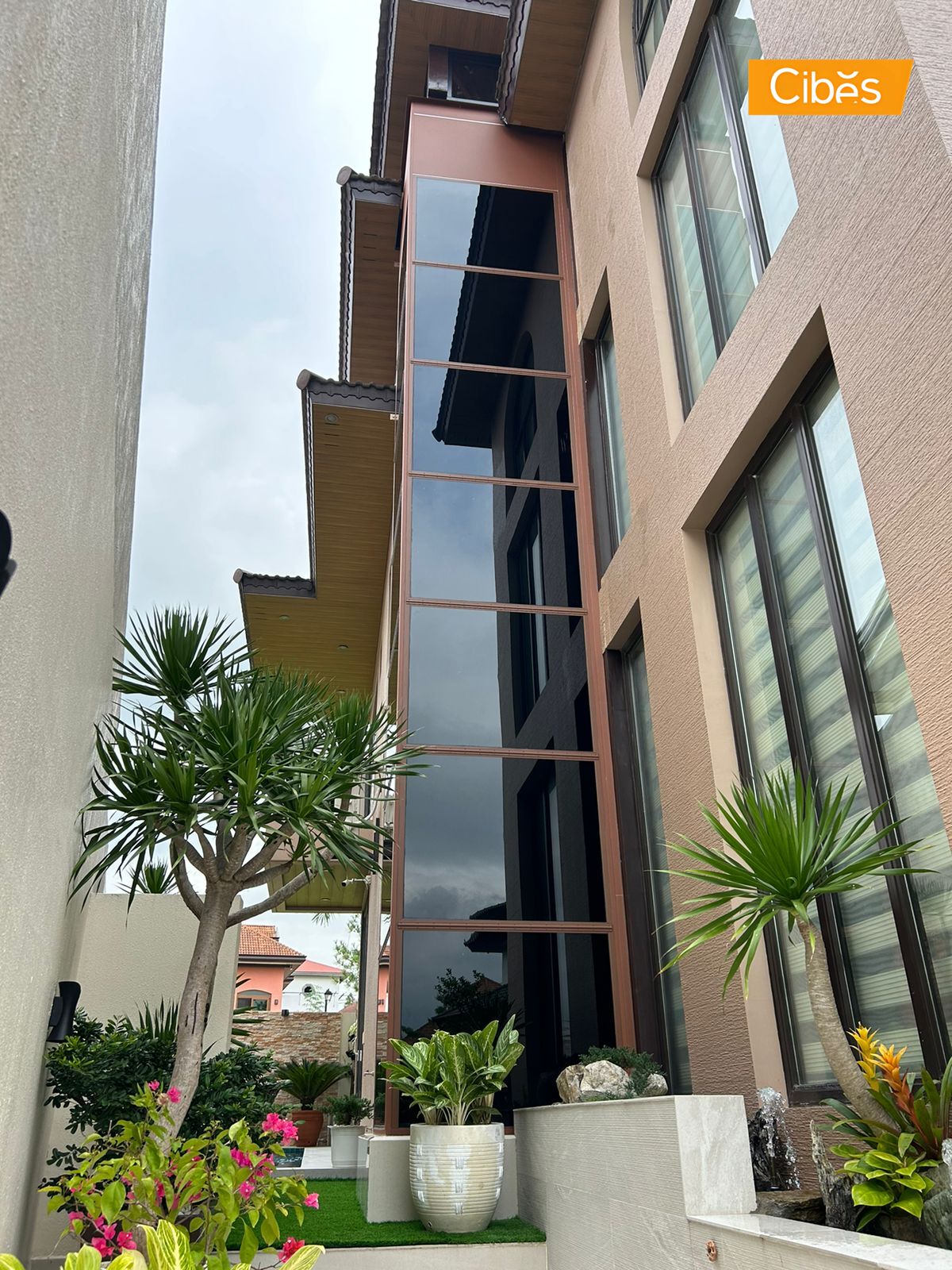
Outside elevators are usually installed as external towers or shafts, which helps save indoor space. They use corrosion-resistant materials, built-in drainage, and storm safety features like automatic shutdown. Because of this, they suit compact homes, coastal areas, and dense cities.
If you’re comparing different residential lift technologies before choosing a system, our Types of Home Lifts in the Philippines Guide explains the main elevator types, their installation requirements, and which solutions work best for different home layouts and environments.
How Do Home Lifts Installed Outside the House Handle Harsh Weather?
In many cases, space drives the decision.
In cities like Metro Manila or Cebu, most homes already use every available square meter. So, adding an indoor elevator often means removing a room or starting a major renovation.
That’s where outdoor elevators come in.
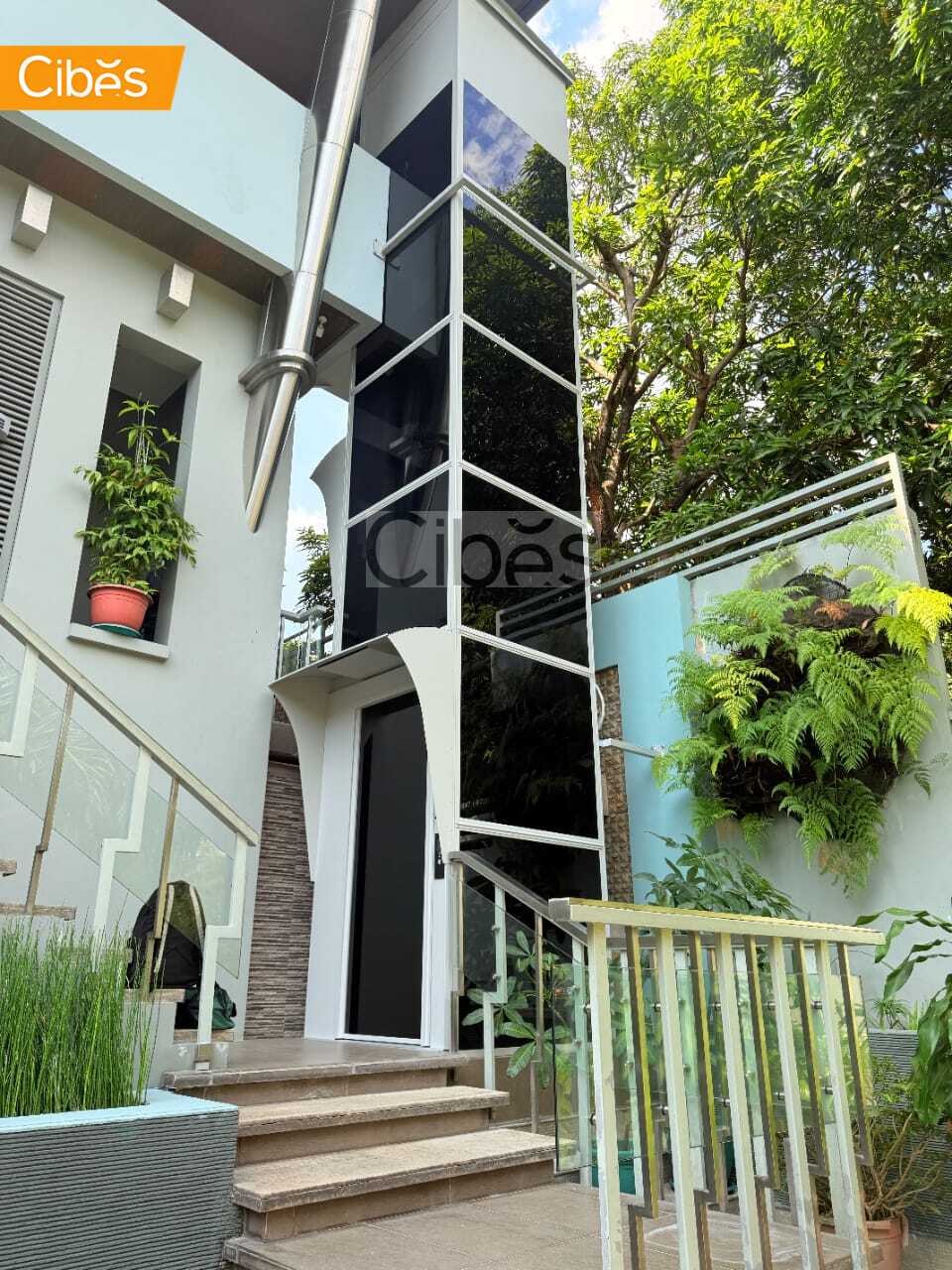
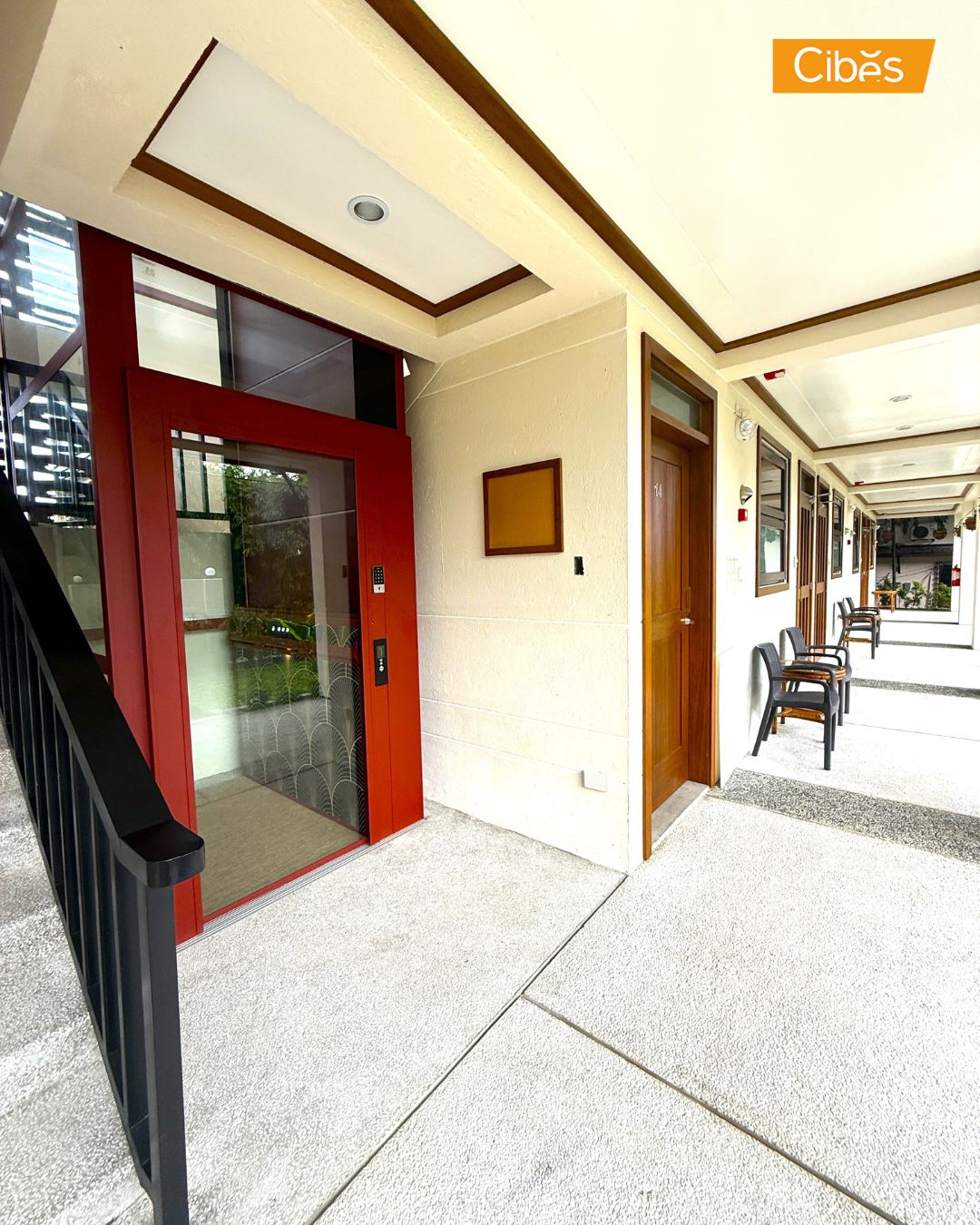
Instead of altering your layout, you install the lift outside your home. It can stand as a tower or attach to an exterior wall. As a result, you keep your interior space intact while gaining full access between floors.
Simple. Practical. Often the only realistic option.
How do outside elevators handle harsh weather in the Philippines?
Unlike indoor lifts, outdoor elevators are built from the start to handle tropical conditions. They deal with heat, heavy rain, and constant humidity every day.
Materials and protection features
| Material / Feature | Purpose | When it matters |
| Stainless steel, marine-grade aluminum | Prevents rust and corrosion | Coastal and humid areas |
| Hot-dip galvanized steel, powder coating | Adds surface protection | Continuous outdoor exposure |
| UV-resistant components | Prevents cracking and fading | Strong sun exposure |
| Weather sealing | Protects motors and electronics | Rainy and humid conditions |
Water protection systems
| Feature | Purpose | Condition |
| Shaft drainage | Prevents water buildup | Heavy rain or flooding |
| Sloped floors | Directs water away | Monsoon season (habagat) |
| Sealed components | Keeps internal systems dry | Continuous rain |
Ventilation
At the same time, the system controls airflow through protected vents. This keeps internal parts cool while blocking rainwater.

How are outside elevators designed for typhoons and coastal areas?
In the Philippines, design matters more than ever.
Homes across Luzon and the Visayas often face strong winds and salt air. Because of this, outdoor elevators must meet stricter structural standards.
Typhoon and coastal design essentials
| Feature | Purpose | Why it matters |
| Wind load compliance (150 kph+) | Keeps the structure stable | Typhoon-prone locations |
| Reinforced tower structure | Prevents structural failure | Strong winds |
| Marine-grade finishes | Protects against salt corrosion | Coastal homes |
| Hurricane-rated glass | Resists debris impact | Storm conditions |
| Automatic shutdown system | Secures the lift before storms | Safety during typhoons |
These features aren’t optional. In many cases, they make the difference between long-term reliability and early wear.
What are the outdoor elevator installation options?
Not all homes need the same setup. In fact, the best option depends on your layout and available space.
Installation types
| Option | Description | Best for | Space impact |
| Freestanding tower | Fully external structure beside the house | Tight interiors | No indoor space used |
| Enclosed external shaft | Covered outdoor shaft for added protection | Weather-exposed homes | Minimal indoor impact |
| Partial wall-sharing | One side connects to the house | Limited exterior space | Slight structural integration |
Whichever option you choose, proper alignment is key. Installers match the elevator doors with each floor by creating openings in the exterior walls.
On the design side, you can also match the finish with your home’s exterior. In some cases, the elevator even becomes a visual feature.
How is safety ensured for outdoor elevator use?
Outdoor elevators follow the same safety standards as indoor lifts. However, they also include added protection for weather-related risks.
Safety features checklist
| Safety Feature | Purpose | When it helps |
| Non-slip flooring | Prevents slips | Wet conditions |
| Battery-powered communication | Enables emergency contact | Power outages |
| Cabin and landing lights | Improves visibility | Night or storms |
| Automatic shutdown | Protects the system | Typhoons |
| Sealed electrical systems | Prevents damage | Heavy rain |
Because weather can change quickly in the Philippines, these features play a big role in daily safety.
Are outdoor elevators a good solution for small homes?
Yes, and often the most practical one.
If your home has no available interior space, installing the elevator outside solves the problem without removing rooms. That alone makes a big difference, especially in compact homes.
With the right materials and proper installation, these systems can last for years even in tropical environments.
When is an outdoor elevator NOT the right choice?
Outdoor elevators work well in many cases, but not all.
For example, fully exposed systems without proper enclosure may wear out faster. In addition, some properties have boundary limits or building restrictions that affect installation.
Also, in high-risk typhoon zones, you may need extra structural reinforcement beyond standard designs.
Because of this, a site assessment should always come first.
Real-world example
A homeowner in a three-story townhouse in Metro Manila needed an elevator but had no indoor space left.
Instead of rebuilding the staircase, they installed a freestanding outdoor tower beside the house. This approach avoided major demolition and kept all interior rooms intact.
In the end, they gained full mobility access without changing the home’s layout.
FAQ
Q: Can home elevators be installed outdoors in the Philippines?
A: Yes. Manufacturers design outdoor home elevators to handle rain, heat, and humidity.
Q: Are outdoor home elevators safe during typhoons?
A: Yes, as long as the system meets structural standards and includes features like wind load compliance and automatic shutdown.
Q: Can I install one without major renovation?
A: Yes. Most outdoor systems avoid heavy interior construction since installers place them outside the home.
Q: How do they handle heavy rain or flooding?
A: They use drainage systems, sealed components, and sloped surfaces to manage water effectively.
Q: Are they suitable for small houses?
A: Yes. They save space, which makes them ideal for compact homes.
Read More
About Cibes Lift Philippines
Cibes Lift Philippines provides home elevator solutions built for local conditions. This includes outdoor installations designed for tropical climates and typhoon-prone areas. Each project follows proper structural planning and safety standards to suit residential homes across the country.
Experience Center’s and Technical Station Address
Makati City | Balintawak – Quezon City | Mandaluyong City | Cebu City | Ilo-Ilo City | Davao City | Cagayan De Oro City






CIBES AUTHOR
Jovelyn Guidaven has been a Sales Manager at Cibes Lift Philippines since 2021, helping homeowners, architects, designers, and developers find the right home lift solutions for their projects. She works closely with clients throughout the sales process, providing expert guidance and personalized recommendations based on their accessibility and mobility needs.


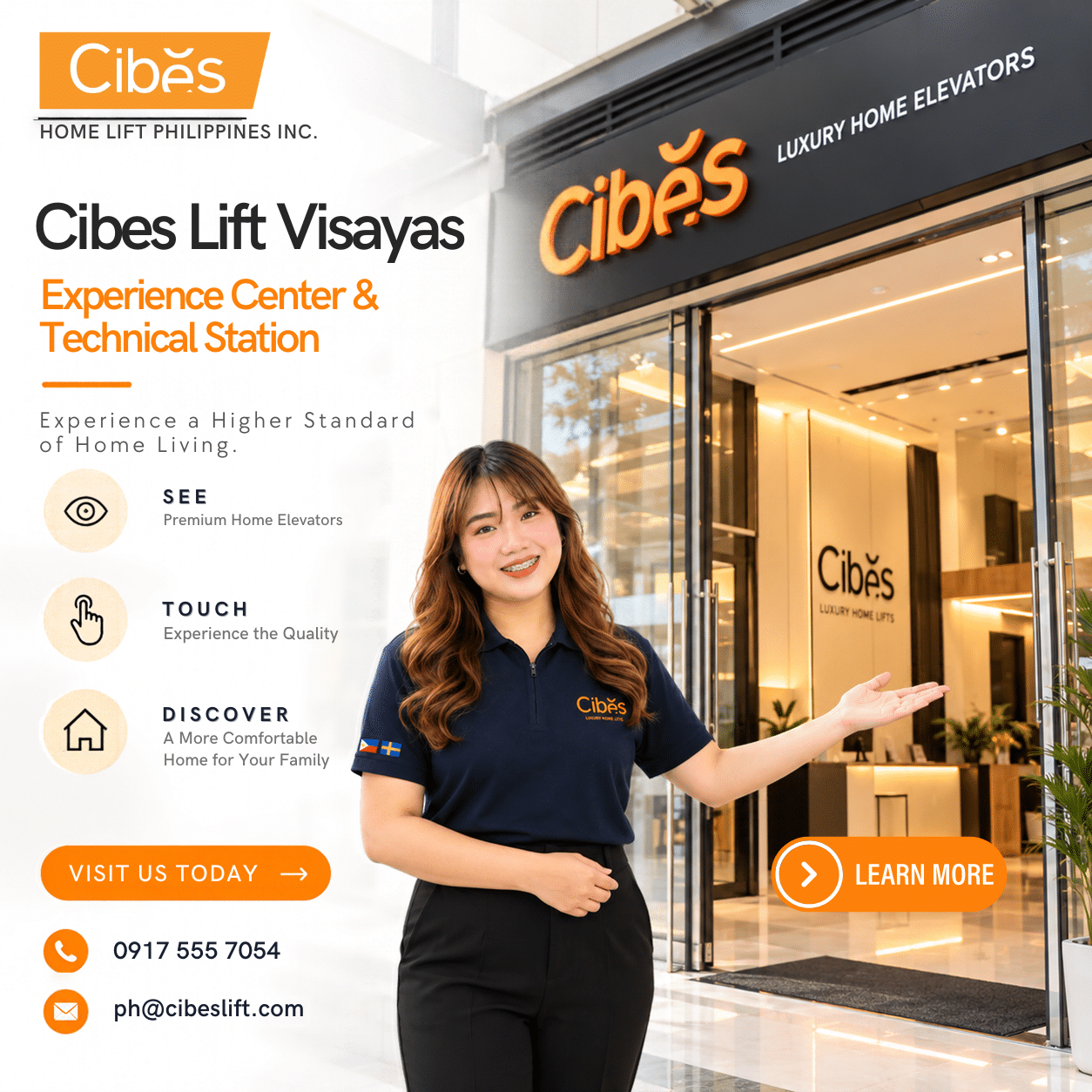
TL;DR The Cibes Experience Center Visayas in Cebu City lets homeowners, architects, designers, contractors, and developers see Cibes home lifts in person. Visitors can experience the lift cabin, review available designs and features, and discuss installation requirements with the Cibes team. The Cebu Experience Center currently lists V90 Elegance, Z85 Antera, and Ascenda among its […]
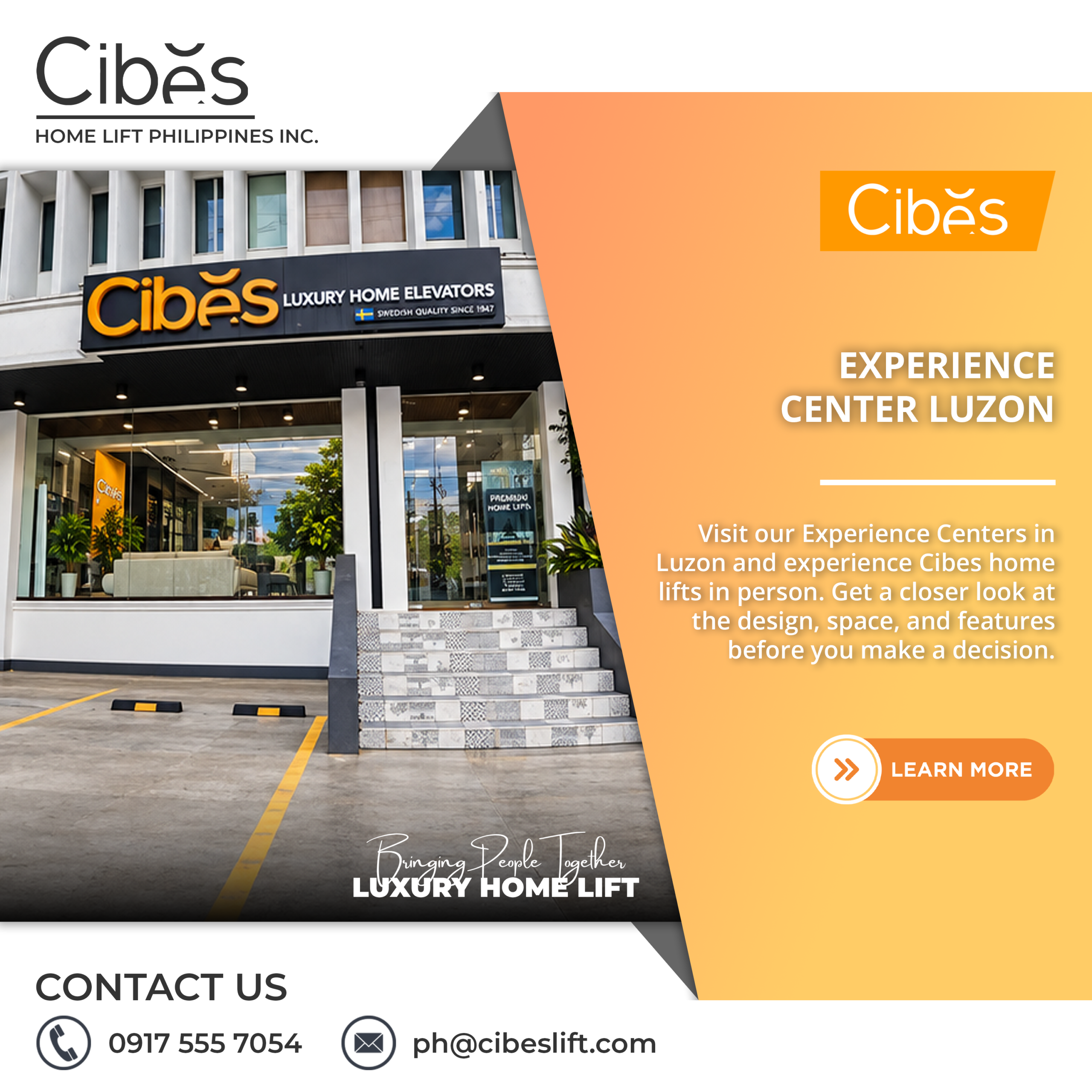
TL;DR Cibes Experience Center Luzon lets homeowners and property professionals experience Cibes home lifts in person before making a decision. Cibes Lift Philippines has 13 demo lifts across three Luzon Experience Centers: Makati (8), Mandaluyong (2), and Balintawak, Quezon City (3). Visitors can ride the lifts, check cabin space, test the controls, explore designs, and […]

TL;DR Sustainable home elevators in the Philippines are becoming an important consideration for homeowners who want to improve accessibility without overlooking environmental responsibility. Modern home elevators can support energy-efficient living through efficient drive systems, durable materials, renewable energy integration, and reduced structural changes compared with major home renovations. The Environmental Case for Sustainable Home Elevators […]

TL;DR Home Elevator Performance plays an important role in the safety, comfort, efficiency, and long-term reliability of a residential lift. While regular maintenance keeps your elevator operating reliably, proper usage, environmental control, component monitoring, electrical optimization, and timely upgrades can further improve its performance. In this guide, discover 8 expert tips to help maximize home […]
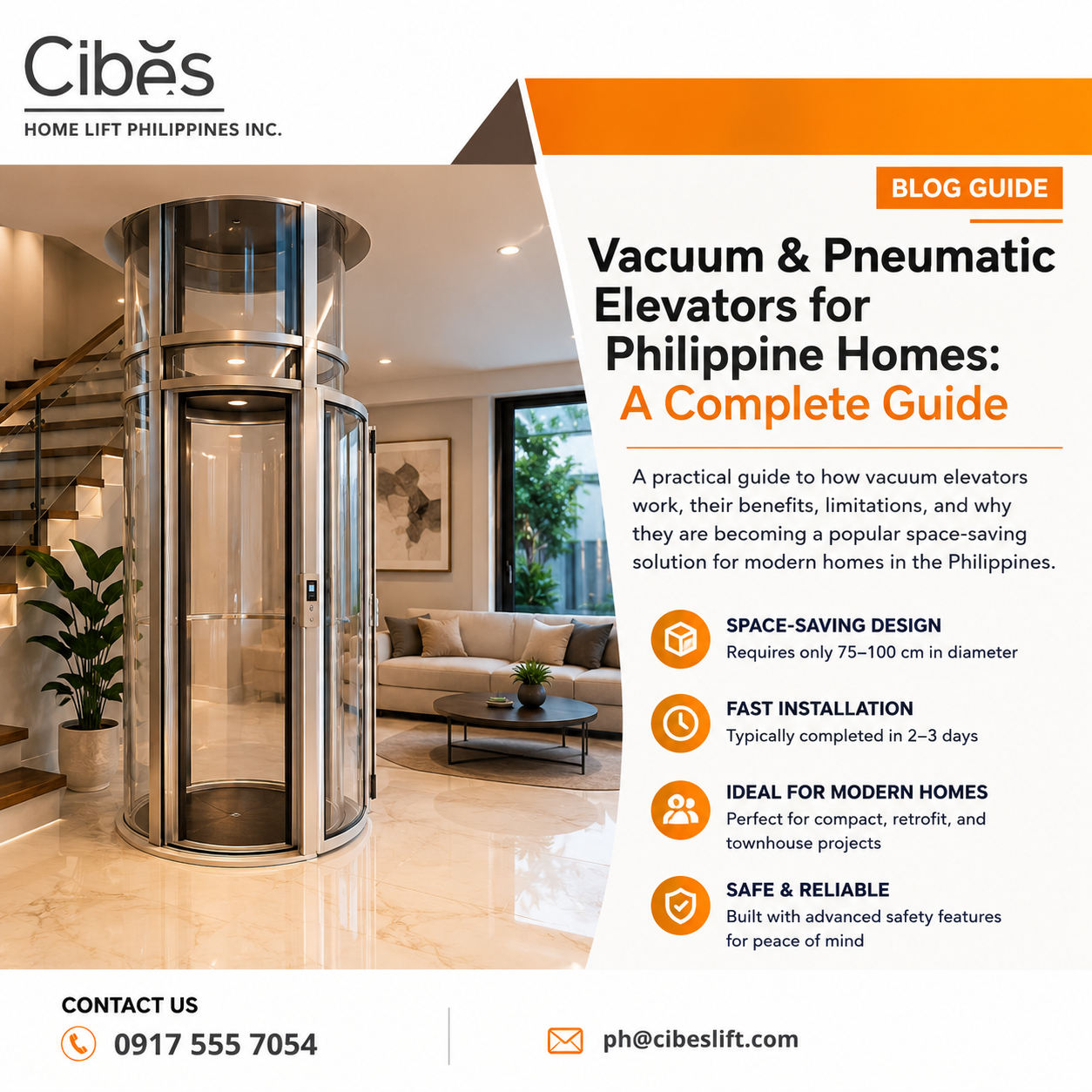
TL;DR Vacuum elevators use air pressure instead of cables or hydraulic systems to move a cabin inside a transparent tube. Most residential models require only 75 to 100 cm of space, serve 2 to 4 floors, carry 205 to 238 kg, and can often be installed in 2 to 3 days with minimal structural work. […]