Blog - 14/08/2026
Lift vs Elevator: What’s the Difference? (Tagalog Meaning Explained)
TL;DR
Lift vs elevator Tagalog is a common question for Filipinos looking for the right term for a vertical transport system. There is no technical difference between a lift and an elevator. Both refer to the same type of system used to move people between floors. “Elevator” is the common term in the Philippines, while “lift” is more commonly used in British English.
There is no exact Tagalog translation for “lift” or “elevator.” Filipinos usually use the word “elevator,” while “ascensor” is sometimes used but is less common.
What is the Tagalog word for elevator?
There is no widely used native Tagalog word for elevator. Most Filipinos simply use the English term “elevator.”
Some alternatives exist, but they are less common:
- Ascensor – used by older generations, influenced by Spanish
- Paakyat-pababa – informal phrase meaning “up and down”
In real conversations, you’ll hear:
“Tara, sakay tayo sa elevator.”
Not “lift,” and rarely “ascensor.”
Why do Filipinos say “elevator” instead of “lift”?
It comes down to history.
The Philippines was heavily influenced by American English through education, media, and government systems. That influence shaped everyday vocabulary, including how people refer to vertical transport.
So even today:
- Buildings use “Elevator” signage
- Conversations use “elevator” naturally
- “Lift” sounds foreign or uncommon to most locals
Meanwhile, “ascensor” reflects an older layer of Spanish influence, which has mostly faded in daily speech.
Lift vs Elevator: what’s the real difference?
Here’s a clear breakdown:
| Term | Used In | Language Origin | Meaning | Used in Philippines |
|---|---|---|---|---|
| Elevator | USA, Philippines | Latin “elevare” (to raise) | Vertical transport system | Yes (standard) |
| Lift | UK, Australia | Germanic root | Same function as elevator | Rare |
| Ascensor | Spanish-speaking regions | Latin “ascendere” (to climb) | Same function | Limited, older usage |
Key point: The machine is identical. Only the word changes depending on location.
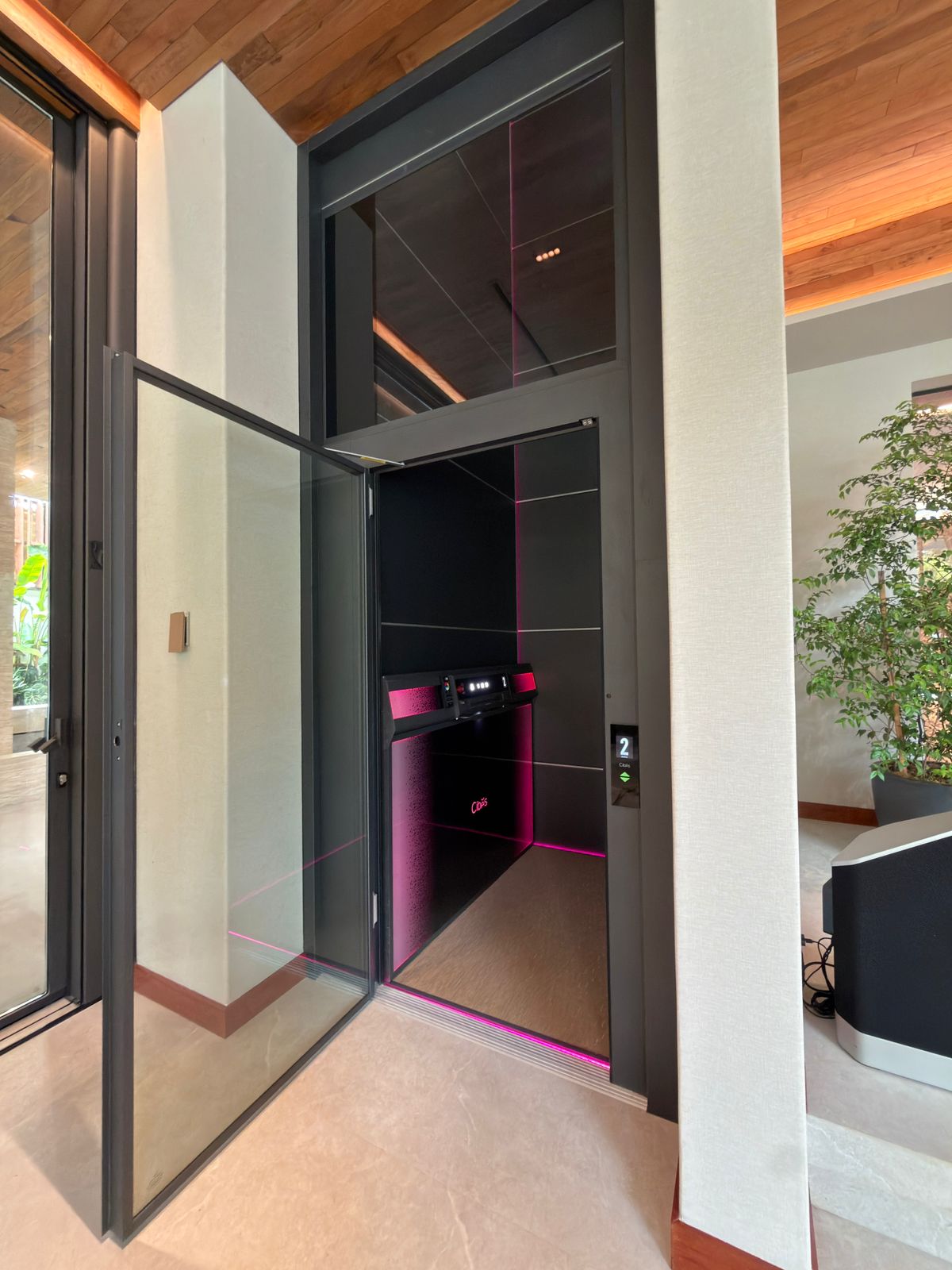
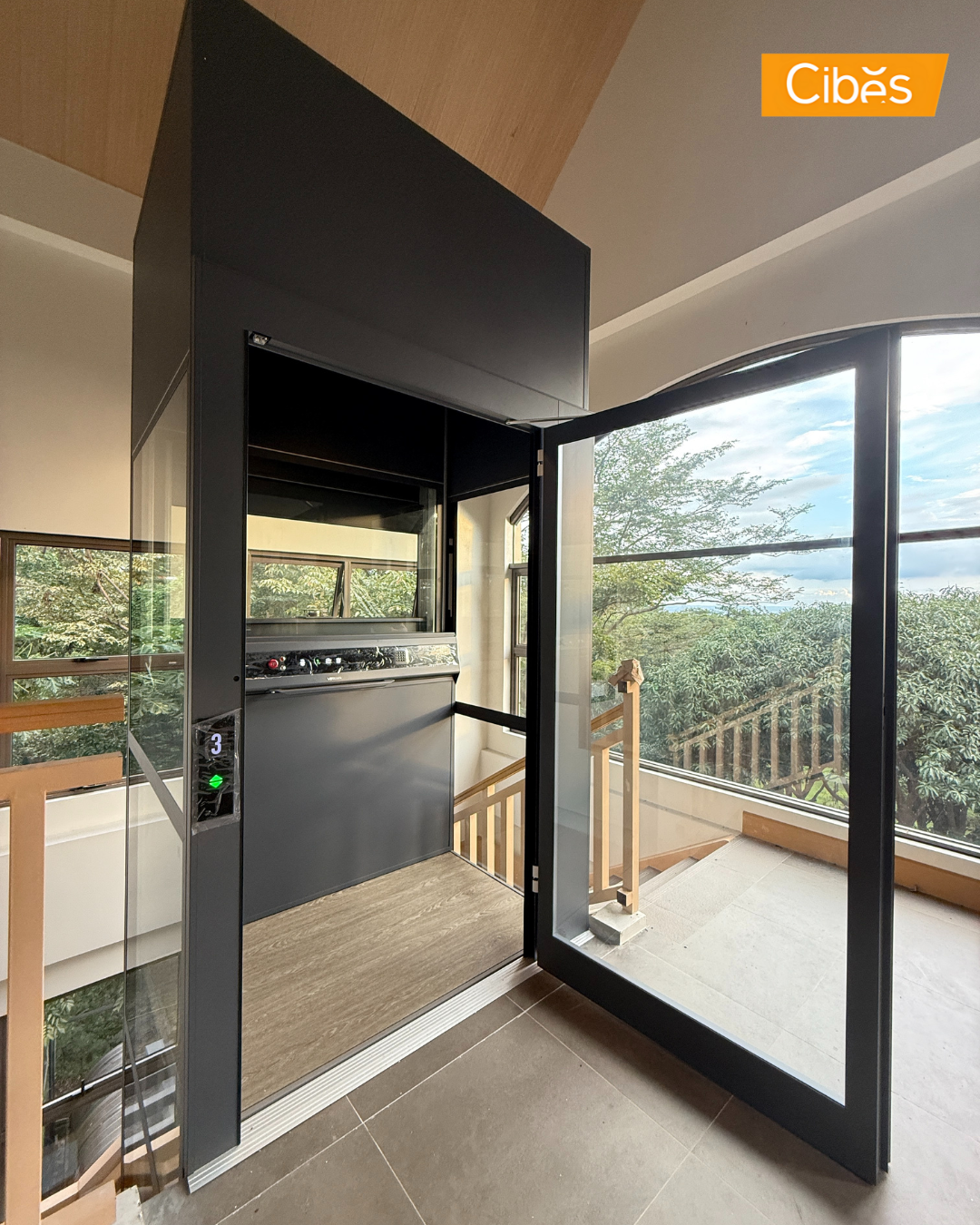
While the terminology changes from country to country, the technologies behind modern residential lifts remain the same. If you’re researching home elevators for a Philippine property, explore our complete guide to Cibes home elevators in the Philippines to learn about lift types, Swedish screw-driven technology, installation requirements, safety features, and design options.
Is “ascensor” still used in the Philippines?
Yes, but not widely.
You might hear “ascensor” from:
- Older Filipinos
- Certain regions with stronger Spanish influence
Younger generations typically don’t use it anymore. For most people today, “elevator” is the default term.
What’s the difference between an elevator and an escalator?
This is where confusion sometimes happens.
| Feature | Elevator | Escalator |
|---|---|---|
| Movement | Vertical | Inclined (moving stairs) |
| Capacity | Lower (hundreds per hour) | Higher (thousands per hour) |
| Use | Any building | High foot traffic areas |
| Tagalog term | Elevator / paakyat-pababa | “Gumagalaw na hagdan” |
Filipinos usually use English terms for both, especially in malls, offices, and condos.
What do Filipinos call escalators in Tagalog?
There’s no strict native term either.
Common usage:
- Escalator (standard)
- Gumagalaw na hagdan (informal, descriptive)
The second literally means “moving stairs.” It’s understandable, but not commonly used in signage or formal settings.
Why are there different words for the same machine?
It’s purely linguistic, not technical.
Think of it like:
- Apartment vs Flat
- Truck vs Lorry
Same object, different regions.
Language evolves based on history, and in the Philippines, American English simply became the dominant influence.
When should you use “lift” vs “elevator”?
Use “elevator” if:
- You are in the Philippines
- You’re speaking with Filipino clients
- You’re writing for a local audience
Use “lift” if:
- You’re dealing with UK or Australian audiences
- You want to match British English standards
If you’re unsure, “elevator” is the safer choice in most global contexts.
FAQ
Is lift and elevator the same?
Yes. Same machine, different regional terms.
What is the Filipino word for elevator?
There is no exact native term. Filipinos use “elevator.”
What does ascensor mean?
It’s a Spanish-derived word for elevator, used less frequently today.
Why don’t Filipinos say lift?
Because American English shaped local language use.
Is escalator the same as elevator?
No. Elevators move vertically. Escalators are moving stairs.
Final takeaway
If you’re in the Philippines, keep it simple:
People say elevator, not lift.
The difference isn’t mechanical. It’s cultural, historical, and linguistic.
And once you see it that way, it actually makes a lot more sense.
Read More
- How Elevators Work: Basic Principles, Components & Systems
- Home Elevator Repair Philippines: Common Problems & Fixes
Experience Center and Technical Station Address
Makati City | Balintawak – Quezon City | Mandaluyong City | Cebu City | Ilo-Ilo City | Davao City | Cagayan De Oro City






CIBES AUTHOR
Mylen Posas is the Aftersales Manager at Cibes Lift Philippines. She oversees aftersales operations, ensuring every customer receives reliable support from installation through long-term maintenance. With a strong focus on service quality and customer satisfaction, she works closely with the technical team to deliver prompt assistance and help maintain the long-term performance and safety of every Cibes home lift.


TL;DR The Cibes Experience Center Visayas in Cebu City lets homeowners, architects, designers, contractors, and developers see Cibes home lifts in person. Visitors can experience the lift cabin, review available designs and features, and discuss installation requirements with the Cibes team. The Cebu Experience Center currently lists V90 Elegance, Z85 Antera, and Ascenda among its […]
TL;DR Cibes Experience Center Luzon lets homeowners and property professionals experience Cibes home lifts in person before making a decision. Cibes Lift Philippines has 13 demo lifts across three Luzon Experience Centers: Makati (8), Mandaluyong (2), and Balintawak, Quezon City (3). Visitors can ride the lifts, check cabin space, test the controls, explore designs, and […]

TL;DR Sustainable home elevators in the Philippines are becoming an important consideration for homeowners who want to improve accessibility without overlooking environmental responsibility. Modern home elevators can support energy-efficient living through efficient drive systems, durable materials, renewable energy integration, and reduced structural changes compared with major home renovations. The Environmental Case for Sustainable Home Elevators […]

TL;DR Home Elevator Performance plays an important role in the safety, comfort, efficiency, and long-term reliability of a residential lift. While regular maintenance keeps your elevator operating reliably, proper usage, environmental control, component monitoring, electrical optimization, and timely upgrades can further improve its performance. In this guide, discover 8 expert tips to help maximize home […]

TL;DR Vacuum elevators use air pressure instead of cables or hydraulic systems to move a cabin inside a transparent tube. Most residential models require only 75 to 100 cm of space, serve 2 to 4 floors, carry 205 to 238 kg, and can often be installed in 2 to 3 days with minimal structural work. […]