Blog - 12/08/2026
Glass & Scenic Home Elevators in the Philippines: Design & Benefits
TL;DR
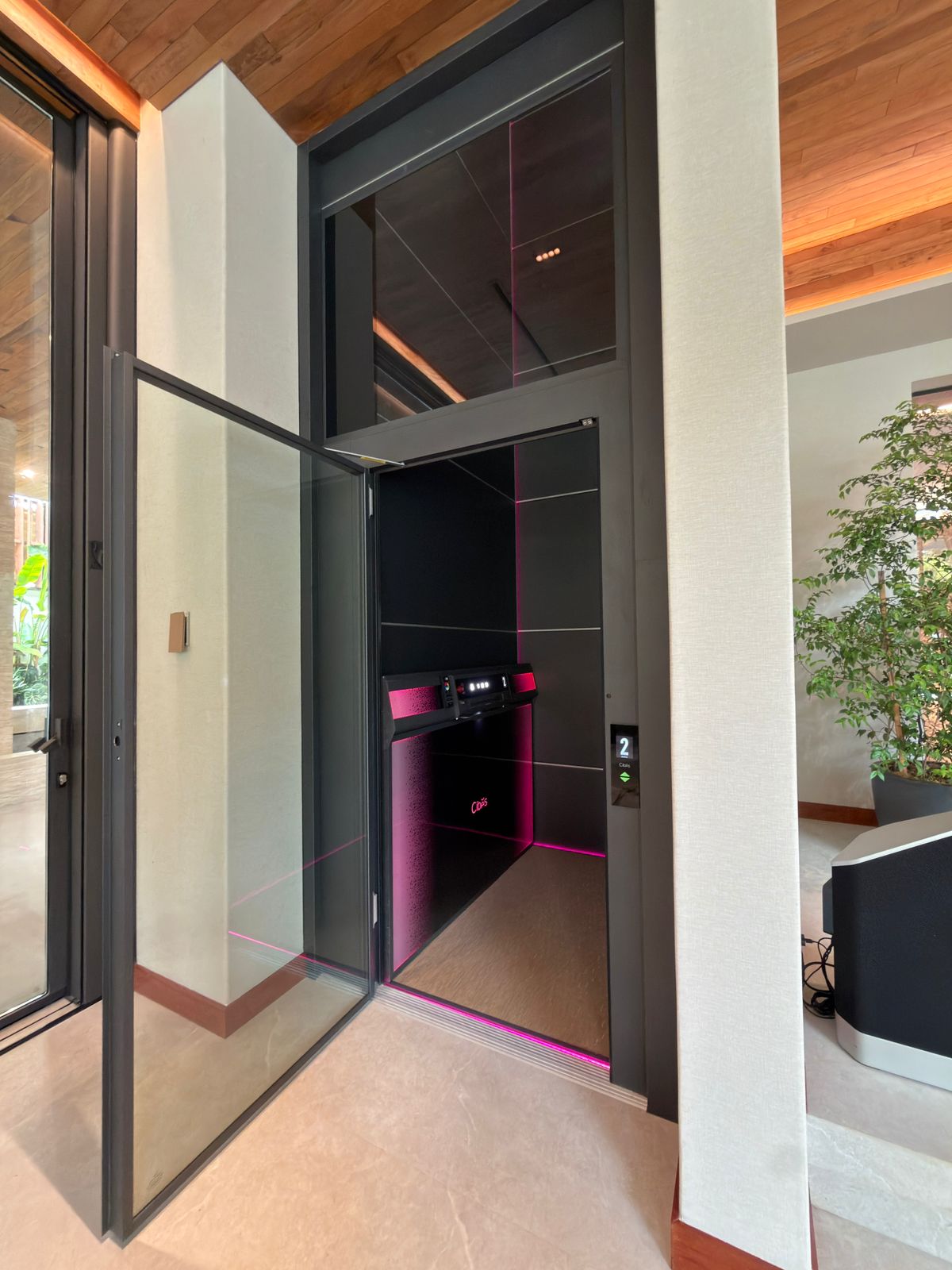
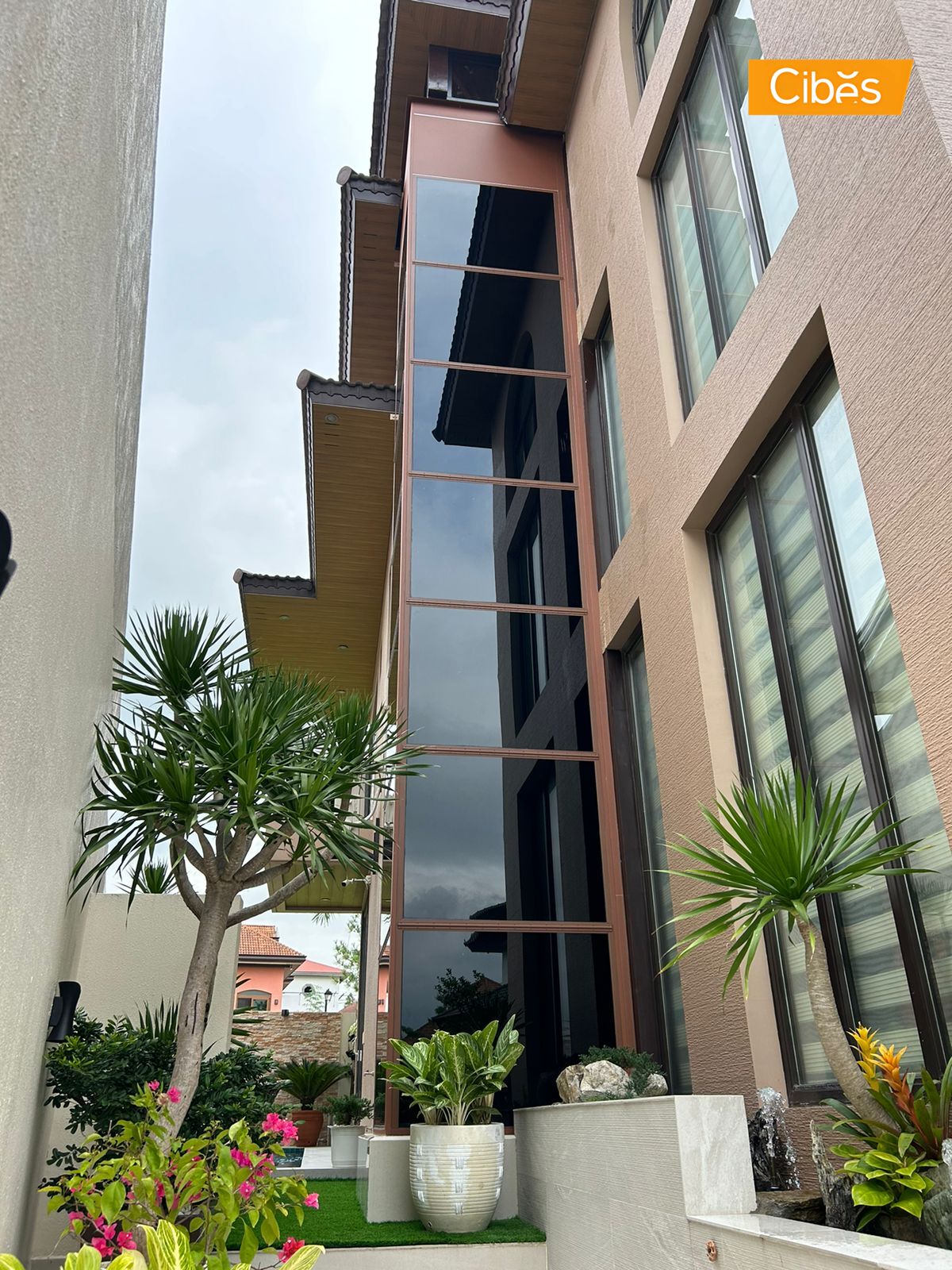
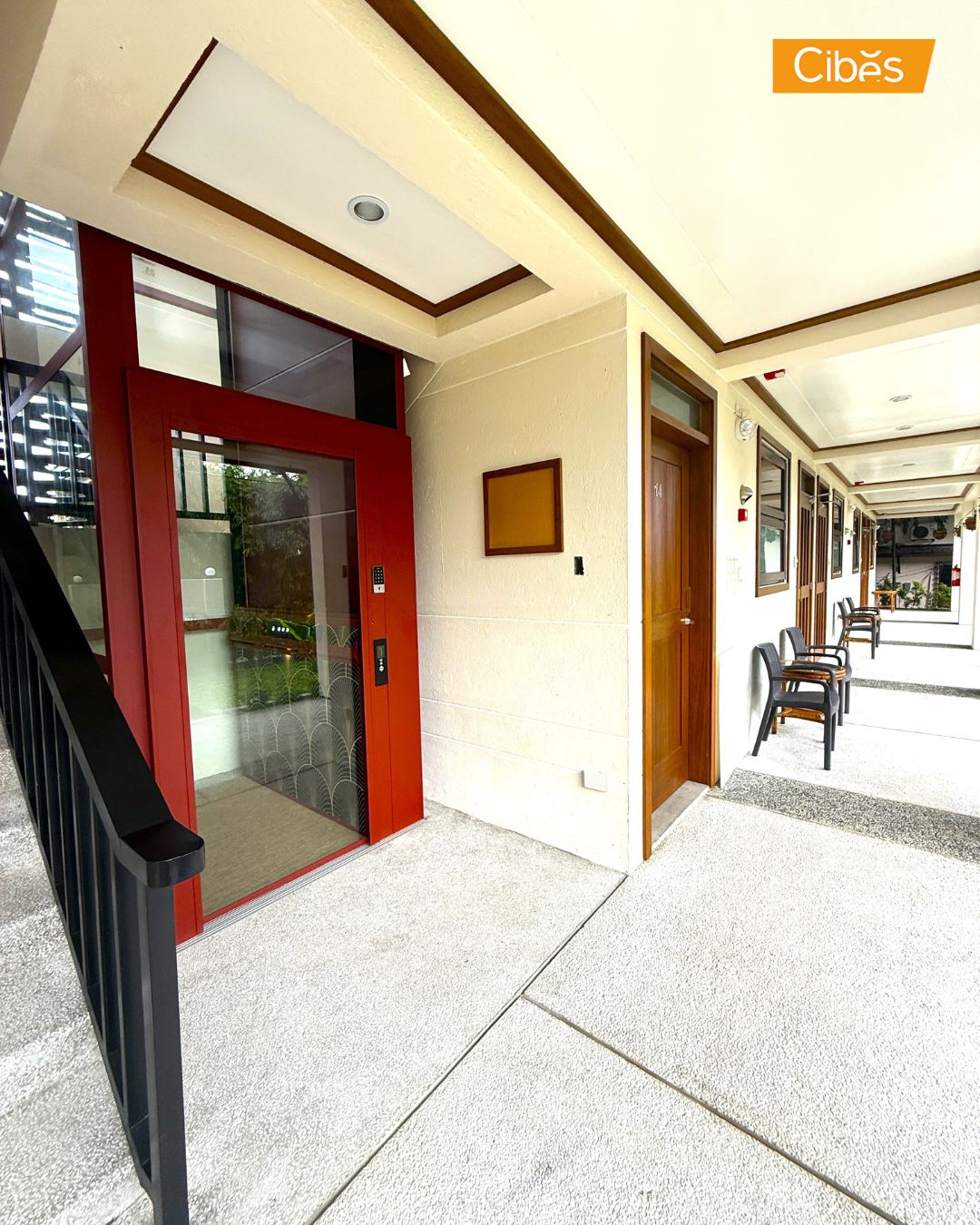
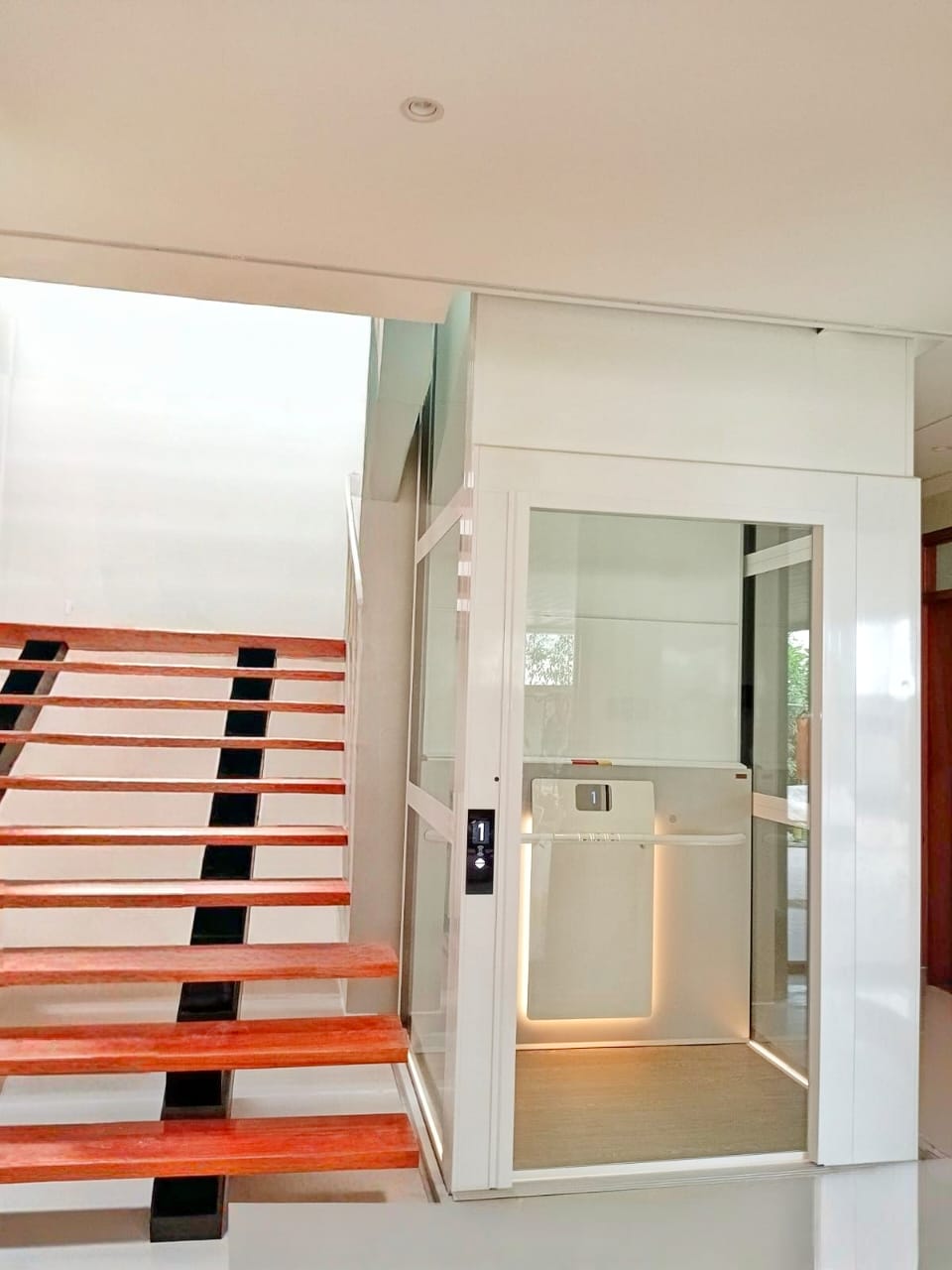
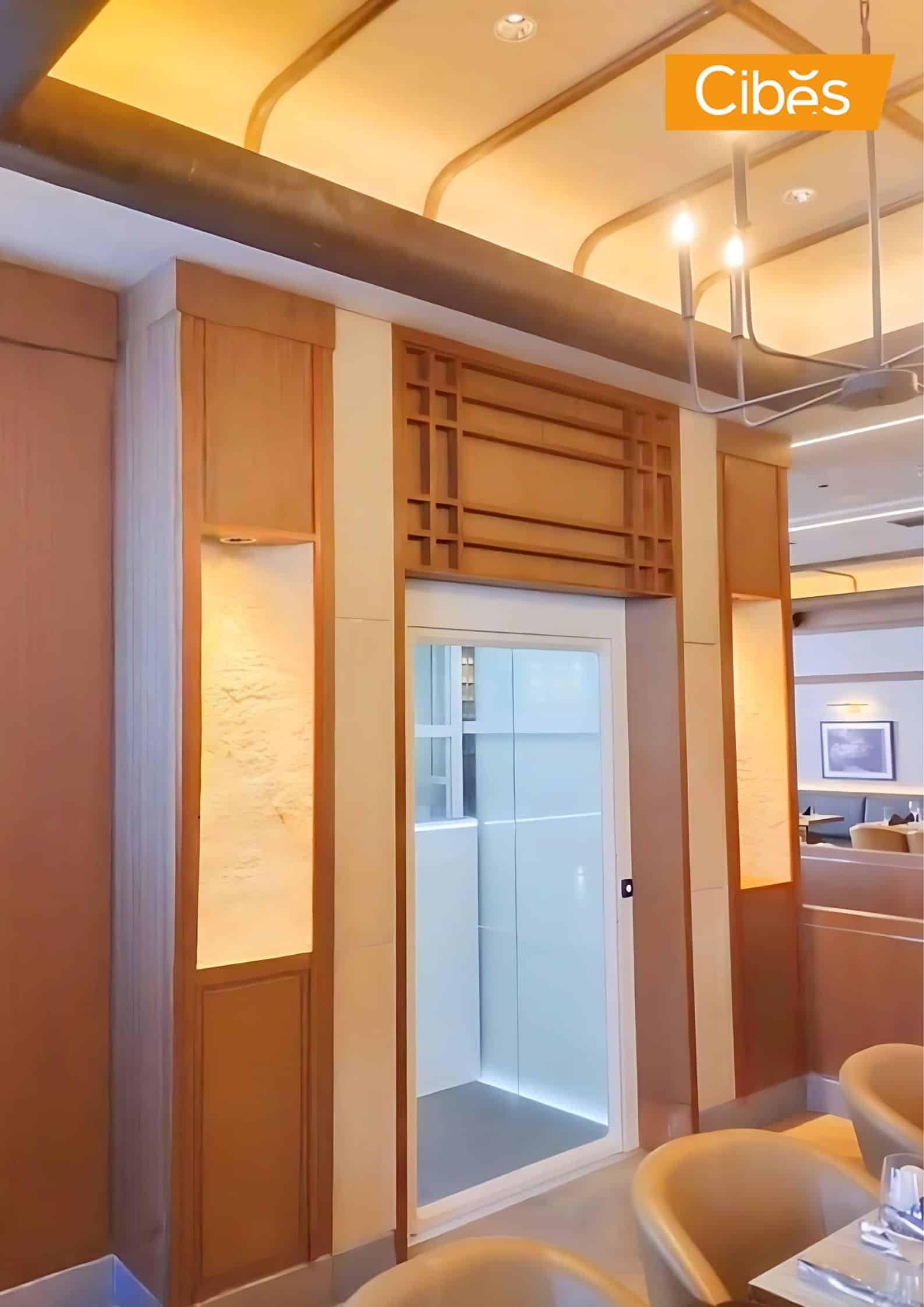
Glass home elevators Philippines homeowners choose can combine accessibility, natural light, and modern design in one residential lift solution. Cibes glass home elevators use tempered or laminated safety glass walls to provide visibility while moving between floors.
In the Philippines, glass home elevators can be considered for multi-storey homes, townhouses, hillside residences, and homes designed for long-term accessibility.
If you’re exploring residential lift solutions beyond glass designs, our Home Elevators Philippines Complete Guide covers lift types, installation requirements, pricing considerations, and design options available to Filipino homeowners.
What Are Glass and Scenic Home Elevators?
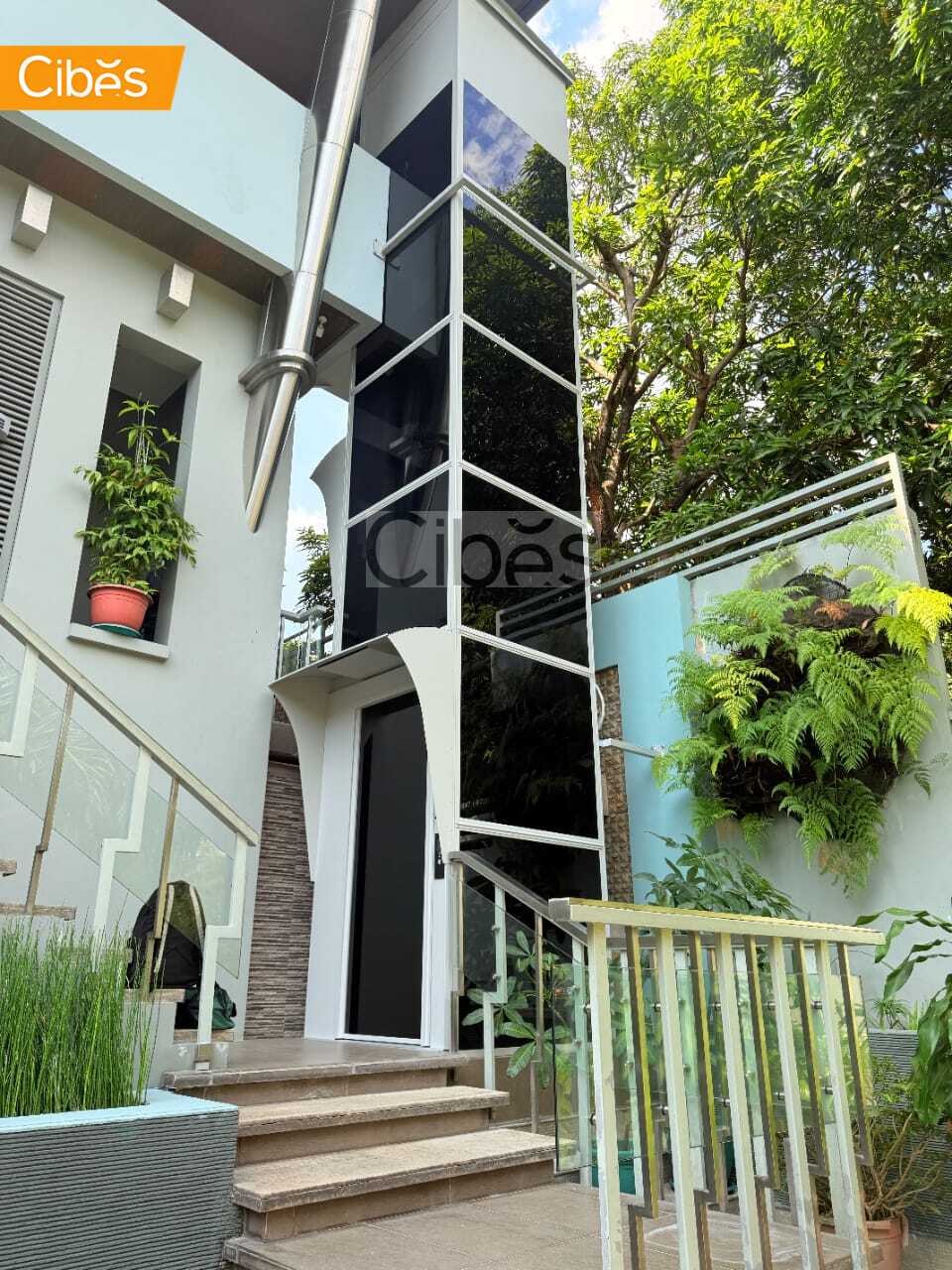
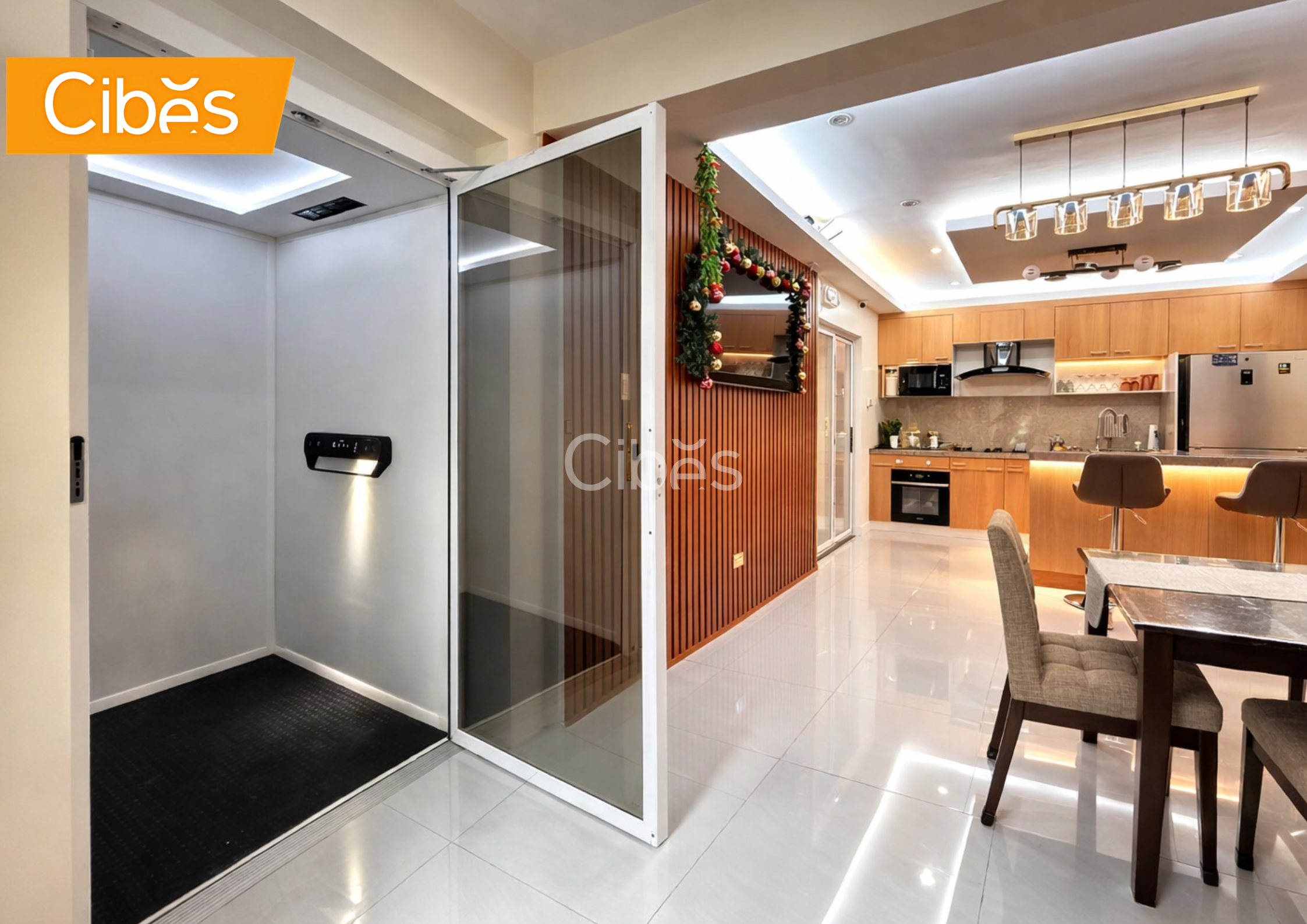
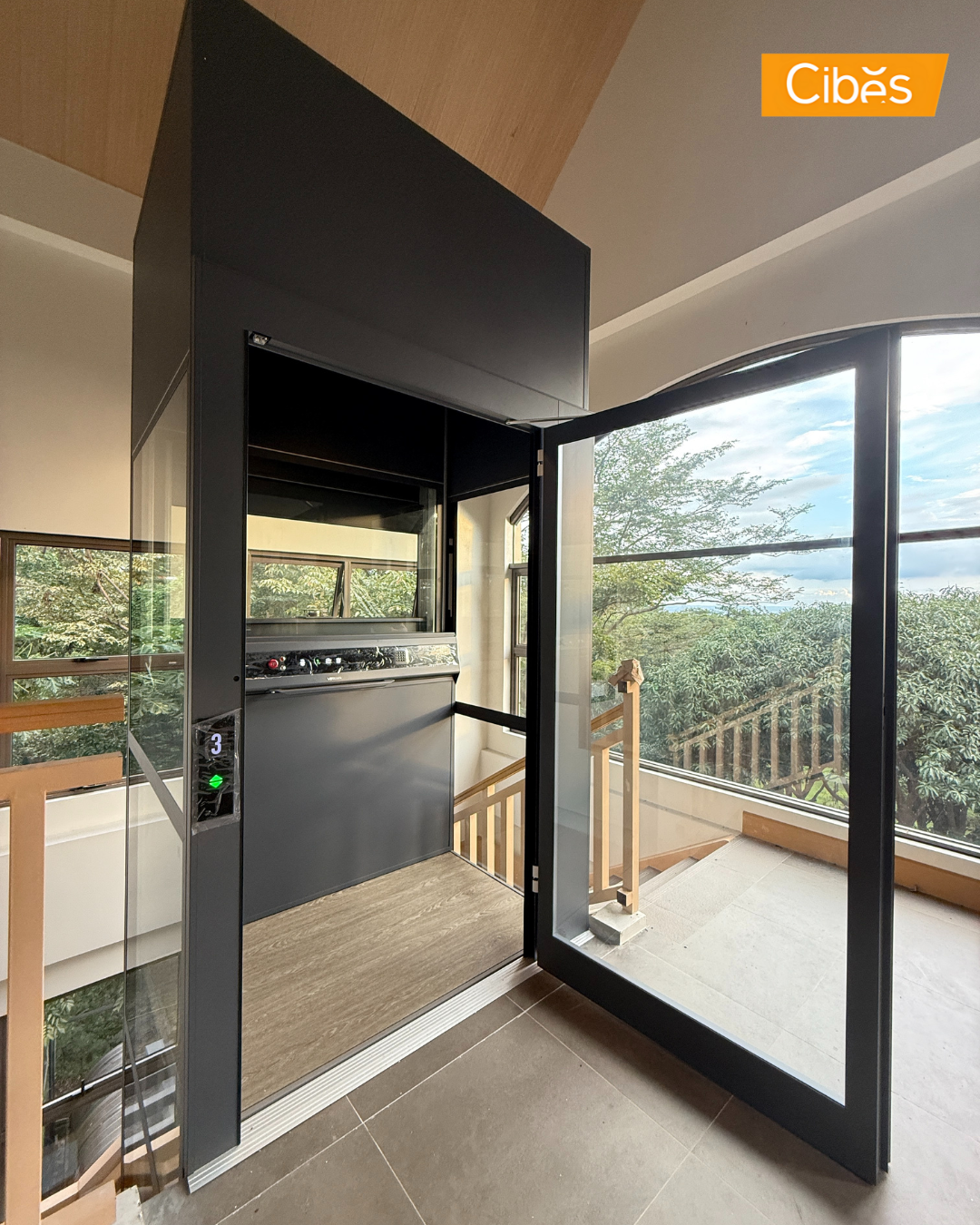
Glass and scenic home elevators are residential lifts built with transparent or semi-transparent safety glass panels. Unlike fully enclosed cabins, they allow light to pass through the shaft, creating a more open feel as the lift moves between floors.
In Philippine homes, these elevators are often used in:
- Three- to four-storey townhouses
- Split-level homes
- Hillside and coastal residences
- Homes designed for aging parents or multi-generation families
They function the same way as traditional residential elevators but place more emphasis on visibility, light, and architectural integration.
How Do Glass Elevators Improve Home Design and Daily Living?
Glass elevators enhance both form and function.
From a design perspective, glass panels reduce visual bulk. Instead of blocking sightlines, the elevator becomes part of the home’s layout. Natural light continues to flow between floors, which is especially valuable in narrow urban homes.
From a daily living perspective, homeowners value:
- Easier movement for elder and users with mobility limitations
- Better visibility when entering and exiting the cabin
- A more comfortable experience compared to enclosed lifts
Many Philippine homeowners also choose glass elevators because they blend well with modern, minimalist interiors common in new residential builds.
How Do 360-Degree Glass Elevators Create Panoramic Views at Home?
A 360-degree glass elevator uses transparent panels on all sides of the cabin. This creates uninterrupted views while the lift is in motion.
In homes with stair voids, atriums, or open living spaces, this design:
- Makes the elevator feel lighter and less intrusive
- Turns vertical movement into a visual feature
- Enhances the perceived size of the interior
For privacy-sensitive areas, glass can be partially frosted or tinted without removing the panoramic effect.
Are Glass Home Elevators Safe for Residential Use in the Philippines?
Yes. Modern glass home elevators are designed to meet residential safety standards and are suitable for Philippine homes.
They use tempered or laminated safety glass that is highly resistant to impact and shattering. In the event of breakage, the glass is designed to remain bonded rather than splintering into sharp pieces.
Safety Comparison: Glass vs Traditional Enclosed Elevators
| Safety Feature | Glass Home Elevators | Traditional Enclosed Elevators |
| Wall material | Tempered or laminated safety glass | Metal or composite panels |
| Impact resistance | High | Medium |
| Emergency systems | Backup power, safety brakes | Backup power, safety brakes |
| Cabin visibility | Full or partial visibility | Limited visibility |
From a safety standpoint, glass elevators are comparable to traditional enclosed models when properly installed and maintained.
How Much Does a Glass Home Elevator Cost in the Philippines?
The cost of a glass home elevator in the Philippines varies depending on several factors. There is no single fixed price because each installation is tailored to the home.
Key Cost Factors
| Cost Factor | Impact on Price | Notes |
| Elevator size | High | Larger cabins increase material and system cost |
| Glass type | Medium | Clear, tinted, or frosted glass options |
| Custom finishes | High | Cabin finishes and design details |
| Installation type | Medium | New construction vs retrofit |
| Location | Medium | Urban vs provincial logistics |
For accurate pricing, a site assessment is required to evaluate space, structure, and design preferences.
How Much Maintenance Do Glass Elevators Require in a Tropical Climate?
Glass home elevators require regular but manageable maintenance.
In the Philippines’ tropical environment, glass panels typically need cleaning weekly to monthly, depending on usage and exposure to dust or coastal air. Cleaning usually involves standard glass cleaner or a mild soap solution.
Mechanical maintenance follows the same schedule as other residential elevators and is handled during routine servicing.
Can Glass Elevators Be Installed in Existing Homes?
Yes. Glass home elevators can often be retrofitted into existing Philippine homes.
A structural assessment is recommended before installation to confirm load paths, available space, and electrical requirements. Many retrofit projects can be completed with minimal changes to the home’s layout.
Are Glass Elevators Worth the Investment?
For many homeowners, yes.
Glass elevators improve daily mobility, support long-term living at home, and often increase property appeal in the Philippine real estate market. Homes with well-integrated accessibility features are more attractive to buyers planning for long-term use.
When Glass Elevators May Not Be the Best Choice
Glass home elevators may not be ideal if:
- The elevator shaft passes directly through private bedrooms with no alternative routing
- The home is in a high-dust or coastal area, and minimal cleaning is a priority
- The interior design is strongly traditional rather than modern
- The homeowner prefers fully enclosed spaces over open visibility
Understanding these limits helps ensure the right elevator choice from the start.
What Philippine Homeowners Say About Glass Elevators
“Installing a glass elevator allowed my mother to move freely between floors again. It changed how we use our home every day.”
Maria S., Makati
“We were worried about space, but the glass cabin actually made our townhouse feel more open.”
Jonathan R., Quezon City
Frequently Asked Questions About Glass Home Elevators in the Philippines
Q: Are glass home elevators safe for children and elder?
Yes. When installed correctly, they include safety sensors, emergency systems, and non-slip flooring suitable for all ages.
Q: Can glass be frosted for privacy?
Yes. Frosted or tinted glass options are available for privacy without removing light.
Q: Do glass elevators consume more electricity?
Not necessarily. Energy consumption depends on the elevator technology, drive system, usage, travel distance, load, and other factors. The use of glass alone does not determine the elevator’s overall electricity consumption.
Q: How long does installation usually take?
Typical installations range from several weeks, depending on site conditions.
Learn more
Experience Center and Technical Station Address
Makati City | Balintawak – Quezon City | Mandaluyong City | Cebu City | Ilo-Ilo City | Davao City | Cagayan De Oro City






CIBES AUTHOR
Mylen Posas is the Aftersales Manager at Cibes Lift Philippines. She oversees aftersales operations, ensuring every customer receives reliable support from installation through long-term maintenance. With a strong focus on service quality and customer satisfaction, she works closely with the technical team to deliver prompt assistance and help maintain the long-term performance and safety of every Cibes home lift.


TL;DR The Cibes Experience Center Visayas in Cebu City lets homeowners, architects, designers, contractors, and developers see Cibes home lifts in person. Visitors can experience the lift cabin, review available designs and features, and discuss installation requirements with the Cibes team. The Cebu Experience Center currently lists V90 Elegance, Z85 Antera, and Ascenda among its […]
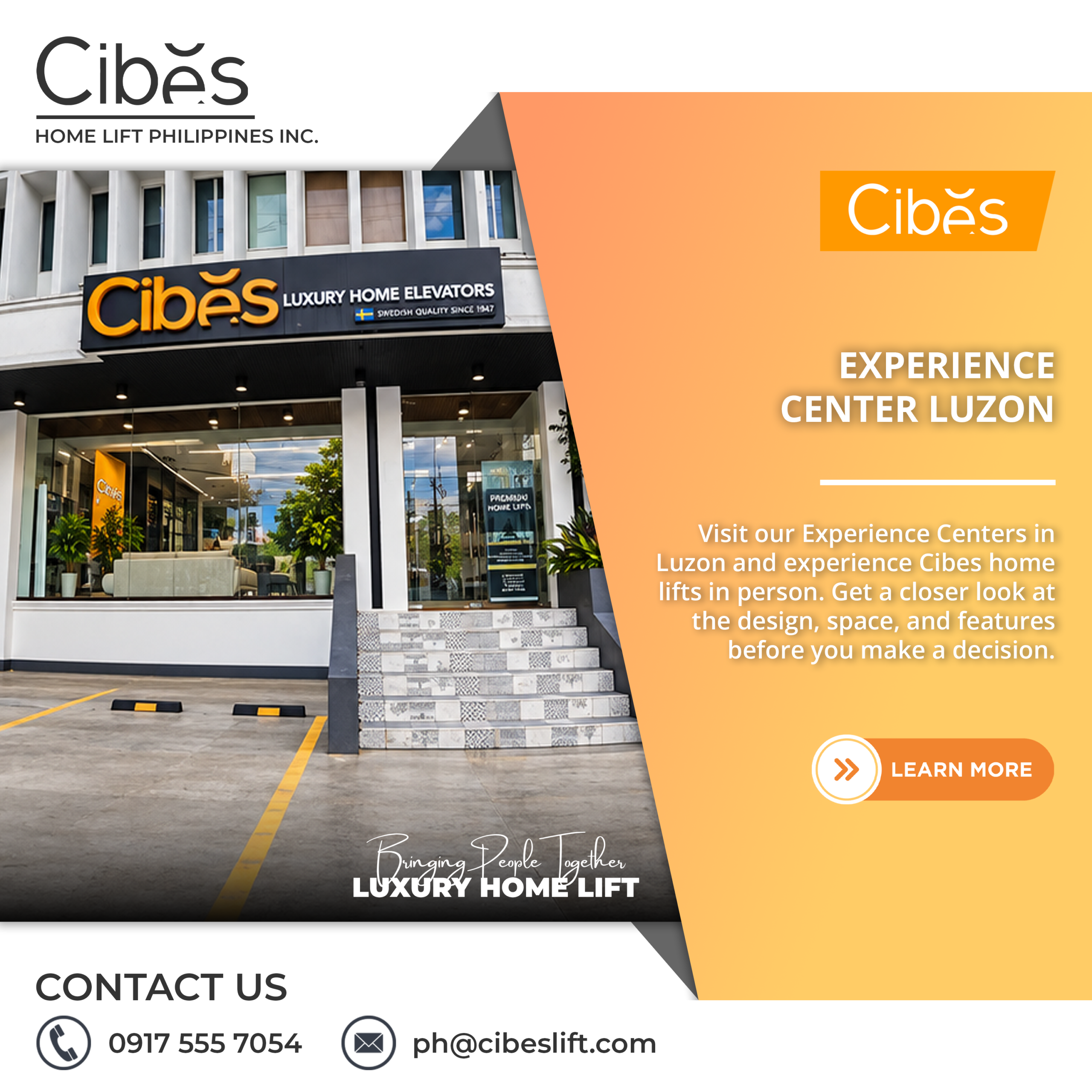
TL;DR Cibes Experience Center Luzon lets homeowners and property professionals experience Cibes home lifts in person before making a decision. Cibes Lift Philippines has 13 demo lifts across three Luzon Experience Centers: Makati (8), Mandaluyong (2), and Balintawak, Quezon City (3). Visitors can ride the lifts, check cabin space, test the controls, explore designs, and […]

TL;DR Sustainable home elevators in the Philippines are becoming an important consideration for homeowners who want to improve accessibility without overlooking environmental responsibility. Modern home elevators can support energy-efficient living through efficient drive systems, durable materials, renewable energy integration, and reduced structural changes compared with major home renovations. The Environmental Case for Sustainable Home Elevators […]

TL;DR Home Elevator Performance plays an important role in the safety, comfort, efficiency, and long-term reliability of a residential lift. While regular maintenance keeps your elevator operating reliably, proper usage, environmental control, component monitoring, electrical optimization, and timely upgrades can further improve its performance. In this guide, discover 8 expert tips to help maximize home […]
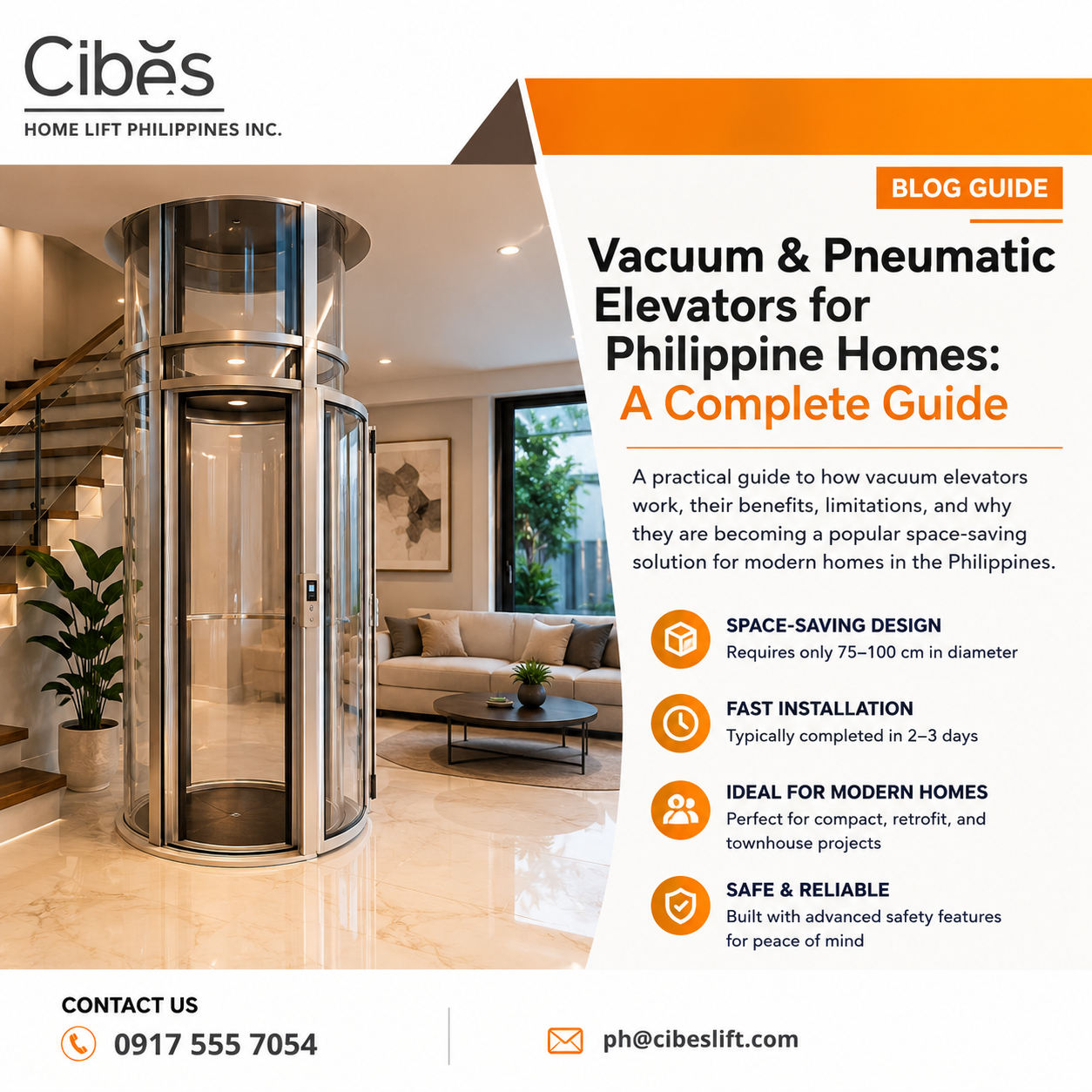
TL;DR Vacuum elevators use air pressure instead of cables or hydraulic systems to move a cabin inside a transparent tube. Most residential models require only 75 to 100 cm of space, serve 2 to 4 floors, carry 205 to 238 kg, and can often be installed in 2 to 3 days with minimal structural work. […]