Blog - 28/01/2026
Maximizing Home Lift Performance: 8 Expert Strategies for Optimal Operation
A home elevator is an investment in accessibility and mobility, but like any advanced mechanical system, its operation is highly dependent on how it’s used, maintained, and tuned in the long term.
While maintenance ensures your elevator operates reliably, using advanced performance techniques can substantially enhance efficiency, save operating costs, and optimize the overall user experience. Here are eight master-level techniques to make your home elevator function at its best throughout its entire lifespan.
1. Implement Smart Usage Patterns to Reduce Wear
Learning about how your elevator responds to different patterns of use can make a significant contribution to its mechanical lifespan, elevator performance, and power consumption. Repeated heavy usage, random direction switching, and continuous short trips can subject drive systems and control systems to unwanted stress unnecessarily.
Load Distribution Awareness is crucial to system longevity. While contemporary elevators are rated to service their rated load, everyday use close to weight capacity WILL increase cable, drive machine, and safety device wear. Attempt to spread heavy loads across multiple trips where practical and avoid high-weight transfers which will stress the leveling system.
Timing Optimization will reduce energy consumption significantly. Most modern elevator systems perform better during certain times of the day when residential electrical loads are minimal. Understanding the electrical nature of your home and scheduling heavy elevator usage accordingly will optimize the system overall.
2. Environmental Controls for Increased Reliability
Ambient conditions around your elevator will control its operation, particularly for residential buildings where heating and cooling vary by floor or season. Total environmental control installation prolongs equipment life and increases operating reliability.
Humidity Control prevents electrical equipment corrosion and allows mechanical equipment to operate effectively. The use of dehumidifiers in elevator machine rooms or providing ventilation near drive equipment can prevent moisture-related failure usually experienced in coastal or tropical regions.
Air Quality Control reduces dust and particle accumulation on delicate components. Locating air filtering devices close to elevator equipment sites or regular cleaning of ventilating systems limits clogging that can cause disruption in sensing, switching, and moving components.
3. Proactive Component Monitoring and Early Intervention
Relying on maintenance visit schedules rather than have real-time monitoring systems available allows for early detection of issues before it impacts system performance or requires emergency replacement.
Visual Inspection Techniques assist with wear pattern identification and developing potential problems. Regular visual inspection of exposed components like door tracks, control panels, and exposed mechanical components can inform technicians about conditions that need repair on the next service visit.
4. Elevator Repair and Common Performance Issues
Even with proper maintenance, occasional elevator repair is necessary to preserve long-term reliability and ride quality. Common performance-related issues include door misalignment, uneven leveling, unusual noises, control panel faults, and delayed response times.
Timely residential elevator repair prevents minor defects from developing into major mechanical or electrical failures. Addressing worn rollers, loose wiring, lubrication problems, and sensor calibration early helps maintain consistent elevator performance and reduces unexpected downtime.
Homeowners should work with certified technicians who understand residential systems and can diagnose issues within an optimized maintenance framework. When integrated into a residential lift plan optimized for long-term use, proactive repair strategies significantly extend equipment lifespan and operating efficiency.
5. Enhanced Lubrication and Component Service
Aside from regular service schedules, becoming intimate with your elevator system’s specific lubrication and maintenance requirements can also drastically influence performance and prevent long-term operating costs.
Component-Specific Maintenance recognizes that different elevator systems have specific requirements. Screw-driven, hydraulic, and cable assemblies all return specialized care regimes distinct from standard servicing practices.
6. Optimization of the Electrical System
Modern residential elevators bring significant reliance on sophisticated electrical and electronic controls that owe optimization multiple times over from traditional electrical maintenance.
Power Quality Management offers uniform electrical supply to sensitive control systems. Voltage regulator or power conditioning unit installation will prevent electrical surges damage and increase system reliability, particularly in areas with undependable electrical supply.
Energy Efficiency Upgrades can save operating cost tremendously while improving performance. Conversions of LED lights, control system modifications, and regenerative drive technologies can save 30-50% of energy while providing better ride quality along with system response.
7. User Education and Safety Protocol Enhancement
Best performance by an elevator is highly reliant on the behavior of the members of the household and guests to the system. User education on a large scale prevents damage and provides performance consistency.
Correct operating procedures include attention to weight distribution, proper operation of the doors, and correct awareness of when the system is not available for use. Correct elevator etiquette training for all members in a residence prevents damage and operates the elevator safely.
8. Strategic Future Planning and Futureproofing
Future planned upgrades and modifications can significantly increase your elevator’s lifespan and optimize performance and stay current with current safety standards.
Accessibility Upgrade Planning looks forward to changing family needs and governmental regulation. Looking forward to mobility aid compatibility, communications system updates, and enhanced safety features ensures your elevator stays attuned to needs as conditions change.
Performance Upgrade Scheduling is upgrading components ahead of time before they are necessary. Preemptive control system, drive mechanism, and safety equipment upgrading during scheduled maintenance cycles is cheaper than emergency replacement but provides higher performance and reliability.
These advanced techniques, which are implemented, take your home elevator from a rudimentary transit system to a highly optimized system with higher performance, better reliability, and lower operating expenses. The secret is seeing elevator performance optimization as a continuum, not as a discrete event.
Routine checks on these performance determinants, professional servicing, and frequent upgrading maintains your elevator at peak performance while retaining its worth as a home improvement investment. Remember, continuous little efforts toward performance improvement in the majority of cases pay far more than rushing to fix problems after the fact.
FAQ : Maximizing Home Lift Performance in the Philippines
Q: How can I improve my home elevator’s performance?
A: Home elevator performance can be improved through proper usage habits, regular professional maintenance, environmental control, and timely component upgrades. Monitoring load distribution, lubrication, and electrical systems also helps maintain smooth operation.
Q: When should I consider elevator repair for my home lift?
A: Elevator repair should be considered when you notice unusual noises, door alignment issues, slow response times, uneven leveling, or recurring faults. Early intervention prevents minor issues from turning into major failures.
Q: What is residential elevator repair and how is it different from regular maintenance?
A: Residential elevator repair focuses on fixing worn, damaged, or malfunctioning components, while regular maintenance focuses on inspection, lubrication, and preventive care. Both are essential for long-term reliability and safety.
Q: How often should a home elevator be serviced?
A: Most residential elevators should be professionally serviced at least once or twice a year. Homes with frequent use or coastal environments may require more frequent inspections.
Q: Can proper maintenance reduce the need for major elevator repairs?
A: Yes. Preventive maintenance significantly reduces the risk of major repairs by identifying wear, electrical issues, and mechanical problems early. This helps extend system lifespan and maintain consistent elevator performance.
Q: What are the most common causes of home elevator breakdowns?
A: Common causes include poor lubrication, electrical fluctuations, worn door components, humidity damage, and lack of regular servicing. Environmental control and timely repairs can prevent most breakdowns.
Q: How does an optimized residential lift plan improve reliability?
A: An optimized residential lift plan includes scheduled inspections, performance monitoring, planned upgrades, and proactive repair strategies. This structured approach minimizes downtime and improves long-term operating efficiency.
Q: Should I use third-party technicians for residential elevator repair?
A: It is recommended to use certified and manufacturer-approved technicians who are trained in residential systems. This ensures repairs meet safety standards and do not affect warranty coverage.



What is a single-person home elevator in the Philippines? TL;DR A single-person home elevator is a compact residential lift designed for one adult. It typically measures 2.5 to 3 feet wide and 3 to 4 feet deep, with an 8 to 12 square foot footprint per floor and a weight capacity of 300 to 500 […]
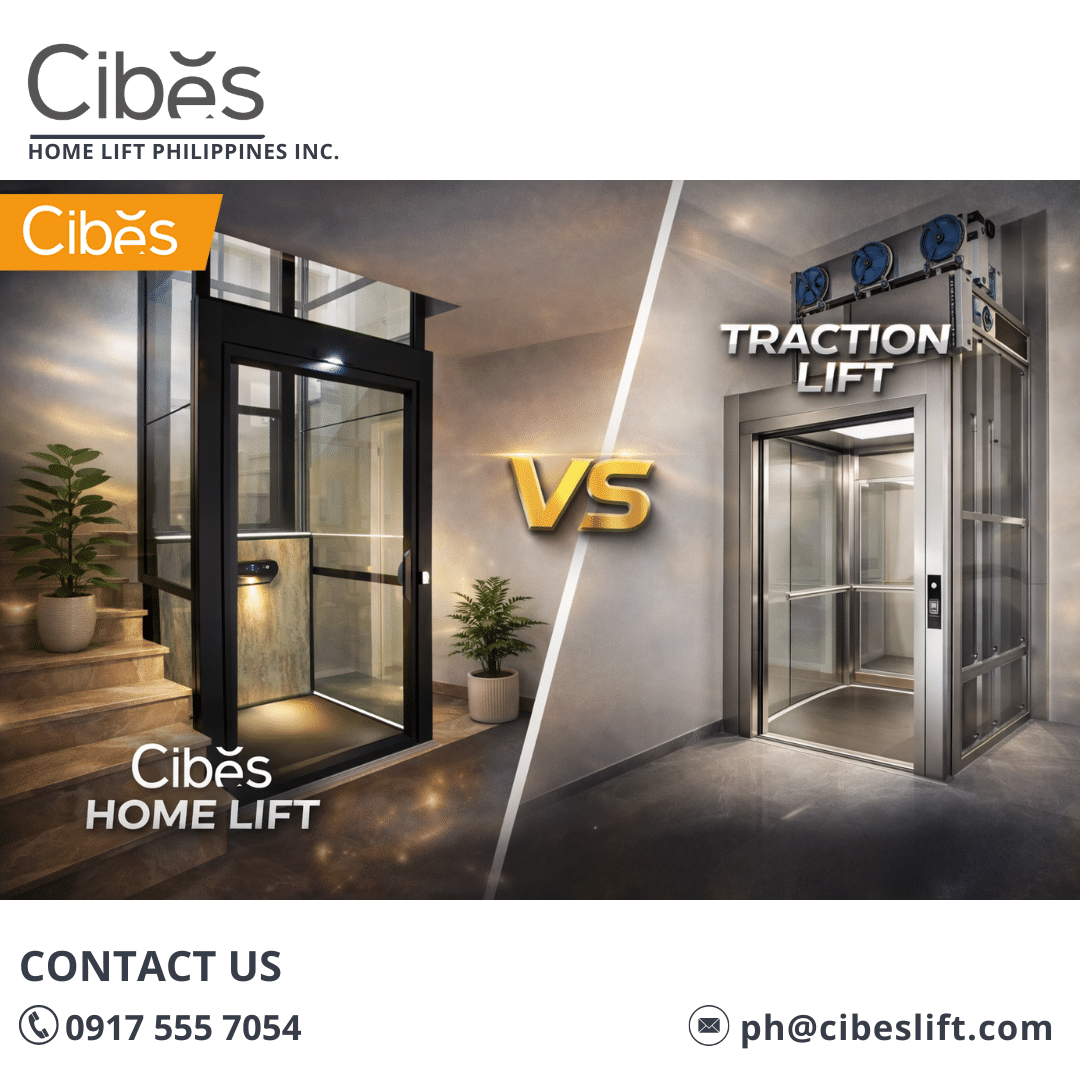
Are Traction Elevators Good for Homes in the Philippines? TL;DR Traction elevators are a practical home lift solution for many Philippine houses, especially those with three or more floors. They use about 40-70% less electricity than hydraulic elevators, which helps reduce operating costs in a country where power prices are relatively high. Modern traction systems […]

What are the requirements for a PWD elevator in the Philippines? TL;DR A PWD elevator in the Philippines must support wheelchair access and follow accessibility standards. The minimum cabin size is 1.1 m × 1.4 m, door opening must be at least 900 mm, and elevator controls must be placed 900-1,200 mm above the floor with Braille […]

What is a simple elevated house design in the Philippines? TL;DR A simple elevated house is a home built on a raised foundation, stilts, or a platform to reduce flood risk, improve airflow, and adapt to tropical weather conditions common across the Philippines. In areas like Metro Manila, Bulacan, Pampanga, Laguna, and many coastal towns, […]

Understanding Glass and Scenic Home Elevators in the Philippines TL;DR: What Is a Glass Home Elevator and Why Do Filipino Homeowners Install One? Cibes Glass home elevators use tempered or laminated safety glass walls to move people between floors while maintaining visibility and natural light. In the Philippines, they are commonly installed to support aging […]