Blog - 27/01/2026
Home Lifts vs. Stairlifts: Which Is the Best Choice for Filipino Homes in 2026?
Choosing Between a Stairlift and a Home Lift: What Filipino Homeowners Should Know
You’ve come to realize that climbing stairs has become increasingly inconvenient and it’s time for a long-term solution that combines safety, style, and comfort. Among modern options, home lifts have become the preferred choice for families who value accessibility and elegance in their multi-level homes.
Beyond the Obvious
Home lifts are compact elevators designed specifically for residential use. They move vertically between floors in a smooth, quiet motion allowing you, your loved ones, or even your mobility aids such as wheelchairs and walkers to travel effortlessly between levels.
Unlike other temporary mobility aids, home lifts offer a seamless, all-in-one solution that enhances both convenience and the home’s overall appeal.
Cost and Value
In the Philippines, home lift prices range from ₱1.2M to ₱2.5M (2026pricing), depending on the model, design, and customization. While the initial investment is higher than other mobility aids, home lifts provide lasting value both in convenience and property appreciation.
Real estate data shows that homes with installed home lifts in Metro Manila (especially in Ayala Alabang, Quezon City, and Forbes Park) list 8–12% higher in resale value (Lamudi 2026).
Who Can Use a Home Lift?
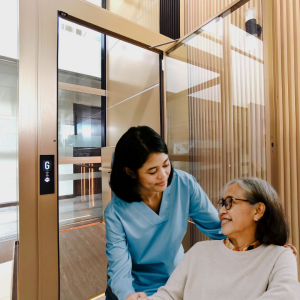
Home lifts are designed for everyone from active homeowners to older adults and individuals with mobility challenges.
-
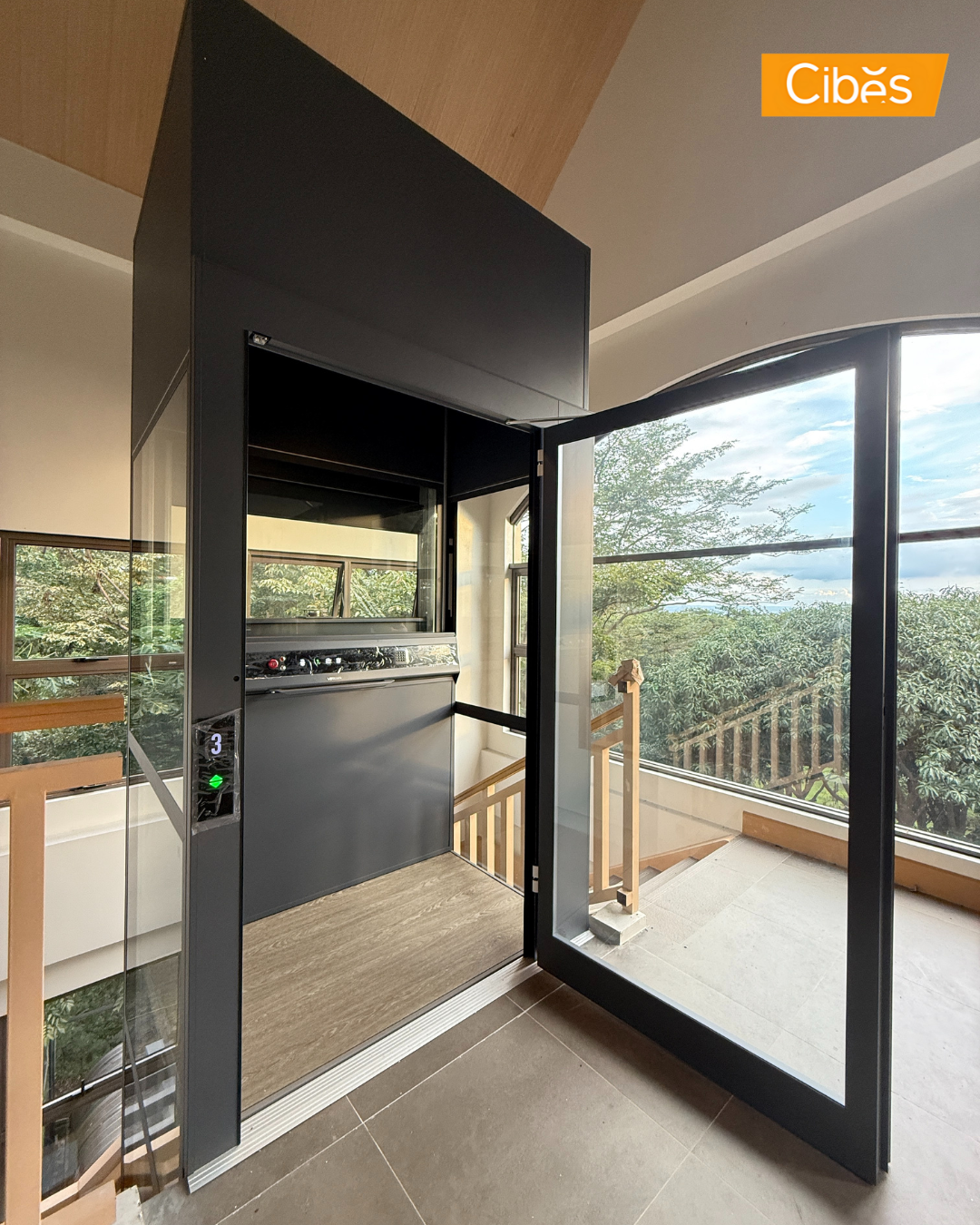
Wheelchair and walker users can enter directly without any transfer.
-
Parents can safely move with children between floors.
-
Families with aging members gain long-term accessibility and peace of mind.
With over 1.8 million Filipinos aged 60+ (PSA 2026) and a growing demand for accessible homes, home lifts are no longer luxury items they’re essential.
Installation: What to Expect
Installing a home lift involves professional construction work to ensure safety and design harmony.
-
The process takes 3–7 days installation, depending on the model and site preparation.
-
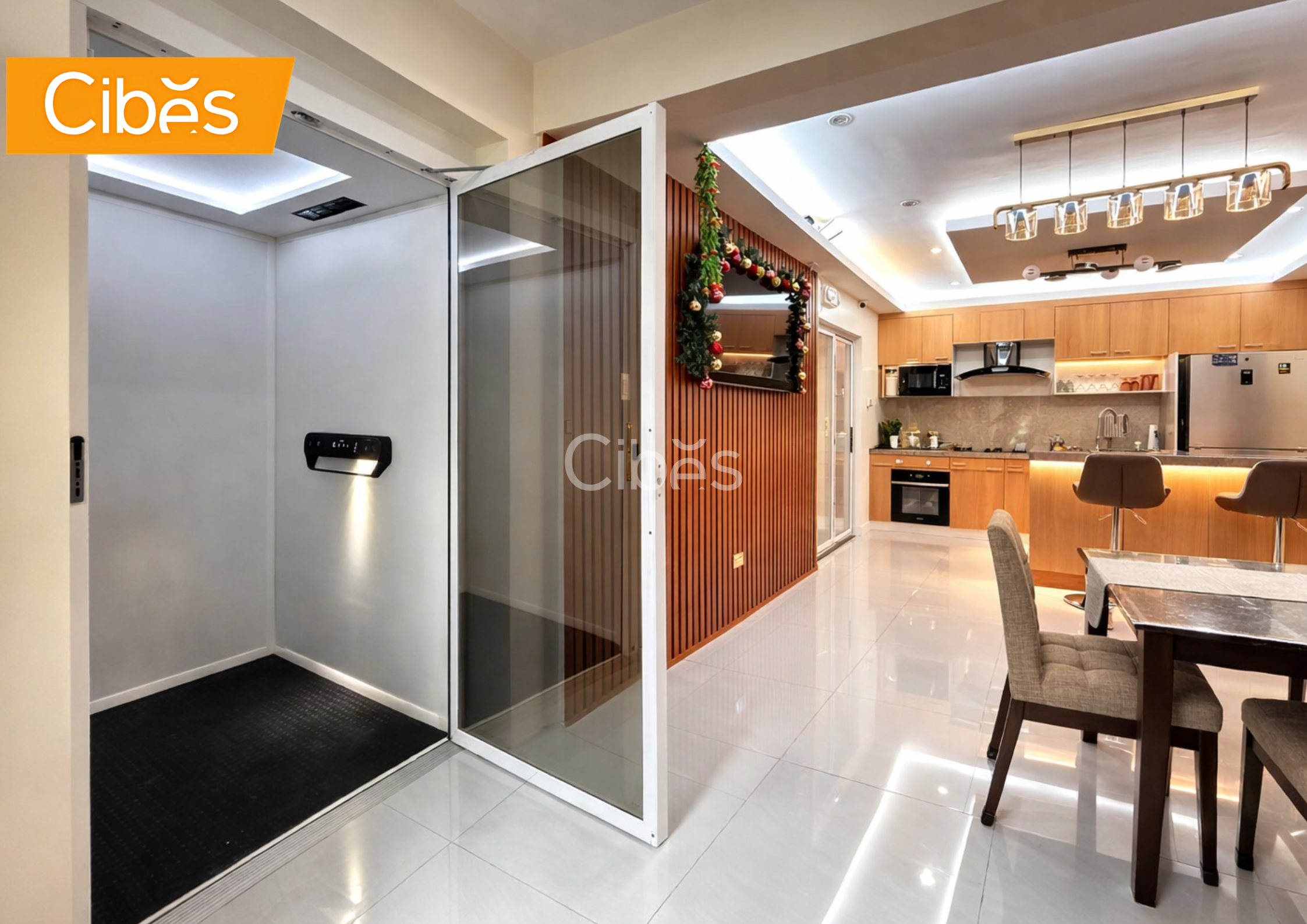
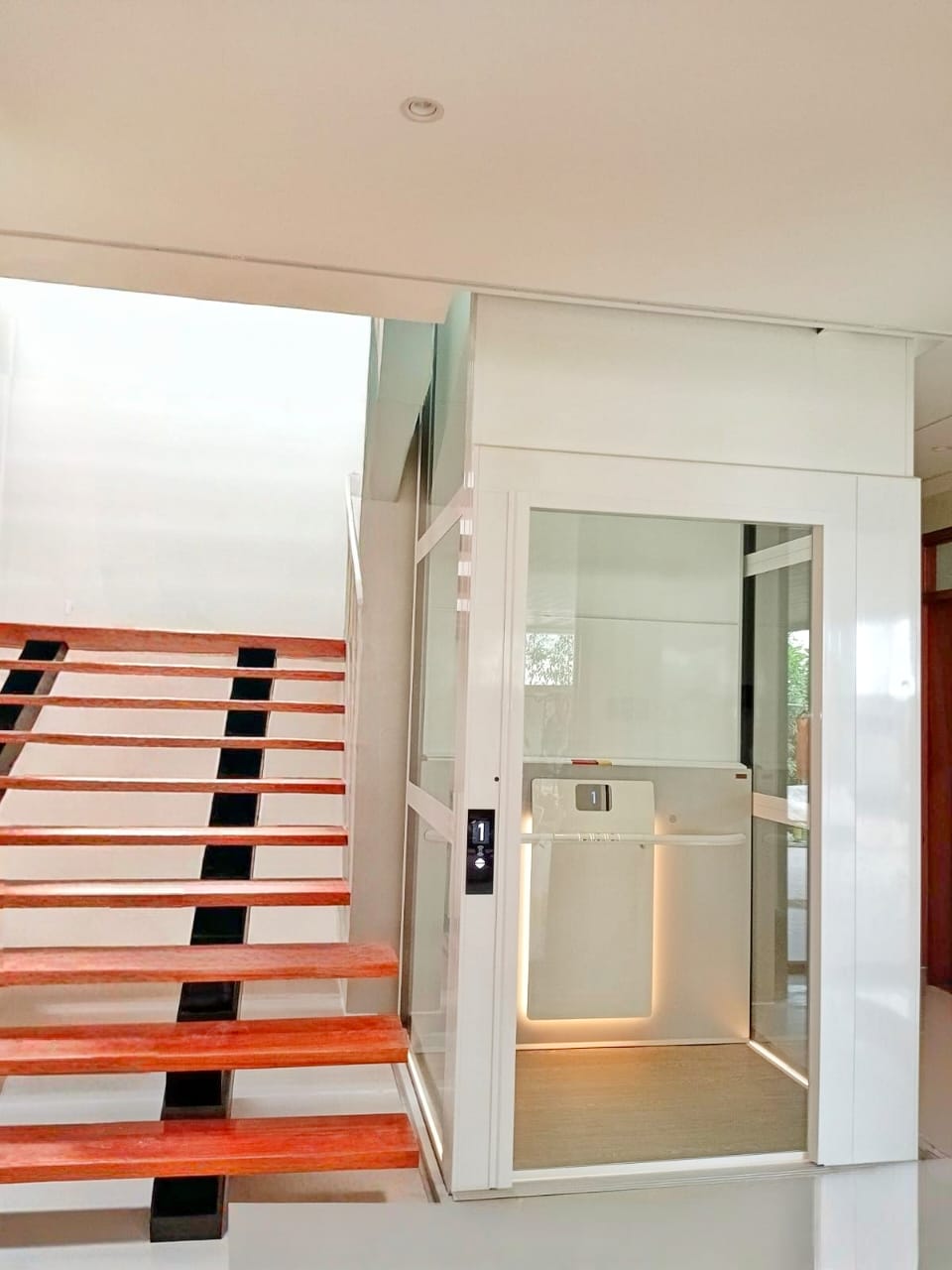
Modern pit less systems like Cibes lifts require minimal space as small as 1×1 meter and can be fitted into existing homes with little structural change.
-
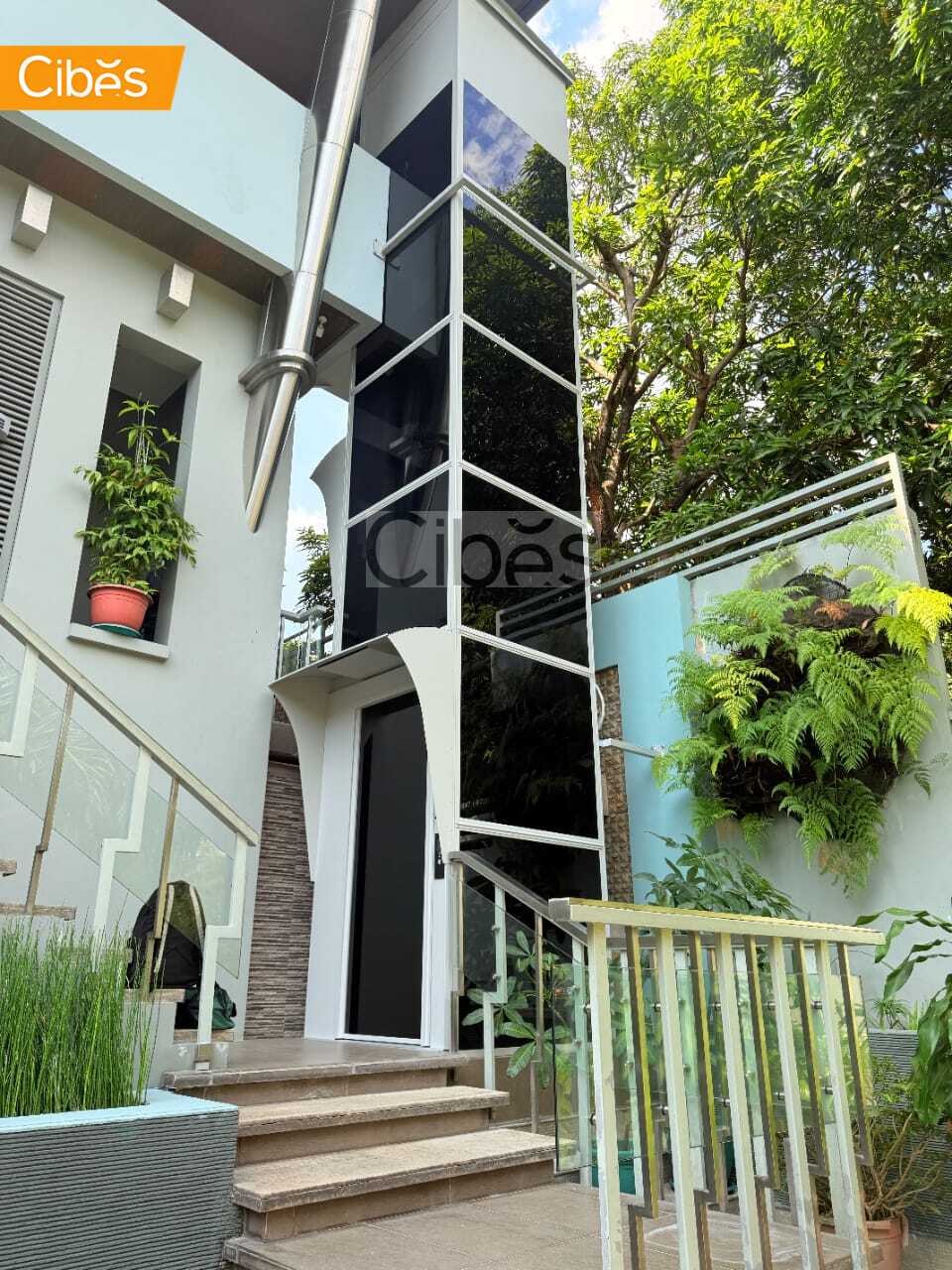
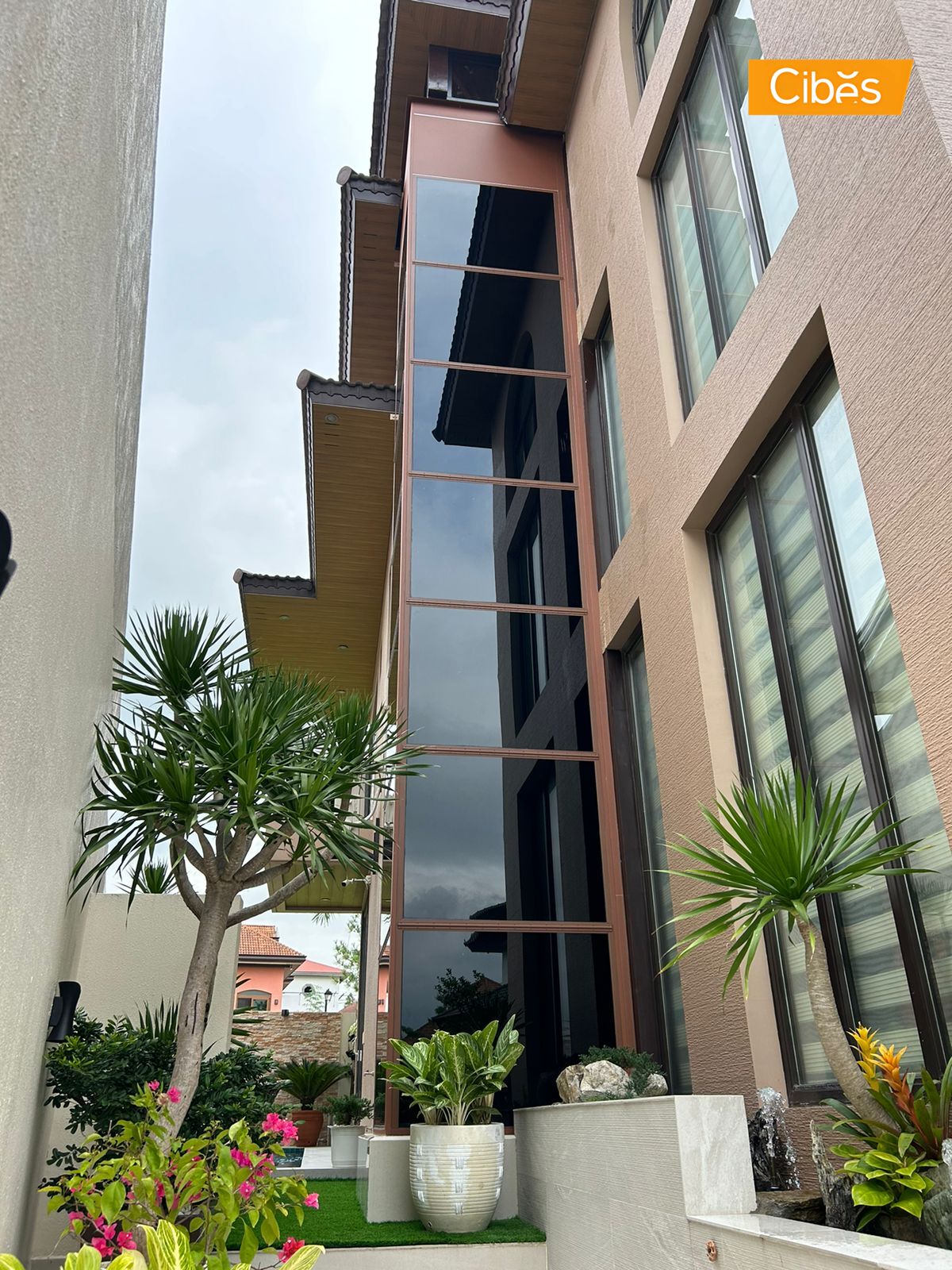
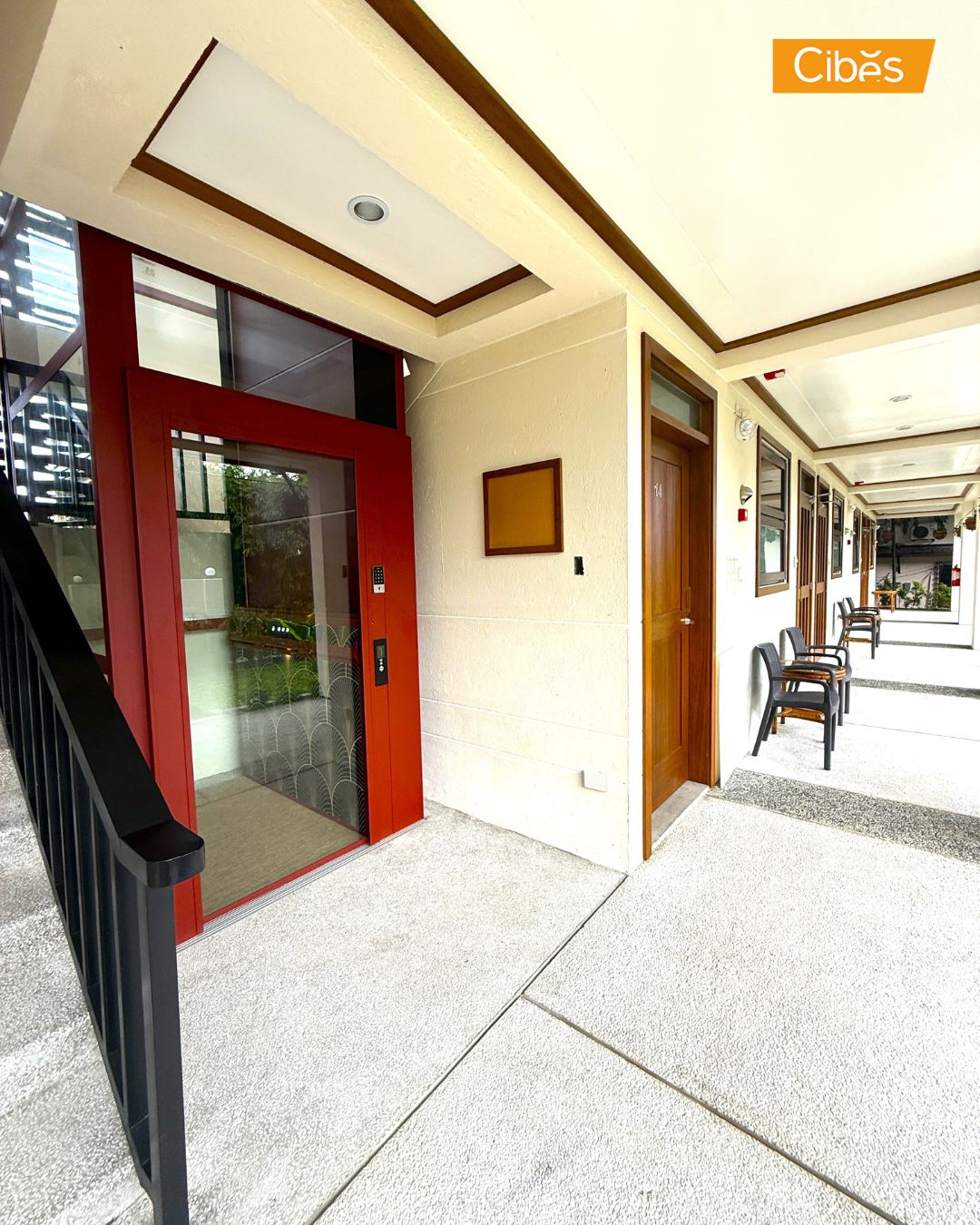
Glass shaft options allow the lift to blend beautifully with modern interiors.
Once installed, your home lift becomes a permanent and elegant feature that improves everyday living.
Aesthetics and Space Efficiency
Unlike bulky mobility devices, home lifts are designed to complement your home’s architecture.
-
They occupy their own space, keeping stairways clear.
-
Cibes Scandinavian design uses glass and steel finishes to create a sleek, modern centerpiece.
-
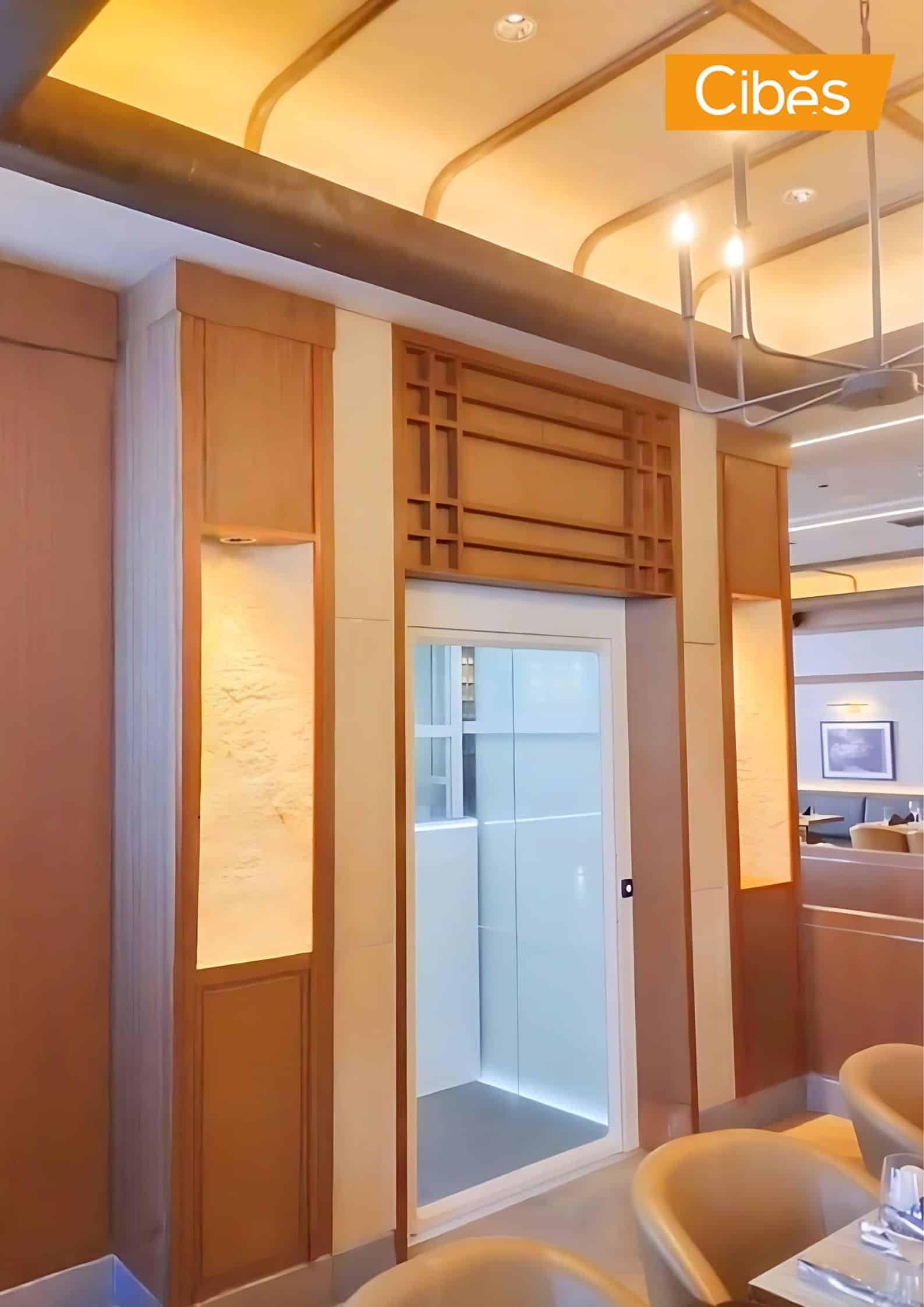
Home lifts are available in various colors, materials, and configurations to match your home’s style.
Thinking Long-Term
Home lifts provide decades of service with minimal maintenance.
They adapt as your family’s needs evolve from young children to senior years eliminating the need for multiple temporary solutions.
They also increase comfort, independence, and home value simultaneously, making them one of the smartest investments for modern Filipino homes.
Home Lift vs Stairlift: Pros and Cons (Philippines 2026)
| Category | Home Lift | Stairlift |
|---|---|---|
| Definition | A vertical platform lift that moves between floors through a shaft, ideal for multi-level homes. | A motorized chair that travels along the staircase rail to carry one seated person up or down. |
| Pros | – Fully wheelchair accessible – Adds property value (8–12% in PH premium homes) -Sleek, modern design fits luxury homes -Serves all floors with one system – Long-term mobility solution | – Lower upfront cost – Quick 1-day installation – Minimal space requirement on stairs – Simple electrical setup |
| Cons | – Higher investment cost (₱1.2M–₱2.5M) – Requires minor construction or shaft setup – Installation takes 3–7 days | – Not wheelchair friendly – Requires transfer in/out of seat – Looks like medical equipment (less aesthetic) – May block stairway space – Limited to one staircase only |
| Ideal For | Families with wheelchair users; long-term home ownership; luxury and multi-level residences in Metro Manila. | Users with mild mobility issues who can still stand or walk short distances; temporary mobility solutions. |
| Resale Value Impact | Increases property value and appeal, especially in Quezon City and Alabang homes. | Often removed before resale; may lower property aesthetics. |
| Maintenance | Low maintenance; serviced annually by authorized providers like Cibes PH. | Frequent service needed due to track and seat wear. |
| Aesthetics | Modern and customizable (glass, aluminum, or panoramic design). | Industrial or medical look; not integrated into interior design. |
Home Elevator Philippines: Ultimate Guide to Residential Lifts
When comparing mobility solutions, it’s important to understand how a home elevator Philippines system differs from simpler alternatives like stairlifts. A home lift Philippines solution is designed as a long-term upgrade, offering full vertical mobility between floors with comfort and safety.
Unlike temporary mobility aids, a residential elevator is built to serve the entire household, including wheelchair users, children, and elderly family members. It becomes a central feature of the home rather than an add-on.
For homeowners planning ahead, choosing an elevator for home use provides greater flexibility, higher property value, and a more seamless living experience compared to stair-based solutions. This is why more families across the Philippines are shifting toward full home elevator systems.
Final Thought
If you’re looking for a safe, stylish, and future-ready mobility solution, a home lift is your best investment in 2026
It’s not just about moving between floors it’s about enhancing your home, your lifestyle, and your independence.
FAQ: Home Lifts in the Philippines (2026)
Q: How much does a home lift cost?
A: ₱1.2M – ₱2.5M depending on the model and customization.
Q: Can wheelchair users use home lifts?
A: Yes, users can roll in directly without transferring.
Q: How long is the installation?
A: Installation typically takes 3–7 days, depending on site conditions.
Q: Do home lifts increase resale value?
A: Yes, by 8–12% in premium residential areas such as Alabang and Forbes Park.
Q: Can home lifts be added to existing houses?
A: Yes, Cibes pitless lifts are designed to fit into tight spaces with minimal construction required.
Q: Are home lifts energy-efficient?
A: Yes, Cibes screw-driven lifts plug into a regular outlet and consume minimal power.
Q: What sizes are available?
A: Models start from as small as a 1×1 meter footprint, ideal for compact homes.
Q: What is the difference between a stairlift and a home elevator in the Philippines?
A: A stairlift carries one seated person along stairs, while a home elevator Philippines system provides full vertical access for multiple users, including wheelchairs.
Q: Are home elevators better than stairlifts for Filipino homes?
A: Yes, for long-term use. A residential elevator offers better accessibility, higher property value, and a more modern design compared to stairlifts.
Q: Are home lifts worth it for Filipino homes?
A: Absolutely. They’re a smart investment for aging-in-place, modern luxury, and long-term property value.


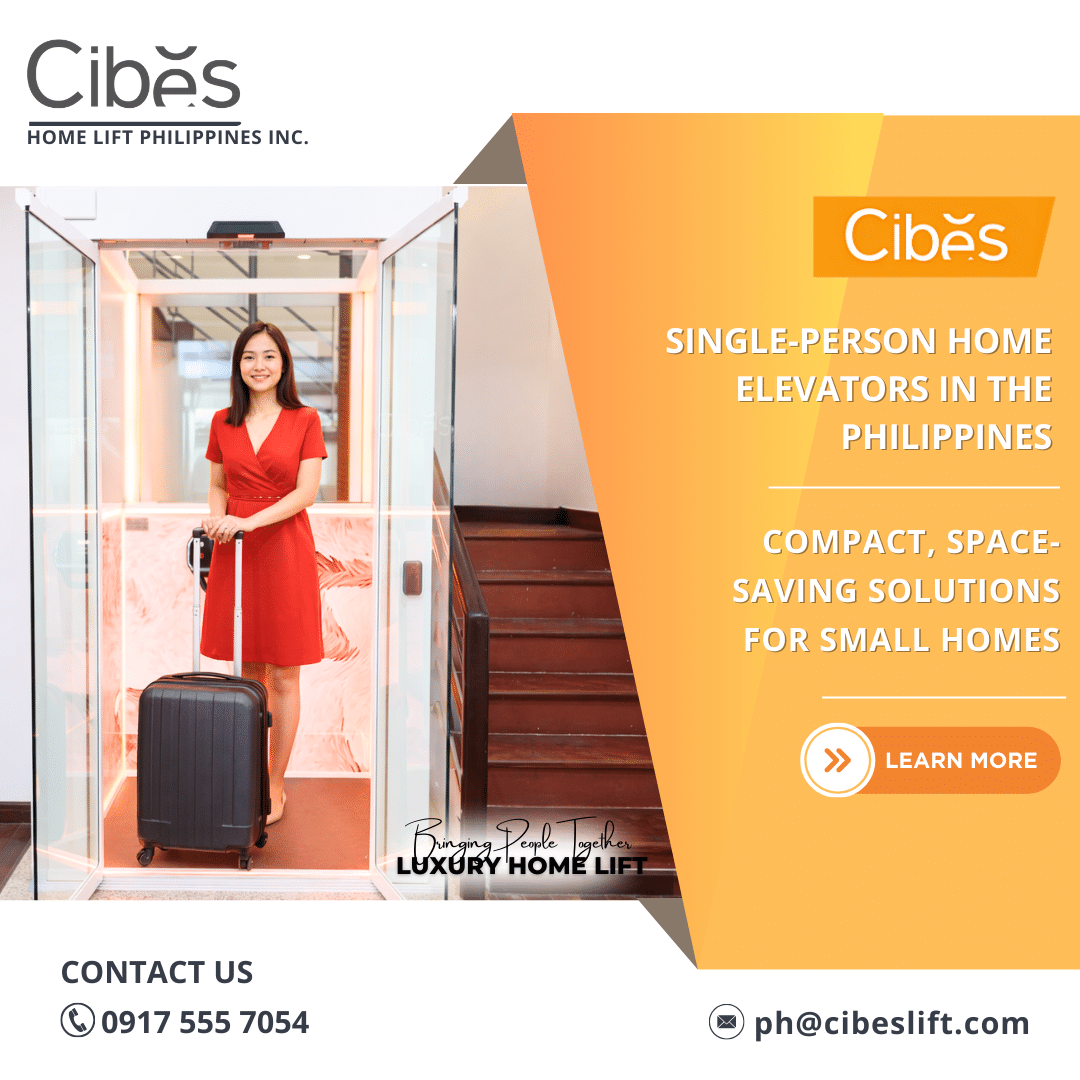
What is a single-person home elevator in the Philippines? TL;DR A single-person home elevator is a compact residential lift designed for one adult. It typically measures 2.5 to 3 feet wide and 3 to 4 feet deep, with an 8 to 12 square foot footprint per floor and a weight capacity of 300 to 500 […]
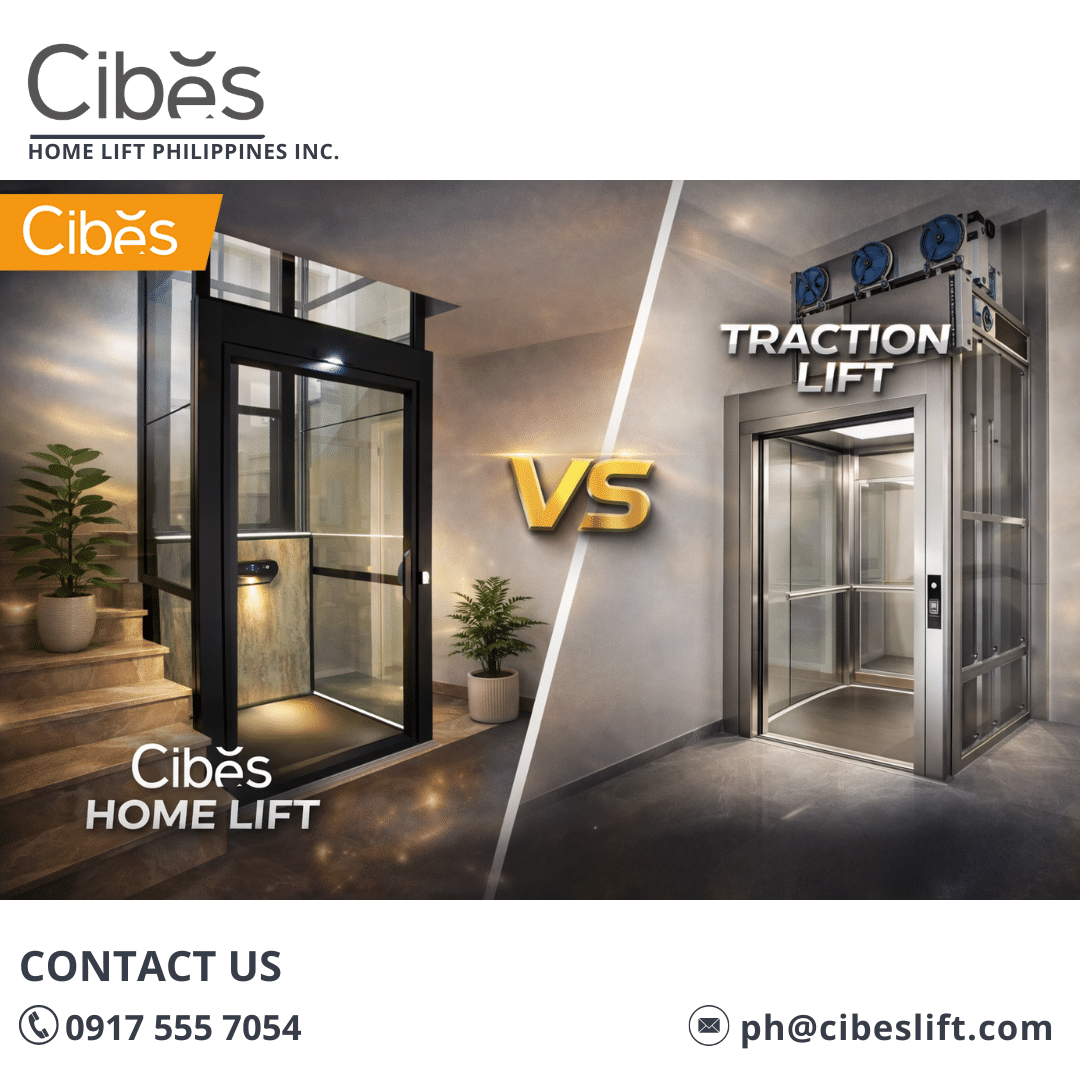
Are Traction Elevators Good for Homes in the Philippines? TL;DR Traction elevators are a practical home lift solution for many Philippine houses, especially those with three or more floors. They use about 40-70% less electricity than hydraulic elevators, which helps reduce operating costs in a country where power prices are relatively high. Modern traction systems […]

What are the requirements for a PWD elevator in the Philippines? TL;DR A PWD elevator in the Philippines must support wheelchair access and follow accessibility standards. The minimum cabin size is 1.1 m × 1.4 m, door opening must be at least 900 mm, and elevator controls must be placed 900-1,200 mm above the floor with Braille […]

What is a simple elevated house design in the Philippines? TL;DR A simple elevated house is a home built on a raised foundation, stilts, or a platform to reduce flood risk, improve airflow, and adapt to tropical weather conditions common across the Philippines. In areas like Metro Manila, Bulacan, Pampanga, Laguna, and many coastal towns, […]

Understanding Glass and Scenic Home Elevators in the Philippines TL;DR: What Is a Glass Home Elevator and Why Do Filipino Homeowners Install One? Cibes Glass home elevators use tempered or laminated safety glass walls to move people between floors while maintaining visibility and natural light. In the Philippines, they are commonly installed to support aging […]