



What is a single-person home elevator in the Philippines? TL;DR A single-person home elevator is a compact residential lift designed for one adult. It typically measures 2.5 to 3 feet wide and 3 to 4 feet deep, with an 8 to 12 square foot footprint per floor and a weight capacity of 300 to 500 […]
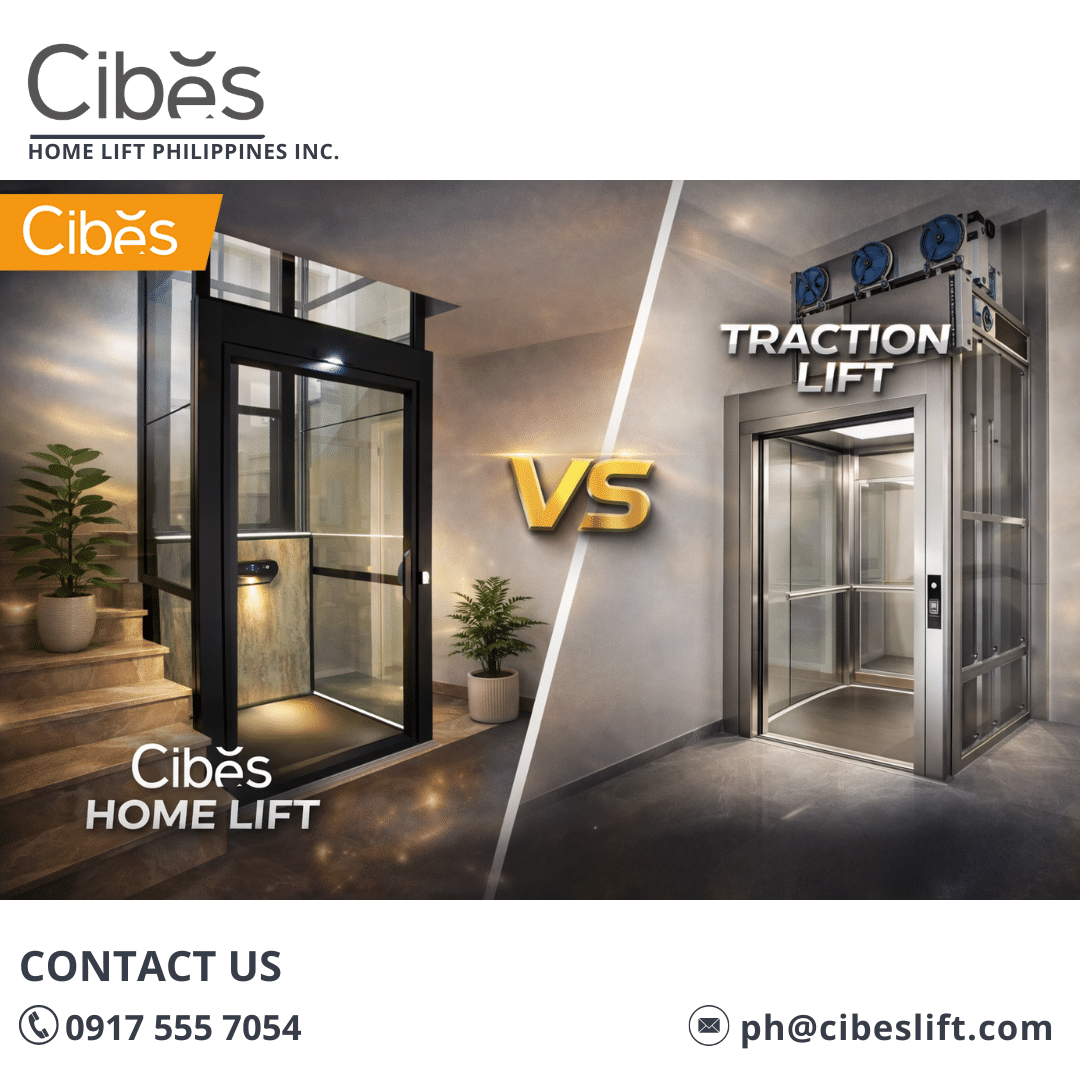
Are Traction Elevators Good for Homes in the Philippines? TL;DR Traction elevators are a practical home lift solution for many Philippine houses, especially those with three or more floors. They use about 40-70% less electricity than hydraulic elevators, which helps reduce operating costs in a country where power prices are relatively high. Modern traction systems […]

What are the requirements for a PWD elevator in the Philippines? TL;DR A PWD elevator in the Philippines must support wheelchair access and follow accessibility standards. The minimum cabin size is 1.1 m × 1.4 m, door opening must be at least 900 mm, and elevator controls must be placed 900-1,200 mm above the floor with Braille […]

What is a simple elevated house design in the Philippines? TL;DR A simple elevated house is a home built on a raised foundation, stilts, or a platform to reduce flood risk, improve airflow, and adapt to tropical weather conditions common across the Philippines. In areas like Metro Manila, Bulacan, Pampanga, Laguna, and many coastal towns, […]

Understanding Glass and Scenic Home Elevators in the Philippines TL;DR: What Is a Glass Home Elevator and Why Do Filipino Homeowners Install One? Cibes Glass home elevators use tempered or laminated safety glass walls to move people between floors while maintaining visibility and natural light. In the Philippines, they are commonly installed to support aging […]

What is a hydraulic home elevator and is it right for homes in the Philippines? TL;DR A hydraulic home elevator uses a fluid-powered piston to lift the cabin. In the Philippines, it is a practical choice for 2 – 3 storey homes, especially townhouses and retrofit projects with limited headroom. It offers strong lifting capacity […]
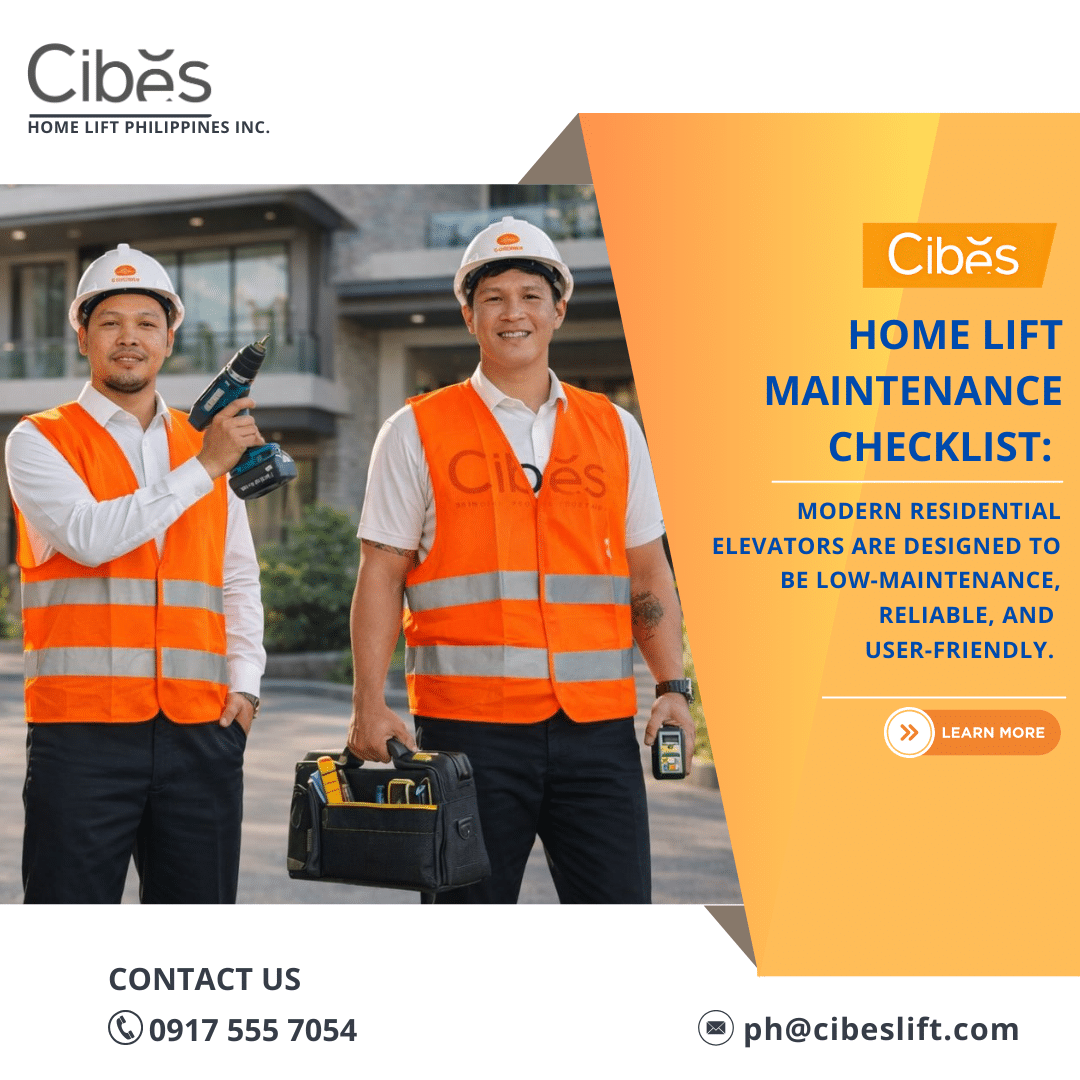
Home Lift Maintenance Checklist: Key Tips for 2026 TL;DR If you’re worried that owning a home lift means constant upkeep or complicated maintenance routines, you can relax. Modern residential elevators are designed to be low-maintenance, reliable, and user-friendly. With just a few simple practices, your lift will run smoothly for decades. In the Philippines, where […]

Are home lifts safer than ever in 2026? Unquestionably yes. However, the real safety question isn’t whether home lifts are safe enough; it’s whether continuing to rely on stairs is the riskier choice as mobility changes with age. In the Philippines, where multi-story townhouses and family homes are common in urban areas like Metro Manila, […]
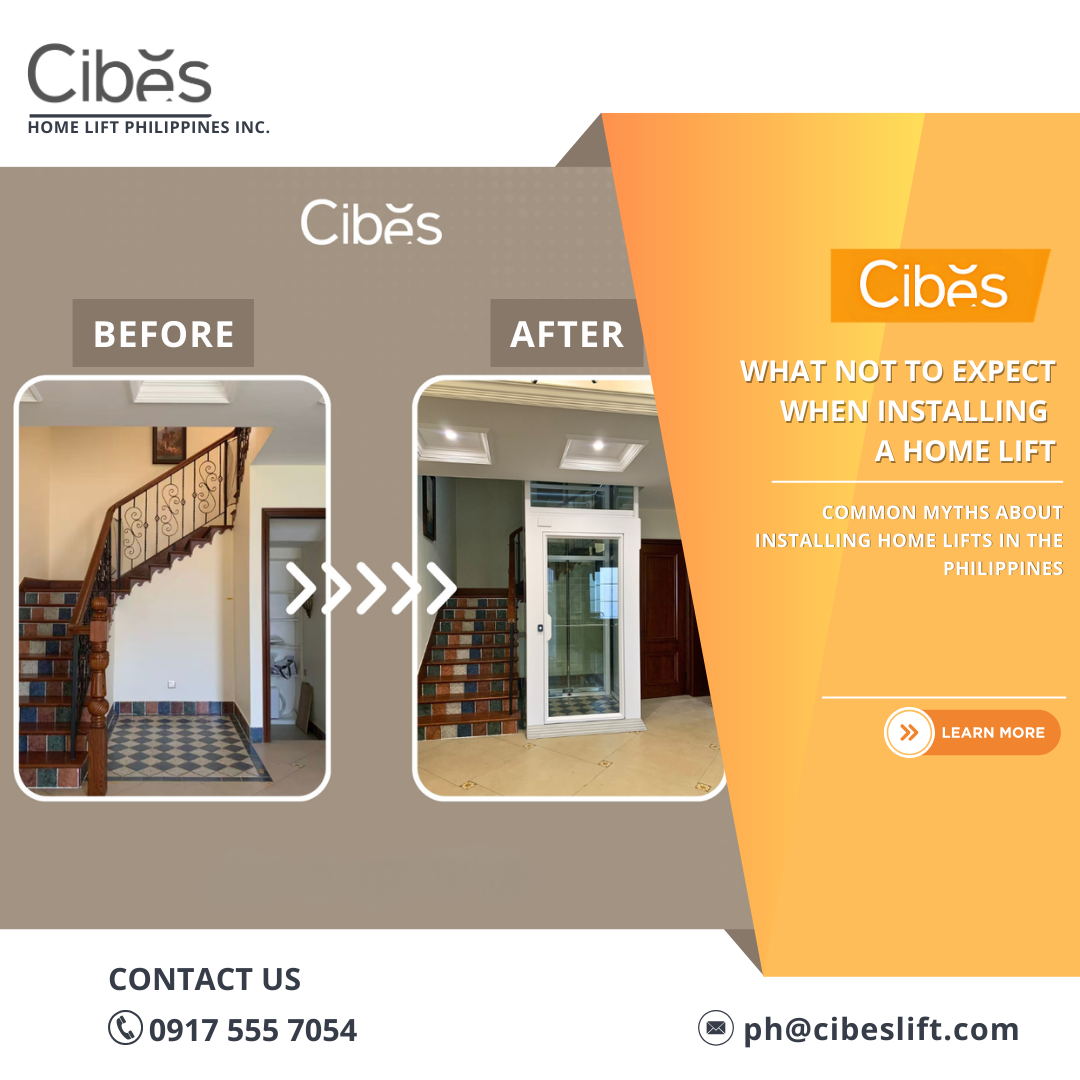
What to Expect When Installing a Home Lift in the Philippines TL;DR: What should you expect when installing a home lift? Home lift installation in the Philippines usually takes about 1 to 3 weeks, with simpler two-stop setups completed in as little as 5 to 7 days. Modern home are designed to blend into residential […]
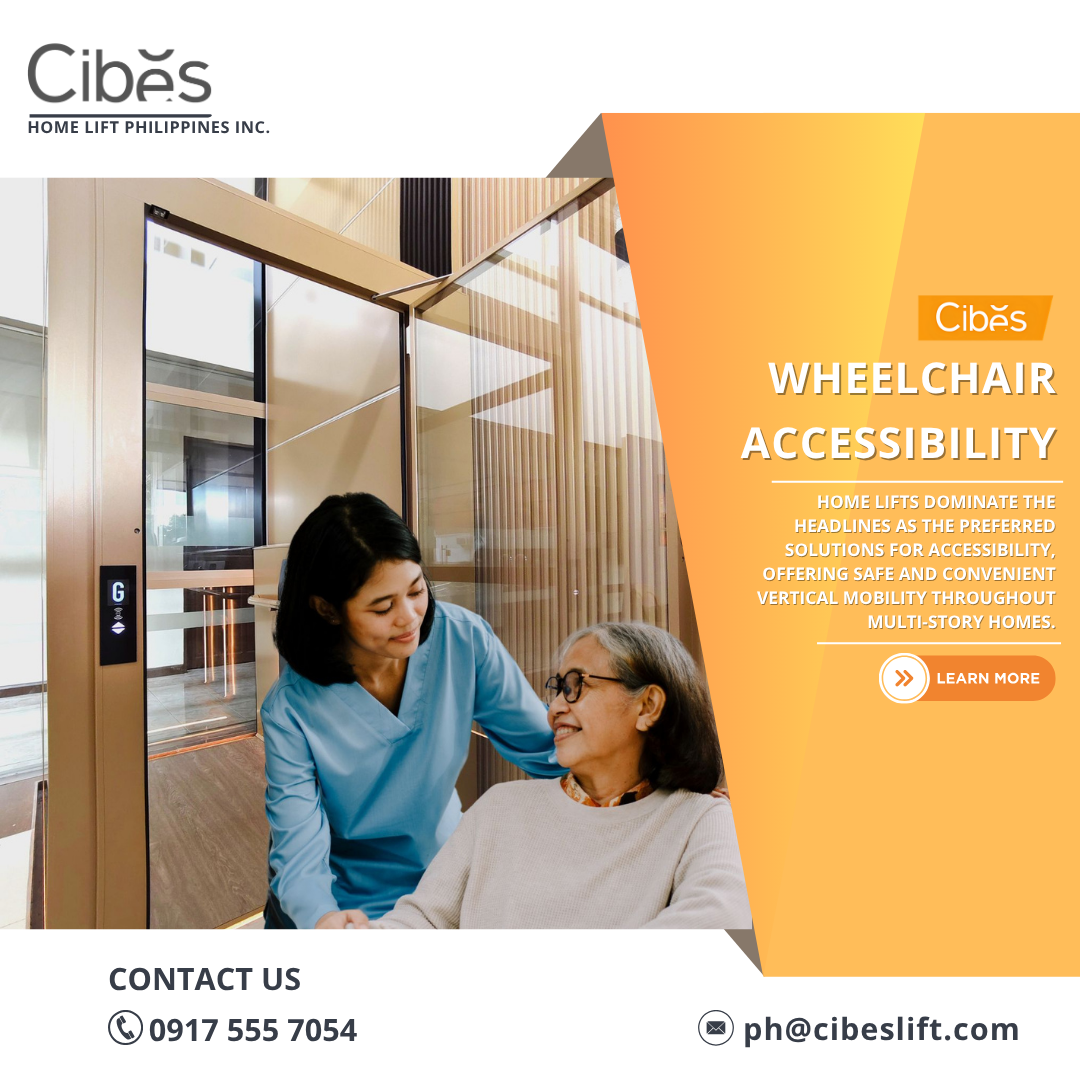
Comprehensive Home Lift Modifications for Aging in Place More and more homeowners are discovering that staying in their beloved homes as they age requires cautious planning and wise modifications. Cibes Home lifts dominate the headlines as the preferred solutions for accessibility, offering safe and convenient vertical mobility throughout multi-story homes. These solutions are increasingly used […]
